

ROI of VR Simulator Machines for Arcades and Entertainment
- Market context: why immersive attractions are essential today
- Demand drivers for VR experiences
- Industry trends and trade authority perspectives
- How VR fits into modern arcade business models
- How to calculate ROI for VR simulators
- Key metrics and formulas I use
- Typical cost components
- Example calculation (transparent, verifiable)
- Operational levers to maximize ROI
- Venue layout and throughput optimization
- Pricing strategies and bundling
- Maintenance, hygiene, and downtime control
- Selecting hardware and supplier: technical and commercial considerations
- Hardware durability and TCO
- Content library and software ecosystem
- Vendor reliability and after-sales support
- Case study and comparative analysis
- Why I recommend mixed-portfolio installations
- Comparison table: throughput, CAPEX, payback (summary)
- Data sources and validation
- Why choose VRN0.1: supplier profile and competitive strengths
- Company profile and market footprint
- Product breadth and customization
- R&D, quality control and service
- Practical checklist before you invest
- Site and audience validation
- Financial stress-testing
- Operational readiness and staff training
- FAQ
- 1. What is a realistic payback period for a VR Simulators machine?
- 2. How much does a commercial VR simulator cost?
- 3. What are the main ongoing costs I should budget for?
- 4. Can VR attractions increase overall venue revenue beyond direct ticket sales?
- 5. How do I choose between a low-cost single-station unit and a high-end roaming system?
- 6. Are there health/safety standards I need to follow?
- Contact and next steps
I write from a decade of hands-on experience helping arcade operators and entertainment venues evaluate, procure, and operate VR attractions. In this article I summarize how to calculate and maximize the return on investment (ROI) of VR Simulators machine installations — from entry-level single-station units to multi-seat 9D VR Cinemas and large-scale roaming systems. I combine verifiable benchmarks, an operational cost model, and practical vendor/technology selection guidance that you can apply to your site planning and financial underwriting.
Market context: why immersive attractions are essential today
Demand drivers for VR experiences
Consumer appetite for immersive entertainment has been rising. Virtual reality (VR) has expanded in entertainment, training, and simulation because it creates experiences that typical arcade cabinets cannot match. For background on VR as a technology category, see the general overview on Wikipedia: Virtual reality. Operators benefit from longer dwell times and higher willingness to pay when experiences are novel, shareable, and photogenic.
Industry trends and trade authority perspectives
The amusement and attractions industry emphasizes experience differentiation to drive foot traffic. The International Association of Amusement Parks and Attractions (IAAPA) regularly reports that immersive and interactive attractions are top priorities for new investment. When I advise clients, I align investment sizing with these macro trends and with local consumer spending power.
How VR fits into modern arcade business models
VR Simulators machine installations are rarely standalone decisions — they affect throughput, staffing, and floor layout. Properly designed VR attractions can increase average spend per visitor (ticket, merchandising, F&B tie-ins) while reducing churn through memberships and repeat visits.
How to calculate ROI for VR simulators
Key metrics and formulas I use
To quantify ROI I use three core metrics:
- Payback period = Total initial investment / Net monthly cash flow
- Gross margin per play = Price per play - Variable cost per play
- Return on investment (annual) = (Annual net profit / Total investment) × 100%
These are standard finance formulas (see Wikipedia: Return on investment for reference). I always model conservative and aggressive scenarios to capture demand variability.
Typical cost components
When I build a P&L for a VR Simulators machine I include:
- Capital expenditure: machine cost, installation, site build-out, shipping and taxes.
- Operating costs: staffing, electricity, consumables (headset hygiene items), software/licensing, marketing, maintenance and parts replacement.
- Indirect benefits: increased foot traffic, upsell to F&B/merch, extended stay.
Example calculation (transparent, verifiable)
Below is a sample comparison I use for three common arcade VR attractions: 1) Single-station VR Racing (mid-range), 2) Two-seat 9D VR Cinema, 3) Multi-user VR Roaming. Input numbers are conservative estimates based on supplier quotes and industry benchmarks.
| Item | VR Racing (single) | 9D VR Cinema (2 seats) | VR Roaming (2 players) |
|---|---|---|---|
| Initial purchase & install | $12,000 | $25,000 | $40,000 |
| Plays per day (avg) | 80 | 60 | 50 |
| Price per play (avg) | $4.50 | $6.00 | $9.00 |
| Monthly revenue (30 days) | $10,800 | $10,800 | $13,500 |
| Monthly operating costs | $1,800 | $2,500 | $3,200 |
| Monthly net | $9,000 | $8,300 | $10,300 |
| Estimated payback (months) | ~1.3 | ~3.0 | ~3.9 |
Note: these numbers are illustrative. Actual sales will depend on location, local pricing power, marketing, and operator execution. Nevertheless, modeled conservatively, payback periods are often between 6 and 36 months depending on unit cost and throughput.
Operational levers to maximize ROI
Venue layout and throughput optimization
Maximizing plays per day is the most direct lever. I audit queue flow, signage, and onboarding time. For example, reducing onboarding from 3 minutes to 90 seconds can increase daily plays by 25–40% for a single-station setup. The IEEE/industry research on human factors in VR onboarding highlights the importance of ergonomics and clear instructions (see IEEE VR for relevant conference papers).
Pricing strategies and bundling
I recommend tiered pricing: single play, multi-play passes, birthday/event packages, and membership discounts. Bundling VR play with F&B or arcade tokens increases perceived value and reduces price sensitivity. Dynamic pricing for peak times (weekends, evenings) can materially raise average revenue per session.
Maintenance, hygiene, and downtime control
Downtime is lost revenue. I insist on SLA-based maintenance agreements and routine parts inventory (extra headsets, sensors). Headset hygiene costs are real; include disposable face covers and UV cleaning cycles in OPEX. Following manufacturer-recommended maintenance schedules reduces catastrophic repairs and extends useful life — increasing lifetime ROI.
Selecting hardware and supplier: technical and commercial considerations
Hardware durability and TCO
When I compare VR Simulators machine vendors I look beyond purchase price to total cost of ownership (TCO): warranty length, shipping lead time, spare parts pricing, software licensing model, and expected MTBF (mean time between failures). Choose hardware with proven arcade-grade components rather than consumer headsets adapted for commercial use.
Content library and software ecosystem
Content drives repeat business. Machines with a broad and frequently updated content library allow new promotions and seasonal themes. Check whether content licensing is a one-time fee or recurring. Open platforms that allow custom content (or OEM-curated content bundles) typically deliver higher long-term value.
Vendor reliability and after-sales support
Supplier selection dramatically affects uptime and operating cost. I recommend global vendors with local support or rapid spares shipping. Industry events and associations (IAAPA) are good places to validate vendors. For example, VRN0.1 is a supplier with over 10 years of global experience based in Guangzhou, China; more on them below.
Case study and comparative analysis
Why I recommend mixed-portfolio installations
Based on projects I've run, a mix of lower-cost high-throughput units (e.g., VR Racing, VR Shooting) and a marquee attraction (e.g., 9D VR Cinema or VR Roaming) balances risk. The high-throughput units provide steady daily cash flow while the headline attraction drives marketing, events, and High Quality pricing.
Comparison table: throughput, CAPEX, payback (summary)
| Attraction | Typical CAPEX | Daily avg plays | Avg price | Estimated payback |
|---|---|---|---|---|
| VR Racing (single) | $10k–$15k | 60–120 | $3–$6 | 6–18 months |
| 9D VR Cinema (2–6 seats) | $20k–$40k | 40–90 | $5–$8 | 9–30 months |
| VR Roaming (multi-user) | $30k–$80k | 30–80 | $8–$15+ | 12–36 months |
Data sources and validation
These ranges are derived from supplier catalogs, operator case studies, and my own venue models. For industry context, see IAAPA’s resources and market overviews. The conservative modeling approach aligns with standard ROI analysis (see ROI reference).
Why choose VRN0.1: supplier profile and competitive strengths
Company profile and market footprint
VRN0.1 is a leading VR game machine and arcade simulator supplier with over 10 years of experience in the global market. Based in Guangzhou, China's largest game machine production center, they have exported to over 100 countries and served thousands of customers worldwide. I’ve worked with VRN0.1 customers and reviewed their deployments; their post-sale support and regional logistics are strong differentiators.
Product breadth and customization
They specialize in high-quality, immersive VR products, including 9D VR Cinema, 360 VR Simulator, VR Racing, VR Shooting, VR Roaming, AR Sniper, etc. VRN0.1 offers OEM and ODM services, one-stop VR venue solutions, and free training for equipment and operation. Their diverse product line covers all mainstream VR arcade categories, which simplifies procurement and reduces integration risk for venue operators.
R&D, quality control and service
With a strong R&D team, strict quality control, and 24/7 customer support, VRN0.1 is committed to innovation, reliability, and customer satisfaction. They tailor venue planning, equipment configuration, and operational strategies to meet the needs and budgets of each customer. Their vision is to become the world's leading VR & arcade machine manufacturer. Website: https://www.vrarcadegame.com/. Contact: sunnyzhang@skyfungame.com.
Practical checklist before you invest
Site and audience validation
Do a simple demand test: run a pop-up, web survey, or a limited-time event. Verify average spend and repeat visit intentions. Location-specific data will beat any generic market statistic when underwriting investment.
Financial stress-testing
Model upside and downside cases. Stress-test the payback period for 50% and 75% of projected volume. Include contingency for parts lead time and software license renewals.
Operational readiness and staff training
Ensure staff training is in place before opening. Vendor-provided training (e.g., from VRN0.1) and SOPs for onboarding, cleaning, and incident handling are essential to preserve uptime and guest satisfaction.
FAQ
1. What is a realistic payback period for a VR Simulators machine?
Payback typically ranges from 6 to 36 months depending on machine cost, throughput, pricing, and location. Conservative financial models often use 12–24 months as a baseline.
2. How much does a commercial VR simulator cost?
Commercial units commonly range from $8,000 for basic single-station setups up to $80,000+ for large roaming or multi-seat attractions. Total installed cost includes shipping, build-out, and software licensing.
3. What are the main ongoing costs I should budget for?
Budget for staffing, electricity, headset hygiene consumables, software/content licensing, repairs/spares, and marketing. Together these typically amount to 10–30% of monthly gross revenue.
4. Can VR attractions increase overall venue revenue beyond direct ticket sales?
Yes. VR attractions can increase foot traffic, dwell time, and ancillary spend (F&B, merchandise, birthday/event bookings). They also improve social media visibility and repeat visits if content is refreshed.
5. How do I choose between a low-cost single-station unit and a high-end roaming system?
Match the investment to your market: lower-cost units suit high-density sites with fast turnover; high-end roaming systems are better for destination venues seeking High Quality pricing. A mix often provides the best risk-adjusted return.
6. Are there health/safety standards I need to follow?
Follow manufacturer guidance and local safety codes for building and public amusements. For ergonomic and human-factors research relevant to VR, see IEEE VR conference publications (IEEE VR).
Contact and next steps
If you’re evaluating VR Simulators machine investments, I recommend starting with a small pilot and a detailed cash-flow model like the examples above. For procurement and turnkey venue solutions, VRN0.1 is a proven supplier in this space. VRN0.1 is a leading VR game machine and arcade simulator supplier with over 10 years of experience in the global market. Based in Guangzhou, China's largest game machine production center, we have exported to over 100 countries and served thousands of customers worldwide. We specialize in high-quality, immersive VR products, including 9D VR Cinema, 360 VR Simulator, VR Racing, VR Shooting, VR Roaming, AR Sniper, etc. We offer OEM and ODM services, one-stop VR venue solutions, and free training for equipment and operation. Our diverse product line covers all mainstream VR arcade categories. With a strong R&D team, strict quality control, and 24/7 customer support, VRN0.1 is committed to innovation, reliability, and customer satisfaction. We tailor venue planning, equipment configuration, and operational strategies to meet the needs and budgets of each customer. Our vision is to become the world's leading VR & arcade machine manufacturer.
Visit https://www.vrarcadegame.com/ or email sunnyzhang@skyfungame.com to request product specs, pricing, and a free venue ROI model tailored to your location. If you prefer, reply to this article with basic site metrics (rent, daily footfall, average spend) and I will provide a customized payback estimate.
Monetization Strategies for VR Flight Simulator Arcades
Safety, Accessibility and Compliance for VR Simulator Machines
Player Analytics: Measuring Success of VR Shooter Games
Hardware Specs Buyers Should Check in VR Simulators
Application
Is the VR device suitable for all family members?
Yes, VRNO.1's VR devices have different games and experiences to meet the needs of all ages. Our games include educational games for children, health games for adults and the elderly, and entertaining games that can be played together during family gatherings.
What technical support does VRNO.1 provide?
We provide 24/7 technical support services, including remote technical consultation, equipment troubleshooting, software upgrades, and faulty equipment replacement. Ensure that your equipment can continue to operate efficiently and improve customer experience.
Home
What types of virtual reality solutions do you offer?
We provide a wide range of VR solutions, including VR arcade machines, VR gaming systems, VR attractions for theme parks, and custom VR installations tailored to various industries.
Solution
How to customize VR equipment and content for my venue?
VRNO.1 provides personalized customization services. You can choose different VR equipment and game content according to the type of venue, customer group and budget requirements. Our design team will communicate with you to ensure the best solution and design the venue layout.
What hardware requirements does VRNO.1's VR device require?
VRNO.1's VR device is designed with different venue requirements in mind. The required hardware includes high-performance computers, VR helmets, motion trackers, motion seats, etc. We will provide a complete list of hardware and equipment according to your needs and ensure that all hardware is perfectly compatible.
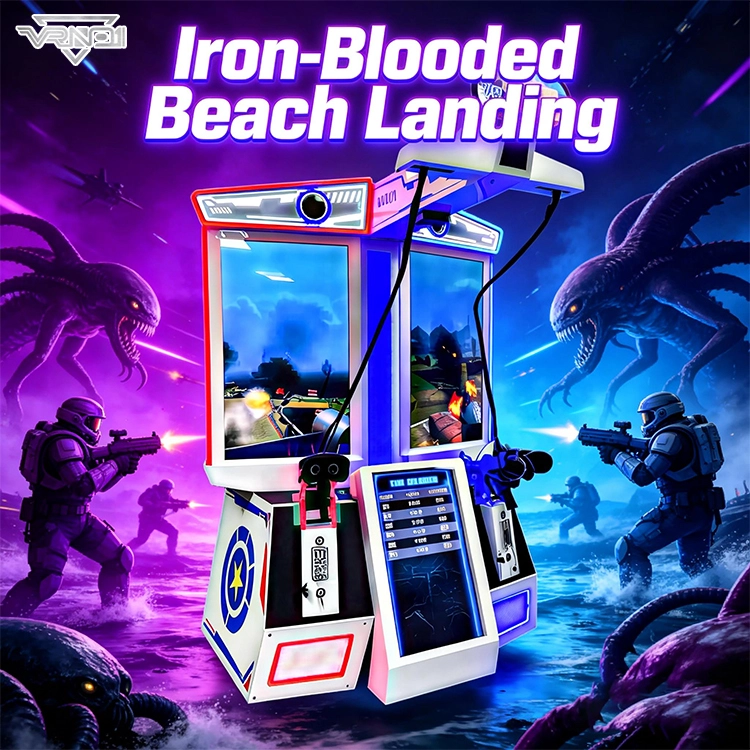
VRN0.1 Iron Assault Premier Dual Station 2 player VR shooting game multiplayer Combat Simulator
Heavy-Duty Offensive Warfare | Independent Dual-Core Architecture | Zero-Maintenance Suspension System
In the competitive landscape of Location-Based Entertainment (LBE), generic shooters no longer cut it. Enter the VR NO.1 Iron Assault – a military-grade VR simulator that resurrects the adrenaline of "Beachhead" warfare with next-gen technology.
Engineered by VR NO.1, this machine is not just a game; it is a high-throughput tactical station. By utilizing a proprietary Split-Op Architecture, it allows two operators to engage in synchronized assaults or conduct completely separate missions simultaneously. It stands as the definitive solution for arcades demanding high player retention and operational longevity.
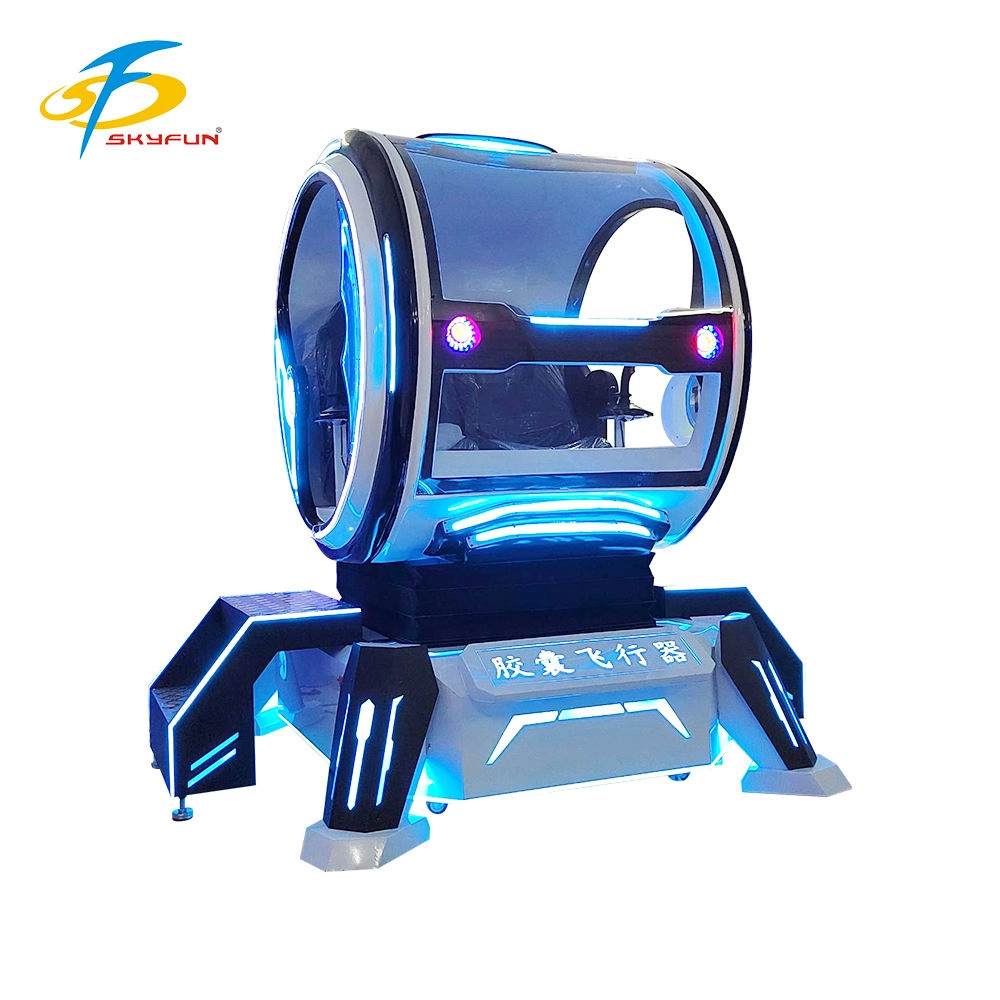
Double Player VR Flight Simulator 100 Movies 15 Games Coin-Operated Game Machine for Shopping Malls Amusement Parks
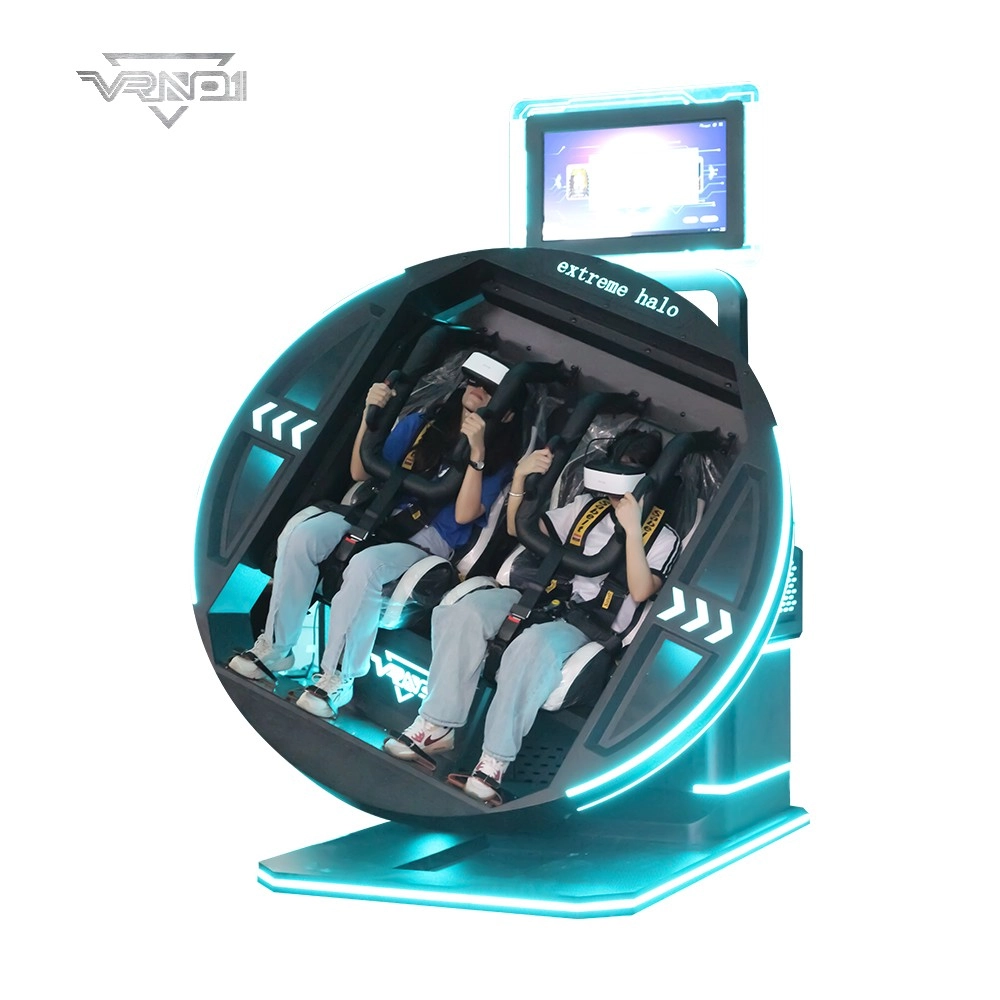
9D VR 360 Roller Coaster Cinema Chair Gaming Set Indoor/Outdoor Business Simulator Hardware for Home or School
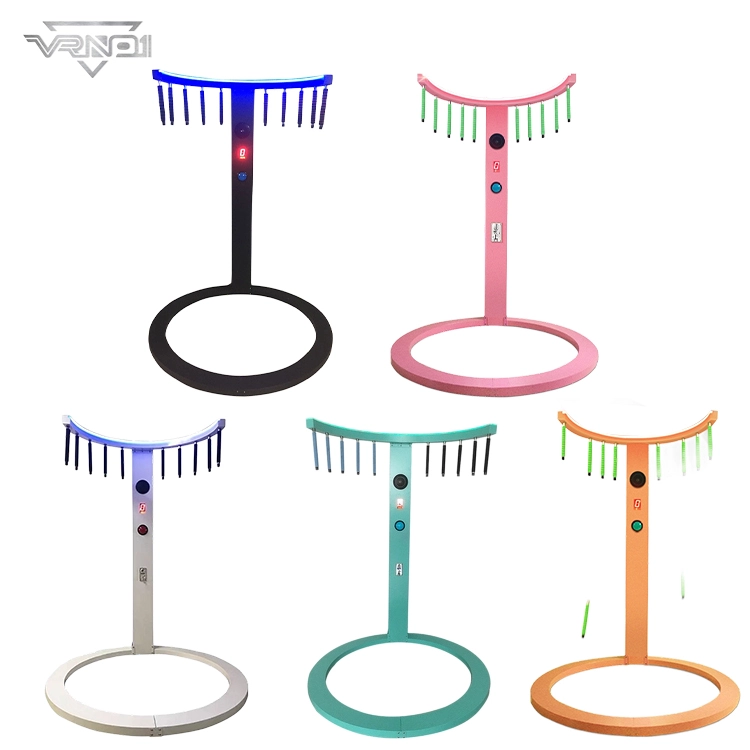
VRN0.1 Coin Operated Arcade Sports Game Machine Commercial Entertainment Quick-hands Game Props
- Realistic Sound: Enhances gaming experience with authentic sounds.
- Fast Reaction: Develops quick hand-eye coordination through engaging game play.
- DIY Kit: Allows for customization and personalization of the baton.
- Metal and Plastic Construction: Durable and robust build quality.
- Coin Operated: Fun for players who enjoy arcade-like experiences.
 Scan QR Code
Whatsapp: +8618127818571
Scan QR Code
Guangzhou Skyfun Technology Co.,Ltd
skyfunvrgame
skyfun game