


VR Arcade Machines: Complete Buyer's Guide for Arcade Owners
- Why VR Is Transforming Arcades
- Market forces and customer expectations
- Why arcades benefit over single-player consumer VR
- Standards and safety considerations
- Choosing the Right VR Arcade Machines
- Core machine categories and use-cases
- Feature checklist when evaluating hardware
- Comparative table: typical machine attributes
- Operational Considerations & ROI
- Estimating revenue and payback
- Staffing, hygiene & throughput optimization
- Maintenance & lifecycle planning
- Technical Specs, Integration & Vendor Selection
- Key technical specs to verify
- Content ecosystem and licensing
- Why supplier selection matters: comparing suppliers
- Case data: how I evaluate vendor performance
- Vendor Spotlight: Why I Recommend VRN0.1
- Company profile and capabilities
- Services relevant to arcade owners
- Competitive differentiators
- Implementation Checklist: From Purchase to Opening Day
- Site planning and electrical
- Staff training and SOPs
- Marketing and pricing strategy
- Frequently Asked Questions (FAQ)
- 1. How much floor space do I need for a VR arcade?
- 2. What is a realistic payback period for vr arcade machines?
- 3. How do I reduce headset hygiene concerns?
- 4. Should I buy from an international vendor or local supplier?
- 5. Can I run multiple content types on the same hardware?
- 6. What are common hidden costs?
- Contact & Next Steps
As an industry consultant who has planned and launched dozens of VR venues worldwide, I know the questions arcade owners ask first: which vr arcade machines will attract customers, how much will they cost to buy and operate, and how quickly will they pay back? In this guide I walk through machine categories, technical and operational considerations, typical cost ranges, and vendor selection criteria. I reference industry sources to support recommendations and conclude with practical FAQs and contact options so you can move from evaluation to installation with confidence.
Why VR Is Transforming Arcades
Market forces and customer expectations
VR has evolved from a novelty into a repeatable revenue stream for modern arcades. Market analyses forecast continued VR adoption across entertainment and location-based services: for example, Grand View Research projects robust growth in the virtual reality market driven by entertainment and arcades (Grand View Research - VR Market). That trend translates to higher customer willingness to pay for immersive experiences compared with traditional redemption games or mid-tier simulators.
Why arcades benefit over single-player consumer VR
Location-based entertainment (LBE) VR offers curated, social, and high-throughput experiences that many home VR setups cannot match. As I’ve seen in venues I’ve consulted for, high-quality machines (9D VR Cinema, 360 VR Simulator, VR Racing) create memorable group experiences that drive repeat visits, birthday parties, and corporate events—segments that are more profitable than casual walk-up plays.
Standards and safety considerations
When designing a VR arcade, safety standards and ergonomic design are essential. Developers and operators should consult authoritative guidance on human factors and VR safety; the general virtual reality overview on Wikipedia provides technical background, while ergonomics standards such as ISO 9241 (ergonomics of human-system interaction) are useful references when assessing cockpit or seated simulators.
Choosing the Right VR Arcade Machines
Core machine categories and use-cases
From my field experience, arcades usually deploy a mix of these categories to balance appeal and throughput:
- 9D VR Cinema & 7D/8D Motion Seats — great for family audiences and high throughput.
- VR Racing Machines & VR Car Driving Simulator — strong for teens and adults; high ticket price potential.
- VR Shooting & AR Sniper — competitive, repeat-play titles with tournament potential.
- 360 VR Simulators & VR Roaming — High Quality, immersive experiences suitable for events and parties.
- Kiddie Rides & Interactive Platform VR — capture younger demographics and families.
Feature checklist when evaluating hardware
Always verify:
- Durability & industrial design (materials, warranty, maintenance access).
- Throughput metrics: session length, loading time, and staff requirements.
- Content library & update model (proprietary content vs. third-party titles).
- Footprint and power requirements—do technical specs match your floor plan and electrical capacity?
Comparative table: typical machine attributes
| Machine Type | Typical Purchase Price (USD) | Footprint (sqm) | Throughput (players/hr) | Suggested Play Price (USD) |
|---|---|---|---|---|
| 9D/7D Cinema | $6,000 – $18,000 (vendor-dependent) | 4–8 | 40–120 | $3–$8 |
| VR Racing / Driving Simulator | $8,000 – $30,000 | 6–12 | 20–60 | $5–$12 |
| VR Roaming / Free-Roam | $25,000 – $150,000 (venue-scale varies) | 50+ | depends on zone | per session $10–$40 |
| VR Shooting / AR Sniper | $7,000 – $22,000 | 6–10 | 30–80 | $6–$15 |
Note: price bands above are typical industry ranges; actual prices vary by vendor and optional features. For market growth evidence see Grand View Research.
Operational Considerations & ROI
Estimating revenue and payback
To estimate ROI I model three inputs: machine utilization (% of open hours), average ticket price, and variable operating cost per play (staffing, VR consumables like disposable hygiene masks, electricity). For example, a VR racing unit priced at $20,000 with 40 players/day at $8/play yields gross monthly revenue ≈ $9,600 (30 days). After staffing and maintenance, payback can often occur in 12–36 months depending on location and promotions. When I build pro formas, I always stress-test utilization assumptions against nearby attractions and seasonality.
Staffing, hygiene & throughput optimization
Staff training reduces downtime and increases throughput. Standard operating procedures should include headset sanitation between sessions—UV-C or alcohol wipes depending on headset finish—while keeping changing time under 90 seconds for high-turn machines. Many operators implement pre-brief stations and automated queuing to keep customers moving and improve average plays per hour.
Maintenance & lifecycle planning
Plan for preventative maintenance: replacing headset foam and straps, recalibrating motion platforms, and software updates. I recommend budgeting 5–10% of equipment capex annually for maintenance and spare parts. Reliable vendors provide clear MTBF (mean time between failures) data and quick spare part fulfillment—key factors I evaluate when recommending suppliers.
Technical Specs, Integration & Vendor Selection
Key technical specs to verify
When reviewing vendor datasheets look for:
- Display resolution and field of view (higher FOV improves immersion).
- Latency figures and tracking fidelity—low end-to-end latency (<20 ms) reduces motion sickness.
- Platform robustness: IP rating for exposure to dust/impact if units are high-traffic.
- Network and software architecture for content updates and telemetry.
Content ecosystem and licensing
Ask whether content licensing is perpetual, subscription-based, or revenue-share. A diverse content library (racing, shooting, roaming, cinematic) increases cross-demographic appeal. Also verify whether the vendor provides SDKs or supports third-party content—this matters if you plan to host tournaments or localize content.
Why supplier selection matters: comparing suppliers
Supplier choice affects warranty responsiveness, spare parts lead times, and opportunities for OEM/ODM customization. I prioritize vendors who provide:
- Transparent R&D and QC processes, with documented test results.
- Global logistics experience and local support networks.
- Training for venue staff and operational playbooks.
Case data: how I evaluate vendor performance
In projects I measure vendor performance on four KPIs: on-time delivery, defect rate within warranty, average resolution time for support tickets, and availability of spare parts. Vendors that publish customer references and case studies—preferably with verifiable venue names—score higher in my selection matrix.
Vendor Spotlight: Why I Recommend VRN0.1
Company profile and capabilities
VRN0.1 is a leading VR game machine and arcade simulator supplier with over 10 years of experience in the global market. Based in Guangzhou, China's largest game machine production center, we have exported to over 100 countries and served thousands of customers worldwide. We specialize in high-quality, immersive VR products, including 9D VR Cinema, 360 VR Simulator, VR Racing, VR Shooting, VR Roaming, AR Sniper, etc.
Services relevant to arcade owners
We offer OEM and ODM services, one-stop VR venue solutions, and free training for equipment and operation. Our diverse product line covers all mainstream VR arcade categories. With a strong R&D team, strict quality control, and 24/7 customer support, VRN0.1 is committed to innovation, reliability, and customer satisfaction. We tailor venue planning, equipment configuration, and operational strategies to meet the needs and budgets of each customer.
Competitive differentiators
From my direct collaboration with VRN0.1 on venue rollouts, the differentiators I observe are:
- Comprehensive product range that allows single-vendor procurement for large venues (reduces integration friction).
- Proven export and logistics experience—faster, documented shipping and customs handling to over 100 countries.
- Practical training & operational playbooks provided free—this materially reduces ramp-up time for teams new to VR operations.
Their product categories include VR Simulator, Arcade game simulator, VR car driving simulator, Interactive Platform VR, Racing Game Machine, AR Sniper, Kiddie Ride, and 7D Cinema. For more details see VRN0.1 website or contact them directly at sunnyzhang@skyfungame.com.
Implementation Checklist: From Purchase to Opening Day
Site planning and electrical
Map machine footprints, allow clearance for queuing and maintenance, and confirm power availability. Typical high-performance simulators require dedicated circuits; consult an electrician early to avoid costly retrofits.
Staff training and SOPs
Establish clear operational SOPs for start/stop, emergency stop, and cleaning routines. Conduct at least one full-day training session before opening and plan a refresher within the first month of operation.
Marketing and pricing strategy
Launch with bundled promotions (e.g., family pack, birthday discounts) and tiered pricing for High Quality experiences (VR Roaming, 360 VR Simulator). Track conversion rates from walk-ins to paid plays and adjust pricing by demographic insights. Use local social channels and event partnerships to drive initial traffic.
Frequently Asked Questions (FAQ)
1. How much floor space do I need for a VR arcade?
It depends on the machine mix. Single-seat simulators (racing, shooting) typically require 6–12 sqm/unit including queuing. Free-roam VR requires larger zones (50+ sqm). I always recommend a flexible layout with modular spaces to adapt as popular titles emerge.
2. What is a realistic payback period for vr arcade machines?
Payback ranges widely: 12–36 months is common for mid-to-high utilization in good locations. Key drivers are ticket price, utilization, and operating margins. I run sensitivity analyses to show worst-case and best-case scenarios before purchase.
3. How do I reduce headset hygiene concerns?
Use replaceable foam covers, UV-C sanitation cabinets, and quick-dry disinfectant wipes recommended by headset manufacturers. Train staff to clean headsets between uses and automate pre-briefs to reduce idle time.
4. Should I buy from an international vendor or local supplier?
Both have trade-offs. International vendors (like VRN0.1) often have broader product ranges and export experience; local vendors may offer faster support. Prioritize vendors that provide clear spare part lead times and documented warranties.
5. Can I run multiple content types on the same hardware?
Many modern simulators support modular content; however, motion platforms and cockpit rigs may limit certain genres. Confirm with vendors about software compatibility, SDK availability, and content update procedures.
6. What are common hidden costs?
Hidden costs include electrical upgrades, increased HVAC (some motion seats generate heat), insurance changes for immersive attractions, and consumables (replacement headset foams, hygiene supplies). Budget 5–10% of capex for the first year of these costs.
Contact & Next Steps
If you'd like a tailored venue plan or a quotation for specific vr arcade machines, I recommend contacting a trusted supplier with proven LBE experience. VRN0.1 is a capable partner for global clients: visit https://www.vrarcadegame.com/ or email sunnyzhang@skyfungame.com to request product catalogs, OEM/ODM options, and free training packages. I can also provide consultancy engagements to model ROI, design your floor plan, and prepare staff training materials if you prefer hands-on assistance.
With careful machine selection, realistic utilization assumptions, and a reliable supplier, vr arcade machines can become a cornerstone revenue generator for modern arcades. Build for durability, plan for hygiene and throughput, and choose partners who support you beyond the sale.
How to Set Up a VR Shooting Simulator Arcade Station
Compact VR Simulator Machines for Small Arcades and Malls
ROI and Revenue Models for VR Flight Simulator Operators
Selecting Durable VR Arcade Machines for High-Traffic Sites
Distributors
What does VRNO.1's after-sales service include?
We provide comprehensive after-sales services, including installation support, technical troubleshooting and regular maintenance services. We also provide dealers with dedicated training and customer support to ensure the smooth operation of the equipment.
Home
Can I customize the VR experience for my business?
Yes, we offer tailored VR experiences to suit your business needs, from custom content to specific hardware configurations, ensuring the best possible experience for your customers.
What types of virtual reality solutions do you offer?
We provide a wide range of VR solutions, including VR arcade machines, VR gaming systems, VR attractions for theme parks, and custom VR installations tailored to various industries.
Solution
Does VRNO.1 provide customized development of VR game content?
Yes, VRNO.1 provides customized development services for game content. We can customize specific types of games according to your needs to enhance the user experience. Customized content can include game themes, scenes, interactive functions, etc. to meet different market needs.
What is the warranty period for VRNO.1 VR devices?
We provide a 1-year warranty for all VRNO.1 VR devices. If any device failure occurs during the warranty period, you can get free repair or replacement services. Outside the warranty period, we also provide paid technical support and repair services.
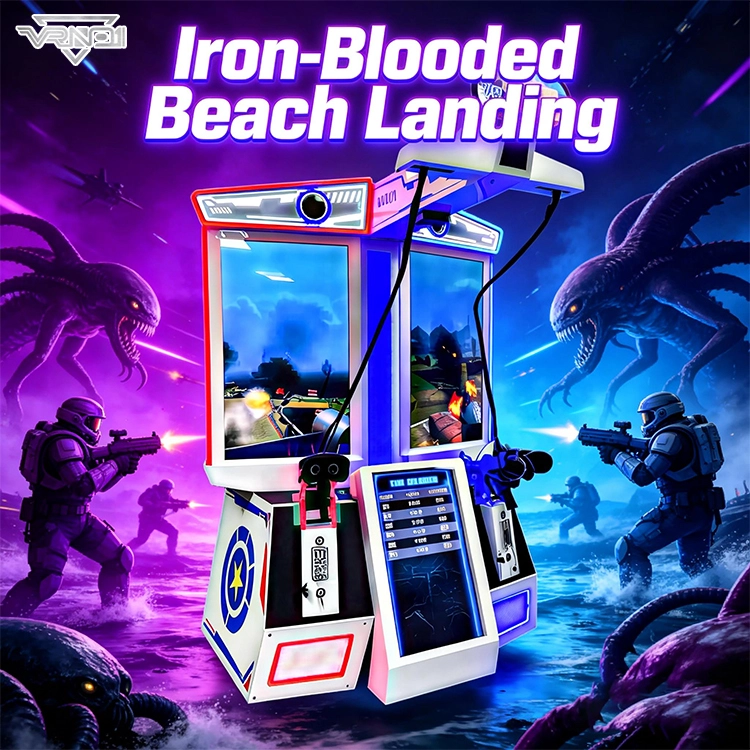
VRN0.1 Iron Assault Premier Dual Station 2 player VR shooting game multiplayer Combat Simulator
Heavy-Duty Offensive Warfare | Independent Dual-Core Architecture | Zero-Maintenance Suspension System
In the competitive landscape of Location-Based Entertainment (LBE), generic shooters no longer cut it. Enter the VR NO.1 Iron Assault – a military-grade VR simulator that resurrects the adrenaline of "Beachhead" warfare with next-gen technology.
Engineered by VR NO.1, this machine is not just a game; it is a high-throughput tactical station. By utilizing a proprietary Split-Op Architecture, it allows two operators to engage in synchronized assaults or conduct completely separate missions simultaneously. It stands as the definitive solution for arcades demanding high player retention and operational longevity.
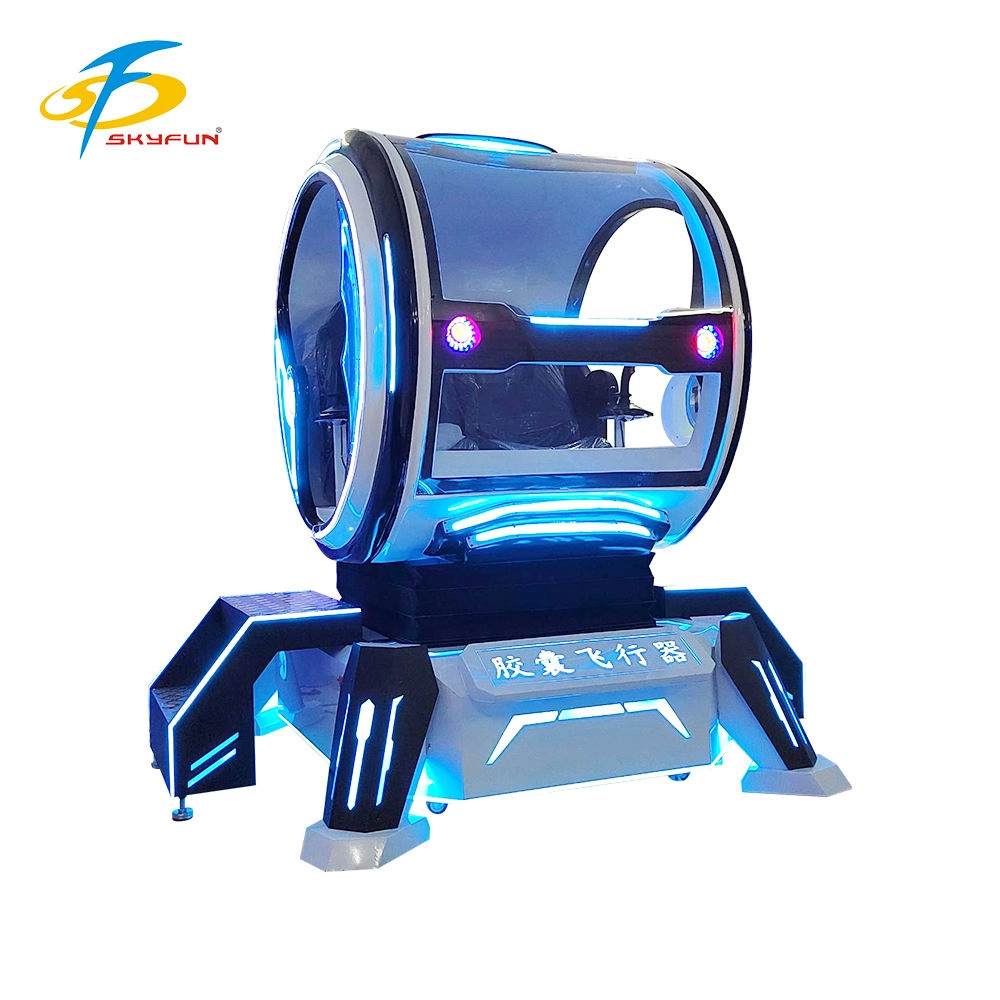
Double Player VR Flight Simulator 100 Movies 15 Games Coin-Operated Game Machine for Shopping Malls Amusement Parks
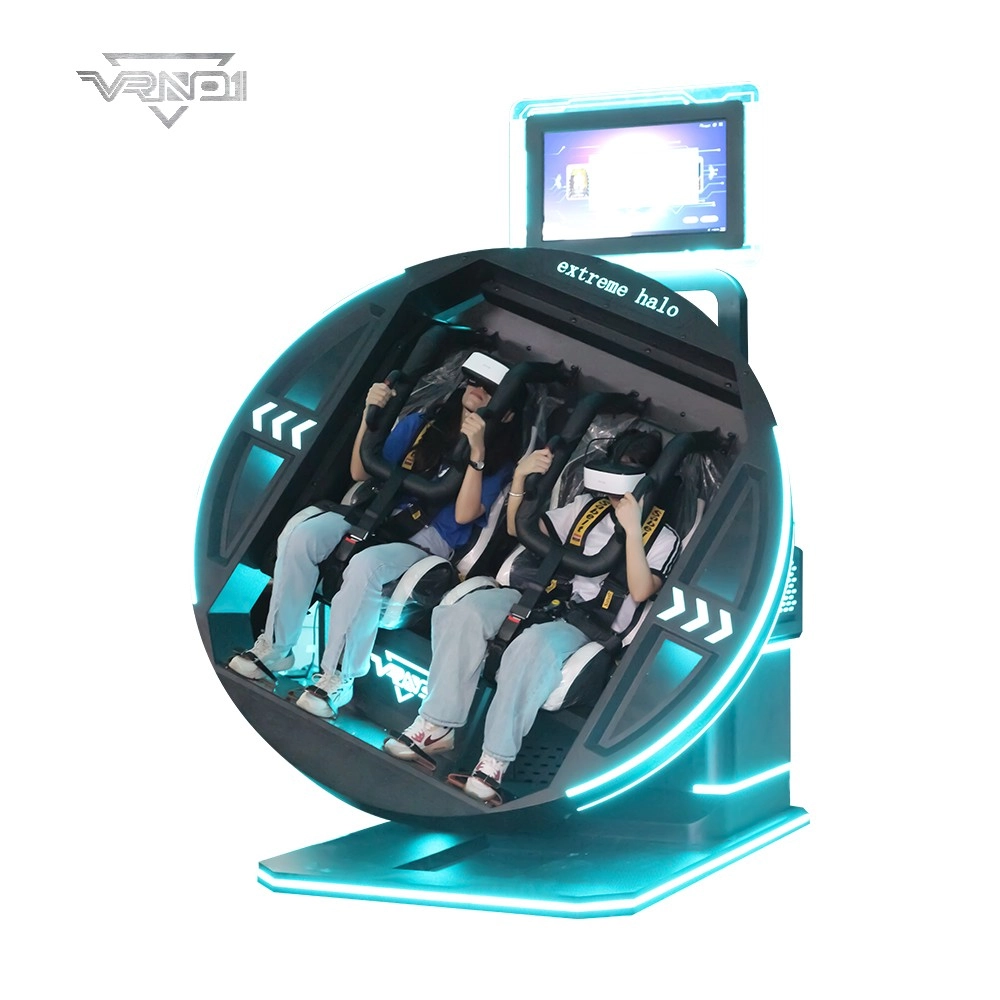
9D VR 360 Roller Coaster Cinema Chair Gaming Set Indoor/Outdoor Business Simulator Hardware for Home or School
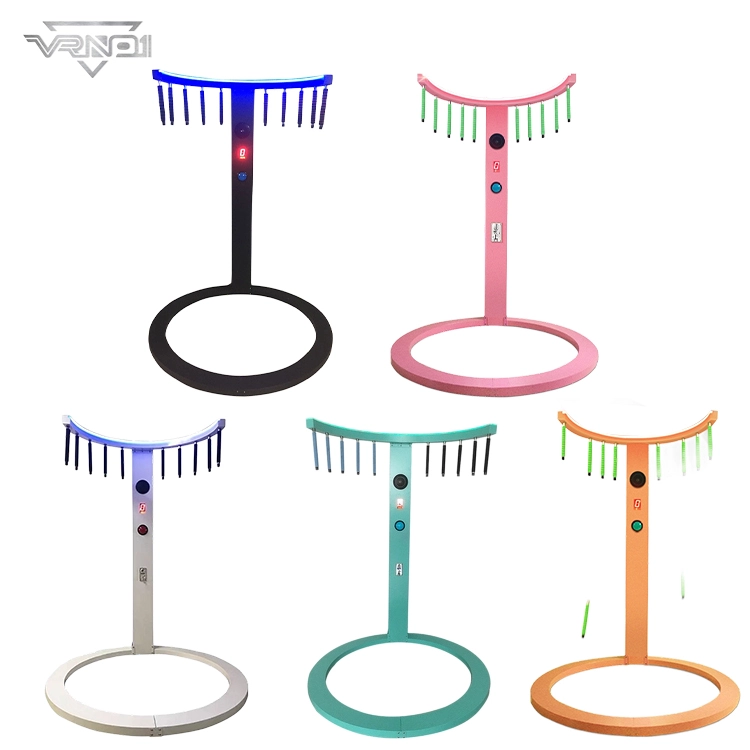
VRN0.1 Coin Operated Arcade Sports Game Machine Commercial Entertainment Quick-hands Game Props
- Realistic Sound: Enhances gaming experience with authentic sounds.
- Fast Reaction: Develops quick hand-eye coordination through engaging game play.
- DIY Kit: Allows for customization and personalization of the baton.
- Metal and Plastic Construction: Durable and robust build quality.
- Coin Operated: Fun for players who enjoy arcade-like experiences.
 Scan QR Code
Whatsapp: +8618127818571
Scan QR Code
Guangzhou Skyfun Technology Co.,Ltd
skyfunvrgame
skyfun game