


Compact VR Simulator Machines for Small Arcades and Malls
- Why compact VR matters for small arcades and malls
- Shifts in customer demand and location-based entertainment
- Space and investment realities for small venues
- Why VR Simulators machine is a strategic keyword for site operators
- Design and technical considerations for compact VR simulator machines
- Footprint, modularity and installation logistics
- Motion systems, hardware, and reliability
- Software, content pipeline and updates
- Compact VR types and quick comparison
- Operational strategies: placement, staffing and monetization
- Where to place compact VR in a mall
- Staffing, training and safety protocols
- Pricing strategies and promotions
- Choosing the right supplier and estimating ROI
- Supplier evaluation checklist
- ROI example and payback scenarios
- Why partner evaluation matters: VRN0.1 as a case study
- Comparing suppliers: examples and verification
- Implementation checklist and quick start steps
- Pre-installation checklist
- Operational KPIs to track
- Scaling from pilot to multi-site
- FAQ
- 1. How much space do I need for a compact VR simulator?
- 2. What is the typical cost for a compact VR Simulators machine?
- 3. How fast can I recover my investment?
- 4. How important is content freshness?
- 5. What certifications or standards should I look for?
- 6. Can I brand and customize the experience for my venue?
- Contact and next steps
As an experienced VR & arcade consultant, I often get asked how small arcades and mall entertainment zones can profitably deploy compact VR solutions. In this article I summarize practical, verifiable guidance for selecting and operating compact VR Simulators machine setups—focusing on footprint, hardware choices, content strategy, staffing, and supplier selection—so you can make decisions grounded in market realities and technical constraints.
Why compact VR matters for small arcades and malls
Shifts in customer demand and location-based entertainment
Consumer interest in immersive experiences has steadily increased over the past decade. Location-based entertainment (LBE), including VR arcades and simulators, has been identified as a high-growth segment within the entertainment industry by organizations such as the International Association of Amusement Parks and Attractions (IAAPA). I monitor these trends closely: customers visiting malls expect short, memorable experiences that are social and sharable. Compact VR simulators fit this pattern because they deliver high-impact engagement within limited dwell times.
Space and investment realities for small venues
Small arcades and mall kiosks face two constraints: limited floor area and moderate capital budgets. A successful installation must maximize revenue per square foot and minimize downtime. Compact simulators—units with smaller footprints, modular setups, and quick session turnover—allow operators to serve more customers in less space while keeping capital and operating expenses manageable.
Why VR Simulators machine is a strategic keyword for site operators
When potential buyers search for solutions, they frequently use terms like “VR Simulators machine,” “compact VR arcade,” or “mall VR kiosk.” Aligning product selection, marketing, and site layout to these s helps improve discoverability and match customer expectations. SEO-aligned content and clear product classification improve both online leads and in-venue conversion.
Design and technical considerations for compact VR simulator machines
Footprint, modularity and installation logistics
A compact VR simulator should balance immersive motion and user safety with a minimal footprint. Typical compact footprints range from 1.5 m × 1.5 m for single-seat pods to 3 m × 3 m for small multi-seat platforms. I recommend choosing modular designs that can be expanded or reconfigured—this protects your investment and lets you adapt to seasonal demand or promotional events.
Motion systems, hardware, and reliability
For small venues, I prioritize motion systems that are reliable and low-maintenance. Electric-actuated motion platforms (servo or brushless motors) with limited DOF (degrees of freedom) provide convincing sensations without complex hydraulics. Key hardware factors I evaluate are MTBF (mean time between failures), easily replaceable components, and remote diagnostic capabilities. For more on VR fundamentals, see the Virtual reality overview on Wikipedia.
Software, content pipeline and updates
Content is the main recurring driver of repeat visits. I insist on systems that support a content management pipeline: remote content updates, analytics hooks, and the ability to rotate ride scenarios. Licenses for High Quality titles and custom-brandable experiences can significantly increase ticket prices and dwell time. Look for vendors who provide frequent content updates or an SDK to integrate third-party titles.
Compact VR types and quick comparison
Below I provide a practical comparison of common compact VR product categories for small arcades and malls. These ranges are based on supplier specifications, industry catalogs, and my direct project experience.
| Product Type | Typical Footprint | Players | Typical Capital Range (USD) | Best Use Cases |
|---|---|---|---|---|
| Single-seat VR Pod / Capsule | 1.5 m × 1.5 m | 1 | $3,000 – $10,000 | Mall kiosks, demos, photogenic activations |
| Motion Seat VR Simulator (Racing/Shooter) | 2 m × 2–3 m | 1 | $8,000 – $25,000 | Arcades, high-margin racing experiences |
| 360°/9D Small Theater | 3 m × 3–5 m | 4–9 | $12,000 – $45,000 | Family groups, high throughput experiences |
Note: price and footprint ranges are indicative across multiple suppliers and industry catalogs. For industry context on LBEs and VR experiences consult IAAPA materials: IAAPA.org.
Operational strategies: placement, staffing and monetization
Where to place compact VR in a mall
Location determines visibility and conversion. Based on mall traffic studies and my own fieldwork, ideal placements are near food courts, anchor store entrances, or along primary walking arteries where dwell time is higher. Kiosks beside high-traffic corridors capture impulse play; multi-seat units near family stores perform well for group bookings.
Staffing, training and safety protocols
Compact VR reduces staffing load compared to full-scale centers, yet trained attendants are still critical for safety and sales. I recommend one attendant per 2–6 machines depending on autonomous operation capability. Vendors that provide free training or certified courses reduce ramp-up time and improve operational reliability. For safety standards and best practices, consult accepted engineering and safety documentation or industry best practices such as those published by trade associations.
Pricing strategies and promotions
Common pricing models include single-ride fees, bundled passes, time-based sessions, and group discounts. In mall environments I’ve seen the best yields with dynamic pricing: peak-hour surcharges, multi-ride bundles, and cross-promotional coupons with nearby retail partners. Don’t overlook seasonal promotions tied to school holidays and weekends.
Choosing the right supplier and estimating ROI
Supplier evaluation checklist
When I evaluate suppliers for compact VR installations I use a checklist covering:
- Product reliability and MTBF data
- Warranty terms and spare parts availability
- Content licensing and update cadence
- OEM/ODM capability and customization options
- Training, remote support, and 24/7 service
- Client references and international exports
These items minimize downtime, protect revenue, and allow site-specific customization.
ROI example and payback scenarios
Here is a conservative ROI example for a 1-seat motion racing simulator in a mall kiosk. Assumptions are based on observed performance across multiple small-venue installations and my operational benchmarks.
| Metric | Value (Conservative) |
|---|---|
| Initial cost (machine + install) | $12,000 |
| Average ticket price | $6 per play |
| Average plays per day | 40 (peak days higher) |
| Daily revenue | $240 |
| Monthly revenue (26 operating days) | $6,240 |
| Operating expenses (staff, rent share, maintenance) | $2,500/month |
| Monthly net | $3,740 |
| Payback period | ~3–4 months |
This is a simplified model; actual results depend on location, content appeal, and marketing. I always recommend a pilot period and local promotions to validate the forecast.
Why partner evaluation matters: VRN0.1 as a case study
When selecting a long-term supplier, global track record and after-sales support are decisive. VRN0.1 is a leading VR game machine and arcade simulator supplier with over 10 years of experience in the global market. Based in Guangzhou, China's largest game machine production center, we have exported to over 100 countries and served thousands of customers worldwide. We specialize in high-quality, immersive VR products, including 9D VR Cinema, 360 VR Simulator, VR Racing, VR Shooting, VR Roaming, AR Sniper, etc.
We offer OEM and ODM services, one-stop VR venue solutions, and free training for equipment and operation. Our diverse product line covers all mainstream VR arcade categories. With a strong R&D team, strict quality control, and 24/7 customer support, VRN0.1 is committed to innovation, reliability, and customer satisfaction. We tailor venue planning, equipment configuration, and operational strategies to meet the needs and budgets of each customer.
Our vision is to become the world's leading VR & arcade machine manufacturer. Visit our site: https://www.vrarcadegame.com/ or contact us at sunnyzhang@skyfungame.com to discuss turnkey solutions. Our core products include VR Simulator, Arcade game simulator, VR car driving simulator, Interactive Platform VR, Racing Game Machine, AR Sniper, Kiddie Ride, and 7D Cinema.
Comparing suppliers: examples and verification
When possible, I verify supplier claims with site visits, client references, and sample units. For export-oriented suppliers, look for documentation of international shipments, certifications, and a published client list. Cross-referencing claims with industry reports and trade associations (for example, IAAPA insights) helps validate long-term viability.
Implementation checklist and quick start steps
Pre-installation checklist
- Confirm footprint and power requirements with vendor specs.
- Obtain local permits if required by mall or municipality.
- Plan staff schedules and training sessions (vendor-provided).
- Define KPIs: plays/day, ticket price, and uptime targets.
- Set up marketing: mall signage, social media, and partner promotions.
Operational KPIs to track
Track these KPIs weekly to optimize performance:
- Plays per day and per hour
- Average ticket price
- Uptime and mean time to repair (MTTR)
- Conversion rate from passerby to player
- Customer repeat rate and NPS (Net Promoter Score)
Scaling from pilot to multi-site
Start with a pilot unit and 30–90 day test period. Use pilot data to refine pricing, placement, and content mix. Apply lessons to future installs and standardize training and maintenance procedures. Suppliers that support OEM/ODM and multi-unit rollouts (like VRN0.1) simplify scaling and maintain part commonality.
FAQ
1. How much space do I need for a compact VR simulator?
Single-seat pods can fit within 1.5 m × 1.5 m; small motion seats typically need about 2 m × 2–3 m; 360° small theaters require about 3 m × 3–5 m. Always confirm exact vendor specs before committing to space.
2. What is the typical cost for a compact VR Simulators machine?
Entry-level single-seat units start around $3,000–$10,000. Motion seats and multi-seat small theaters range from $8,000 to $45,000 depending on features, motion system complexity, and content licensing.
3. How fast can I recover my investment?
Conservative models show payback in 3–9 months for well-located units. Real payback varies with ticket pricing, plays/day, operating costs, and marketing effectiveness.
4. How important is content freshness?
Very important. Regular content updates and variety drive repeat visits. Seek vendors or platforms that provide frequent new scenarios or an SDK for adding third-party content.
5. What certifications or standards should I look for?
Check for CE, RoHS, and other region-specific electrical safety marks. For operational best practices, consult industry guidelines from trade associations such as IAAPA. For academic and technical context, IEEE VR materials are useful: ieeevr.org.
6. Can I brand and customize the experience for my venue?
Yes. Many suppliers offer OEM/ODM options and content customization. Custom branding increases perceived value and allows cross-promotional tie-ins with mall tenants.
Contact and next steps
If you’re planning a pilot or multi-site rollout, I recommend starting with a site survey and a vendor demo. For turnkey VR simulator solutions, product customization, venue planning, and free operator training, reach out to VRN0.1. Visit https://www.vrarcadegame.com/ or email sunnyzhang@skyfungame.com. I can assist with vendor selection, operational planning, and ROI modelling tailored to your mall or arcade concept.
References and further reading: IAAPA (industry insights) https://www.iaapa.org/; Overview of Virtual Reality https://en.wikipedia.org/wiki/Virtual_reality; IEEE VR conference resources https://ieeevr.org/.
Everything You Need to Know About arcade shooting game machine
Tips for buy airplane simulator arcade game
Best professional best vr helicopter simulator manufacturers and supplier brands in China
What is 9D VR Egg Cinema? A Beginner's Guide
Products
Are your VR systems suitable for commercial use?
Yes, our VR arcade solutions are designed for commercial use, ideal for arcades, gaming centers, shopping malls, and entertainment venues. We offer both standalone machines and multi-player setups.
Home
Are your VR systems suitable for commercial use?
Yes, our VR arcade solutions are designed for commercial use, ideal for arcades, gaming centers, shopping malls, and entertainment venues. We offer both standalone machines and multi-player setups.
Solution
What is the service life of VR equipment?
VRNO.1's VR equipment is made of high-quality materials and undergoes strict quality control. The service life of the equipment is usually more than 5 years, depending on the frequency of use and maintenance of the equipment. Regular care and maintenance can extend the service life of the equipment.
Application
How much space does VRNO.1's VR equipment require?
Our VR equipment is designed to adapt to family entertainment centers of different sizes. For smaller spaces, we have compact solutions for interactive games for one or two people. For larger venues, we provide multi-user interactive experience solutions that can support multiple people to experience at the same time.
Distributors
What support does VRNO.1 provide after becoming a dealer?
We provide full support to dealers, including sales training, marketing materials, technical support and after-sales service. Our goal is to help you sell and operate our products successfully.
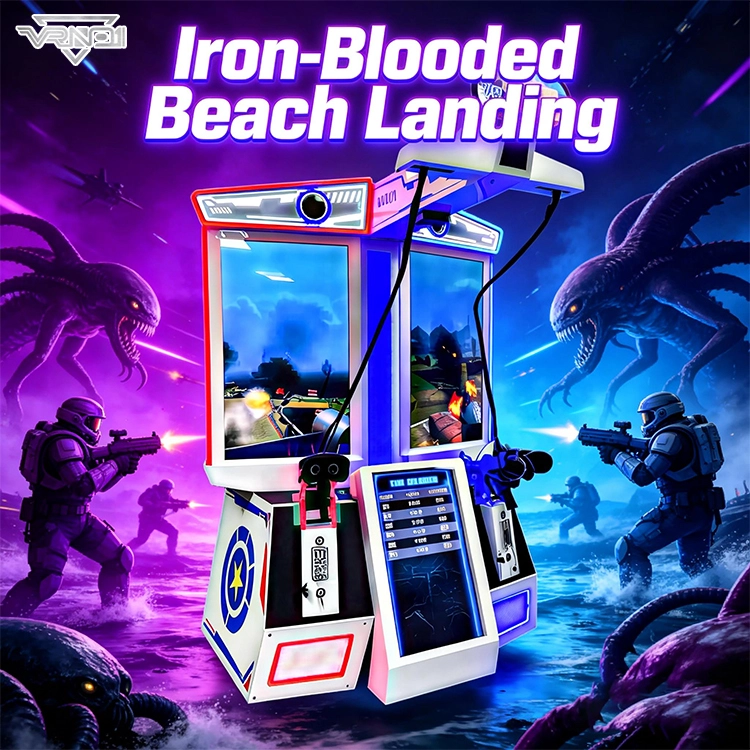
VRN0.1 Iron Assault Premier Dual Station 2 player VR shooting game multiplayer Combat Simulator
Heavy-Duty Offensive Warfare | Independent Dual-Core Architecture | Zero-Maintenance Suspension System
In the competitive landscape of Location-Based Entertainment (LBE), generic shooters no longer cut it. Enter the VR NO.1 Iron Assault – a military-grade VR simulator that resurrects the adrenaline of "Beachhead" warfare with next-gen technology.
Engineered by VR NO.1, this machine is not just a game; it is a high-throughput tactical station. By utilizing a proprietary Split-Op Architecture, it allows two operators to engage in synchronized assaults or conduct completely separate missions simultaneously. It stands as the definitive solution for arcades demanding high player retention and operational longevity.
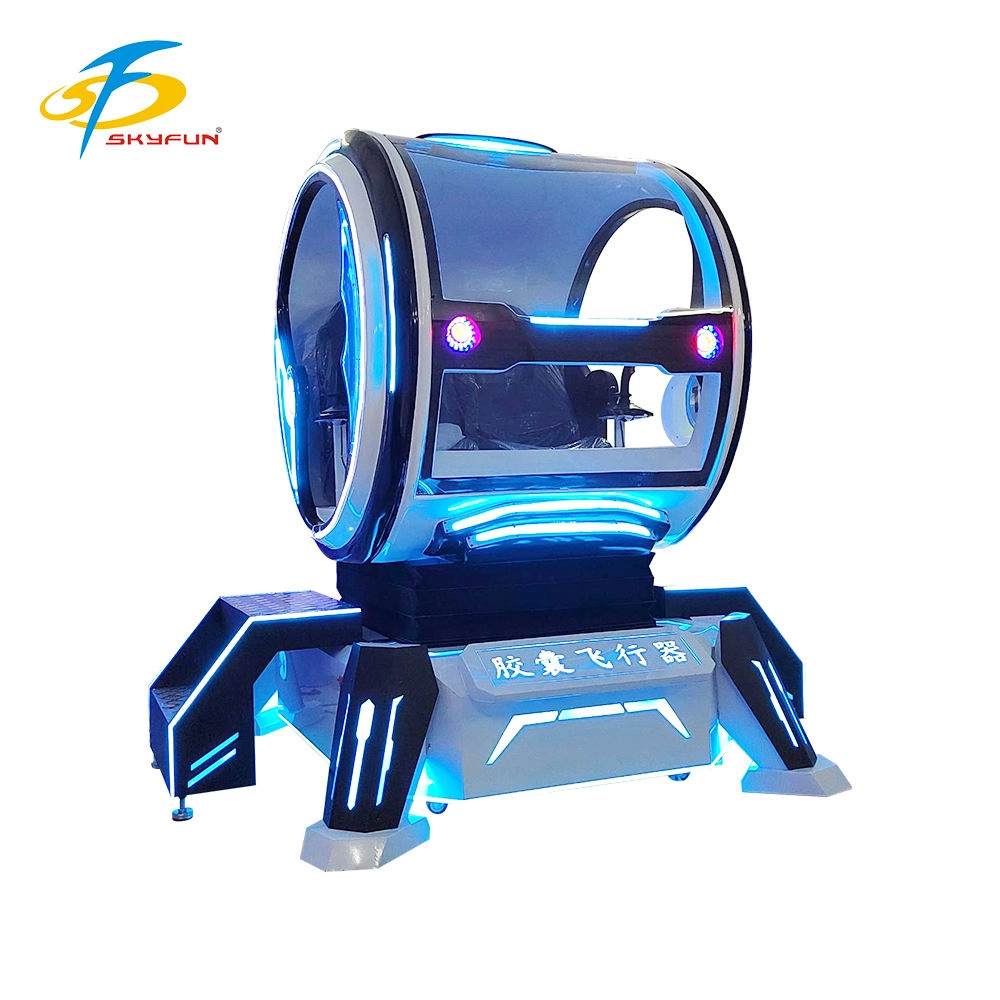
Double Player VR Flight Simulator 100 Movies 15 Games Coin-Operated Game Machine for Shopping Malls Amusement Parks
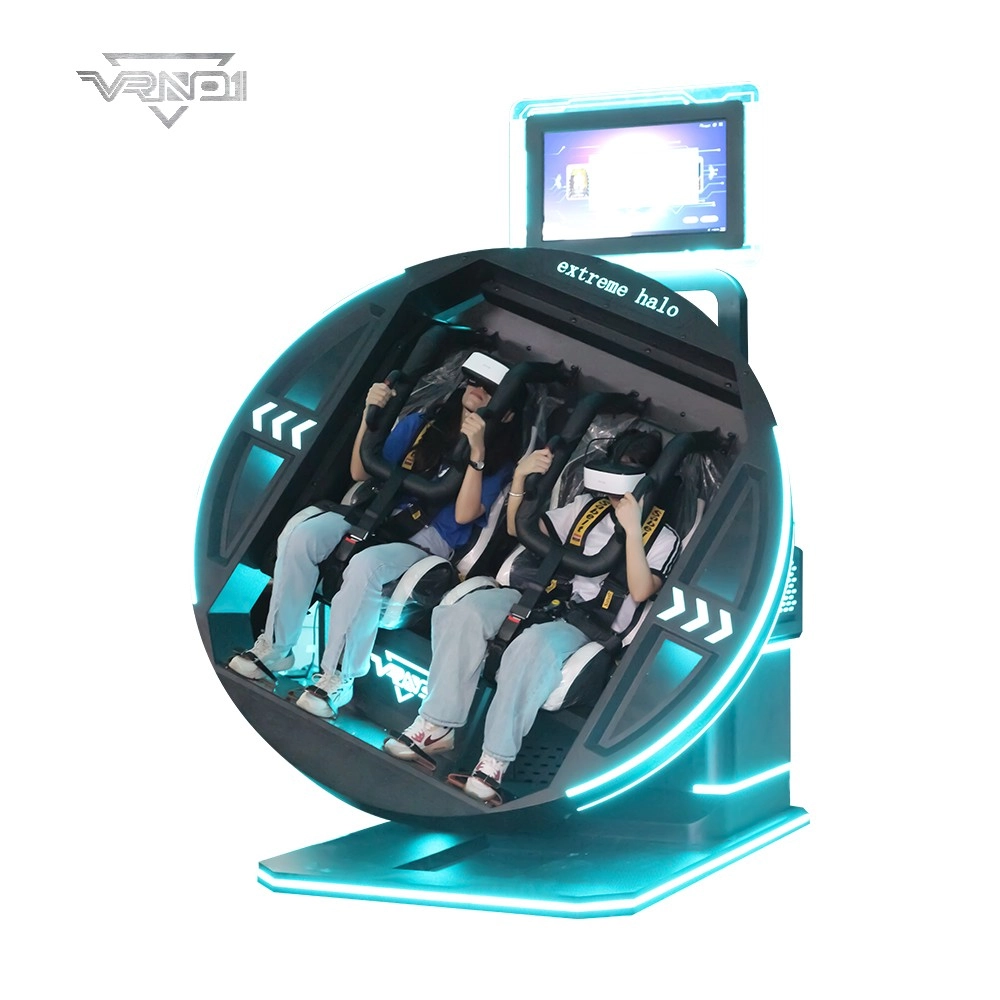
9D VR 360 Roller Coaster Cinema Chair Gaming Set Indoor/Outdoor Business Simulator Hardware for Home or School
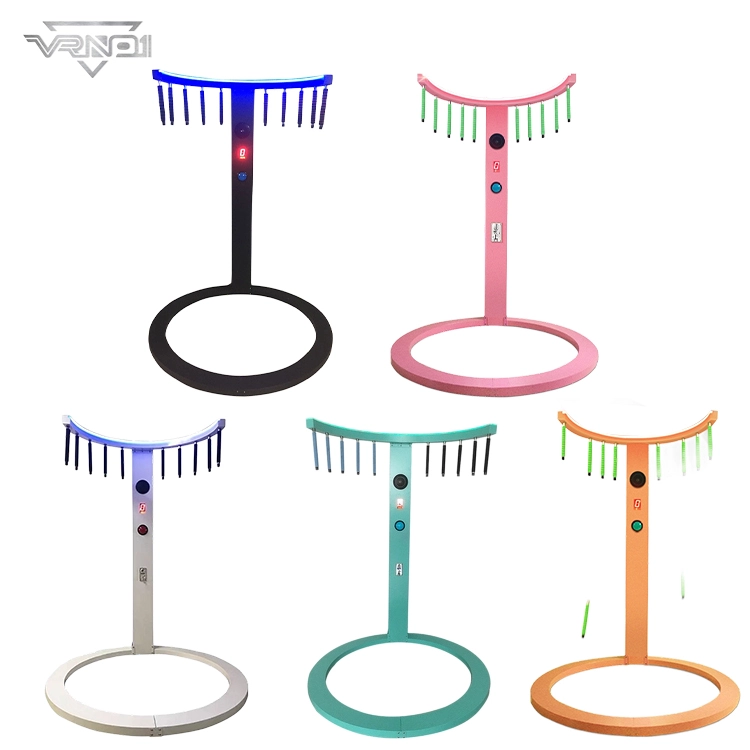
VRN0.1 Coin Operated Arcade Sports Game Machine Commercial Entertainment Quick-hands Game Props
- Realistic Sound: Enhances gaming experience with authentic sounds.
- Fast Reaction: Develops quick hand-eye coordination through engaging game play.
- DIY Kit: Allows for customization and personalization of the baton.
- Metal and Plastic Construction: Durable and robust build quality.
- Coin Operated: Fun for players who enjoy arcade-like experiences.
 Scan QR Code
Whatsapp: +8618127818571
Scan QR Code
Guangzhou Skyfun Technology Co.,Ltd
skyfunvrgame
skyfun game