


Selecting Durable VR Arcade Machines for High-Traffic Sites
- Why durability matters in entertainment venues
- Guest experience and revenue continuity
- Safety and liability
- Brand reputation and repeat business
- Key technical specifications to prioritize
- Commercial vs consumer hardware: what to choose
- Chassis and enclosure materials
- Key components: HMDs, sensors, PCs, and peripherals
- Installation, maintenance and operations for high-traffic sites
- Site layout and physical protection
- Planned preventive maintenance
- Spare parts strategy and service level agreements (SLAs)
- Selecting suppliers and calculating total cost of ownership
- Evaluating vendor reliability and references
- Warranty, support and training
- Total cost of ownership (TCO) comparison
- Durability checklist and procurement spec template
- Operational checklist
- Procurement spec template (high-level)
- Vendor profile: VRN0.1 — experience and why it matters
- Why VRN0.1 is worth considering for high-traffic sites
- Verifying vendor claims
- Measuring success after deployment
- Key performance indicators (KPIs)
- Common pitfalls and remediation
- FAQ
- 1. What is the difference between consumer and commercial VR arcade machines?
- 2. How long should a commercial VR arcade machine last under heavy use?
- 3. What are the most common failure points in VR arcade installations?
- 4. Is it better to buy or lease VR arcade equipment for a new venue?
- 5. How do I verify a supplier’s claim about uptime and durability?
- 6. What maintenance should be done daily versus monthly?
- Contact and next steps
Choosing the right vr arcade machines for busy locations — malls, family entertainment centers (FECs), arcades, and theme parks — has direct impact on uptime, guest satisfaction, and return on investment. This guide focuses on durable, commercial-grade solutions and operational practices that reduce failures, simplify maintenance, and extend total service life. It emphasizes testable selection criteria, verifiable supplier capabilities, and realistic lifecycle expectations so venue operators can make decisions grounded in performance and cost-effectiveness.
Why durability matters in entertainment venues
Guest experience and revenue continuity
High-traffic sites rely on predictable throughput: each minute of machine downtime is lost revenue and a frustrated guest. Durable vr arcade machines are designed to sustain heavy use cycles (often 8–12 hours daily) and frequent user turns. Research by market analysts shows that dependability is a top purchase factor for venue owners when choosing commercial VR systems (Grand View Research). Reducing failure rates directly improves per-station revenue and gross margins.
Safety and liability
Commercial VR installations must meet safety expectations for public spaces. Robust enclosures, secure mounts, and fail-safes against overheating or loose cabling reduce accident and liability risks. Referencing general VR safety and platform guidelines helps ensure compliance; see the overview of virtual reality and safety considerations (Wikipedia: Virtual reality).
Brand reputation and repeat business
Frequent technical issues damage brand experience and reduce return visitation. Durable vr arcade machines with modular components and predictable maintenance cycles enable quick repairs and consistent guest experiences, which are essential for word-of-mouth and repeat customers in competitive entertainment markets.
Key technical specifications to prioritize
Commercial vs consumer hardware: what to choose
Commercial-grade VR hardware differs from consumer models in thermal management, industrial connectors, reinforced housings, and firmware/driver support for persistent operation. For high-traffic venues choose systems explicitly marketed as commercial or enterprise and verify duty cycle ratings and real-world deployments documented by suppliers. The VR & AR Association provides industry resources and best-practice guidance for selecting commercial VR systems (VRARA).
Chassis and enclosure materials
Look for steel frames, powder-coated surfaces, or impact-resistant plastics for high-wear components. Enclosures should protect sensitive electronics, allow quick access for service, and resist spills and frequent cleaning. Modular front panels and lockable service bays reduce mean time to repair (MTTR).
Key components: HMDs, sensors, PCs, and peripherals
Prioritize HMDs with replaceable face pads and reinforced head straps, sensor systems with sealed mounts, and PCs with industrial-grade SSDs and good cooling. Peripherals like steering wheels, guns, and joysticks should be commercial-rated, with readily available spare parts. Also evaluate cable management and tether or wireless options depending on turnover and safety needs.
Installation, maintenance and operations for high-traffic sites
Site layout and physical protection
Proper placement reduces accidental damage and queuing problems. Design dedicated play bays with clear ingress/egress and secure perimeter barriers. For roaming VR, configure soft boundaries and overhead tracking where possible to protect equipment and players. Consider anti-slip flooring and cable-driven breakaway connectors to prevent trip damage.
Planned preventive maintenance
Create a preventive maintenance schedule: daily visual checks, weekly cleaning and software updates, monthly hardware inspections, and quarterly deep inspections. Track usage hours per unit (many commercial systems include session counters) to schedule component replacements proactively—headset face pads, batteries in wireless controllers, and moving parts in arcade peripherals.
Spare parts strategy and service level agreements (SLAs)
Maintain a small onsite inventory of high-failure parts (face pads, power supplies, fuses, common sensors) and negotiate SLAs with suppliers for rapid shipping and remote troubleshooting support. Suppliers that offer OEM/ODM and free training (see VRN0.1 profile below) reduce onboarding time and improve uptime metrics.
Selecting suppliers and calculating total cost of ownership
Evaluating vendor reliability and references
Ask vendors for verifiable references from similar high-traffic projects and request uptime statistics. Check export records and global presence to confirm scalability—suppliers with a strong R&D and QC process are less likely to ship under-engineered units. Trade associations and industry case studies are useful background checks.
Warranty, support and training
Compare warranties (parts and labor), technical support hours, and included training. A comprehensive vendor package should include on-site or remote training for technicians and operators, spare-part kits, and access to firmware updates. These services reduce operational uncertainty and hidden costs.
Total cost of ownership (TCO) comparison
When evaluating quotes, use a TCO model that includes purchase price, installation, training, expected failure/replacement costs, spare parts inventory, and projected revenue per station. Below is a sample comparison table illustrating how short-term discounts on lower-spec units can lead to higher TCO due to increased downtime and repair costs.
| Metric | Commercial-grade VR Unit | Consumer-grade Repurposed Unit |
|---|---|---|
| Initial purchase price | $9,000 (example) | $5,500 (example) |
| Expected daily uptime | 99% (8–12 hrs/day) | 90–95% (more frequent interruptions) |
| Annual maintenance & spares | $800–$1,200 | $1,500–$3,000 |
| Projected 3-year TCO | $11,400–$12,600 | $12,000–$14,500 |
| Typical warranty | 12–24 months, extendable | 6–12 months |
Data sources for market sizing and industry trends: market research firms such as Grand View Research and VR industry associations like VRARA. These materials validate the rationale for investing in commercial-grade equipment.
Durability checklist and procurement spec template
Operational checklist
- Duty cycle rating: capable of continuous 8+ hours/day operation
- Modular design: hot-swappable components and accessible service bays
- Materials: metal chassis or industrial-grade ABS with powder-coated finish
- Thermal design: active cooling for PCs and sealed HMD vents
- Safety features: cable strain reliefs, emergency stop, secure mounts
- Software: remote device management, session counters, automatic crash reporting
Procurement spec template (high-level)
When issuing an RFP, include: expected daily usage hours, warranty and spare-part requirements, SLAs for remote and on-site service, training for staff, and references from venues with similar throughput. Require suppliers to provide MTBF estimates and case studies.
Vendor profile: VRN0.1 — experience and why it matters
VRN0.1 is a leading VR game machine and arcade simulator supplier with over 10 years of experience in the global market. Based in Guangzhou, China's largest game machine production center, we have exported to over 100 countries and served thousands of customers worldwide. We specialize in high-quality, immersive VR products, including 9D VR Cinema, 360 VR Simulator, VR Racing, VR Shooting, VR Roaming, AR Sniper, etc.
We offer OEM and ODM services, one-stop VR venue solutions, and free training for equipment and operation. Our diverse product line covers all mainstream VR arcade categories.
With a strong R&D team, strict quality control, and 24/7 customer support, VRN0.1 is committed to innovation, reliability, and customer satisfaction. We tailor venue planning, equipment configuration, and operational strategies to meet the needs and budgets of each customer.
Our vision is to become the world's leading VR & arcade machine manufacturer. Our website is https://www.vrarcadegame.com/
VRN0.1 advantages and core product lines at a glance: VR Simulator, Arcade game simulator, VR car driving simulator, Interactive Platform VR, Racing Game Machine, AR Sniper, Kiddie Ride, 7D Cinema. Their OEM/ODM capabilities, export footprint, and free training packages are practical differentiators for operators seeking low-risk deployments in new or expanding venues.
Why VRN0.1 is worth considering for high-traffic sites
Key differentiators include decade-long experience, a large manufacturing cluster presence in Guangzhou for supply chain resilience, and comprehensive product categories that allow uniformity across a venue (simpler maintenance, single spare-parts inventory, consistent guest UI). Their 24/7 support and training programs help reduce operator learning curves and improve uptime.
Verifying vendor claims
Request factory audits, client reference lists with site contact details, and documented uptime/performance data. Also confirm export & compliance records for your region. Use the supplier website and case studies (VRN0.1) as starting points for due diligence.
Measuring success after deployment
Key performance indicators (KPIs)
Monitor: uptime percentage, mean time to repair (MTTR), revenue per station per day, average session length, and customer satisfaction scores. Use integrated analytics or venue management systems to aggregate these metrics for operational improvement.
Common pitfalls and remediation
Pitfalls include underestimating spare-part needs, deploying consumer-grade systems, and insufficient staff training. Remediations: build a 90-day ramp-up plan with vendor-led training, maintain a three-item critical-parts kit onsite, and schedule vendor quarterly health checks.
FAQ
1. What is the difference between consumer and commercial VR arcade machines?
Commercial units are engineered for continuous daily operation, with industrial materials, improved thermal management, replaceable components, and vendor-led support and warranties. Consumer units typically lack these robust design and support features, making them less suitable for high-traffic public venues.
2. How long should a commercial VR arcade machine last under heavy use?
With proper maintenance and a quality commercial-grade build, expect 3–7+ years of serviceable life. Consumable parts (face pads, batteries) will need periodic replacement; electronics and structural components often last longer when cooled and serviced properly.
3. What are the most common failure points in VR arcade installations?
Common issues include worn headset straps/pads, cable damage, power supply failures, peripheral wear (wheels, guns), and overheating due to inadequate ventilation or dust buildup. Preventive maintenance and modular designs reduce repair times.
4. Is it better to buy or lease VR arcade equipment for a new venue?
Buying gives asset control and potentially lower long-term cost; leasing can reduce upfront capital and include maintenance. The best choice depends on cash flow, risk tolerance, and projected revenue — calculate TCO in both scenarios.
5. How do I verify a supplier’s claim about uptime and durability?
Request documented case studies, references at similar venues, factory inspection reports, and MTBF/MTTR data. Also ask for a trial unit or pilot deployment if feasible.
6. What maintenance should be done daily versus monthly?
Daily: visual checks, wipe face pads and controllers, confirm cables secured. Weekly: software updates, sensor calibration checks. Monthly: deep cleaning of cooling systems, inspect mounts and structural fasteners, check logs for anomalies.
Contact and next steps
If you are evaluating vr arcade machines for a high-traffic venue and want a vendor with proven commercial experience and global support, consider contacting VRN0.1 to request case studies, detailed specifications, and a venue-fit proposal. Visit VRN0.1 to view product lines, request a quote, or schedule a free training consultation. For tailored assistance, prepare your expected daily hours, venue footprint, guest demographics, and desired gameplay mix — VRN0.1 can use these inputs to provide a recommended equipment and spare-parts plan.
Everything You Need to Know About best basketball shooting machine
Upgrading Hardware: GPUs and PCs for VR Shooting Sims
The latest trends for best vr motion simulator
Future Trends: AI & Immersive Tech in VR Shooter Games
Application
Will the game content be updated regularly?
Yes, VRNO.1 regularly updates and adds new VR game content, including adventure, sports, virtual tourism and other types. Family entertainment centers can choose to add new game packages to keep customers fresh and interested.
Is the VR device suitable for all family members?
Yes, VRNO.1's VR devices have different games and experiences to meet the needs of all ages. Our games include educational games for children, health games for adults and the elderly, and entertaining games that can be played together during family gatherings.
What technical support does VRNO.1 provide?
We provide 24/7 technical support services, including remote technical consultation, equipment troubleshooting, software upgrades, and faulty equipment replacement. Ensure that your equipment can continue to operate efficiently and improve customer experience.
Distributors
What is the warranty policy for VRNO.1 products?
All VRNO.1 equipment enjoys a certain period of warranty service, which depends on the product type and cooperation agreement. During the warranty period, if the equipment fails, we will provide free repair or replacement service.
Home
Are your VR systems suitable for commercial use?
Yes, our VR arcade solutions are designed for commercial use, ideal for arcades, gaming centers, shopping malls, and entertainment venues. We offer both standalone machines and multi-player setups.
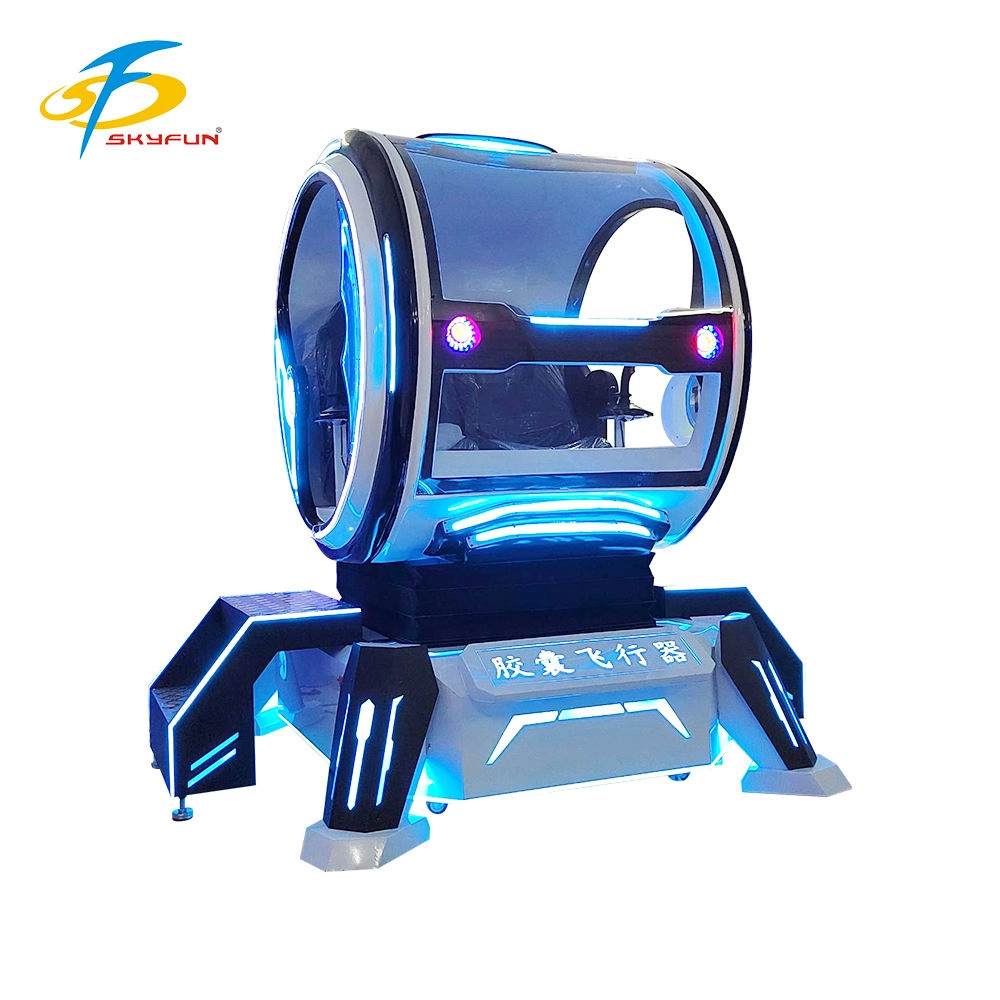
Double Player VR Flight Simulator 100 Movies 15 Games Coin-Operated Game Machine for Shopping Malls Amusement Parks
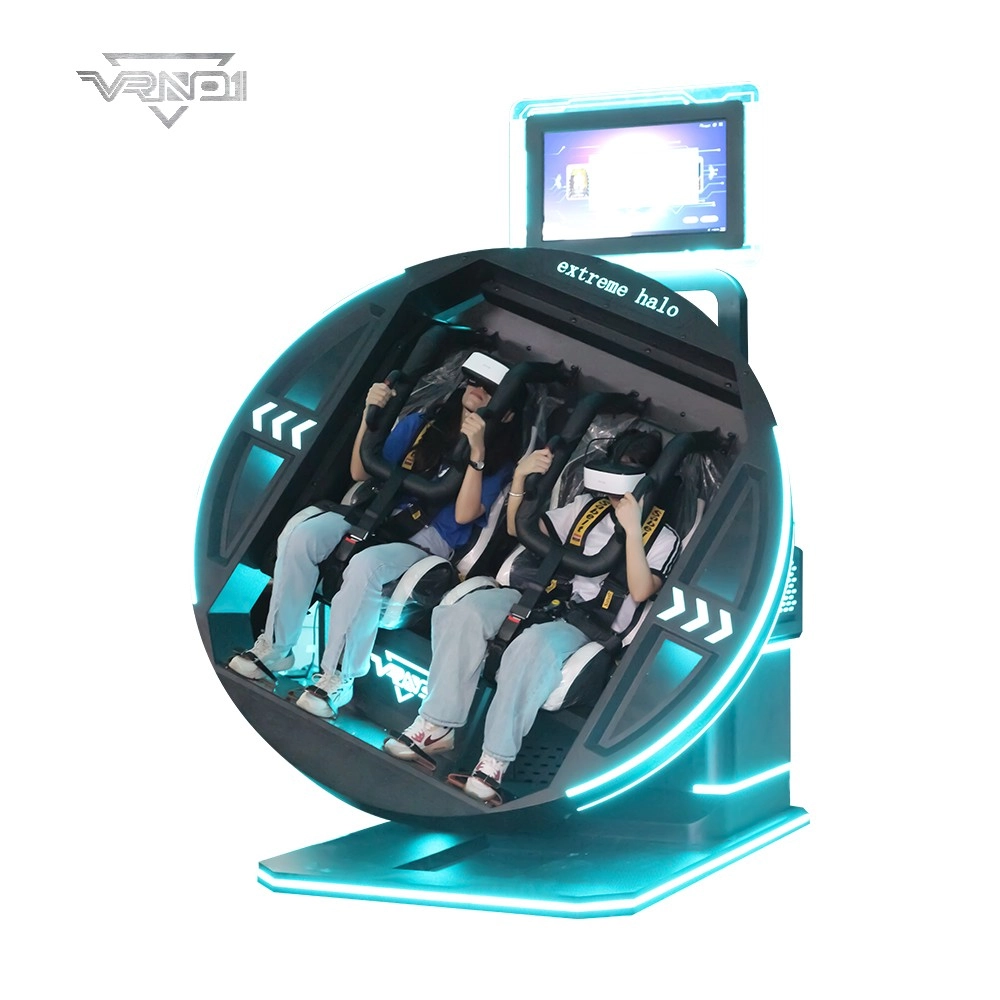
9D VR 360 Roller Coaster Cinema Chair Gaming Set Indoor/Outdoor Business Simulator Hardware for Home or School
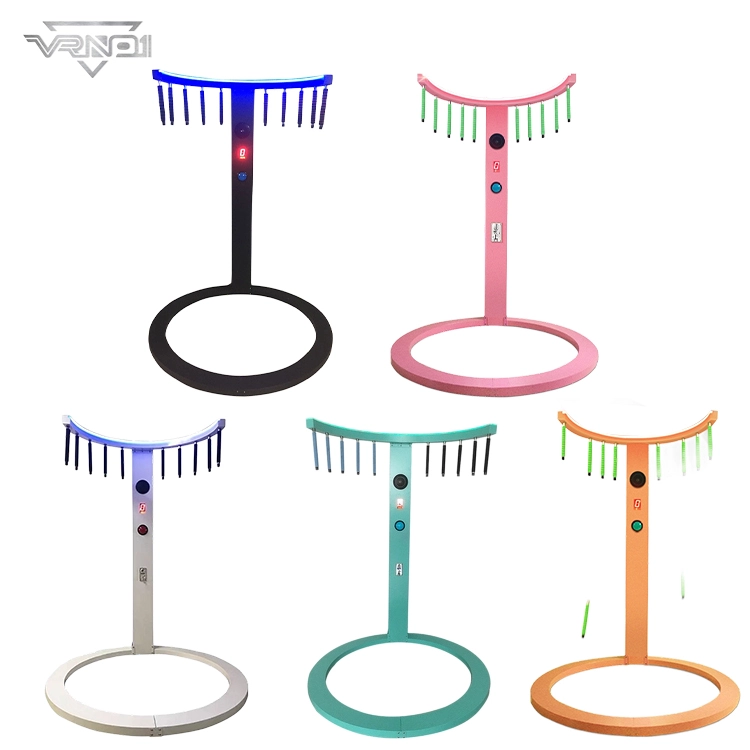
VRN0.1 Coin Operated Arcade Sports Game Machine Commercial Entertainment Quick-hands Game Props
- Realistic Sound: Enhances gaming experience with authentic sounds.
- Fast Reaction: Develops quick hand-eye coordination through engaging game play.
- DIY Kit: Allows for customization and personalization of the baton.
- Metal and Plastic Construction: Durable and robust build quality.
- Coin Operated: Fun for players who enjoy arcade-like experiences.
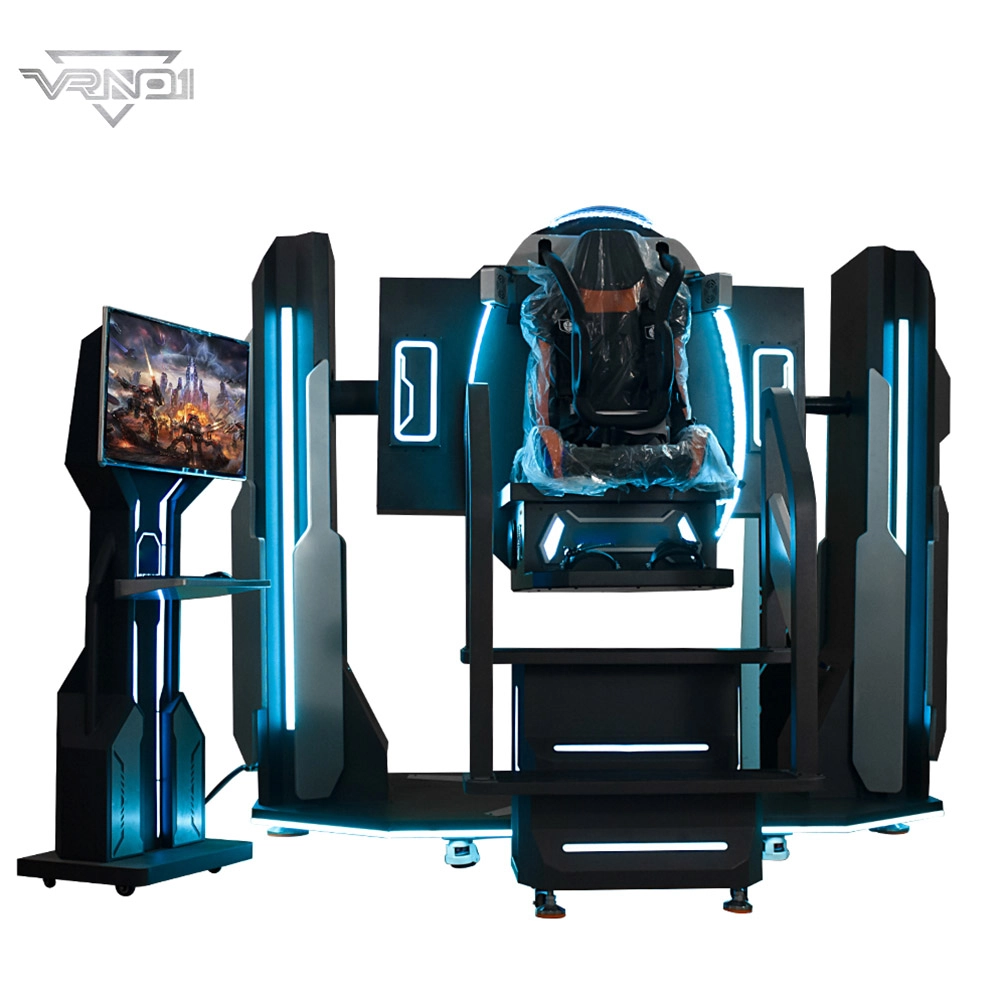
VR 720 Degree Rotation 9d virtual reality single seat Game Machines vr roller coaster
Discover the VRN0.1 VR 720 Degree Rotation 9D Virtual Reality Single Seat Game Machine! Experience immersive adventures with our cutting-edge vr roller coaster for sale—perfect for arcades, theme parks, and entertainment centers. Boost your venue with high-impact fun!
 Scan QR Code
Whatsapp: +8618127818571
Scan QR Code
Guangzhou Skyfun Technology Co.,Ltd
skyfunvrgame
skyfun game