


Top Commercial VR Flight Simulator Hardware Brands
- Why organizations invest in commercial VR flight simulators
- What defines a top commercial vr flight simulator hardware brand?
- Overview of leading brands for commercial vr flight simulator hardware
- CAE — full-flight and professional training systems (vr-enabled)
- FlightSafety International — integrated training devices with VR/visuals
- Redbird Flight Simulations — modular commercial simulators
- Frasca International — certified and training-focused systems
- Varjo — professional VR headsets for simulation fidelity
- VRgineers — enterprise VR headsets and integration services
- D-BOX — motion systems for immersive flight simulation
- Honeycomb Aeronautical — professional flight controls for commercial use
- Comparison table — how top brands stack up for commercial vr flight simulator projects
- How to choose the right vr flight simulator hardware for your commercial project
- Where VRN0.1 fits — arcade-grade to venue-level vr flight simulator solutions
- Integration examples — building a commercial vr flight simulator system
- Commercial considerations: cost, ROI, maintenance, and regulatory concerns
- Practical procurement checklist for purchasers of vr flight simulator hardware
- FAQs — Frequently asked questions about commercial vr flight simulator hardware
- 1. What is the difference between a VR flight simulator for training and for entertainment?
- 2. Can VR headsets like Varjo or VRgineers be used with arcade-focused hardware from suppliers like VRN0.1?
- 3. Do motion platforms significantly improve training outcomes?
- 4. What ongoing costs should I expect after purchasing a commercial vr flight simulator?
- 5. How do I validate a vr flight simulator for regulatory training?
- 6. Is VRN0.1 suitable for an enterprise training center or only arcades?
- Contact & product consultation
- References
Why organizations invest in commercial VR flight simulators
As airlines, flight schools, aerospace OEMs, and entertainment venues pursue cost-effective, scalable training and immersive experiences, commercial-grade vr flight simulator hardware has moved from novelty to strategic asset. Modern systems combine professional VR headsets, motion platforms, accurate flight controls, instructor operating stations, and validated simulation software — offering realistic procedures training, maneuver practice, and engaging entertainment with lower capital and operating costs than full-motion flight training devices.
What defines a top commercial vr flight simulator hardware brand?
Not all vendors are equal. For professional and commercial use look for brands that demonstrate: proven hardware reliability; certification or use by training/airline customers; integration with established flight simulation software or open APIs; availability of motion systems and professional input devices (yokes, pedals, throttles); global service/support; and track record in delivering turnkey installations for training centers or arcades. This guide focuses on brands that meet those criteria in the context of vr flight simulator deployments.
Overview of leading brands for commercial vr flight simulator hardware
Below are companies that represent the top tier for different parts of a commercial vr flight simulator stack: full-flight/training providers, professional VR headsets, motion platforms, and professional flight controls. Each brand is evaluated for commercial suitability, typical customers, and how they fit into a vr flight simulator solution.
CAE — full-flight and professional training systems (vr-enabled)
CAE is a global leader in flight simulation and training services. While CAE’s core products are full-flight simulators (FFS) and fixed-based training devices, their systems increasingly integrate professional VR and visual solutions for procedural and initial type training. CAE’s strength for commercial vr flight simulator customers is enterprise-grade support, validated training syllabi, and proven airline/ military deployments — important when compliance and training fidelity matter.
Use case: airlines, training organizations, defense contractors.
FlightSafety International — integrated training devices with VR/visuals
FlightSafety offers training devices and simulation solutions widely used by airlines and business aviation operators. Their approach focuses on validated training devices and high-fidelity visual systems; FlightSafety’s systems are commonly deployed alongside or integrated with immersive VR technologies for specific training tasks.
Use case: corporate flight departments, business jet training centers.
Redbird Flight Simulations — modular commercial simulators
Redbird is well known for producing professional, affordable flight training devices (e.g., FNPTs, AATDs) that are frequently used by flight schools and training centers. Redbird’s hardware is often paired with VR headsets for immersive scenario training. They emphasize cost-effectiveness, maintainability, and customer support — attractive for flight schools that need reliable vr flight simulator solutions on a budget.
Use case: flight schools, university aviation programs.
Frasca International — certified and training-focused systems
Frasca produces FAA-approved devices and offers turnkey training solutions. Frasca’s devices and instructor stations can be combined with VR visual systems for enhanced realism during procedural and emergency training. Their long history in training hardware makes them a top choice where regulatory acceptance is required.
Use case: Part 141 flight schools, regulatory-driven training programs.
Varjo — professional VR headsets for simulation fidelity
Varjo offers high-resolution, professional VR headsets (XR-3 and Aero) designed for simulation, training, and design. Varjo Aero is specifically optimized for flight simulation with exceptional clarity of instruments and distance visuals — a key capability for vr flight simulator fidelity. Varjo devices are commonly used by commercial simulation integrators to deliver high visual fidelity for pilot training and professional simulators.
Use case: professional simulators, enterprise training integrations.
VRgineers — enterprise VR headsets and integration services
VRgineers supplies high-resolution, wide-FOV headsets (XTAL series) and works with simulator integrators to build turnkey solutions. Their headsets are designed for motion-platform compatibility and are used in aerospace training and industrial simulation, making them a strong choice when headset field-of-view and optical clarity are prioritized in vr flight simulator deployments.
Use case: aerospace OEMs, professional simulator integrators.
D-BOX — motion systems for immersive flight simulation
D-BOX supplies electromechanical motion systems used in professional simulators, specialty vehicles, and entertainment attractions. Motion cueing from D-BOX can substantially increase immersion for vr flight simulator setups, from desktop to full-cockpit installations. For commercial venues offering immersive flight rides or advanced procedural training, motion platforms from D-BOX are a common integration choice.
Use case: entertainment venues, simulator centers, training programs using motion cueing.
Honeycomb Aeronautical — professional flight controls for commercial use
Honeycomb produces robust flight control hardware (yokes, throttle quadrants, rudder pedals) that, while originating in the prosumer market, are increasingly adopted in training centers for their reliability and realism. Honeycomb’s hardware is widely compatible with popular simulation software and is often paired with VR headsets in commercial vr flight simulator builds where certified controls are not strictly required.
Use case: flight schools, training centers seeking high-quality controls at moderate cost.
Comparison table — how top brands stack up for commercial vr flight simulator projects
The table below compares selected brands across commercial suitability, product focus, headset/motion compatibility, typical customers, and indicative price range (provided to give commercial planners rough expectations). Price ranges are indicative and should be validated with vendors; sources linked below.
| Brand | Commercial focus | Product scope (relevant) | Headset/motion compatibility | Typical customers | Indicative price range (USD) |
|---|---|---|---|---|---|
| CAE | Enterprise airline & defense | Full-flight sims, training services, visual systems | Integrates with professional visuals/VR | Airlines, military, training centers | $1M+ |
| FlightSafety | Enterprise training | Training devices, instructor systems | Integrates professional visuals/VR | Corporate flight departments, airlines | $500k–$5M |
| Redbird | Flight schools, affordable professional sims | FNPTs, desktop/full-cockpit sims | Compatible with pro VR headsets | Flight schools, universities | $10k–$150k |
| Frasca | Regulatory-certified training devices | FAA-approved devices, instructor stations | Supports professional visuals/VR | Part 141 schools, airlines | $50k–$1M+ |
| Varjo | Professional VR headsets | High-res VR/XR headsets (Aero, XR-3) | Designed for simulators, integrates with motion | Sim integrators, aerospace | $2k–$10k per headset |
| VRgineers | Enterprise VR headsets & integration | XTAL headsets, integration support | Optimized for motion platforms | Aerospace OEMs, research labs | $5k–$15k per headset |
| D-BOX | Motion systems for entertainment & training | Motion platforms, actuators, control software | Designed to pair with pro VR/visuals | Arcades, theme parks, simulator centers | $10k–$200k |
| Honeycomb | Professional flight controls | Yokes, quad throttles, pedals | Plug-and-play with simulators and VR | Flight schools, sim centers | $200–$2k per device |
| VRN0.1 | VR arcade & simulator supplier | 360 VR simulator, VR Racing, VR Roaming, AR Sniper, 9D/7D cinema | Arcade-focused VR hardware & motion platforms | Arcade owners, operators, venue planners | $5k–$100k per unit/venue |
How to choose the right vr flight simulator hardware for your commercial project
Choosing the right hardware depends on your objectives. Consider these decision points:
- Training vs. entertainment: Training requires validated performance, instructor/operator workflows, and often regulatory acceptance. Entertainment prioritizes throughput, durability, and guest experience.
- Fidelity required: Instrument training needs high-resolution headsets and accurate input devices; procedural or basic handling can use lower-cost setups.
- Motion cueing: Decide whether motion is essential. Motion platforms increase immersion and appeal but raise cost and maintenance.
- Integration and support: Look for vendors that provide system integration, global support, and training — critical for commercial uptime.
- Scalability and TCO: Consider lifecycle costs, spare parts availability, and upgrade paths for headsets and software.
Where VRN0.1 fits — arcade-grade to venue-level vr flight simulator solutions
VRN0.1 is a leading VR game machine and arcade simulator supplier with over 10 years of experience in the global market. Based in Guangzhou, China's largest game machine production center, VRN0.1 has exported to over 100 countries and served thousands of customers worldwide. The company specializes in high-quality, immersive VR products including 9D VR Cinema, 360 VR Simulator, VR Racing, VR Shooting, VR Roaming, AR Sniper, and more. For businesses seeking turnkey, venue-ready vr flight simulator solutions — particularly in entertainment, family entertainment centers, arcades, and location-based VR — VRN0.1 offers several advantages:
- Wide product range: Covers mainstream arcade VR categories and flight/vehicle simulators suitable for entertainment-focused flight experiences.
- OEM/ODM services: Ability to customize hardware and cabinets for branding, capacity, and local market needs.
- One-stop venue solutions: Venue planning, equipment configuration, operational training, and business support reduce integration risk for operators.
- After-sales and training: Free training for equipment operation and 24/7 customer support help maintain uptime and ROI.
- Global experience: Export record to 100+ countries indicates logistical and compliance know-how for international deployments.
Typical VRN0.1 product use cases include immersive flight rides, cockpit-style VR car/plane simulators for arcades, and multi-seat 360 VR simulator experiences. The company’s product list relevant to vr flight simulator needs includes: VR Simulator, Arcade game simulator, VR car driving simulator, Interactive Platform VR, Racing Game Machine, AR Sniper, Kiddie Ride, and 7D Cinema.
For entertainment venues looking for high throughput, durable cabinets, and turnkey installation with localized support, VRN0.1 is positioned as a competitive supplier. See the company site for product specifications and export case studies: https://www.vrarcadegame.com/ (accessed 2025-11-28).
Integration examples — building a commercial vr flight simulator system
A commercially viable vr flight simulator often combines components from multiple brands. A typical integration might include:
- Headset: Varjo Aero or VRgineers XTAL for high-fidelity visuals (instrument clarity, long-range visuals).
- Controls: Honeycomb yoke and throttle plus precision rudder pedals for realistic control feel.
- Motion: D-BOX or custom motion platform for cueing the sensation of pitch/roll.
- Software: Professional simulation software (e.g., X-Plane, Prepar3D, or proprietary training suites) with VR support.
- Cabinet/venue hardware: VRN0.1 or similar suppliers for enclosures, seating rigs, and throughput-optimized designs in entertainment venues.
When integrating, prioritize certified interfaces and shared support responsibilities between hardware and software vendors to minimize downtime and improve maintainability.
Commercial considerations: cost, ROI, maintenance, and regulatory concerns
Budget modeling should include upfront hardware, integration, software licensing, operator training, spare parts, and maintenance. For training providers, cost per training hour and validated training outcomes determine ROI. For arcades and FECs, throughput, per-ride revenue, and guest satisfaction drive payback.
Maintenance and warranty are critical — choose vendors that provide spare parts with predictable lead times and remote diagnostic support. For training organizations requiring regulatory recognition, select vendors with a track record of delivering devices used in approved training programs.
Practical procurement checklist for purchasers of vr flight simulator hardware
Before buying, confirm the following:
- Business objective: training (specify standards) or entertainment (specify throughput & age limits).
- Compatibility: headset, flight controls, motion platform, and simulation software integration tested.
- Support & SLA: on-site installation, spare parts, and remote diagnostics included.
- Operator training: vendor-provided training for maintenance and operation.
- Upgrade path: headset/motion/software upgrades available without full replacement.
- Warranty & liability: clear terms for downtime and defective units.
FAQs — Frequently asked questions about commercial vr flight simulator hardware
1. What is the difference between a VR flight simulator for training and for entertainment?
Training simulators prioritize fidelity, validated flight dynamics, instructor/operator workflows, and sometimes regulatory approval. Entertainment simulators prioritize guest experience, robustness, throughput, and lower cost per ride. Hardware choices (headsets, motion, controls) reflect these priorities.
2. Can VR headsets like Varjo or VRgineers be used with arcade-focused hardware from suppliers like VRN0.1?
Yes — professional headsets can be integrated, but considerations include headset mounting, hygiene (visors/covers), ruggedization, and software compatibility. For arcades, rental-friendly headset features and rugged enclosures are important.
3. Do motion platforms significantly improve training outcomes?
Motion platforms improve immersion and spatial cues, which can help procedural and spatial orientation tasks. For certified training outcomes, motion cueing may or may not be required depending on the training standard; assess the training objective before investing in large-motion systems.
4. What ongoing costs should I expect after purchasing a commercial vr flight simulator?
Expect software licensing, periodic headset replacements/upgrades, motion platform maintenance, spare parts (actuators, sensors), and possible on-site technical support contracts. Estimate 5–15% of initial cost annually for maintenance depending on usage intensity.
5. How do I validate a vr flight simulator for regulatory training?
Regulatory validation (e.g., FAA, EASA) typically requires evidence of fidelity, documentation of simulator performance, and often vendor cooperation for testing and acceptance. Work with vendors experienced in certified training devices (e.g., Frasca, Redbird, CAE) and keep detailed test results and logs.
6. Is VRN0.1 suitable for an enterprise training center or only arcades?
VRN0.1 specializes in arcade and venue-grade VR simulators and excels at turnkey deployments, OEM/ODM customization, and high-throughput installations. For enterprise or regulatory aviation training requiring certified devices, pair VRN0.1’s venue-focused hardware with professional simulation components (high-fidelity headsets, certified controls) and consult with regulatory bodies about acceptance.
Contact & product consultation
If you’re planning a vr flight simulator project — whether a training center, entertainment venue, or arcade — reach out for a tailored consultation. VRN0.1 offers one-stop venue solutions, OEM/ODM services, free training, and 24/7 support to help plan equipment configuration and operational strategy. Visit VRN0.1: https://www.vrarcadegame.com/ (accessed 2025-11-28) or contact your preferred integrator to begin scoping requirements, pricing, and timelines.
References
- CAE — Company website and training solutions. https://www.cae.com/ (accessed 2025-11-28)
- FlightSafety International — Company overview and training devices. https://www.flightsafety.com/ (accessed 2025-11-28)
- Redbird Flight Simulations — Product pages for training simulators. https://www.redbirdflight.com/ (accessed 2025-11-28)
- Frasca International — FAA-approved training devices and product info. https://www.frasca.com/ (accessed 2025-11-28)
- Varjo — Aero and professional headset specifications. https://varjo.com/ (accessed 2025-11-28)
- VRgineers — XTAL headset and enterprise solutions. https://www.vrgineers.com/ (accessed 2025-11-28)
- D-BOX Technologies — Motion systems for simulation and entertainment. https://www.d-box.com/ (accessed 2025-11-28)
- Honeycomb Aeronautical — Professional flight controls. https://flyhoneycomb.com/ (accessed 2025-11-28)
- VRN0.1 — VR arcade and simulator supplier (product & export information). https://www.vrarcadegame.com/ (accessed 2025-11-28)
- Grand View Research — Virtual reality market overview (industry context). https://www.grandviewresearch.com/industry-analysis/virtual-reality-vr-market (accessed 2025-11-28)
Technical Specs Buyers Need to Know About VR Arcade Machines
Customizing Your Boxer Game Machine: Branding and Skins — Practical Guide for Arcade Operators
How to Choose a Commercial VR Flight Simulator for Your Arcade
Best VR Flight Simulators for Arcade Centers
Application
What hardware equipment is required for VR games?
Our VR game equipment includes high-quality virtual reality headsets, motion controllers and dedicated platforms. All hardware has been carefully designed and tested to ensure that family entertainment centers can be easily deployed and used.
Home
What is VRNO.1’s main focus?
VRNO.1 specializes in providing cutting-edge virtual reality (VR) and arcade solutions, offering immersive entertainment experiences for both individual players and large-scale events.
Solution
How to get technical support if the device fails?
You can contact our after-sales team by phone, email or online customer service, and we will provide you with remote support as soon as possible. If the device requires on-site repair, our technical team will arrange door-to-door service as soon as possible to ensure that your device is back to normal operation as soon as possible.
Distributors
What are the requirements to become a VRNO.1 dealer?
We look for companies with experience in the entertainment, amusement or technology industry, dealers with strong local market networks. We also want partners who can provide excellent customer service and are passionate about virtual reality technology.
Products
What is VRNO.1’s main focus?
VRNO.1 specializes in providing cutting-edge virtual reality (VR) and arcade solutions, offering immersive entertainment experiences for both individual players and large-scale events.
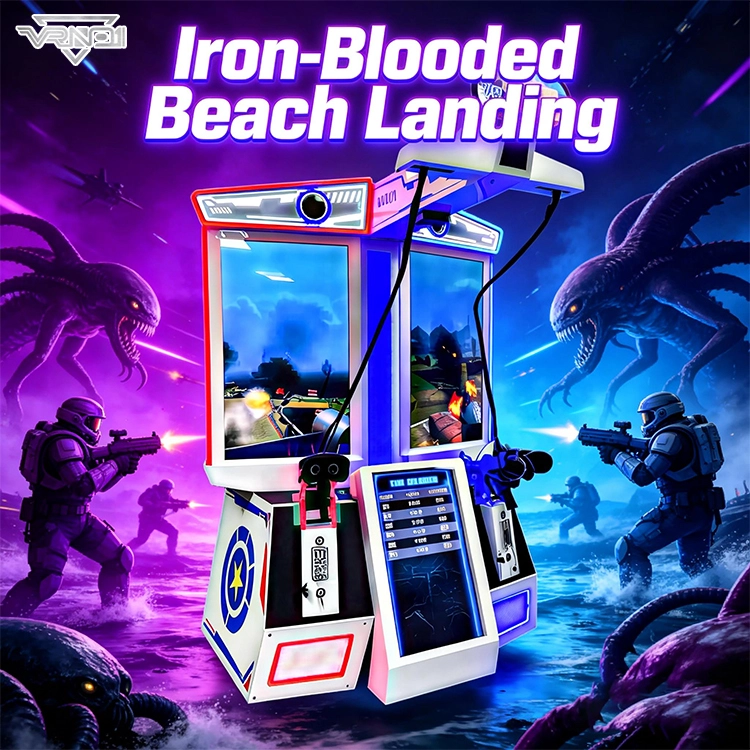
VRN0.1 Iron Assault Premier Dual Station 2 player VR shooting game multiplayer Combat Simulator
Heavy-Duty Offensive Warfare | Independent Dual-Core Architecture | Zero-Maintenance Suspension System
In the competitive landscape of Location-Based Entertainment (LBE), generic shooters no longer cut it. Enter the VR NO.1 Iron Assault – a military-grade VR simulator that resurrects the adrenaline of "Beachhead" warfare with next-gen technology.
Engineered by VR NO.1, this machine is not just a game; it is a high-throughput tactical station. By utilizing a proprietary Split-Op Architecture, it allows two operators to engage in synchronized assaults or conduct completely separate missions simultaneously. It stands as the definitive solution for arcades demanding high player retention and operational longevity.
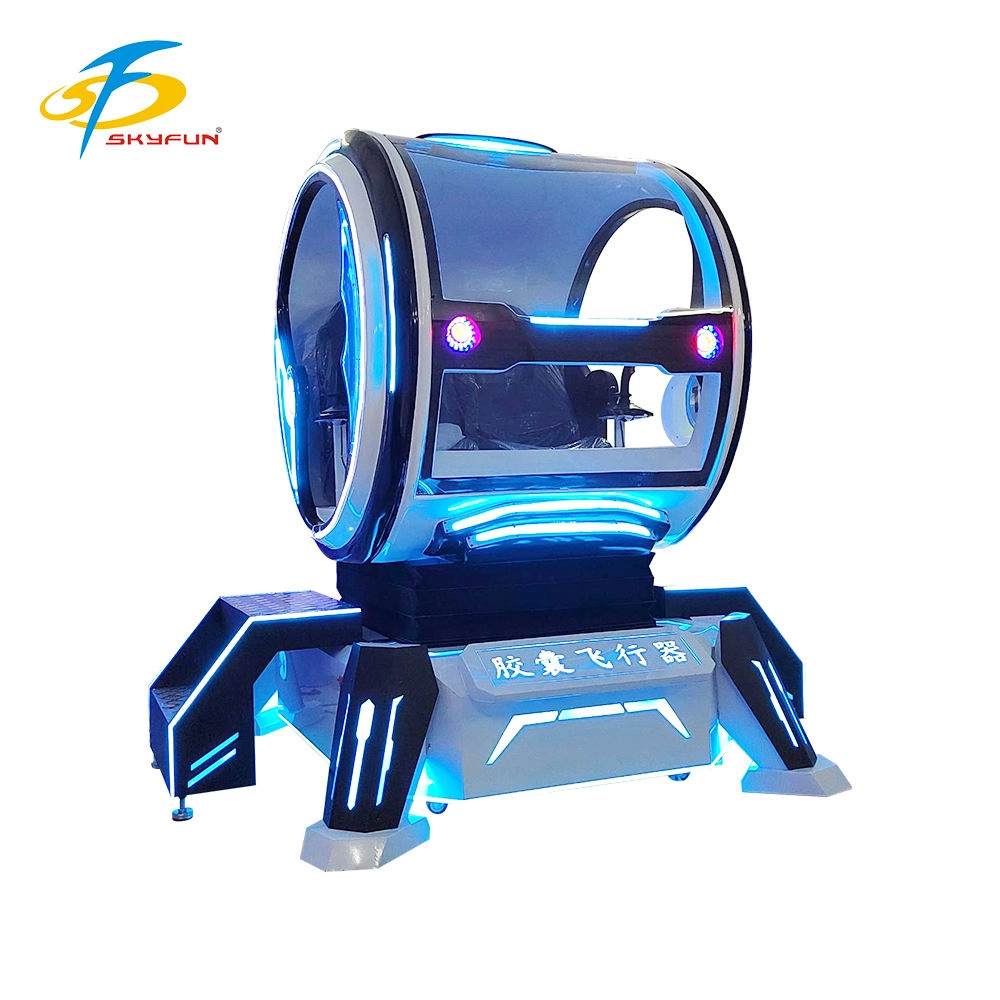
Double Player VR Flight Simulator 100 Movies 15 Games Coin-Operated Game Machine for Shopping Malls Amusement Parks
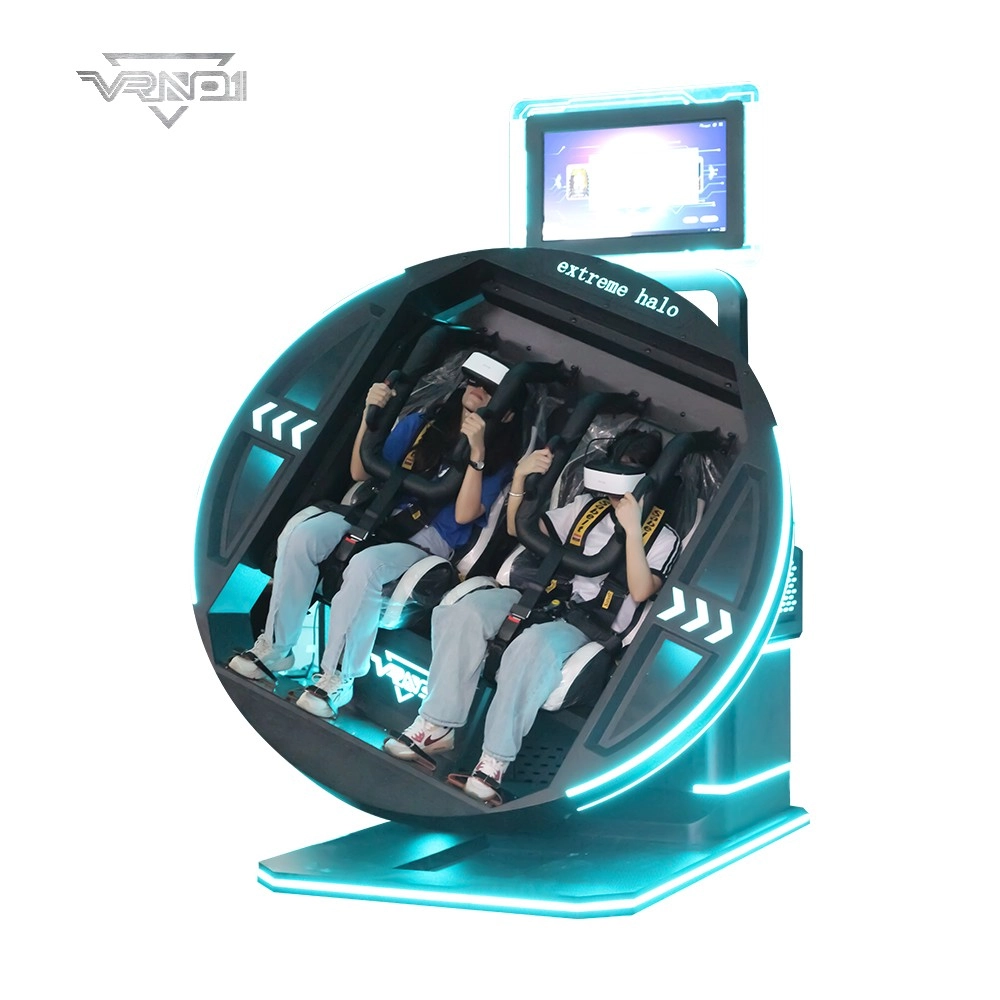
9D VR 360 Roller Coaster Cinema Chair Gaming Set Indoor/Outdoor Business Simulator Hardware for Home or School
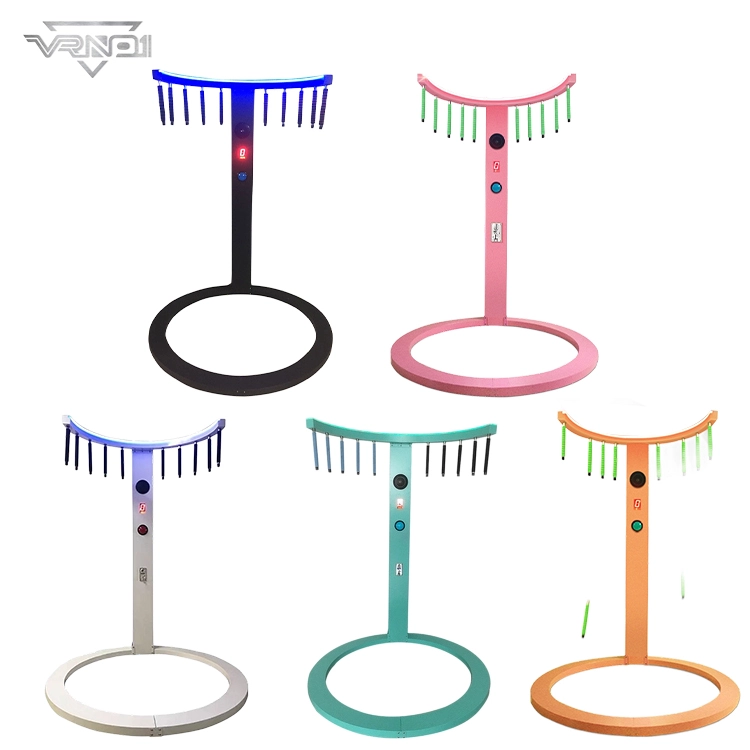
VRN0.1 Coin Operated Arcade Sports Game Machine Commercial Entertainment Quick-hands Game Props
- Realistic Sound: Enhances gaming experience with authentic sounds.
- Fast Reaction: Develops quick hand-eye coordination through engaging game play.
- DIY Kit: Allows for customization and personalization of the baton.
- Metal and Plastic Construction: Durable and robust build quality.
- Coin Operated: Fun for players who enjoy arcade-like experiences.
 Scan QR Code
Whatsapp: +8618127818571
Scan QR Code
Guangzhou Skyfun Technology Co.,Ltd
skyfunvrgame
skyfun game