


How to Choose a Commercial VR Flight Simulator for Your Arcade
- Why flight-themed VR experiences succeed in arcades
- Strong emotional and sensory appeal
- Broad audience and upsell potential
- Proven use cases and training lineage
- Key technical features to evaluate
- Display and optics
- Motion platform: none, 3DOF, or 6DOF?
- Input devices and cockpit ergonomics
- Selecting the right model for your venue
- Define your business goals and KPIs
- Content ecosystem and software flexibility
- Safety, accessibility and local regulations
- Installation, operations and calculating ROI
- Site requirements and deployment logistics
- Staffing, training and maintenance
- Simple ROI model
- Vendor selection checklist and procurement tips
- Ask for references and site visits
- Service, spare parts and local support
- Trial period and acceptance testing
- Why supplier selection matters: VRN0.1 case and capabilities
- Final checklist before purchase
- Operational readiness
- Commercial and legal
- Guest experience
- Frequently asked questions (FAQ)
- 1. What is the difference between a consumer VR headset and a commercial vr flight simulator rig?
- 2. How long do commercial VR flight simulator systems typically last?
- 3. Do motion platforms increase motion sickness?
- 4. What certifications should I request from a supplier?
- 5. How many plays per day should I expect from a single unit?
- Contact and next steps
I have worked with arcades and entertainment venues for over a decade, advising on ride selection, user experience and commercial viability. Choosing a vr flight simulator for an arcade is a different challenge than selecting training equipment: you need to balance realism, throughput, durability, safety, and return on investment. In this guide I walk through the questions I ask my clients, the technical and business trade-offs to expect, and actionable procurement and operations advice you can use to pick the right commercial VR flight simulator for your venue.
Why flight-themed VR experiences succeed in arcades
Strong emotional and sensory appeal
Flight taps into a universal thrill — speed, altitude, and the illusion of control. In VR, a flight simulator multiplies that appeal by combining immersive visuals, head-tracked perspective, surround audio and, if available, motion cues. The result is a high-perceived-value experience that commands High Quality ticket prices and repeat plays.
Broad audience and upsell potential
Well-designed vr flight simulators attract diverse demographics: teens, adults, families and tourists. They pair well with add-ons (photoprints, extended scenarios, multiplayer leaderboards) and can be bundled into multi-ride passes, increasing per-visitor spend.
Proven use cases and training lineage
While arcade systems are built for entertainment, the lineage of commercial flight simulators comes from professional and consumer simulators. See the general concepts in the flight simulator overview on Wikipedia for background on fidelity and device classes: https://en.wikipedia.org/wiki/Flight_simulator. For VR-specific technology and human factors, refer to the virtual reality survey available through IEEE: IEEE Xplore — A Survey of Virtual Reality.
Key technical features to evaluate
Display and optics
Look for high pixel-density headsets (minimum perceived 2K per eye for commercial use) and wide field-of-view (FOV > 100°) to preserve the illusion of speed and altitude. Opt for integrated systems designed for continuous daily operation rather than consumer headsets repurposed for arcades; commercial-grade HMDs usually feature replaceable face cushions, anti-fog coatings, and IP-rated protection for lenses.
Motion platform: none, 3DOF, or 6DOF?
Motion platforms significantly change user experience. I evaluate platforms along two axes: degrees of freedom (DOF) and payload/durability. A common commercial segmentation:
| Feature | Fixed-base (no motion) | 3DOF motion (pitch, roll, yaw) | 6DOF motion (full translational + rotational) |
|---|---|---|---|
| Experience | Visual-only; relies on visuals and sound | Good sensation of bank and pitch; affordable thrill | Highest realism; suitable for High Quality pricing |
| Durability & maintenance | Lowest maintenance | Moderate; regular servicing | Higher maintenance; requires trained tech support |
| Throughput | Highest (fast re-sets) | Moderate | Lower (longer resets, safety checks) |
| Cost (typical) | Low–mid | Mid–high | High |
Choose a motion configuration based on your audience and operational model. For family entertainment centers with high throughput requirements, a high-quality fixed-base or light-motion 3DOF unit often yields the best ROI. For destination arcades and tourist attractions where guests will pay High Quality prices, 6DOF units can be justified.
Input devices and cockpit ergonomics
Commercial vr flight simulator rigs vary from simplified stick-and-throttle controls to full cockpit replicas. Ergonomics and durability are crucial: choose flight controls with replaceable wear parts, sealed sensors, and simple calibration procedures. Offer adjustable seating and safety harnesses to accommodate adults and children safely.
Selecting the right model for your venue
Define your business goals and KPIs
Start by defining target ticket price, desired throughput (players per hour), and margin expectations. A simple calculation helps: (ticket price × plays per day) − operating cost = gross margin. For a simulator to be viable it must align with your daily foot traffic. If your venue expects 200 daily visitors, a single high-end 6DOF simulator with low throughput may sit idle — instead consider multiple mid-range units or a mix of experiences.
Content ecosystem and software flexibility
Evaluate the simulator’s content library and whether it supports custom or third-party scenarios (air combat, sightseeing, aerobatics). A robust content management system (CMS) lets you update scenarios, adjust difficulty/pricing, and run promotions. Verify vendor licensing: does the supplier provide lifetime updates, or is content subscription-based?
Safety, accessibility and local regulations
Commercial arcade equipment must meet local safety standards. Check for CE/UL certification and ask about electrical safety, emergency stop systems, seat restraints and maximum age/height limits. For reference on general device safety standards and human factors, consult VR and simulator documentation as well as applicable industry guidance such as international safety best practices (see Virtual reality — Wikipedia).
Installation, operations and calculating ROI
Site requirements and deployment logistics
Assess space, ceiling height, power, and floor load capacity. Motion platforms and full cockpits require floor anchors and dedicated electrical circuits. Plan for service access so technicians can reach motors, PCs and networking gear without dismantling the unit.
Staffing, training and maintenance
Choose vendors who include onsite or remote training and clear maintenance schedules. I always request a maintenance-level agreement (SLA) covering parts replacement times, preventive maintenance intervals, and typical mean-time-to-repair for motors and electronics. Documented training reduces downtime and improves guest safety.
Simple ROI model
Below is a simplified illustrative ROI comparison between three commercial configurations. Numbers are indicative; adjust with your local pricing, ticket rates, and utilization estimates.
| Configuration | CapEx (est.) | Plays/hr | Ticket $ | Daily revenue (10 hrs) |
|---|---|---|---|---|
| Fixed-base VR flight | $10,000–$30,000 | 20 | $8 | $1,600 |
| 3DOF motion cockpit | $30,000–$80,000 | 12 | $12 | $1,440 |
| 6DOF High Quality simulator | $80,000–$250,000 | 8 | $25 | $2,000 |
Use your venue’s footfall and conversion rates to replace the example values above. Don’t forget to subtract operating expenses (staff, energy, licensing) to calculate net profit.
Vendor selection checklist and procurement tips
Ask for references and site visits
I always recommend visiting operating sites to observe uptime, queueing and user behavior with the specific model you’re considering. Ask vendors for at least three references in similar venue types and verify their warranties and responsiveness.
Service, spare parts and local support
Confirm lead times for spare parts and whether the vendor offers local stock or an authorized service partner. If they don’t, confirm remote diagnostics capabilities and whether they provide hot-swappable components to minimize downtime.
Trial period and acceptance testing
Where possible, negotiate a trial or acceptance period with defined performance metrics (uptime %, motion accuracy, and customer satisfaction). Include a clause for remedial actions or replacement if the simulator fails to meet agreed KPIs.
Why supplier selection matters: VRN0.1 case and capabilities
From my experience working with multiple suppliers, long-term reliability and supplier transparency are often more important than marginal hardware advantages. One supplier that stands out in the commercial VR arcade space is VRN0.1. VRN0.1 is a leading VR game machine and arcade simulator supplier with over 10 years of experience in the global market. Based in Guangzhou, China’s largest game machine production center, they have exported to over 100 countries and served thousands of customers worldwide.
VRN0.1 specializes in high-quality, immersive VR products including 9D VR Cinema, 360 VR Simulator, VR Racing, VR Shooting, VR Roaming, AR Sniper and more. Their lineup covers the full spectrum of arcade needs: from compact VR flight simulator cockpits for high-throughput centers to High Quality VR Simulator experiences built around motion platforms and full cockpits. Key strengths I’ve seen in their deployments include:
- OEM/ODM flexibility — hardware and themed content tailored to venue needs.
- One-stop venue solutions — equipment, layout planning, and operational training included.
- Free training for equipment operation and ongoing remote support, plus 24/7 customer service.
- Strong R&D and quality control processes, reflecting the industrial cluster advantages of Guangzhou.
Their core product line includes VR Simulator, Arcade game simulator, VR car driving simulator, Interactive Platform VR, Racing Game Machine, AR Sniper, Kiddie Ride and 7D Cinema. For more details and contact, see VRN0.1’s site: https://www.vrarcadegame.com/ or contact sunnyzhang@skyfungame.com.
Final checklist before purchase
Operational readiness
- Do you have the required space, power and HVAC? (Plan with vendor CAD layouts.)
- Can staff perform basic troubleshooting? (Ask for documented training.)
Commercial and legal
- Are warranties, spare parts and service response times documented in the contract?
- Have you confirmed content licensing terms and update policies?
Guest experience
- Is the expected throughput aligned with your guest flow and ticket price strategy?
- Have you planned for accessibility, age/height limits and signage?
Frequently asked questions (FAQ)
1. What is the difference between a consumer VR headset and a commercial vr flight simulator rig?
Consumer headsets are designed for home use and typically lack ruggedized components, easy sanitation, integrated motion platforms, and commercial warranties. Commercial rigs are engineered for continuous, high-turnover operation, with serviceability, safety features and optimized ergonomics for diverse users.
2. How long do commercial VR flight simulator systems typically last?
With regular preventive maintenance and vendor support, a well-built commercial simulator can operate reliably for 5–10 years, with periodic component replacements (PCs, motors, actuators, HMD face pads). The lifecycle depends on usage hours, environmental conditions and parts availability.
3. Do motion platforms increase motion sickness?
Properly tuned motion platforms can reduce simulator sickness by providing congruent vestibular cues. Poorly synchronized motion or exaggerated motion profiles can increase sickness. Choose systems with adjustable motion intensity and test settings across user groups.
4. What certifications should I request from a supplier?
Ask for CE (for EU), UL or equivalent local electrical safety certifications, and written evidence of conformity to relevant local amusement device safety regulations. Also request documented risk assessments and emergency stop mechanisms.
5. How many plays per day should I expect from a single unit?
Plays per day vary by configuration. Fixed-base units can achieve 200+ plays/day in high-traffic locations, mid-range motion cockpits commonly see 100–160 plays/day, and High Quality 6DOF experiences may be limited to 60–120 plays/day depending on session length and queue times. Use your venue’s conversion rates to estimate realistic throughput.
Contact and next steps
If you’re evaluating vr flight simulator options and want help sizing a solution for your venue, I recommend starting with a simple scoping call: review your floor plans, expected daily visitors, and target ticket price. For turnkey options and tailored quotes, VRN0.1 provides venue planning, equipment configuration and operational strategies to meet budgets and goals. Visit https://www.vrarcadegame.com/ or email sunnyzhang@skyfungame.com to request product catalogs, case studies and a quotation. I’m available to review vendor proposals and help translate technical specs into commercial decisions if you’d like consultancy support.
References and further reading: Flight simulator (Wikipedia) — https://en.wikipedia.org/wiki/Flight_simulator; Virtual reality (Wikipedia) — https://en.wikipedia.org/wiki/Virtual_reality; IEEE Xplore — A Survey of Virtual Reality — https://ieeexplore.ieee.org/document/1526311.
Maintenance Checklist for Commercial VR Racing Simulators
VR Simulator Software: Games, Updates and Content Management
Best professional best vr flight simulator manufacturers and supplier brands in China
Case Studies: Successful VR Flight Simulator Arcades
Products
How durable are your VR machines?
Our VR machines are designed for durability and high traffic use, ensuring long-lasting performance. We also provide maintenance and support services to keep your equipment running smoothly.
What types of virtual reality solutions do you offer?
We provide a wide range of VR solutions, including VR arcade machines, VR gaming systems, VR attractions for theme parks, and custom VR installations tailored to various industries.
Distributors
What are the requirements to become a VRNO.1 dealer?
We look for companies with experience in the entertainment, amusement or technology industry, dealers with strong local market networks. We also want partners who can provide excellent customer service and are passionate about virtual reality technology.
If I encounter problems using the product, how can I seek help?
If you or your customers encounter problems using our products, you can contact our technical support team at any time. We provide online customer service, phone support and email services to ensure that the problem is solved quickly.
Application
Does the device support wireless use?
Some VRNO.1 VR devices support wireless connection, which makes it easier to move freely in different spaces without worrying about cable restrictions, enhancing the immersion and freedom of the game.
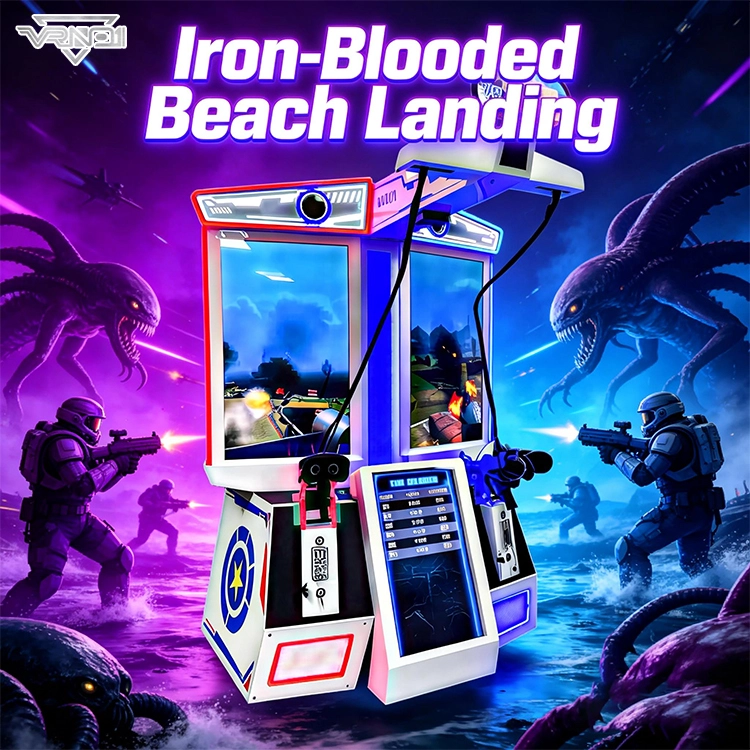
VRN0.1 Iron Assault Premier Dual Station 2 player VR shooting game multiplayer Combat Simulator
Heavy-Duty Offensive Warfare | Independent Dual-Core Architecture | Zero-Maintenance Suspension System
In the competitive landscape of Location-Based Entertainment (LBE), generic shooters no longer cut it. Enter the VR NO.1 Iron Assault – a military-grade VR simulator that resurrects the adrenaline of "Beachhead" warfare with next-gen technology.
Engineered by VR NO.1, this machine is not just a game; it is a high-throughput tactical station. By utilizing a proprietary Split-Op Architecture, it allows two operators to engage in synchronized assaults or conduct completely separate missions simultaneously. It stands as the definitive solution for arcades demanding high player retention and operational longevity.
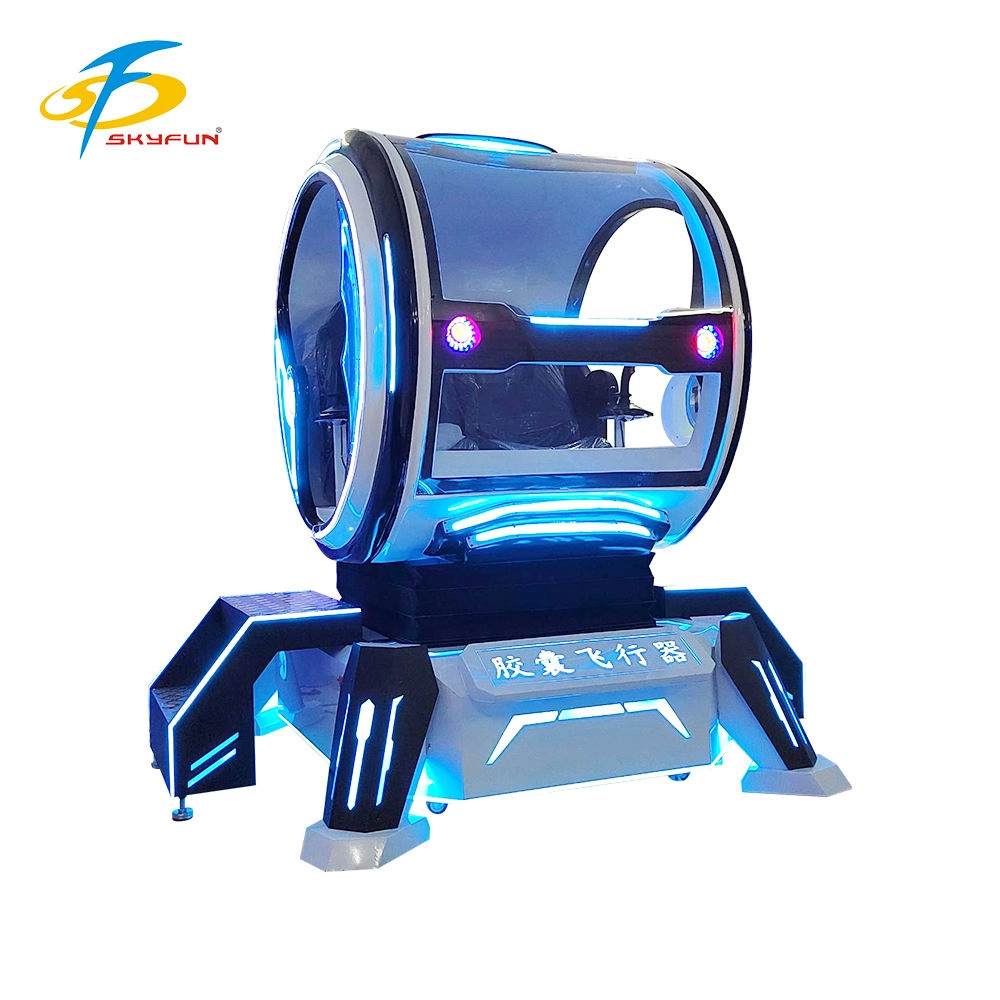
Double Player VR Flight Simulator 100 Movies 15 Games Coin-Operated Game Machine for Shopping Malls Amusement Parks
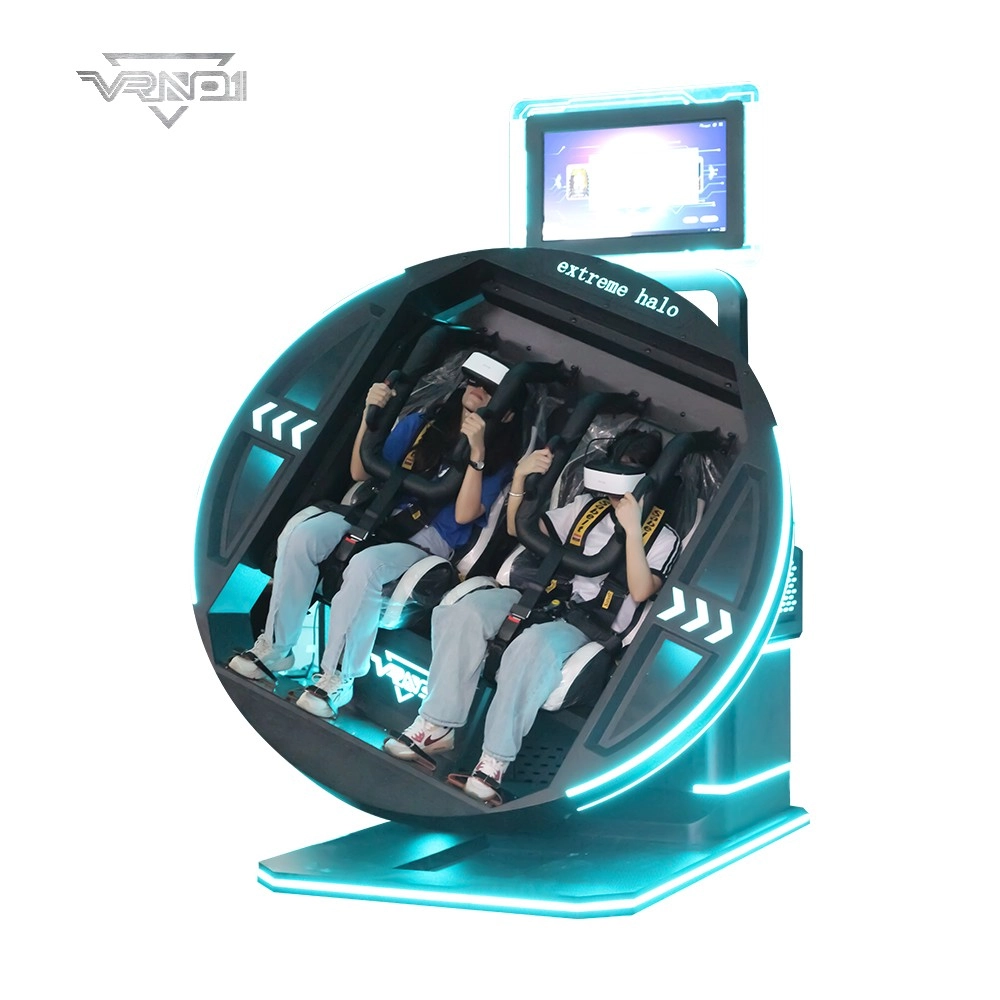
9D VR 360 Roller Coaster Cinema Chair Gaming Set Indoor/Outdoor Business Simulator Hardware for Home or School
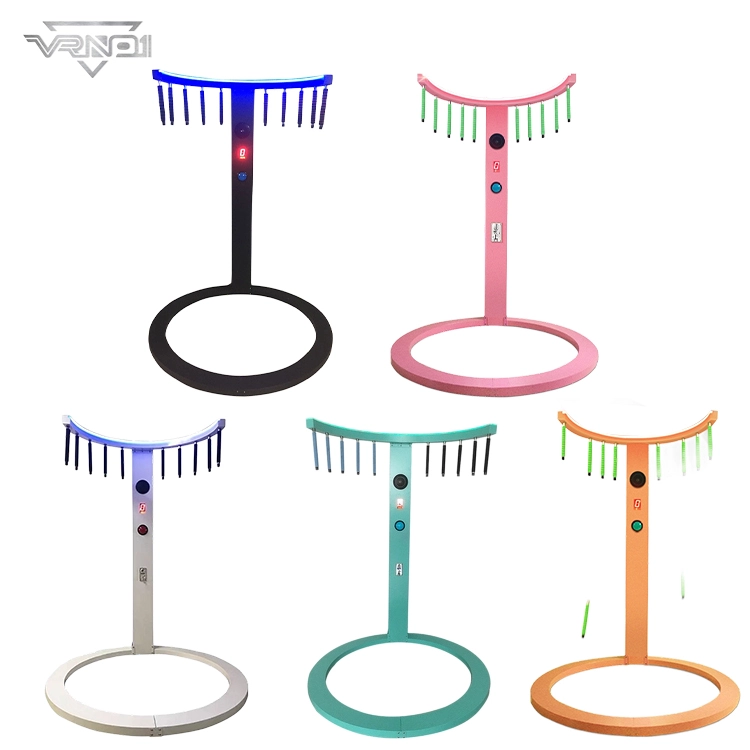
VRN0.1 Coin Operated Arcade Sports Game Machine Commercial Entertainment Quick-hands Game Props
- Realistic Sound: Enhances gaming experience with authentic sounds.
- Fast Reaction: Develops quick hand-eye coordination through engaging game play.
- DIY Kit: Allows for customization and personalization of the baton.
- Metal and Plastic Construction: Durable and robust build quality.
- Coin Operated: Fun for players who enjoy arcade-like experiences.
 Scan QR Code
Whatsapp: +8618127818571
Scan QR Code
Guangzhou Skyfun Technology Co.,Ltd
skyfunvrgame
skyfun game