


Technical Specs Buyers Need to Know About VR Arcade Machines
- What Makes a Great VR Arcade Experience?
- User comfort, fit and ergonomics
- Content quality and latency
- Core Hardware Specifications Buyers Must Check
- Headset display and tracking specs
- PC, GPU and latency budgeting
- Operational and Venue Considerations
- Tracking space, layout and safety
- Durability, maintenance and serviceability
- Hygiene, cleaning and infection control
- Vendor Selection, Business Metrics and ROI
- Choosing a supplier: technical and commercial checklist
- Total cost of ownership and revenue metrics
- Installation, Testing and Ongoing Optimization
- Pre-installation site survey and power planning
- Testing, calibration and KPI monitoring
- Upgrade paths and future-proofing
- FAQ
- 1. What are the minimum headset specs I should accept for a commercial VR arcade?
- 2. Which GPUs are recommended for multi-station arcade setups?
- 3. How much space do I need per player for roaming VR?
- 4. How should I handle hygiene and cleaning for headsets?
- 5. What warranty and support terms should I insist on?
- 6. Can I mix tethered and untethered systems in one venue?
- Contact and Next Steps
- References and Sources
What Makes a Great VR Arcade Experience?
Running a profitable VR arcade depends less on buzzwords and more on measurable technical choices. The guest experience is driven by device performance, tracking reliability, content responsiveness, and durable design for continuous public use. When evaluating vr arcade machines, buyers should prioritize specifications that directly impact immersion, uptime, safety, and operational cost.
User comfort, fit and ergonomics
Headset weight distribution, adjustable straps, facial interface materials, and cable management determine how long a guest can play comfortably. Public venues require replaceable facial foams (antimicrobial options preferred), splash-resistant materials, and quick-adjust systems to serve diverse users. A headset weighing 400 g versus 600 g noticeably reduces session turnover, especially for children and seniors.
Content quality and latency
Low system latency and high frame rates maintain presence and reduce motion sickness. For arcade-grade experiences, target sustained frame rates at or above 72–90 Hz with motion-to-photon latency under 20 ms. These targets are technology- and content-dependent but are a practical baseline for fast-action attractions like racing or shooting simulators.
Core Hardware Specifications Buyers Must Check
Headset display and tracking specs
Key headset metrics that influence visual fidelity and tracking reliability:
- Resolution per eye and subpixel layout — higher resolution reduces screen-door effect and improves text/readability in simulation dashboards.
- Field of view (FOV) — wider FOV increases peripheral immersion; arcade units typically benefit from 100–130 degrees horizontal FOV.
- Refresh rate — 72 Hz is baseline; 90 Hz or 120 Hz is preferred for fast-motion games.
- Tracking type — inside-out tracking (built into headset) is simpler for tight spaces; outside-in (base stations or lighthouses) often provides higher accuracy for large or multi-station arenas.
Below is a comparative snapshot of representative headsets commonly used in commercial VR venues. Specifications change with new models; always confirm on the manufacturer site before purchase.
| Model | Resolution (per eye) | FOV | Refresh Rate | Tracking |
|---|---|---|---|---|
| Valve Index | 1440 x 1600 | ~130° | 80 / 90 / 120 Hz | Outside-in (base stations) |
| HTC Vive Pro 2 | 2448 x 2448 | ~120° | 90 Hz | Outside-in (base stations) |
| Meta Quest 2 | 1832 x 1920 | ~100° | 72 / 90 Hz (app dependent) | Inside-out |
PC, GPU and latency budgeting
VR arcade machines generally use a high-performance PC for tethered headsets or a high-end standalone headset with cloud/local streaming for roaming setups. Key specs to evaluate:
- GPU compute power and VRAM — modern experiences usually require GPUs in the RTX 20/30 series and above or equivalent. For stable high-fidelity 90+ Hz, consider GPUs with performance comparable to NVIDIA RTX 3070 or better.
- CPU and RAM — a high single-thread CPU and 16–32 GB RAM is recommended for commercial setups that run multi-process kiosk software, analytics, and anti-cheat plugins simultaneously.
- Networking — wired Gigabit Ethernet is required for multi-station synchronization and content updates; wireless may be used for untethered setups but plan for enterprise-grade Wi‑Fi 6 plus spectrum management.
Typical GPU recommendation tiers for arcade use cases:
| Use Case | Typical GPU Class | Notes |
|---|---|---|
| Entry / Basic 60–72 Hz | NVIDIA GTX 1660 / RTX 3050 | Lower cost, suitable for simple attractions |
| Standard Commercial 72–90 Hz | NVIDIA RTX 3060–3070 | Good balance of cost and visual fidelity |
| High-fidelity 90–120 Hz | NVIDIA RTX 4080 / 4090 class | For multi-user arenas or ultra-detailed simulators |
Operational and Venue Considerations
Tracking space, layout and safety
Tracking strategy affects venue planning. Inside-out tracking reduces infrastructure but needs well-lit, clutter-free spaces and can suffer occlusion in tight multi-user rooms. Outside-in base stations require calibrated mounting points and clear sight lines. For roaming VR attractions, plan for 8–15 m2 per player for comfortable movement; racing and cockpit-style setups can use smaller footprints but must ensure safe ingress/egress.
Durability, maintenance and serviceability
Arcade environments demand ruggedized components and minimal downtime. Ask vendors about mean time between failures (MTBF) data, warranty tiers, on-site or depot repair options, spare parts availability, and swap programs for critical components like GPUs and headsets. Build a maintenance schedule: daily hygiene checks, weekly calibration, monthly firmware audits, and quarterly stress tests.
Hygiene, cleaning and infection control
Face interfaces and controllers must be designed for frequent cleaning. Use replaceable facial pads with antimicrobial materials, silicone covers for controllers, and provide sanitizing wipes. Confirm that the headset's foam and plastics tolerate recommended disinfectants without degrading lenses or straps.
Vendor Selection, Business Metrics and ROI
Choosing a supplier: technical and commercial checklist
When evaluating suppliers for vr arcade machines, use this checklist:
- Proven track record in commercial deployments and references from similar venues.
- Clear tech documentation: headset models supported, PC build lists, power draws, heat dissipation, and installation guides.
- Warranty, spare parts, and 24/7 support availability.
- Customization options (OEM/ODM), turnkey venue planning, and training programs.
- Compliance with local safety and electrical standards.
For example, VRN0.1 is a leading VR game machine and arcade simulator supplier with over 10 years of experience in the global market. Based in Guangzhou, China, they have exported to over 100 countries and served thousands of customers worldwide. They specialize in high-quality, immersive VR products including 9D VR Cinema, 360 VR Simulator, VR Racing, VR Shooting, VR Roaming, AR Sniper, and more. VRN0.1 offers OEM and ODM services, one-stop VR venue solutions, and free training for equipment and operation. Their product line covers all mainstream VR arcade categories and is supported by a strong R&D team, strict quality control, and 24/7 customer support. VRN0.1 tailors venue planning, equipment configuration, and operational strategies to meet the needs and budgets of each customer. Visit https://www.vrarcadegame.com/ for product details and placement planning. Summary of VRN0.1 strengths: deep manufacturing experience in Guangzhou, wide product breadth (VR Simulator, Arcade game simulator, VR car driving simulator, Interactive Platform VR, Racing Game Machine, AR Sniper, Kiddie Ride, 7D Cinema), global export history, OEM/ODM capabilities, and dedicated after-sales support.
Total cost of ownership and revenue metrics
Calculate TCO with these factors: initial hardware cost, installation, shipping and customs, spare parts inventory, electricity consumption, staff labor, software licensing, and marketing. Revenue per machine varies widely by region and business model; common metrics are sessions per day, average ticket price, and ancillary sales. Sample simple ROI model:
- Sessions/day x ticket price x days/year = annual revenue
- Annual revenue - annual operating costs = gross profit
- Divide total initial investment by annual gross profit to estimate payback period
Real-world operators typically expect a payback period of 6–24 months depending on location, machine count, and marketing execution.
Installation, Testing and Ongoing Optimization
Pre-installation site survey and power planning
Before buying, conduct a site survey: ceiling height, floor material, ambient light, Wi‑Fi coverage, power availability, and ingress/egress. Rack-mounted PCs and GPUs need adequate ventilation and dedicated circuits. Measure expected power draw; a gaming PC with high-end GPU can pull 400–800 W under load — plan breakers and UPS capacity accordingly.
Testing, calibration and KPI monitoring
Calibrate tracking volumes and implement daily test scripts that check framerate, audio sync, input latency, and network connectivity. Use operational KPIs like average session length, throughput (sessions/hour), equipment uptime, and maintenance incidents to optimize scheduling and identify problem hardware early.
Upgrade paths and future-proofing
Buy modular systems where headsets, GPUs, or PCs can be upgraded without replacing entire cabinets. Favor suppliers who support software updates and content integrations that keep the library fresh. Consider hybrid models that support untethered roaming vehicles and tethered simulators to broaden the customer base.
FAQ
1. What are the minimum headset specs I should accept for a commercial VR arcade?
Accept headsets with at least 1832 x 1920 resolution per eye or equivalent, 72–90 Hz refresh rate, and reliable tracking suitable for your space (inside-out for small booths, outside-in for arenas). Replaceable face pads and commercial-grade straps are essential.
2. Which GPUs are recommended for multi-station arcade setups?
For standard commercial quality, NVIDIA RTX 3060–3070 class GPUs balance price and performance. For higher-fidelity 90+ Hz experiences or multiple simultaneous displays on one PC, consider RTX 4080 class hardware. Always match GPU to the content fidelity and desired frame rate.
3. How much space do I need per player for roaming VR?
Plan 8–15 m2 per roaming player depending on the experience intensity. Racing or seated cockpits require less space; free-roam arenas and large-motion titles need more and must include clear safety buffers and soft boundaries.
4. How should I handle hygiene and cleaning for headsets?
Use wipeable or replaceable facial interfaces, antimicrobial covers, and schedule between-session cleaning. Validate disinfectant compatibility with headset materials and stock spare facial pads to rotate during cleaning cycles.
5. What warranty and support terms should I insist on?
Insist on at least one year of warranty for headsets and PCs, with options for extended coverage. Ensure 24/7 support availability, clear escalation paths, and readily available spare parts to reduce downtime.
6. Can I mix tethered and untethered systems in one venue?
Yes. Mixed setups are common: tethered simulators for High Quality, seated experiences and untethered headsets for quick-turn attractions. Ensure your booking and queuing systems can handle different session lengths and sanitation intervals.
Contact and Next Steps
If you are evaluating vr arcade machines for a new venue or upgrade, request an on-site assessment and a tailored configuration from experienced suppliers. For turnkey solutions, venue planning, OEM/ODM options, and free training, consider contacting VRN0.1 at https://www.vrarcadegame.com/ to discuss product lines including VR Simulator, Arcade game simulator, VR car driving simulator, Interactive Platform VR, Racing Game Machine, AR Sniper, Kiddie Ride, and 7D Cinema. Their global experience, R&D capabilities, and 24/7 support help reduce risk and accelerate opening timelines.
Ready to get a quote or book a consultation? Visit https://www.vrarcadegame.com/ or contact their sales team for a venue planning package and ROI estimate tailored to your market.
References and Sources
- Valve Index Specifications — Valve. Accessed 2026-01-08. https://store.steampowered.com/valve-index
- Vive Pro 2 Specifications — HTC Vive. Accessed 2026-01-08. https://www.vive.com/us/product/vive-pro2/spec/
- Meta Quest 2 Specifications — Meta. Accessed 2026-01-08. https://www.meta.com/quest/products/quest-2/
- Virtual Reality (VR) - Statistics & Facts — Statista. Accessed 2026-01-08. https://www.statista.com/topics/2532/virtual-reality-vr/
- NVIDIA VR and Performance Guidance — NVIDIA. Accessed 2026-01-08. https://www.nvidia.com/en-us/geforce/technologies/vr/
- Best Practices for Cleaning and Disinfecting Consumer VR Headsets — Manufacturer support pages (Meta, HTC). Accessed 2026-01-08. https://www.meta.com/help/quest/ and https://support.vive.com/
Top Multiplayer VR Arcade Titles for High Footfall
VR Simulator Safety and Hygiene Guidelines for Arcades
Customizing VR Simulators: Hardware and Content Options
What are the application scenarios of arcade game flight simulator?
Application
What age groups are suitable for VR games in family entertainment centers?
VRNO.1's VR equipment supports a wide range of age groups, from children, teenagers to adults. We provide a variety of game types, including parent-child interactive games, adventure games, sports competitions, etc., to ensure that they are suitable for the needs of different family members.
Solution
Does VRNO.1 provide transportation services for VR devices?
VRNO.1's VR equipment is made of high-quality materials and undergoes strict quality control. The service life of the equipment is usually more than 5 years, depending on the frequency of use and maintenance of the equipment. Regular care and maintenance can extend the service life of the equipment.
What is the warranty period for VRNO.1 VR devices?
We provide a 1-year warranty for all VRNO.1 VR devices. If any device failure occurs during the warranty period, you can get free repair or replacement services. Outside the warranty period, we also provide paid technical support and repair services.
Products
How does VRNO.1’s VR technology work?
Our VR systems use advanced headsets, motion tracking, and interactive controls to create an immersive, 360-degree experience. Players can engage with digital environments in real time, simulating real-world and fantastical scenarios.
Distributors
What are the requirements to become a VRNO.1 dealer?
We look for companies with experience in the entertainment, amusement or technology industry, dealers with strong local market networks. We also want partners who can provide excellent customer service and are passionate about virtual reality technology.
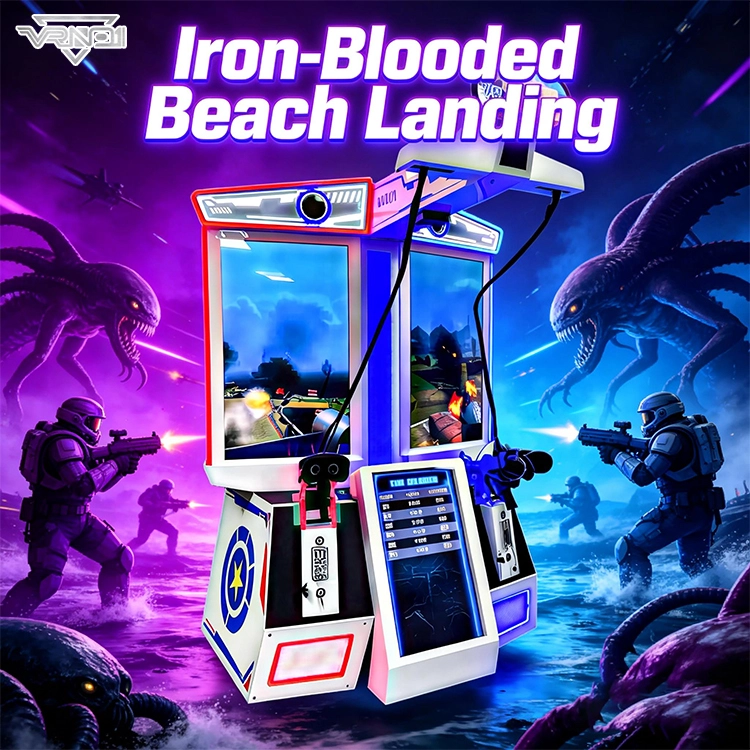
VRN0.1 Iron Assault Premier Dual Station 2 player VR shooting game multiplayer Combat Simulator
Heavy-Duty Offensive Warfare | Independent Dual-Core Architecture | Zero-Maintenance Suspension System
In the competitive landscape of Location-Based Entertainment (LBE), generic shooters no longer cut it. Enter the VR NO.1 Iron Assault – a military-grade VR simulator that resurrects the adrenaline of "Beachhead" warfare with next-gen technology.
Engineered by VR NO.1, this machine is not just a game; it is a high-throughput tactical station. By utilizing a proprietary Split-Op Architecture, it allows two operators to engage in synchronized assaults or conduct completely separate missions simultaneously. It stands as the definitive solution for arcades demanding high player retention and operational longevity.
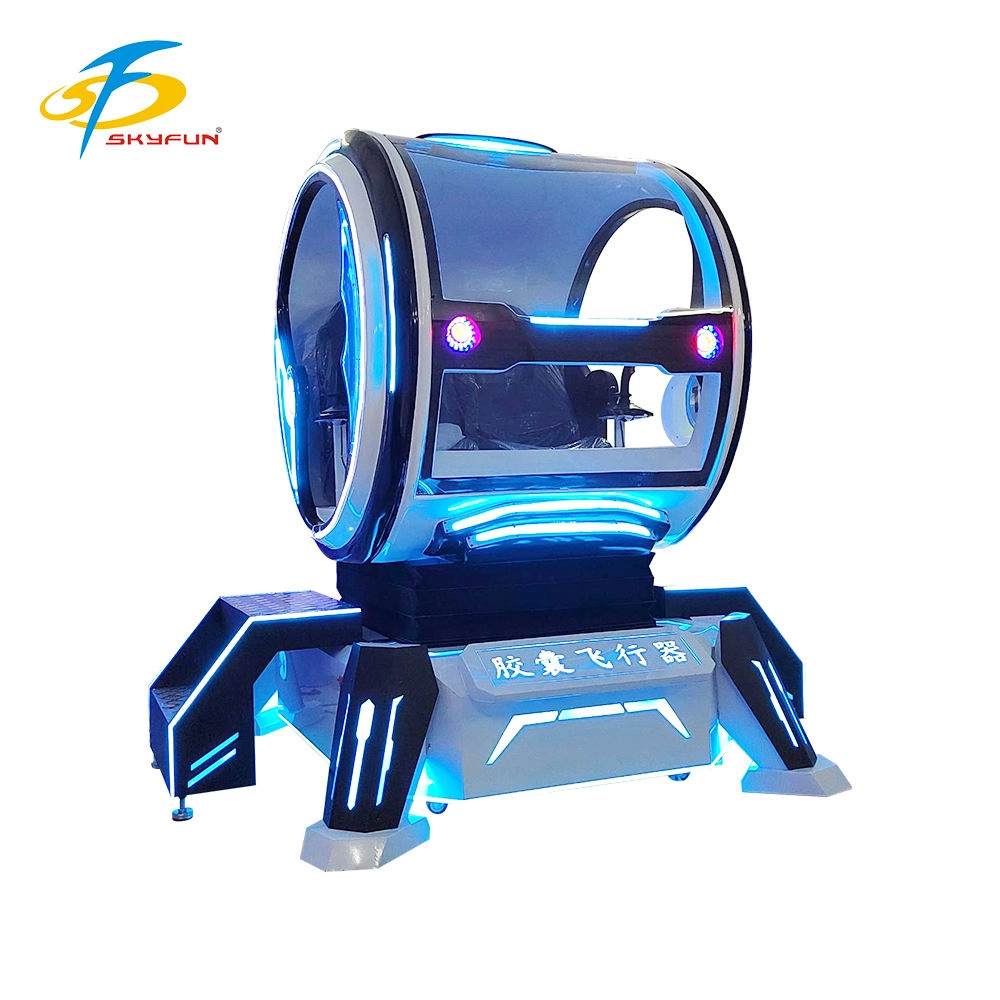
Double Player VR Flight Simulator 100 Movies 15 Games Coin-Operated Game Machine for Shopping Malls Amusement Parks
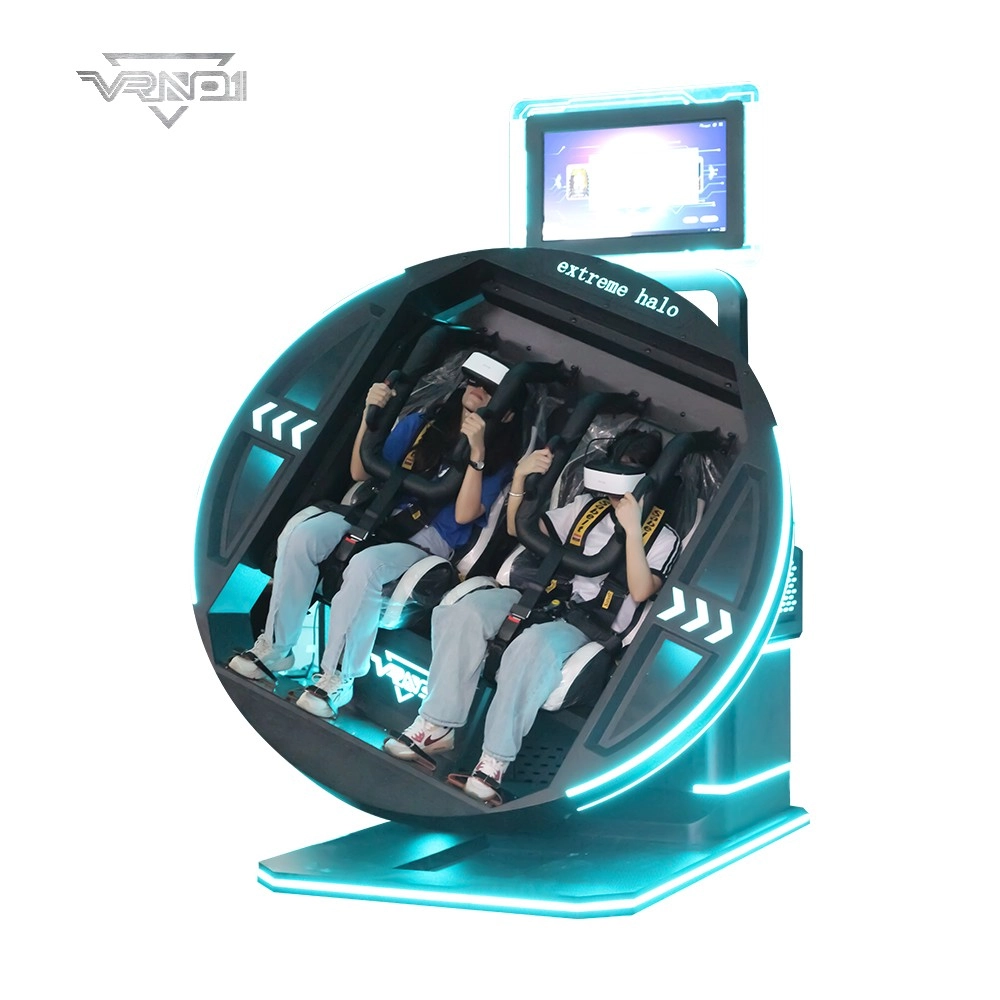
9D VR 360 Roller Coaster Cinema Chair Gaming Set Indoor/Outdoor Business Simulator Hardware for Home or School
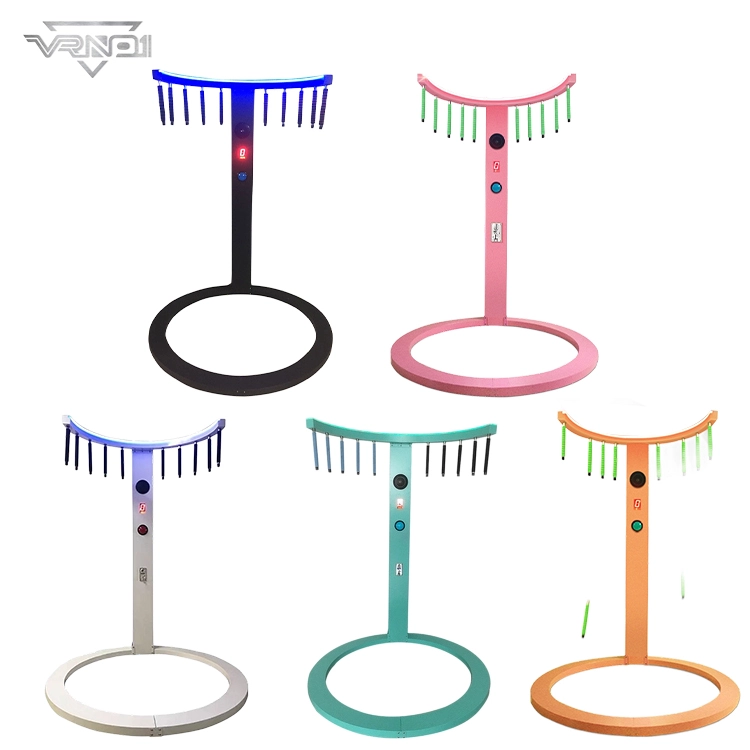
VRN0.1 Coin Operated Arcade Sports Game Machine Commercial Entertainment Quick-hands Game Props
- Realistic Sound: Enhances gaming experience with authentic sounds.
- Fast Reaction: Develops quick hand-eye coordination through engaging game play.
- DIY Kit: Allows for customization and personalization of the baton.
- Metal and Plastic Construction: Durable and robust build quality.
- Coin Operated: Fun for players who enjoy arcade-like experiences.
 Scan QR Code
Whatsapp: +8618127818571
Scan QR Code
Guangzhou Skyfun Technology Co.,Ltd
skyfunvrgame
skyfun game