


Software and Content Platforms for VR Simulators
- Platform fundamentals and industry standards
- What defines a VR content platform?
- Open standards: OpenXR and ecosystem benefits
- Tracking runtimes and peripheral SDKs
- Engine choices: Unity, Unreal, or custom?
- Unity: rapid iteration and large ecosystem
- Unreal Engine: visual fidelity and advanced simulation
- Proprietary engines and hybrid approaches
- Content pipelines, marketplaces, and licensing for VR Simulators machine
- Content creation and asset management
- Content marketplaces vs. custom content
- Licensing and commercial deployment considerations
- Operational tooling and analytics for arcade-scale deployments
- Kiosk mode, monitoring, and remote management
- Analytics, monetization, and A/B testing
- Safety, hygiene, and UX flows
- Comparison of popular development/runtime platforms
- Implementing a content strategy for venues
- Single-vendor vs. multi-vendor content strategies
- Testing, QA, and certification
- Updates and lifecycle management
- VRN0.1 — Supplier capabilities and why it matters
- Practical checklist for choosing a platform for VR Simulators machine
- Frequently Asked Questions (FAQ)
- 1. What software stack is best for a VR arcade with mixed simulators?
- 2. How important is OpenXR for VR Simulators machine deployments?
- 3. Should I buy content from marketplaces or commission custom experiences?
- 4. What operational tools should I require from a supplier?
- 5. How do I handle licensing and royalties for engine-based content?
- 6. How can VRN0.1 help optimize my venue’s software and content strategy?
- Final recommendations and next steps
As VR entertainment matures, choosing the right software and content platform is as important as the hardware. For operators of VR Simulators machine deployments — whether racing cabinets, roaming systems, or 9D cinemas — the platform determines content quality, update cycle, cross-device compatibility, and long-term operational cost. This article maps the technical and business considerations for building and operating immersive simulator venues, explains engine and runtime choices, and provides actionable guidance for procurement, development, and content management.
Platform fundamentals and industry standards
What defines a VR content platform?
A VR content platform includes the game/experience engine, runtime APIs, device drivers, content distribution and update services, and analytics/telemetry. For VR Simulators machine operators, the platform must support: low-latency rendering, precise tracking (6DOF or otherwise), hardware I/O (steering wheel, pedals, motion base), content versioning, and safe session management for public venues. Standards and runtimes such as OpenXR and SteamVR abstract device specifics, reducing per-device engineering effort.
Open standards: OpenXR and ecosystem benefits
OpenXR, maintained by the Khronos Group, is the dominant cross-platform runtime standard. By targeting OpenXR, developers ensure broader compatibility across headsets (Meta, HTC, Pico) and runtimes (SteamVR, platform runtimes). For arcades, this reduces content fragmentation and future-proofs investments in hardware upgrades. See the OpenXR overview for technical details: OpenXR spec.
Tracking runtimes and peripheral SDKs
Beyond headset tracking, VR simulators rely on peripheral SDKs for force feedback, motion seats, and custom control panels. Common runtimes include SteamVR (wide accessory support) and vendor SDKs (e.g., Oculus/Meta, HTC). When evaluating middleware, confirm support for USB/Serial devices, VR haptics APIs, and the ability to run kiosk-mode applications that auto-launch and recover after crashes.
Engine choices: Unity, Unreal, or custom?
Unity: rapid iteration and large ecosystem
Unity is popular for arcade and simulator content due to its flexible workflow, extensive asset store, and a wide developer base. Unity supports OpenXR and has mature VR toolkits, making it a practical choice for multi-title venues that need fast iteration and efficient content pipelines. See Unity's platform documentation: Unity.
Unreal Engine: visual fidelity and advanced simulation
Unreal Engine excels where photorealism, advanced physics, and cinematic quality are required (high-end racing or flight simulators). Unreal's rendering and native physics can reduce the time needed to build realistic simulators but often requires more specialized development skills. Unreal Engine details: Unreal Engine.
Proprietary engines and hybrid approaches
Some suppliers use proprietary engines optimized for specific hardware to maximize performance and reduce licensing costs. Hybrid approaches—using an established engine for gameplay and a lightweight native module for hardware integration—can balance development speed and hardware control. Operators should request demos that replicate expected peak loads and per-session lifecycle behaviors.
Content pipelines, marketplaces, and licensing for VR Simulators machine
Content creation and asset management
Content pipelines for VR Simulators machine often mirror game development workflows: 3D modeling, LODs, optimized textures, baking lighting, and streaming assets for large environments. For arcade deployment, focus on short load times (fast session turnover), robust error handling, and deterministic startup states. Implement content signing and versioned asset bundles to simplify rollbacks and ensure venue stability.
Content marketplaces vs. custom content
Marketplaces (Unity Asset Store, Unreal Marketplace) offer ready-made assets and templates that accelerate development, while custom content differentiates a venue’s brand and user experience. Operators should balance off-the-shelf assets for non-core elements (props, UI widgets) with custom-developed core experiences (unique racing tracks, branded environments) to stand out. Asset provenance and licensing terms must be verified to avoid commercial use violations.
Licensing and commercial deployment considerations
Engine licensing models affect costs and revenue sharing. Unity and Epic have differing licensing and royalty models—confirm the terms that apply to public/commercial deployments. For instance, Unreal historically used a royalty model for gross revenue under certain conditions, while Unity’s tiers affect service access. Always review the current license FAQ on vendor sites: Unity pricing, Unreal licensing FAQ.
Operational tooling and analytics for arcade-scale deployments
Kiosk mode, monitoring, and remote management
Arcade deployments require reliable kiosk software that launches a selected experience, restricts platform access, handles session timeouts, and auto-recovers from crashes. Remote device management (RMM) tools let operators push content updates, monitor uptime, and collect crash reports. Choose solutions with secure remote shell, telemetry, and scheduled deployment windows to minimize downtime.
Analytics, monetization, and A/B testing
Collecting anonymized session analytics helps optimize content and revenue. Key metrics include average session length, turnover time, hardware error rates, and per-experience conversion. Implement A/B testing for pricing structures (time vs. credits) and content variants. Use analytics platforms compatible with privacy laws applicable to your markets (GDPR, CCPA).
Safety, hygiene, and UX flows
Operational software should incorporate safety checks (headset hygiene prompts, guardian boundary verification) and venue-specific UX flows (age verification, motion sickness warnings). Having an operator dashboard with manual override and a clear “reset to default” state after each session reduces customer friction and staff training overhead.
Comparison of popular development/runtime platforms
The table below summarizes common choices for VR Simulators machine development and runtime.
| Platform/Engine | Strengths | Licensing/Costs | Typical Use in Arcades/Simulators | References |
|---|---|---|---|---|
| Unity | Fast iteration, large asset store, broad developer base | Subscription tiers; review Unity pricing: unity.com/pricing | Mid-range simulators, rapid content updates, multi-title venues | Unity |
| Unreal Engine | High-fidelity rendering, powerful physics, cinematic tools | Royalty/licensing models; see unrealengine.com license FAQ | High-end racing/flight simulators, demo-grade experiences | Unreal Engine |
| OpenXR + SteamVR | Cross-device portability, wide peripheral support | Open standard; runtime implementations may vary | Compatibility layer across headsets and accessory ecosystems | OpenXR, SteamVR |
| Proprietary SDKs | Optimized for specific hardware, lower runtime overhead | Vendor-specific; varies | Specialized motion platforms, integrated arcade cabinets | Manufacturer documentation |
Implementing a content strategy for venues
Single-vendor vs. multi-vendor content strategies
Single-vendor solutions (hardware + software from one supplier) simplify integration and support SLAs, while multi-vendor strategies can reduce costs and increase content diversity. For scalable arcade chains, hybrid strategies—standardizing on a validated engine/version and permitting certified third-party content—often deliver the best balance of control and variety.
Testing, QA, and certification
Establish a QA checklist covering performance (FPS/latency), tracking stability, input mapping, crash-free sessions, and hygiene of save states. Consider a certification program for third-party content: automated smoke tests and a short manual review can prevent venue downtime from poorly optimized experiences.
Updates and lifecycle management
Plan release windows, rollback mechanisms, and content deprecation policies. For public VR Simulators machine operations, minimize changes during peak hours and keep a tested fallback build to restore service quickly in case of regressions.
VRN0.1 — Supplier capabilities and why it matters
VRN0.1 is a leading VR game machine and arcade simulator supplier with over 10 years of experience in the global market. Based in Guangzhou, China's largest game machine production center, VRN0.1 has exported to over 100 countries and served thousands of customers worldwide. Their product range includes high-quality, immersive VR offerings such as 9D VR Cinema, 360 VR Simulator, VR Racing, VR Shooting, VR Roaming, AR Sniper, and more.
Key competitive strengths:
- Comprehensive product line covering mainstream arcade categories: VR Simulator, Arcade game simulator, VR car driving simulator, Interactive Platform VR, Racing Game Machine, AR Sniper, Kiddie Ride, 7D Cinema.
- OEM and ODM services with tailored venue planning, equipment configuration, and operational strategies to meet varied budgets and site conditions.
- One-stop VR venue solutions that include equipment, installation, and free training for equipment operation and venue management.
- Strong R&D team and strict quality control procedures, enabling reliable product lifecycles and continuous feature upgrades.
- 24/7 customer support and global logistics experience from Guangzhou, facilitating rapid deployment and after-sales service.
Whether selecting off-the-shelf content or commissioning custom, VRN0.1 supports venue owners through hardware/software integration, content certification, and operational training. Visit VRN0.1's website for product portfolios and case studies: https://www.vrarcadegame.com/ or contact their representative at sunnyzhang@skyfungame.com.
Practical checklist for choosing a platform for VR Simulators machine
- Confirm hardware compatibility: headset models, tracking systems, motion bases, and I/O devices.
- Require OpenXR support or equivalent cross-runtime compatibility.
- Test the engine with representative content: simulate peak concurrency and long-run sessions.
- Verify licensing terms for commercial/public deployments.
- Inspect remote management, analytics, and kiosk features before purchase.
- Plan for content updates, rollback, and third-party certification.
- Evaluate supplier SLA, spare parts availability, and training programs.
Frequently Asked Questions (FAQ)
1. What software stack is best for a VR arcade with mixed simulators?
For mixed simulators, target an engine that supports OpenXR (Unity or Unreal) combined with a robust kiosk-mode launcher and remote management. This approach gives cross-headset compatibility and centralized content updates.
2. How important is OpenXR for VR Simulators machine deployments?
OpenXR greatly reduces fragmentation: it allows the same build to target multiple headsets and runtimes. For venues with diverse hardware or plans to upgrade headsets, OpenXR is a critical interoperability layer. More at the OpenXR page: https://www.khronos.org/openxr/.
3. Should I buy content from marketplaces or commission custom experiences?
Use marketplaces for non-differentiating assets and quicker rollouts; commission custom experiences for signature attractions that drive repeat visits and brand value. A hybrid approach is common and cost-effective.
4. What operational tools should I require from a supplier?
Require kiosk-mode launchers, remote device management, automatic updates/rollbacks, crash reporting, and analytics. Also ensure support for daily maintenance workflows and safety/hygiene prompts.
5. How do I handle licensing and royalties for engine-based content?
Review engine vendor licensing for commercial/public use. Unity and Epic periodically update terms—confirm current rules on their official sites: Unity pricing and Unreal licensing FAQ. For custom vendor content, include indemnities and commercial usage rights in contracts.
6. How can VRN0.1 help optimize my venue’s software and content strategy?
VRN0.1 provides integrated hardware and content solutions, OEM/ODM services, venue planning, and free training. They can assist with engine selections, content certification, and deployment workflows tailored to your budget and location. Contact VRN0.1 at https://www.vrarcadegame.com/ or sunnyzhang@skyfungame.com.
Final recommendations and next steps
Selecting the right software and content platforms for VR Simulators machine deployments means balancing technical compatibility, development speed, and long-term operational demands. Prioritize OpenXR support, robust kiosk and remote management tooling, and a clear licensing review. For venues wanting turnkey solutions with global support and a comprehensive product line, VRN0.1 offers proven hardware, content, and operational services that shorten time-to-market and reduce integration risk.
For a consultation, product catalog, or venue planning assistance, contact VRN0.1: https://www.vrarcadegame.com/ or email sunnyzhang@skyfungame.com. Our team can provide demos, integration guides, and customized proposals for your VR Simulators machine deployment.
Safety, Accessibility and Compliance for VR Simulator Machines
Technical Specs Buyers Need to Know About VR Arcade Machines
Best VR Shooting Simulator Suppliers and Wholesale Deals
Top boxing game machine Manufacturers and Suppliers
Application
Will the game content be updated regularly?
Yes, VRNO.1 regularly updates and adds new VR game content, including adventure, sports, virtual tourism and other types. Family entertainment centers can choose to add new game packages to keep customers fresh and interested.
Solution
What is the warranty period for VRNO.1 VR devices?
We provide a 1-year warranty for all VRNO.1 VR devices. If any device failure occurs during the warranty period, you can get free repair or replacement services. Outside the warranty period, we also provide paid technical support and repair services.
How to customize VR equipment and content for my venue?
VRNO.1 provides personalized customization services. You can choose different VR equipment and game content according to the type of venue, customer group and budget requirements. Our design team will communicate with you to ensure the best solution and design the venue layout.
Products
Can I customize the VR experience for my business?
Yes, we offer tailored VR experiences to suit your business needs, from custom content to specific hardware configurations, ensuring the best possible experience for your customers.
What types of virtual reality solutions do you offer?
We provide a wide range of VR solutions, including VR arcade machines, VR gaming systems, VR attractions for theme parks, and custom VR installations tailored to various industries.
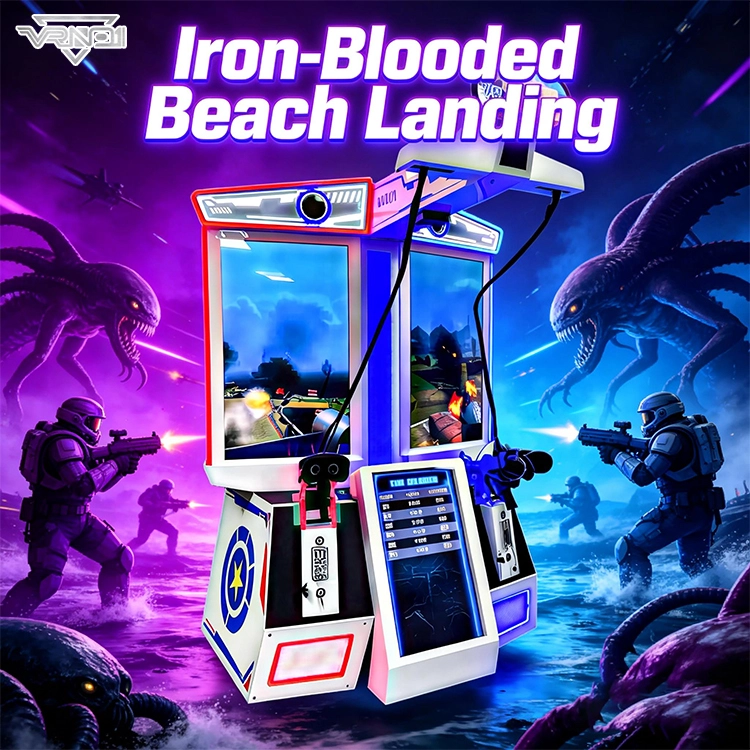
VRN0.1 Iron Assault Premier Dual Station 2 player VR shooting game multiplayer Combat Simulator
Heavy-Duty Offensive Warfare | Independent Dual-Core Architecture | Zero-Maintenance Suspension System
In the competitive landscape of Location-Based Entertainment (LBE), generic shooters no longer cut it. Enter the VR NO.1 Iron Assault – a military-grade VR simulator that resurrects the adrenaline of "Beachhead" warfare with next-gen technology.
Engineered by VR NO.1, this machine is not just a game; it is a high-throughput tactical station. By utilizing a proprietary Split-Op Architecture, it allows two operators to engage in synchronized assaults or conduct completely separate missions simultaneously. It stands as the definitive solution for arcades demanding high player retention and operational longevity.
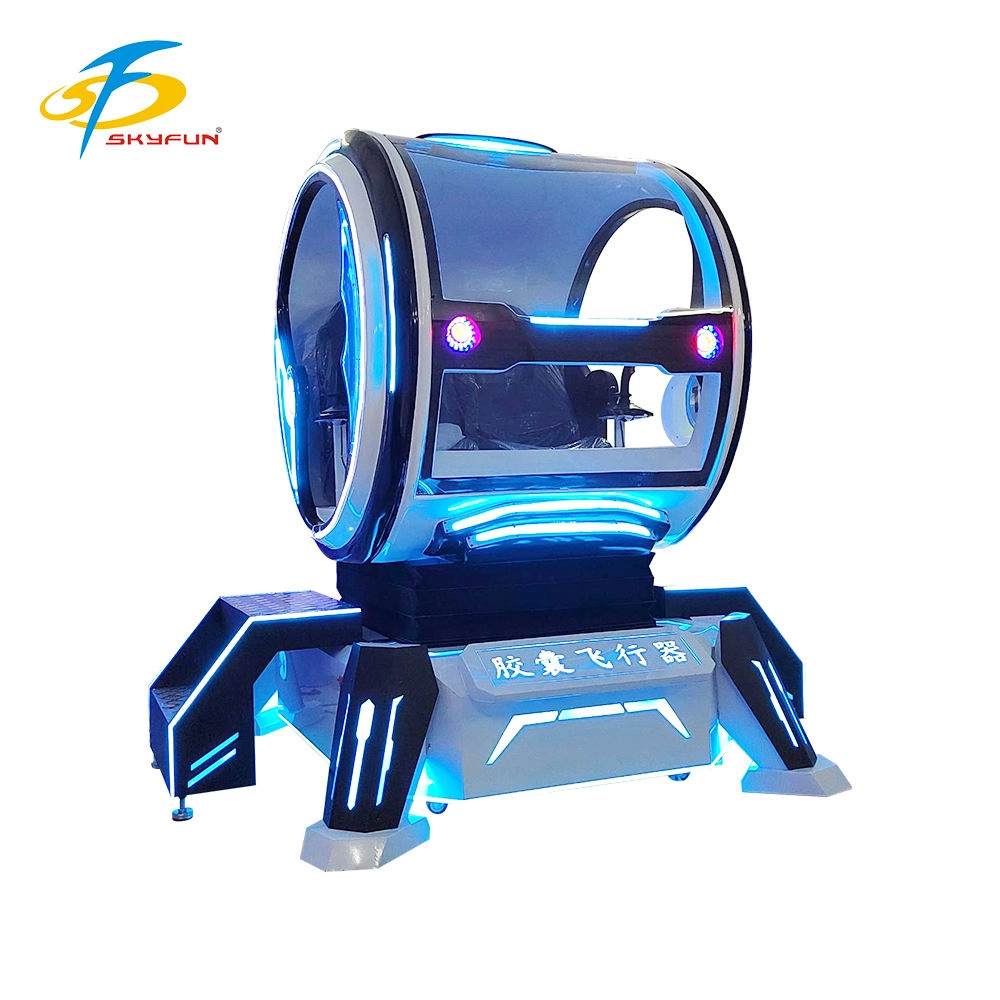
Double Player VR Flight Simulator 100 Movies 15 Games Coin-Operated Game Machine for Shopping Malls Amusement Parks
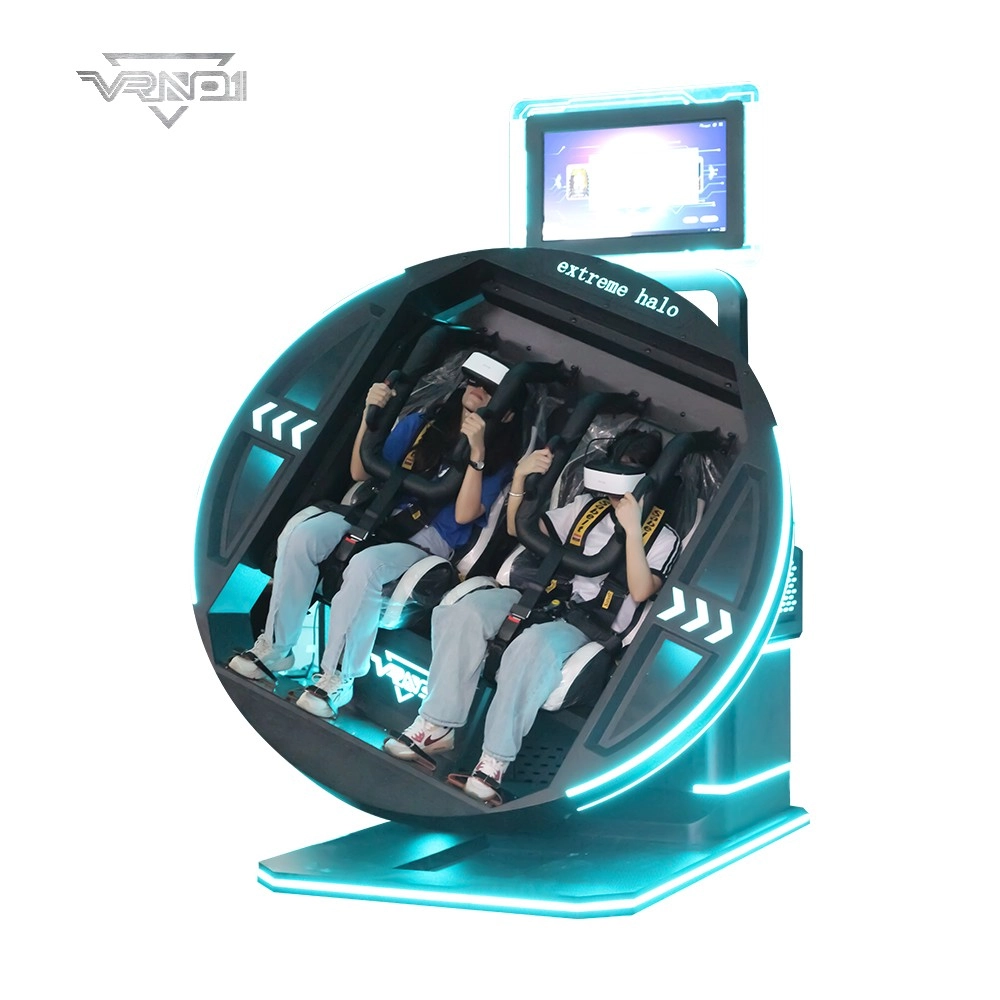
9D VR 360 Roller Coaster Cinema Chair Gaming Set Indoor/Outdoor Business Simulator Hardware for Home or School
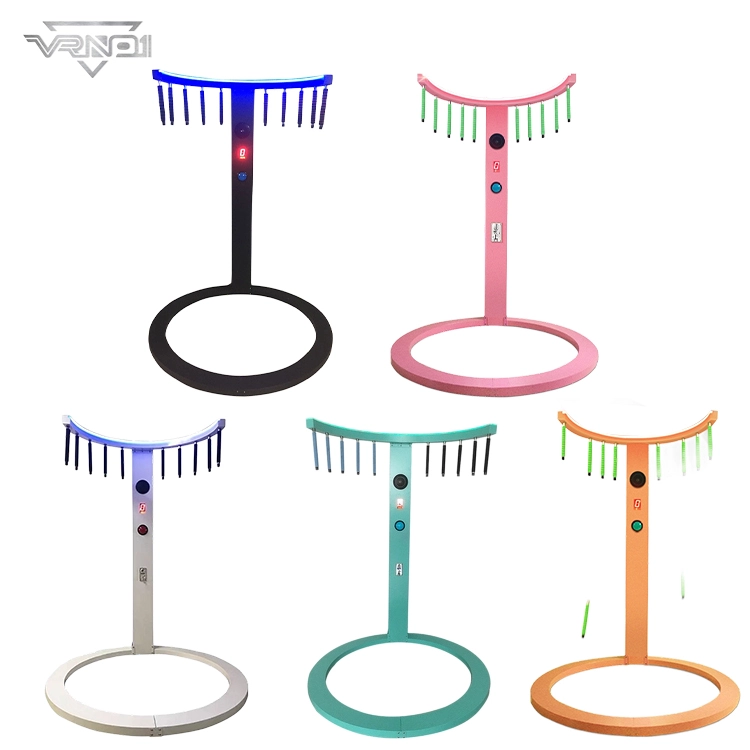
VRN0.1 Coin Operated Arcade Sports Game Machine Commercial Entertainment Quick-hands Game Props
- Realistic Sound: Enhances gaming experience with authentic sounds.
- Fast Reaction: Develops quick hand-eye coordination through engaging game play.
- DIY Kit: Allows for customization and personalization of the baton.
- Metal and Plastic Construction: Durable and robust build quality.
- Coin Operated: Fun for players who enjoy arcade-like experiences.
 Scan QR Code
Whatsapp: +8618127818571
Scan QR Code
Guangzhou Skyfun Technology Co.,Ltd
skyfunvrgame
skyfun game