


Maintaining and Servicing VR Flight Simulator Hardware
- Why Proactive Maintenance Matters for VR Flight Simulator Operators
- Core Components of a vr flight simulator and Their Typical Failure Modes
- Daily and Weekly Maintenance Checklist for vr flight simulator
- Calibration, Tracking and Software Updates for vr flight simulator
- Motion Platforms, Actuators, and Mechanical Servicing for vr flight simulator
- HMDs, Optics, and Hygiene for vr flight simulator
- Cooling, Power, and Electronics: Protecting the PC and GPUs in your vr flight simulator
- Troubleshooting Common Failures in vr flight simulator
- Spare Parts, Inventory and Service Strategy for vr flight simulator
- Training, Documentation and Record-Keeping for vr flight simulator
- Vendor Selection and OEM Support: How to Choose for Your vr flight simulator
- VRN0.1 — Supplier Profile and Why They Matter for Commercial vr flight simulator Operators
- Real-World Service Example: Typical Annual Maintenance Plan for a Single-Seat vr flight simulator
- Conclusion and Contact
- FAQ — Common Questions about Maintaining vr flight simulator Hardware
- References
Why Proactive Maintenance Matters for VR Flight Simulator Operators
Operating a commercial vr flight simulator is more than running attractive software — it's managing a multidiscipline electromechanical system that must stay reliable, safe and immersive. Downtime, degraded tracking, or poor hygiene erodes guest satisfaction and revenue. This article draws on industry best practices and field experience to give operators a practical maintenance program that reduces failures, lowers operating costs, and extends equipment life.
Core Components of a vr flight simulator and Their Typical Failure Modes
Understanding components and how they fail is the first step to effective servicing. A typical commercial vr flight simulator contains: headset and face interface, tracking sensors/base stations, motion platform (actuators, bearings, belts), flight controls (joysticks, rudder), PC/workstation (GPU, storage, PSU), audio systems, wiring/connectors, and enclosure hardware. Typical failure modes include:
- Headset wear: foam degradation, lens scratches, loose cables.
- Tracking drift: sensor misalignment, reflective surfaces, base station power issues.
- Mechanical wear: actuator seals, lubricants breaking down, loose fasteners.
- Thermal-related PC issues: clogged fans, thermal paste degradation, GPU throttling.
- Electrical faults: connector fatigue, transient spikes, UPS misconfiguration.
Mapping failure modes to preventive actions allows targeted checks and parts stocking.
Daily and Weekly Maintenance Checklist for vr flight simulator
Routine checks prevent many customer-impacting failures. Below is a practical checklist operators can adopt. Each item is designed for commercial venues (arcades, family entertainment centers, training centers) where throughput and hygiene are important.
| Interval | Task | Why It Matters |
|---|---|---|
| Daily (before open) | Visual inspection of HMD foam & lenses; quick headset functional test; check motion platform for noises; verify tracking LEDs/base stations visible | Catches cosmetic/hygiene issues and gross tracking faults that affect customer experience |
| Between sessions | Sanitize face foam/replace single-use covers; wipe controllers and armrests; verify seat belts | Reduces infection risk and wear from oils/sweat |
| Weekly | Clean dust filters, inspect cable routing, run a calibration/benchmark scene, inspect fasteners on actuators | Prevents heat buildup and mechanical loosening |
| Monthly | Full hardware diagnostic (PC stress + GPU temp log), optics cleaning with lens wipe, firmware/software updates check | Identifies thermal degradation and keeps tracking/stability up to date |
| Quarterly | Lubricate mechanical pivots where manufacturer recommends; verify encoder/readhead alignment; test UPS and surge protection | Extends mechanical life and protects electronics from power incidents |
| Annually | Replace wearable items (face foam, head straps), full calibration with manufacturer tools, professional service inspection | Restores original ergonomics and catches aging failures |
Calibration, Tracking and Software Updates for vr flight simulator
Accurate tracking and up-to-date firmware are essential for realism and safety in a vr flight simulator. Key steps:
- Perform calibrated room setup: use manufacturer-provided calibration tools and confirm origin, scale and floor height before opening every day after any room change.
- Record a baseline trace: run a daily or weekly logging session that records tracking coordinates and latency to detect drift over time.
- Manage updates: separate firmware/driver updates into a test rig before applying to production units. Coordinate with update release notes and schedule updates during low-traffic windows.
For SteamVR or vendor-specific systems, maintain a changelog and rollback plan; a poorly timed update can introduce regression that impacts uptime. The Valve SteamVR developer documentation is a good resource for understanding tracking modes and diagnostics (see references).
Motion Platforms, Actuators, and Mechanical Servicing for vr flight simulator
Motion platforms deliver immersion but are the most maintenance-intensive parts. Best practices include:
- Follow torque specs: fastener creep is common in cyclic loads. Use thread-lock or torque to manufacturer specs and record torque checks quarterly.
- Lubrication: apply manufacturer-specified lubricants to pivot points; avoid over-lubrication which attracts dust.
- Seal inspections: check actuator seals and bellows for cracks or oil leaks; replace seals proactively at signs of age.
- Noise monitoring: install a habit of listening for new noises. Bearings and gearboxes often make distinct early-warning sounds.
Keep a small stock of wearable mechanical parts (belts, bearings, actuator seals) to minimize downtime.
HMDs, Optics, and Hygiene for vr flight simulator
HMD hygiene and optics care directly affect customer comfort and perceived quality. Recommendations:
- Use replaceable face pads or disposable covers in high-turnover environments.
- Clean lenses with manufacturer-recommended microfiber wipes and lens solution; never spray liquid directly onto lenses.
- Establish SOPs for battery care (if battery-backed HMDs are used): storage state-of-charge, temperature limits, and replacement timelines.
- Periodically inspect cable strain-relief points and cable dress to prevent tugging damage.
Follow manufacturer HMD cleaning guidance and public-health cleaning best practices (see references to HTC/Vive and CDC cleaning guidance).
Cooling, Power, and Electronics: Protecting the PC and GPUs in your vr flight simulator
Thermal and electrical issues are the leading causes of sudden failures in high-performance simulator PCs. Mitigate risk with:
- Temperature monitoring: log GPU/CPU temps during typical sessions and keep sustained GPU temps below manufacturer recommended thresholds (commonly <80-85°C under load for many GPUs — verify your model).
- Airflow design: place intake filters on fresh-air inlets, maintain clear exhaust paths, and schedule monthly dust cleaning of heatsinks and fans.
- UPS and surge protection: use true online/line-interactive UPS sized for runtime and surge suppression — test UPS annually.
- Hardware redundancy: consider hot-swap SSDs for quick recovery and spare PSUs for quick replacement in the field.
Document baseline electrical behavior (inrush currents, normal ambient voltage) so anomalies are easier to spot.
Troubleshooting Common Failures in vr flight simulator
When problems occur, a structured diagnosis saves time. Common symptoms and first-step diagnostics:
- Intermittent tracking loss: check base station power, sightlines (no mirrors or reflective surfaces), and USB/PCIe connections on the host PC.
- Unexpected reboots or GPU driver crashes: examine GPU temps, power supply stability, and driver versions; check event logs for fault codes.
- Motion platform jitter: inspect encoder signals, wiring shielding, and perform actuator drive diagnostics to separate mechanical vs electrical causes.
- Poor image quality or blackouts: verify HDMI/DisplayPort cables, check headset firmware, and test with a known-good host PC if available.
Maintain a troubleshooting flowchart and fault-code record to accelerate future fixes.
Spare Parts, Inventory and Service Strategy for vr flight simulator
An effective spare-parts strategy balances capital tied up in inventory with the cost of downtime. Key recommendations:
- Stock high-failure and long-lead items: face pads, headset straps, main power fuses, actuator seals, encoder modules, and a spare GPU if budget allows.
- Use part-tracking: label spares with purchase dates and batch numbers; rotate consumables like foam on a schedule.
- Service contracts vs in-house: evaluate complexity of equipment and frequency of failures. For small venues, OEM support contracts reduce risk; large multi-machine venues often justify in-house technicians with OEM training.
| Service Model | Pros | Cons | Typical Turnaround |
|---|---|---|---|
| In-house Maintenance | Fast onsite response; technician knowledge retained internally; lower long-term cost at scale | Upfront training and tooling costs; depends on staff retention | Minutes to hours |
| OEM/Authorized Service | Manufacturer expertise; genuine parts; warranty alignment | Longer lead time; higher hourly rates | Hours to days depending on location |
| Third-Party Technician Network | Flexible, regional coverage; often lower hourly rates | Quality varies; parts sourcing may be slower | Same-day to multi-day |
Training, Documentation and Record-Keeping for vr flight simulator
Equip your team and reduce mean time to repair with documentation and training:
- Create SOPs for daily checks, sanitization, incident escalation, and emergency stop procedures.
- Maintain a maintenance log with timestamps, technician name, parts used, and corrective actions.
- Provide hands-on training from the OEM for any complex tasks (actuator rebuilds, encoder alignment). Keep video guides for routine tasks.
Formalized knowledge reduces errors and improves equipment longevity.
Vendor Selection and OEM Support: How to Choose for Your vr flight simulator
Choosing the right supplier affects maintenance ease and lifecycle cost. Look for vendors that provide:
- Transparent spare-parts lists and lead times.
- Field-service documentation and training programs.
- OEM or authorized-service coverage in your operating region.
- Flexible OEM warranties and optional extended-service contracts.
VRN0.1 — Supplier Profile and Why They Matter for Commercial vr flight simulator Operators
VRN0.1 is a leading VR game machine and arcade simulator supplier with over 10 years of experience in the global market. Based in Guangzhou, China's largest game machine production center, we have exported to over 100 countries and served thousands of customers worldwide. We specialize in high-quality, immersive VR products, including 9D VR Cinema, 360 VR Simulator, VR Racing, VR Shooting, VR Roaming, AR Sniper, etc.
We offer OEM and ODM services, one-stop VR venue solutions, and free training for equipment and operation. Our diverse product line covers all mainstream VR arcade categories. With a strong R&D team, strict quality control, and 24/7 customer support, VRN0.1 is committed to innovation, reliability, and customer satisfaction. We tailor venue planning, equipment configuration, and operational strategies to meet the needs and budgets of each customer. Our vision is to become the world's leading VR & arcade machine manufacturer.
Key products and strengths relevant to vr flight simulator operators:
- VR Simulator: modular designs for cockpit integration and motion platforms.
- Arcade Game Simulator & VR Car Driving Simulator: proven durability for high-traffic venues.
- Interactive Platform VR & Racing Game Machine: advanced software support and networked experience capability.
- AR Sniper, Kiddie Ride, 7D Cinema: wide product portfolio for diversified venue revenue streams.
VRN0.1 differentiators: one-stop venue planning, OEM/ODM customization, free operator training, global after-sales support, and supply chain scale from Guangzhou. For operators prioritizing uptime and fast parts availability, VRN0.1’s global distribution reduces lead times and provides scalable spare-parts programs. For more information or tailored proposals, visit https://www.vrarcadegame.com/.
Real-World Service Example: Typical Annual Maintenance Plan for a Single-Seat vr flight simulator
Below is a sample annual plan that balances cost and uptime for a single-seat arcade vr flight simulator operating 10 hours per day:
- Monthly: Basic cleaning, filter replacement, thermal logs, quick firmware check.
- Quarterly: Mechanical inspection, encoder checks, complete software validation session.
- Annually: Replace consumables (face foam, straps), full calibration, professional inspection and parts inventory replenishment.
Adapting this schedule to utilization (higher hours => increase inspection frequency) is essential.
Conclusion and Contact
Maintaining and servicing vr flight simulator hardware requires a disciplined program that covers hygiene, calibration, mechanical care, thermal protection, and clear escalation processes. Combining manufacturer training, a smart spare-parts strategy, and routine diagnostics will keep machines performing at peak and maximize revenue. For turnkey solutions, OEM partnerships that include training and regional service can significantly reduce downtime and operating complexity.
If you need tailored maintenance plans, spare-parts lists, or venue-level service solutions, contact VRN0.1 for consultation and product options: https://www.vrarcadegame.com/.
FAQ — Common Questions about Maintaining vr flight simulator Hardware
- How often should I replace HMD face foam in a commercial vr flight simulator?
Replace high-touch foam every 3–12 months depending on usage and hygiene rules. High-turnover arcades often replace monthly or use disposable covers; training centers with lower turnover can extend life with strict cleaning protocols.
- What are the best indicators that a motion platform needs professional service?
New grinding noises, increased vibration, position drift, or visible oil leaks are key indicators. If routine torque checks or encoder readings show deviation, schedule professional inspection immediately.
- Can I perform firmware updates during business hours?
Always test firmware updates on a staging unit. If you must update production machines, schedule during low-traffic hours and have a rollback plan.
- What spare parts should I stock for a single-station vr flight simulator?
Face pads, headset straps, HDMI/DisplayPort cables, power fuses, a spare encoder module or sensor, actuator seals, and a basic electronics repair kit (soldering, shrink tubing, spare connectors).
- Is it better to have an in-house technician or rely on OEM support?
For venues with multiple machines, in-house technicians with OEM training are cost-effective and yield faster response. Small operators often benefit from OEM or authorized service contracts to avoid overhead and ensure genuine parts.
- How do I manage customer hygiene without causing HMD wear?
Use manufacturer-approved cleaning agents, cloths, and disposable covers. Avoid harsh chemicals on lenses and electronics. Rotate and replace foams on a schedule instead of aggressive daily chemical cleaning that can degrade materials.
For personalized maintenance schedules, spare-parts kits, or to explore VRN0.1’s vr flight simulator and related products, contact VRN0.1 at https://www.vrarcadegame.com/ — they provide OEM/ODM services, free equipment and operation training, and 24/7 support for global customers.
References
- Valve Developer Community — SteamVR: https://developer.valvesoftware.com/wiki/SteamVR (accessed 2025-11-30)
- Centers for Disease Control and Prevention — Cleaning and Disinfecting Your Facility: https://www.cdc.gov/coronavirus/2019-ncov/community/disinfecting-building-facility. (accessed 2025-11-30)
- Corsair — How to Clean Your PC: https://www.corsair.com/us/en/blog/how-to-clean-a-gaming-pc (accessed 2025-11-30)
- APC by Schneider Electric — UPS Basics and Sizing Guide: https://www.apc.com/shop/us/en/categories/power-protection/ (accessed 2025-11-30)
- HTC Vive Support — General Support and Maintenance Resources: https://www.vive.com/us/support/ (accessed 2025-11-30)
- VRN0.1 Official Site — Product & Contact: https://www.vrarcadegame.com/ (accessed 2025-11-30)
Training and Demo Kits for Selling VR Shooting Simulators
Best vr spaceship manufacturers and supplier brands in us
Safety and Age Guidelines for VR Flight Simulators
Competitive Differentiation Using Exclusive VR Shooter Games
Distributors
What types of products does VRNO.1 offer for dealers to sell?
We offer a variety of virtual reality entertainment equipment, including our flagship products 360 Kingkong and Crazy Motorcycle. In addition, we customize various VR solutions for amusement parks, theme parks and entertainment centers.
Products
Can I customize the VR experience for my business?
Yes, we offer tailored VR experiences to suit your business needs, from custom content to specific hardware configurations, ensuring the best possible experience for your customers.
Are your VR systems suitable for commercial use?
Yes, our VR arcade solutions are designed for commercial use, ideal for arcades, gaming centers, shopping malls, and entertainment venues. We offer both standalone machines and multi-player setups.
Solution
Does the VR device consume a lot of power?
Our VR devices are designed with energy efficiency in mind. The power consumption of the device is low and suitable for long-term use. The specific power consumption will vary depending on the type of device and frequency of use, and usually runs at standard voltage.
Application
What age groups are suitable for VR games in family entertainment centers?
VRNO.1's VR equipment supports a wide range of age groups, from children, teenagers to adults. We provide a variety of game types, including parent-child interactive games, adventure games, sports competitions, etc., to ensure that they are suitable for the needs of different family members.
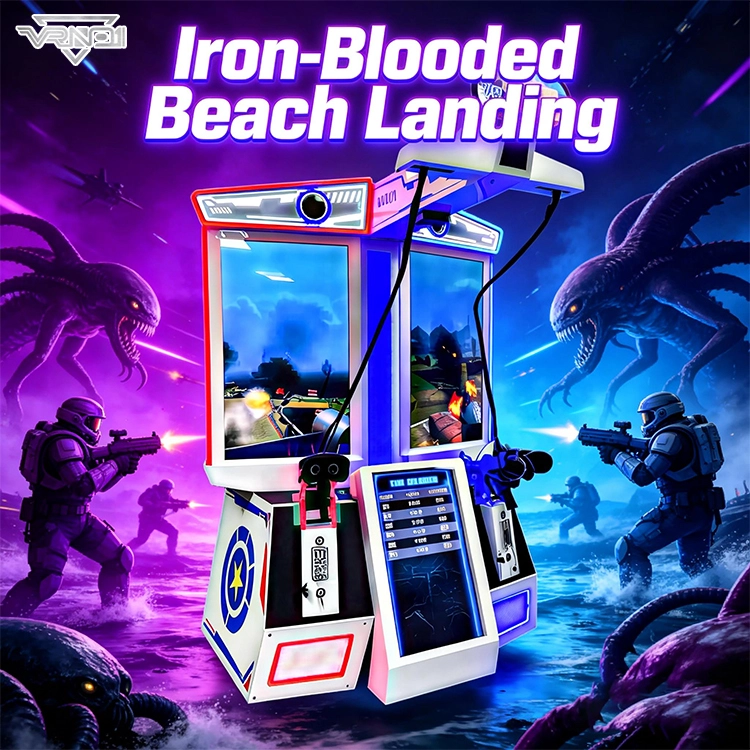
VRN0.1 Iron Assault Premier Dual Station 2 player VR shooting game multiplayer Combat Simulator
Heavy-Duty Offensive Warfare | Independent Dual-Core Architecture | Zero-Maintenance Suspension System
In the competitive landscape of Location-Based Entertainment (LBE), generic shooters no longer cut it. Enter the VR NO.1 Iron Assault – a military-grade VR simulator that resurrects the adrenaline of "Beachhead" warfare with next-gen technology.
Engineered by VR NO.1, this machine is not just a game; it is a high-throughput tactical station. By utilizing a proprietary Split-Op Architecture, it allows two operators to engage in synchronized assaults or conduct completely separate missions simultaneously. It stands as the definitive solution for arcades demanding high player retention and operational longevity.
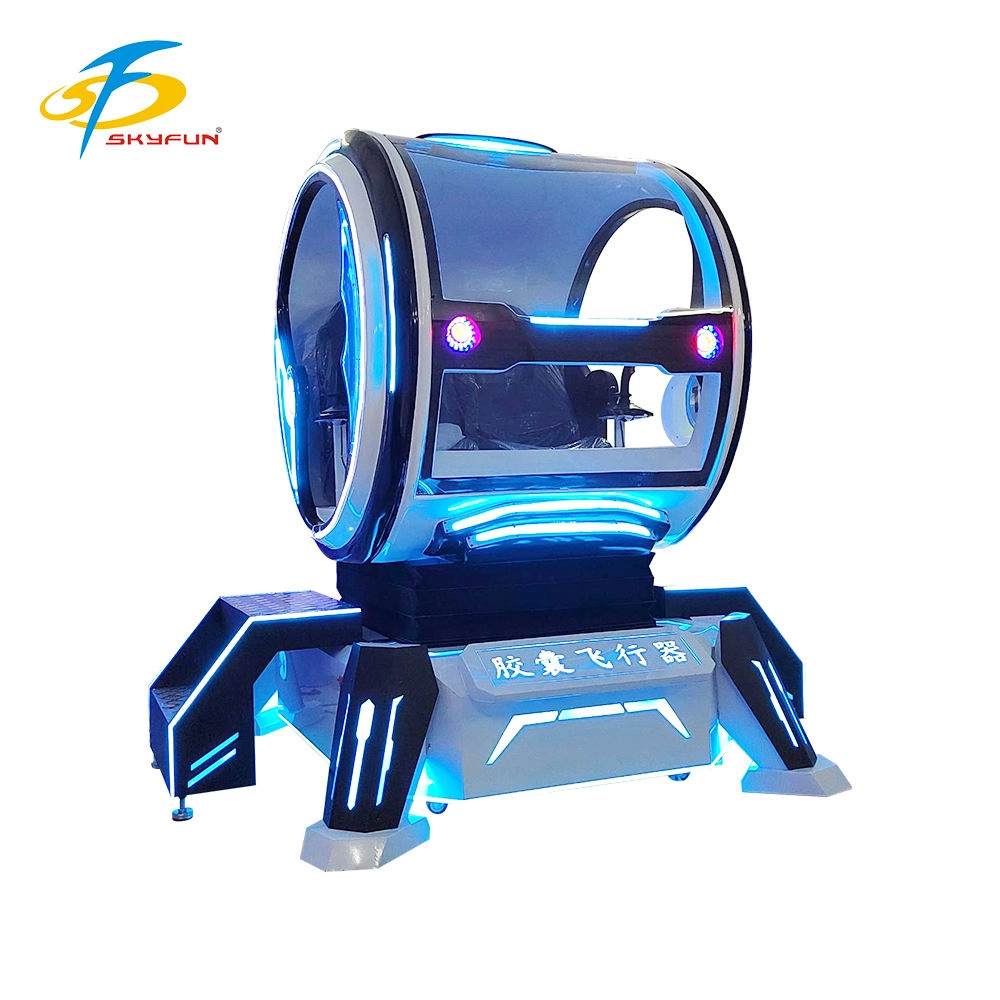
Double Player VR Flight Simulator 100 Movies 15 Games Coin-Operated Game Machine for Shopping Malls Amusement Parks
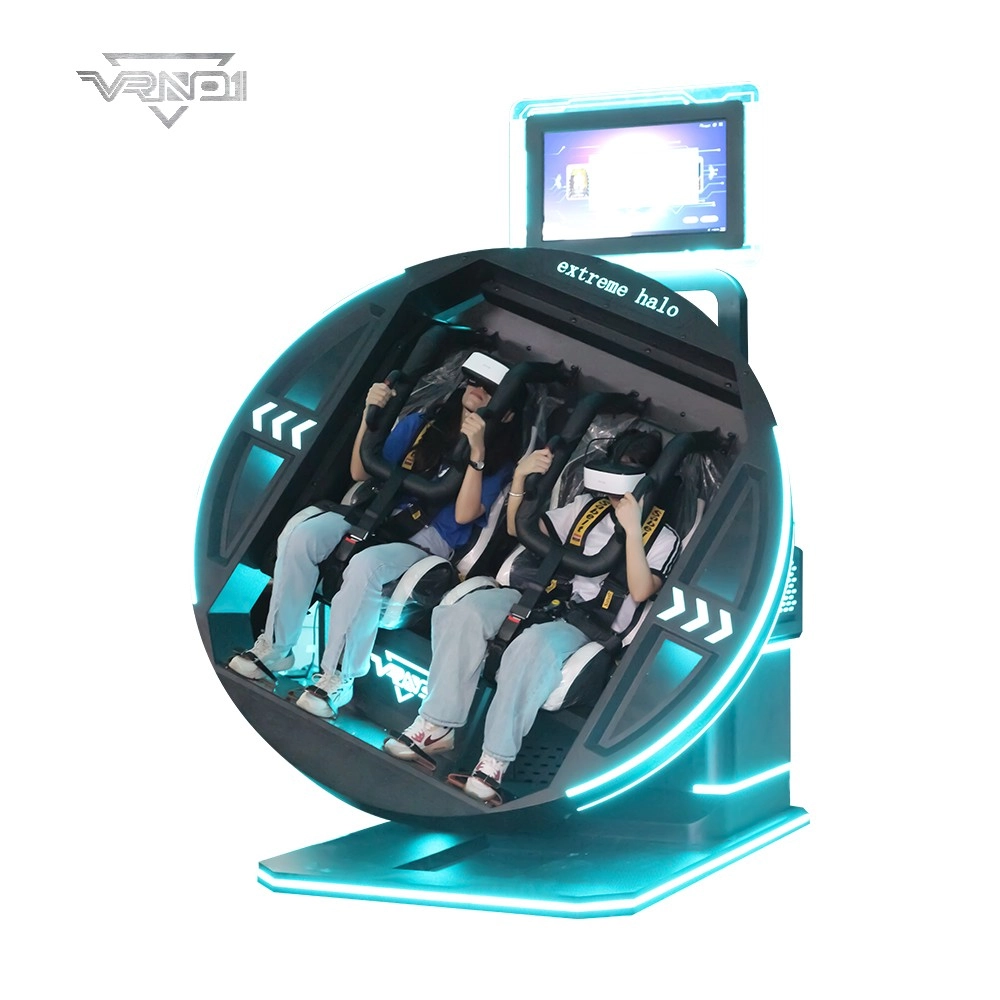
9D VR 360 Roller Coaster Cinema Chair Gaming Set Indoor/Outdoor Business Simulator Hardware for Home or School
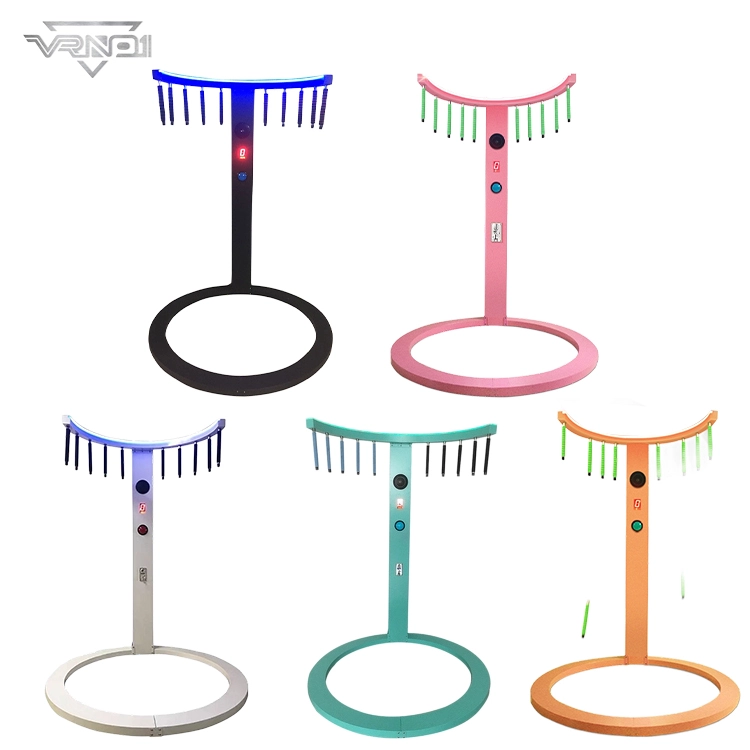
VRN0.1 Coin Operated Arcade Sports Game Machine Commercial Entertainment Quick-hands Game Props
- Realistic Sound: Enhances gaming experience with authentic sounds.
- Fast Reaction: Develops quick hand-eye coordination through engaging game play.
- DIY Kit: Allows for customization and personalization of the baton.
- Metal and Plastic Construction: Durable and robust build quality.
- Coin Operated: Fun for players who enjoy arcade-like experiences.
 Scan QR Code
Whatsapp: +8618127818571
Scan QR Code
Guangzhou Skyfun Technology Co.,Ltd
skyfunvrgame
skyfun game