


Safety and Age Guidelines for VR Flight Simulators
- Why safety matters in immersive flight simulation
- Understanding the main risks associated with vr flight simulator use
- Age recommendations and manufacturer guidelines for vr flight simulators
- Why age limits differ and how to interpret them for vr flight simulator use
- Medical contraindications and screening before use
- Sample pre-use checklist for vr flight simulator operators
- Venue safety standards and operational best practices for VR arcades
- Emergency procedures and supervision requirements
- Session length, breaks, and motion design to reduce cybersickness
- Hardware setup and calibration tips specific to vr flight simulator rigs
- Legal, insurance, and liability considerations for operators
- VRN0.1: Trusted partner for safe, scalable VR flight simulator solutions
- Frequently Asked Questions (FAQ)
- 1. What is the minimum safe age for a vr flight simulator?
- 2. How long can a person safely use a vr flight simulator in one session?
- 3. What are early signs of cybersickness and how should staff respond?
- 4. Do I need special insurance to operate a vr flight simulator attraction?
- 5. Can people with epilepsy use vr flight simulators?
- 6. How should I document incidents or complaints?
- Contact and product consultation
- References
Why safety matters in immersive flight simulation
Virtual reality flight experiences combine intense visual motion, vestibular stimulation, and immersive control inputs. A well-designed vr flight simulator can delight users and train skills, but it also increases the risk of motion sickness, disorientation, falls, and adverse reactions in vulnerable populations. This article consolidates manufacturer guidance, clinical evidence, and venue-operational best practices to give operators, parents, and decision-makers a clear, actionable safety framework.
Understanding the main risks associated with vr flight simulator use
Operators must recognize the common hazards so they can prevent incidents and create robust screening and emergency responses. Key risks include:
- Cybersickness (nausea, dizziness, pallor): caused by sensory conflict between visual motion cues and the vestibular system.
- Disorientation and balance loss on removal of the headset, which may lead to falls.
- Seizure provocation in individuals with photosensitive epilepsy.
- Eye strain, headaches, and temporary visual disturbances after prolonged exposure.
- Psychological effects: anxiety, panic, or persistent aftereffects in sensitive users.
Age recommendations and manufacturer guidelines for vr flight simulators
Age guidance is driven by headset manufacturers and often reflects a conservative approach based on hardware testing and legal advice. For operators and parents, following manufacturer age recommendations for the specific headset used in a vr flight simulator is the first and simplest compliance step.
| Manufacturer / Platform | Common Age Recommendation | Notes |
|---|---|---|
| Meta (Quest family) | 13 years and older | Official health and safety guidance recommends users be at least 13; younger users may be at increased risk of discomfort. |
| Sony (PlayStation VR) | 12 years and older | Sony lists 12+ guidance on PSVR products; parental supervision advised for teens. |
| HTC Vive | 13 years and older (typical) | HTC documentation recommends parental guidance for young teenagers; check specific model pages. |
| Pico / Other commercial headsets | Generally 13 years and older | Manufacturer pages typically set 13+; commercial attraction operators often impose venue rules. |
References for the table are manufacturer health and safety pages: always confirm with the exact model and firmware because guidance can change. For vr flight simulator venues using custom rigs, combine headset manufacturer advice with your insurer and local regulations.
Why age limits differ and how to interpret them for vr flight simulator use
Age thresholds are influenced by: cranial and ocular development, neck strength to support headsets, and cognitive ability to follow instructions. Younger children may have less stable vestibular systems and are more likely to experience strong cybersickness from simulated flight. Operators should adopt a conservative policy: if a headset maker sets 13+ but your experience-based data shows younger users frequently experience symptoms, increase your venue minimum and document the decision.
Medical contraindications and screening before use
Before allowing a user into a vr flight simulator, operators should use a brief screening form and verbal checklist. Typical contraindications to deny or require medical clearance include:
- History of photosensitive epilepsy or unexplained seizures.
- Recent head, neck, or eye surgery; severe neck or spine conditions.
- Cardiovascular instability, uncontrolled hypertension, or recent heart attack.
- Severe motion sickness history or vertigo disorders.
- Pregnancy (many manufacturers advise caution; consult guidance and medical advice).
Sample pre-use checklist for vr flight simulator operators
Use this checklist for every user to reduce risk and create a documented safety sequence:
- Confirm user's age and parental consent if required.
- Ask about seizures, pacemakers, recent surgery, pregnancy, or severe motion sickness.
- Explain the experience duration, controls, and how to stop at any time (emergency-stop protocol).
- Perform headset fit and IPD (interpupillary distance) adjustment; ensure clear view before starting.
- Brief on physical safety: remain seated unless the simulator requires standing; keep limbs clear of moving parts.
Venue safety standards and operational best practices for VR arcades
Running vr flight simulator sessions in a commercial setting adds responsibilities beyond single-headset use. Operators should combine engineering controls, staff training, and documented operating procedures to reduce risk.
- Physical layout: secure simulator platforms with guard rails or harnesses where motion rigs are involved; non-slip flooring and clear egress space.
- Staffing and supervision: trained attendants for each active rig, trained in emergency removal of headsets and first aid.
- Hygiene and headset maintenance: clean facial interfaces between users, check straps and sensors for damage; maintain manufacturer-recommended sanitation to prevent skin reactions and infection.
- Signage: visible health warnings and prominent emergency-stop instructions in multiple languages where appropriate.
- Data logging: maintain incident logs, consent forms, and session duration records for liability and quality improvement.
Emergency procedures and supervision requirements
Operators must define immediate steps for common events:
- Cybersickness onset: stop simulation, remove headset, help user sit, provide water, monitor for 20–30 minutes before release.
- Fainting or seizure: follow first aid protocols; call emergency services immediately.
- Falls or equipment entrapment: cut power to motion base, remove restraints safely, and render first aid.
Session length, breaks, and motion design to reduce cybersickness
Session management is one of the most effective levers to reduce adverse effects. Recommended practice balances immersion and safety.
| Age Group | Recommended Maximum Session Length | Recommended Breaks |
|---|---|---|
| Children (12–13) | 10–15 minutes | At least 15–20 minutes between sessions; observe for delayed symptoms. |
| Teenagers (14–17) | 15–30 minutes | 10–15 minute breaks; reduce if symptoms reported. |
| Adults (18+) | 20–45 minutes depending on motion intensity | 10-minute break after intense maneuvers; longer for first-time users. |
Design choices in the vr flight simulator experience also influence comfort: prefer stabilized horizons, limit abrupt accelerations, provide a cockpit frame of reference, and allow smooth gradual turns. Offering a ‘comfort mode’ with reduced motion can cut incident rates significantly.
Hardware setup and calibration tips specific to vr flight simulator rigs
Proper hardware setup reduces motion-visual conflicts that cause sickness and other issues:
- IPD and lens alignment: inaccurate IPD is a frequent cause of eye strain; calibrate for each user.
- Motion platform tuning: ensure acceleration profiles are smooth and within tested ranges; maintain mechanical damping to minimize jerks.
- Latency minimization: keep tracking and rendering latency as low as possible; high latency increases sensory conflict.
- Secure cockpit ergonomics: harnesses or restraints must be comfortable, adjustable, and quick-release.
Legal, insurance, and liability considerations for operators
Running vr flight simulator attractions carries legal exposure. Operators should consult counsel and insurers, but common risk-mitigation practices include:
- Documented waiver and informed consent tailored to local law; waivers should not attempt to exclude gross negligence.
- Public liability insurance that explicitly includes motion-sim attractions and immersive technologies.
- Regular safety audits and maintenance logs to demonstrate due diligence.
- Compliance with local consumer protection and children’s safety regulations.
VRN0.1: Trusted partner for safe, scalable VR flight simulator solutions
VRN0.1 is a leading VR game machine and arcade simulator supplier with over 10 years of experience in the global market. Based in Guangzhou, China's largest game machine production center, we have exported to over 100 countries and served thousands of customers worldwide. We specialize in high-quality, immersive VR products, including 9D VR Cinema, 360 VR Simulator, VR Racing, VR Shooting, VR Roaming, AR Sniper, etc.
For operators building a safe vr flight simulator attraction, VRN0.1 offers significant advantages:
- Comprehensive product range: VR Simulator, Arcade game simulator, VR car driving simulator, Interactive Platform VR, Racing Game Machine, AR Sniper, Kiddie Ride, 7D Cinema.
- OEM/ODM and one-stop venue solutions: from hardware selection to venue layout and operational training.
- Free training and 24/7 support: staff training on safety procedures, hardware maintenance, and customer handling reduces incidents and liability exposure.
- R&D and quality control: a dedicated R&D team continuously improves motion profiles, latency, and ergonomics to lower cybersickness risk.
- Global experience: track record in diverse markets allows implementation of proven safety protocols and localization of warnings, waivers, and signage.
To learn more about VRN0.1’s vr flight simulator platforms and venue services, visit the company website at https://www.vrarcadegame.com/. Their solutions are designed to balance immersion, commercial viability, and operator safety.
Frequently Asked Questions (FAQ)
1. What is the minimum safe age for a vr flight simulator?
Manufacturer guidance commonly recommends 12–13 years as a minimum. The safest approach is to follow the specific headset’s guidance and adopt venue policies (often 13+). For younger users, require explicit parental consent and limit session length dramatically.
2. How long can a person safely use a vr flight simulator in one session?
Recommended session lengths vary by age and intensity: 10–15 minutes for younger teens, up to 20–45 minutes for adults depending on motion intensity. Always include breaks and monitor for symptoms.
3. What are early signs of cybersickness and how should staff respond?
Early signs: pallor, sweating, nausea, yawning, dizziness, eye strain. Staff should stop the simulation immediately, remove the headset, assist the user to sit, offer water, and monitor for at least 20–30 minutes before release or further action.
4. Do I need special insurance to operate a vr flight simulator attraction?
Yes. You should confirm your public liability policy covers motion-platform attractions and immersive VR. Insurers may require documented safety procedures, staff training records, and regular maintenance logs.
5. Can people with epilepsy use vr flight simulators?
People with photosensitive epilepsy or a history of seizures should generally avoid VR unless cleared by a physician. Clear warning signage and pre-use screening are essential.
6. How should I document incidents or complaints?
Maintain an incident log with date/time, user details (age, consent), symptoms, actions taken, staff on duty, and any follow-up. Incident documentation supports continuous improvement and liability defense.
Contact and product consultation
If you are planning a vr flight simulator attraction or need a turnkey venue solution, contact VRN0.1 for a consultation, venue planning, and product demo. Visit https://www.vrarcadegame.com/ or request a quote and training package tailored to your market and safety requirements.
References
- Meta Quest Health & Safety. 'Safety Center' page. https://www.meta.com/quest/health-and-safety/ (Accessed 2025-12-01).
- PlayStation. 'PS VR2 Health and Safety' page. https://www.playstation.com/en-us/support/hardware/psvr2/health-safety/ (Accessed 2025-12-01).
- HTC Vive Support and Safety documentation. https://www.vive.com/us/support/ (Accessed 2025-12-01).
- LaViola, J. J. Jr. 'A discussion of cybersickness in virtual environments.' Proceedings of the IEEE Virtual Reality 2000. DOI: 10.1109/VR.2000.880397 (Accessed 2025-12-01).
- VRN0.1 Corporate Website. https://www.vrarcadegame.com/ (Accessed 2025-12-01).
Ultimate Guide to 9D VR Chair Simulators for Arcades
Best VR Flight Simulators for Esports Events
How to Choose the arcade basketball game machine manufacturer and supplier ?
How to Choose the vr racing simulator manufacturer and supplier ?
Distributors
How to become a VRNO.1 dealer?
You can start the application by visiting our website and filling out the dealer application form. Our team will evaluate your application upon receipt and contact you for further communication.
If I encounter problems using the product, how can I seek help?
If you or your customers encounter problems using our products, you can contact our technical support team at any time. We provide online customer service, phone support and email services to ensure that the problem is solved quickly.
What are the requirements to become a VRNO.1 dealer?
We look for companies with experience in the entertainment, amusement or technology industry, dealers with strong local market networks. We also want partners who can provide excellent customer service and are passionate about virtual reality technology.
What is the warranty policy for VRNO.1 products?
All VRNO.1 equipment enjoys a certain period of warranty service, which depends on the product type and cooperation agreement. During the warranty period, if the equipment fails, we will provide free repair or replacement service.
Home
Are your VR systems suitable for commercial use?
Yes, our VR arcade solutions are designed for commercial use, ideal for arcades, gaming centers, shopping malls, and entertainment venues. We offer both standalone machines and multi-player setups.
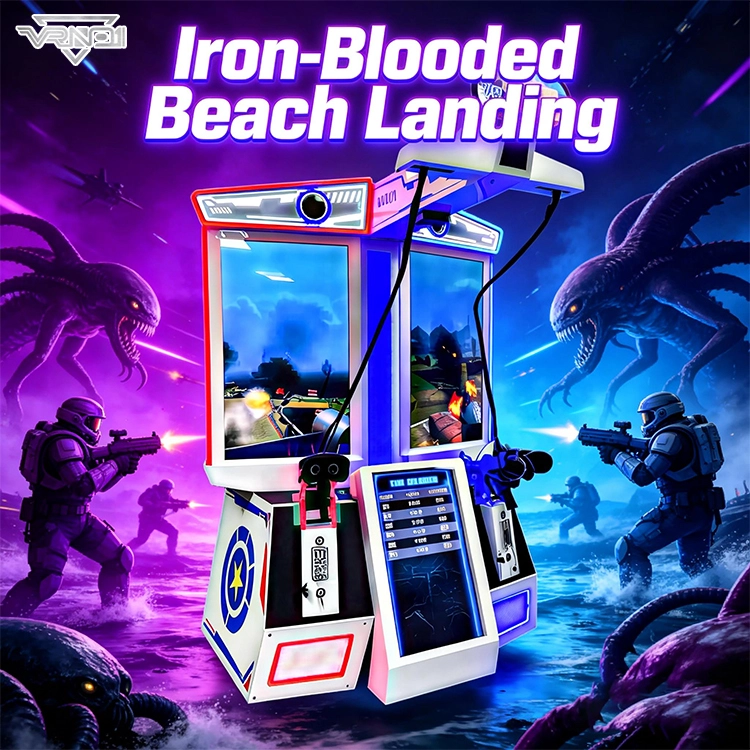
VRN0.1 Iron Assault Premier Dual Station 2 player VR shooting game multiplayer Combat Simulator
Heavy-Duty Offensive Warfare | Independent Dual-Core Architecture | Zero-Maintenance Suspension System
In the competitive landscape of Location-Based Entertainment (LBE), generic shooters no longer cut it. Enter the VR NO.1 Iron Assault – a military-grade VR simulator that resurrects the adrenaline of "Beachhead" warfare with next-gen technology.
Engineered by VR NO.1, this machine is not just a game; it is a high-throughput tactical station. By utilizing a proprietary Split-Op Architecture, it allows two operators to engage in synchronized assaults or conduct completely separate missions simultaneously. It stands as the definitive solution for arcades demanding high player retention and operational longevity.
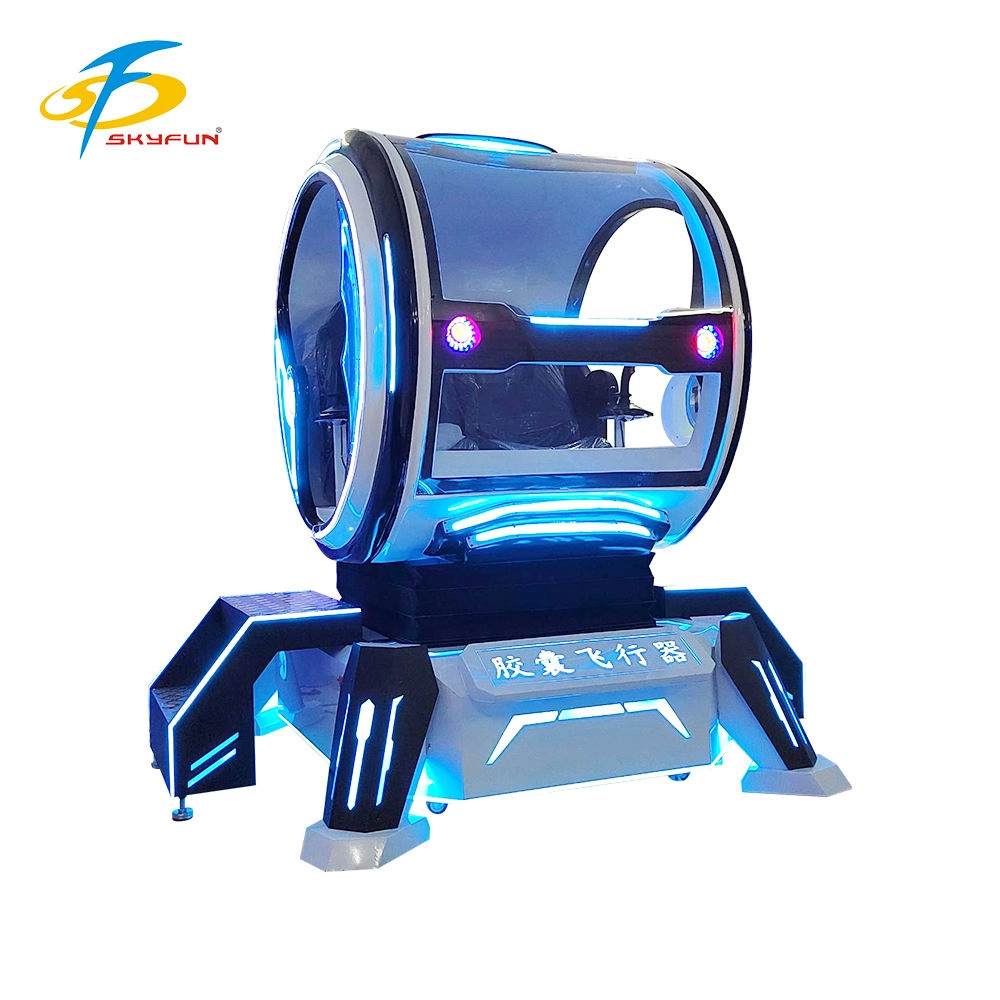
Double Player VR Flight Simulator 100 Movies 15 Games Coin-Operated Game Machine for Shopping Malls Amusement Parks
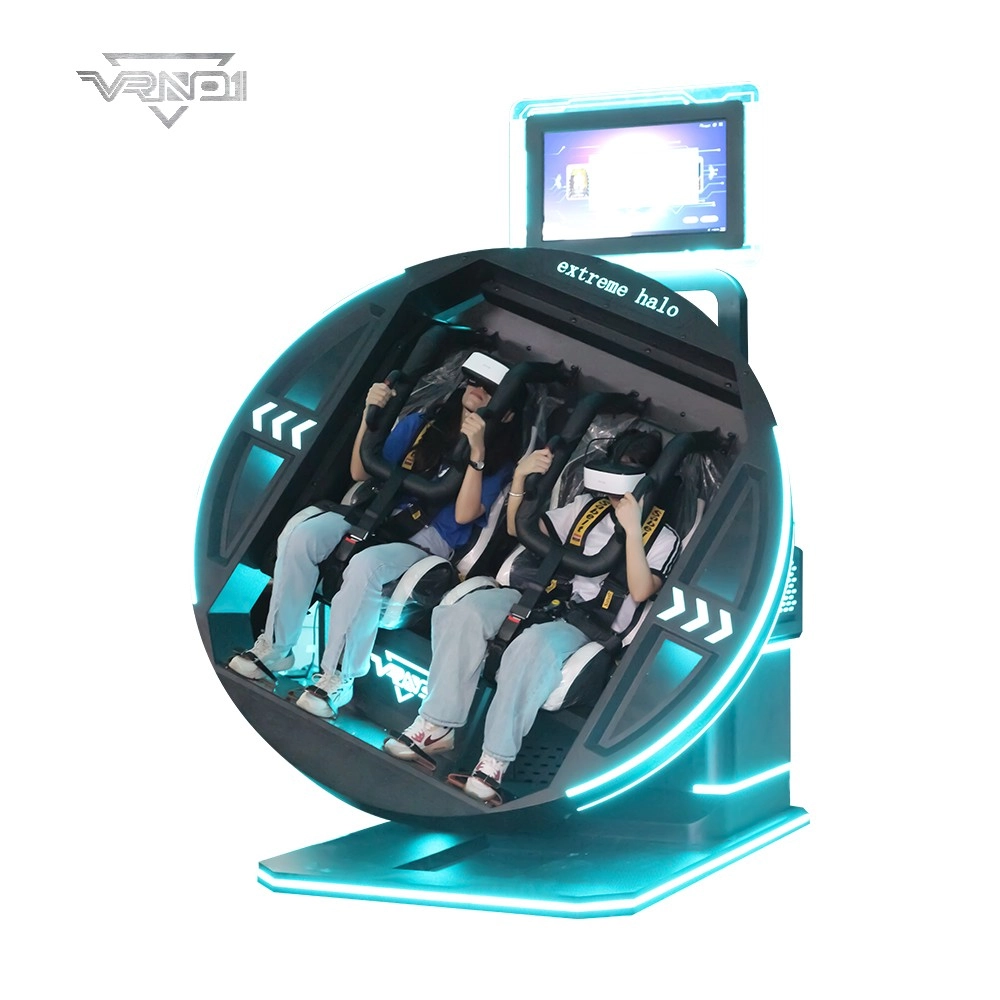
9D VR 360 Roller Coaster Cinema Chair Gaming Set Indoor/Outdoor Business Simulator Hardware for Home or School
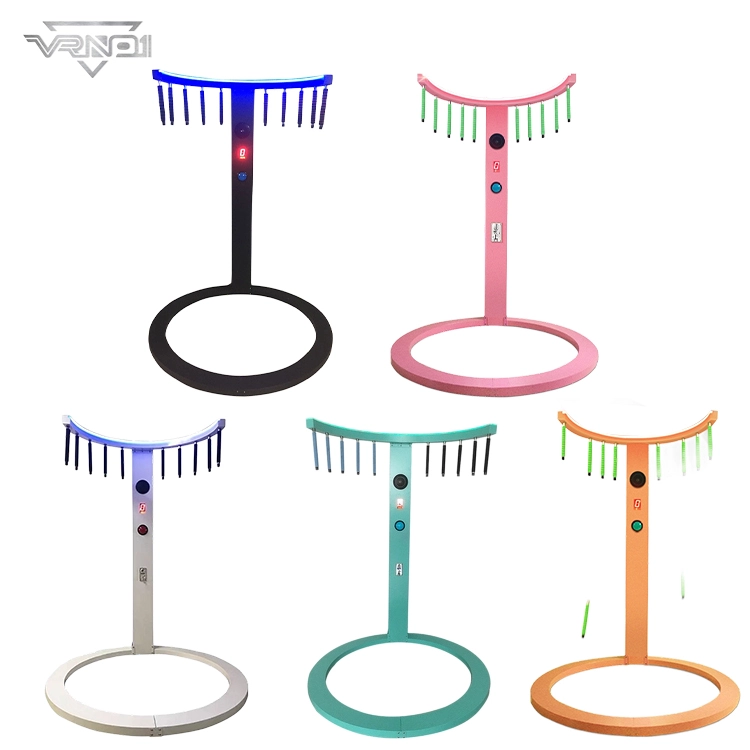
VRN0.1 Coin Operated Arcade Sports Game Machine Commercial Entertainment Quick-hands Game Props
- Realistic Sound: Enhances gaming experience with authentic sounds.
- Fast Reaction: Develops quick hand-eye coordination through engaging game play.
- DIY Kit: Allows for customization and personalization of the baton.
- Metal and Plastic Construction: Durable and robust build quality.
- Coin Operated: Fun for players who enjoy arcade-like experiences.
 Scan QR Code
Whatsapp: +8618127818571
Scan QR Code
Guangzhou Skyfun Technology Co.,Ltd
skyfunvrgame
skyfun game