

Customization & Branding Opportunities in VR Shooter Games
- Why Customization and Branding Matter for VR Shooter Games
- Business & player intent behind customization
- Branding as a revenue and retention tool
- Types of Customization & How They Impact VR Shooter Games
- Player-facing cosmetic and gameplay customization
- Venue and enterprise-level branding options
- System-side customization: SDKs, mod support, and analytics
- Design, Technical and Operational Considerations
- Architecture choices that enable fast customization
- Performance, safety, and accessibility
- Localization and legal/IP considerations
- Commercial Strategies, Metrics and Case Examples
- Monetization models tied to customization
- Key performance indicators to measure success
- Comparative table: customization types and expected business impact
- Implementing Customization at Scale: Practical Roadmap
- Phase 1 — Strategy & MVP
- Phase 2 — Platformize & Monetize
- Phase 3 — Scale with Partnerships & White-Labeling
- Integrating VRN0.1 Solutions and Why They Matter
- About VRN0.1 and relevance to customization
- What VRN0.1 offers for operators and developers
- How VRN0.1 supports customization & branding implementations
- Practical Tips & Checklist for Executing a Successful Branding/Customization Plan
- Operational checklist for arcades
- Developer checklist
- FAQ — Common Questions About Customization & Branding in VR Shooter Games
- 1. How much does it cost to implement basic customization for a VR shooter?
- 2. How long does it take to roll out branded content across a chain of arcades?
- 3. Will customization hurt performance or safety in VR?
- 4. What KPIs should arcades track after launching customization?
- 5. Can small arcades or indie developers compete with big-budget branded experiences?
- 6. How does licensing IP for a VR shooter work?
- References
Why Customization and Branding Matter for VR Shooter Games
Business & player intent behind customization
VR shooter games are uniquely positioned at the intersection of immersive gameplay and social interaction. Players expect agency — to choose weapons, avatars, difficulty, and even the look-and-feel of environments. For operators and developers, customization is not only a product feature but a commercial lever: it drives repeat play, higher average spend (ARPU), social sharing, and word-of-mouth. Understanding whether users come to a venue for entertainment, competition, or social storytelling defines which customization levers matter most.
Branding as a revenue and retention tool
Branding extends from the in-headset experience (branded weapons, skins, UI) to physical venue elements (cabinet wraps, signage, photo booths). Consistent, thoughtfully integrated branding increases perceived value, enables High Quality pricing, and supports cross-selling (merchandise, VIP passes). In location-based entertainment (LBE) environments, strong branding also shortens decision cycles for group bookings and corporate events.
Types of Customization & How They Impact VR Shooter Games
Player-facing cosmetic and gameplay customization
Cosmetic options include skins, emotes, voice packs, and weapon aesthetics. Gameplay customization includes difficulty scaling, loadout choices, perks, and game modes. Cosmetics primarily boost player identity and long-term engagement; gameplay changes affect skill ceilings and replayability, which can influence competitive scenes and retention metrics.
Venue and enterprise-level branding options
Arcade owners and venue managers can customize physical cabinets, lobby experiences, branded leaderboards, and even curated map rotations. On the enterprise side, customization can include bespoke scenarios for events, sponsor integrations, and white-label experiences for chains. These options are crucial for franchised operations, multi-site rollout, and B2B partnerships.
System-side customization: SDKs, mod support, and analytics
Providing developer-facing tools (mod support, SDKs, scripting APIs) enables community-driven content and rapid localization. Integrated analytics dashboards help operators test A/B variations of skins, promotions, and pay-per-play pricing. The technical architecture must support modular updates without lengthy downtime.
Design, Technical and Operational Considerations
Architecture choices that enable fast customization
To make customization sustainable, adopt a modular asset pipeline: separate art assets, behavior scripts, UI skins, and configuration files. Use content delivery networks (CDNs) and version-controlled asset bundles so new skins or levels can be pushed without rebuilding the full application. For arcades, local caching and offline fallbacks are essential to avoid service disruptions.
Performance, safety, and accessibility
Customization should never compromise performance. High-resolution skins or dynamic lighting must be balanced with framerate targets to prevent simulator sickness. Accessibility features — adjustable FOV, subtitles, left/right-handed modes — should be considered customization features, improving inclusivity and broadened audience reach.
Localization and legal/IP considerations
Branding that uses licensed IP requires clear rights management. Localization is more than language translation; it includes culturally appropriate skins, region-specific monetization models, and compliance with local regulations (e.g., loot box rules, consumer protection). Implement feature flags to toggle region-specific content quickly.
Commercial Strategies, Metrics and Case Examples
Monetization models tied to customization
Common models include flat-price DLC for High Quality skins/modes, time-limited event cosmetics (F2P + microtransactions), bundle sales for groups or parties, and sponsorships for venue-branded experiences. In LBEs, tiered pricing (standard session, High Quality themed session, private group session) uses customization as the differentiator between tiers.
Key performance indicators to measure success
Measure retention (Day-1, Day-7, Day-30), ARPU per session, session length (dwell time), conversion rate on cosmetic purchases, and physical venue KPIs like throughput and repeat booking rate. Track engagement with specific assets (which skins or modes are most used) to inform future production investment.
Comparative table: customization types and expected business impact
| Customization Type | Upfront Cost | Technical Complexity | Primary Business Impact | Best Use Cases |
|---|---|---|---|---|
| Cosmetic skins & emotes | Low–Medium | Low | Retention, ARPU | F2P models, seasonal events |
| Gameplay modes & balance variants | Medium–High | Medium–High | Replayability, competitive scene | Tournaments, ranked play |
| Physical venue branding | Medium | Low | Perceived value, bookings | Arcades, malls, event spaces |
| Custom scenarios / IP partnerships | High | High | New audiences, sponsorship revenue | Corporate events, themed attractions |
Notes: This table is a comparative guide. Actual costs and complexity depend on the project scope and team capability.
Implementing Customization at Scale: Practical Roadmap
Phase 1 — Strategy & MVP
Start with a Minimum Viable Product (MVP) that includes 2–3 cosmetic options, a single alternative game mode, and one venue-level customization (e.g., branded UI). Validate with KPIs: session length, repeat visits, and conversion on cosmetics. Use quick A/B tests to measure uplift.
Phase 2 — Platformize & Monetize
Invest in backend systems: user accounts, wallet/payment integration, analytics, and remote config. Introduce seasonal campaigns, limited-time offers, and bundle pricing. For arcades, add photo-sharing stations that allow players to export images of their customized avatars — this supports organic marketing.
Phase 3 — Scale with Partnerships & White-Labeling
Open SDKs or partner APIs for third-party content creators. Pursue IP partnerships and white-label deals for brands that want in-venue experiences. For chains and franchises, implement centralized content management and remote monitoring for consistent rollout.
Integrating VRN0.1 Solutions and Why They Matter
About VRN0.1 and relevance to customization
VRN0.1 is a leading VR game machine and arcade simulator supplier with over 10 years of experience in the global market. Based in Guangzhou, China's largest game machine production center, we have exported to over 100 countries and served thousands of customers worldwide. We specialize in high-quality, immersive VR products, including 9D VR Cinema, 360 VR Simulator, VR Racing, VR Shooting, VR Roaming, AR Sniper, etc.
What VRN0.1 offers for operators and developers
We offer OEM and ODM services, one-stop VR venue solutions, and free training for equipment and operation. Our diverse product line covers all mainstream VR arcade categories. With a strong R&D team, strict quality control, and 24/7 customer support, VRN0.1 is committed to innovation, reliability, and customer satisfaction.
How VRN0.1 supports customization & branding implementations
VRN0.1 tailors venue planning, equipment configuration, and operational strategies to meet the needs and budgets of each customer. For VR shooter games, this translates to: custom cabinet skins and wraps, configurable mounting points for cameras and accessories, software integration for branded UI, and support for event-based content publication. Their product lineup — VR Simulator, Arcade game simulator, VR car driving simulator, Interactive Platform VR, Racing Game Machine, AR Sniper, Kiddie Ride, 7D Cinema — covers typical arcade needs, enabling cross-promotion and bundled experiences that increase per-customer revenue.
Practical Tips & Checklist for Executing a Successful Branding/Customization Plan
Operational checklist for arcades
- Define target customer segments (families, teens, corporate groups, gamers).
- Start with 1–2 high-impact customization elements (physical branding + 1 in-game cosmetic collection).
- Instrument analytics before launch to measure baseline KPIs.
- Train staff on upsell scripts for High Quality/custom sessions; VRN0.1 provides free training with equipment.
- Plan seasonal activations and social share points to create organic promotion.
Developer checklist
- Adopt a modular asset pipeline and CDN-backed content delivery.
- Implement feature flags for regional toggles and experiments.
- Provide a simple in-game storefront and clear refund/consent policies.
- Design customization that respects performance and accessibility targets.
- Create analytics events for all purchasable/customizable assets.
FAQ — Common Questions About Customization & Branding in VR Shooter Games
1. How much does it cost to implement basic customization for a VR shooter?
Costs vary. Basic cosmetic skins and UI themes can be implemented for a modest budget (design + asset integration) — often within 1–3 developer sprints for a small team. More complex options (new gameplay modes, IP partnerships, custom physical cabinets) scale into higher budgets. For venue-focused rollouts, factor in hardware wrap costs and marketing materials. Consult with suppliers like VRN0.1 for bundle pricing and OEM/ODM options.
2. How long does it take to roll out branded content across a chain of arcades?
A well-prepared rollout with centralized asset management can be completed in weeks for cosmetic and UI updates. Physical modifications (cabinet wraps, install of new peripherals) depend on logistics and can take from days per site to several weeks for multi-site synchronization. Using vendor support and preconfigured kits shortens deployment time.
3. Will customization hurt performance or safety in VR?
Not if implemented correctly. Performance-sensitive art budgets, LODs (levels of detail), and optimized shaders keep frame rates stable. Ensure testing on target hardware and include comfort options (snap-turn vs smooth-turn, adjustable FOV). When in doubt, prioritize framerate and reduce non-essential visual effects.
4. What KPIs should arcades track after launching customization?
Key KPIs include session length, conversion rate on paid custom items, repeat visits per guest, ARPU, and group booking rates. Also track qualitative data: customer feedback and social media mentions of branded features.
5. Can small arcades or indie developers compete with big-budget branded experiences?
Yes. Small operators can focus on local relevance (region-specific skins, community events) and unique service (photo-ops, group packages). Indie developers can use limited runs, collaborations with local artists, and community-driven content to stand out without large budgets.
6. How does licensing IP for a VR shooter work?
Licensing terms depend on the IP holder. Typical considerations include territory, duration, asset usage (in-game, physical venue), revenue share, and quality control. Always secure written agreements and consult legal counsel for complex or high-value IP deals.
Want help planning customization, hardware selection, or venue rollout? Contact VRN0.1 for a tailored proposal and a free consultation. Explore their product line or request a quote at https://www.vrarcadegame.com/ — VRN0.1 offers OEM/ODM, one-stop solutions, and free training to help you launch profitable, branded VR shooter experiences.
References
- Grand View Research — Virtual Reality Market Size & Share: https://www.grandviewresearch.com/industry-analysis/virtual-reality-vr-market (accessed 2025-12-31)
- Statista — Virtual Reality (VR) market overview: https://www.statista.com/topics/2532/virtual-reality-vr/ (accessed 2025-12-31)
- Steam Hardware & Software Survey — VR Headset Usage: https://store.steampowered.com/hwsurvey (accessed 2025-12-31)
- Unity — VR & AR Solutions: https://unity.com/solutions/vr (accessed 2025-12-31)
- Wikipedia — Virtual reality: https://en.wikipedia.org/wiki/Virtual_reality (accessed 2025-12-31)
- VRN0.1 Official Site — Product & Services: https://www.vrarcadegame.com/ (accessed 2025-12-31)
Integrating VR Arcade Machines with POS and Management Systems
Comparing 9D VR Chairs: Features, Price, and ROI
Best Content Ideas for 9D VR Egg Cinema Rides
The B2B Buyer’s Guide to 9d vr simulator
Products
How durable are your VR machines?
Our VR machines are designed for durability and high traffic use, ensuring long-lasting performance. We also provide maintenance and support services to keep your equipment running smoothly.
Do you offer support and training for using VRNO.1’s VR systems?
Yes, we provide comprehensive support and training for all our VR products, ensuring that your staff is fully equipped to operate and maintain the systems.
Distributors
What does VRNO.1's after-sales service include?
We provide comprehensive after-sales services, including installation support, technical troubleshooting and regular maintenance services. We also provide dealers with dedicated training and customer support to ensure the smooth operation of the equipment.
Solution
What hardware requirements does VRNO.1's VR device require?
VRNO.1's VR device is designed with different venue requirements in mind. The required hardware includes high-performance computers, VR helmets, motion trackers, motion seats, etc. We will provide a complete list of hardware and equipment according to your needs and ensure that all hardware is perfectly compatible.
What types of venues does VRNO.1's VR device support?
Our VR devices are suitable for a variety of venues, including amusement parks, theme parks, game centers, shopping malls, museums, corporate training, educational venues, etc. We are able to customize the design according to the needs of different venues to ensure the best adaptation of the equipment.
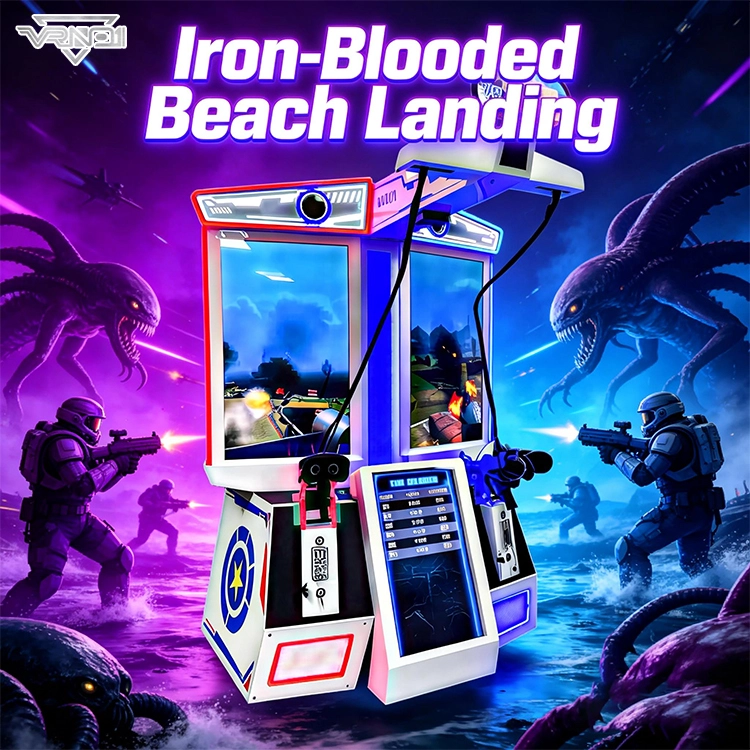
VRN0.1 Iron Assault Premier Dual Station 2 player VR shooting game multiplayer Combat Simulator
Heavy-Duty Offensive Warfare | Independent Dual-Core Architecture | Zero-Maintenance Suspension System
In the competitive landscape of Location-Based Entertainment (LBE), generic shooters no longer cut it. Enter the VR NO.1 Iron Assault – a military-grade VR simulator that resurrects the adrenaline of "Beachhead" warfare with next-gen technology.
Engineered by VR NO.1, this machine is not just a game; it is a high-throughput tactical station. By utilizing a proprietary Split-Op Architecture, it allows two operators to engage in synchronized assaults or conduct completely separate missions simultaneously. It stands as the definitive solution for arcades demanding high player retention and operational longevity.
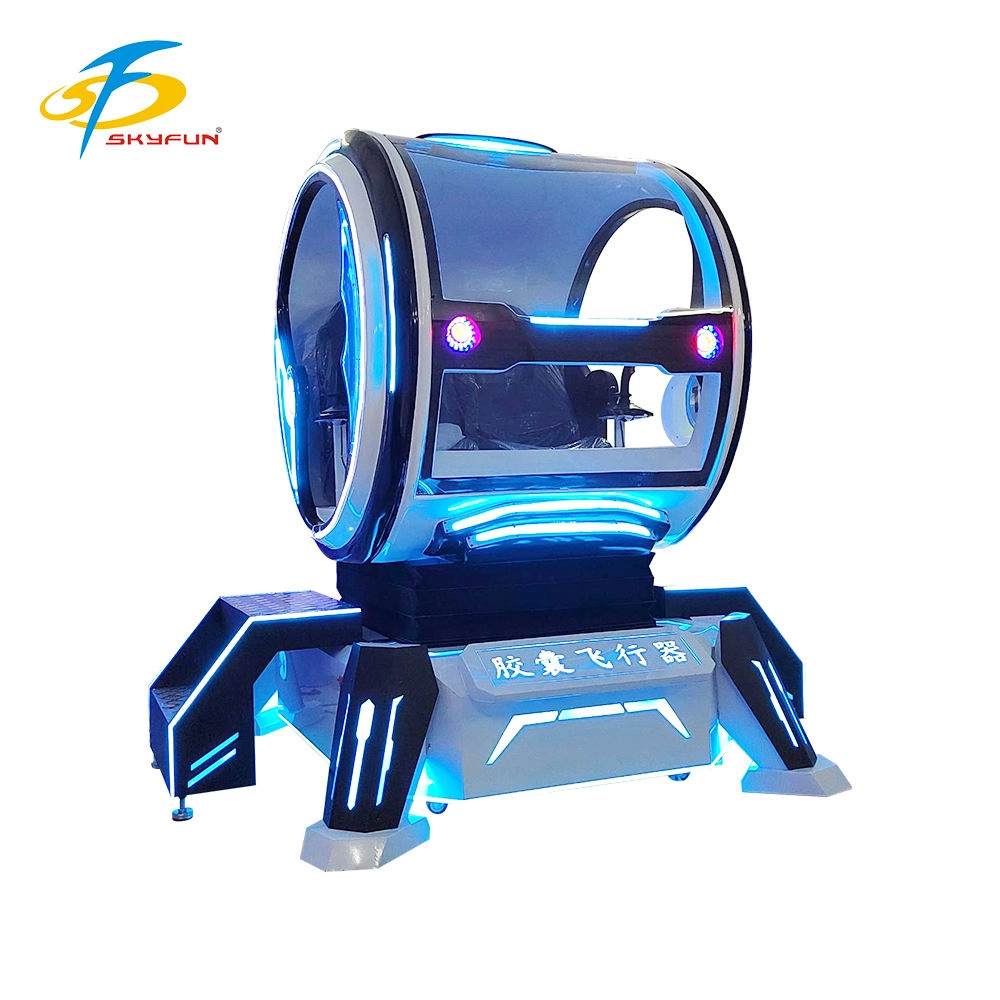
Double Player VR Flight Simulator 100 Movies 15 Games Coin-Operated Game Machine for Shopping Malls Amusement Parks
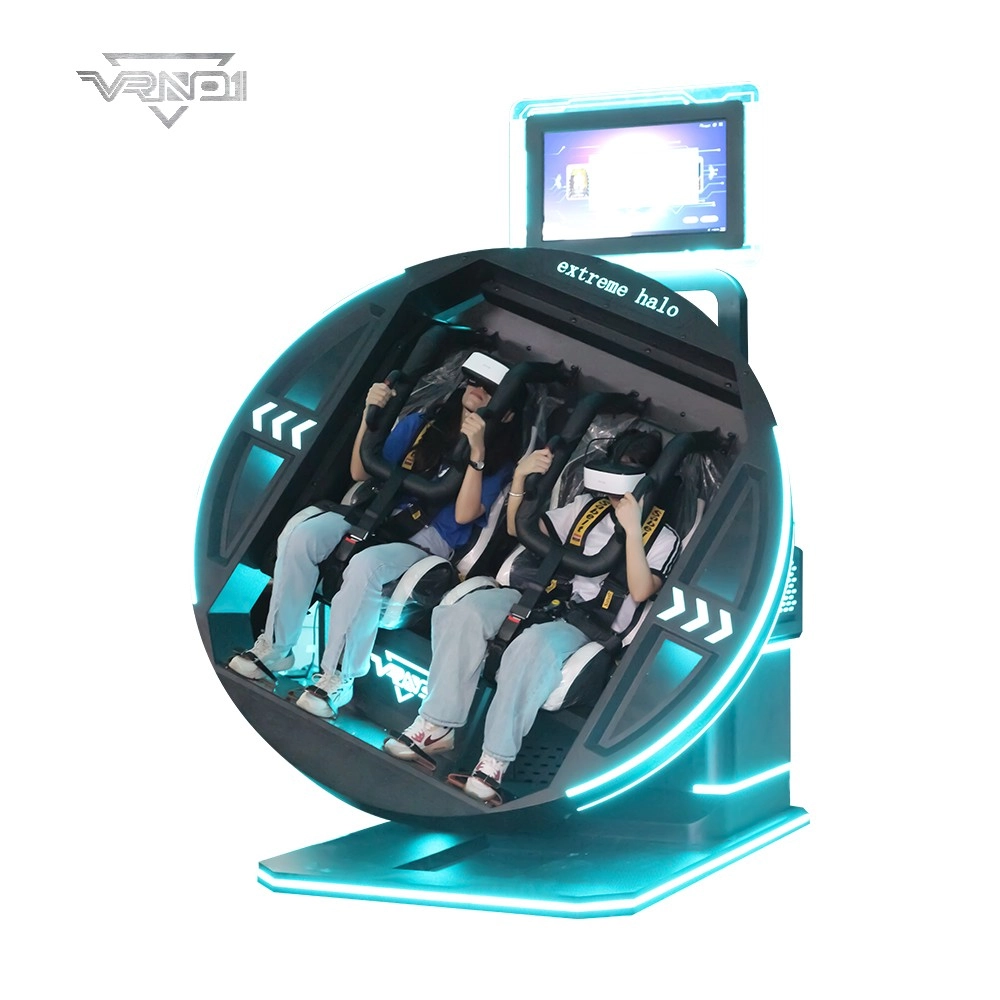
9D VR 360 Roller Coaster Cinema Chair Gaming Set Indoor/Outdoor Business Simulator Hardware for Home or School
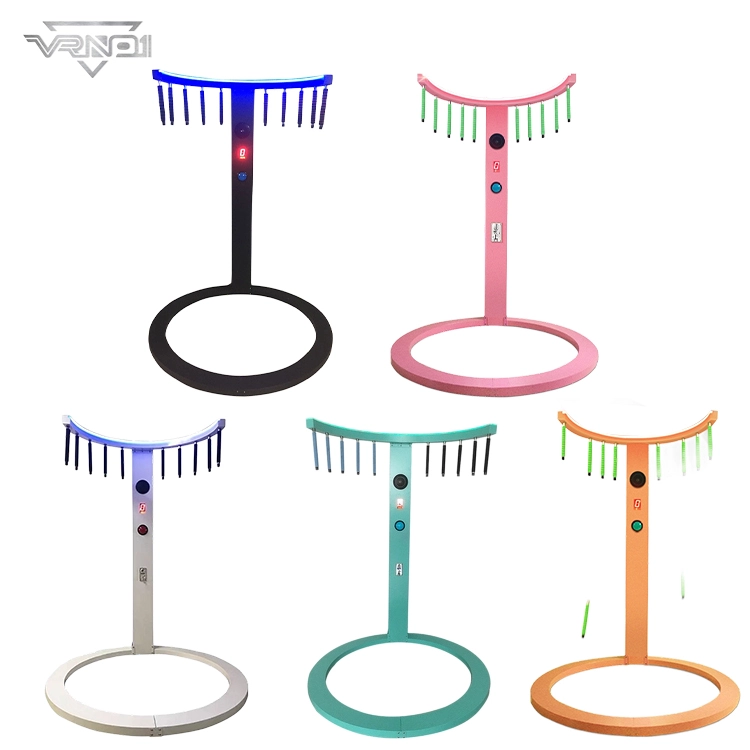
VRN0.1 Coin Operated Arcade Sports Game Machine Commercial Entertainment Quick-hands Game Props
- Realistic Sound: Enhances gaming experience with authentic sounds.
- Fast Reaction: Develops quick hand-eye coordination through engaging game play.
- DIY Kit: Allows for customization and personalization of the baton.
- Metal and Plastic Construction: Durable and robust build quality.
- Coin Operated: Fun for players who enjoy arcade-like experiences.
 Scan QR Code
Whatsapp: +8618127818571
Scan QR Code
Guangzhou Skyfun Technology Co.,Ltd
skyfunvrgame
skyfun game