


Installation, Maintenance and Support for VR Arcade Machines
- Site assessment & planning
- Power, space and structural requirements
- Network, latency and internet needs
- Local rules, accessibility and customer flow
- Installation best practices
- Unboxing, mechanical installation and anchoring
- Electrical integration and grounding
- Initial calibration, software setup and acceptance testing
- Maintenance strategies and routines
- Preventive maintenance schedule (recommended)
- Troubleshooting common hardware issues
- Software updates, content management and cybersecurity
- Support models and lifecycle management
- On-site versus remote support
- Service contracts, spares strategy and warranties
- Training staff, operations manuals and KPI monitoring
- Vendor selection, standards and procurement best practices
- Evaluating vendors and technical validation
- Quality management and compliance
- Lifecycle planning and upgrade paths
- Why I recommend choosing an experienced global supplier
- Case for working with established manufacturers
- About VRN0.1: experience, product range and support
- Services, R&D and after-sales
- Operational checklist and handover template
- Pre-handover checklist
- Post-handover monitoring (first 90 days)
- Cost control and spare parts management
- FAQ — common questions I receive from operators
- 1. How long does installation typically take for a 4-unit VR arcade?
- 2. What are the biggest causes of downtime and how can I prevent them?
- 3. Should I buy extended warranty or a High Quality support contract?
- 4. How often should I update game content and system firmware?
- 5. What KPIs should I track to measure operational health?
- 6. Is remote monitoring secure and reliable?
- Contact, next steps and product overview
Installation, maintenance and ongoing support are the operational backbone of any successful VR arcade. In this article I summarize the practical steps and technical requirements you should follow when deploying VR Simulators machine units in public venues, why strict processes matter for safety and guest experience, and how to structure service agreements that keep machines performing reliably. The guidance reflects installation standards, quality management best practices (ISO), and real-world lessons from venues across multiple markets including Guangzhou and international installations.
Site assessment & planning
Power, space and structural requirements
Before equipment arrives, perform a detailed site assessment. VR Simulators machine cabinets, motion platforms and roaming rigs require stable power, adequate ceiling height and floor loading capacity. I recommend documenting: dedicated circuits (labelled), surge protection, UPS capacity (for graceful shutdown), and floor reinforcement for heavy simulators. For reference on electrical safety and quality management best practices see the ISO quality management overview: ISO 9001.
Network, latency and internet needs
Many modern VR arcade systems rely on cloud-based content delivery, telemetry and remote support. Measure both download/upload speeds and, critically, latency to primary CDN and vendor servers. For multi-seat installations, provision a segmented LAN with VLANs for guest Wi‑Fi and an isolated operations VLAN for machines. I recommend wired Gigabit connections for host PCs and a redundant router. Use active-monitoring (SNMP/NetFlow) for bandwidth spikes that can affect session launch.
Local rules, accessibility and customer flow
Plan guest pathways, queuing, and emergency egress. Ensure ADA accessibility where applicable and keep at least 1.2–1.5m clear around interactive platforms for safe ingress/egress. I always map the customer flow during peak hours to identify pinch points that could become safety hazards or cause delays in turnover times.
Installation best practices
Unboxing, mechanical installation and anchoring
Follow manufacturer checklists for unboxing to avoid warranty voids. For motion platforms and large cabinets: level the unit, torque anchor bolts to spec, and use anti-vibration mounts where required. I use a three-person lift for heavy rigs and confirm that bolts, welds and fasteners match the unit's torque values. Document photos of serial numbers and physical condition for warranty claims.
Electrical integration and grounding
Proper grounding and dedicated circuits reduce noise and the risk of damage. For units with high inrush currents (motors, actuators), use soft-start devices or appropriate breaker sizing. Install surge protection and an uninterruptible power supply (UPS) sized to allow orderly shutdown — typically 5–15 minutes depending on system criticality. If you need guidance on acceptable electrical practices, consult general electrical safety standards and seek a licensed electrician.
Initial calibration, software setup and acceptance testing
Calibration is mission-critical for motion sync and tracking systems. Follow a staged acceptance test: power-up verification, sensor calibration (IMUs, lighthouses/inside-out cameras), audio balance, and latency measurement. Run sample content to stress-test rendering and motion profiles. I record baseline KPIs (boot time, average frame rate, end-to-end latency) to compare against future diagnostics.
Maintenance strategies and routines
Preventive maintenance schedule (recommended)
Preventive maintenance dramatically reduces unexpected downtime. Below is a recommended schedule I use for VR Simulators machine fleets. These intervals are industry-informed and practical for high-usage arcades.
| Task | Daily | Weekly | Monthly | Quarterly |
|---|---|---|---|---|
| Visual & safety inspection | ✔ | ✔ | ||
| Clean lenses/trackers and hygiene wipe | ✔ (after each user) | ✔ deep-clean | ||
| Firmware/software updates | ✔ | ✔ | ||
| Mechanical inspection (bolts, mounts) | ✔ | ✔ | ||
| Full system diagnostics & calibration | ✔ | ✔ |
These routines are designed to maximize availability while keeping maintenance effort and cost predictable.
Troubleshooting common hardware issues
Common failures include headset tracking loss, motor stutter, and PC thermal throttling. My troubleshooting approach: reproduce the issue, collect logs, swap components to isolate (headset, cable, PC), and then apply corrective action. Keep a rotating set of tested spares (headsets, power supplies, cables) to reduce mean time to repair (MTTR).
Software updates, content management and cybersecurity
Patch management must balance uptime and security. Maintain a staging environment to test updates before rolling them out to all units. Enforce least-privilege accounts on host PCs, use endpoint protection, and keep vendor remote-access tools behind VPN. For cybersecurity best practices, consult technical literature and standards bodies such as IEEE publications relevant to secure embedded systems.
Support models and lifecycle management
On-site versus remote support
Choose a hybrid support model. Remote diagnostics can resolve many software and configuration issues quickly. However, motion hardware and cabling issues often require on-site technicians. I estimate that 60–75% of incidents can be triaged remotely; the remainder need field service. Track service tickets and MTTR to refine this distribution over time.
Service contracts, spares strategy and warranties
A well-structured service contract should define SLAs (response time, repair time), parts coverage, and preventive maintenance inclusions. Below is a comparative example of three typical service tiers I recommend to venue operators.
| Tier | Response Time | Parts Included | PM Frequency |
|---|---|---|---|
| Basic | 72 hours | Consumables | Quarterly |
| Standard | 48 hours | Consumables + Key Spares | Monthly |
| High Quality | 24 hours | All critical parts | Monthly + Remote Monitoring |
When negotiating with vendors, ensure clear procedures for RMA, inbound freight responsibilities, and whether software support is continuous or per-release.
Training staff, operations manuals and KPI monitoring
Operator training reduces user errors and improves unit longevity. I provide modular training: initial technical training for engineers, daily operator briefings, and a short customer-facing script to set expectations. Track KPIs such as uptime percentage, average session length, and incident rate per 1,000 sessions. These KPIs help optimize throughput and identify recurring failures.
Vendor selection, standards and procurement best practices
Evaluating vendors and technical validation
When selecting a VR Simulators machine supplier, validate their production processes, QA certifications and after-sales support. Request references from venues of similar size and usage patterns. Inspect build quality and ask for lifecycle test data. Industry-level context on arcade hardware and virtual reality can be found on Wikipedia's pages such as Virtual reality and Arcade game.
Quality management and compliance
Quality processes like ISO 9001 are useful indicators that a supplier manages product quality and traceability. Verify certificates and ask about test reports for electrical safety, electromagnetic compatibility and component sourcing. A supplier with formal QA processes typically accelerates repairs and reduces defect rates.
Lifecycle planning and upgrade paths
Plan for a 3–7 year hardware lifecycle depending on usage. Ask vendors about modular upgrade paths (GPU swaps, new haptics, updated tracking). Establish a capex refresh schedule and budget for mid-life overhauls (PC replacement, motion actuator servicing).
Why I recommend choosing an experienced global supplier
Case for working with established manufacturers
From my experience, suppliers with global footprints provide faster spare logistics, tested OEM parts, and mature remote-support toolchains. They also bring operational playbooks—venue planning, revenue optimization, and staff training—that reduce risks for new operators.
About VRN0.1: experience, product range and support
VRN0.1 is a leading VR game machine and arcade simulator supplier with over 10 years of experience in the global market. Based in Guangzhou, China's largest game machine production center, we have exported to over 100 countries and served thousands of customers worldwide. We specialize in high-quality, immersive VR products, including 9D VR Cinema, 360 VR Simulator, VR Racing, VR Shooting, VR Roaming, AR Sniper, and more. Our product portfolio covers mainstream VR arcade categories: VR Simulator, Arcade game simulator, VR car driving simulator, Interactive Platform VR, Racing Game Machine, AR Sniper, Kiddie Ride, and 7D Cinema.
Services, R&D and after-sales
We offer OEM and ODM services, one-stop VR venue solutions, and free training for equipment and operation. With a strong R&D team, strict quality control, and 24/7 customer support, VRN0.1 is committed to innovation, reliability, and customer satisfaction. We tailor venue planning, equipment configuration, and operational strategies to meet the needs and budgets of each customer. For inquiries visit VRN0.1 website or contact sunnyzhang@skyfungame.com.
Operational checklist and handover template
Pre-handover checklist
- Site safety sign-offs and insurance confirmations.
- Power and network verified against vendor specs.
- Acceptance testing passed with baseline KPI logs retained.
- Operator training completed and manuals delivered.
Post-handover monitoring (first 90 days)
During the warranty period monitor incident frequency and ticket types. A higher-than-expected rate of similar incidents should trigger a design review. Keep a prioritized action list for firmware patches and mechanical adjustments.
Cost control and spare parts management
Maintain a small in-country spares pool for common failures. Negotiate bulk discounts for consumables like lenses, cables, and foam masks. Track Mean Time Between Failures (MTBF) and adjust spare levels accordingly.
FAQ — common questions I receive from operators
1. How long does installation typically take for a 4-unit VR arcade?
Installation for a 4-unit VR Simulators machine venue usually takes 3–5 business days for mechanical setup, network integration and acceptance testing, assuming site power and network are pre-provisioned.
2. What are the biggest causes of downtime and how can I prevent them?
Top causes are tracking loss (calibration), overheating (PC/GPUs), and cabling faults. Prevent with daily visual checks, scheduled deep-cleaning for lenses/trackers, proper ventilation and thermal management, and a managed spare parts strategy.
3. Should I buy extended warranty or a High Quality support contract?
If you operate at high utilization (peak daily sessions), High Quality support reduces MTTR and helps protect revenue. For lower-usage sites, standard contracts with a solid RMA policy may suffice. Evaluate expected revenue loss per hour of downtime when deciding.
4. How often should I update game content and system firmware?
Content can be updated monthly or seasonally to maintain guest interest. Firmware updates should be tested in a staging environment and deployed on a rolling basis—typically monthly or bi-monthly—to balance stability and security.
5. What KPIs should I track to measure operational health?
Track uptime percentage, MTTR, incident rate per 1,000 sessions, average session length, and revenue per available seat-hour. These metrics allow you to optimize staffing, pricing and maintenance frequency.
6. Is remote monitoring secure and reliable?
Remote monitoring is reliable if implemented with secure access (VPNs, two-factor authentication) and vendor accountability. Ensure your vendor provides clear SLAs and uses encrypted channels for telemetry.
Contact, next steps and product overview
If you need a partner to plan, install and support your VR venue, I recommend evaluating suppliers who combine manufacturing experience with strong after-sales support. VRN0.1 provides turnkey solutions, OEM/ODM services, free training and global logistics. Learn more or request a quote at https://www.vrarcadegame.com/ or email sunnyzhang@skyfungame.com for a tailored proposal.
Products and specialties: VR Simulator, Arcade game simulator, VR car driving simulator, Interactive Platform VR, Racing Game Machine, AR Sniper, Kiddie Ride, 7D Cinema.
With disciplined planning, a preventive maintenance mindset and the right support contract you can maximize uptime, reduce operating costs, and deliver a safe, unforgettable experience to your guests. If you want a site assessment or a machine-level checklist tailored to your venue, reach out—I'm available to help you design a reliable VR operation.
How to Choose a Commercial VR Flight Simulator for Your Arcade
What are the application scenarios of 360 vr simulator?
9D VR Egg Cinema Maintenance Cost Breakdown
How to Choose the boxer game machine manufacturer and supplier ?
Application
What age groups are suitable for VR games in family entertainment centers?
VRNO.1's VR equipment supports a wide range of age groups, from children, teenagers to adults. We provide a variety of game types, including parent-child interactive games, adventure games, sports competitions, etc., to ensure that they are suitable for the needs of different family members.
Distributors
What does VRNO.1's after-sales service include?
We provide comprehensive after-sales services, including installation support, technical troubleshooting and regular maintenance services. We also provide dealers with dedicated training and customer support to ensure the smooth operation of the equipment.
What are the requirements to become a VRNO.1 dealer?
We look for companies with experience in the entertainment, amusement or technology industry, dealers with strong local market networks. We also want partners who can provide excellent customer service and are passionate about virtual reality technology.
Home
How does VRNO.1’s VR technology work?
Our VR systems use advanced headsets, motion tracking, and interactive controls to create an immersive, 360-degree experience. Players can engage with digital environments in real time, simulating real-world and fantastical scenarios.
Products
Do you offer support and training for using VRNO.1’s VR systems?
Yes, we provide comprehensive support and training for all our VR products, ensuring that your staff is fully equipped to operate and maintain the systems.
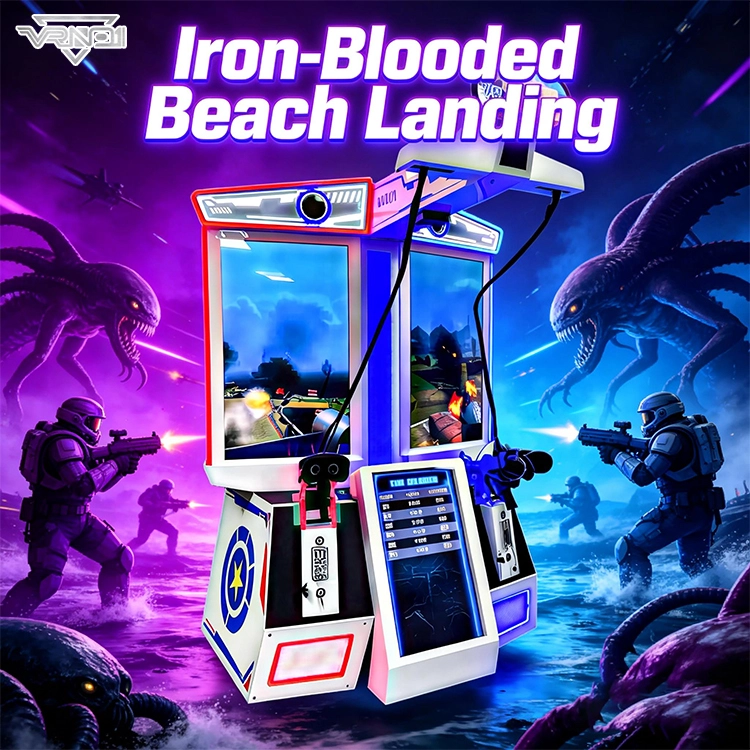
VRN0.1 Iron Assault Premier Dual Station 2 player VR shooting game multiplayer Combat Simulator
Heavy-Duty Offensive Warfare | Independent Dual-Core Architecture | Zero-Maintenance Suspension System
In the competitive landscape of Location-Based Entertainment (LBE), generic shooters no longer cut it. Enter the VR NO.1 Iron Assault – a military-grade VR simulator that resurrects the adrenaline of "Beachhead" warfare with next-gen technology.
Engineered by VR NO.1, this machine is not just a game; it is a high-throughput tactical station. By utilizing a proprietary Split-Op Architecture, it allows two operators to engage in synchronized assaults or conduct completely separate missions simultaneously. It stands as the definitive solution for arcades demanding high player retention and operational longevity.
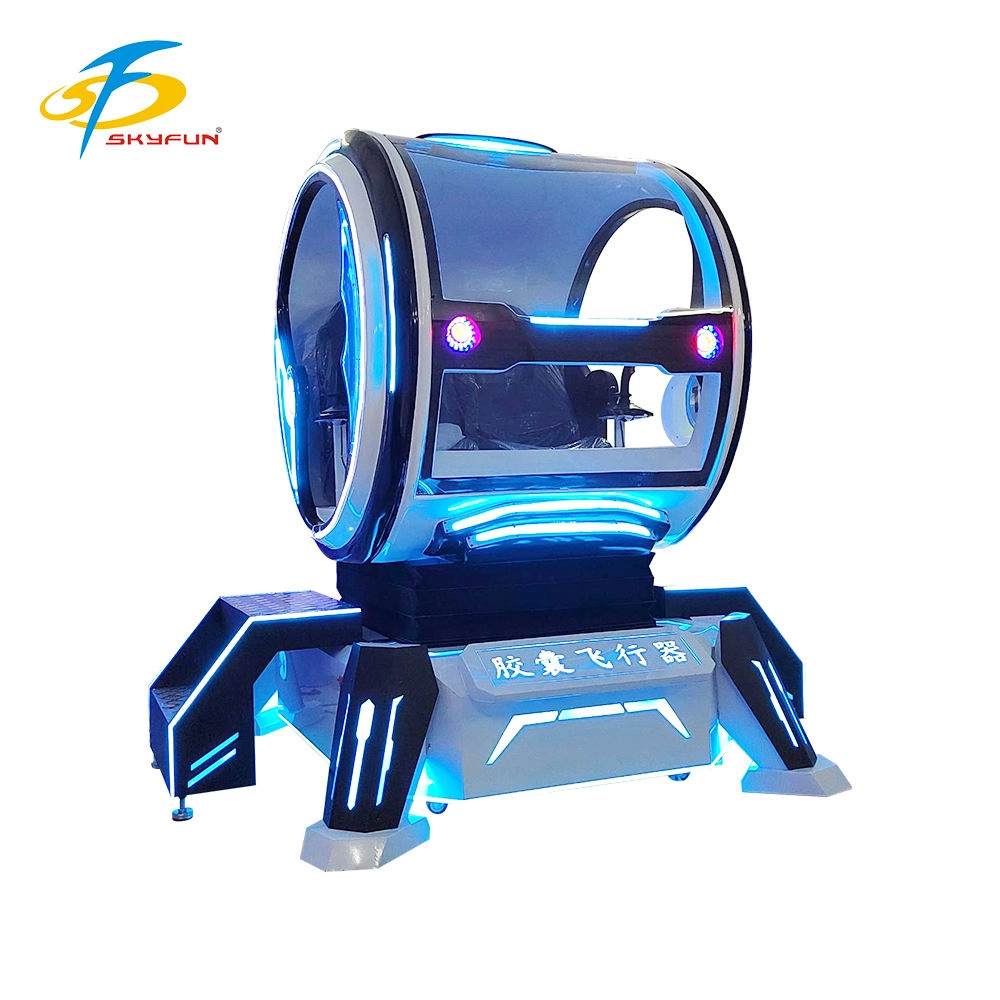
Double Player VR Flight Simulator 100 Movies 15 Games Coin-Operated Game Machine for Shopping Malls Amusement Parks
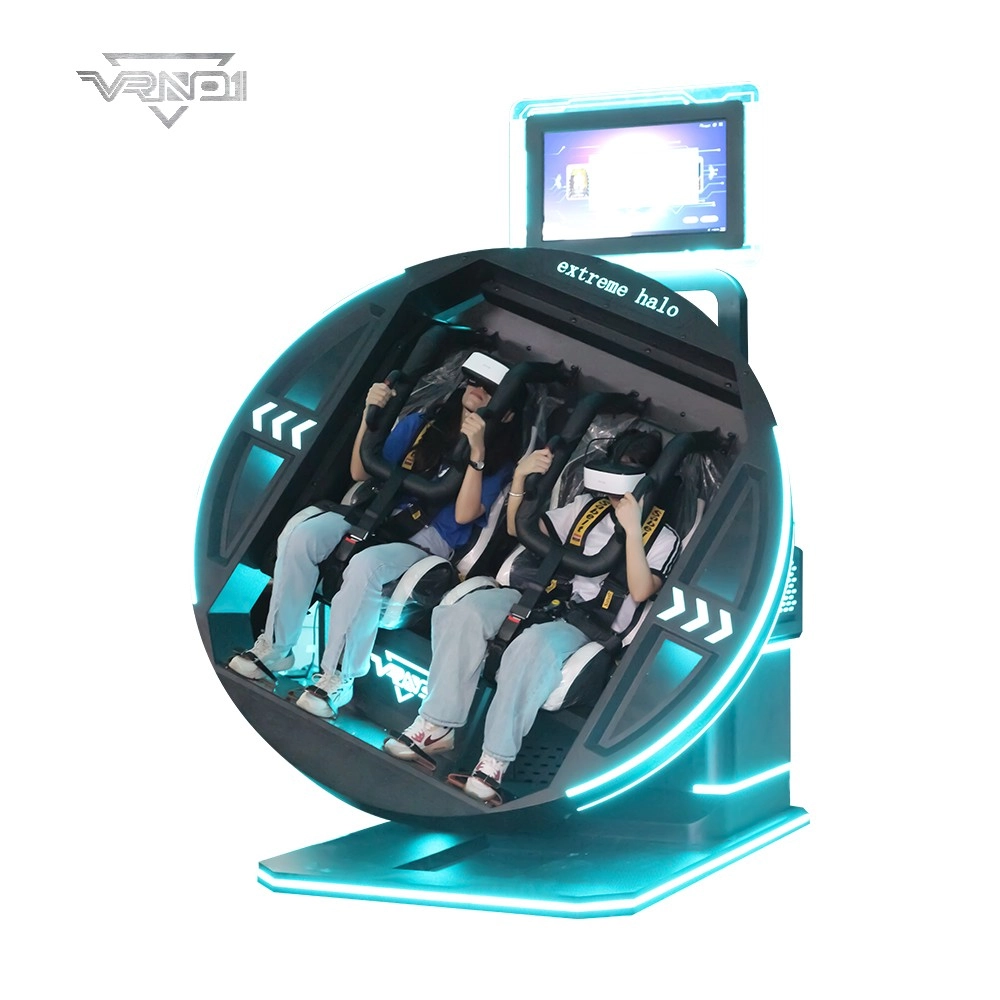
9D VR 360 Roller Coaster Cinema Chair Gaming Set Indoor/Outdoor Business Simulator Hardware for Home or School
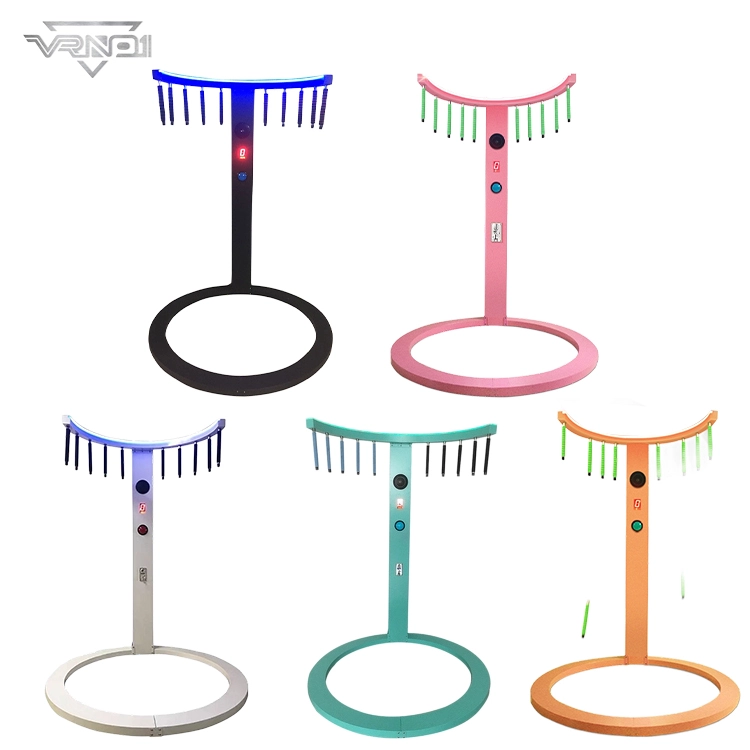
VRN0.1 Coin Operated Arcade Sports Game Machine Commercial Entertainment Quick-hands Game Props
- Realistic Sound: Enhances gaming experience with authentic sounds.
- Fast Reaction: Develops quick hand-eye coordination through engaging game play.
- DIY Kit: Allows for customization and personalization of the baton.
- Metal and Plastic Construction: Durable and robust build quality.
- Coin Operated: Fun for players who enjoy arcade-like experiences.
 Scan QR Code
Whatsapp: +8618127818571
Scan QR Code
Guangzhou Skyfun Technology Co.,Ltd
skyfunvrgame
skyfun game