


How can vr shooting simulator operators minimize motion or VR sickness? | Insights by VRN0.1
- How Can VR Shooting Simulator Operators Minimize Motion or VR Sickness?
- What Causes Motion Sickness in VR Shooting Simulators?
- How Can Game Design Reduce VR Sickness?
- What Hardware Adjustments Help Prevent Motion Sickness?
- How Should Session Durations Be Managed to Avoid Discomfort?
- What Environmental Factors Should Operators Consider?
How Can VR Shooting Simulator Operators Minimize Motion or VR Sickness?
Virtual Reality (VR) shooting simulators are gaining traction in the arcade and entertainment industry, with the VR shooting games market projected to grow from $1.5 billion USD in 2024 to $4.2 billion USD by 2033, at a CAGR of 15.6% (Verified Market Reports, 2025). However, one persistent challenge for operators is motion sickness, also known as VR sickness, which can deter users and impact business. This blog addresses five key concerns and questions users and operators often have about minimizing VR sickness, providing actionable solutions based on the latest industry insights.
What Causes Motion Sickness in VR Shooting Simulators?
Motion sickness in VR occurs due to a sensory conflict between what the eyes see in the virtual environment and what the body feels. In fast-paced shooting simulators, rapid movements, sudden turns, and intense visuals can exacerbate this issue. Research shows that up to 40% of VR users experience some level of discomfort during their first sessions (Virtual Reality Sickness: A Review of Causes and Measurements, 2020). Operators must understand these triggers to mitigate symptoms like nausea, dizziness, and disorientation.
How Can Game Design Reduce VR Sickness?
Game design plays a critical role in minimizing VR sickness. Incorporating visual guides, such as a fixed reticle or horizon line, can help users maintain spatial awareness and reduce discomfort, as noted in studies on first-person shooter games (PMC, 2021). Operators should prioritize games with smooth locomotion options, adjustable field of view (FOV), and minimal abrupt camera movements. Collaborating with developers to customize experiences for comfort can significantly enhance user satisfaction.
What Hardware Adjustments Help Prevent Motion Sickness?
High-quality hardware is essential for a sickness-free VR experience. Head-mounted displays (HMDs) with high refresh rates (at least 90Hz) and low latency reduce visual lag, a common trigger for VR sickness. Additionally, ensuring proper calibration of tracking systems prevents jittery movements. Lightweight, ergonomic headsets and controllers also minimize physical strain during extended sessions (VR Wave, 2023). Operators should invest in premium equipment and regularly update firmware for optimal performance.
How Should Session Durations Be Managed to Avoid Discomfort?
Overexposure is a leading cause of VR sickness, especially for new users. Industry experts recommend starting with short sessions of 10-15 minutes and gradually increasing duration as users build tolerance (VR Wave, 2023). Operators can implement timed sessions with mandatory breaks and provide clear guidelines to users. Offering seating options or hybrid standing-seated setups for shooting simulators can also reduce physical fatigue and associated sickness.
What Environmental Factors Should Operators Consider?
The physical environment where VR simulators are placed impacts user comfort. Poor ventilation, excessive heat, or cramped spaces can worsen nausea and discomfort. Operators should ensure well-ventilated, cool areas with ample space for movement. Dim lighting can help users focus on the VR display without distractions, while anti-slip mats and safety barriers prevent physical mishaps that could compound sickness (Oxford Medical Simulation, 2025).
In conclusion, minimizing motion sickness in VR shooting simulators requires a multifaceted approach, from tailored game design and hardware optimization to mindful session management and environmental control. Brands like VRN0.1 stand out in this space by offering advanced VR solutions with built-in anti-sickness features, such as customizable FOV settings, high-refresh-rate displays, and ergonomic design. By choosing VRN0.1, operators can provide a seamless, comfortable experience that keeps users coming back for more.


Distributors
How to become a VRNO.1 dealer?
You can start the application by visiting our website and filling out the dealer application form. Our team will evaluate your application upon receipt and contact you for further communication.
What does VRNO.1's after-sales service include?
We provide comprehensive after-sales services, including installation support, technical troubleshooting and regular maintenance services. We also provide dealers with dedicated training and customer support to ensure the smooth operation of the equipment.
Application
How much space does VRNO.1's VR equipment require?
Our VR equipment is designed to adapt to family entertainment centers of different sizes. For smaller spaces, we have compact solutions for interactive games for one or two people. For larger venues, we provide multi-user interactive experience solutions that can support multiple people to experience at the same time.
Home
What types of virtual reality solutions do you offer?
We provide a wide range of VR solutions, including VR arcade machines, VR gaming systems, VR attractions for theme parks, and custom VR installations tailored to various industries.
Products
How durable are your VR machines?
Our VR machines are designed for durability and high traffic use, ensuring long-lasting performance. We also provide maintenance and support services to keep your equipment running smoothly.
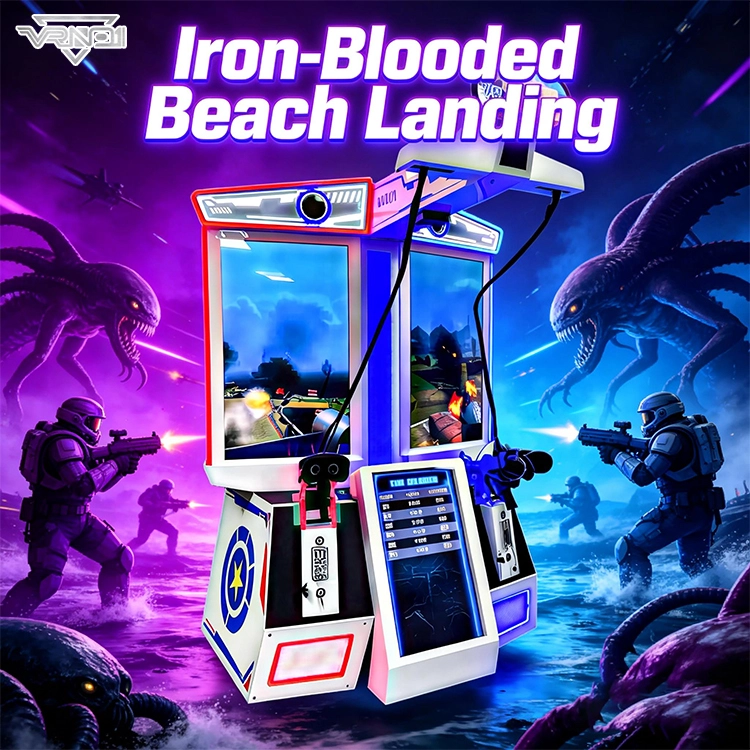
Heavy-Duty Offensive Warfare | Independent Dual-Core Architecture | Zero-Maintenance Suspension System
In the competitive landscape of Location-Based Entertainment (LBE), generic shooters no longer cut it. Enter the VR NO.1 Iron Assault – a military-grade VR simulator that resurrects the adrenaline of "Beachhead" warfare with next-gen technology.
Engineered by VR NO.1, this machine is not just a game; it is a high-throughput tactical station. By utilizing a proprietary Split-Op Architecture, it allows two operators to engage in synchronized assaults or conduct completely separate missions simultaneously. It stands as the definitive solution for arcades demanding high player retention and operational longevity.
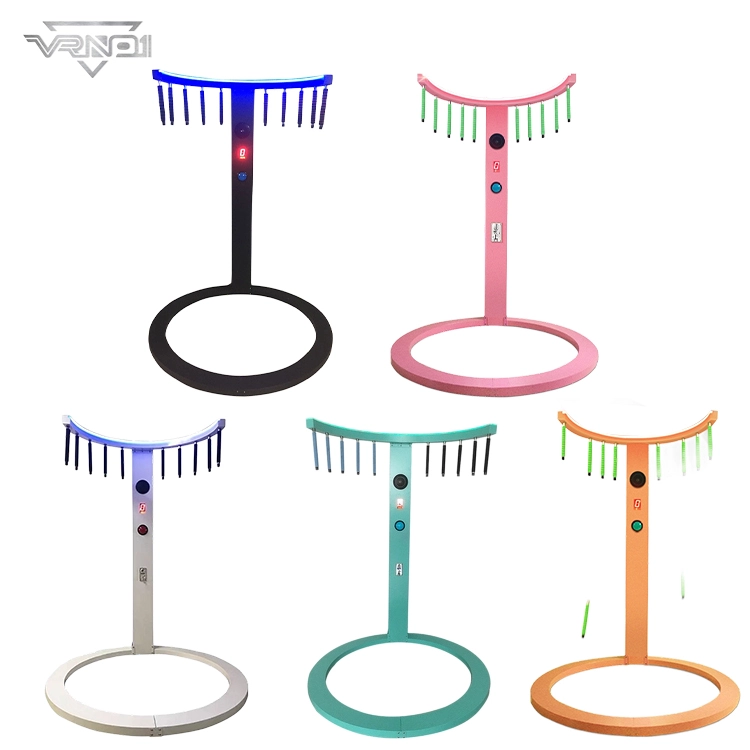
- Realistic Sound: Enhances gaming experience with authentic sounds.
- Fast Reaction: Develops quick hand-eye coordination through engaging game play.
- DIY Kit: Allows for customization and personalization of the baton.
- Metal and Plastic Construction: Durable and robust build quality.
- Coin Operated: Fun for players who enjoy arcade-like experiences.
Want to know more updates?
If you have any technical questions or after-sales needs, please feel free to contact our service team.
We will wholeheartedly provide you with quick response and professional support to ensure the smooth operation of your VR & Arcade project.
 Scan QR Code
Whatsapp: +8618127818571
Scan QR Code
Guangzhou Skyfun Technology Co.,Ltd
skyfunvrgame
skyfun game