With the continuous maturation of virtual reality technology and the sustained release of consumer demand, the VR gaming console B2C market has experienced rapid growth. This not only drives technological iteration and cost optimization within the industry but also has a profound impact on the demand structure, cooperation models, and development momentum of the B2B market. Based on authoritative industry data and typical case studies, this report uses a general-to-specific-to-general structure to systematically analyze the core impact of the B2C market expansion for VR gaming consoles on the B2B market, outline the logic of market development, and provide targeted recommendations, serving as a reference for enterprises in planning the coordinated development of the VR industry's B2B and B2C sectors.
Ⅰ.Data Source Explanation
The data in this report is authoritative, timely, and comprehensive. The core data covers multiple dimensions, including the industry’s macro scale, user behavior, and company cases. Specifically, it includes: First, authoritative industry research reports, citing core content from reports such as the "VR software B2C market size by segment 2017-2028| Statista," the "2025-2030 Virtual Reality Game Industry Market Status, Technology Development, and Application Evaluation Planning Analysis Research Report," and the "2025 and Next Five Years Market Data VR Game Device Industry Panorama Survey and Investment Planning Recommendation Report," to obtain key data such as the market size, growth rate, and penetration rate of the VR gaming console B2C and B2B markets; Second, publicly available data from leading companies, compiling annual operation reports, product release information, and strategic cooperation dynamics of core VR gaming console manufacturers at home and abroad such as Meta, Sony, PICO, and HTC Vive, to extract the logic of how B2C market expansion impacts B2B business layout; Third, specialized survey data, referencing the 2024-2025 VR industry user consumption behavior surveys and B-end enterprise procurement demand questionnaires, where the B-end survey covers core application areas such as education and training, industrial exhibition, and cultural tourism, with a sample size of 800 enterprises; and combining cutting-edge information disclosed at industry exhibitions and technology forums to predict market development trends.
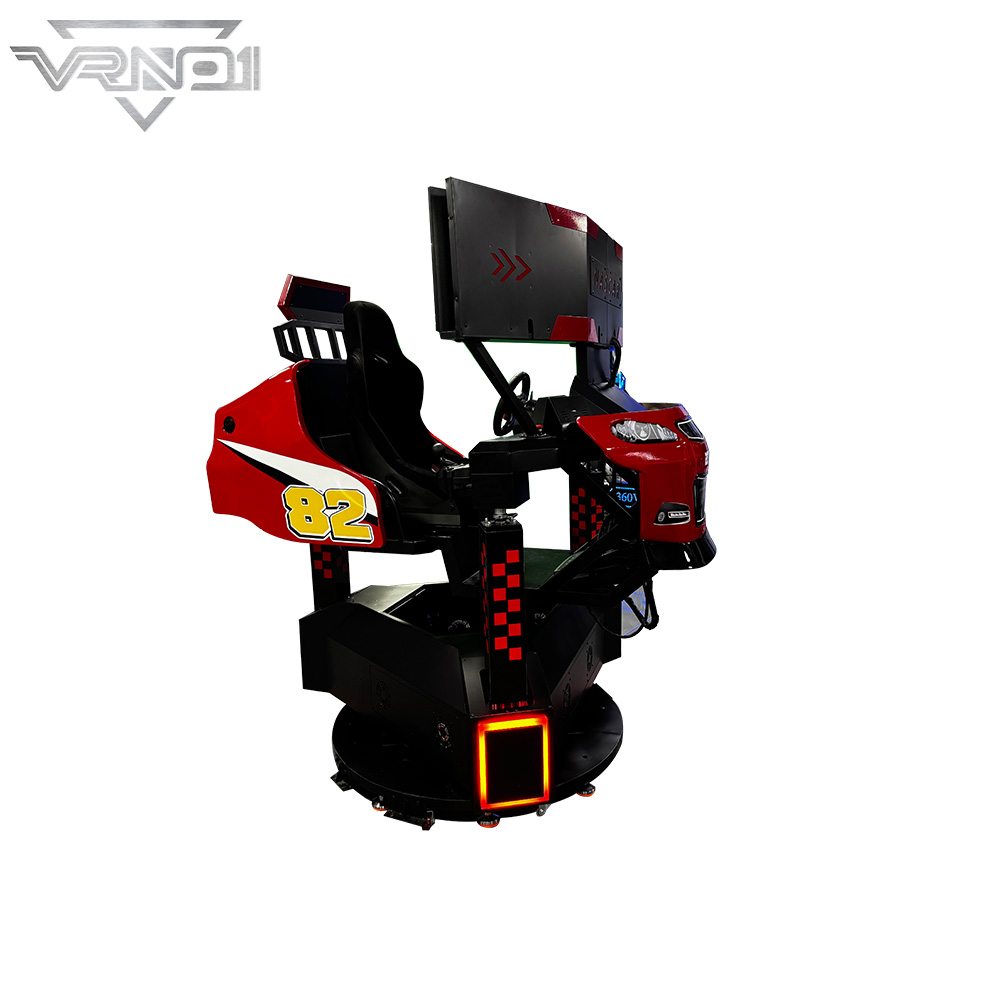
The continuous growth of the B2C market for VR game consoles has comprehensively empowered the B2B market through three major pathways: technology transfer, cost sharing, and demand-driven traction, while also giving rise to new challenges. A detailed analysis is conducted from the following dimensions:
In recent years, the B2C market for VR game consoles has maintained a high-speed growth momentum, emerging as the core engine driving the development of the VR industry. Data shows that the size of China's B2C market for virtual reality gaming devices reached approximately 15 billion yuan in 2023, exceeded 18 billion yuan in 2024 with a year-on-year growth rate of 32%, and is projected to hit 30 billion yuan in 2025, maintaining a compound annual growth rate (CAGR) of around 30%. User penetration has been on a steady rise: the number of households in China owning VR devices surpassed 10 million in 2023, with 60% of them using the devices for gaming and entertainment. It is estimated that the market penetration rate will exceed 10% in 2025, with the number of users breaking the 100 million mark, and is expected to reach 320 million by 2030.
The core factors driving the growth of the B2C market are threefold:
- Technological iteration lowers the barrier to entryThe popularization of 5G technology, upgrades in chip manufacturing processes, and the application of Pancake optical solutions have significantly optimized VR game consoles in terms of resolution, refresh rate, and weight reduction. The price of mainstream devices has dropped from over 3,000 yuan in 2020 to the range of 800-2,000 yuan in 2025, greatly boosting purchasing power on the consumer side.
- Continuous enrichment of the content ecosystemOver 500 high-quality VR games covering action, adventure, simulation, and other genres were launched in the Chinese market in 2023. Blockbuster titles such as Cyberpunk 2077 VR Edition and Half-Life: Infinity have further stimulated consumer demand.
- Upgrading of marketing channels and user awareness
Leading manufacturers have strengthened user education through short-video platforms, live-streamed trial plays, and other methods. Coupled with the popularity of the metaverse concept, the acceptance of VR games among young consumer groups has increased significantly.
- Reuse of technological achievements reduces B2B product R&D costsFierce competition in the B2C market has driven the rapid iteration of core VR technologies. Hardware technologies such as high-resolution displays, precise motion capture, and low-latency transmission, as well as software capabilities including scene modeling, interactive logic, and content adaptation, can be directly reused in B2B products. For example, the mature 4K resolution and 120Hz refresh rate VR headset technologies from the B2C market have been widely applied in B-end education and training, as well as industrial simulation scenarios. This has shortened the R&D cycle of B-end products by 30%-40% and reduced R&D costs by 25%-35%. Meanwhile, large-scale procurement in the B2C market has lowered the prices of core components (such as sensors and optical modules), driving a synchronous reduction in B-end equipment procurement costs and enhancing the cost-performance competitiveness of products in the B2B market.
- Enhanced brand recognition broadens customer acquisition channels in the B2B marketThe continuous penetration of the B2C market has significantly raised the public awareness of VR game console brands, laying a solid brand foundation for B2B business expansion. Taking PICO as an example, relying on its B2C market strategy of "hardware affordability + traffic acquisition", it achieved a domestic market share of 49.3% in 2023, with its brand awareness rising rapidly. This further facilitated the implementation of its cooperation projects in B-end sectors such as education and cultural tourism, with its B-end business revenue growing by 58% year-on-year in 2024. In addition, B2C users include a large number of enterprise employees and decision-makers, whose personal usage experience can be converted into corporate procurement intentions, forming a customer acquisition path of "C-end experience - word-of-mouth communication - B-end conversion" and reducing the promotion costs of the B2B market.
- Extension of demand scenarios activates diversified demands in the B2B marketThe upgrading of consumer demand in the B2C market has driven the penetration of VR game technologies into more industry scenarios, spawning diversified demands in the B2B market. From the perspective of application fields:
- In the education and training sector, immersive experiences of VR games are leveraged to develop courses such as vocational skill simulation and historical scene restoration.
- In the industrial sector, interactive technologies of VR games are utilized to build equipment operation simulation and production line visualization systems.
- In the cultural tourism sector, VR game scene construction capabilities are integrated to launch services such as immersive scenic spot experiences and virtual exhibition halls.
An industrial equipment manufacturer reused VR game 3D modeling and interactive technologies to build a virtual product display system, which shortened the customer decision-making cycle by 40% and increased consultation volume by 35%, verifying the commercial value of extending B2C technologies to B2B scenarios.
- Improved industrial chain enhances collaboration capabilities in the B2B marketThe large-scale development of the B2C market has promoted the coordinated upgrading of the upstream and downstream of the VR industrial chain. Upstream core component suppliers (such as chip and optical module manufacturers) have expanded their production capacity, midstream hardware manufacturing and content development enterprises have strengthened their competitiveness, and downstream channel networks have been continuously improved, forming a complete industrial ecosystem. This well-developed industrial chain provides stronger collaborative support for the B2B market. For instance, content development enterprises, with their scene construction experience accumulated in the B2C market, can quickly respond to the customized content needs of B-end enterprises; the nationwide layout of downstream channel partners helps B-end products reach customers across regions rapidly, improving market coverage efficiency.
- Insufficient product adaptation fails to meet customized B-end demandsProducts in the B2C market are mainly standardized, focusing on mass entertainment needs, while customer demands in the B2B market are highly customized, requiring optimization of equipment performance, content systems, and service solutions based on industry scenarios. At present, some manufacturers simply modify B2C products and then launch them to the B-end market, resulting in problems such as insufficient equipment stability and poor functional adaptability. For example, the long battery life and multi-device collaborative management functions required in the education sector, as well as the high-precision positioning and anti-interference capabilities needed in the industrial sector, are difficult to be satisfied by standardized B2C products.
- Imbalanced content ecosystem leads to insufficient supply of professional B-end contentCurrent VR content resources are mainly concentrated in the B2C entertainment sector, with a shortage of professional B-end content (such as industrial operation manuals and professional education courses). Data shows that there are over 8,000 VR games on the global Steam platform, but the number of professional domestic B-end VR content is less than 300, with fewer than 1,000 active developers. Moreover, affected by high technical thresholds and unclear profit models, the motivation for professional content development is insufficient, which restricts the release of demand in the B2B market.
- Weak service system cannot match long-term B-end demandsThe B2B market has much higher requirements for after-sales service than the B2C market, needing to provide long-term services such as equipment operation and maintenance, technical training, and content updates. However, most manufacturers' service resources are concentrated on short-term after-sales services for the B2C market (such as equipment repair, return, and exchange), lacking professional service teams and systems tailored for the B-end. This leads some B-end customers to abandon cooperation due to inadequate services, affecting the sustainable development of the B2B market.
The growth of the B2C market for VR game consoles has exerted a significant positive enabling effect on the B2B market. Through four dimensions—technology reuse, brand endorsement, demand traction, and industrial chain improvement—it has driven the expansion of market size, efficiency enhancement, and scenario enrichment of the B2B market, becoming an important driving force for the development of the B2B market. Data shows that the size of China's B2B market for VR game consoles grew from 8.5 billion yuan to 12 billion yuan between 2023 and 2024, with 60% of the growth momentum coming from the technology and brand spillover effects of the B2C market. However, differences between the two markets in terms of product adaptation, content supply, and service systems have restricted the enabling effect of the B2C market, leading to challenges such as insufficient customization and content scarcity. In the future, only by achieving the coordinated development of the B2C and B2B markets can the overall potential of the VR game console industry be fully unleashed.
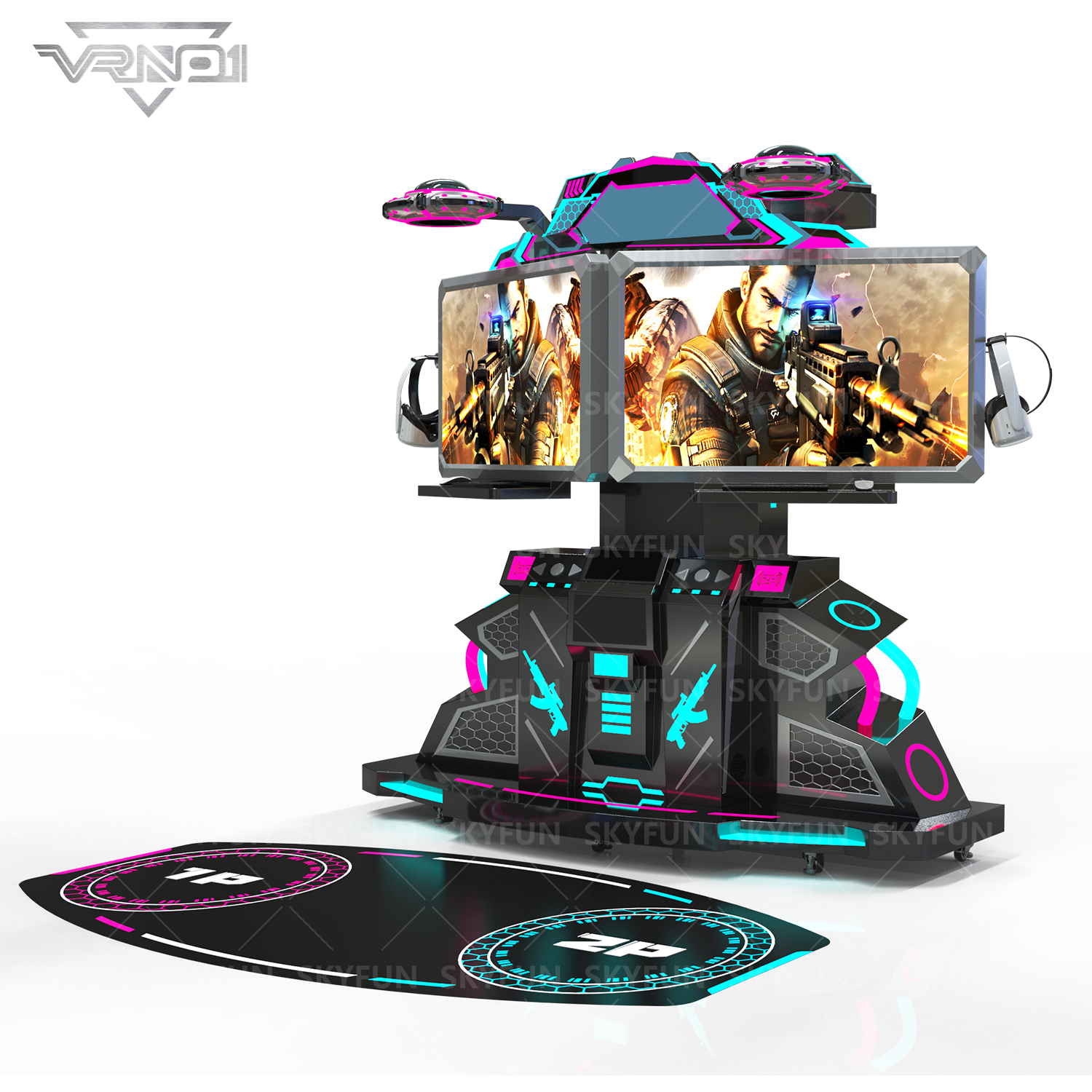
- Promote differentiated product layout and strengthen B-end customization capabilitiesEnterprises should leverage technological accumulation from the B2C market to develop customized product systems targeting the needs of different B-end industry scenarios. For example, launch dedicated VR devices with long battery life, multi-device management, and embedded teaching content for the education sector; develop professional equipment with high-precision positioning, anti-interference capabilities, and compatibility with industrial software for the industrial sector. Meanwhile, establish a rapid iteration mechanism for B-end products, optimize product performance based on customer feedback, and improve adaptability.
- Build a dual-end content ecosystem and increase the supply of professional B-end contentOn the one hand, continue to deepen the development of B2C entertainment content to enhance brand influence and user stickiness. On the other hand, launch special support programs for B-end content, attract professional content developers through funding subsidies, technical support, revenue sharing, and other methods, and focus on core sectors such as education, industry, and cultural tourism to develop high-quality professional content. In addition, build a B-end content sharing platform to realize the efficient circulation of content resources within the industry and reduce enterprises' content procurement costs.
- Improve the B-end service system and enhance long-term service capabilitiesEstablish a professional B-end service team covering the entire service process including technical training, equipment operation and maintenance, and content updates. Formulate personalized service plans for customers in different industries—for example, provide teacher training and course update services for education clients, and regular equipment inspection and technical upgrading services for industrial clients. Meanwhile, build an online service platform to achieve rapid response to service needs and efficient resolution of problems, improving B-end customer satisfaction and loyalty.
- Strengthen industrial chain collaboration and build a B2C-B2B linkage mechanismTake the lead in building an industrial chain collaboration platform to promote in-depth cooperation between core component suppliers, content developers, channel partners, and B-end customers, realizing the efficient docking of technologies, resources, and demands. For example, promote joint R&D between hardware manufacturers and leading B-end enterprises to accurately meet industry needs; encourage content developers and B-end customers to co-build content ecosystems to achieve customized content development and implementation. In addition, leverage the brand advantages of the B2C market to hold B-end industry summits and product experience events, build B-end customer docking channels, and improve B2B market expansion efficiency.
- Leverage policy support and avoid market development risksClosely monitor national and local policy orientations regarding the virtual reality industry, actively seek support such as policy funding and R&D subsidies, layout core technology R&D, enhance independent controllability, and avoid supply chain disruption risks. Meanwhile, in accordance with the industry regulatory requirements of the B2B market, standardize product quality and service standards to ensure the compliant development of business.

In conclusion, the growth of the B2C market for VR game consoles has brought unprecedented development opportunities to the B2B market, but it is also necessary to break through the adaptation bottlenecks in products, content, services, and other aspects. Based on the logic of dual-end coordinated development, enterprises should strengthen their differentiated competitiveness and improve industrial chain layout, so as to fully tap the market potential of the VR industry and achieve positive interaction and sustained growth between the B2C and B2B markets.







 Scan QR Code
Whatsapp: +8618127818571
Scan QR Code
Guangzhou Skyfun Technology Co.,Ltd
skyfunvrgame
skyfun game