


Building a Profitable VR Arcade in 2026: Trends, Machines, and Business Strategies
A comprehensive guide to launching a high-ROI VR arcade business in 2026. Covers market trends, machine selection, operational strategies, and future-proofing your venue with the latest immersive technology.
- What is a VR Arcade Machine?
- The Commercial Difference
- Key Takeaways: Your Blueprint for VR Arcade Success
- Why Invest in VR Arcade Machines? Unlocking Profitability & Growth
- Data-Driven Profitability
- Types of VR Arcade Machines: Matching Your Vision
- 1. Motion Simulators (High Thrill)
- 2. Interactive & Shooting Platforms
- 3. Large-Scale Experiences
- Essential Features of a High-Performance VR Arcade Machine
- What to Look For
- How to Start a VR Arcade Business: A Step-by-Step Guide
- Step 1: Market Research & Location
- Step 2: Financial Planning
- Step 3: Equipment Selection
- Step 4: Staff Training & Operations
- Optimizing Operations: Staffing, Maintenance & Customer Satisfaction
- The Future of VR Arcade Machines: Trends for 2026 and Beyond
- Emerging Trends
- Choosing Your VR Arcade Machine Partner: Reliability & Support
- Why Partner with VRNO.1?
- FAQs
- How much does it cost to start a VR arcade?
- What is the ROI for a VR arcade?
- What are the best VR machines for beginners?
- How do I maintain VR equipment?
- References
The VR arcade business is rapidly evolving from a niche novelty into a cornerstone of the global Location-Based Entertainment (LBE) sector. With the market projected to reach over $38 billion by 2032, entrepreneurs are racing to capitalize on the demand for high-fidelity, social, and immersive VR experiences that cannot be replicated at home. Whether you are a seasoned operator or a new investor, success in 2026 requires a data-driven approach to hardware selection, venue planning, and customer retention.
What is a VR Arcade Machine?
A VR arcade machine is a commercial-grade virtual reality system designed for high-traffic public venues, combining durable hardware with immersive software to generate revenue. unlike consumer headsets, these machines feature robust construction, automated operation systems, and specialized motion platforms (like 9D or 360-degree rotation) to deliver premium experiences.
The Commercial Difference
While home VR headsets like the Meta Quest are popular, they lack the physical immersion and durability required for a business. Commercial VR equipment is engineered to run for 10+ hours a day with minimal downtime. It often integrates haptic feedback—vibrating vests, motion seats, or wind effects—to create a multi-sensory environment. For operators, the primary value lies in "throughput" and "replayability," ensuring that every square foot of your venue generates maximum income.
Key Takeaways: Your Blueprint for VR Arcade Success
· High ROI Potential: VR arcade ROI can be significant, with some zones generating $800–$1,200 per square foot annually—4x higher than traditional arcade games.
· Diverse Product Mix: A successful venue blends different machine types, from 9D VR Cinema for families to competitive VR Racing simulators for e-sports enthusiasts.
· Operational Excellence: success hinges on minimizing downtime through reliable VR arcade operations and partnering with suppliers who offer 24/7 support.
· Future-Proofing: innovative features like AI-driven content and mixed reality (MR) integration will define the future of VR arcades 2026.
Why Invest in VR Arcade Machines? Unlocking Profitability & Growth
Investing in VR arcade machines offers a faster payback period—typically 9 to 11 months—compared to traditional entertainment models like laser tag. This accelerated return is driven by premium ticket pricing and the unique social appeal of LBE.
Data-Driven Profitability
According to recent industry data, the global Location-Based Entertainment (LBE) VR market is growing at a CAGR of roughly 35%. Virtual reality entertainment centers are capturing a larger share of consumer leisure spending because they offer experiences that are too expensive or complex for home users.
· Superior Revenue per Square Foot: While standard arcades average $100–$300 per sq. ft., well-optimized VR arenas can exceed $1,000.
· Social Viral Loop: Immersive VR experiences are highly shareable. Customers filming their friends screaming on a 360 VR Simulator acts as free, organic marketing on platforms like TikTok and Instagram.
· Expanding Demographics: Modern machines cater to everyone, from 7-year-olds enjoying Kiddie Rides to adults engaging in tactical AR Sniper missions.
Types of VR Arcade Machines: Matching Your Vision
To maximize appeal, a modern VR arcade must offer a "portfolio" of experiences ranging from passive cinematic rides to active free-roaming gaming.
1. Motion Simulators (High Thrill)
These machines physically move the player to match the on-screen action.
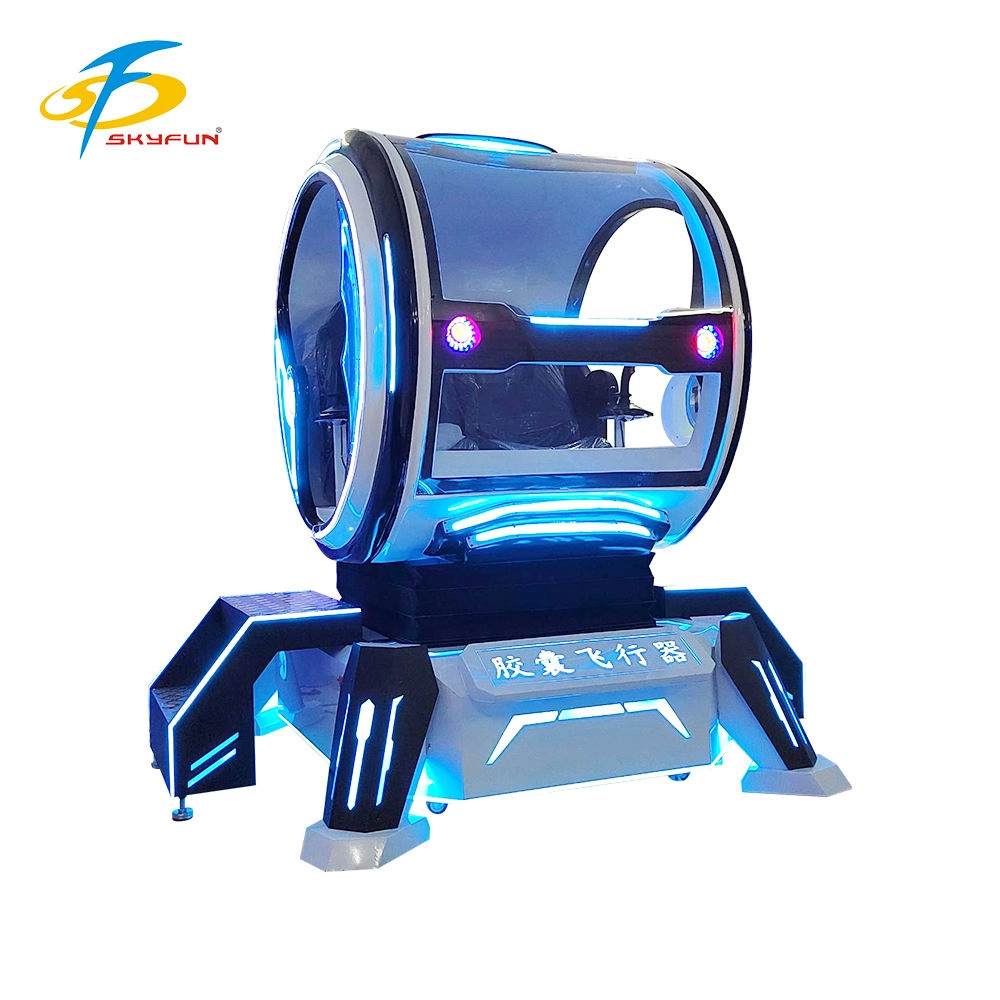
· 9D VR Cinema: A staple for family entertainment centers (FECs), these "egg chair" pods offer synchronized movement and wind effects. They are compact and have high throughput.
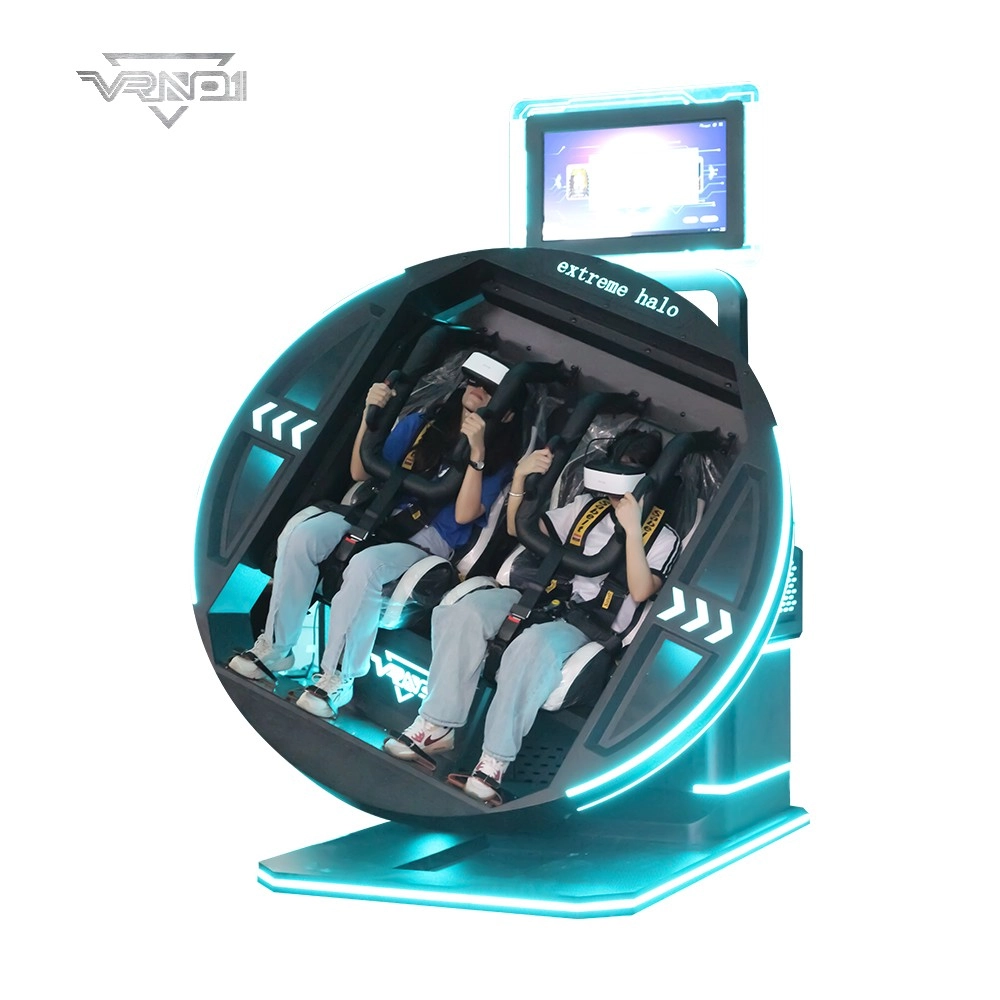
· 360 VR Simulator: For thrill-seekers, these machines can rotate a full 360 degrees, simulating roller coasters or space combat.
· VR Racing & Flight: High-fidelity cockpits with force-feedback steering wheels and pedals. These are essential for attracting repeat competitive players.
2. Interactive & Shooting Platforms
· AR Sniper & VR Shooting: These setups use realistic gun peripherals and haptic vests. They are excellent for group play and competitive leaderboards.
· Interactive Platform VR: Standing platforms that allow players to duck, dodge, and shoot, often used for zombie survival or rhythm games.
3. Large-Scale Experiences
· Free-Roam VR Arenas: Large open spaces where multiple players walk freely. This is the premium tier of LBE, commanding the highest ticket prices.
Essential Features of a High-Performance VR Arcade Machine
Durability and after-sales support are the two most critical features of any commercial VR machine investment. A broken machine generates zero revenue and damages your brand reputation.
What to Look For
1. Commercial-Grade Build: Look for heavy-duty steel chassis and industrial-grade motors. VRNO.1, a manufacturer with over 10 years of experience, emphasizes robust construction to withstand thousands of daily cycles.
2. Plug-and-Play Operation: Software should be intuitive for staff. One-button start systems reduce training time and labor costs.
3. Hygienic Design: Headsets must be easy to sanitize between sessions. Replaceable face masks and UV cleaning stations are standard requirements post-2020.
4. Content Library: A machine is only as good as its games. Ensure your supplier provides regular content updates to keep the VR game machine investment fresh.
How to Start a VR Arcade Business: A Step-by-Step Guide
Starting a VR business requires a clear roadmap focusing on location, hardware selection, and financial planning.
Step 1: Market Research & Location
Identify high-foot-traffic areas like malls or existing Family Entertainment Centers (FECs). Analyze local competitors to find gaps—if they only have simple VR booths, differentiate with a VR Racing zone or a 9D VR Cinema.
Step 2: Financial Planning
VR arcade setup guide costs vary widely, from $50,000 for a small mall kiosk to over $500,000 for a full-scale arena.
· Hardware Costs: Account for roughly 40-50% of your budget.
· Software Licensing: Budget for commercial licensing fees, often a monthly subscription or per-minute charge.
Step 3: Equipment Selection
Work with experienced manufacturers like VRNO.1 who offer one-stop VR venue solutions. Their diverse product line allows you to bundle Kiddie Rides, Racing Game Machines, and simulators from a single source, simplifying maintenance and shipping.
Step 4: Staff Training & Operations
Your staff are "Experience Hosts." They need to know how to troubleshoot technical glitches quickly and how to guide first-time users into the VR headset safely. Suppliers that offer free training for equipment and operation are invaluable here.
Optimizing Operations: Staffing, Maintenance & Customer Satisfaction
Operational efficiency is the hidden driver of profit margins; minimizing downtime ensures every open hour is billable.
· Proactive Maintenance: Schedule daily checks of headset cables, controllers, and motion platforms. VRNO.1 provides strict quality control and 24/7 customer support to help operators resolve issues instantly.
· Hygiene Protocols: Visible cleaning practices build trust. Use disposable masks and wipe down equipment in front of customers.
· Customer Flow: Design your layout to prevent bottlenecks. Place high-throughput machines (like 9D VR Cinema) near the entrance to draw crowds.
The Future of VR Arcade Machines: Trends for 2026 and Beyond
The future of VR arcades in 2026 will be defined by hyper-realism, social gaming, and lighter, more powerful hardware.
Emerging Trends
· Mixed Reality (MR): Blending physical props with virtual overlays (e.g., physical walls you can touch in a VR maze) will become more common.
· Kid-Centric VR: Manufacturers are developing ergonomic kiosks specifically for children (like the "Panda Trooper" style), addressing a gap where standard headsets are too heavy for younger users.
· Subscription Models: Arcades will increasingly move toward membership passes, ensuring recurring revenue and higher lifetime customer value.
· E-Sports Integration: Competitive VR tournaments for games like VR Racing will drive community engagement and repeat visits.
Choosing Your VR Arcade Machine Partner: Reliability & Support
Your relationship with your hardware supplier is a long-term partnership, not a one-time transaction.
Why Partner with VRNO.1?
When selecting a supplier, look for experience and comprehensive service. VRNO.1 (Skyfun Game) stands out as a leading example of E-E-A-T in the industry:
· Proven Track Record: With over 10 years of experience and exports to 100+ countries, they understand global market needs.
· Diverse Ecosystem: They manufacture everything from Interactive Platform VR to 7D Cinema, allowing for a cohesive venue aesthetic.
· Support & Customization: They offer OEM/ODM services and custom venue planning to fit specific budgets. Crucially, their 24/7 customer support ensures that time-zone differences don't lead to prolonged downtime.
FAQs
How much does it cost to start a VR arcade?
Startup costs typically range from $50,000 to $500,000. A small setup with 3-4 machines might cost around $50k, while a premium venue with free-roam arenas and high-end simulators will require significantly more capital.
What is the ROI for a VR arcade?
Many operators see a return on investment in 9 to 12 months. High-performing zones can generate $800+ per square foot annually. Success depends heavily on location, machine mix, and marketing.
What are the best VR machines for beginners?
9D VR Cinemas and VR Racing simulators are excellent starting points. They have high throughput, are easy to operate, and appeal to a broad demographic, ensuring steady revenue.
How do I maintain VR equipment?
Regularly inspect cables, clean lenses with microfiber cloths, and sanitize face cushions. Partnering with a supplier like VRNO.1 who offers after-sales support and free training is essential for long-term reliability.
References
Location Based Virtual Reality Market Size & Forecast
Global Location-Based Entertainment (LBE) Market to 2032
Global Location-Based Entertainment Market Size Report



Application
Will the game content be updated regularly?
Yes, VRNO.1 regularly updates and adds new VR game content, including adventure, sports, virtual tourism and other types. Family entertainment centers can choose to add new game packages to keep customers fresh and interested.
Does the device support wireless use?
Some VRNO.1 VR devices support wireless connection, which makes it easier to move freely in different spaces without worrying about cable restrictions, enhancing the immersion and freedom of the game.
Distributors
How does VRNO.1 support dealers' marketing efforts?
We provide a range of marketing materials, including product brochures, online advertising templates and promotional support. In addition, our team will help you develop a marketing strategy that suits the local market.
Solution
How to install and debug VRNO.1's VR equipment?
We provide professional installation and debugging services. After the equipment arrives at your venue, our technical team will send personnel to the site to install the equipment and ensure that all equipment and software functions can operate normally. After the installation is completed, we will also train your operators.
Home
Are your VR systems suitable for commercial use?
Yes, our VR arcade solutions are designed for commercial use, ideal for arcades, gaming centers, shopping malls, and entertainment venues. We offer both standalone machines and multi-player setups.
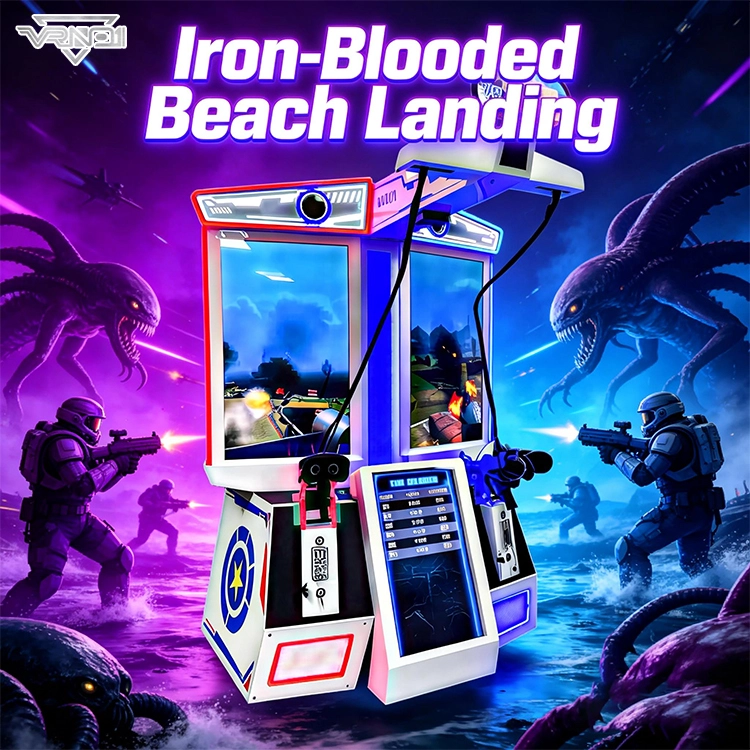
Heavy-Duty Offensive Warfare | Independent Dual-Core Architecture | Zero-Maintenance Suspension System
In the competitive landscape of Location-Based Entertainment (LBE), generic shooters no longer cut it. Enter the VR NO.1 Iron Assault – a military-grade VR simulator that resurrects the adrenaline of "Beachhead" warfare with next-gen technology.
Engineered by VR NO.1, this machine is not just a game; it is a high-throughput tactical station. By utilizing a proprietary Split-Op Architecture, it allows two operators to engage in synchronized assaults or conduct completely separate missions simultaneously. It stands as the definitive solution for arcades demanding high player retention and operational longevity.
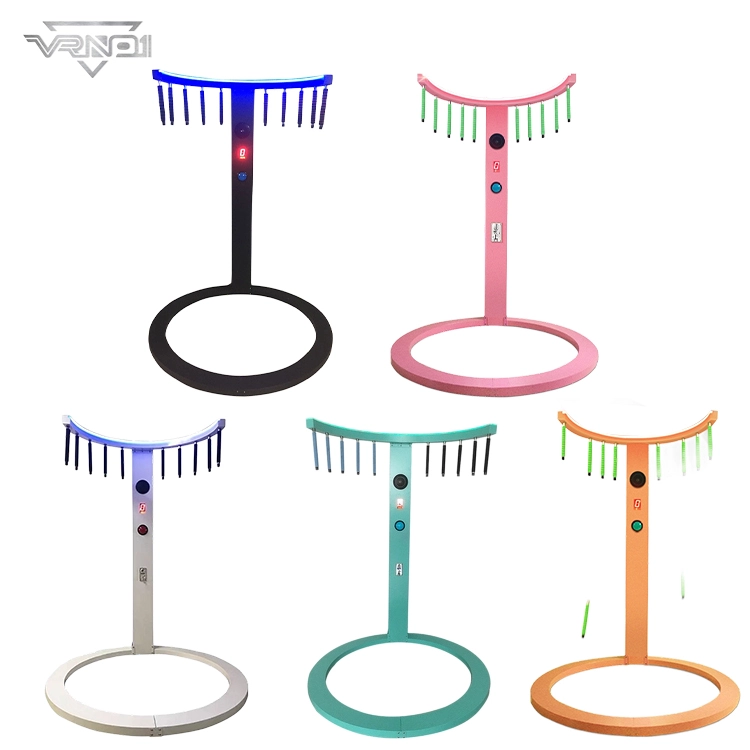
- Realistic Sound: Enhances gaming experience with authentic sounds.
- Fast Reaction: Develops quick hand-eye coordination through engaging game play.
- DIY Kit: Allows for customization and personalization of the baton.
- Metal and Plastic Construction: Durable and robust build quality.
- Coin Operated: Fun for players who enjoy arcade-like experiences.
Want to know more updates?
If you have any technical questions or after-sales needs, please feel free to contact our service team.
We will wholeheartedly provide you with quick response and professional support to ensure the smooth operation of your VR & Arcade project.
 Scan QR Code
Whatsapp: +8618127818571
Scan QR Code
Guangzhou Skyfun Technology Co.,Ltd
skyfunvrgame
skyfun game