


7 Fatal Hardware Mistakes to Avoid When Investing in VR Arcade Machines for 2026
A comprehensive guide for investors on avoiding common pitfalls when purchasing commercial VR simulator hardware for 2026. Covers durability, throughput, mixed reality trends, and ROI optimization.
- What are VR arcade machines?
- Quick Summary: The 2026 Investor's Checklist
- Mistake 1: Prioritizing Gimmicks Over Hardware Durability
- Mistake 2: Ignoring Throughput and Footprint Efficiency
- Mistake 3: Selecting Low Refresh Rate Systems (The Sickness Trap)
- Mistake 4: Overlooking the 'Unattended Play' Trend
- Mistake 5: Neglecting Future-Proof Hybrid MR (Mixed Reality) Support
- Mistake 6: Inadequate Power Supply and Cooling Planning
- Mistake 7: Choosing 'Ghost' Manufacturers with No After-Sales Support
- Conclusion
- FAQs
- References
The Location-Based Entertainment (LBE) market is projected to reach $20.48 billion by 2025, driven by a growing consumer appetite for immersive experiences that cannot be replicated at home. From virtual reality arcades to immersive 9D motion cinemas, the LBE industry has evolved far beyond traditional arcades or theme parks. Consumers today seek experiences that combine technology, social interaction, and physical engagement, making the choice of hardware a critical determinant of operational success. However, for every success story in the VR arcade industry, there are operators who failed due to poor hardware decisions. Investing in commercial VR simulator hardware requires more than just picking the flashiest machine; it demands a strategic focus on durability, throughput, and future-proofing. A single poor investment can result in costly downtime, reduced revenue, and permanent reputational damage.
Here are the 7 fatal mistakes you must avoid to ensure your VR arcade remains profitable in 2026 and beyond. Understanding these pitfalls will help investors, arcade operators, and entertainment venue managers make informed hardware decisions.
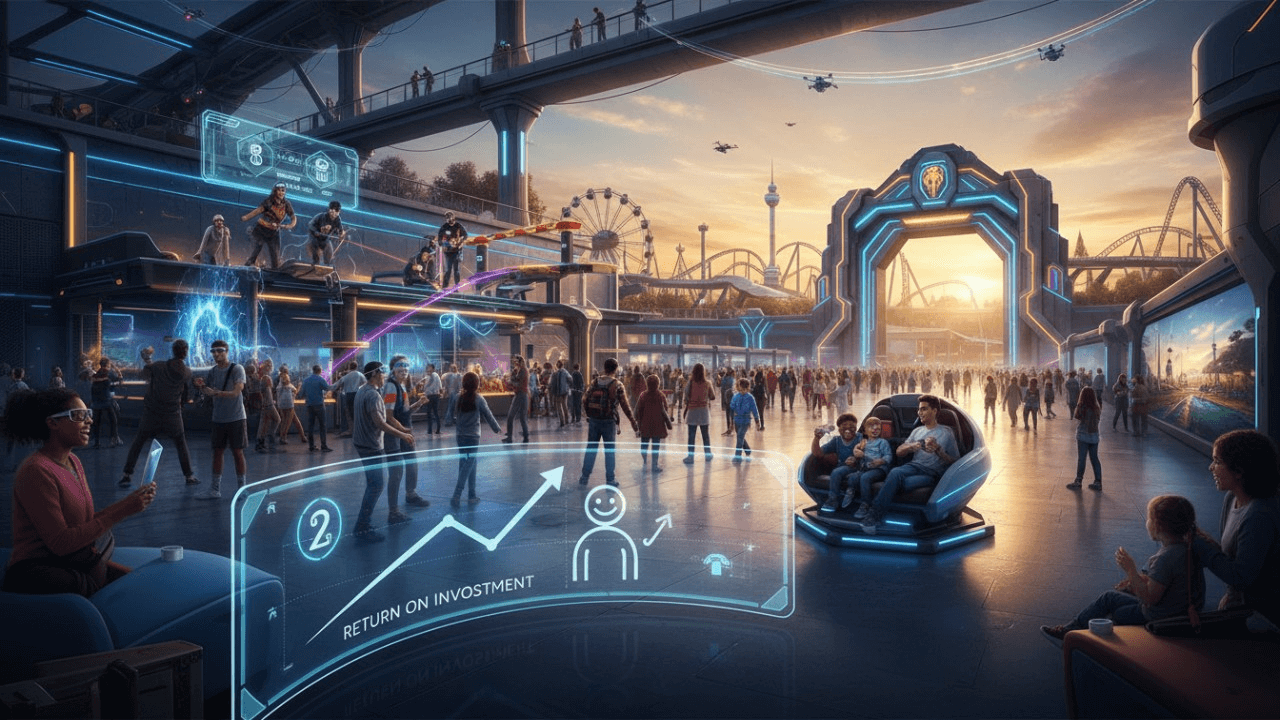
What are VR arcade machines?
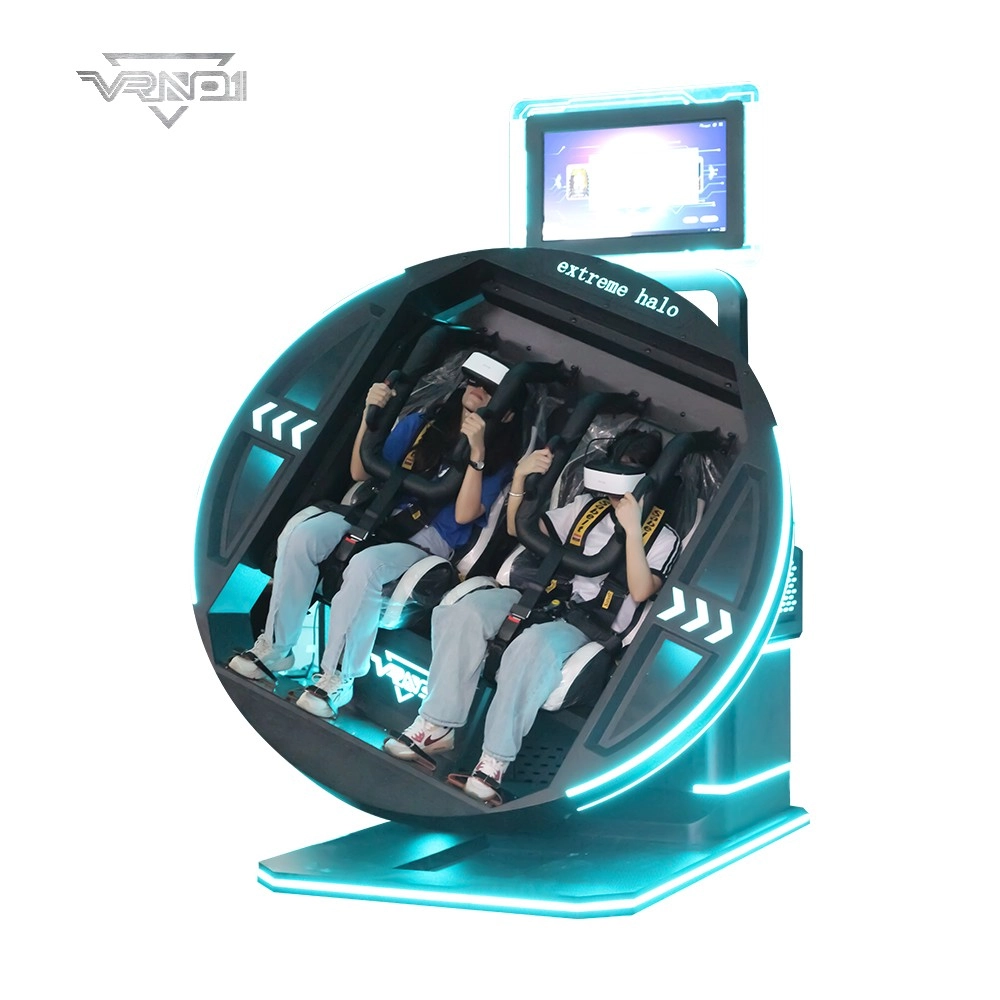
VR arcade machines are professional-grade, commercial-ready immersive entertainment systems designed specifically for high-traffic public environments. Unlike consumer headsets, which are intended for occasional home use, these machines integrate heavy-duty motion platforms, industrial haptic feedback, and specialized software management systems to provide compelling experiences such as 9D VR motion platforms, 360-degree racing, and multiplayer shooting arenas.
Key components that differentiate commercial VR setups from home systems include:
-
HMD (Head-Mounted Display): High-resolution headsets often reinforced for hygiene and durability. Commercial VR headsets are designed for rapid player turnover, featuring replaceable face masks, antimicrobial coatings, and enhanced structural stability to withstand hundreds of uses per week.
-
Motion Actuators: Hydraulic or electric cylinders providing 3DOF (Degrees of Freedom) or 6DOF movement, enabling full motion simulation for flight, driving, or roller coaster experiences. High-quality actuators maintain performance consistency over extended periods, which is critical for user satisfaction.
-
Commercial Cabinet: A robust physical structure housing high-performance PCs, cooling systems, and safety features. Unlike consumer setups, commercial cabinets prioritize uptime and operational efficiency over aesthetics alone.
Quick Summary: The 2026 Investor's Checklist
To maximize location-based entertainment ROI, investors must prioritize hardware throughput and automated operation features. In 2026, success hinges on reducing labor costs while increasing the number of players per hour. Key considerations include:
-
Prioritize 6DOF over 3DOF to minimize motion sickness and provide full immersion.
-
Ensure hardware is 'Unattended Play' compatible to significantly reduce labor overhead.
-
Focus on throughput (revenue per square meter) rather than simply visual appeal.
-
Vet manufacturers for verified 24/7 technical support and spare part availability.
High-performing arcades are not about having the flashiest chairs; they are about efficient, reliable, and scalable hardware that maximizes revenue in a given footprint.
Mistake 1: Prioritizing Gimmicks Over Hardware Durability
Commercial VR equipment must be built with industrial-grade components capable of withstanding 10+ hours of continuous daily operation. Consumer-grade plastic gears and motors often fail within three months of commercial use, leading to costly downtime and dissatisfied customers.
At VRN0.1, countless operators have suffered from "shiny object syndrome," purchasing machines that looked futuristic but were mechanically unreliable. A home VR setup is typically designed for 1–2 hours per day, whereas a commercial VR arcade machine may be used hundreds of times per week.
Critical Wear-and-Tear Points to Evaluate:
-
Haptic Motors: Must be industrial-rated for continuous vibration and movement. Motors that overheat or degrade quickly can halt operations and require expensive replacements.
-
Cable Management: Reinforced, retractable cable systems prevent tripping hazards, accidental disconnections, and premature cable failure.
-
Hygiene Solutions: Magnetic, easy-to-replace face masks ensure fast turnaround between players and maintain health compliance, especially in high-traffic venues.
Investing in durable hardware upfront reduces maintenance costs, avoids revenue loss, and improves customer retention through consistent experiences.
Mistake 2: Ignoring Throughput and Footprint Efficiency
High-throughput VR systems are the single most important factor for profitability, calculated by dividing revenue capability by floor space occupied. Large, bulky machines that only support one player at a time will drastically reduce ROI by monopolizing valuable square footage.
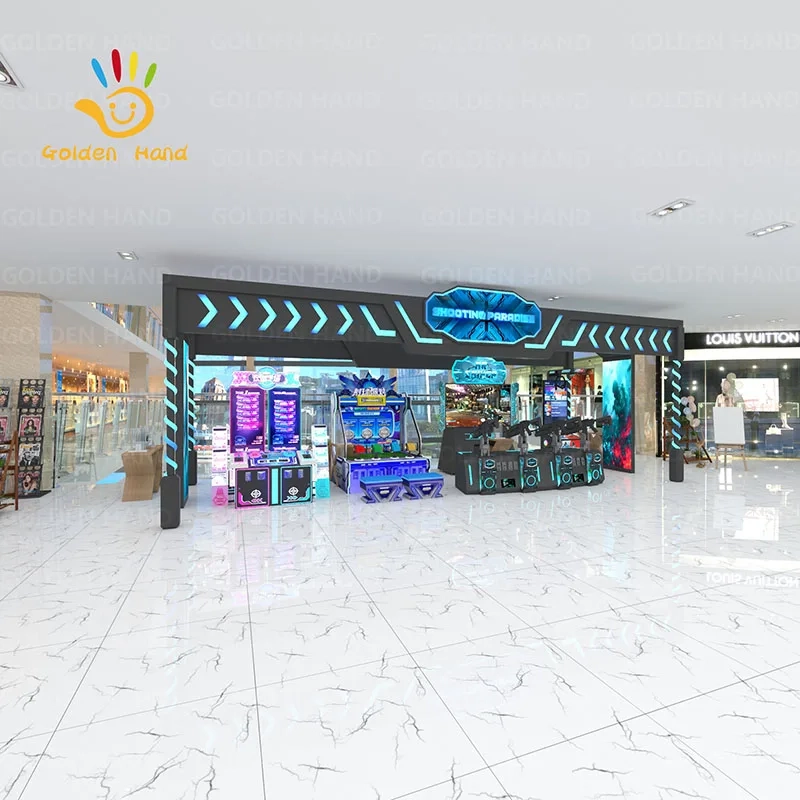
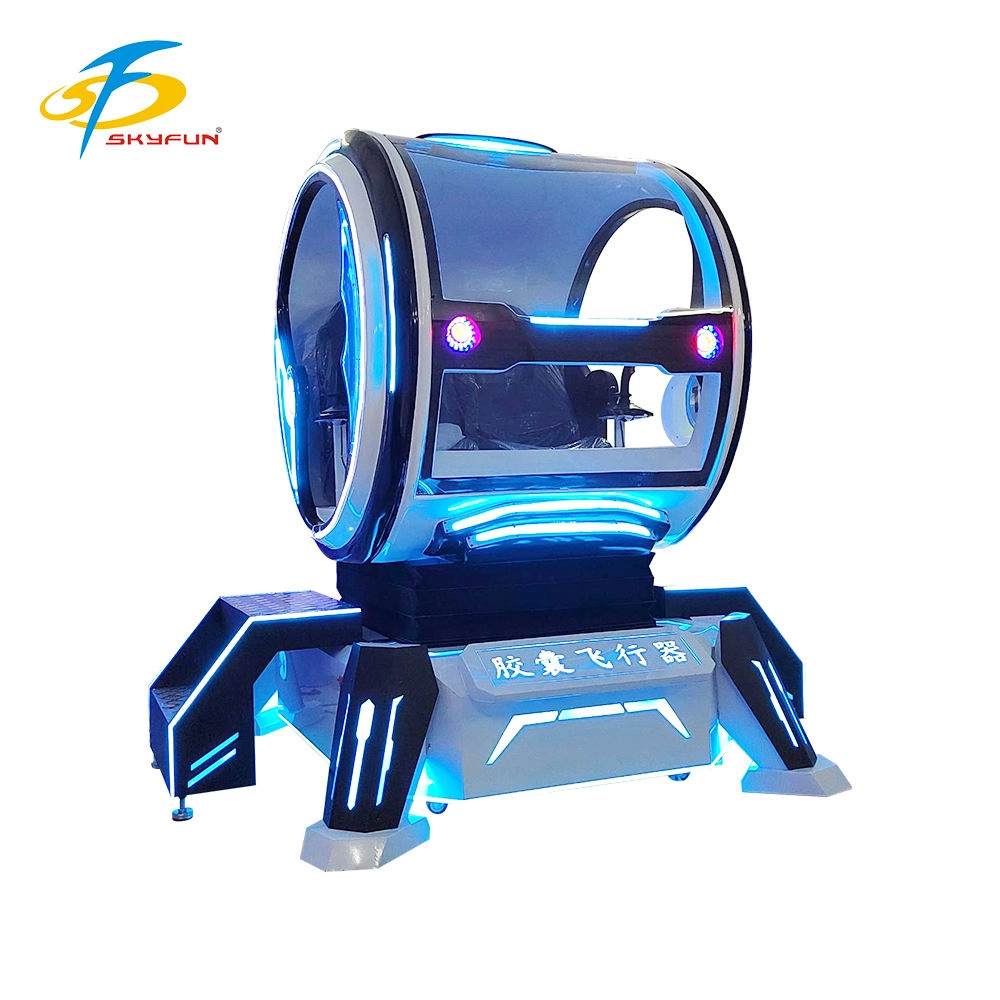
Recent industry data shows that VR simulators and racing games can generate between $100 to $300 in daily revenue per machine. However, this revenue is meaningless if the machine occupies 20 square meters and only serves two players. By contrast, a compact 360-degree rotation chair, such as those from VRN0.1, maximizes revenue per square meter by offering intense experiences in a small footprint.
The "Revenue per Square Meter" Trap:
-
Bad Investment: A massive 50 sq. meter arena that accommodates only 2 players.
-
Good Investment: Four compact 9D VR cinema pods fitting in the same space, serving 8–12 players simultaneously.
Efficient use of space allows operators to host more players simultaneously, optimize energy usage, and reduce labor requirements per customer.
Mistake 3: Selecting Low Refresh Rate Systems (The Sickness Trap)
For 2026 standards, any VR motion simulator running below 90Hz with high latency is a liability. Motion sickness leads to negative reviews, poor repeat visitation, and increased customer churn. Modern players expect high-fidelity graphics and seamless motion, making synchronization between visual and vestibular cues critical.
Motion sickness occurs when the eyes perceive motion that does not match the inner ear's sense of balance. In high-end 9D motion platforms, precise motion synchronization is non-negotiable.
Technical Requirements for 2026:
-
Refresh Rate: Minimum 90Hz; 120Hz preferred for fast-paced racing or action simulators.
-
Latency: Motion-to-photon latency must remain below 20ms to prevent sensory mismatch.
-
Algorithm: Advanced motion response algorithms ensure that platform movement coincides with expected player perception.
Investing in low-latency, high-refresh-rate hardware not only improves player comfort but also ensures positive word-of-mouth marketing and repeat business.
Mistake 4: Overlooking the 'Unattended Play' Trend
Rising labor costs make self-service VR machines a necessity for profitable arcades. Relying on staff for every single player increases overhead and limits scalability. Data indicates that labor accounts for over 30% of operational costs in many arcades.
Switching to coin-operated or card-swipe enabled VR cabinets allows a single technician to manage 5–10 machines, significantly improving operational efficiency.
Benefits of Unattended VR Hardware:
-
Reduced Overhead: Lower staff costs increase net profit margins.
-
Faster Turnaround: Automated tutorials and simplified UIs allow players to start games independently.
-
Passive Income: Machines can operate in malls or cinema lobbies without full-time staffing.
Unattended operation is a crucial factor for ROI maximization in modern arcades.
Mistake 5: Neglecting Future-Proof Hybrid MR (Mixed Reality) Support
The next generation of arcade gaming is shifting from pure VR to Mixed Reality (MR), which overlays digital content on real-world environments. Machines without MR capability risk becoming obsolete within 24 months.
Industry forecasts predict MR demand will grow by 18% per year through 2026, and operators investing today must consider processing power, sensor arrays, and passthrough camera compatibility.
Why MR Matters for Arcades:
-
Safety: Players can see physical boundaries, reducing accidents.
-
Social Interaction: Spectators can view the player's face, enhancing engagement.
-
Versatility: Same hardware can host fully immersive VR flights or MR zombie defense games.
Future-proofing hardware with MR capability ensures long-term relevance and revenue potential.
Mistake 6: Inadequate Power Supply and Cooling Planning
High-performance VR systems consume significant power and produce heat, requiring dedicated electrical circuits and industrial cooling. Plugging multiple 220V motion platforms into standard outlets can trip breakers, cause downtime, or even damage expensive electronics.
Infrastructure Requirements:
-
Voltage: Ensure venue supports proper actuator power (110V or 220V).
-
Cooling: Cabinets require dedicated cooling to protect CPUs and GPUs during marathon sessions.
-
Redundancy: UPS systems prevent loss during surges and power interruptions.
Proper infrastructure planning avoids preventable operational disruptions and prolongs machine lifespan.
Mistake 7: Choosing 'Ghost' Manufacturers with No After-Sales Support
A 'Ghost' manufacturer sells unbranded machines with locked proprietary software and disappears when technical issues arise. Cheap hardware without support is the most expensive mistake an operator can make.
At VRN0.1, we have observed that hardware reliability is only as good as the support system behind it. Our 10 years of experience exporting to over 100 countries demonstrates the importance of verified after-sales services.
The VRN0.1 Advantage:
-
24/7 Support: Remote troubleshooting by experienced technicians.
-
Spare Parts Availability: Guaranteed components reduce downtime.
-
Software Updates: Regular content updates improve retention and attract repeat customers.
Partnering with reputable manufacturers safeguards investments, ensures uptime, and keeps your arcade competitive.
Conclusion
Operating a profitable VR arcade in 2026 and beyond requires a strategic approach to hardware selection, operational efficiency, and future-proofing. Avoiding the seven fatal mistakes—prioritizing gimmicks over durability, ignoring throughput, selecting low refresh rate systems, overlooking unattended play, neglecting MR support, inadequate power/cooling planning, and choosing unsupported manufacturers—will protect your investment and maximize long-term ROI.
Commercial VR hardware is not just about cutting-edge visuals—it’s about scalability, reliability, and customer experience. Operators who focus on these factors will thrive in the rapidly growing LBE market projected to exceed $20 billion by 2025, while those who neglect them risk costly failures.
Investors and operators should remember: the best VR arcade machines combine immersive experiences, operational efficiency, and strong manufacturer support, ensuring your venue remains a favorite destination for years to come.
FAQs
How much does a commercial VR arcade machine cost in 2026?
Entry-level cabinets typically range from $3,000 to $5,000. Advanced commercial VR simulator hardware, such as 360-degree motion chairs, usually costs between $8,000 and $15,000. Large-scale 5-9 seat cinemas can exceed $30,000 depending on customization and seat count.
Are VR arcades still a profitable business?
Yes, specifically those focusing on high-end experiences. Data shows that venues optimizing location-based entertainment ROI through multiplayer and motion simulations can achieve net profit margins of 15% to 25%. Success depends on high throughput and keeping maintenance costs low.
What is the lifespan of a commercial VR machine?
With proper maintenance, the structural platform of a high-quality machine lasts 5-7 years. However, the internal PC and HMD (Headset) typically require upgrading every 2-3 years to ensure the graphics remain competitive with home consoles.
What is the difference between 3DOF and 6DOF in VR machines?
3DOF (Three Degrees of Freedom) tracks orientation, allowing you to look around. 6DOF tracks both orientation and position, allowing you to move through space. 6DOF is essential for 2026 to prevent motion sickness and provide the true immersion expected by modern gamers.
How much space do I need to start a VR arcade?
A boutique setup can start with as little as 30-50 square meters. Full-scale VR theme parks usually require 150+ square meters to allow for movement zones, spectator areas, and a diverse range of high-throughput VR systems.
Which VR machines have the best player retention?
Multiplayer shooting arenas and competitive racing simulators drive the highest repeat visits because they encourage social play and competition. Rhythm-based games and passive 9D cinematic experiences are excellent for attracting first-time casual visitors.
Do I need a special license to operate VR arcade games?
Yes, commercial operation requires 'LBE' (Location-Based Entertainment) licenses for the software to avoid copyright infringement. The hardware itself should be CE and RoHS certified to ensure safety and compliance with local insurance regulations.
Can VR arcade machines be operated without staff?
Yes, 'Unattended' or 'Coin-Op' VR machines are designed specifically for malls and cinemas. These feature automated head-mount cleaning prompts, durable designs, and simplified user interfaces to allow players to operate them independently.
References
VR Arcade Market Forecast (2033)
Location Based VR Market Analysis
Location Based Entertainment Market Growth & Forecast
Global Location Based VR Market – Mordor Intelligence
Global Location based VR Entertainment Market Size and Trends



Solution
What is the service life of VR equipment?
VRNO.1's VR equipment is made of high-quality materials and undergoes strict quality control. The service life of the equipment is usually more than 5 years, depending on the frequency of use and maintenance of the equipment. Regular care and maintenance can extend the service life of the equipment.
What hardware requirements does VRNO.1's VR device require?
VRNO.1's VR device is designed with different venue requirements in mind. The required hardware includes high-performance computers, VR helmets, motion trackers, motion seats, etc. We will provide a complete list of hardware and equipment according to your needs and ensure that all hardware is perfectly compatible.
What is the warranty period for VRNO.1 VR devices?
We provide a 1-year warranty for all VRNO.1 VR devices. If any device failure occurs during the warranty period, you can get free repair or replacement services. Outside the warranty period, we also provide paid technical support and repair services.
Application
What technical support does VRNO.1 provide?
We provide 24/7 technical support services, including remote technical consultation, equipment troubleshooting, software upgrades, and faulty equipment replacement. Ensure that your equipment can continue to operate efficiently and improve customer experience.
Home
What types of virtual reality solutions do you offer?
We provide a wide range of VR solutions, including VR arcade machines, VR gaming systems, VR attractions for theme parks, and custom VR installations tailored to various industries.
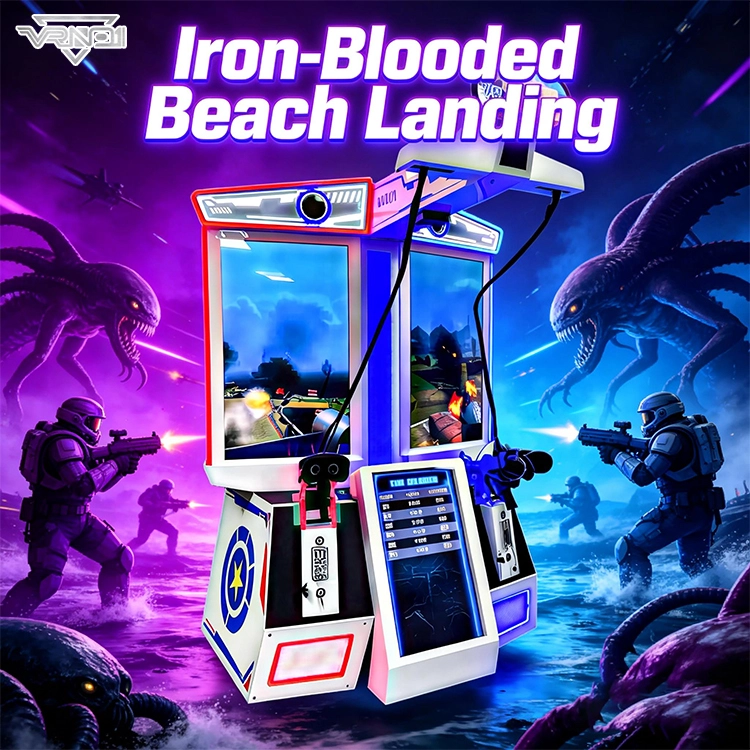
Heavy-Duty Offensive Warfare | Independent Dual-Core Architecture | Zero-Maintenance Suspension System
In the competitive landscape of Location-Based Entertainment (LBE), generic shooters no longer cut it. Enter the VR NO.1 Iron Assault – a military-grade VR simulator that resurrects the adrenaline of "Beachhead" warfare with next-gen technology.
Engineered by VR NO.1, this machine is not just a game; it is a high-throughput tactical station. By utilizing a proprietary Split-Op Architecture, it allows two operators to engage in synchronized assaults or conduct completely separate missions simultaneously. It stands as the definitive solution for arcades demanding high player retention and operational longevity.
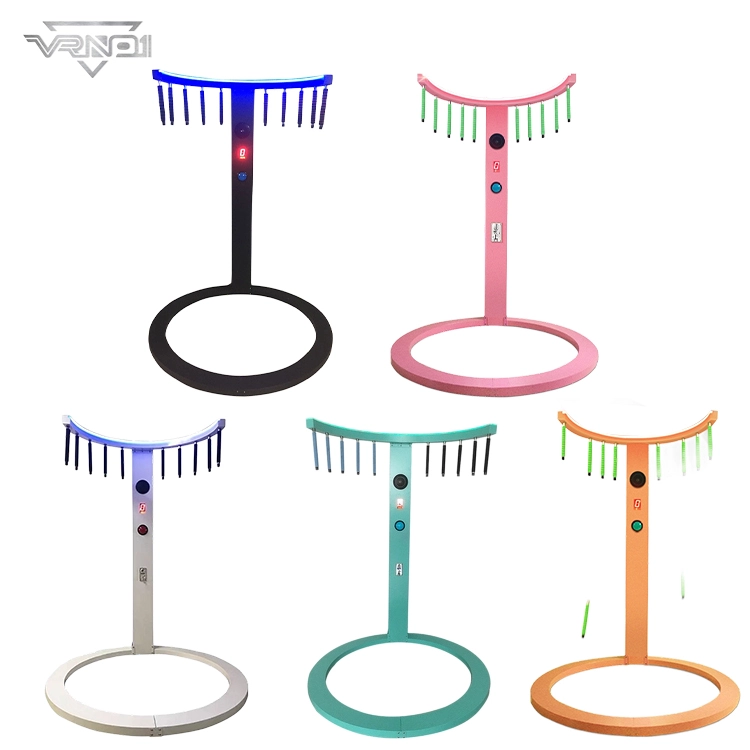
- Realistic Sound: Enhances gaming experience with authentic sounds.
- Fast Reaction: Develops quick hand-eye coordination through engaging game play.
- DIY Kit: Allows for customization and personalization of the baton.
- Metal and Plastic Construction: Durable and robust build quality.
- Coin Operated: Fun for players who enjoy arcade-like experiences.
Want to know more updates?
If you have any technical questions or after-sales needs, please feel free to contact our service team.
We will wholeheartedly provide you with quick response and professional support to ensure the smooth operation of your VR & Arcade project.
 Scan QR Code
Whatsapp: +8618127818571
Scan QR Code
Guangzhou Skyfun Technology Co.,Ltd
skyfunvrgame
skyfun game