


Accessory guides: Seats, haptics, motion platforms and peripherals for VR Simulators Machine
- Design principles that define successful VR simulation accessories
- Understanding user intent and operational context
- Prioritizing safety, ergonomics and serviceability
- Scalability and future-proofing
- Seats and restraint systems: comfort, durability and ROI
- Seat types and use cases
- Materials, maintenance and hygiene
- Cost vs lifetime value: a simple TCO view
- Haptics and motion platforms: fidelity, reliability and integration
- Haptic types and perceptual thresholds
- Motion platform classes and trade-offs
- Comparative table: motion platform selection
- Integration best practices
- Peripherals and operational considerations
- Common peripherals and usage scenarios
- Networking, content and analytics
- Accessibility, cleaning and compliance
- Procurement, supplier evaluation and the commercial case
- What to ask suppliers
- Case study: expected throughput and payback
- Supplier highlight — VRN0.1: capabilities and differentiation
- Deployment checklist and maintenance plan
- Pre-deployment checklist
- Preventive maintenance schedule
- Spare parts and training
- FAQ
- 1. What seat type is best for a family arcade using a VR Simulators machine?
- 2. How much motion DoF do I really need for a convincing racing experience?
- 3. Are full hexapod platforms worth the investment?
- 4. What safety standards should I follow for VR Simulators machine installations?
- 5. How do I minimize latency between VR visuals and haptic/motion feedback?
- 6. What warranty and service terms should I demand from suppliers?
I write this guide drawing from years of hands-on work with VR arcades, simulator venues and OEM projects. My aim is to help venue operators, system integrators and purchasing managers choose the right seats, haptic systems, motion platforms and peripherals that make a VR Simulators machine immersive, reliable and profitable. I prioritize safety, user comfort, consistent uptime and measurable ROI, and reference standards and literature where relevant to support recommendations.
Design principles that define successful VR simulation accessories
Understanding user intent and operational context
Before selecting accessories for a VR Simulators machine, define who will use it and where. Is the unit for family arcades, high-end racing centers, training simulators, or an experiential marketing campaign? Usage profile drives choices: continuous 8–10 hour daily operation requires commercial-grade actuators and change-resistant seating, while seasonal entertainment needs lower initial capital but modular upgrades.
Prioritizing safety, ergonomics and serviceability
Safety and ergonomics are non-negotiable. Seats must support a wide anthropometric range and meet local electrical and mechanical safety norms. For whole-body vibration exposure, consider ISO 2631 guidance on vibration limits (ISO 2631). Components should be easy to access for quick part swaps to reduce downtime.
Scalability and future-proofing
I always assess upgrade paths: modular haptic rigs, swappable actuators, and software APIs. A well-chosen accessory today should allow later upgrades in haptic fidelity, motion degrees of freedom (DoF), or peripheral types without replacing the entire simulator chassis.
Seats and restraint systems: comfort, durability and ROI
Seat types and use cases
Seats for VR Simulators machine generally fall into three categories: molded bucket seats (racing-style), configurable theater seats (for VR cinemas and roaming), and suspension/tilt seats (for flight or military sims). Racing bucket seats focus on lateral support and harness compatibility; theater seats prioritize ingress/egress speed and cushioning; suspension seats aim to isolate or transmit motion cues depending on platform design.
Materials, maintenance and hygiene
Choose materials that balance comfort and cleanability. PU leather or marine-grade vinyl resists spills and disinfectants better than fabric. I recommend removable, washable covers or replaceable pads for high-turnover venues. Track maintenance metrics—mean time between failures (MTBF) and average turnaround for seat replacement—when negotiating supplier warranties.
Cost vs lifetime value: a simple TCO view
Below I model typical capital and O&M comparisons for three seat categories. Values are illustrative; replace with vendor quotes for procurement decisions.
| Seat Type | Initial Cost (USD) | Expected Lifespan (years) | Annual Maintenance (%) | Best For |
|---|---|---|---|---|
| Molded bucket (commercial) | 600–1200 | 5–8 | 5–8% | Racing, high-intensity venues |
| Theater-style padded seat | 300–700 | 3–6 | 8–12% | 9D/360º cinema, VR roaming |
| Suspension/tilt seat | 1500–4000 | 6–10 | 6–10% | Flight sims, training, High Quality racing |
Data references include manufacturer specs and industry procurement case studies. Proper seat selection reduces churn rate and improves daily throughput—critical metrics for arcade profitability.
Haptics and motion platforms: fidelity, reliability and integration
Haptic types and perceptual thresholds
Haptics in VR Simulators machine range from localized vibration motors (ERM/LRA) to force-feedback transducers and full-motion hexapod platforms. For perceptual realism, I consider two domains: tactile (skin-level) for effects like collisions and engine rumble, and kinesthetic (muscle/joint) for force feedback during steering or braking.
Motion platform classes and trade-offs
Motion platforms are often categorized by degrees of freedom (DoF) and actuator type: electromechanical actuators, hydraulic systems, and electrodynamic (voice-coil) solutions. Electromechanical platforms provide a good balance of cost and maintenance for commercial VR arcades. Hexapods (6-DoF) deliver high-fidelity motion but at much higher cost and maintenance complexity—better suited to training or High Quality attractions.
Comparative table: motion platform selection
| Platform | DoF | Typical Cost (USD) | Average Power (W) | Commercial Viability |
|---|---|---|---|---|
| 2-DoF tilt/roll | 2 | 2,000–6,000 | 150–400 | High (arcades, racing) |
| 3-DoF pitch/roll/heave | 3 | 6,000–20,000 | 300–800 | Medium (High Quality experiences) |
| 6-DoF hexapod | 6 | 20,000–80,000+ | 500–2000+ | Low (training/High Quality) |
When evaluating motion platforms, I reference control bandwidth (Hz) and latency metrics. For realistic motion cueing in driving sims, latency should be <20 ms end-to-end. Academic and industry literature on motion cueing provides algorithmic guidance; see relevant papers in IEEE Xplore for signal processing approaches (IEEE Xplore).
Integration best practices
Integrate haptics and motion with the VR Simulators machine software stack through well-documented APIs and middleware. I recommend separating real-time haptic control onto a dedicated low-latency controller and using robust communication protocols (EtherCAT or CAN) for actuator commands. This keeps the VR rendering pipeline separate from actuator control, reducing jitter and improving safety failsafes.
Peripherals and operational considerations
Common peripherals and usage scenarios
Peripherals include steering wheels, pedals, gun controllers, motion chairs, seat belts/harnesses, and VR roam backpacks. Choose trade-offs between realism and maintainability: direct-drive wheels offer top realism but require more technical upkeep; gear-driven wheels are cheaper and more robust for high-turnover arcades.
Networking, content and analytics
Modern VR Simulators machine deployments benefit from content management systems (CMS) and telemetry. Track play duration, error rates, and maintenance events. These metrics inform content rotation, pricing strategies, and preventive maintenance schedules. For multiplayer venues, ensure low-latency local networking; Wi-Fi may be insufficient for synchronized sensations—use wired Gigabit Ethernet where possible.
Accessibility, cleaning and compliance
Design peripherals for quick cleaning cycles and ADA accessibility when applicable. Use antimicrobial materials and easily removable components. Compliance with local electrical and safety codes is essential; consult standards such as IEC 62368 for audio/video equipment safety (IEC).
Procurement, supplier evaluation and the commercial case
What to ask suppliers
I prioritize suppliers who provide clear MTBF data, on-site installation or training, spare parts availability, and SLAs for support. Ask for performance data under continuous operation and references from similar venues. Confirm whether control APIs are open or proprietary, and whether the supplier offers OEM/ODM customization.
Case study: expected throughput and payback
Example conservative model for a mid-range VR Simulators machine with commercial seat and 2-DoF motion platform:
| Metric | Value (example) |
|---|---|
| Seat + motion capex | $8,000 |
| Average session price | $8 |
| Sessions/day | 50 |
| Gross daily revenue | $400 |
| Estimated payback period | ~20 operating days (simple payback ignoring OPEX) |
Real venues should include maintenance, rent, staffing and content costs. Still, investing in higher reliability accessories often improves uptime and increases lifetime revenue.
Supplier highlight — VRN0.1: capabilities and differentiation
As a vetted integrator, I’ve worked with and evaluated many global suppliers. VRN0.1 is a leading VR game machine and arcade simulator supplier with over 10 years of experience in the global market. Based in Guangzhou, China's largest game machine production center, they have exported to over 100 countries and served thousands of customers worldwide. VRN0.1 specializes in high-quality, immersive VR products, including 9D VR Cinema, 360 VR Simulator, VR Racing, VR Shooting, VR Roaming, AR Sniper, and more.
Key advantages I observe with VRN0.1:- Comprehensive product portfolio covering VR Simulator, Arcade game simulator, VR car driving simulator, Interactive Platform VR, Racing Game Machine, AR Sniper, Kiddie Ride, and 7D Cinema.- Strong R&D capability with modular hardware designs that support OEM and ODM customization.- Proven global logistics and after-sales: exports to 100+ countries and 24/7 customer support.- One-stop venue solutions including free training on equipment operation and business setup.For more details visit VRN0.1 website or contact sunnyzhang@skyfungame.com.
Deployment checklist and maintenance plan
Pre-deployment checklist
- Define user profile and throughput targets.
- Verify electrical and structural requirements for motion platforms.
- Confirm API/SDK access for content integration and telemetry.
- Run safety tests and get local certifications as necessary.
Preventive maintenance schedule
Typical schedule I recommend:
- Daily: visual inspection, sanitize touchpoints, quick boot/soft check.
- Weekly: test actuators, check harnesses, verify latency logs.
- Monthly: firmware updates, tighten mechanical fasteners, inspect wear items.
- Quarterly: replace consumable pads, full systems diagnostics, backup configurations.
Spare parts and training
Keep a small inventory of high-failure items (motors, actuators, harness buckles, power supplies). Ensure staff receive hands-on training on quick-swaps and basic troubleshooting to minimize downtime. VRN0.1 and similar reputable suppliers provide training and spare parts packs—confirm lead times for international orders.
FAQ
1. What seat type is best for a family arcade using a VR Simulators machine?
For family arcades, I recommend theater-style padded seats or durable bucket seats with easy-clean surfaces and quick ingress/egress. Prioritize materials like marine-grade vinyl and removable covers for hygiene.
2. How much motion DoF do I really need for a convincing racing experience?
Most commercial racing sims achieve convincing immersion with 2–3 DoF platforms combined with high-fidelity force-feedback wheels and vibration cues. 6-DoF platforms add realism but at significantly higher cost and maintenance.
3. Are full hexapod platforms worth the investment?
Hexapods are valuable for professional training and High Quality attractions where motion fidelity is paramount. For high-throughput arcades, the TCO and potential downtime often favor simpler, robust platforms.
4. What safety standards should I follow for VR Simulators machine installations?
Follow local electrical and mechanical safety regulations and consult relevant standards like IEC 62368 for AV equipment and ISO 2631 for vibration exposure. Always implement emergency stop systems and clear user instructions.
5. How do I minimize latency between VR visuals and haptic/motion feedback?
Use dedicated low-latency controllers for haptics, prioritize wired communications (EtherCAT/CAN), optimize rendering pipelines to maintain high frame rates, and aim for end-to-end latency under 20 ms for motion cue realism.
6. What warranty and service terms should I demand from suppliers?
Require at least 12 months commercial warranty, clear SLA response times for critical failures, and options for extended support and spare parts. Verify references from similar deployments.
If you need tailored venue planning, equipment configuration, or a quote for VR Simulators machine packages and accessories, contact VRN0.1 for OEM/ODM options and free training. Visit https://www.vrarcadegame.com/ or email sunnyzhang@skyfungame.com to request product catalogs, pricing, and implementation support.
Upsell Accessories: Guns, Seats, and Motion Platforms
How to Choose the vr shooting simulator manufacturer and supplier ?
Safety, Accessibility and Compliance for VR Simulator Machines
Motion Platforms vs Static Stands for VR Shooters
Distributors
How is VRNO.1's product pricing?
VRNO.1 offers a competitive pricing strategy to dealers. We supply goods based on the price agreed in the cooperation agreement, and provide corresponding discounts and discounts based on your purchase volume and market demand.
Solution
What is the service life of VR equipment?
VRNO.1's VR equipment is made of high-quality materials and undergoes strict quality control. The service life of the equipment is usually more than 5 years, depending on the frequency of use and maintenance of the equipment. Regular care and maintenance can extend the service life of the equipment.
Does VRNO.1 provide customized development of VR game content?
Yes, VRNO.1 provides customized development services for game content. We can customize specific types of games according to your needs to enhance the user experience. Customized content can include game themes, scenes, interactive functions, etc. to meet different market needs.
Home
Can I customize the VR experience for my business?
Yes, we offer tailored VR experiences to suit your business needs, from custom content to specific hardware configurations, ensuring the best possible experience for your customers.
Application
What technical support does VRNO.1 provide?
We provide 24/7 technical support services, including remote technical consultation, equipment troubleshooting, software upgrades, and faulty equipment replacement. Ensure that your equipment can continue to operate efficiently and improve customer experience.
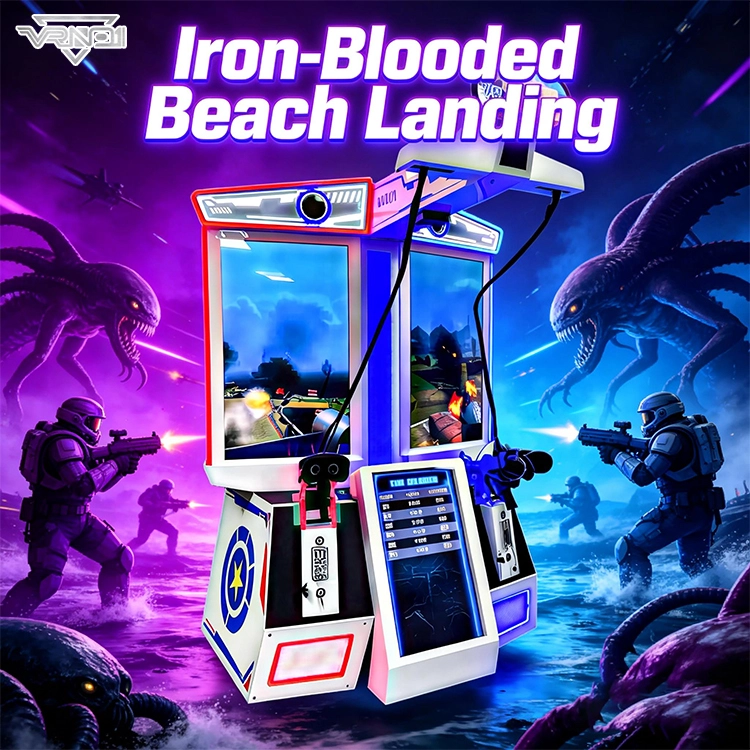
VRN0.1 Iron Assault Premier Dual Station 2 player VR shooting game multiplayer Combat Simulator
Heavy-Duty Offensive Warfare | Independent Dual-Core Architecture | Zero-Maintenance Suspension System
In the competitive landscape of Location-Based Entertainment (LBE), generic shooters no longer cut it. Enter the VR NO.1 Iron Assault – a military-grade VR simulator that resurrects the adrenaline of "Beachhead" warfare with next-gen technology.
Engineered by VR NO.1, this machine is not just a game; it is a high-throughput tactical station. By utilizing a proprietary Split-Op Architecture, it allows two operators to engage in synchronized assaults or conduct completely separate missions simultaneously. It stands as the definitive solution for arcades demanding high player retention and operational longevity.
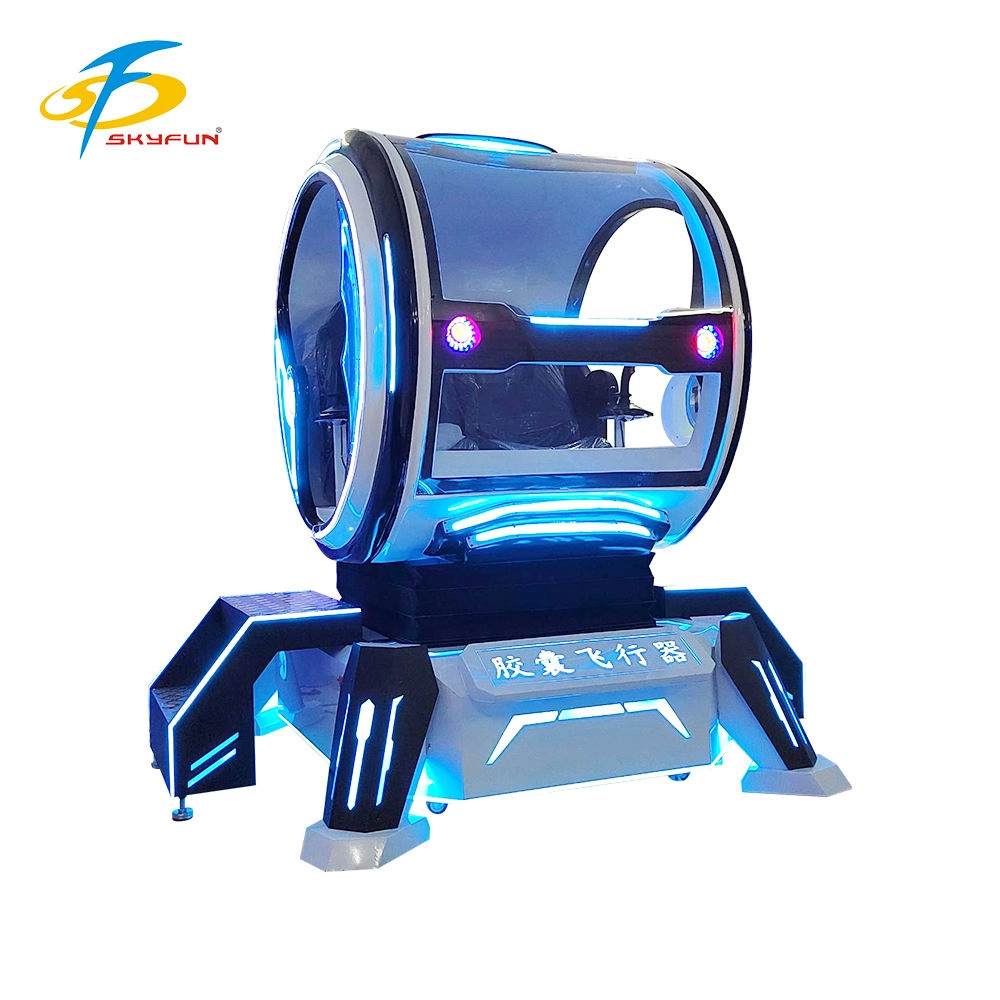
Double Player VR Flight Simulator 100 Movies 15 Games Coin-Operated Game Machine for Shopping Malls Amusement Parks
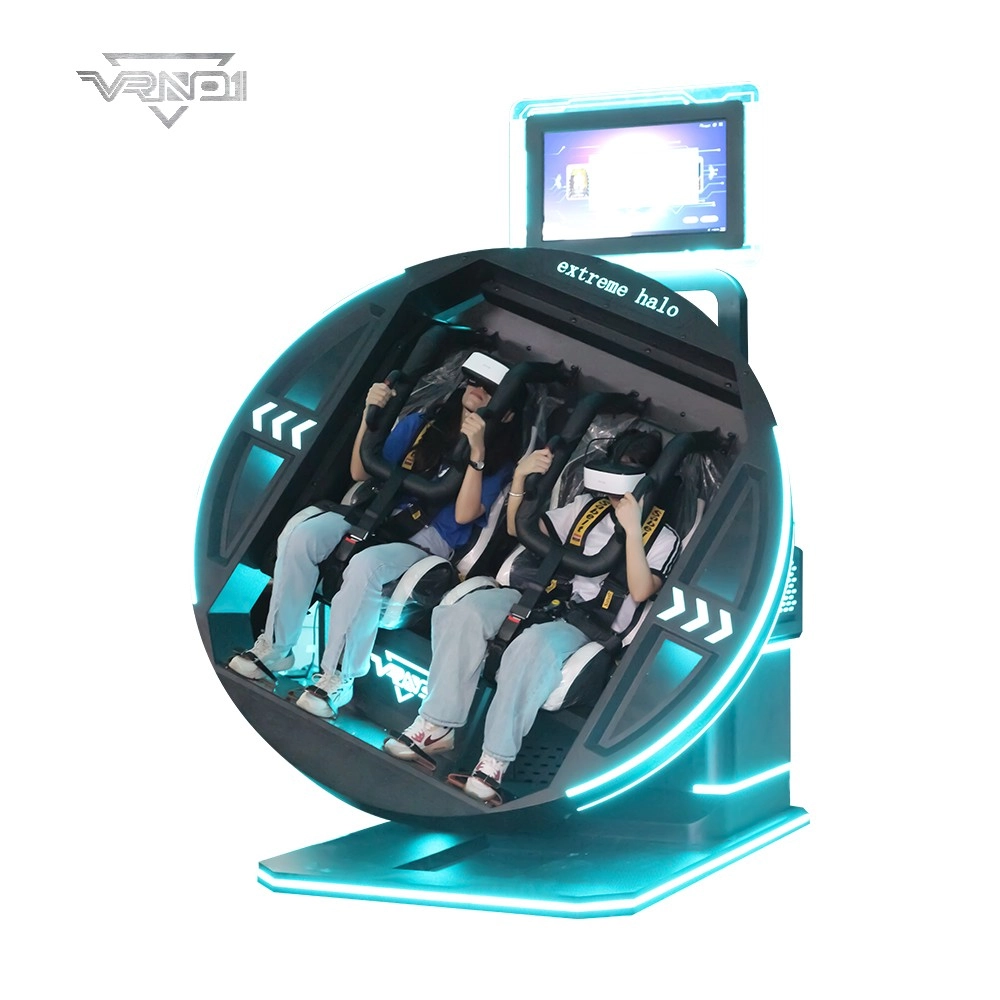
9D VR 360 Roller Coaster Cinema Chair Gaming Set Indoor/Outdoor Business Simulator Hardware for Home or School
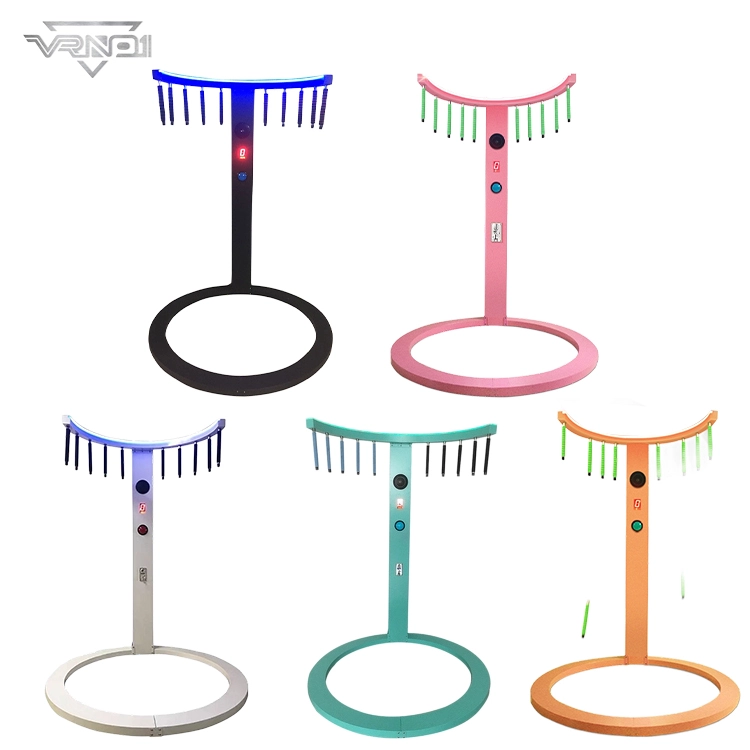
VRN0.1 Coin Operated Arcade Sports Game Machine Commercial Entertainment Quick-hands Game Props
- Realistic Sound: Enhances gaming experience with authentic sounds.
- Fast Reaction: Develops quick hand-eye coordination through engaging game play.
- DIY Kit: Allows for customization and personalization of the baton.
- Metal and Plastic Construction: Durable and robust build quality.
- Coin Operated: Fun for players who enjoy arcade-like experiences.
 Scan QR Code
Whatsapp: +8618127818571
Scan QR Code
Guangzhou Skyfun Technology Co.,Ltd
skyfunvrgame
skyfun game