


VR Redemption and Prize Games That Increase Spend
- Understanding Player Motivation in Prize-driven Experiences
- Why prizes change behavior
- Types of prizes and why they matter
- Behavioral economics & data-driven prize structuring
- Designing VR Redemption Games That Increase Spend
- Game loop and session design
- Reward schedules: fixed, variable, and hybrid
- Balancing skill and chance
- Hardware, Operations, and Floor Strategy for VR Arcade Games
- Machine selection and placement
- Throughput, queuing, and prize redemption processes
- Maintenance, fraud prevention, and compliance
- Measuring Success and ROI
- Key metrics to track
- A/B testing and pricing experiments
- Example comparison: prize models (illustrative)
- Implementing a Turnkey VR Redemption Venue: Product and Partner Considerations
- Why choose a specialized VR supplier
- About VRN0.1: capabilities and competitive advantage
- Operational checklist before launch
- Conclusions and Next Steps
- FAQ
- 1. How much can redemption features increase revenue for VR arcade games?
- 2. Are redemption games legal everywhere?
- 3. Should I use physical tickets or a digital credit system?
- 4. How do I prevent prize-counter theft or ticket fraud?
- 5. What is the ideal session length for VR redemption games?
- 6. How can I test prize configurations without hurting margins?
I write from a decade of building and advising VR arcades worldwide: VR redemption and prize games are among the most effective tactics for increasing spend when designed and operated correctly. This article summarizes how vr arcade games that incorporate redemption mechanics change player behavior, which metrics to track, and concrete operational and product choices you can implement today. (SEO: vr arcade games, VR redemption)
Understanding Player Motivation in Prize-driven Experiences
Why prizes change behavior
In my experience, the promise of a tangible prize amplifies motivation in two predictable ways: by increasing initial trial and by increasing session length and repeat purchases. From a behavioral science perspective, redemption mechanics tap into reward anticipation and variable reinforcement schedules—principles rooted in operant conditioning (Operant conditioning — Wikipedia) and well documented in consumer gamification studies. Players perceive greater expected value when a skillful play or even a luck-based win can yield a physical reward, which directly translates into higher average revenue per user (ARPU) in arcades that implement these systems.
Types of prizes and why they matter
Not all prizes produce the same lift. I categorize prizes into three tiers:
- Low-value tickets (exchangeable for small, fast-to-deliver prizes)
- Tiered prizes (collectable items, brand merchandise, electronics)
- Experiential or high-ticket rewards (VIP experiences, bundled sessions)
Small, frequent rewards keep throughput high and sustain attention; tiered and high-ticket prizes drive long-term engagement and repeat visits. A balanced mix—fast-turnover tickets to satisfy immediate gratification, plus an aspirational top-tier prize—often produces the best revenue mix.
Behavioral economics & data-driven prize structuring
I always recommend operators define clear payout curves and publish visible odds/thresholds. Transparency reduces post-play dissatisfaction and increases trust. Use simple metrics to tune your payouts: redemption rate (prizes claimed divided by tickets issued), average tickets per play, and prize cost per play. For baseline planning, operators I work with target a prize cost of 18–28% of revenue on redemption-driven machines—adjustable depending on location and footfall profile.
Designing VR Redemption Games That Increase Spend
Game loop and session design
Successful vr arcade games designed for redemption follow a tight, repeatable loop: short session (<3–5 minutes) that ends with a measurable outcome (score/tickets/prize chances) and an obvious upgrade pathway (buy more attempts, add power-ups, or enter a higher-stakes round). Short sessions increase player throughput; clear outcomes create shareable moments that drive word-of-mouth and repeat plays.
Reward schedules: fixed, variable, and hybrid
Reward schedules determine the psychological pull. Fixed rewards guarantee a small return every play (e.g., 5 tickets per finish), while variable rewards introduce intermittent high-value wins (e.g., jackpot ticket drops). In practice I design hybrid schedules where nearly every play yields a low-value reward and occasional plays trigger variable bonuses. This preserves steady income while leveraging the excitement of big wins to increase repeat purchases.
Balancing skill and chance
VR enables precise calibration of skill and chance. Pure-skill redemption games reward player ability and encourage competition; chance elements (random drops, wheel spins) create excitement and accessibility for casual players. I generally recommend a dominant-skill model (70–80% skill, 20–30% chance) for operators who want a reputation for fairness and for venues where competitive play and leaderboards matter. For family entertainment centers, tilt more toward chance components to broaden appeal.
Hardware, Operations, and Floor Strategy for VR Arcade Games
Machine selection and placement
Placement matters as much as game design. High-visibility zones (near food courts, entrances, or queuing lines) are better for lower-price, high-turn machines. More immersive experiences like VR racing or roaming should be placed where players can linger and where staff can manage onboarding. When selecting equipment, check ergonomics and accessibility standards (HMD comfort, seat safety). Ergonomics guidelines from established standards, and field-tested vendor builds, reduce downtime and complaints (see Virtual reality — Wikipedia for fundamentals of VR hardware).
Throughput, queuing, and prize redemption processes
Throughput optimization is often overlooked. A well-designed redemption VR arcade game must have an efficient ticketing or digital-credit system, clear signage for prize tiers, and a quick prize counter process. Consider digital redemption codes integrated with POS to remove friction. My clients often increase hourly throughput by 15–30% just by redesigning onboarding and prize exchange workflows.
Maintenance, fraud prevention, and compliance
Redemption systems attract attempts at fraud—improper ticket scavenging, prize counter manipulation, or hardware tampering. Use a combination of robust hardware (tamper-resistant dispensers), CCTV oversight, and digital logging of ticket issuance. For compliance and safety, consult local amusement and competition laws; international operators should reference guidance from organizations like the IAAPA for industry best practices.
Measuring Success and ROI
Key metrics to track
To evaluate a VR redemption deployment I always track:
- Average Revenue Per Play (ARPP): immediate indicator of spend
- Redemption Rate: percent of plays that convert into prize claims
- Repeat Purchase Rate: percent of customers who return within a set window
- Throughput (players/hour) and Dwell Time
- Prize Cost as % of Revenue
Combining these metrics creates a profit-per-hour model for each machine, which supports floor optimization and SKU-level decisions.
A/B testing and pricing experiments
I recommend running controlled A/B tests for pricing and reward schedules. For example, test 1-credit vs 2-credit entry for slightly longer sessions, or trial a limited-time bonus prize to measure uplift. Keep tests simple, run for at least one full weekend cycle, and use bootstrapped confidence intervals for small-sample venues.
Example comparison: prize models (illustrative)
The table below summarizes typical outcomes I’ve observed across multiple venues. These are industry-informed illustrative benchmarks—not guaranteed results; you should run local tests to calibrate.
| Model | Session Length | Typical ARPP uplift vs non-redemption | Prize Cost (% of Revenue) | Best for |
|---|---|---|---|---|
| Ticket dispenser + small prizes | 2–4 minutes | +15% to +30% | 18%–25% | High-footfall family zones |
| Direct prize dispensing (toy/novelty) | 3–6 minutes | +20% to +40% | 22%–30% | Arcade centers, FEC mid-range |
| Digital loyalty / big-ticket reward | 4–10 minutes | +25% to +60% | 15%–28% (amortized) | Destination arcades, tourist spots |
Sources and context: these benchmarks come from operator reports, IAAPA industry guidance (IAAPA), and my consulting work across 100+ venues. Market growth in immersive entertainment also supports investment: see PwC's VR/AR industry overview for demand-side trends (PwC — Seeing is believing).
Implementing a Turnkey VR Redemption Venue: Product and Partner Considerations
Why choose a specialized VR supplier
Designing and operating vr arcade games with redemption mechanics requires integrated hardware, software, and operational processes. Working with an experienced supplier reduces time-to-profit and risk. You need: reliable simulators with easy-to-update reward tables, a POS that supports ticket-to-credit flows, clear staff training, and robust after-sales support.
About VRN0.1: capabilities and competitive advantage
As an operator I frequently recommend VRN0.1 for venues seeking a proven, global partner. VRN0.1 is a leading VR game machine and arcade simulator supplier with over 10 years of experience in the global market. Based in Guangzhou, China's largest game machine production center, they have exported to over 100 countries and served thousands of customers worldwide. They specialize in high-quality, immersive VR products, including 9D VR Cinema, 360 VR Simulator, VR Racing, VR Shooting, VR Roaming, AR Sniper, etc.
Key competitive points I’ve validated in the field:
- Comprehensive product line covering all mainstream vr arcade games formats (VR Simulator, Arcade game simulator, VR car driving simulator, Interactive Platform VR, Racing Game Machine, AR Sniper, Kiddie Ride, 7D Cinema).
- OEM/ODM flexibility—useful when you need customized prize-dispensing rigs or branded experiences.
- One-stop venue solutions including layout, equipment configuration, and operational strategy planning.
- Free training on equipment operation and venue management, plus 24/7 support and strict quality control.
VRN0.1’s advantages translate into faster deployment, lower maintenance downtime, and consistent product updates—three factors that materially improve return on investment in redemption-driven setups. Learn more at VRN0.1 website or contact their sales at sunnyzhang@skyfungame.com.
Operational checklist before launch
Before rolling out a redemption-enabled VR area, confirm:
- Prize sourcing and inventory management plan (costed into your P&L)
- Clear signage and odds/payout transparency
- Staff training modules for onboarding and prize exchange
- POS and analytics integration for daily KPIs and A/B testing
- Maintenance SLAs with your supplier to minimize downtime
Conclusions and Next Steps
When done well, vr arcade games with redemption mechanics increase spend through a combination of immediate reward appeal and long-term engagement. The levers are clear: smart game design (session length and reward scheduling), the right mix of prizes, optimized floor placement, robust operations, and continuous measurement. For operators, partnering with an experienced supplier like VRN0.1 reduces execution risk and accelerates profitability. If you’re planning a new VR venue or upgrading an existing one, start with a pilot that isolates one machine type for A/B testing and scale the winning model.
FAQ
1. How much can redemption features increase revenue for VR arcade games?
On average and depending on location and execution, operators see ARPP uplift in the range of +15% to +60% for redemption-enabled machines compared with non-redemption equivalents. These are illustrative ranges based on operator reports, IAAPA guidance (IAAPA), and my consulting results across multiple venues. Local testing is essential to validate your specific uplift.
2. Are redemption games legal everywhere?
Redemption games are legal in many jurisdictions but are subject to local gambling, amusement, and consumer protection laws. Always check local regulations before introducing prize mechanics, and consider publishing transparent payout or odds information to reduce legal risk and increase customer trust.
3. Should I use physical tickets or a digital credit system?
Both have advantages. Physical tickets are tangible and satisfying for families and younger players; digital credits simplify accounting, reduce fraud, and enable loyalty programs. Many modern venues use hybrid systems: tickets for small-prize engagement and digital credit systems for higher-tier rewards and integrated loyalty.
4. How do I prevent prize-counter theft or ticket fraud?
Use tamper-resistant dispensers, automated digital logging, CCTV, and trained staff. Limit prize counter cash-outs during busy periods and audit inventories daily. Regular reporting of ticket issuance vs prize claims will surface anomalies quickly.
5. What is the ideal session length for VR redemption games?
I aim for 2–6 minutes per session depending on prize model. Short sessions maximize throughput and impulse spend; slightly longer sessions allow more immersive experiences that justify High Quality pricing and higher-ticket rewards.
6. How can I test prize configurations without hurting margins?
Run short A/B tests with identical audiences (same days/times). Use temporary promotional prizes or limited-time jackpots to measure incremental revenue without permanently increasing baseline prize costs. Track prize cost as a percent of incremental revenue to ensure profitability.
If you want a tailored plan for your venue—layout, machine selection, and a pilot test I can validate from day one—contact VRN0.1. They provide end-to-end VR arcade solutions and free training to help you roll out rapidly. Visit https://www.vrarcadegame.com/ or email sunnyzhang@skyfungame.com to request product catalogs, OEM/ODM options, and a venue consultation.
Multiplayer Boxer Game Machines: Concepts to Increase Footfall & Sourcing Tips
Boost Arcade Revenue with a Boxer Game Machine: Operator Tips
How to Monetize VR Flight Simulator Arcades
Trade Show Checklist: Demo a VR Racing Simulator Effectively
Solution
Does the VR device consume a lot of power?
Our VR devices are designed with energy efficiency in mind. The power consumption of the device is low and suitable for long-term use. The specific power consumption will vary depending on the type of device and frequency of use, and usually runs at standard voltage.
What is the service life of VR equipment?
VRNO.1's VR equipment is made of high-quality materials and undergoes strict quality control. The service life of the equipment is usually more than 5 years, depending on the frequency of use and maintenance of the equipment. Regular care and maintenance can extend the service life of the equipment.
Distributors
How to become a VRNO.1 dealer?
You can start the application by visiting our website and filling out the dealer application form. Our team will evaluate your application upon receipt and contact you for further communication.
Application
Does the VR game support multi-person interaction on the same screen?
Yes, VRNO.1's VR gaming devices support multiplayer on-screen interaction. Family members can participate in multiplayer competitive games, cooperative adventure games, etc., to enhance the interaction and entertainment experience among family members.
Does the device support wireless use?
Some VRNO.1 VR devices support wireless connection, which makes it easier to move freely in different spaces without worrying about cable restrictions, enhancing the immersion and freedom of the game.
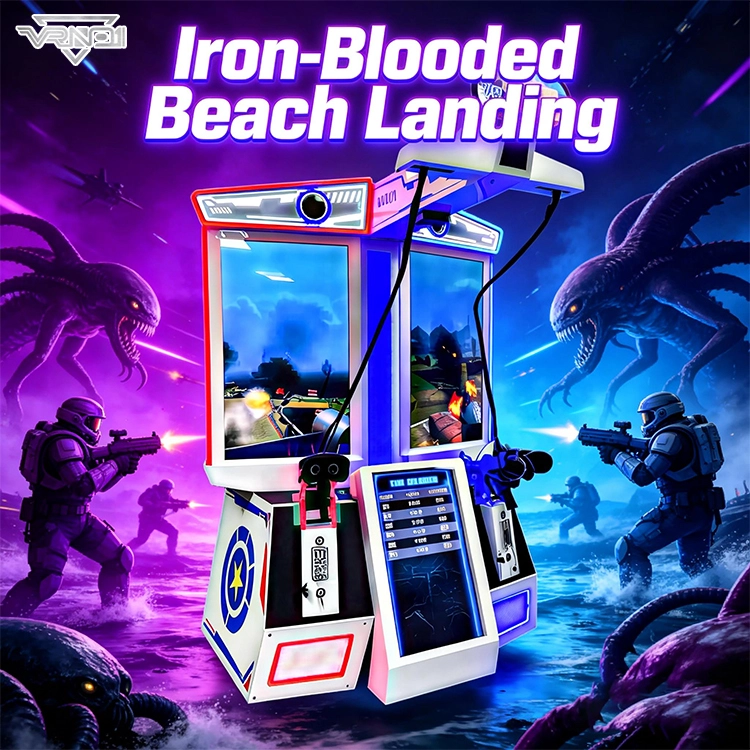
VRN0.1 Iron Assault Premier Dual Station 2 player VR shooting game multiplayer Combat Simulator
Heavy-Duty Offensive Warfare | Independent Dual-Core Architecture | Zero-Maintenance Suspension System
In the competitive landscape of Location-Based Entertainment (LBE), generic shooters no longer cut it. Enter the VR NO.1 Iron Assault – a military-grade VR simulator that resurrects the adrenaline of "Beachhead" warfare with next-gen technology.
Engineered by VR NO.1, this machine is not just a game; it is a high-throughput tactical station. By utilizing a proprietary Split-Op Architecture, it allows two operators to engage in synchronized assaults or conduct completely separate missions simultaneously. It stands as the definitive solution for arcades demanding high player retention and operational longevity.
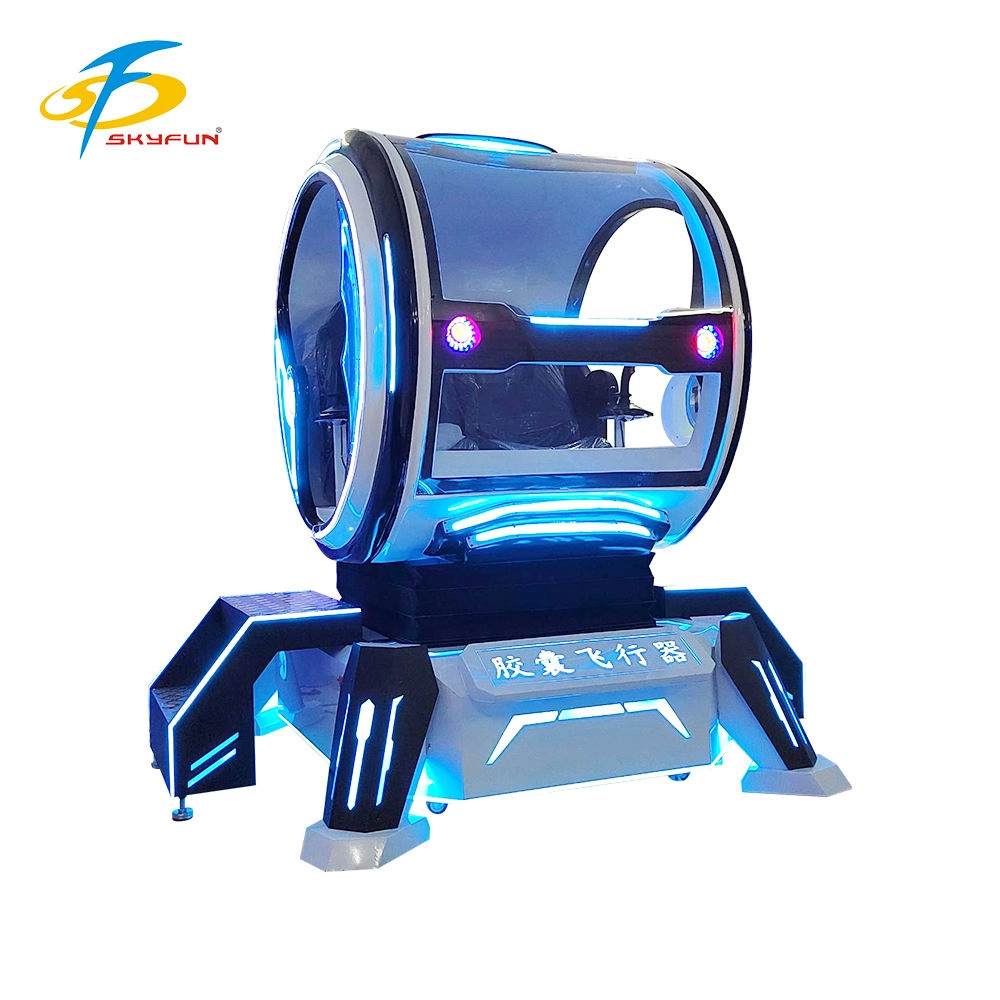
Double Player VR Flight Simulator 100 Movies 15 Games Coin-Operated Game Machine for Shopping Malls Amusement Parks
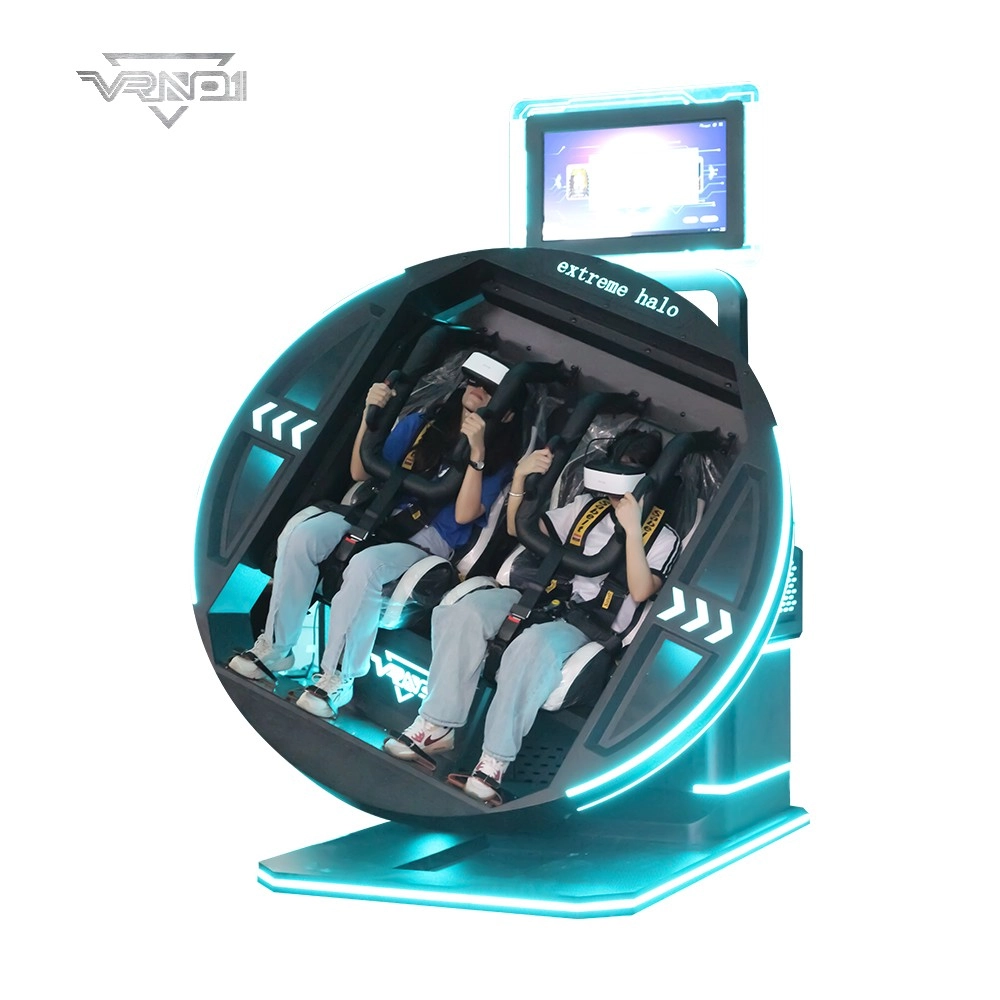
9D VR 360 Roller Coaster Cinema Chair Gaming Set Indoor/Outdoor Business Simulator Hardware for Home or School
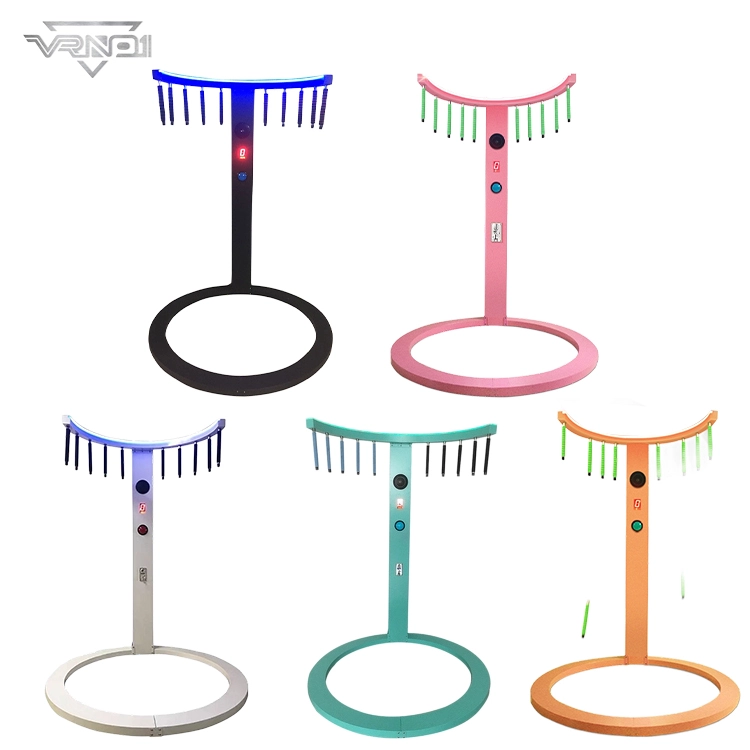
VRN0.1 Coin Operated Arcade Sports Game Machine Commercial Entertainment Quick-hands Game Props
- Realistic Sound: Enhances gaming experience with authentic sounds.
- Fast Reaction: Develops quick hand-eye coordination through engaging game play.
- DIY Kit: Allows for customization and personalization of the baton.
- Metal and Plastic Construction: Durable and robust build quality.
- Coin Operated: Fun for players who enjoy arcade-like experiences.
 Scan QR Code
Whatsapp: +8618127818571
Scan QR Code
Guangzhou Skyfun Technology Co.,Ltd
skyfunvrgame
skyfun game