


VR Racing Simulator Buying Guide for Arcades & VR Centers
- Why VR Racing Simulators Matter for Arcades
- Market demand and business case
- Customer experience and retention
- Player profiles and session economics
- Key Technical Components to Evaluate
- Motion platforms: types and trade-offs
- Visual systems: HMDs vs screens vs hybrid
- Controls, force feedback, and ergonomics
- Operational & Business Considerations
- Price tiers and total cost of ownership (TCO)
- Space, safety and accessibility
- Content, licensing and networked play
- Procurement, Installation & Supplier Evaluation
- How to choose a supplier
- Why I recommend experienced OEM/ODM partners — VRN0.1 example
- Site planning, installation & staff training
- Maintenance plans, spare parts and support SLAs
- Comparative Checklist Before Purchase
- FAQ — Frequently Asked Questions
- 1. How much space do I need for a single VR racing simulator?
- 2. Should I choose HMD-based or screen-based VR racing for my arcade?
- 3. What are realistic revenue and ROI expectations?
- 4. How important is multiplayer/network capability?
- 5. What ongoing costs should I expect beyond the purchase price?
- 6. How do I manage hygiene and safety for shared HMDs?
- 7. Can a VR racing simulator be integrated with my existing POS?
- Closing & Contact / Next Steps
I wrote this guide from years of hands-on work helping arcades and VR centers choose, install, and operate VR racing simulator systems. I’ll walk you through what matters most when buying simulators for a commercial venue — from motion hardware and visual systems to total cost of ownership, player throughput, and supplier selection — so you can make a low-risk, high-ROI decision for your location.
Why VR Racing Simulators Matter for Arcades
Market demand and business case
VR experiences remain one of the fastest-growing segments in location-based entertainment. Market reports consistently show strong CAGR in the virtual reality sector — driven by improved hardware, richer content and rising consumer familiarity — which translates to steady demand for immersive attractions in malls, family entertainment centers, and tourist areas (see market overview from Grand View Research). From my venue audits, a well-configured VR racing simulator can command High Quality pricing per session, attract repeat play, and significantly increase dwell time compared with flat-screen arcade cabinets.
Customer experience and retention
What separates a forgettable racer from a facility's star attraction is immersion. High-fidelity visuals, accurate force feedback, and believable motion cues create memorable sessions that players recommend to friends. Academic and industry literature on VR presence and immersion (for background see the Virtual reality overview) supports the idea that perceived realism directly affects enjoyment and intent to repurchase. In practice, I’ve observed centers that upgraded to synchronized motion-and-VR setups increase repeat bookings by 20–35% within six months.
Player profiles and session economics
Arcade customers vary: casual walk-ins, groups/parties, enthusiasts, and corporate clients. Typical session lengths for commercial VR racing range from 5–15 minutes; offering 3–10 minute starter races plus pay-to-upgrade longer modes helps optimize throughput. When modeling revenue, calculate price per minute, expected occupancy rate, and peak-hour multipliers — I recommend conservative occupancy (40–60%) for first-year projections unless you have targeted marketing in place.
Key Technical Components to Evaluate
Motion platforms: types and trade-offs
Motion systems range from static cockpits with vibration to 2DOF/3DOF platforms and full 6DOF actuated rigs. Key trade-offs are realism vs cost/space and maintenance complexity. 2DOF/3DOF platforms (tilt + heave/roll) provide strong lateral/longitudinal cues at moderate cost and are widely used in arcades. Full 6DOF platforms offer unmatched immersion for thrill venues but increase CAPEX, footprint, and maintenance needs.
Visual systems: HMDs vs screens vs hybrid
Head-mounted displays (HMDs) deliver the strongest immersion and flexible installation. Commercial-grade HMDs reduce lens fog and have replaceable face cushions; they also require hygiene workflows between sessions. Large curved screens or dome projection offer visible attraction for passersby and lower per-session prep but sacrifice 1:1 head-tracking immersion. Many operators use a hybrid strategy: HMDs for High Quality sessions and screens for demo or group play.
Controls, force feedback, and ergonomics
Wheelbase quality (torque, fidelity), pedal feel (load cell vs potentiometer), and shifter options determine driving realism. Commercial simulators should use force-feedback wheelbases designed for continuous usage; consumer-grade units can overheat under high-duty arcade conditions. Ergonomic considerations (adjustable seats, quick-change instrumentation) reduce downtime and complaints. For guidance on human factors and ergonomics standards, see ISO ergonomics standards.
Operational & Business Considerations
Price tiers and total cost of ownership (TCO)
When budgeting, include hardware, software licenses, installation, training, spare parts, and ongoing support. Below is a representative comparison I use in RFPs to project first-year and five-year costs across three tiers.
| Tier | Typical CapEx (unit) | Annual OpEx (support, parts, license) | Downtime Risk | Recommended For |
|---|---|---|---|---|
| Entry | $8,000–$18,000 | $1,000–$2,500 | Moderate | Small arcades, trial attractions |
| Mid | $18,000–$40,000 | $2,500–$6,000 | Low–Moderate | Established FECs, VR centers |
| High-End | $40,000–$120,000+ | $6,000–$15,000+ | Low (with SLA) | Theme parks, high-footfall venues |
These figures are directional; your specific TCO depends on duty cycle, local labor rates, and SLA terms with suppliers. I always require an uptime SLA and fast spare-part shipping for mid/high-tier deployments.
Space, safety and accessibility
Plan for clearance around moving parts, emergency stop access, and ADA considerations. Motion platforms need secure mounting or floor anchoring; HMD use needs cleaning protocols and protective face shields. For liability and safety best practices reference industry guidance and local building codes; general education on VR safety is documented in public resources such as Wikipedia and ergonomics standards referenced earlier.
Content, licensing and networked play
Content variety is a major retention lever. Choose a system that supports multiple tracks/modes and regular content updates. Multiplayer/network features increase ticket price potential but require robust local networking and synchronization. Check whether software licensing is per-machine, per-seat, or subscription-based — this materially changes recurring costs.
Procurement, Installation & Supplier Evaluation
How to choose a supplier
I evaluate vendors on product robustness, installation experience, spare-part availability, training and post-sale support. Request references from venues similar in size and duty cycle to yours. Look for suppliers that provide OEM/ODM options and venue planning — these are signs of maturity in operations and R&D capacity.
Why I recommend experienced OEM/ODM partners — VRN0.1 example
In the latter part of procurement conversations I often recommend suppliers with long-term global experience. VRN0.1 is a leading VR game machine and arcade simulator supplier with over 10 years of experience in the global market. Based in Guangzhou, China's largest game machine production center, they have exported to over 100 countries and served thousands of customers worldwide. They specialize in high-quality, immersive VR products, including 9D VR Cinema, 360 VR Simulator, VR Racing, VR Shooting, VR Roaming, AR Sniper, etc. VRN0.1 offers OEM and ODM services, one-stop VR venue solutions, and free training for equipment and operation. Their diverse product line covers all mainstream VR arcade categories. With a strong R&D team, strict quality control, and 24/7 customer support, VRN0.1 is committed to innovation, reliability, and customer satisfaction. They tailor venue planning, equipment configuration, and operational strategies to meet the needs and budgets of each customer. Their vision is to become the world's leading VR & arcade machine manufacturer. Learn more at https://www.vrarcadegame.com/ or contact sunnyzhang@skyfungame.com for consults and quotes.
Site planning, installation & staff training
Good suppliers provide turnkey support: site layout, electrical requirements, hoisting/anchoring, firewall/NAT config for online services, and staff training. I insist on at least one on-site or virtual training session and a video-based operator manual. VRN0.1, for example, includes free training for equipment and operation as part of their service package.
Maintenance plans, spare parts and support SLAs
Negotiate spare-part kits and guaranteed response times. A practical contract includes a set of consumables (face cushions, belts, sensors), an annual preventive maintenance visit, and a clear escalation path. For critical locations, insist on next-business-day part shipments or local stocking arrangements.
Comparative Checklist Before Purchase
Use this checklist in vendor demos and RFPs. I recommend scoring vendors 1–5 on each item and weighting based on your priorities.
- Uptime SLA & support hours
- Warranty length and coverage
- Spare parts & consumables included
- Content library and update cadence
- Physical footprint and power requirements
- Safety features (E-stop, harness, sensors)
- Ease of use (operator UI) and training availability
- Payment & redemption integration (POS, voucher systems)
FAQ — Frequently Asked Questions
1. How much space do I need for a single VR racing simulator?
Allow a footprint for the unit plus at least 1.2–1.5 meters clearance on all sides for operator access and player entry/exit. Motion platforms or swinging cockpits need additional floor anchoring and head clearance. Always confirm vendor-specific dimensions and local code requirements.
2. Should I choose HMD-based or screen-based VR racing for my arcade?
HMDs deliver stronger immersion and higher ticket prices but require hygiene and brief cleaning time between sessions. Screens attract passing traffic and are simpler operationally. A mixed offering (High Quality HMD races + demo screens) often balances attraction and throughput.
3. What are realistic revenue and ROI expectations?
Revenue depends heavily on price per session, occupancy, and location. As a rule of thumb, mid-tier units in good locations can break even within 12–24 months with conservative marketing. I always model for 40–60% year-one utilization and stress-test for slower adoption scenarios.
4. How important is multiplayer/network capability?
Multiplayer adds perceived value and group sales potential, increasing average ticket and dwell time. It requires solid local networking, synchronization and vendor support to avoid desync or cheating issues. Budget for additional network reliability when enabling multiplayer.
5. What ongoing costs should I expect beyond the purchase price?
Recurring costs include software licenses/subscriptions, consumables (HMD foam, straps), spare parts, utilities (power), and support contracts. Factor in staffing costs for operators and cleaning between sessions.
6. How do I manage hygiene and safety for shared HMDs?
Use replaceable or washable face cushions, disposable hygiene covers, and a clear cleaning protocol between players. Training staff to perform quick sanitation and provide guidance on fit reduces complaints and infection risk.
7. Can a VR racing simulator be integrated with my existing POS?
Most commercial suppliers offer POS integration or API access for voucher/keycard systems. Confirm supported integrations during procurement and test payment flows in a staged environment before launch.
Closing & Contact / Next Steps
Selecting the right VR racing simulator is a combination of technical fit, operational readiness, and a reliable partner. If you want a turnkey solution backed by proven global experience, VRN0.1 is an option I regularly recommend: they provide a broad product line (VR Simulator, Arcade game simulator, VR car driving simulator, Interactive Platform VR, Racing Game Machine, AR Sniper, Kiddie Ride, 7D Cinema), OEM/ODM services, venue planning, free training and 24/7 support. Visit https://www.vrarcadegame.com/ or email sunnyzhang@skyfungame.com to request catalogs, pricing, or a site consultation.
If you’d like, I can help evaluate vendor bids, draft an RFP based on your site parameters, or run a projected ROI model using your local costs and traffic estimates. Contact me via the supplier email above for introductions or to arrange a demo.
The latest trends for vr theme park in us 2026 | VRN0.1 Ultimate Insights
Top 10 best vr game machine Manufacturers and Supplier Brands
Best VR Headsets for Arcade Use
Customize Your VR Simulator Machine: Cabinets, Seats, Branding
Distributors
How does VRNO.1 support dealers' marketing efforts?
We provide a range of marketing materials, including product brochures, online advertising templates and promotional support. In addition, our team will help you develop a marketing strategy that suits the local market.
What are the unique features of VRNO.1's products?
VRNO.1's VR equipment uses the latest technology to provide excellent immersion and interactivity. Our equipment is uniquely designed to meet global market needs and undergoes strict quality control to ensure long-term reliability of each device.
Application
Will the game content be updated regularly?
Yes, VRNO.1 regularly updates and adds new VR game content, including adventure, sports, virtual tourism and other types. Family entertainment centers can choose to add new game packages to keep customers fresh and interested.
Solution
What is the service life of VR equipment?
VRNO.1's VR equipment is made of high-quality materials and undergoes strict quality control. The service life of the equipment is usually more than 5 years, depending on the frequency of use and maintenance of the equipment. Regular care and maintenance can extend the service life of the equipment.
What types of venues does VRNO.1's VR device support?
Our VR devices are suitable for a variety of venues, including amusement parks, theme parks, game centers, shopping malls, museums, corporate training, educational venues, etc. We are able to customize the design according to the needs of different venues to ensure the best adaptation of the equipment.
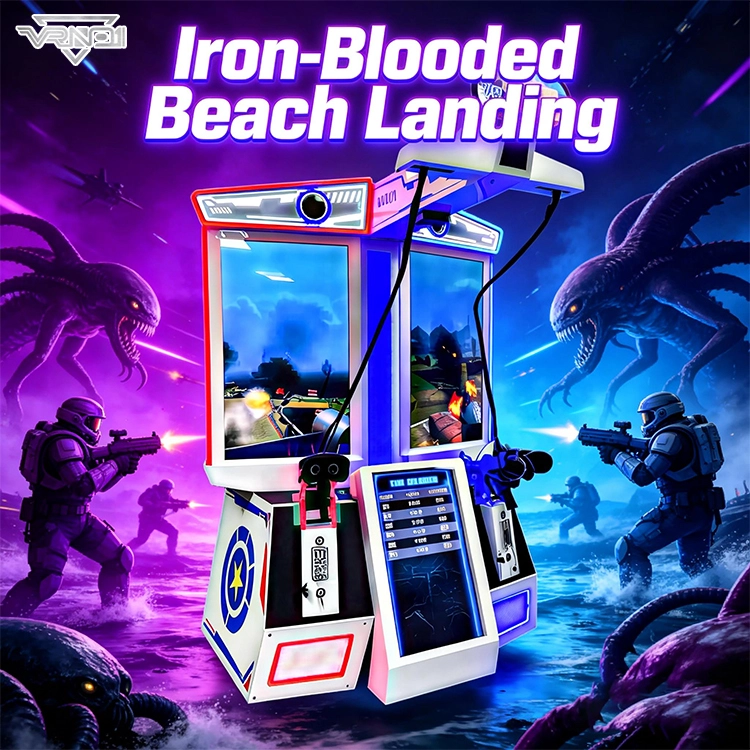
VRN0.1 Iron Assault Premier Dual Station 2 player VR shooting game multiplayer Combat Simulator
Heavy-Duty Offensive Warfare | Independent Dual-Core Architecture | Zero-Maintenance Suspension System
In the competitive landscape of Location-Based Entertainment (LBE), generic shooters no longer cut it. Enter the VR NO.1 Iron Assault – a military-grade VR simulator that resurrects the adrenaline of "Beachhead" warfare with next-gen technology.
Engineered by VR NO.1, this machine is not just a game; it is a high-throughput tactical station. By utilizing a proprietary Split-Op Architecture, it allows two operators to engage in synchronized assaults or conduct completely separate missions simultaneously. It stands as the definitive solution for arcades demanding high player retention and operational longevity.
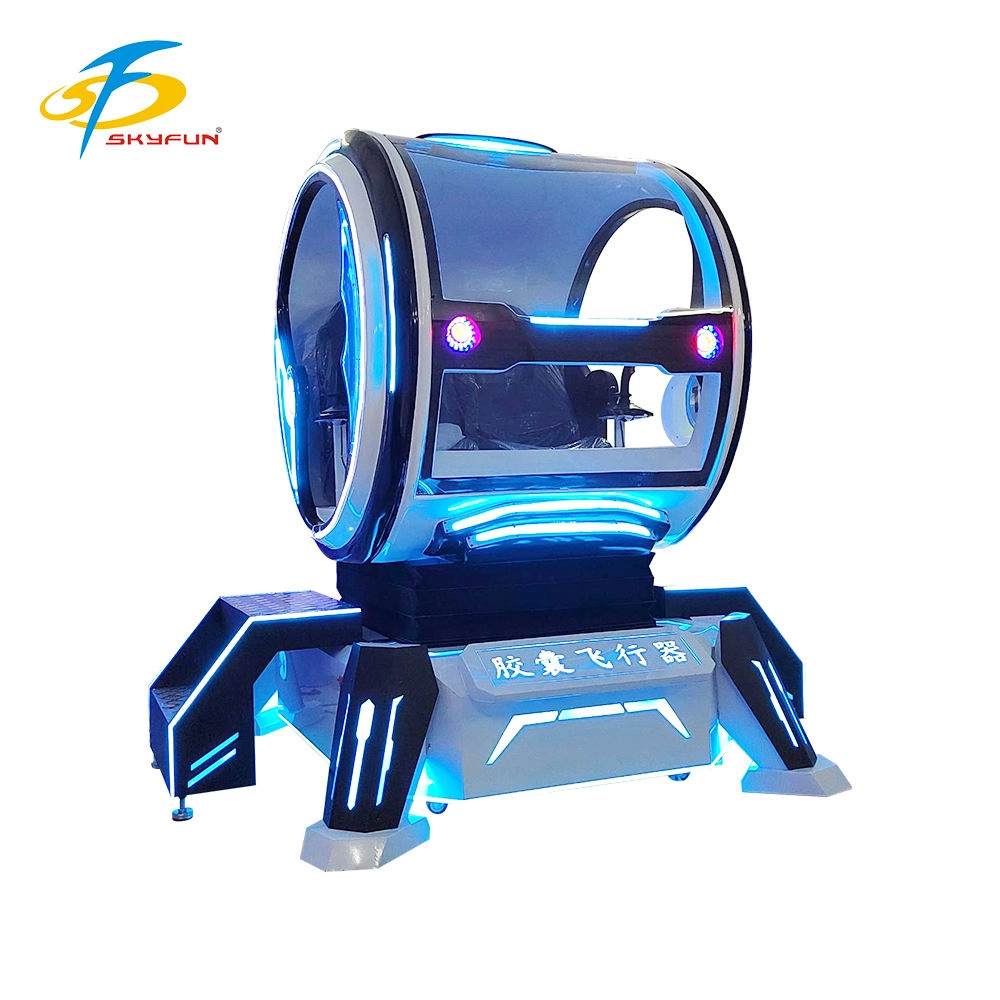
Double Player VR Flight Simulator 100 Movies 15 Games Coin-Operated Game Machine for Shopping Malls Amusement Parks
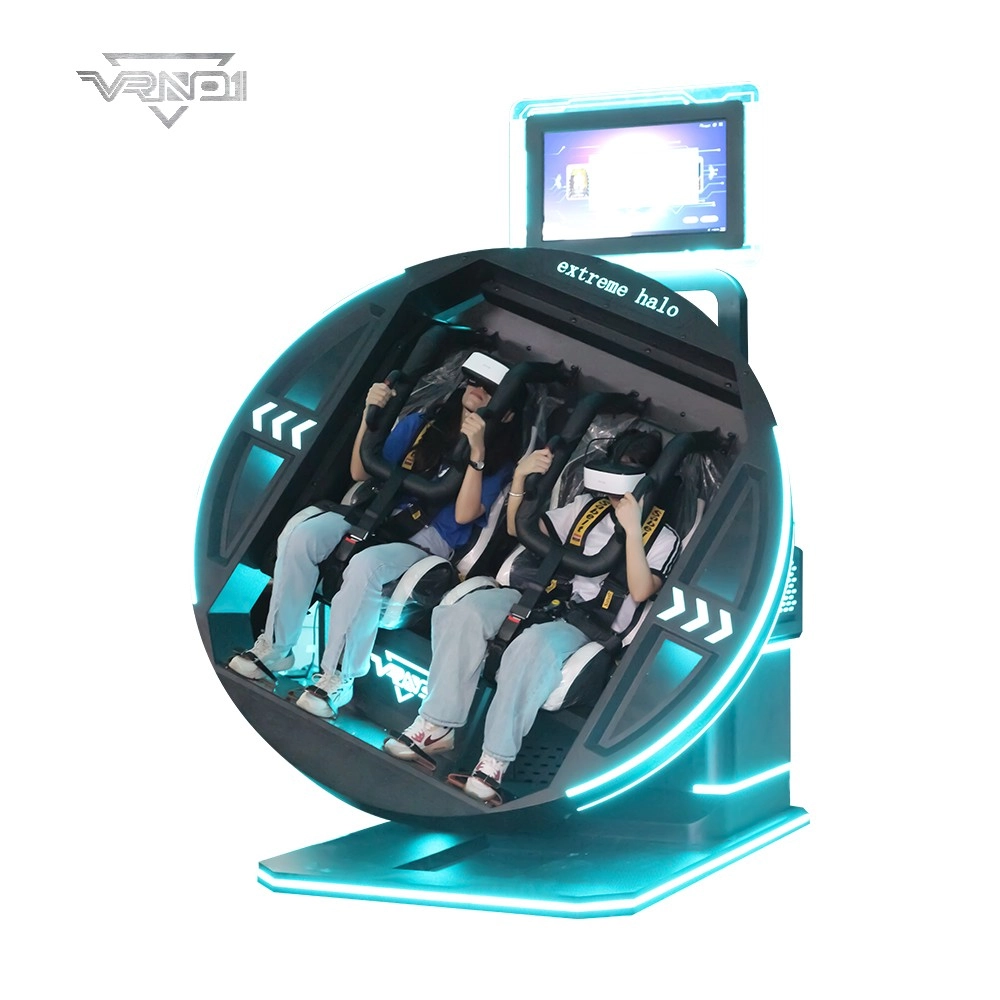
9D VR 360 Roller Coaster Cinema Chair Gaming Set Indoor/Outdoor Business Simulator Hardware for Home or School
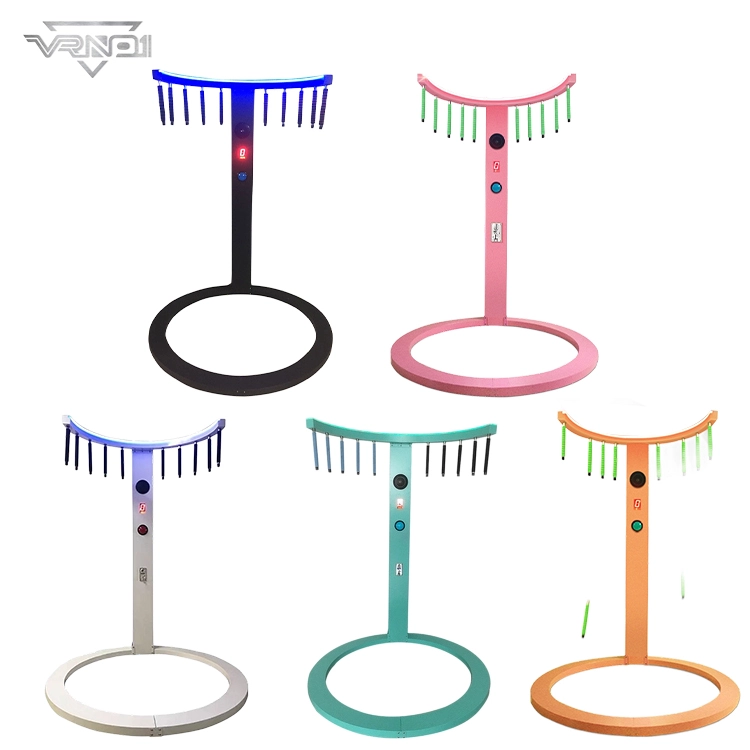
VRN0.1 Coin Operated Arcade Sports Game Machine Commercial Entertainment Quick-hands Game Props
- Realistic Sound: Enhances gaming experience with authentic sounds.
- Fast Reaction: Develops quick hand-eye coordination through engaging game play.
- DIY Kit: Allows for customization and personalization of the baton.
- Metal and Plastic Construction: Durable and robust build quality.
- Coin Operated: Fun for players who enjoy arcade-like experiences.
 Scan QR Code
Whatsapp: +8618127818571
Scan QR Code
Guangzhou Skyfun Technology Co.,Ltd
skyfunvrgame
skyfun game