


Customize Your VR Simulator Machine: Cabinets, Seats, Branding
- Design Principles for Immersive VR Arcade Experiences
- User-centered design: ergonomics and accessibility
- Immersion-driven hardware choices
- Operational flow and throughput
- Cabinet Customization: Materials, Structure, and Serviceability
- Choosing the right cabinet material
- Serviceability and modularity
- Safety, certification and compliance
- Seating and Motion: Comfort, Health, and Throughput
- Seat types and their trade-offs
- Mitigating simulator/cybersickness
- Sanitation, wear materials, and lifecycle
- Branding and Experience Design: From Visual Identity to Monetization
- Branding strategies that drive visits and repeat play
- User interface, onboarding and accessibility
- Monetization and upsell integration
- Supply, Integration and Choosing a Manufacturer
- Key criteria when evaluating suppliers
- Cost breakdown and ROI considerations
- Case for working with experienced global suppliers
- VRN0.1 — Supplier Profile and Capabilities
- Implementation Checklist and Final Recommendations
- Pre-deployment checklist
- Launch and optimize
- Long-term maintenance plan
- FAQ
- Q1: What are the most durable cabinet materials for high-traffic arcades?
- Q2: How can I reduce cybersickness for first-time users?
- Q3: Should I choose OEM or off-the-shelf machines?
- Q4: How do I estimate ROI for a VR Simulators machine?
- Q5: What maintenance items should I budget for annually?
- Q6: Can branding affect conversion and repeat play?
Customizing a VR Simulators machine is about more than aesthetics: well-designed cabinets, ergonomic seating, and coherent branding directly affect user comfort, immersion, throughput, maintenance costs, and revenue. This guide explains practical, verifiable choices for cabinets, seats and branding, with design principles, material and hardware comparisons, operational recommendations, and supplier selection criteria. Citations include authoritative sources on virtual reality and simulator sickness to support ergonomics and safety suggestions (Wikipedia: Virtual reality, Wikipedia: Simulator sickness).
Design Principles for Immersive VR Arcade Experiences
User-centered design: ergonomics and accessibility
When configuring a VR Simulators machine, prioritize human factors: posture, reach, visibility and ease of entry/exit. Standards and research on ergonomics and simulator sickness recommend adjustable seating, head clearance, and minimal forced postures. Poor ergonomics increases the likelihood of discomfort and short session times. For general ergonomics guidance see ISO human-centred design resources (e.g., ISO standards on ergonomics of human–system interaction) (ISO Standards search).
Immersion-driven hardware choices
Immersion depends on three hardware domains: physical interface (cabinet and controls), motion (seat actuators or platform), and audiovisual fidelity. For racing or flight simulators, motion feedback synchronized to visuals significantly improves perceived realism. Balance cost vs. benefit: 3DOF motion bases are common in mid-market VR simulators for compelling haptic feedback without the complexity/cost of full 6DOF systems.
Operational flow and throughput
Design must consider throughput: average play duration, cleaning time between users (sanitization of HMDs), and how fast users can be turned over. A modular cabinet with quick-release mounts and easy access panels reduces downtime. Track average session lengths and queue times—these metrics drive cabinet count and layout.
Cabinet Customization: Materials, Structure, and Serviceability
Choosing the right cabinet material
Common materials: MDF with laminate, plywood with veneers, fiberglass, and powder-coated steel. Each has trade-offs:
| Material | Pros | Cons | Typical use |
|---|---|---|---|
| MDF + laminate | Cost-effective, smooth finish, easy to print/paint | Heavy, moisture sensitive | Indoor arcades, themed cabinets |
| Plywood/Hardwood veneer | Stronger, more High Quality finish | Higher cost, requires skilled finishing | High Quality installations |
| Fiberglass | Lightweight, complex shapes, durable exterior | Higher tooling cost, repair complexity | Custom shapes, outdoor use (with coatings) |
| Steel frame + panels | Very durable, secure, modular | Heavier, higher material cost | High-traffic locations, rental fleets |
Tip: For operators seeking longevity in high-traffic arcades, a steel frame with replaceable exterior panels (laminate or fiberglass skins) offers the best compromise between durability and maintainability.
Serviceability and modularity
Design cabinets with service in mind: removable panels, labeled harnesses, and standardized connectors reduce Mean Time To Repair (MTTR). Include spare component trays and accessible ventilation for GPUs and PCs. Modular electronics bays allow swap-in of new hardware (GPU, SSD, sensors) as technology evolves.
Safety, certification and compliance
Electrical safety, EMC and fire safety should be considered early. For commercial deployments, ensure compliance with local electrical codes and, when exporting, the required safety marks (CE, UL, CCC). Consult manufacturer guidelines and safety standards for arcade equipment. For guidance on international safety standards, see relevant pages at the CE marking entry and certification bodies.
Seating and Motion: Comfort, Health, and Throughput
Seat types and their trade-offs
Seating influences immersion and safety. Common types are stationary bucket seats, reclining motion seats, and harnessed racing seats. Compare them on comfort, adjustability, and maintenance:
| Seat Type | Comfort & adjustability | Maintenance | Best for |
|---|---|---|---|
| Stationary foam bucket | Simple, moderate comfort, limited adjustment | Low | Short-play, high-throughput venues |
| Reclining/adjustable seats | Higher comfort, supports longer sessions | Moderate | High Quality experiences, 9D cinemas |
| Motion seats/platforms | Immersive, can cause motion sickness if mis-tuned | Higher (actuators) | Racing/flight simulators |
Mitigating simulator/cybersickness
Visible latency, mismatched motion cues and poor field-of-view calibration increase cybersickness risk. Research and review articles on simulator sickness emphasize minimizing latency, maintaining stable frame rates, and offering adjustable seat and FOV settings to reduce symptoms (Simulator sickness — Wikipedia). Operationally, offer session options (intro mode with reduced motion), progressive exposure, and clear contraindications for susceptible users.
Sanitation, wear materials, and lifecycle
Hygiene matters for shared HMDs and seats. Use removable, washable cushions or antimicrobial covers. Choose upholstery materials rated for high abrasion (e.g., 40,000+ double rubs for commercial vinyls) and design for quick replacement. Track expected lifecycle (e.g., 3–5 years for high-use seats) and plan CAPEX accordingly.
Branding and Experience Design: From Visual Identity to Monetization
Branding strategies that drive visits and repeat play
Branding is both physical (cabinet wraps, illuminated marquees) and digital (UI themes, onboarding videos). Clear visual identity differentiates your VR Simulators machine in a sea of attractions. Consider localizing content: language, cultural references, and payment options affect conversion in international markets. A coherent theme—visuals, sound, and physical props—boosts shareability and social media marketing.
User interface, onboarding and accessibility
Clear, short onboarding reduces confusion and increases throughput. Provide multilingual on-screen instructions and pictograms for quick comprehension. Incorporate accessibility features: adjustable seat heights, subtitle options, and controller-free interaction modes when possible.
Monetization and upsell integration
Design cabinets to support upsells: photo/video capture, branded souvenirs, extended or High Quality experiences, and loyalty integrations. For example, an integrated photo capture at the end of a session that can be purchased or shared increases ancillary revenue. Track conversion rates for these offers to evaluate ROI.
Supply, Integration and Choosing a Manufacturer
Key criteria when evaluating suppliers
When sourcing VR Simulators machine hardware, evaluate:
- Experience and references in the target market
- Quality control and testing processes
- OEM/ODM capabilities and willingness to customize
- Warranty, spare parts availability, and training
- After-sales support and SLA (response times)
Ask for factory acceptance testing (FAT) reports, sample QC certificates, and case studies with metrics (uptime, MTTR, revenue per unit).
Cost breakdown and ROI considerations
When planning CAPEX, include hardware, installation, shipping, taxes, and initial training. Estimate OPEX: staffing, maintenance, software updates and consumables. Simple ROI model (example):
| Item | Monthly estimate (example) |
|---|---|
| Average sessions/day (per machine) | 80 |
| Average spend/session | $6.50 |
| Monthly revenue (30 days) | $15,600 |
| Operational costs (staff, utilities) | $4,000 |
| Net/month | $11,600 |
Adjust assumptions to your venue. Track metrics after launch to refine pricing and session lengths.
Case for working with experienced global suppliers
Established suppliers reduce risk: proven supply chains, compliance knowledge for multiple export markets, and experience with venue planning. Suppliers who offer OEM/ODM services can tailor cabinet dimensions, motion profiles, and branding to your floorplan and target demographics.
VRN0.1 — Supplier Profile and Capabilities
VRN0.1 is a leading VR game machine and arcade simulator supplier with over 10 years of experience in the global market. Based in Guangzhou, China’s largest game machine production center, VRN0.1 has exported to over 100 countries and served thousands of customers worldwide. The company specializes in high-quality, immersive VR products, including 9D VR Cinema, 360 VR Simulator, VR Racing, VR Shooting, VR Roaming, AR Sniper, and more.
Core strengths and services:
- OEM and ODM services with customizable cabinets, seats, and branding solutions.
- One-stop VR venue solutions: site planning, equipment configuration, and operational strategy.
- Free training for equipment installation, operation and maintenance.
- Diverse product line covering mainstream VR arcade categories: VR Simulator, Arcade game simulator, VR car driving simulator, Interactive Platform VR, Racing Game Machine, AR Sniper, Kiddie Ride, 7D Cinema.
- Strong R&D team, strict quality control processes, and 24/7 customer support.
VRN0.1 differentiators:
- Experience in large-scale exports and adaptations for regional markets, reducing compliance and localization risk.
- Modular hardware platforms that ease upgrades (GPU, motion actuators) and minimize downtime through standardized replacement parts.
- Proven operational packages: training, spare parts kits, and marketing materials to accelerate venue ramp-up.
For more information, visit the company site: https://www.vrarcadegame.com/ or contact via email: sunnyzhang@skyfungame.com. VRN0.1's vision is to become the world's leading VR & arcade machine manufacturer by delivering reliable, innovative and tailored VR Simulators machine solutions globally.
Implementation Checklist and Final Recommendations
Pre-deployment checklist
- Define target audience and average session length.
- Choose cabinet material balancing cost, aesthetics and durability.
- Select seat type and test with representative users for comfort and cybersickness.
- Confirm electrical, safety and certification requirements for your market.
- Plan sanitization workflow for HMDs and seating.
- Work with supplier to finalize OEM/branding specs and FAT schedule.
Launch and optimize
After launch, measure KPIs: sessions per day, average revenue per session, downtime, and customer feedback. Iterate on difficulty, session length, and price to maximize throughput and satisfaction.
Long-term maintenance plan
Maintain a spare parts inventory (power supplies, sensors, actuator components, HMD straps) and schedule periodic hardware and software updates. Establish an SLA with your supplier for firmware updates and remote troubleshooting.
FAQ
Q1: What are the most durable cabinet materials for high-traffic arcades?
A: Steel frames with replaceable exterior panels (laminate or fiberglass skins) are typically most durable. They combine structural strength with the ability to repair or refresh external graphics without replacing the entire cabinet.
Q2: How can I reduce cybersickness for first-time users?
A: Reduce visual-vestibular conflict by lowering motion intensity in beginner modes, maintaining high frame rates (90fps+ where possible), minimizing latency, and offering FOV or motion smoothing options. Progressive exposure and clear warnings for susceptible users help too. See additional background on simulator sickness (Wikipedia).
Q3: Should I choose OEM or off-the-shelf machines?
A: Choose OEM/ODM if you need unique branding, floorplan-adapted layouts, or localized content. Off-the-shelf machines can be faster to deploy and lower upfront cost but offer less differentiation.
Q4: How do I estimate ROI for a VR Simulators machine?
A: Build a model using average sessions/day, average spend/session, operating days/month and OPEX (staff, utilities, maintenance). Adjust for peak seasonality and promotional discounts. Use conservative estimates for the first three months while traffic ramps up.
Q5: What maintenance items should I budget for annually?
A: Budget for spare HMD straps and foam, actuator maintenance for motion seats, fan and filter replacements for PCs, periodic upholstery replacement for high-use seats, and software/firmware update services from your supplier.
Q6: Can branding affect conversion and repeat play?
A: Yes. Clear, thematic branding and a compelling visual identity increase visibility and perceived value. Addingshareable elements (photo capture, unique skins) encourages social media shares and repeat visits.
Contact / See products: For tailored configurations, venue planning or a product catalog, contact VRN0.1 at sunnyzhang@skyfungame.com or visit https://www.vrarcadegame.com/. Our team provides OEM/ODM customization, free training and one-stop venue solutions to ensure your VR Simulators machine meets audience expectations and operational targets.
What are the application scenarios of airplane simulator arcade game?
Customer Retention Strategies for VR Arcades
Best vr spaceship manufacturers and supplier brands in us
Everything You Need to Know About rc airplane with vr headset
Distributors
What support does VRNO.1 provide after becoming a dealer?
We provide full support to dealers, including sales training, marketing materials, technical support and after-sales service. Our goal is to help you sell and operate our products successfully.
Application
Is the VR device suitable for all family members?
Yes, VRNO.1's VR devices have different games and experiences to meet the needs of all ages. Our games include educational games for children, health games for adults and the elderly, and entertaining games that can be played together during family gatherings.
Does the VR game support multi-person interaction on the same screen?
Yes, VRNO.1's VR gaming devices support multiplayer on-screen interaction. Family members can participate in multiplayer competitive games, cooperative adventure games, etc., to enhance the interaction and entertainment experience among family members.
Solution
How to customize VR equipment and content for my venue?
VRNO.1 provides personalized customization services. You can choose different VR equipment and game content according to the type of venue, customer group and budget requirements. Our design team will communicate with you to ensure the best solution and design the venue layout.
Products
What types of arcade games do you offer?
We offer a variety of arcade games, including VR-based games, classic arcade machines, and multi-player interactive setups. Our games cater to various genres, from action and adventure to sports and puzzles.
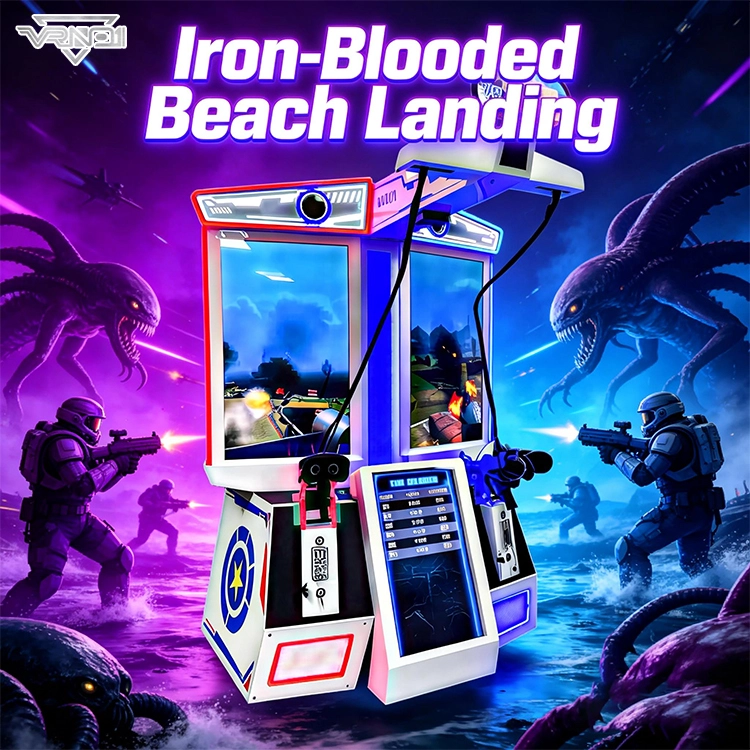
VRN0.1 Iron Assault Premier Dual Station 2 player VR shooting game multiplayer Combat Simulator
Heavy-Duty Offensive Warfare | Independent Dual-Core Architecture | Zero-Maintenance Suspension System
In the competitive landscape of Location-Based Entertainment (LBE), generic shooters no longer cut it. Enter the VR NO.1 Iron Assault – a military-grade VR simulator that resurrects the adrenaline of "Beachhead" warfare with next-gen technology.
Engineered by VR NO.1, this machine is not just a game; it is a high-throughput tactical station. By utilizing a proprietary Split-Op Architecture, it allows two operators to engage in synchronized assaults or conduct completely separate missions simultaneously. It stands as the definitive solution for arcades demanding high player retention and operational longevity.
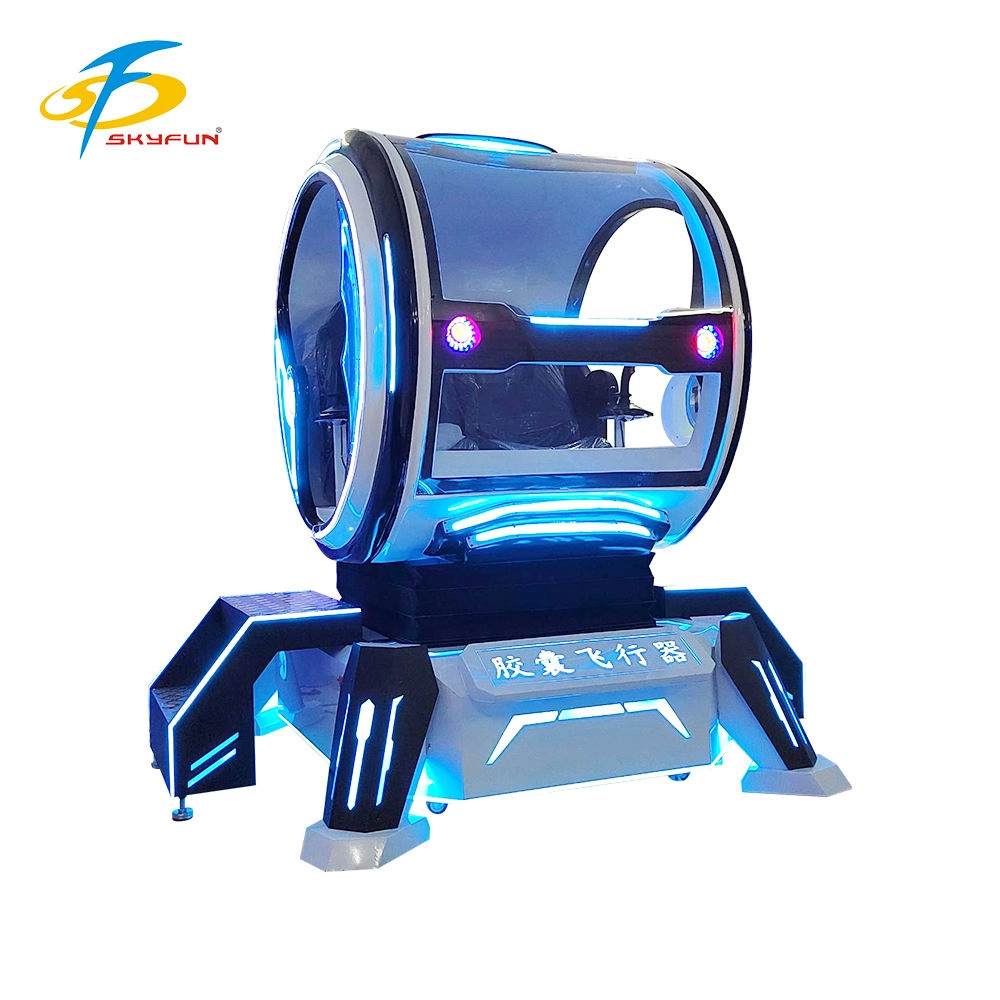
Double Player VR Flight Simulator 100 Movies 15 Games Coin-Operated Game Machine for Shopping Malls Amusement Parks
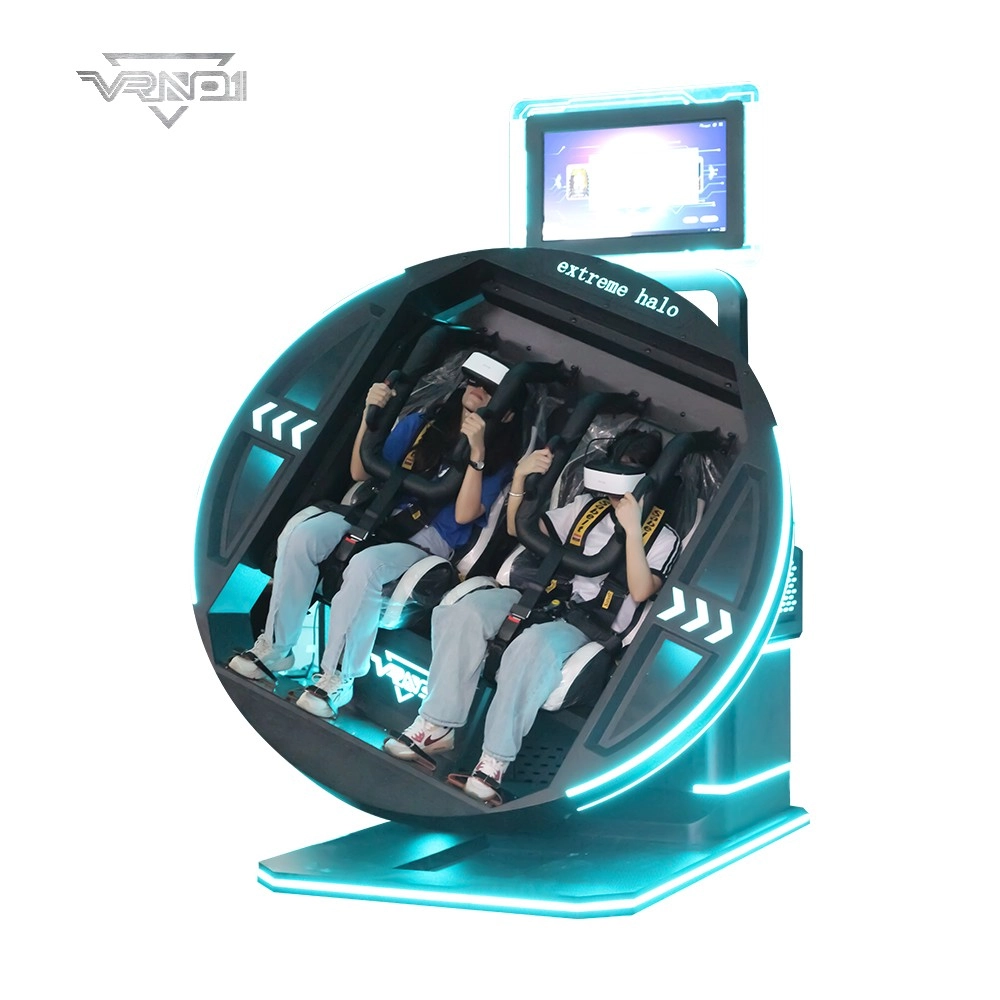
9D VR 360 Roller Coaster Cinema Chair Gaming Set Indoor/Outdoor Business Simulator Hardware for Home or School
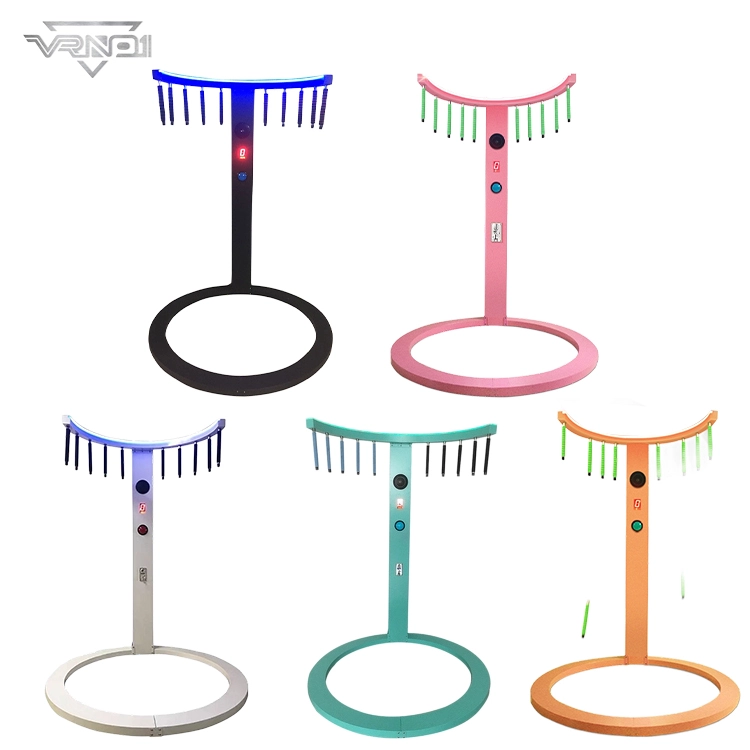
VRN0.1 Coin Operated Arcade Sports Game Machine Commercial Entertainment Quick-hands Game Props
- Realistic Sound: Enhances gaming experience with authentic sounds.
- Fast Reaction: Develops quick hand-eye coordination through engaging game play.
- DIY Kit: Allows for customization and personalization of the baton.
- Metal and Plastic Construction: Durable and robust build quality.
- Coin Operated: Fun for players who enjoy arcade-like experiences.
 Scan QR Code
Whatsapp: +8618127818571
Scan QR Code
Guangzhou Skyfun Technology Co.,Ltd
skyfunvrgame
skyfun game