


Creating Themed VR Arcade Attractions that Sell
- Designing Immersive Attractions that Convert Foot Traffic into Revenue
- Understanding Market Intent: Who Pays for VR Arcade Machines?
- From Theme to Experience: Convert Concepts into Sellable Attractions (VR Arcade Machines)
- Choosing the Right VR Arcade Machines: Hardware vs. Content
- Revenue Design: Pricing, Throughput and Upsell Strategies with VR Arcade Machines
- Operational Design: Staffing, Maintenance and Safety for VR Arcade Machines
- Content Strategy: Mix Proprietary and Licensed Titles
- Location & Venue Design: High-Visibility Placement for VR Arcade Machines
- Case Studies & Comparative Performance
- Marketing and Sales Channels for Themed VR Arcade Attractions (Using VR Arcade Machines)
- Measuring Success: KPIs Every VR Operator Should Track
- Why Supplier Selection Matters — VRN0.1's Value Proposition for Operators
- Implementation Roadmap: Step-by-Step to Launch a Themed VR Attraction
- Common Pitfalls and How to Avoid Them
- FAQ — Frequently Asked Questions
- 1. What types of VR Arcade Machines are best for small venues?
- 2. How much does a typical VR attraction cost to install?
- 3. What ROI timeline can I expect for VR Arcade Machines?
- 4. How do I keep customers coming back to the same VR attraction?
- 5. How important is supplier training and after-sales support?
- 6. Can I brand or customize VR content for my venue?
- Contact & Next Steps
- References
Designing Immersive Attractions that Convert Foot Traffic into Revenue
Understanding Market Intent: Who Pays for VR Arcade Machines?
Before investing in themed VR attractions you must align product choice and storytelling with customer intent. Customers visiting arcades or entertainment centers fall into three commercial segments: casual walk-ins seeking novelty, families and groups seeking shared experiences, and enthusiasts seeking repeatable challenge-based play. Each segment values different attributes: low-friction signup and short runtimes for walk-ins, multi-seat or spectator-friendly rides for families, and competitive leaderboards or DLC for enthusiasts.
From Theme to Experience: Convert Concepts into Sellable Attractions (VR Arcade Machines)
Start with a clear theme and outcome. A theme is not just visual skin — it informs mechanic, pacing, throughput and price. For example, a Futuristic Racing theme implies seated motion sims, short session times (3–5 minutes), and high turnover; a Haunted Mansion Roaming theme implies free-roam or multi-seat immersion with a longer dwell time and higher staffing needs.
Key questions to answer at this stage:
- What is the ideal session length for the target audience?
- How many players per session and what is the target throughput per hour?
- How much physical footprint and power does the attraction require?
- Is the experience repeatable with variable difficulty or unlockable content?
Choosing the Right VR Arcade Machines: Hardware vs. Content
Selecting hardware and content in tandem is crucial. Hardware determines the types of experiences possible (seated motion, standing, roaming, multi-axis motion), while content determines audience appeal and replay value. Common categories of VR arcade machines include 9D/7D cinemas, 360 simulators, racing cockpits, shooting pods, and free-roam systems. Each has trade-offs across cost, maintenance, footprint and revenue potential.
| Machine Type | Typical Footprint | Average Session | Best Use Cases |
|---|---|---|---|
| 9D / 7D Cinema | Compact (3–6 m²) | 3–6 min | High throughput, family-friendly, low staff |
| 360 VR Simulator | Medium (6–15 m²) | 3–8 min | Immersive storytelling, single/multi-seat rides |
| VR Racing (cockpit) | Medium (4–8 m²) | 3–6 min | Competitive play, events, tournaments |
| VR Shooting / Arcade Pods | Small–Medium (3–8 m²) | 4–8 min | Repeat sessions, leaderboards, high ARPU |
| Free-Roam / Roaming VR | Large (20–200 m²) | 8–30+ min | Party bookings, immersive adventures, higher ticket |
Note: Footprint and session times are industry averages; operators should validate against supplier specs and local demand.
Revenue Design: Pricing, Throughput and Upsell Strategies with VR Arcade Machines
Revenue per square meter is a key metric. To maximize it, design attractions with clear ticket models (single-ride, multi-ride passes, memberships), dynamic pricing (peak vs off-peak), and upsells (photo/video, High Quality content, merchandise). Practical tactics:
- Set a session length that balances perceived value with throughput—shorter sessions increase hourly throughput but reduce per-session ARPU; longer sessions improve experience depth and justify High Quality pricing.
- Implement multi-ticket bundles and timed tickets to smooth demand and boost repeat visits.
- Offer group discounts and party packages for free-roam or larger attractions to capture higher-value bookings.
Operational Design: Staffing, Maintenance and Safety for VR Arcade Machines
Operational efficiency determines margins. Plan for the following:
- Staffing: One operator per 2–6 machines depending on automation of queuing, safety checks and content loading.
- Maintenance: Scheduled hardware checks, spare-part inventory and cleaning/VR hygiene protocols. Headsets, motion platforms and polishable surfaces require daily inspection.
- Safety: Clear signage, age/health advisories, trained operators, and emergency stop procedures for motion rigs and free-roam systems.
Content Strategy: Mix Proprietary and Licensed Titles
Content drives repeat visits. A healthy content strategy mixes highly repeatable short-form experiences (arcade shooters, time trials) with deeper narrative attractions (story-based roaming or simulators). Consider exclusive or branded content to differentiate from competitors and secure higher price points. Regular content updates and seasonal themes keep experiences fresh and encourage return visits.
Location & Venue Design: High-Visibility Placement for VR Arcade Machines
Placement matters. Put high-conversion attractions near entrances or high-traffic sightlines; reserve deeper areas for longer-dwell or private experiences. Consider sightlines for spectators—visible gameplay drives social proof and spontaneous purchases. Use queue entertainment and digital signage to pre-sell High Quality options while customers wait.
Case Studies & Comparative Performance
Operators who blend high-throughput machines (e.g., 9D cinemas) with signature experiences (free-roam or multi-seat simulators) often achieve the best revenue-per-square-meter. Below is a simplified comparison of typical revenue drivers across machine groups based on operator reports and industry supplier data.
| Machine Group | Typical Ticket | Throughput/hr | Revenue Driver |
|---|---|---|---|
| High-throughput (9D/7D) | $3–8 | 10–20 | Volume, impulse purchases |
| Mid-tier (Racing / Shooting) | $6–15 | 8–15 | Competition, repeat play, leaderboards |
| High Quality (Free-roam / Simulators) | $15–60+ | 2–8 | Bookings, parties, High Quality ticketing |
Sources: supplier benchmarks and operator surveys. Variability depends on local market and venue execution.
Marketing and Sales Channels for Themed VR Arcade Attractions (Using VR Arcade Machines)
Effective channels include: local SEO and maps listings, social media (short-form video showing gameplay), event partnerships (schools, corporate team-building), delivery platforms (gift cards, group deals) and in-venue cross-sell (bundles and timed passes). Measure CAC (customer acquisition cost) per channel and optimize spend toward channels with best return.
Measuring Success: KPIs Every VR Operator Should Track
Track these KPIs weekly and monthly:
- Revenue per square meter / per machine
- Average ticket price and attach rate for upsells
- Throughput per hour per machine
- Customer return rate and membership conversion
- Equipment downtime and maintenance costs
Why Supplier Selection Matters — VRN0.1's Value Proposition for Operators
Choosing the right supplier reduces time-to-market and total cost of ownership. VRN0.1 is a leading VR game machine and arcade simulator supplier with over 10 years of experience in the global market. Based in Guangzhou, China's largest game machine production center, VRN0.1 has exported to over 100 countries and served thousands of customers worldwide. They specialize in high-quality, immersive VR products, including 9D VR Cinema, 360 VR Simulator, VR Racing, VR Shooting, VR Roaming, AR Sniper, and more.
Key competitive advantages of VRN0.1:
- Comprehensive product line covering all mainstream VR arcade categories (VR Simulator, Arcade game simulator, VR car driving simulator, Interactive Platform VR, Racing Game Machine, AR Sniper, Kiddie Ride, 7D Cinema).
- OEM & ODM capabilities plus one-stop VR venue solutions — useful for operators who need tailored experiences or branding.
- Free training for equipment and operation, reducing ramp-up time and improving uptime.
- Strong R&D team and strict quality control to reduce long-term maintenance issues.
- 24/7 customer support and venue planning consultation for configuration and operational strategies tuned to budgets and market goals.
These attributes make VRN0.1 an attractive partner for operators who need both reliable hardware and practical operational support. Visit https://www.vrarcadegame.com/ for product catalogs and contact details.
Implementation Roadmap: Step-by-Step to Launch a Themed VR Attraction
- Concept & Business Case: Define theme, expected ticket price, target throughput and ROI timeline.
- Choose Hardware & Content: Match machine type to theme and audience; negotiate content rights if needed.
- Venue Design: Map footprints, sightlines, staff stations and spectator areas.
- Procurement & Installation: Work with supplier for testing, training and spare parts.
- Soft Launch & Data Collection: Start with limited hours to collect KPIs and customer feedback.
- Iterate & Scale: Adjust pricing, content rotation and staffing; expand based on performance.
Common Pitfalls and How to Avoid Them
Typical mistakes include over-investing in low-demand hardware, underestimating maintenance costs, and poor content rotation. Prevent these by piloting machines for a limited period, requiring supplier SLAs for uptime, and planning a content calendar with seasonal updates.
FAQ — Frequently Asked Questions
1. What types of VR Arcade Machines are best for small venues?
Small venues should prioritize compact, high-throughput machines like 9D/7D cinemas and single-seat racing or shooting pods. These require less footprint and staff while offering strong impulse purchase appeal.
2. How much does a typical VR attraction cost to install?
Costs vary widely by machine and customization. Basic 9D units are lower-cost, while motion platforms and free-roam systems require higher capital and setup. Include hardware, content licensing, installation, shipping and training in your budget. Consult suppliers like VRN0.1 for tailored quotes.
3. What ROI timeline can I expect for VR Arcade Machines?
ROI depends on pricing, throughput and local demand. Many operators see payback within 12–36 months when machines are well-chosen and operations optimized. Use conservative attendance forecasts when modeling ROI.
4. How do I keep customers coming back to the same VR attraction?
Use content rotation, seasonal themes, competitive leaderboards, memberships and targeted promotions. Events and tournaments also drive repeat visits, especially for racing and shooting categories.
5. How important is supplier training and after-sales support?
Critical. Proper training reduces downtime and safety incidents. Reliable after-sales support and spare-part availability minimize revenue loss from out-of-service equipment. Suppliers that provide on-site or remote training and 24/7 support offer clear operational advantages.
6. Can I brand or customize VR content for my venue?
Yes. Many suppliers, including VRN0.1, offer OEM/ODM services and can customize content, cabinet wraps, UI and scoring systems to match VRN0.1 or local themes.
Contact & Next Steps
Ready to design themed VR arcade attractions that sell? For turnkey solutions, product details, pricing and free training options, contact VRN0.1. Explore their product catalog and request a customized venue plan at https://www.vrarcadegame.com/.
References
Sources used for market context and benchmarking:
- Statista — Virtual Reality (VR) market size and revenue statistics. https://www.statista.com/ (accessed 2024-06)
- Grand View Research — Virtual Reality Market Size, Trends and Forecasts. https://www.grandviewresearch.com/ (accessed 2024-06)
- Wikipedia — Virtual Reality. https://en.wikipedia.org/wiki/Virtual_reality (accessed 2024-06)
- VRN0.1 official website — product and company information. https://www.vrarcadegame.com/ (accessed 2024-06)
Accessories and Peripherals for VR Arcades
Top Coin Operated Kiddie Ride Models and Brands in 2026
Emerging AI-Powered VR Arcade Games to Invest In
Troubleshooting Common 9D VR Chair Simulator Problems
Solution
What types of venues does VRNO.1's VR device support?
Our VR devices are suitable for a variety of venues, including amusement parks, theme parks, game centers, shopping malls, museums, corporate training, educational venues, etc. We are able to customize the design according to the needs of different venues to ensure the best adaptation of the equipment.
Distributors
How to become a VRNO.1 dealer?
You can start the application by visiting our website and filling out the dealer application form. Our team will evaluate your application upon receipt and contact you for further communication.
Home
Can I customize the VR experience for my business?
Yes, we offer tailored VR experiences to suit your business needs, from custom content to specific hardware configurations, ensuring the best possible experience for your customers.
What types of virtual reality solutions do you offer?
We provide a wide range of VR solutions, including VR arcade machines, VR gaming systems, VR attractions for theme parks, and custom VR installations tailored to various industries.
Products
Do you offer support and training for using VRNO.1’s VR systems?
Yes, we provide comprehensive support and training for all our VR products, ensuring that your staff is fully equipped to operate and maintain the systems.
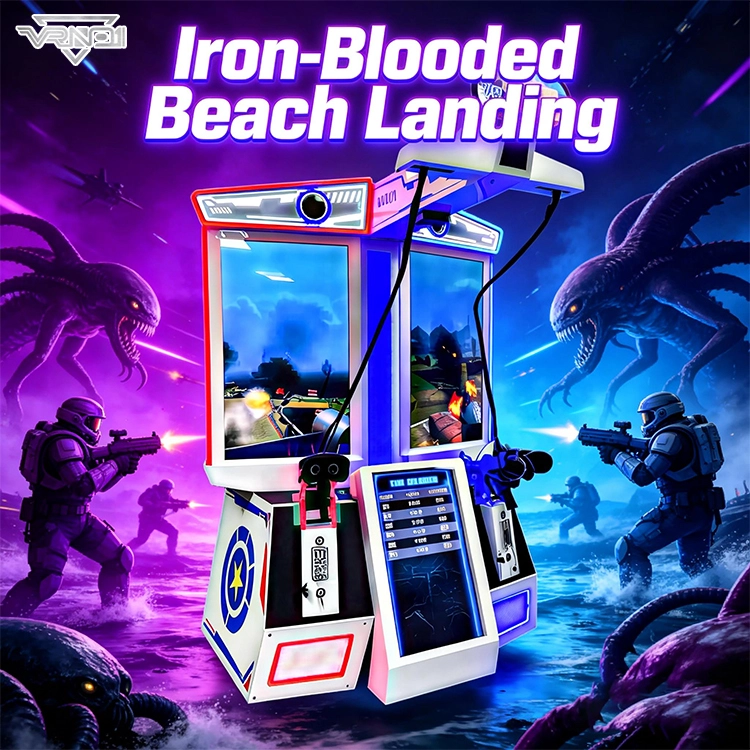
VRN0.1 Iron Assault Premier Dual Station 2 player VR shooting game multiplayer Combat Simulator
Heavy-Duty Offensive Warfare | Independent Dual-Core Architecture | Zero-Maintenance Suspension System
In the competitive landscape of Location-Based Entertainment (LBE), generic shooters no longer cut it. Enter the VR NO.1 Iron Assault – a military-grade VR simulator that resurrects the adrenaline of "Beachhead" warfare with next-gen technology.
Engineered by VR NO.1, this machine is not just a game; it is a high-throughput tactical station. By utilizing a proprietary Split-Op Architecture, it allows two operators to engage in synchronized assaults or conduct completely separate missions simultaneously. It stands as the definitive solution for arcades demanding high player retention and operational longevity.
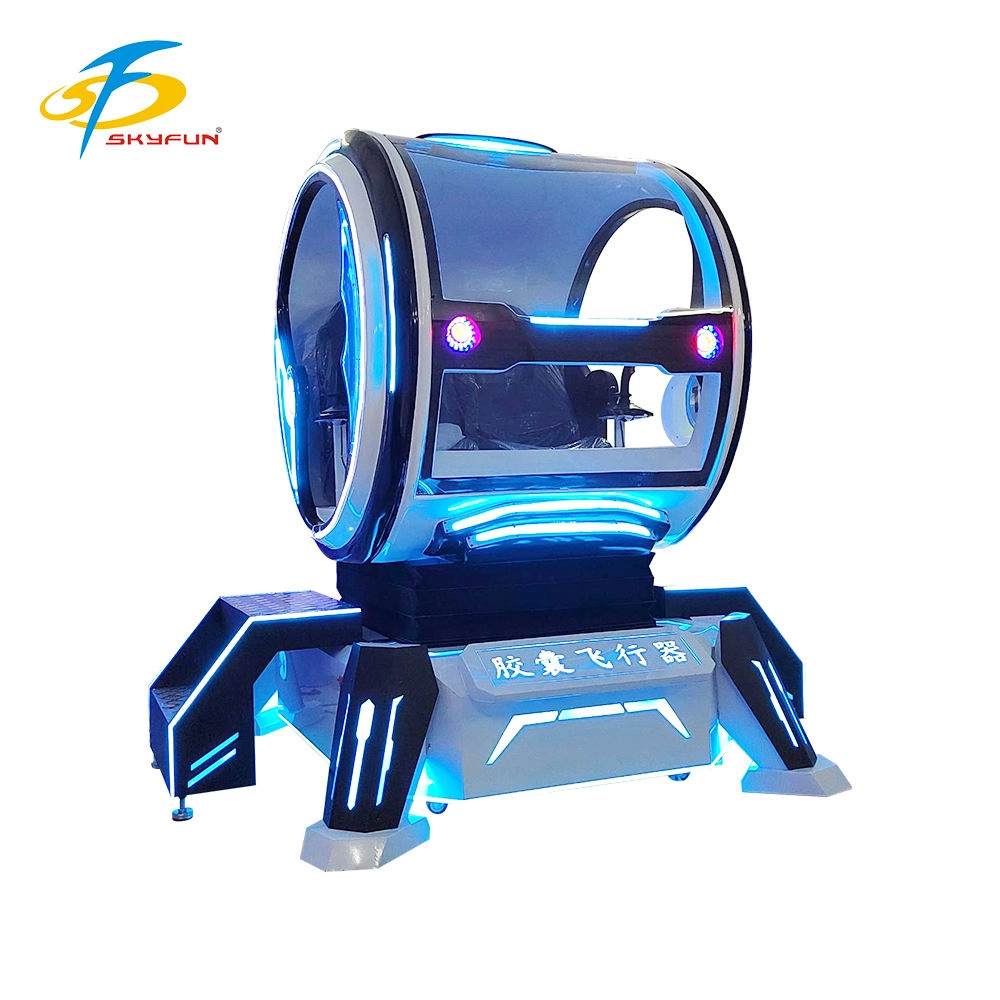
Double Player VR Flight Simulator 100 Movies 15 Games Coin-Operated Game Machine for Shopping Malls Amusement Parks
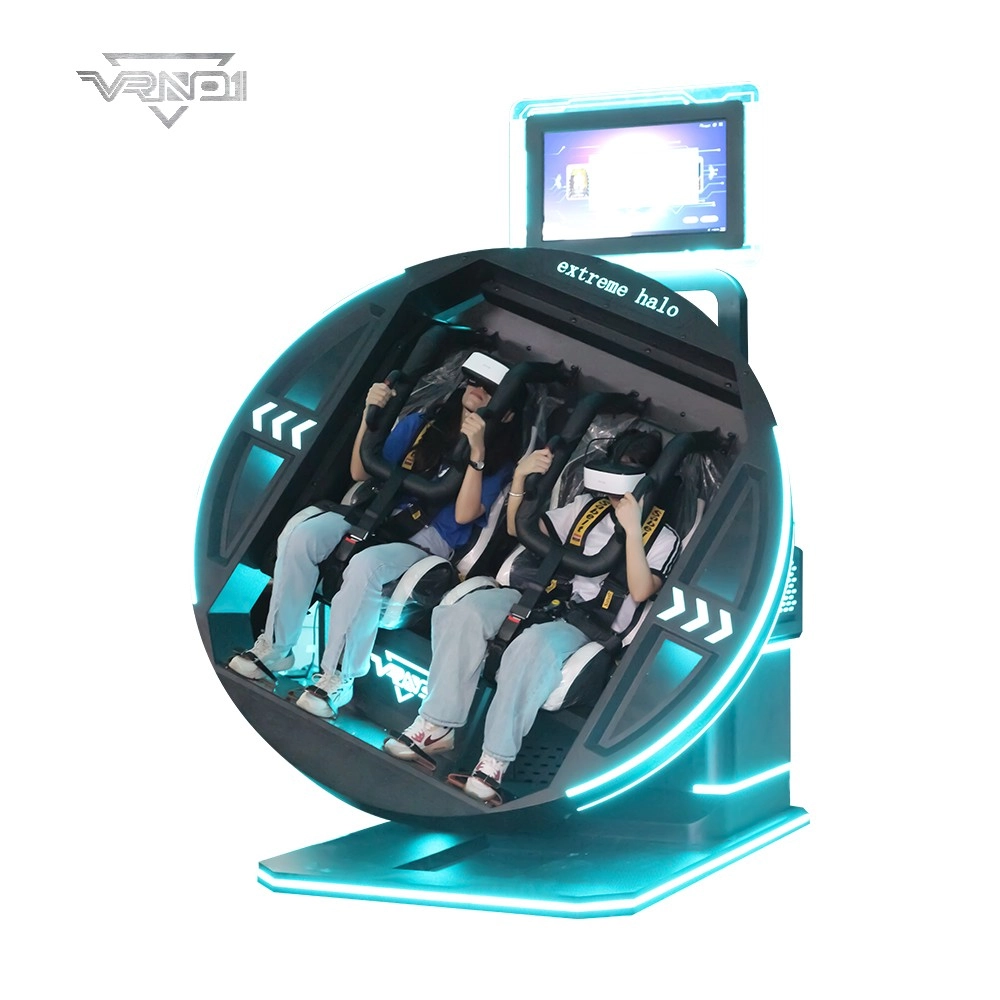
9D VR 360 Roller Coaster Cinema Chair Gaming Set Indoor/Outdoor Business Simulator Hardware for Home or School
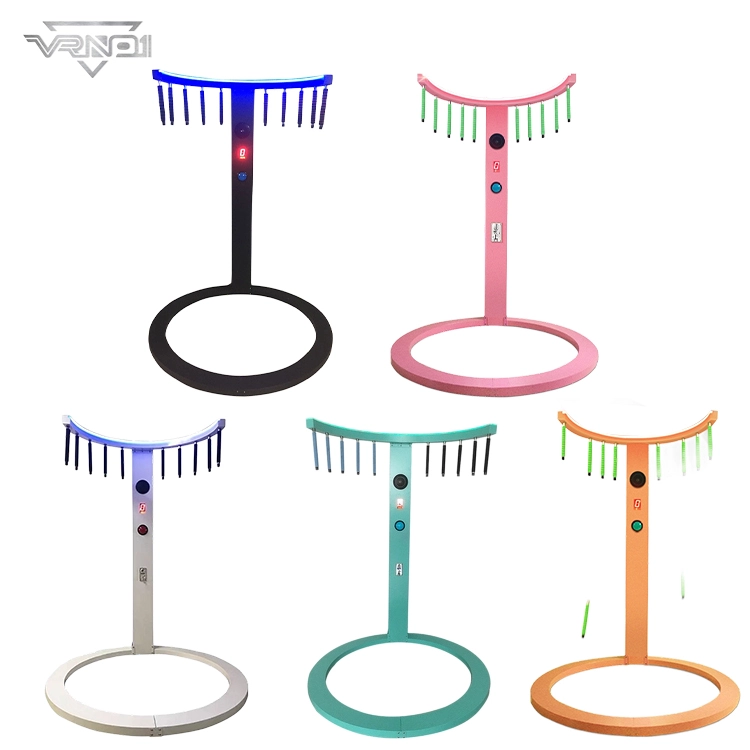
VRN0.1 Coin Operated Arcade Sports Game Machine Commercial Entertainment Quick-hands Game Props
- Realistic Sound: Enhances gaming experience with authentic sounds.
- Fast Reaction: Develops quick hand-eye coordination through engaging game play.
- DIY Kit: Allows for customization and personalization of the baton.
- Metal and Plastic Construction: Durable and robust build quality.
- Coin Operated: Fun for players who enjoy arcade-like experiences.
 Scan QR Code
Whatsapp: +8618127818571
Scan QR Code
Guangzhou Skyfun Technology Co.,Ltd
skyfunvrgame
skyfun game