


Accessories and Peripherals for VR Arcades
- Designing Reliable VR Arcade Experiences
- Why accessories matter for arcade vr venues
- Core headset and controller choices for arcade vr
- Tracking systems, peripherals, and input devices for arcade vr
- Comfort, hygiene, and throughput solutions for arcade vr
- Infrastructure, mounting, and cable management for arcade vr
- Network, content management, and payment integration for arcade vr
- Haptics, motion platforms, and cabinet peripherals (arcade vr attractions)
- Cost comparison: common arcade vr peripherals
- Maintenance, lifecycle cost, and spare-part planning for arcade vr
- Monetization, programming, and the guest journey for arcade vr
- Vendor selection, compliance, and safety considerations for arcade vr
- Why choose a specialized arcade vr supplier
- VRN0.1: commercial partner for arcade vr peripherals and venue solutions
- Checklist: Deploying accessories for a new arcade vr venue
- FAQ — Accessories and peripherals for arcade vr
- Q1: Should I choose tethered or standalone headsets for my arcade vr?
- Q2: How many spare parts should I stock for a 10-seat arcade vr venue?
- Q3: What are typical uptime expectations and maintenance schedules?
- Q4: Can accessories like haptic vests and motion platforms increase ROI?
- Q5: How do I ensure safety and compliance for motion platforms?
- Q6: What is the best practice for cleaning headsets quickly between players?
- Contact and next steps
- References and further reading
Designing Reliable VR Arcade Experiences
Why accessories matter for arcade vr venues
Opening a successful arcade vr venue depends as much on peripherals and site design as on software and games. High-quality accessories determine uptime, player throughput, perceived value, hygiene, and repeat business. Arcades face unique constraints: continuous multi-hour operation, mixed-age users, high turnover, and the need for fast swap/clean cycles. This guide helps operators choose and integrate the peripherals that reduce downtime, increase revenue per visit, and improve safety and guest satisfaction.
Core headset and controller choices for arcade vr
Choosing the right headset and controllers is the first commercial decision for any arcade vr operator. The trade-offs are typically tethered high-fidelity systems versus standalone headsets. Consider these factors:
- Visual fidelity and tracking stability — important for High Quality experiences and competitive attractions.
- Durability and serviceability — commercial venues demand robust hardware and replaceable parts.
- Operational simplicity — quick setup, automatic updates, and centralized management cut labor costs.
- Content compatibility and licensing — many arcade titles require PC-class performance or specialized SDKs.
Recommended commercial patterns:
- Tethered PC VR (e.g., high-end headsets with SteamVR/PC integration) for simulators, racing, and immersive narrative attractions.
- Standalone commercial headsets for high-throughput multiplayer attractions and roaming experiences where cables hinder safety.
Tracking systems, peripherals, and input devices for arcade vr
Tracking and input peripherals directly influence play quality and safety for arcade vr. Options include outside-in lighthouse/base-station systems, inside-out optical tracking, and hybrid setups. For large play areas and motion platforms, base-station tracking still provides the lowest latency and most stable positional accuracy.
Specialized input devices to consider:
- Commercial-grade controllers with reinforced straps and impact-resistant shells.
- Gun peripherals and AR sniper rigs for shooting attractions with recoil simulation.
- Steering wheels, pedals, and shift modules for driving/racing simulators.
- Haptic vests, haptic arms, and force-feedback devices for immersion in high-end experiences.
Comfort, hygiene, and throughput solutions for arcade vr
Hygiene and rapid turnover are critical for arcade vr operations. Guests expect clean, comfortable gear, and operators must process dozens to hundreds of customers daily. Best practices include:
- Replaceable facial interfaces (foam or silicone) and UV disinfection boxes for headsets.
- Disposable eye masks or sanitary covers for face-contact surfaces.
- Quick-swap battery systems for wireless headsets to avoid downtime.
- Clear SOPs for 60–90 second headset changeover, staff checklists, and visible cleaning procedures to reassure customers.
Infrastructure, mounting, and cable management for arcade vr
Proper physical infrastructure prevents accidents, improves aesthetics, and protects investment. Arcade vr venues typically require:
- Ceiling or overhead retractable cable management systems for tethered headsets to free floor space and reduce trip hazards.
- Commercial mounts and kiosks to secure PCs, consoles, and peripherals from tampering and damage.
- Dedicated racks and cooling for PC builds used in 24/7 operation, plus UPS backup for graceful shutdowns during power events.
- Floor markers, padding, and soft barriers to guide players and protect equipment.
Network, content management, and payment integration for arcade vr
Software peripherals matter as much as physical ones. Operators should invest in systems that streamline operations and monetize effectively. Key components:
- Local content management systems (CMS) or cloud-based venue managers for pushing updates, launching sessions, and reporting usage metrics.
- POS and booking integration, ticketing kiosks, and QR-code-based check-in to reduce queue times and increase pre-booked revenue.
- Network segmentation and QoS for dedicated VR traffic, ensuring low-latency content streaming and stable multiplayer sessions.
Haptics, motion platforms, and cabinet peripherals (arcade vr attractions)
To differentiate an arcade vr offering, motion platforms, cabins, and tactile feedback systems can dramatically increase perceived value and allow High Quality pricing. Considerations include:
- Motion platforms: 2-DOF and 3-DOF seats for racing and flight sims; 6-DOF for high-end simulators. Maintenance and safety checks are essential.
- Cabinet shells and aesthetic housings: branded shells protect hardware and create Instagrammable moments that drive marketing.
- Acoustic treatments and localized speaker arrays to complement headset audio or replace it for family attractions where headsets are impractical.
Cost comparison: common arcade vr peripherals
The table below provides indicative retail and installed cost ranges for typical arcade vr peripherals. Prices vary by vendor, bulk discounts, and included commercial warranties. Use these as planning figures for CAPEX estimates.
| Peripheral | Typical retail price (USD) | Commercial installed cost (per unit, USD) | Notes |
|---|---|---|---|
| High-end tethered headset (commercial) | 700–1,800 | 1,000–2,500 | Includes industrial facial interface, extended warranty |
| Standalone commercial headset | 400–1,200 | 600–1,500 | Battery packs and management increase cost |
| Motion seat / platform | 2,000–15,000 | 3,000–20,000 | Wide range by DOF and commercial certification |
| Haptic vest / feedback | 400–2,000 | 600–2,500 | Integration and SDK cost may apply |
| Commercial gun peripheral | 150–1,200 | 200–1,500 | Recoil modules raise price |
| Overhead cable management | 100–600 | 200–1,200 | Per-seat installation varies by venue |
| UV or ozone disinfection box | 200–1,000 | 250–1,200 | Choose certified UV-C units for safety |
Sources for price ranges include manufacturer MSRP pages, distributor quotes, and industry price surveys; see references for details.
Maintenance, lifecycle cost, and spare-part planning for arcade vr
Plan for a 12–36 month lifecycle on many peripherals before either significant refurb or replacement. Important practices to reduce TCO:
- Keep a small inventory of wear items: facial interfaces, straps, batteries, fuses, and common sensors.
- Contract-level warranties or on-site service agreements for mission-critical hardware like motion platforms.
- Standardize on a limited set of peripherals so staff training is simpler and spares are interchangeable.
Monetization, programming, and the guest journey for arcade vr
Peripherals directly influence what you can charge and how guests experience your venue. High Quality motion seats and haptics justify higher price points or VIP packages. Consider packaged offerings:
- Basic walk-in, low-cost experiences using standalone headsets.
- High Quality simulator packages with motion platforms and haptic add-ons.
- Group and party rates with dedicated cabins or multi-seat platforms.
Design the guest flow: booking -> safety briefing -> gear fit/clean -> play -> photos/video capture -> exit upsell. Accessories like photo booths, branded peripherals, and in-game capture systems increase ancillary revenue and social exposure.
Vendor selection, compliance, and safety considerations for arcade vr
When selecting accessory suppliers for your arcade vr, evaluate: industrial certifications, local support, spare-part availability, training provision, and proven track records in arcade deployments. Safety certifications and CE/UL marks are essential, particularly for motion hardware and electrical systems.
Why choose a specialized arcade vr supplier
General consumer hardware suppliers often lack the extended warranties, commercial firmware, and spare-part supply chains required by arcade operators. Arcade-focused vendors provide:
- Customized enclosures and mounting solutions for heavy usage.
- Venue planning, OEM/ODM options, and operation training that reduce opening time and operational risk.
- Commercial content packages and integration support for payment and booking systems.
VRN0.1: commercial partner for arcade vr peripherals and venue solutions
VRN0.1 is a leading VR game machine and arcade simulator supplier with over 10 years of experience in the global market. Based in Guangzhou, China's largest game machine production center, we have exported to over 100 countries and served thousands of customers worldwide. We specialize in high-quality, immersive VR products, including 9D VR Cinema, 360 VR Simulator, VR Racing, VR Shooting, VR Roaming, AR Sniper, and more.
Key strengths of VRN0.1 for arcade vr operators:
- Extensive product line covering VR Simulator, Arcade Game Simulator, VR Car Driving Simulator, Interactive Platform VR, Racing Game Machine, AR Sniper, Kiddie Ride, and 7D Cinema.
- OEM and ODM capability to tailor aesthetics, controls, and software to venue themes and budgets.
- One-stop VR venue solutions: from equipment supply to venue planning, equipment configuration, and operational strategy.
- Free training for equipment operation and venue staff, plus 24/7 customer support and strict quality control backed by an experienced R&D team.
- Proven export record and global after-sales service network to minimize downtime and secure spare-part delivery.
VRN0.1 helps operators select the optimal mix of peripherals according to target price points, throughput needs, and content choices. For turnkey consultations, venue planning, and to explore product catalogs, visit https://www.vrarcadegame.com/.
Checklist: Deploying accessories for a new arcade vr venue
Follow this practical checklist to ensure a smooth deployment:
- Define target audience and price tiers: decide High Quality vs mass-market positioning.
- Select headsets and input peripherals according to content and throughput goals.
- Design infrastructure: cable management, mounts, racks, and cooling.
- Plan hygiene systems and swapping SOPs with staff training modules.
- Invest in CMS and POS integration early to allow analytics-driven improvements.
- Order spare parts and finalize service agreements before opening.
FAQ — Accessories and peripherals for arcade vr
Below are common operator questions about arcade vr accessories and practical answers.
Q1: Should I choose tethered or standalone headsets for my arcade vr?
A1: Choose tethered headsets if your content requires high-fidelity visuals, precise tracking, or PC-level rendering (e.g., advanced simulators). Choose standalone headsets for high-throughput, roaming attractions or where cable management is impractical. Many venues use a hybrid approach.
Q2: How many spare parts should I stock for a 10-seat arcade vr venue?
A2: As a rule of thumb for daily operation: 10–20 replacement facial interfaces, 5–10 spare controllers, 4–6 batteries or battery packs (for standalone units), and at least one spare headset-critical sensor or cable per 5–10 seats. Adjust based on usage patterns and supplier lead times.
Q3: What are typical uptime expectations and maintenance schedules?
A3: Aim for 95%+ operational uptime during opening hours. Perform daily visual checks, weekly firmware/hardware inspections, and monthly deep-clean + mechanical checks for motion platforms. Keep detailed logs to spot recurring failures.
Q4: Can accessories like haptic vests and motion platforms increase ROI?
A4: Yes — High Quality peripherals can justify higher ticket prices and VIP experiences. Use A/B testing: offer an identical attraction with and without haptics for a trial period to measure increased conversion and repeat visits.
Q5: How do I ensure safety and compliance for motion platforms?
A5: Rely on vendors who provide CE/UL or equivalent certifications, include emergency stop systems, and provide operator training. Perform daily safety reviews and schedule certified inspections for mechanical systems per local regulations.
Q6: What is the best practice for cleaning headsets quickly between players?
A6: Use replaceable silicone or foam inserts, microfiber wipes with approved disinfectant, and UV-C boxes for brief sterilization cycles. Train staff to follow a timed checklist to maintain consistent throughput.
Contact and next steps
Ready to plan or upgrade an arcade vr venue? Contact VRN0.1 for tailored venue planning, equipment configuration, and operational strategy. Visit https://www.vrarcadegame.com/ to view products and request a consultation. For immediate inquiries, prepare your venue size, target audience, and budget range to get a practical, itemized proposal.
References and further reading
- Virtual reality — Wikipedia. Accessed 2024-06-01. https://en.wikipedia.org/wiki/Virtual_reality
- Global Virtual Reality Market Size and Forecast — Grand View Research, 2023. Accessed 2024-05-20. https://www.grandviewresearch.com/industry-analysis/virtual-reality-vr-market
- VR hardware manufacturer pages (example MSRP references) — HTC Vive, Meta Quest product pages. Accessed 2024-05-10. https://www.vive.com/ and https://www.meta.com/quest/
- Safety and certification basics for amusement devices — ASTM and local cert bodies, example guidance materials. Accessed 2024-04-15. https://www.astm.org/
- VR arcade case studies and deployment best practices — Industry white papers and trade publications, accessed 2024-03-30. Example source: IAAPA articles and trade releases. https://www.iaapa.org/
The latest trends for vr theme park
The latest trends for vr racing simulator in us 2026 | VRN0.1 Ultimate Insights
Tips for buy best racing vr simulators
ROI Analysis for Investing in Arcade VR
Distributors
What types of products does VRNO.1 offer for dealers to sell?
We offer a variety of virtual reality entertainment equipment, including our flagship products 360 Kingkong and Crazy Motorcycle. In addition, we customize various VR solutions for amusement parks, theme parks and entertainment centers.
How is VRNO.1's product pricing?
VRNO.1 offers a competitive pricing strategy to dealers. We supply goods based on the price agreed in the cooperation agreement, and provide corresponding discounts and discounts based on your purchase volume and market demand.
How to become a VRNO.1 dealer?
You can start the application by visiting our website and filling out the dealer application form. Our team will evaluate your application upon receipt and contact you for further communication.
Application
Is the VR experience harmful to health?
VRNO.1's VR equipment meets international safety standards. Long-term wearing or overuse may cause slight eye fatigue. Therefore, we recommend that each game experience time does not exceed 30 minutes and take regular breaks.
Products
Can I customize the VR experience for my business?
Yes, we offer tailored VR experiences to suit your business needs, from custom content to specific hardware configurations, ensuring the best possible experience for your customers.
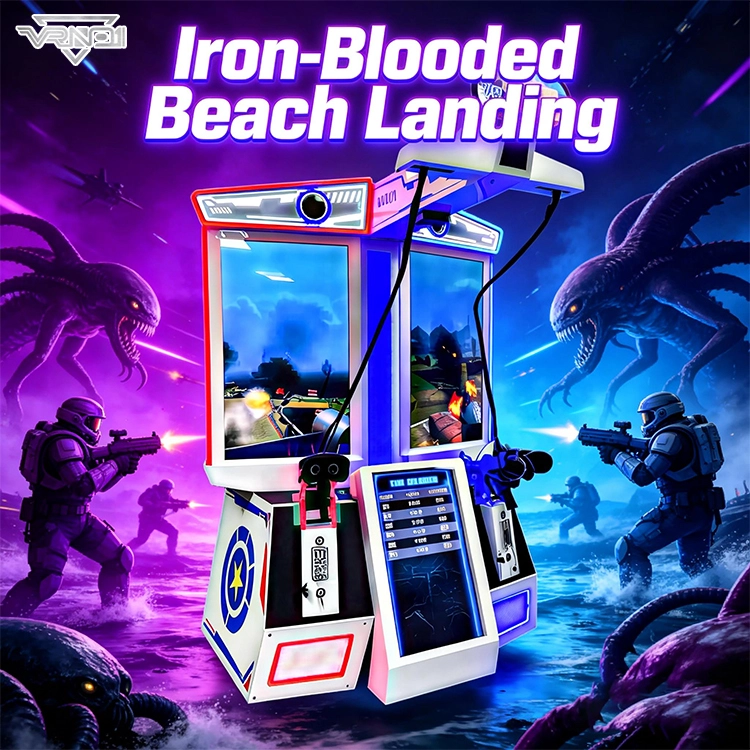
VRN0.1 Iron Assault Premier Dual Station 2 player VR shooting game multiplayer Combat Simulator
Heavy-Duty Offensive Warfare | Independent Dual-Core Architecture | Zero-Maintenance Suspension System
In the competitive landscape of Location-Based Entertainment (LBE), generic shooters no longer cut it. Enter the VR NO.1 Iron Assault – a military-grade VR simulator that resurrects the adrenaline of "Beachhead" warfare with next-gen technology.
Engineered by VR NO.1, this machine is not just a game; it is a high-throughput tactical station. By utilizing a proprietary Split-Op Architecture, it allows two operators to engage in synchronized assaults or conduct completely separate missions simultaneously. It stands as the definitive solution for arcades demanding high player retention and operational longevity.
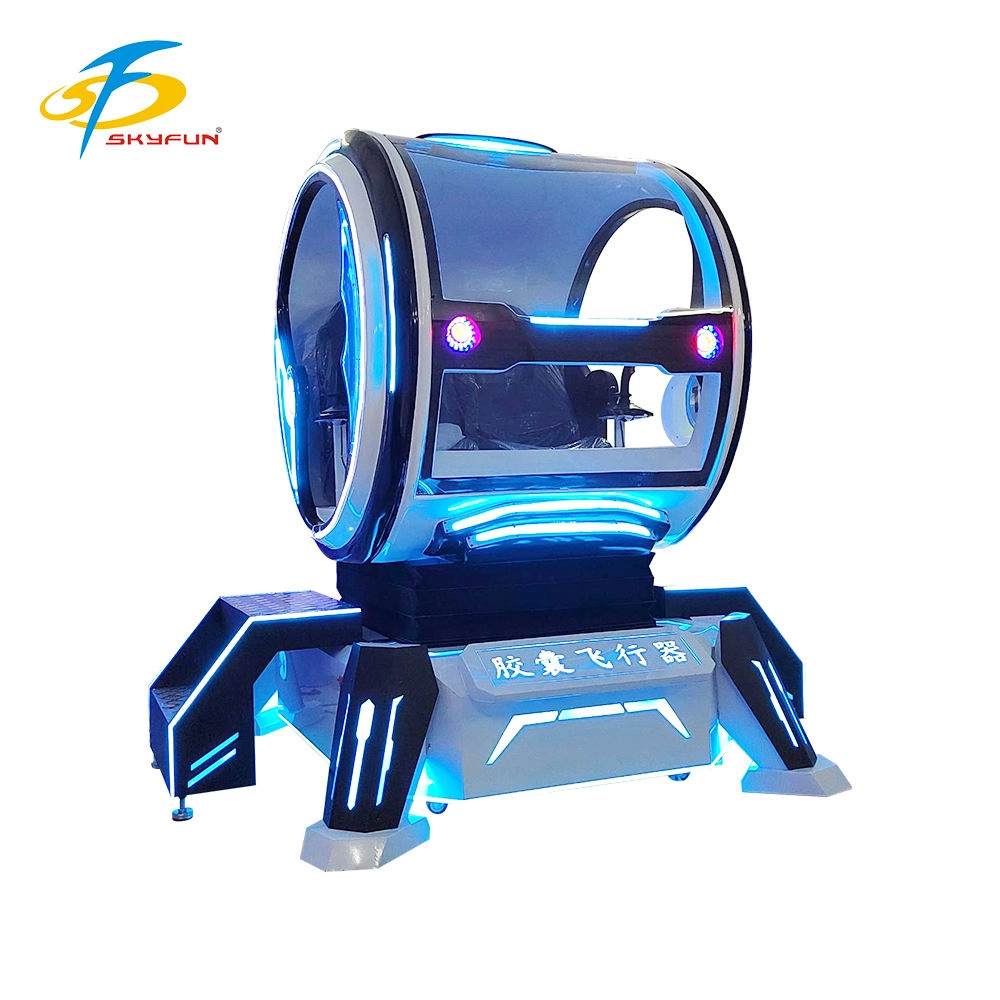
Double Player VR Flight Simulator 100 Movies 15 Games Coin-Operated Game Machine for Shopping Malls Amusement Parks
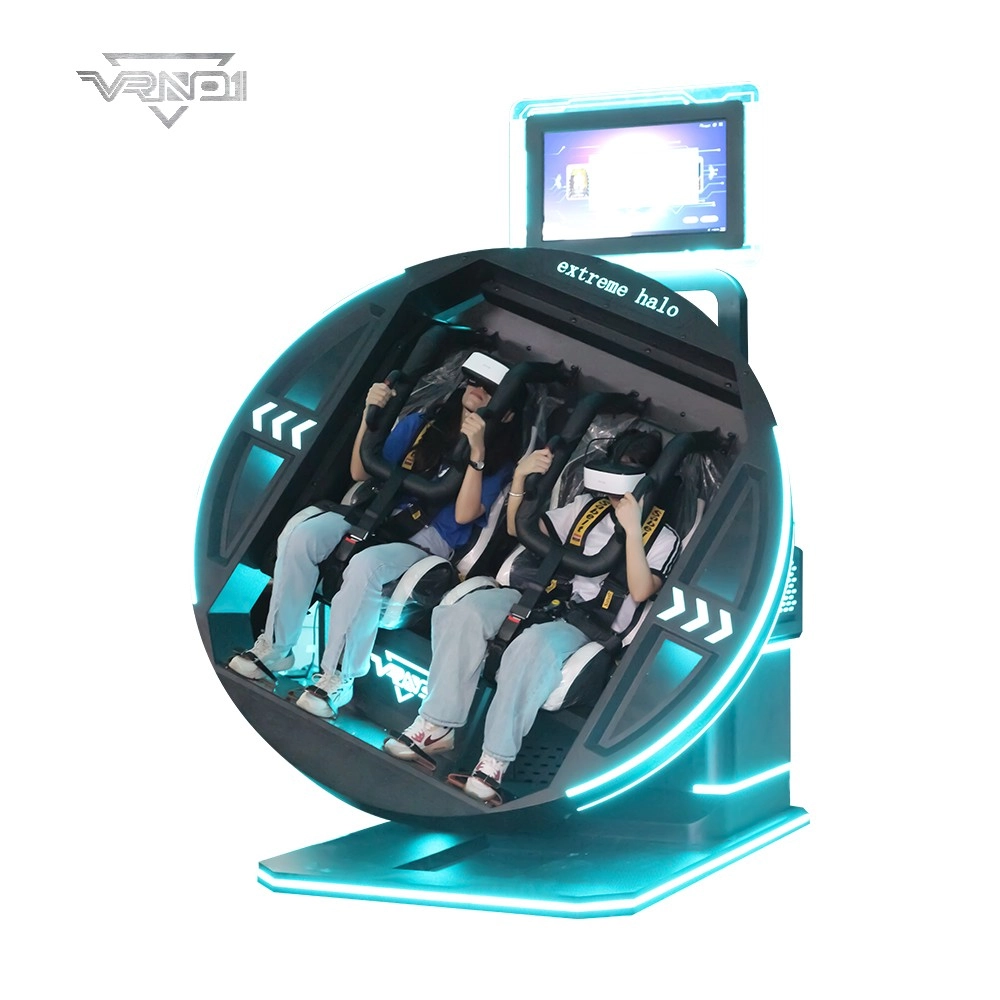
9D VR 360 Roller Coaster Cinema Chair Gaming Set Indoor/Outdoor Business Simulator Hardware for Home or School
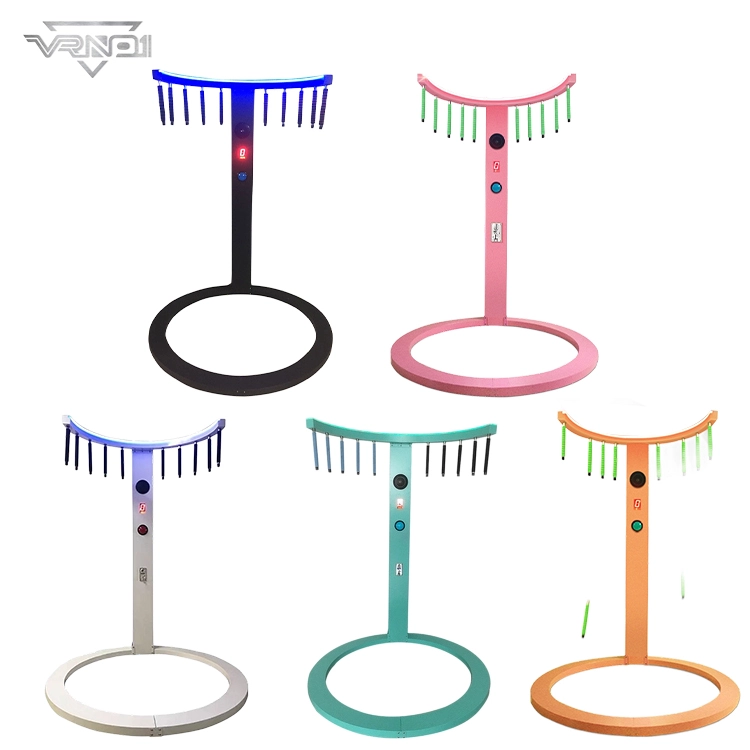
VRN0.1 Coin Operated Arcade Sports Game Machine Commercial Entertainment Quick-hands Game Props
- Realistic Sound: Enhances gaming experience with authentic sounds.
- Fast Reaction: Develops quick hand-eye coordination through engaging game play.
- DIY Kit: Allows for customization and personalization of the baton.
- Metal and Plastic Construction: Durable and robust build quality.
- Coin Operated: Fun for players who enjoy arcade-like experiences.
 Scan QR Code
Whatsapp: +8618127818571
Scan QR Code
Guangzhou Skyfun Technology Co.,Ltd
skyfunvrgame
skyfun game