


Troubleshooting Common 9D VR Chair Simulator Problems
- Troubleshooting Common 9D VR Chair Simulator Problems
- Quick Pre-Check: The Fast Checklist Before You Start
- Power & Electrical Issues
- Symptoms and Immediate Actions
- Common Causes and Fixes
- Network & Content Loading Problems
- Symptoms and Diagnostics
- Solutions and Best Practices
- Motion & Mechanical Malfunctions
- Symptoms and Field Checks
- Repairs and Preventive Tips
- Audio & Visual Distortions
- Identifying AV Problems
- Corrective Steps
- Software Crashes & Compatibility
- Crash Symptoms and Log Checks
- Patch Management and Rollback Procedures
- Payment & Kiosk Integration Problems
- Payment Failures and Troubleshooting
- Integration Best Practices
- Common Issues at a Glance (Comparison Table)
- Preventive Maintenance & Daily Checklist
- When to Contact the Manufacturer or a Technician
- Why Proper Troubleshooting Protects Revenue
- FAQ
- Q: How often should I perform preventive maintenance on a 9d vr chair simulator?
- Q: My simulator has intermittent motion jitter—what should I check first?
- Q: Can I update simulator software myself safely?
- Q: What spare parts should I keep on hand?
- Q: How does VRN0.1 support international customers with repairs?
- Q: Where can I find firmware and driver updates?
Troubleshooting Common 9D VR Chair Simulator Problems
As a VR venue owner or operator, knowing how to troubleshoot your 9D VR chair simulator quickly reduces downtime and protects revenue. This guide explains common issues, practical fixes, and preventive measures. VRN0.1, a leading VR game machine and arcade simulator supplier based in Guangzhou with over 10 years’ global experience, provides these recommendations based on real-world service cases and product design best practices.
Quick Pre-Check: The Fast Checklist Before You Start
Before deep-diving into diagnostics, run a fast pre-check for your 9d vr chair simulator: confirm AC power and surge protection, ensure the main switches and emergency stop are set correctly, check network connectivity, restart the PC and chair controller, and validate that the latest approved content build is loaded. These quick steps solve many common incidents within minutes.
Power & Electrical Issues
Symptoms and Immediate Actions
If the 9d vr chair simulator won’t power on or restarts randomly, check power source and cabling first. Confirm the outlet provides stable voltage and that the power supply unit (PSU) LEDs indicate normal operation. Replace fuses or reset circuit breakers only after powering down equipment safely.
Common Causes and Fixes
Typical causes include loose power connections, faulty PSUs, or overloaded circuits. Fixes include tightening connectors, testing with a known-good PSU, moving the simulator to a dedicated circuit if possible, and installing an uninterruptible power supply (UPS) to protect sensitive electronics from spikes.
Network & Content Loading Problems
Symptoms and Diagnostics
Content fails to download, stalls during updates, or online leaderboards/time-tracking won’t sync. Start by testing the venue LAN and internet speed—some simulator content requires stable downloads and cloud access. Ping the content server, check router logs, and verify firewall rules are not blocking required ports.
Solutions and Best Practices
Use a wired Ethernet connection for reliability. Configure Quality of Service (QoS) to prioritize simulator traffic, schedule large content updates during off-hours, and maintain a local content cache if your platform supports it to mitigate intermittent WAN issues.
Motion & Mechanical Malfunctions
Symptoms and Field Checks
If the seat tilts irregularly, shakes, or fails to move, visually inspect actuator mounts, sensor leads, and wiring harnesses. Listen for unusual motor noises—grinding or squealing often indicates mechanical wear or a failing motor driver.
Repairs and Preventive Tips
Common fixes are tightening loose fasteners, replacing worn bushings, and re-aligning actuators. For motors and gearboxes showing wear, replace the component rather than continue operation. Keep a spare actuator kit on hand for high-traffic venues. Regular lubrication and a quarterly mechanical inspection significantly reduce failures.
Audio & Visual Distortions
Identifying AV Problems
Screen tearing, latency, blurry images, or distorted audio degrade the user experience. First, confirm cable connections (HDMI/DisplayPort, audio jacks), check GPU temperature and driver versions, and ensure the headset or display firmware is up-to-date.
Corrective Steps
Update GPU drivers to vendor-recommended versions and use the display’s native resolution. For headset-based 9d vr chair simulator setups, adjust IPD and headset straps for a stable fit. Replace faulty cables with certified high-speed versions. If audio stutters, verify soundcard drivers and reduce competing background processes on the host PC.
Software Crashes & Compatibility
Crash Symptoms and Log Checks
Software crashes, freezing during startup, or in-game graphical glitches often stem from driver conflicts, corrupted game files, or incompatible OS updates. Check application logs, Windows Event Viewer (or Linux logs), and crash dump files to identify the failing module.
Patch Management and Rollback Procedures
Maintain a controlled patch schedule: test updates on a single machine before rolling out fleet-wide. Keep a known-good system image for quick rollback. If a recent update causes instability, revert to the previous stable version and report logs to your vendor—VRN0.1’s support can analyze and recommend fixes or official patches.
Payment & Kiosk Integration Problems
Payment Failures and Troubleshooting
Payment terminal refusals, transaction timeouts, or kiosk UI freezes impact sales directly. Verify API keys, certificate expirations, and that the payment gateway endpoint is reachable. Reboot POS software and reseat any USB/serial connections to card readers.
Integration Best Practices
Use stable, well-documented payment SDKs. Log all transactions locally with a retry queue to recover from momentary network outages. For cashless operation, test workflows daily and train attendants to perform basic resets.
Common Issues at a Glance (Comparison Table)
Below is a quick comparison of frequent problems, their typical causes, and recommended first-line fixes for your 9d vr chair simulator.
| Problem | Typical Cause | Quick Fix |
|---|---|---|
| Won't power on | Loose cable, blown fuse, PSU failure | Check power cable, test outlet, swap PSU/replace fuse |
| Seat not moving | Actuator fault, wiring disconnect, motor driver fail | Inspect mounts/wiring, replace actuator, check driver board |
| Content won't load | Network outage, firewall blocking, server down | Test internet, bypass firewall rules, use cached content |
| Audio/video glitches | Loose cables, outdated GPU drivers, overheating | Reseat cables, update drivers, cool the PC |
| Payment decline | Gateway auth issue, expired cert, local connectivity | Check API keys, renew certs, restart POS and network gear |
Preventive Maintenance & Daily Checklist
Prevention minimizes repair time. Recommended routine tasks for your 9d vr chair simulator include daily visual checks, weekly firmware/driver validation, monthly actuator and cable inspections, quarterly full system cleaning and lubrication, and annual professional servicing. Keep operation logs for every session to spot recurring patterns early.
When to Contact the Manufacturer or a Technician
Escalate issues to your supplier when you encounter electrical smell, persistent motor overheating, repeated software crashes after rollback, or hardware failures beyond simple part swaps. VRN0.1 provides OEM and ODM support, free operational training, and 24/7 customer support—contact their service desk if a fault cannot be resolved with basic troubleshooting.
Why Proper Troubleshooting Protects Revenue
Rapid diagnosis and repair reduce machine downtime and maintain customer satisfaction. A well-maintained 9d vr chair simulator improves throughput, reduces repair costs over time, and ensures consistent ride quality—key to high repeat play rates and profitability in arcade operations.
FAQ
Q: How often should I perform preventive maintenance on a 9d vr chair simulator?
A: Perform daily visual checks, weekly firmware and driver reviews, monthly mechanical inspections, quarterly lubrication and cleaning, and an annual professional service. High-usage venues may accelerate this schedule.
Q: My simulator has intermittent motion jitter—what should I check first?
A: Inspect actuator wiring and connectors for loose contacts, verify motor driver temperatures, check for mechanical obstructions, and confirm no conflicting background processes are overloading the host PC.
Q: Can I update simulator software myself safely?
A: Yes—if you follow vendor instructions. Always back up a known-good image, test on one unit first, and schedule updates during off-hours. Contact VRN0.1 for guidance on certified updates.
Q: What spare parts should I keep on hand?
A: Keep spare fuses, actuator modules, common cables (HDMI, power), a spare PSU, and a replacement motor driver if available. Inventory depends on the number of machines and expected daily cycles.
Q: How does VRN0.1 support international customers with repairs?
A: VRN0.1 supports OEM/ODM customization, provides free training for equipment and operation, and offers 24/7 customer support. They also supply parts and technical guidance for thousands of customers across 100+ countries.
Q: Where can I find firmware and driver updates?
A: Obtain firmware and drivers only from authorized supplier channels. For VRN0.1 customers, access official downloads and support via https://www.vrarcadegame.com/ or contact support to ensure compatibility and avoid unauthorized builds.
For complex issues, persistent failures, or help configuring payment and network systems, contact VRN0.1’s technical support. Their experienced R&D team and global service network can provide on-site advice, parts, and training to keep your 9d vr chair simulator running smoothly.
What is 9D VR Egg Cinema? A Beginner's Guide
Top 10 vr airplane simulator Manufacturers and Supplier Brands in China
VR Flight Simulator Hardware: Cockpits & Seats
Best arcade game machine manufacturers and supplier brands
Solution
How to customize VR equipment and content for my venue?
VRNO.1 provides personalized customization services. You can choose different VR equipment and game content according to the type of venue, customer group and budget requirements. Our design team will communicate with you to ensure the best solution and design the venue layout.
Does VRNO.1 provide customized development of VR game content?
Yes, VRNO.1 provides customized development services for game content. We can customize specific types of games according to your needs to enhance the user experience. Customized content can include game themes, scenes, interactive functions, etc. to meet different market needs.
Application
Does the VR game support multi-person interaction on the same screen?
Yes, VRNO.1's VR gaming devices support multiplayer on-screen interaction. Family members can participate in multiplayer competitive games, cooperative adventure games, etc., to enhance the interaction and entertainment experience among family members.
Products
Do you offer support and training for using VRNO.1’s VR systems?
Yes, we provide comprehensive support and training for all our VR products, ensuring that your staff is fully equipped to operate and maintain the systems.
How durable are your VR machines?
Our VR machines are designed for durability and high traffic use, ensuring long-lasting performance. We also provide maintenance and support services to keep your equipment running smoothly.
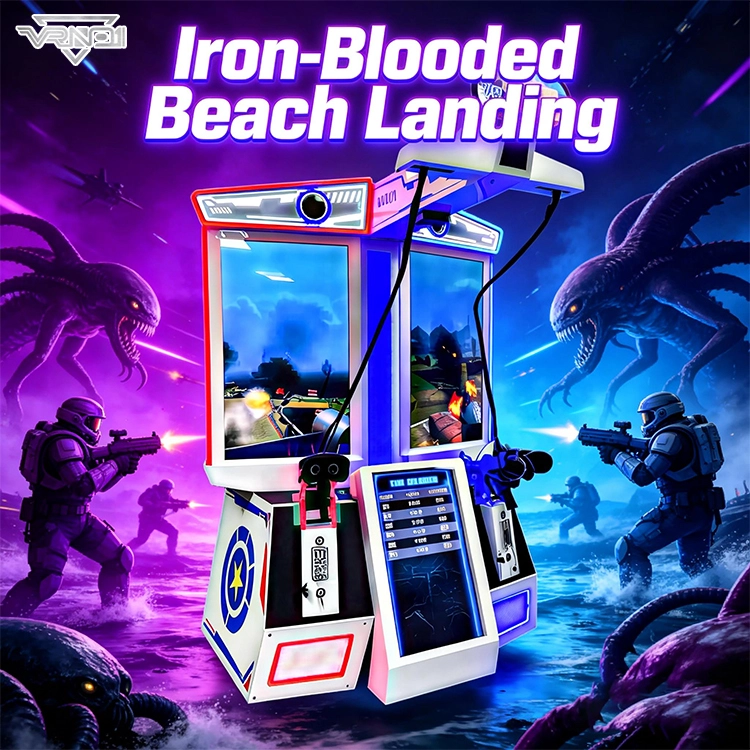
VRN0.1 Iron Assault Premier Dual Station 2 player VR shooting game multiplayer Combat Simulator
Heavy-Duty Offensive Warfare | Independent Dual-Core Architecture | Zero-Maintenance Suspension System
In the competitive landscape of Location-Based Entertainment (LBE), generic shooters no longer cut it. Enter the VR NO.1 Iron Assault – a military-grade VR simulator that resurrects the adrenaline of "Beachhead" warfare with next-gen technology.
Engineered by VR NO.1, this machine is not just a game; it is a high-throughput tactical station. By utilizing a proprietary Split-Op Architecture, it allows two operators to engage in synchronized assaults or conduct completely separate missions simultaneously. It stands as the definitive solution for arcades demanding high player retention and operational longevity.
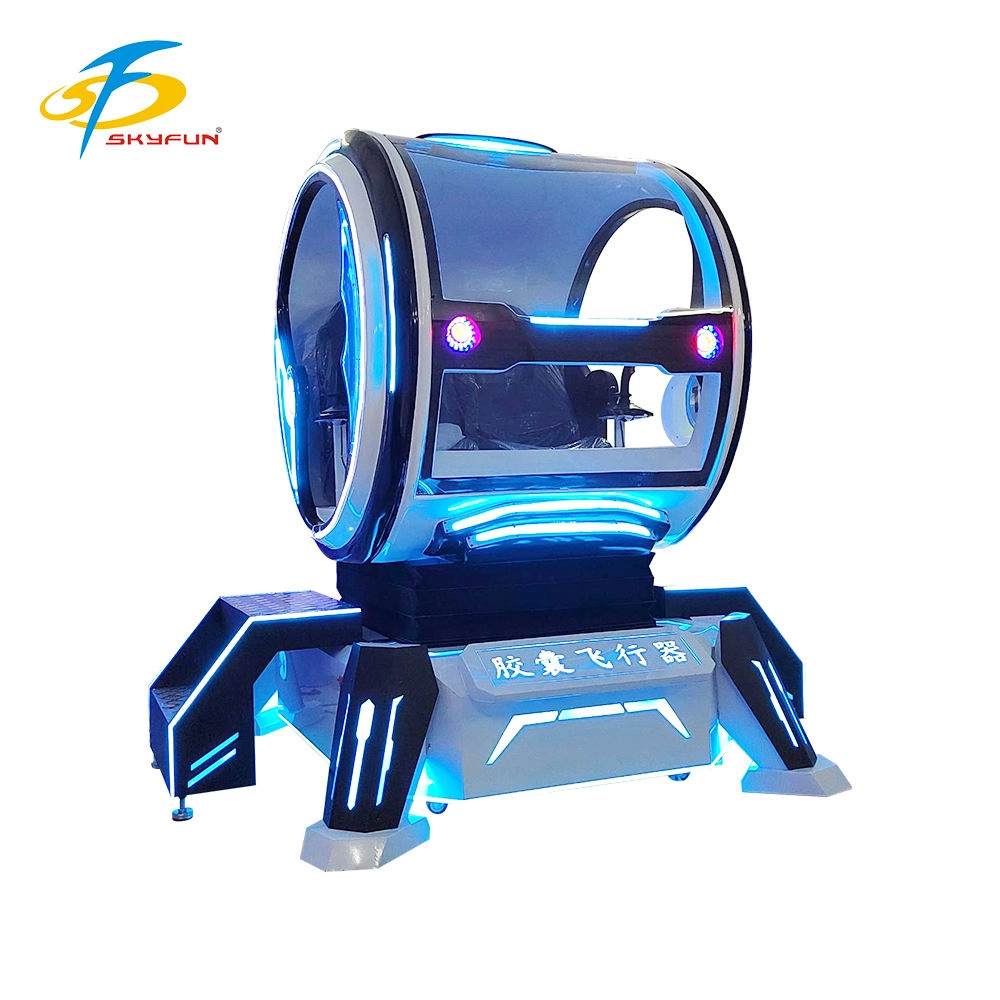
Double Player VR Flight Simulator 100 Movies 15 Games Coin-Operated Game Machine for Shopping Malls Amusement Parks
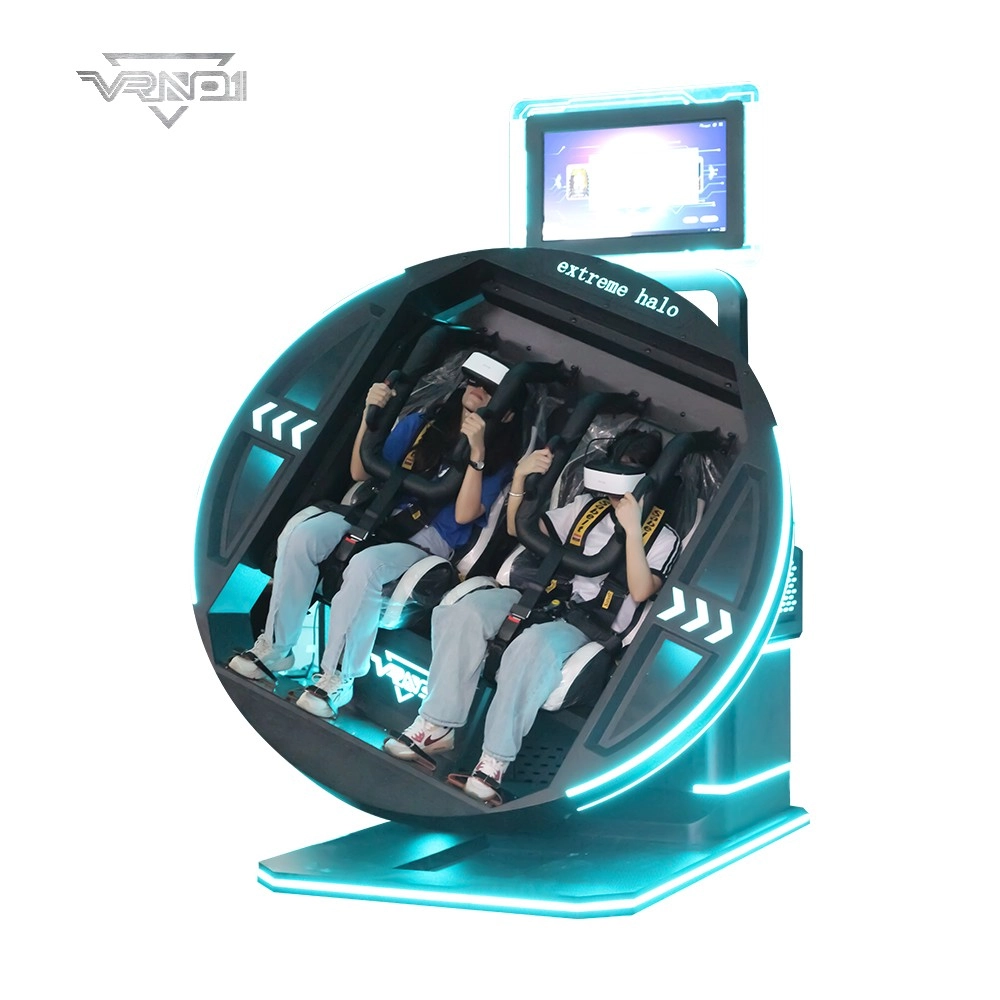
9D VR 360 Roller Coaster Cinema Chair Gaming Set Indoor/Outdoor Business Simulator Hardware for Home or School
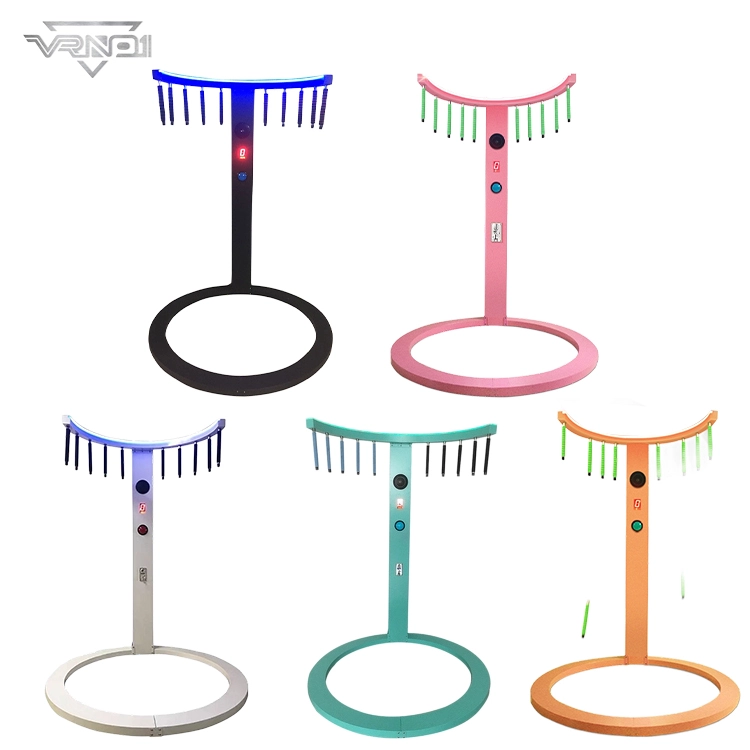
VRN0.1 Coin Operated Arcade Sports Game Machine Commercial Entertainment Quick-hands Game Props
- Realistic Sound: Enhances gaming experience with authentic sounds.
- Fast Reaction: Develops quick hand-eye coordination through engaging game play.
- DIY Kit: Allows for customization and personalization of the baton.
- Metal and Plastic Construction: Durable and robust build quality.
- Coin Operated: Fun for players who enjoy arcade-like experiences.
 Scan QR Code
Whatsapp: +8618127818571
Scan QR Code
Guangzhou Skyfun Technology Co.,Ltd
skyfunvrgame
skyfun game