


Mobile Arcade VR: Pop-up and Truck Concepts
- Mobile Immersion: Bringing Arcade VR On The Move
- Why invest in arcade vr mobile concepts?
- Market opportunity and customer intent for arcade vr
- Two primary mobile formats: pop-up booths and truck concepts
- Design and technical considerations for mobile arcade vr
- Operations, staffing and service model for arcade vr
- Location strategy and partnerships for mobile arcade vr
- Cost, pricing and ROI comparison: pop-up vs truck
- Customer experience, hygiene and accessibility in arcade vr
- Marketing, monetization and ancillary revenues
- Why choose a proven supplier: technical support and turnkey solutions
- Partner profile: VRN0.1 — mobile arcade vr supplier and venue partner
- VRN0.1 capabilities and product range for arcade vr operators
- Services tailored for pop-up and truck concepts
- Competitive strengths and differentiation
- Selecting a supplier: checklist for mobile arcade vr projects
- Implementation roadmap: from concept to revenue
- Regulatory, permits and insurance considerations
- FAQs — Mobile Arcade VR: Pop-up & Truck Concepts
- 1. What is the difference between a pop-up arcade vr and a truck-based vr arcade?
- 2. How much does it cost to start a mobile arcade vr business?
- 3. What are realistic revenue streams for mobile arcade vr?
- 4. How do I choose the right VR content for public use?
- 5. What are the main operational risks and how to mitigate them?
- 6. Can a mobile arcade vr concept lead to a permanent venue?
- 7. How long does it take to set up a pop-up or convert a truck?
- Contact and next steps
- References and authoritative sources
Mobile Immersion: Bringing Arcade VR On The Move
Why invest in arcade vr mobile concepts?
Arcade VR delivered as a mobile experience (pop-up booths or branded trucks) meets multiple modern demands: experiential retail, festival entertainment, corporate activations and flexible revenue streams for venue operators. As consumer appetite for immersive experiences rises, mobile arcade vr allows operators to take high-impact attractions directly to customers, test markets quickly and scale without long-term brick-and-mortar commitments.
Market opportunity and customer intent for arcade vr
Understanding the behind arcade vr usually means the user is evaluating equipment, concepts, suppliers, or business models. Demand drivers include growth in VR hardware adoption, experiential marketing budgets, and the popularity of destination entertainment (malls, family entertainment centers, festivals). Global VR market reports (see references) show multi-billion-dollar demand and steady CAGR, which validates investment in portable VR attractions as part of a diversified entertainment portfolio.
Two primary mobile formats: pop-up booths and truck concepts
Both formats serve the same goal—bring immersive arcade vr to audiences—but differ in logistics, brand impact, and investment profile.
Pop-up arcade vr typically uses temporary installs inside malls, event halls or outdoor tents. Advantages: lower capital expenditure, fast setup, and flexibility to test multiple sites in a city. Limitations include reliance on venue permission, smaller footprint and often weather sensitivity for outdoor events.
Truck-based arcade vr (converted trailers or trucks) is self-contained, offers 24/7 branding visibility, and can include climate control and larger setups (multiple VR stations, motion platforms). Trucks are ideal for roadshows, festival seasons, and multi-city tours but require higher capital outlay, vehicle maintenance and road permits.
Design and technical considerations for mobile arcade vr
Design choices directly affect throughput, guest satisfaction and safety—three areas that determine profitability.
- Capacity and throughput: Choose headsets and rigs that balance immersion and turnaround time. Typical pop-ups favor 4–8 stations; trucks can host 6–12 depending on interior layout.
- Space and ergonomics: Pop-up booths need efficient queuing and clear sightlines; trucks require optimized interior layouts for safe ingress/egress and equipment servicing.
- Hardware selection: For reliable public operation, prefer commercial-grade HMDs, tethered or wireless solutions with robust tracking. Consider 360 VR simulators and motion seats for higher ticket pricing and perceived value.
- Power and climate: Truck units should include power inverters, onboard generators or shore-power compatibility; pop-ups need guaranteed access to venue power and temperature control to protect electronics and ensure guest comfort.
- Safety systems: Implement physical barriers for roaming rigs, emergency stop switches, and cleaning/VR hygiene protocols.
Operations, staffing and service model for arcade vr
Operational excellence is a major competitive advantage for mobile arcade vr.
- Staffing: One trained operator per 2–4 stations maintains flow, enforces safety, and assists customers. For trucks, add a driver/operator with experience handling vehicle operations and setup.
- Maintenance: Regular checks for tracking calibration, headset sanitation and mechanical wear on motion platforms are mandatory. Build scheduled preventive maintenance into weekly routines.
- Turnkey vs. white-label operation: Decide whether you provide the full staffing and management (turnkey) or simply rent equipment to venue partners and train their staff (white-label). Each model affects margin, scalability and control.
Location strategy and partnerships for mobile arcade vr
Success depends on being where target customers gather. Prioritize:
- High-footfall retail environments (malls, outlet centers)
- Seasonal festivals, university orientations and city events
- Corporate activations, team-building events and private parties
Form partnerships with event promoters, mall management and local tourism boards. Revenue-share arrangements or short-term leases reduce upfront location costs and speed time-to-revenue.
Cost, pricing and ROI comparison: pop-up vs truck
Operators should model CAPEX, OPEX and realistic throughput to estimate break-even. The table below summarizes typical ranges and considerations. Figures are industry-typical ranges; actual costs vary by region, equipment choice and customization.
| Item | Pop-up Arcade VR (typical) | Truck-Based Arcade VR (typical) |
|---|---|---|
| Initial CAPEX (equipment only) | $10,000 – $60,000 (4–8 stations, basic motion) | $50,000 – $200,000+ (truck conversion + 6–12 stations) |
| Monthly OPEX (staff, permits, power) | $3,000 – $10,000 | $6,000 – $20,000 (fuel, driver, maintenance) |
| Throughput (guests/hour) | 40 – 120 (depends on session length) | 60 – 240 |
| Typical ticket price | $5 – $20 per session | $8 – $30 per session |
| Payback period (estimate) | 6–18 months (high-traffic pop-up) | 12–36 months (truck tour with multi-city commitments) |
Sources for CAPEX/OPEX ranges include industry supplier price lists, rental benchmarks and operator interviews. Exact ROI depends on utilization, location fees and marketing effectiveness.
Customer experience, hygiene and accessibility in arcade vr
High Net Promoter Scores (NPS) come from consistent, safe, and memorable experiences. Implement:
- Sanitation protocols between sessions (replace or sanitize foam face covers, use UV or approved disinfectants).
- Clear content warnings and age/height restrictions; provide alternative seated experiences for guests with limited mobility.
- Queue entertainment and digital signup with wait-time estimates—reduces perceived wait time and increases secondary sales.
Marketing, monetization and ancillary revenues
Mobile arcade vr can earn beyond ticket sales. Consider:
- Merchandising (branded items and photo prints)
- Event sponsorships and branded content
- Group bookings, birthday packages and corporate events
- Lead capture and CRM integrations to convert one-off guests into repeat customers at permanent venues
Use hyperlocal digital marketing—social ads geo-targeted to event radius, partnerships with local influencers, and real-time content on social platforms to drive walk-up traffic.
Why choose a proven supplier: technical support and turnkey solutions
When launching mobile arcade vr, supplier selection is as important as location. Look for vendors who offer commercial-grade hardware, content libraries optimized for public environments, OEM/ODM flexibility and training. Reliable spare parts availability and 24/7 support reduce downtime—critical for mobile operations where a single day offline can materially impact monthly revenue.
Partner profile: VRN0.1 — mobile arcade vr supplier and venue partner
VRN0.1 capabilities and product range for arcade vr operators
VRN0.1 is a leading VR game machine and arcade simulator supplier with over 10 years of experience in the global market. Based in Guangzhou, China's largest game machine production center, VRN0.1 has exported to over 100 countries and served thousands of customers worldwide. The company specializes in high-quality, immersive VR products suitable for mobile deployments, including 9D VR Cinema, 360 VR Simulator, VR Racing, VR Shooting, VR Roaming, AR Sniper, and more.
Services tailored for pop-up and truck concepts
Key offerings that matter for mobile arcade vr operators:
- OEM and ODM services to customize rigs and interior truck layouts
- One-stop VR venue solutions including equipment, software, and training
- Free training for equipment operation and venue management to speed ramp-up
- 24/7 customer support, spare parts logistics and global shipping experience
VRN0.1 emphasizes R&D-driven product development and strict quality control, which lowers failure rates and supports higher uptime for touring concepts. Their product line covers mainstream arcade categories relevant to pop-up and truck projects: VR Simulator, Arcade Game Simulator, VR Car Driving Simulator, Interactive Platform VR, Racing Game Machine, AR Sniper, Kiddie Ride, and 7D Cinema.
Competitive strengths and differentiation
What sets VRN0.1 apart for mobile arcade vr projects:
- Manufacturing scale in Guangzhou, allowing competitive pricing and faster custom builds
- Deep export experience to handle permits, shipping and cross-border standards
- Flexible OEM/ODM — useful for branded truck wraps and interior conversions
- Comprehensive support—training and operational guidance that reduces ramp-up time
For operators seeking an experienced partner that can deliver hardware, content and operational training for pop-up or truck-based arcade vr, VRN0.1 provides integrated solutions. Visit https://www.vrarcadegame.com/ for product catalogs and contact information.
Selecting a supplier: checklist for mobile arcade vr projects
Use this quick checklist when evaluating suppliers:
- Do they offer commercial, service-ready hardware (not consumer repackaging)?
- Can they provide global shipping, spare parts and 24/7 support?
- Do they provide training and operational documentation for staff?
- Are there references or case studies from similar mobile projects?
- Do they offer customization (vehicle integration, branding, enclosure design)?
Implementation roadmap: from concept to revenue
A practical phased approach reduces risk:
- Concept validation: Run pilot pop-ups in 2–3 sites to collect utilization and pricing data.
- Refine offer: Optimize session length, ticket tiers and ancillaries.
- Scale with a truck: Convert a truck for multi-site tours after pilot results justify CAPEX.
- Systematize: Create SOPs, training modules and spare parts kit for scalable replication.
Regulatory, permits and insurance considerations
Mobile operations must comply with local vehicle and event regulations, amusement safety standards and public liability insurance requirements. Work with local authorities early to secure street trading permits, temporary structure approvals (for pop-ups), and public entertainment licenses where required.
FAQs — Mobile Arcade VR: Pop-up & Truck Concepts
1. What is the difference between a pop-up arcade vr and a truck-based vr arcade?
Pop-ups are temporary installations in fixed venues (malls, festivals) with lower CAPEX and faster iteration. Trucks are self-contained mobile venues offering larger setups, better climate control and stronger branding but require higher initial investment and vehicle operations.
2. How much does it cost to start a mobile arcade vr business?
Costs vary widely by country and choice of equipment. Typical equipment CAPEX ranges from $10,000 for a small 4-station pop-up to $200,000+ for a fully converted truck with 10+ stations. Expect ongoing monthly OPEX for staff, permits and maintenance.
3. What are realistic revenue streams for mobile arcade vr?
Primary revenue: pay-per-play ticket sales. Ancillary revenues include merchandising, branded sponsorships, private bookings (parties, corporate), and lead capture for future stationary venue visits.
4. How do I choose the right VR content for public use?
Select content that is engaging in short sessions (2–8 minutes), easy to understand, and safe for public audiences. Use family-friendly, replayable experiences for broad appeal and specialized High Quality content (racing, motion simulators) for higher-ticket sessions.
5. What are the main operational risks and how to mitigate them?
Key risks: equipment downtime, low utilization, regulatory hurdles. Mitigations: choose commercial-grade equipment, keep spare parts and trained technicians, secure multiple site agreements, and maintain a robust marketing calendar to drive footfall.
6. Can a mobile arcade vr concept lead to a permanent venue?
Yes. Mobile concepts are excellent market tests. Use data from pop-ups and truck tours (utilization rates, peak times, customer demographics) to select permanent locations and investor pitches.
7. How long does it take to set up a pop-up or convert a truck?
Simple pop-up setups can take a few hours to a day. Truck conversions depend on customization level—basic interior fit-outs may take 4–8 weeks, while fully custom builds with motion platforms and branded interiors can take several months.
Contact and next steps
Interested in launching a mobile arcade vr pop-up or truck tour? For turnkey solutions, OEM/ODM customization, and global shipping support, explore VRN0.1's product line and services at https://www.vrarcadegame.com/ or contact their sales team to request a tailored proposal, venue planning, and free training package.
References and authoritative sources
- Virtual reality — Wikipedia. https://en.wikipedia.org/wiki/Virtual_reality (accessed 2025-12-20)
- Virtual Reality (VR) - Market Overview. Statista. https://www.statista.com/topics/2532/virtual-reality-vr/ (accessed 2025-12-20)
- Virtual Reality Market Size, Share & Trends Analysis Report. Grand View Research. https://www.grandviewresearch.com/industry-analysis/virtual-reality-vr-market (published 2024; accessed 2025-12-20)
- Pop-up shop definition and guide. Shopify Encyclopedia. https://www.shopify.com/encyclopedia/pop-up-shop (accessed 2025-12-20)
- Mobile business basics. U.S. Small Business Administration (SBA). https://www.sba.gov/business-guide/plan-your-business/choose-business-structure (accessed 2025-12-20)
- IAAPA — industry resources and trends (International Association of Amusement Parks and Attractions). https://www.iaapa.org/ (accessed 2025-12-20)
- VRN0.1 official website and product catalog. https://www.vrarcadegame.com/ (accessed 2025-12-20)
Top 5 9D VR Egg Cinema Manufacturers to Watch
Marketing Ideas to Promote Your VR Arcade
Tips for buy vr car game machine
Accessory guides: Seats, haptics, motion platforms and peripherals for VR Simulators Machine
Solution
What is the service life of VR equipment?
VRNO.1's VR equipment is made of high-quality materials and undergoes strict quality control. The service life of the equipment is usually more than 5 years, depending on the frequency of use and maintenance of the equipment. Regular care and maintenance can extend the service life of the equipment.
Does VRNO.1 provide customized development of VR game content?
Yes, VRNO.1 provides customized development services for game content. We can customize specific types of games according to your needs to enhance the user experience. Customized content can include game themes, scenes, interactive functions, etc. to meet different market needs.
Distributors
What are the requirements to become a VRNO.1 dealer?
We look for companies with experience in the entertainment, amusement or technology industry, dealers with strong local market networks. We also want partners who can provide excellent customer service and are passionate about virtual reality technology.
How is VRNO.1's product pricing?
VRNO.1 offers a competitive pricing strategy to dealers. We supply goods based on the price agreed in the cooperation agreement, and provide corresponding discounts and discounts based on your purchase volume and market demand.
Products
Are your VR systems suitable for commercial use?
Yes, our VR arcade solutions are designed for commercial use, ideal for arcades, gaming centers, shopping malls, and entertainment venues. We offer both standalone machines and multi-player setups.
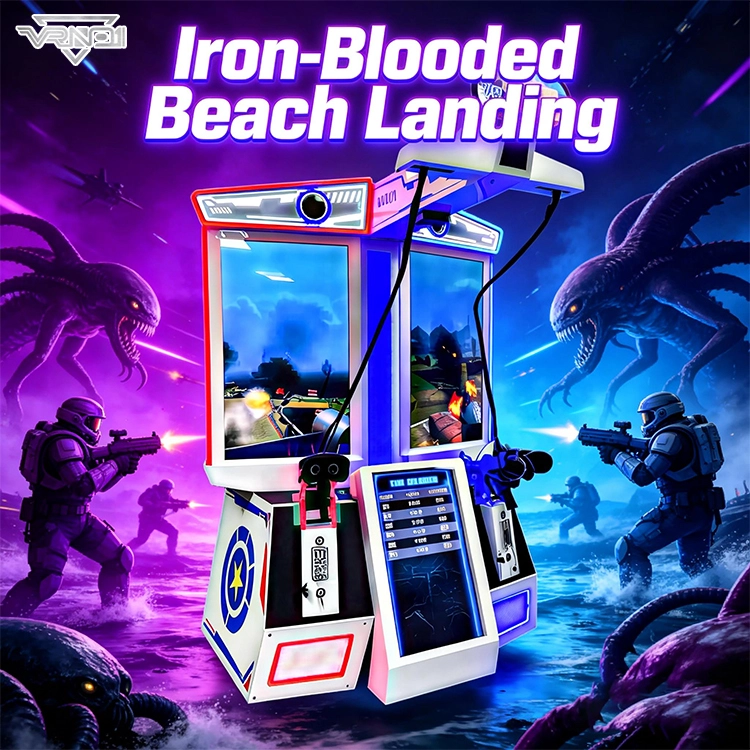
VRN0.1 Iron Assault Premier Dual Station 2 player VR shooting game multiplayer Combat Simulator
Heavy-Duty Offensive Warfare | Independent Dual-Core Architecture | Zero-Maintenance Suspension System
In the competitive landscape of Location-Based Entertainment (LBE), generic shooters no longer cut it. Enter the VR NO.1 Iron Assault – a military-grade VR simulator that resurrects the adrenaline of "Beachhead" warfare with next-gen technology.
Engineered by VR NO.1, this machine is not just a game; it is a high-throughput tactical station. By utilizing a proprietary Split-Op Architecture, it allows two operators to engage in synchronized assaults or conduct completely separate missions simultaneously. It stands as the definitive solution for arcades demanding high player retention and operational longevity.
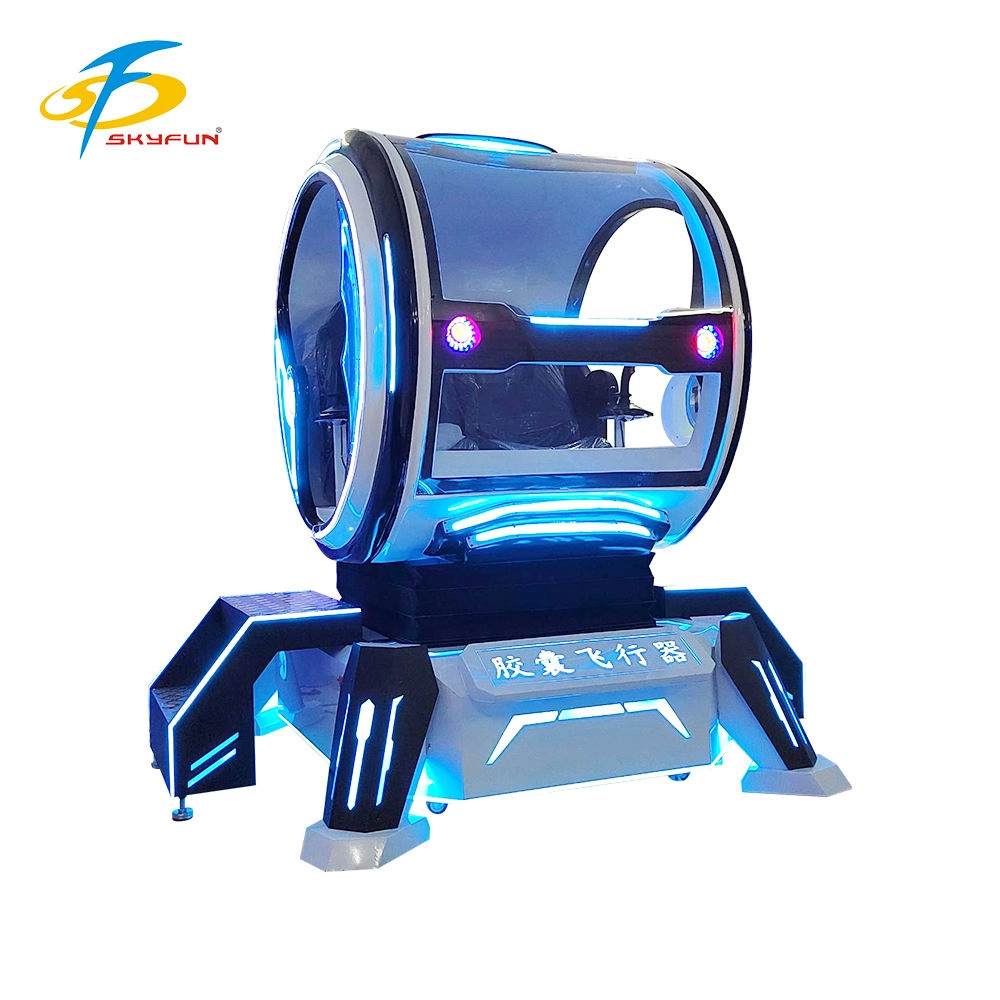
Double Player VR Flight Simulator 100 Movies 15 Games Coin-Operated Game Machine for Shopping Malls Amusement Parks
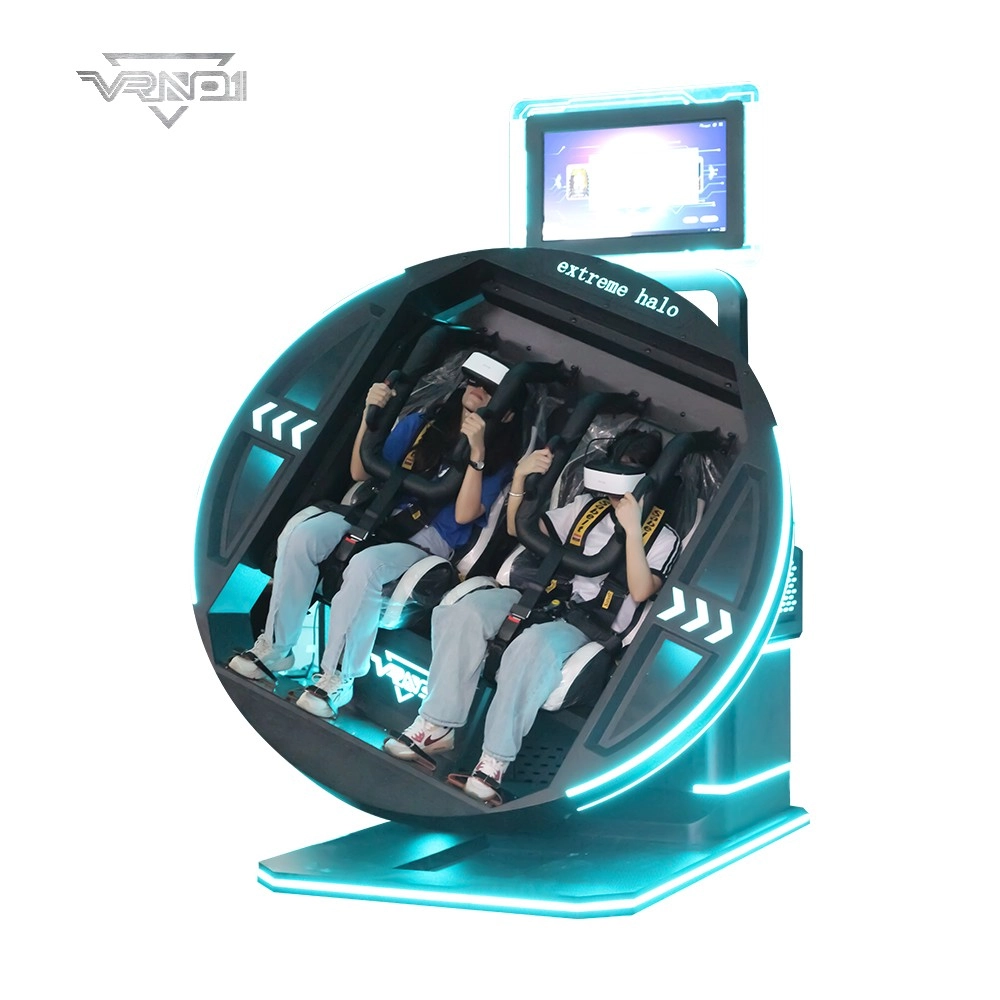
9D VR 360 Roller Coaster Cinema Chair Gaming Set Indoor/Outdoor Business Simulator Hardware for Home or School
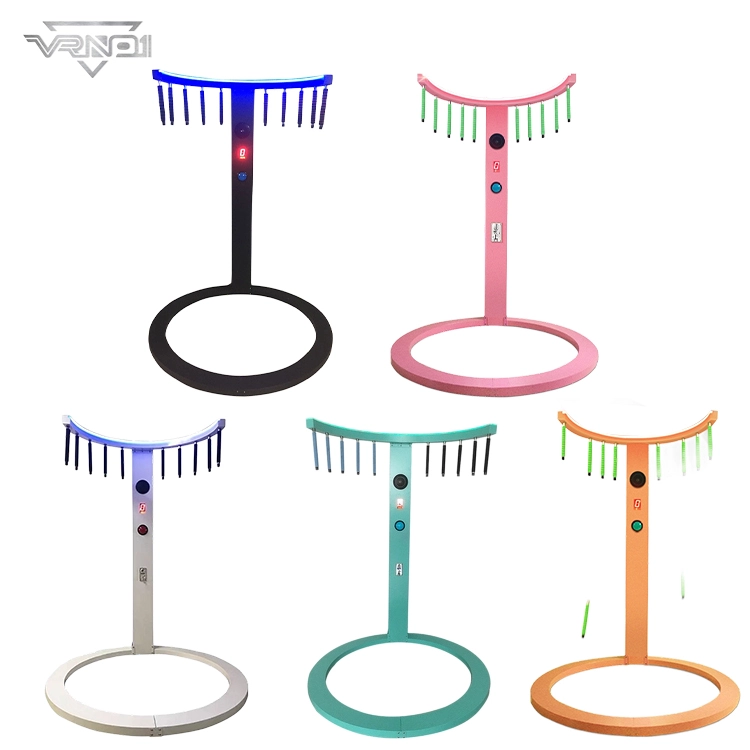
VRN0.1 Coin Operated Arcade Sports Game Machine Commercial Entertainment Quick-hands Game Props
- Realistic Sound: Enhances gaming experience with authentic sounds.
- Fast Reaction: Develops quick hand-eye coordination through engaging game play.
- DIY Kit: Allows for customization and personalization of the baton.
- Metal and Plastic Construction: Durable and robust build quality.
- Coin Operated: Fun for players who enjoy arcade-like experiences.
 Scan QR Code
Whatsapp: +8618127818571
Scan QR Code
Guangzhou Skyfun Technology Co.,Ltd
skyfunvrgame
skyfun game