


Maintenance Checklist for VR Arcade Equipment
- Essential Upkeep Practices for VR Arcade Machines
- Daily Checklist for VR Arcade Machines — keep sessions smooth and safe
- Weekly Maintenance for VR Arcade Machines — prevent gradual degradation
- Monthly Tasks for VR Arcade Machines — tune performance and safety
- Quarterly and Annual Maintenance for VR Arcade Machines — longevity and compliance
- Maintenance Schedule Table — tasks, frequency, tools, and estimated time
- Cleaning and Disinfection Best Practices for VR Arcade Machines
- Spare Parts, Inventory, and Cost Management for VR Arcade Machines
- Troubleshooting Common Failures in VR Arcade Machines
- Staff Training, SOPs, and Record-Keeping for VR Arcade Machines
- Software, Firmware, and Cybersecurity Maintenance for VR Arcade Machines
- Predictive Maintenance and Data-Driven Decisions for VR Arcade Machines
- Vendor Partnerships and OEM Support — why supplier choice matters for VR Arcade Machines
- VRN0.1 — supplier profile and how we support maintenance for VR Arcade Machines
- Cost-Benefit: Preventive Maintenance vs Reactive Repairs for VR Arcade Machines
- FAQ — Maintenance Checklist for VR Arcade Equipment
- 1. How often should I replace VR headset face cushions in a busy arcade?
- 2. What disinfectants are safe for VR headsets and controllers?
- 3. How many spare headsets/controllers should I stock?
- 4. Can software updates break my arcade setup?
- 5. Should I perform electrical inspections myself?
- 6. How do I track maintenance effectively?
- Contact and Next Steps
- References
Essential Upkeep Practices for VR Arcade Machines
Running a successful VR arcade requires more than great content and location—it demands rigorous equipment maintenance. This guide provides a detailed, practical maintenance checklist for VR arcade machines (headsets, tracking systems, PCs, seats/platforms, controllers, and networking). It is written for arcade owners, operators, technicians, and venue managers who need clear, verifiable steps to reduce downtime, protect equipment investments, and keep guests safe and satisfied.
Daily Checklist for VR Arcade Machines — keep sessions smooth and safe
Daily maintenance minimizes customer complaints and prevents small issues from becoming major repairs. Adopt a short but consistent routine every morning and between sessions when throughput is high.
- Visual inspection of headsets, controllers, cables, and mounts for obvious damage or wear.
- Quick functional test: launch one demo per station to verify tracking, audio, and visuals.
- Disinfect high-touch surfaces: face cushions, straps, controllers, and railings. Use manufacturer-recommended wipes or 70% isopropyl alcohol on removable pads where allowed. Avoid spraying liquids directly onto electronics.
- Cable check: ensure no trip hazards, strain on connectors, or frayed insulation. Secure loose cables with Velcro or cable channels.
- Reset and reboot policy: if a station had issues the previous day, power-cycle the PC and headset and run diagnostics before opening.
Why this matters: High-volume venues can cycle hundreds of headsets per day. Proactive daily checks prevent infections, customer dissatisfaction, and last-minute downtime that eats revenue.
Weekly Maintenance for VR Arcade Machines — prevent gradual degradation
Weekly tasks are deeper and typically performed after hours. They focus on cleaning, calibration, and inventory verification.
- Deep clean facial interfaces and removable foam/PU pads; launder cloth covers where applicable following manufacturer instructions.
- Check and recalibrate tracking systems (base stations, lighthouses, outside-in cameras) to correct drift and ensure positional accuracy.
- Verify software updates for games, driver stacks (GPU, HMD drivers), and anti-virus signatures. Apply updates in a staging area first.
- Inspect PC internals and ventilation for dust buildup; clean with canned air or low-pressure vacuums to maintain cooling efficiency.
- Inventory spare parts: face pads, cables, fuses, power strips, HDMI/DisplayPort adapters, controller batteries, and replacement straps.
Monthly Tasks for VR Arcade Machines — tune performance and safety
Monthly maintenance focuses on performance optimization and safety audits.
- Full thermal check: monitor CPU/GPU temps under load. High temperatures indicate dust, degraded thermal paste, or failing fans.
- Network health: test latency and packet loss for multiplayer or cloud services; update QoS settings on routers if needed.
- Electrical inspection: ensure outlets, surge protectors, and power distribution units (PDUs) are functioning and not overloaded.
- Replace consumables on a schedule (recommended: face foam every 1–3 months depending on usage; more frequently for high-traffic venues).
- Review customer incident reports and identify recurring hardware or software issues to address systematically.
Quarterly and Annual Maintenance for VR Arcade Machines — longevity and compliance
Longer-interval maintenance should be scheduled with downtime and performed by trained technicians or trusted OEM partners.
- Quarterly: firmware upgrades on HMDs and controllers, full recalibration of motion platforms, lifecycle replacement for batteries that show capacity loss, and a complete safety inspection of physical structures (seats, restraints).
- Annually: professional service of PCs (thermal paste replacement, fan replacement), verification of electrical systems by a licensed electrician, and a full inventory audit with depreciation/ROI calculations for budgeting replacements.
Maintenance Schedule Table — tasks, frequency, tools, and estimated time
| Task | Frequency | Tools/Supplies | Estimated Time (per station) | Reason |
|---|---|---|---|---|
| Quick functional test | Daily | Checkpoint checklist | 2–4 min | Catch faults early |
| Disinfect face interfaces & controllers | Daily/Between sessions | Manufacturer-approved wipes / 70% IPA | 2–5 min | Hygiene & customer confidence |
| Tracking recalibration | Weekly | Calibration tools, markers | 10–20 min | Precision and playability |
| Dust clean PC internals | Weekly to monthly | Canned air, anti-static wrist strap | 15–30 min | Maintain cooling & lifespan |
| Firmware & software updates (staged) | Monthly/As released | Test bench | 30–90 min | Security & compatibility |
| Electrical & safety inspection | Annually | Licensed electrician | Varies | Regulatory compliance & safety |
Cleaning and Disinfection Best Practices for VR Arcade Machines
Cleaning is a major operational concern. Follow manufacturer guidance first; where unclear, use water-based or isopropyl wipes and avoid liquid intrusion. For removable face cushions, use replaceable covers and launder regularly. For non-removable foam, use disinfectant sprays on a cloth and allow full drying. Always power down electronics before cleaning.
Reference hygiene resources: many headset manufacturers provide official cleaning guides—follow those to avoid warranty issues. For public health guidance on disinfecting shared equipment, consult national health authorities such as the CDC.
Spare Parts, Inventory, and Cost Management for VR Arcade Machines
Stocking key spares avoids revenue-killing downtime. Typical spare list for a mid-size arcade includes:
- 2–4 extra headsets per 10 stations (rotation and emergency replacement)
- Controller sets and charging docks
- Face padding kits, straps, and replacement lenses
- Power supplies, HDMI/DP cables, adapter dongles
- Fans, PSU units, and common PC components (RAM, SSD)
Track spare usage in an inventory system, calculate Mean Time Between Failures (MTBF) for major components, and budget for consumable replacement (face pads, batteries). Where possible, negotiate service-level agreements (SLAs) with suppliers for rapid replacement.
Troubleshooting Common Failures in VR Arcade Machines
Frequent issues and quick checks:
- No tracking or drifting: check base station alignment/firmware, occlusions, and reflective surfaces.
- Visual artifacts or stuttering: verify GPU drivers, background processes, and thermal throttling.
- Audio dropouts: test headset jack, USB audio drivers, and wireless interference for Bluetooth components.
- Controller connectivity: ensure battery levels, pairing state, and firmware consistency.
Document troubleshooting steps in a shared knowledge base for staff. A documented decision tree reduces technician response time and maintains a consistent recovery workflow.
Staff Training, SOPs, and Record-Keeping for VR Arcade Machines
Human factors cause many failures. Invest in short, hands-on training for frontline staff covering:
- Proper donning/doffing procedures to avoid damage to straps and connectors
- Cleaning SOPs aligned to manufacturer guidance
- Basic diagnostics and escalation process
- Customer safety briefings and incident reporting
Use simple daily checklists and a ticketing log for faults. Over time you will accumulate repair metrics (MTTR, MTBF) that inform purchasing and staffing decisions.
Software, Firmware, and Cybersecurity Maintenance for VR Arcade Machines
Software upkeep is as important as hardware maintenance. Establish a controlled update process:
- Staging environment: test updates on a non-customer-facing station first.
- Backup configurations and game profiles before applying major updates.
- Harden network: isolate arcade network from business systems, use VLANs, enforce strong Wi-Fi security, and keep routers up to date.
- Monitor logs for instability or repeated crashes that might indicate deeper issues.
Predictive Maintenance and Data-Driven Decisions for VR Arcade Machines
Where possible, instrument equipment to collect health telemetry: hours-of-use, thermal profiles, and error logs. Use this data to schedule part replacements before failure (predictive maintenance). Many modern VR platforms and gaming PCs expose telemetry via APIs; aggregate these feeds into simple dashboards to flag anomalies.
Vendor Partnerships and OEM Support — why supplier choice matters for VR Arcade Machines
Choosing a supplier with global support, spare-stock availability, and training resources reduces long-term operating costs. A strong OEM partner can provide:
- OEM spare parts and warranty service
- Site planning and installation guidance
- Training and certification for your technicians
- Remote diagnostics and firmware support
VRN0.1 — supplier profile and how we support maintenance for VR Arcade Machines
VRN0.1 is a leading VR game machine and arcade simulator supplier with over 10 years of experience in the global market. Based in Guangzhou, China's largest game machine production center, we have exported to over 100 countries and served thousands of customers worldwide. We specialize in high-quality, immersive VR products, including 9D VR Cinema, 360 VR Simulator, VR Racing, VR Shooting, VR Roaming, AR Sniper, and more.
What sets VRN0.1 apart for maintenance and operations:
- Comprehensive product line: VR Simulator, Arcade game simulator, VR car driving simulator, Interactive Platform VR, Racing Game Machine, AR Sniper, Kiddie Ride, 7D Cinema—covering all mainstream VR arcade categories so parts and expertise are integrated.
- OEM & ODM services and one-stop venue solutions: tailored equipment configuration reduces ad-hoc modifications that often cause maintenance headaches.
- Free training for equipment operation and maintenance, plus 24/7 customer support and strict quality control driven by an experienced R&D team.
- Global logistics and spare parts distribution: faster replacement cycles and predictable SLAs for international customers.
VRN0.1 also assists with venue planning and operational strategy—recommending optimal station counts, spare inventories, and maintenance schedules to align with client budgets and projected throughput. Learn more at https://www.vrarcadegame.com/ (accessed 2025-12-07).
Cost-Benefit: Preventive Maintenance vs Reactive Repairs for VR Arcade Machines
Investing in preventive maintenance reduces unexpected repair costs, lost revenue from out-of-service stations, and customer dissatisfaction. Track these KPIs:
- Uptime percentage per station
- Average repair cost per incident
- Customer complaints per 1,000 sessions
- Return-on-investment for spare inventories
Simple ROI example: replacing face pads quarterly at low per-piece cost avoids more expensive headset shell replacements and preserves hygiene standards that encourage repeat visits.
FAQ — Maintenance Checklist for VR Arcade Equipment
1. How often should I replace VR headset face cushions in a busy arcade?
Replace or deep-clean face cushions every 1–3 months depending on throughput; use replaceable washable covers daily. High-traffic sites should plan for monthly replacements as a conservative baseline.
2. What disinfectants are safe for VR headsets and controllers?
Follow manufacturer recommendations first. Generally, 70% isopropyl alcohol wipes or disinfectant wipes safe for electronics are acceptable for non-porous surfaces. Avoid bleach and do not spray liquids directly into electronics. When in doubt, consult the headset maker’s cleaning guide.
3. How many spare headsets/controllers should I stock?
A common rule: keep 20–30% extra headsets/controllers relative to active stations (e.g., 2–3 spares per 10 stations). This covers rotation for cleaning, repairs, and unexpected failures.
4. Can software updates break my arcade setup?
Yes—unvetted updates can introduce compatibility issues. Use a staging environment to test updates before rolling them out to customer-facing stations. Maintain backups of configurations and game profiles.
5. Should I perform electrical inspections myself?
No. For safety and compliance, engage a licensed electrician for annual electrical inspections and whenever you add significant power-draw equipment (additional PCs, motion platforms). Daily visual checks by staff are fine, but certified inspections are required for safety.
6. How do I track maintenance effectively?
Use a simple digital log or ticketing system to record daily checks, faults, repairs, and part replacements. Track MTTR and MTBF to inform purchasing and staffing. Many POS or venue-management platforms include maintenance modules.
Contact and Next Steps
If you need turnkey equipment, customized venue planning, or maintenance training, VRN0.1 offers OEM/ODM services, free training, and global aftermarket support. Visit https://www.vrarcadegame.com/ to view products and request a quote, or contact our support team for tailored maintenance plans and spare-part kits.
References
- HTC Vive Business — Cleaning Guide. Vive Business Support. https://business.vive.com/us/support/cleaning-guide/ (accessed 2025-12-07).
- PCMag — How to Clean a VR Headset. PCMag. https://www.pcmag.com/how-to/how-to-clean-a-vr-headset (accessed 2025-12-07).
- Centers for Disease Control and Prevention (CDC) — Cleaning and Disinfecting Your Facility. https://www.cdc.gov/coronavirus/2019-ncov/community/disinfecting-building-facility. (accessed 2025-12-07).
- Occupational Safety and Health Administration (OSHA) — Electrical. https://www.osha.gov/electrical (accessed 2025-12-07).
- VRN0.1 official website — VR arcade products and services. https://www.vrarcadegame.com/ (accessed 2025-12-07).
Top 10 vr game machine Manufacturers and Supplier Brands
Everything You Need to Know About arcade shooting game machine
Software and Content Platforms for VR Simulators
VR Simulator Machine ROI: Profit Estimates for Arcades
Solution
Does VRNO.1 provide transportation services for VR devices?
VRNO.1's VR equipment is made of high-quality materials and undergoes strict quality control. The service life of the equipment is usually more than 5 years, depending on the frequency of use and maintenance of the equipment. Regular care and maintenance can extend the service life of the equipment.
Does the VR device consume a lot of power?
Our VR devices are designed with energy efficiency in mind. The power consumption of the device is low and suitable for long-term use. The specific power consumption will vary depending on the type of device and frequency of use, and usually runs at standard voltage.
Products
What is VRNO.1’s main focus?
VRNO.1 specializes in providing cutting-edge virtual reality (VR) and arcade solutions, offering immersive entertainment experiences for both individual players and large-scale events.
Application
What should I do if there is a problem with the equipment?
If the VR device fails, you can submit the question through our customer support system or contact our after-sales service team. We will provide you with a solution as soon as possible, including equipment maintenance, replacement parts, etc., to ensure that your business operations are not interrupted.
Distributors
What are the requirements to become a VRNO.1 dealer?
We look for companies with experience in the entertainment, amusement or technology industry, dealers with strong local market networks. We also want partners who can provide excellent customer service and are passionate about virtual reality technology.
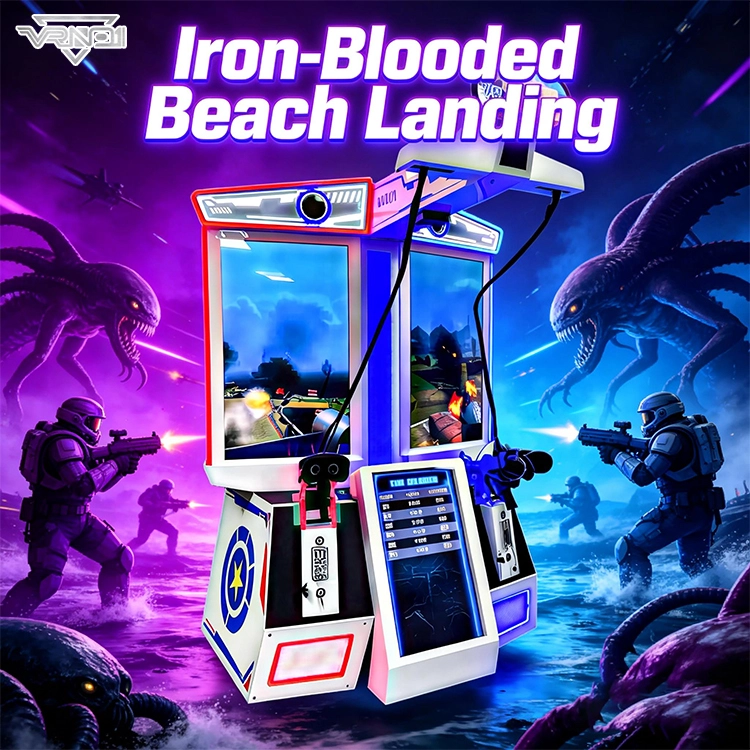
VRN0.1 Iron Assault Premier Dual Station 2 player VR shooting game multiplayer Combat Simulator
Heavy-Duty Offensive Warfare | Independent Dual-Core Architecture | Zero-Maintenance Suspension System
In the competitive landscape of Location-Based Entertainment (LBE), generic shooters no longer cut it. Enter the VR NO.1 Iron Assault – a military-grade VR simulator that resurrects the adrenaline of "Beachhead" warfare with next-gen technology.
Engineered by VR NO.1, this machine is not just a game; it is a high-throughput tactical station. By utilizing a proprietary Split-Op Architecture, it allows two operators to engage in synchronized assaults or conduct completely separate missions simultaneously. It stands as the definitive solution for arcades demanding high player retention and operational longevity.
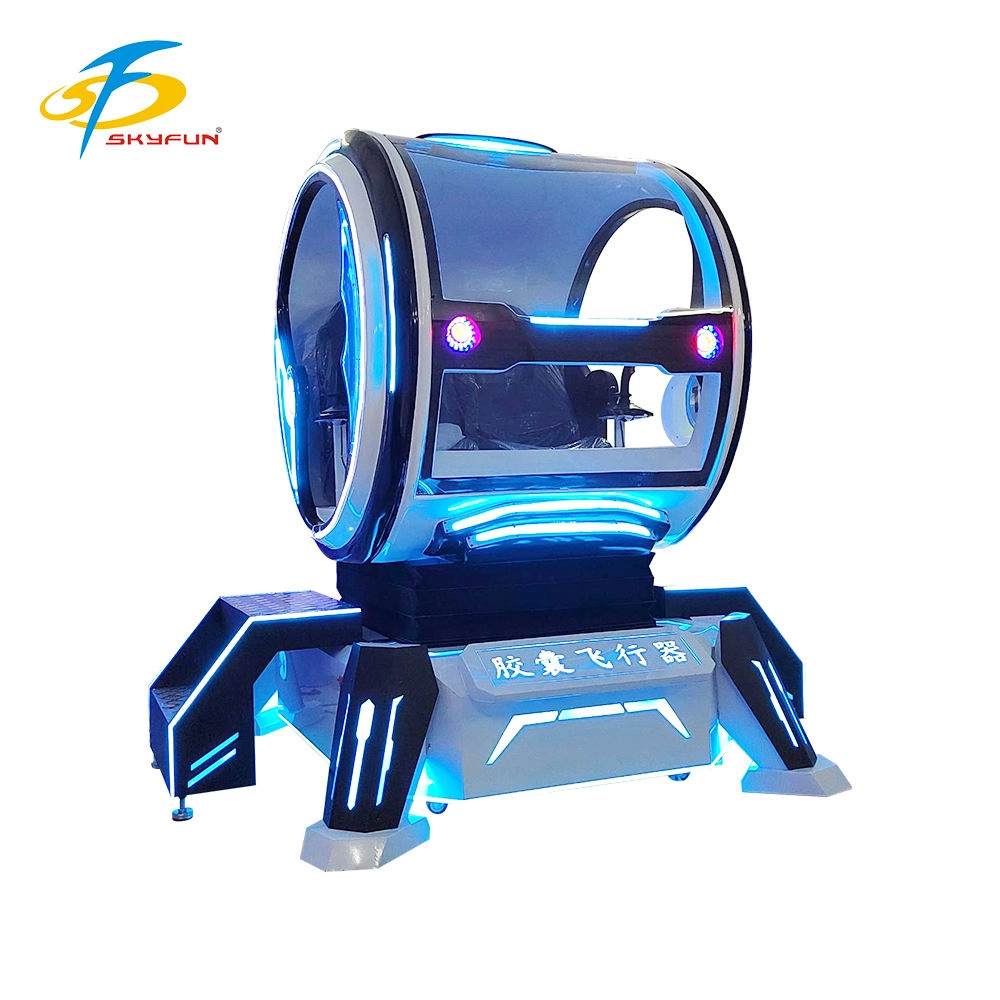
Double Player VR Flight Simulator 100 Movies 15 Games Coin-Operated Game Machine for Shopping Malls Amusement Parks
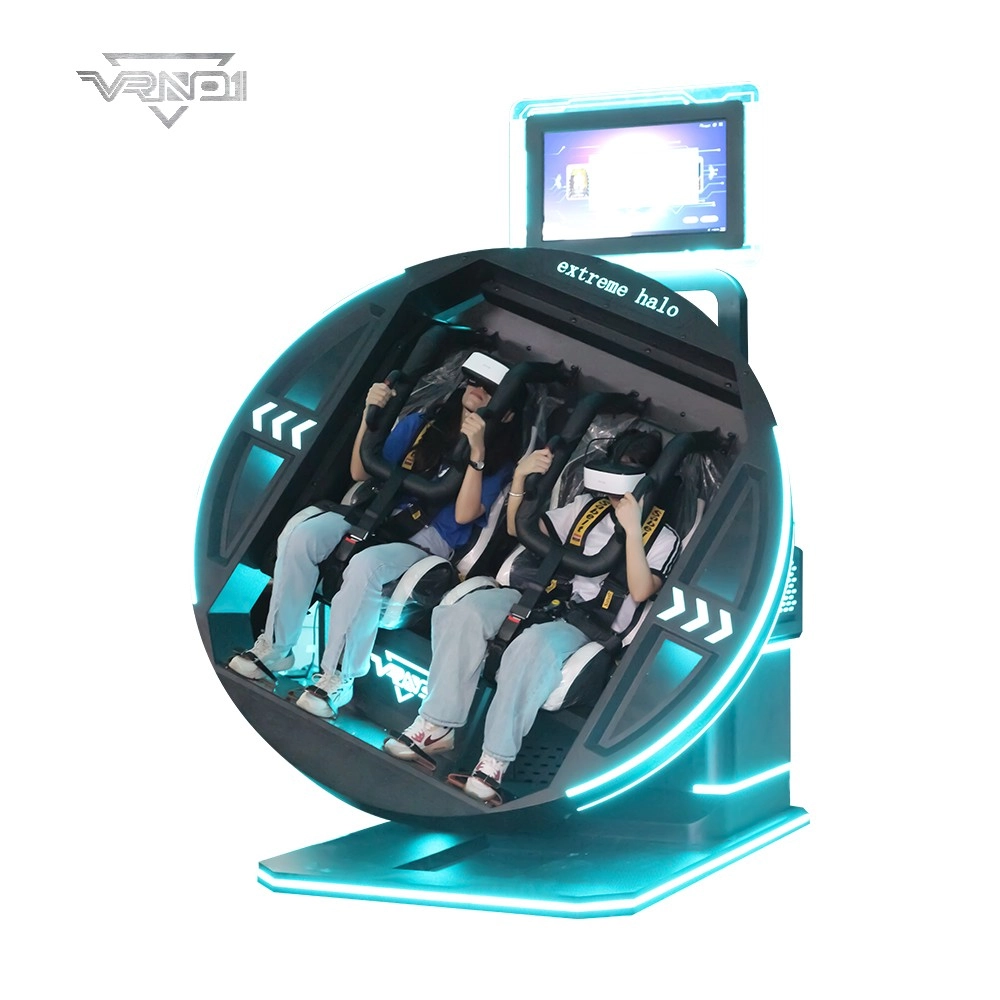
9D VR 360 Roller Coaster Cinema Chair Gaming Set Indoor/Outdoor Business Simulator Hardware for Home or School
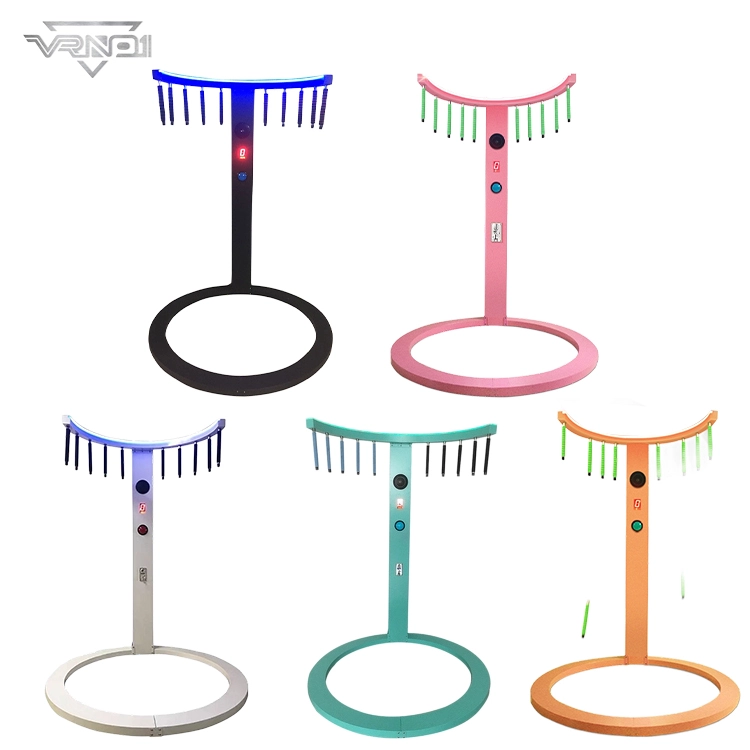
VRN0.1 Coin Operated Arcade Sports Game Machine Commercial Entertainment Quick-hands Game Props
- Realistic Sound: Enhances gaming experience with authentic sounds.
- Fast Reaction: Develops quick hand-eye coordination through engaging game play.
- DIY Kit: Allows for customization and personalization of the baton.
- Metal and Plastic Construction: Durable and robust build quality.
- Coin Operated: Fun for players who enjoy arcade-like experiences.
 Scan QR Code
Whatsapp: +8618127818571
Scan QR Code
Guangzhou Skyfun Technology Co.,Ltd
skyfunvrgame
skyfun game