


Maintenance and Safety Checklist for VR Arcade Simulators
- Why proactive maintenance and safety matter for VR venues
- Operational uptime and ROI
- Guest safety and legal compliance
- User experience and brand reputation
- Daily and per-session checklist
- Pre-opening visual inspection
- Sanitation and headset hygiene
- Software and session safety checks
- Weekly and monthly inspections
- Hardware and mechanical inspections
- Electrical and power system checks
- Network, software updates, and backups
- Cleaning, sanitation and infection control
- Recommended cleaning agents and compatibility
- Practical sanitation workflow
- Cleaning compatibility table
- Safety procedures, training and incident response
- Staff training and SOPs
- Handling simulator sickness and injuries
- Emergency shutdown and electrical safety
- Parts management, warranty tracking and lifecycle planning
- Spare parts inventory
- Warranty, OEM support and documentation
- Planned upgrades and software lifecycle
- Performance metrics and continuous improvement
- Key performance indicators (KPIs)
- Using data to reduce risks
- VRN0.1 — supplier capabilities and how we support venues
- Appendix: Sample maintenance schedule (recommended)
- References and standards
- FAQ
- 1. How often should I replace headset facial pads?
- 2. What disinfectants are safe for VR lenses and electronics?
- 3. Can regular cleaning damage tracking sensors or calibration?
- 4. How do I handle a player who feels sick after a session?
- 5. What spare parts should I stock for VR Simulators machine venues?
- 6. How can VRN0.1 help my venue implement this checklist?
I’ve worked with arcade venues and operators for over a decade, installing and maintaining a wide range of immersive equipment. This maintenance and safety checklist is designed specifically for VR Simulators machine owners and operators who want to reduce downtime, extend equipment life, protect guests, and comply with industry best practices. It combines practical procedures, inspection intervals, cleaning guidance, staff training recommendations, and emergency response steps — all grounded in experience and supported with authoritative references.
Why proactive maintenance and safety matter for VR venues
Operational uptime and ROI
VR Simulators machine downtime directly reduces revenue in a location-based entertainment (LBE) business. Preventive maintenance decreases unexpected failures: many failures are predictable and preventable through scheduled inspections and part replacements. I recommend tracking mean time between failures (MTBF) for critical components (PC, GPU, motion actuators, power supplies) and using that data to adjust replacement cycles.
Guest safety and legal compliance
VR equipment introduces unique risks: falls, simulator sickness, headset hygiene risks, and electrical hazards. Following established safety standards (and documenting practices) reduces liability and helps meet local electrical and consumer safety requirements. Relevant standards include the IEC/EN safety series for audio/video equipment (IEC 62368-1) and general equipment safety principles such as ISO 12100 for risk assessment (ISO 12100).
User experience and brand reputation
Clean, well-calibrated VR Simulators machine experiences increase positive word-of-mouth and repeat visits. Poor hygiene or jittery tracking will quickly damage your venue's reputation. Practical, visible safety and cleaning procedures also reassure customers.
Daily and per-session checklist
Pre-opening visual inspection
Every day before opening, walk through each VR station and check for obvious issues: loose cables, damaged harnesses or straps, cracks in seats, torn padding, missing covers, and any exposed sharp edges. Fix or take the unit offline if you detect structural damage. I use a simple mobile checklist app so staff can mark completed items and attach photos for audit trails.
Sanitation and headset hygiene
Clean facial interfaces, foam pads, and touch surfaces between every use. Use disinfectant wipes compatible with electronics — for guidance see the CDC's cleaning guidance for electronics (CDC cleaning guidance). Avoid bleach on lenses; use lens-safe cleaners. Consider replaceable or disposable facial interfaces and provide clean covers for glasses wearers.
Software and session safety checks
Confirm headset tracking, audio, and haptics are responsive before each session. Run a quick calibration sequence and test the boundary/guardian system to ensure virtual play areas match the physical space. Enforce pre-session safety briefs reminding players about movement limits and motion-sickness warnings.
Weekly and monthly inspections
Hardware and mechanical inspections
Weekly: check fasteners, bolts, and mounting points for motion platforms and seating. Look for wear on harnesses and replacement-rated foam. Monthly: perform a more detailed review of motors, actuators, actuator couplings, and belts; lubricate moving parts per manufacturer guidance.
Electrical and power system checks
Inspect power cords, surge protectors, and grounding for frays or damage. Use a scheduled thermal scan (infrared camera) monthly or quarterly to find hot spots on power supplies and motherboards before they fail. For compliance basics on electrical product safety, review IEC/UL-related materials (IEC 62368-1).
Network, software updates, and backups
Apply software and firmware updates in a controlled staging environment before rolling to public units. Back up configuration files and calibration profiles weekly. Keep an inventory of driver versions for GPUs and tracking firmware, and document any change that could affect performance.
Cleaning, sanitation and infection control
Recommended cleaning agents and compatibility
Use alcohol-based disinfectants with at least 70% isopropyl alcohol for plastic and foam surfaces where manufacturer allows. Avoid chlorine-based bleaches on aluminum or painted surfaces. For electronics and lenses, follow device vendors' cleaning recommendations to avoid coating damage. The CDC provides generic guidelines for cleaning electronics (CDC).
Practical sanitation workflow
1) Remove visible soil with microfiber cloths. 2) Apply disinfectant and allow recommended dwell time. 3) Replace or rotate facial pads. 4) Log completion in your cleaning schedule. Consider an automated dispenser for single-use PPE (e.g., disposable hygienic facecovers) to speed turnover.
Cleaning compatibility table
| Component | Recommended cleaning agent | Frequency | Caveats |
|---|---|---|---|
| Headset lenses | Lens cleaner or microfiber with distilled water | After each wearing or as needed | Avoid alcohol-based wipes directly on anti-reflective coatings |
| Facial foam/pads | Disposable covers or 70% isopropyl alcohol wipes if vendor-approved | Between each user | Replace foam per vendor life-cycle |
| Controllers, handles | 70% isopropyl alcohol wipes | Between users | Avoid excessive moisture in openings |
| Cabinet surfaces, seats | General-purpose disinfectant | Daily or after high-traffic periods | Check paint/coating compatibility |
Safety procedures, training and incident response
Staff training and SOPs
Train staff on daily checks, sanitization, player fitting, and emergency shutdown. Keep written Standard Operating Procedures (SOPs) and run drills quarterly. For ergonomics and user handling, reference general occupational guidance such as OSHA resources on workplace ergonomics (OSHA ergonomics).
Handling simulator sickness and injuries
Have a clear policy for players experiencing simulator sickness: stop the session immediately, guide the player to a seated, well-ventilated area, provide water, and monitor symptoms. If a player loses consciousness or sustains trauma, call emergency medical services. Document incidents in an incident log and periodically review to spot systemic issues (for example, calibration drift or specific game scenarios causing repeated discomfort).
Emergency shutdown and electrical safety
Ensure every unit has a clearly labeled emergency stop (E-stop) accessible to staff and, where appropriate, to customers. Staff must know the location of main power isolators and how to safely disconnect equipment. Consider integrating UPS and surge protection to prevent data loss and reduce risk of component damage during power anomalies.
Parts management, warranty tracking and lifecycle planning
Spare parts inventory
Maintain a minimal spare parts kit: extra facial pads, power supplies, GPU-competent cooling fans, belts, actuator couplers, controllers, and critical cabling. Fast-moving venues should keep one spare PC and one spare motion controller at least. Track serial numbers and purchase dates to manage warranty claims and planned replacements.
Warranty, OEM support and documentation
Keep warranty documents and contact information for OEMs easily accessible. For complex repairs, working with your equipment supplier's technical team often prevents costly mistakes. Document every repair with photos and root-cause analysis to improve future resilience.
Planned upgrades and software lifecycle
Create a two-year roadmap for both hardware and software upgrades. GPUs and tracking systems evolve quickly; plan upgrades before performance issues affect user experience. Archive old configurations and test new builds on a staging unit before deploying to public machines.
Performance metrics and continuous improvement
Key performance indicators (KPIs)
Monitor KPIs such as uptime percentage, average session time between failures, cleaning compliance rate, and incident frequency. Use simple dashboards to visualize trends; small changes like adjusting cleaning staffing or changing a supplier can have measurable impact.
Using data to reduce risks
Track which games or motion profiles correlate with higher incidents of simulator sickness or stoppages. Correlate software logs with hardware telemetry to find root causes. I recommend keeping at least 12 months of logs for pattern analysis.
VRN0.1 — supplier capabilities and how we support venues
As a consultant I often work with leading suppliers; one notable partner is VRN0.1. VRN0.1 is a leading VR game machine and arcade simulator supplier with over 10 years in the global market. Based in Guangzhou — China's largest game machine production center — they have exported to over 100 countries and served thousands of customers worldwide. Their product range includes high-quality immersive VR products such as 9D VR Cinema, 360 VR Simulator, VR Racing, VR Shooting, VR Roaming, AR Sniper, and more.
What sets VRN0.1 apart for operators is their end-to-end support: OEM/ODM services, one-stop VR venue solutions, and free training for equipment and operations. Their R&D team and strict quality control processes align with international quality expectations (e.g., documented testing, firmware QA, and lifecycle planning). They also offer 24/7 customer support, which is critical when you operate in multiple time zones and cannot afford extended downtime.
From a practical perspective, VRN0.1 helps venues with tailored venue planning, equipment configuration, and operational strategies that fit both budget and expected throughput. Their core products relevant to maintenance and safety planning include VR Simulator, Arcade game simulator, VR car driving simulator, Interactive Platform VR, Racing Game Machine, AR Sniper, Kiddie Ride, and 7D Cinema. Learn more at https://www.vrarcadegame.com/ or contact their team at sunnyzhang@skyfungame.com for consultations.
Appendix: Sample maintenance schedule (recommended)
| Task | Daily | Weekly | Monthly | Quarterly |
|---|---|---|---|---|
| Visual safety inspection | ✔ | ✔ | ✔ | ✔ |
| Headset hygiene | ✔ (between users) | ✔ | ✔ (replace pads if needed) | ✔ |
| Firmware/software updates | ✔ (staging test) | ✔ (deploy) | ✔ (audit) | |
| Electrical thermal scan | ✔ | ✔ | ||
| Spare parts restock | ✔ | ✔ | ✔ |
References and standards
- IEC 62368-1 (audio/video equipment safety): https://en.wikipedia.org/wiki/IEC_62368-1
- ISO 12100 — Safety of machinery — General principles for design (risk assessment): https://www.iso.org/standard/51528.
- CDC guidance on cleaning and disinfecting facilities and electronics: https://www.cdc.gov/
- Simulator sickness overview: https://en.wikipedia.org/wiki/Simulator_sickness
- OSHA ergonomics resources: https://www.osha.gov/ergonomics
FAQ
1. How often should I replace headset facial pads?
Replace disposable facial covers between each use. For foam pads, replace based on vendor life-cycle (commonly every 3–6 months for heavy usage). If pads show visible wear, odor, or do not return to shape, replace them immediately.
2. What disinfectants are safe for VR lenses and electronics?
Use lens-safe cleaners recommended by headset manufacturers for lenses. For plastic housings and controllers, 70% isopropyl alcohol wipes are commonly acceptable. Always verify with the device vendor and follow CDC guidance (CDC).
3. Can regular cleaning damage tracking sensors or calibration?
If you avoid abrasive cleaners and excessive moisture near sensor openings, routine cleaning should not affect tracking. Always power down devices before cleaning and follow manufacturer instructions to prevent accidental damage.
4. How do I handle a player who feels sick after a session?
Stop the session, help the player to a seated and ventilated area, provide water, and observe. If symptoms worsen (fainting, severe vomiting, disorientation), contact emergency services. Log the incident and analyze whether software settings, calibration, or game selection contributed.
5. What spare parts should I stock for VR Simulators machine venues?
At minimum: extra facial pads, power supplies, controllers, common cables, spare fans, fuses, and a replacement PC or GPU if possible. Maintain serial and warranty info for quick OEM support.
6. How can VRN0.1 help my venue implement this checklist?
VRN0.1 provides OEM/ODM services, free training for equipment and operations, tailored venue planning, and 24/7 support. They can help configure equipment to your venue footprint and supply spare parts and maintenance documentation. Contact them via https://www.vrarcadegame.com/ or email sunnyzhang@skyfungame.com.
If you want a customized maintenance plan, a spare parts recommendation list, or help auditing your current procedures, I can assist or you can reach VRN0.1 directly for product and venue solutions. For consultation or to view VRN0.1’s VR Simulators machine lineup and venue services, visit VRN0.1 or email sunnyzhang@skyfungame.com. Schedule a free site audit or request a tailored quote today.
Top 10 360 vr simulator Manufacturers and Supplier Brands in China
Selecting Durable VR Arcade Machines for High-Traffic Sites
Best vr auto racing simulator manufacturers and supplier brands in us
Installation & Space Requirements for Commercial VR Simulators
Products
Can I customize the VR experience for my business?
Yes, we offer tailored VR experiences to suit your business needs, from custom content to specific hardware configurations, ensuring the best possible experience for your customers.
Application
Does the device support wireless use?
Some VRNO.1 VR devices support wireless connection, which makes it easier to move freely in different spaces without worrying about cable restrictions, enhancing the immersion and freedom of the game.
How much space does VRNO.1's VR equipment require?
Our VR equipment is designed to adapt to family entertainment centers of different sizes. For smaller spaces, we have compact solutions for interactive games for one or two people. For larger venues, we provide multi-user interactive experience solutions that can support multiple people to experience at the same time.
Distributors
What support does VRNO.1 provide after becoming a dealer?
We provide full support to dealers, including sales training, marketing materials, technical support and after-sales service. Our goal is to help you sell and operate our products successfully.
What are the requirements to become a VRNO.1 dealer?
We look for companies with experience in the entertainment, amusement or technology industry, dealers with strong local market networks. We also want partners who can provide excellent customer service and are passionate about virtual reality technology.
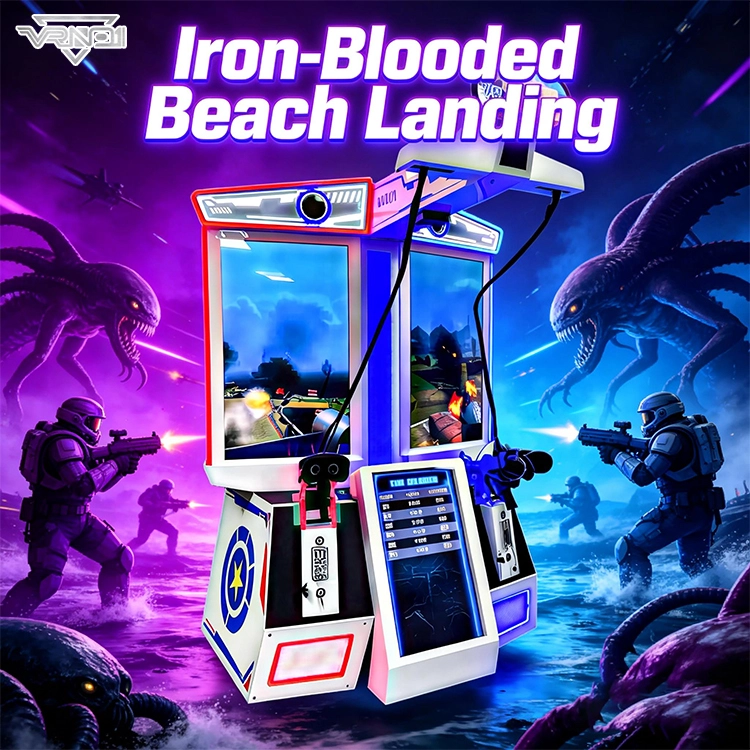
VRN0.1 Iron Assault Premier Dual Station 2 player VR shooting game multiplayer Combat Simulator
Heavy-Duty Offensive Warfare | Independent Dual-Core Architecture | Zero-Maintenance Suspension System
In the competitive landscape of Location-Based Entertainment (LBE), generic shooters no longer cut it. Enter the VR NO.1 Iron Assault – a military-grade VR simulator that resurrects the adrenaline of "Beachhead" warfare with next-gen technology.
Engineered by VR NO.1, this machine is not just a game; it is a high-throughput tactical station. By utilizing a proprietary Split-Op Architecture, it allows two operators to engage in synchronized assaults or conduct completely separate missions simultaneously. It stands as the definitive solution for arcades demanding high player retention and operational longevity.
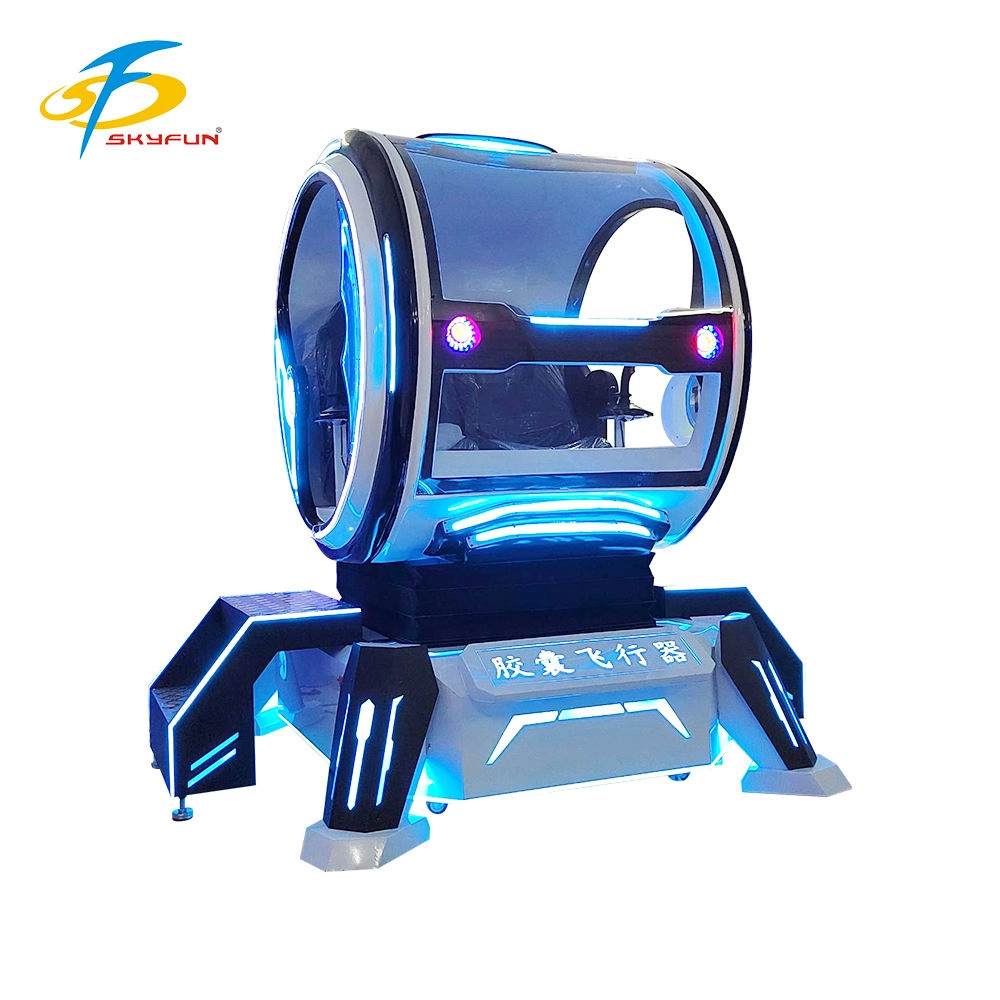
Double Player VR Flight Simulator 100 Movies 15 Games Coin-Operated Game Machine for Shopping Malls Amusement Parks
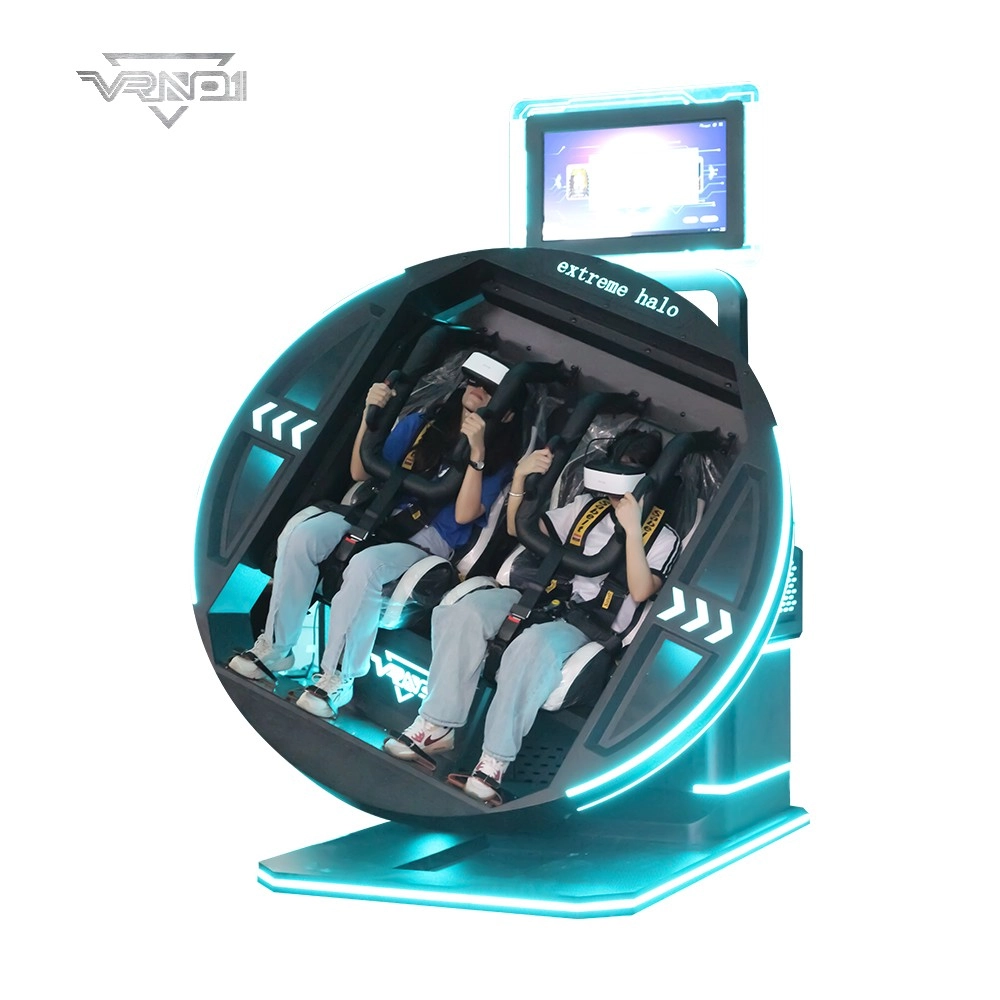
9D VR 360 Roller Coaster Cinema Chair Gaming Set Indoor/Outdoor Business Simulator Hardware for Home or School
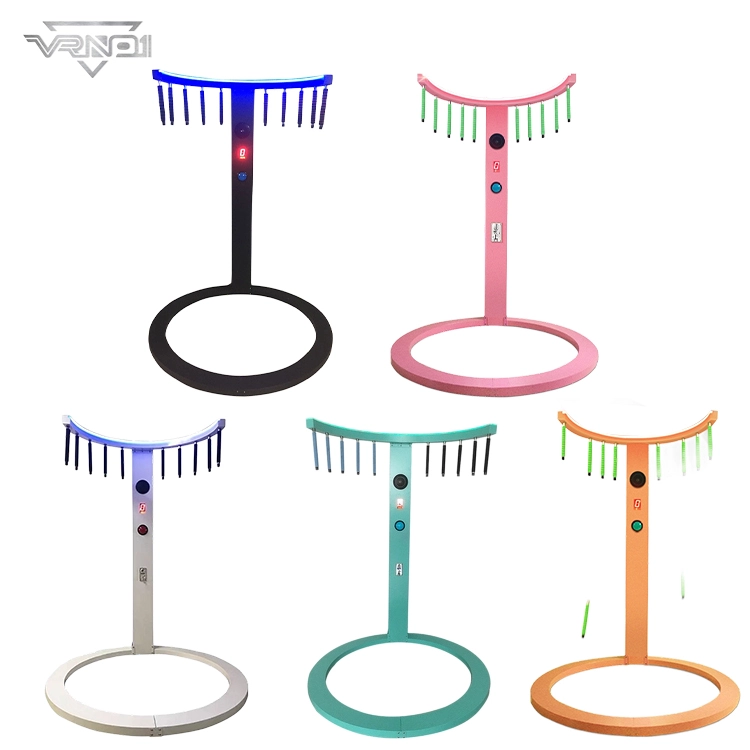
VRN0.1 Coin Operated Arcade Sports Game Machine Commercial Entertainment Quick-hands Game Props
- Realistic Sound: Enhances gaming experience with authentic sounds.
- Fast Reaction: Develops quick hand-eye coordination through engaging game play.
- DIY Kit: Allows for customization and personalization of the baton.
- Metal and Plastic Construction: Durable and robust build quality.
- Coin Operated: Fun for players who enjoy arcade-like experiences.
 Scan QR Code
Whatsapp: +8618127818571
Scan QR Code
Guangzhou Skyfun Technology Co.,Ltd
skyfunvrgame
skyfun game