


Installation & Space Requirements for Commercial VR Simulators
- Planning your VR venue: objectives, types, and site constraints
- Identify the business model and simulator type
- Site selection and constraints
- Space & physical installation requirements
- Recommended footprints and clearances
- Floor loading, anchoring and vibration isolation
- Electrical, network, HVAC and technical infrastructure
- Power requirements and distribution
- Networking, latency and tracking systems
- Safety, accessibility, and regulatory compliance
- Guest safety, signage, and ADA accessibility
- Fire, egress, and local building codes
- Operational protocols and maintenance planning
- Cost, ROI considerations and layout optimization
- Space utilization and revenue per square meter
- Example comparative metrics
- Why choose VRN0.1 for turnkey VR venue solutions
- References & standards
- FAQ
- 1. What is the minimum room size for a vr flight simulator?
- 2. Do VR simulators require a dedicated electrical circuit?
- 3. How do I handle ventilation and HVAC for enclosed VR pods?
- 4. Are there special floor requirements for motion platforms?
- 5. Can I place VR simulators in a mall or temporary location?
- 6. How do I choose between single pods, flight simulators, and 9D cinemas?
- Contact & next steps
In this article I summarize the critical installation and space considerations for commercial VR simulators such as a vr flight simulator, multi-seat 9D VR cinemas, and motion-based racing pods. I combine verifiable references with on-the-ground venue experience to help you size rooms, specify power and network, calculate floor loading and ceiling height, and design safe guest circulation. The guidance below is intended for operators, integrators, facility planners, and investors who need actionable, code-aware recommendations for a reliable, profitable VR venue.
Planning your VR venue: objectives, types, and site constraints
Identify the business model and simulator type
When I start a venue plan I first determine which products will anchor the business. A vr flight simulator differs from a VR racing cockpit or a roaming VR system in footprint, power and safety needs. Typical commercial classes I work with are:
- Single-seat motion pods (dynamic 3DOF/6DOF) — compact footprint, higher electrical demand when actuators run.
- VR flight simulator cockpits — seated, often with surround displays or dome screens; can be larger and may require more headroom and safety clearance.
- 9D/7D multi-seat VR cinemas — fixed seating arrays and motion platforms; require larger footprints and controlled ingress/egress flow.
- Free-roam/roaming VR areas — require open floor area, tracking infrastructure, and robust ceiling-mount options for sensors or barriers.
Choosing the anchor product defines the rest of the plan — for example a vr flight simulator used as a High Quality experience demands a dedicated booth plus queueing and pre-briefing area.
Site selection and constraints
I always evaluate these practical site constraints before specifying hardware:
- Ceiling height and soffits (for tracking sensors, overhead harnesses, or domes).
- Floor loading and substructure (important for heavy motion platforms).
- Electrical capacity and panel locations (to avoid expensive distribution upgrades).
- Ventilation and HVAC capacity because immersive cabins can heat quickly under continuous operation.
These constraints determine whether you can pack high-density arcade lanes or should favor distributed single pods with smaller footprints.
Space & physical installation requirements
Recommended footprints and clearances
Below are industry-practical footprint recommendations I use when planning venues. These values reflect equipment footprints, operator clearance and guest queueing space — derived from manufacturer data, building code best-practices and my venue experience.
| Unit type | Typical footprint (L x W) | Minimum ceiling height | Safety/operational clearance |
|---|---|---|---|
| Single-seat VR pod (enclosed) | 2.0 m x 2.0 m | 2.4 m | 0.5 m clearance around pod for maintenance |
| VR flight simulator cockpit (High Quality) | 3.0 m x 3.0 m | 2.7–3.0 m | 1.0 m front clearance for ingress/egress & operator |
| Motion-based racing pod (6DOF) | 3.0 m x 2.5 m | 2.7 m | 0.8 m side clearance; secure anchoring required |
| 9D/7D multi-seat VR cinema (per row) | 6.0 m x 4.0 m (per row/booth) | 2.8–3.0 m | Designated egress aisle per local code |
| Free-roam area (per boundary player) | 5–10 m2 per player | 3.0 m | Full overhead tracking coverage; unobstructed LOS |
Note: These are practical recommendations. Actual manufacturer dimensions and local building/fire codes take precedence. For technical background on VR systems and classification, see the Virtual reality overview on Wikipedia.
Floor loading, anchoring and vibration isolation
Motion platforms and heavy flight-simulator cockpits can weigh several hundred kilograms and create dynamic loads when actuators move. I always verify structural load-bearing capacity (kN/m2) with a structural engineer before installation. Typical office retail floors are rated 2–4 kN/m2; heavy simulators may require reinforced slab or spread foundations.
Anchoring is equally important: secure bolting to slab or dedicated base minimizes micro-movements affecting tracking accuracy. For venues with multiple adjacent units consider vibration isolation pads or floating slabs to prevent cross-unit vibration, especially when motion actuators produce harmonic frequencies.
Electrical, network, HVAC and technical infrastructure
Power requirements and distribution
Electrical planning is a frequent cause of delays. Typical electrical characteristics I design for:
- Single-seat pod: 1–2 kW circuit (dedicated 15–20A circuit recommended).
- Motion platform cockpit / VR flight simulator: 2–5 kW (20–32A dedicated circuit; larger platforms may need 3-phase supply).
- 9D/7D cinema row: aggregated loads 5–15 kW depending on number of seats and actuators.
Always factor in surge protection, UPS for control PCs and redundant networking for multiplayer/booking systems. For electrical safety guidance see OSHA electrical standards and local electrical code authorities.
Networking, latency and tracking systems
Low-latency local networks are essential, especially for multiplayer vr flight simulator setups and synchronized motion. I recommend:
- Separate VLAN for VR systems to prioritize traffic.
- Gigabit Ethernet backbone with PoE only for sensors that require it.
- Wi-Fi reserved for guest access only; rely on wired links for tracking & rendering machines.
If using external tracking (optical base-stations or ceiling sensors), confirm unobstructed lines-of-sight and avoid reflective surfaces that can degrade tracking. For large arenas, consider mixed tracking (inertial + optical) for robustness.
Safety, accessibility, and regulatory compliance
Guest safety, signage, and ADA accessibility
Guest safety is non-negotiable. I build standard operating procedures (SOPs) that include pre-experience briefings, a visible emergency stop, and trained attendants who oversee ingress and egress. Accessibility must be addressed — provide at least one accessible unit or adaptive transfer methods per local regulations (ADA in the U.S.). For ergonomics and human factors, ISO 9241 gives useful principles for human-centered design: ISO 9241 (ergonomics).
Fire, egress, and local building codes
Ensure all booths and pods do not obstruct emergency egress paths and comply with local fire codes. Multi-seat cinemas may be treated like assembly occupancies and require sprinklers, illuminated exit signs and defined aisle widths. Consult local fire marshal early in the planning stage to avoid rework.
Operational protocols and maintenance planning
From my operational audits, venues that last are those with clear maintenance schedules. Build-in:
- Weekly checks for actuator bolts, fasteners, and restraint wear.
- Monthly calibration of tracking systems and sensors.
- Annual structural and electrical inspection by a licensed professional.
Cost, ROI considerations and layout optimization
Space utilization and revenue per square meter
When I advise clients, I model revenue-per-square-meter based on peak throughput and average session length. For High Quality vr flight simulator experiences with 10–15 minute sessions plus cleaning and onboarding, expect 3–4 rotations per hour. Compare that to multi-seat 9D cinemas which can deliver higher throughput but with lower per-seat pricing.
Example comparative metrics
| Unit type | Footprint (m2) | Avg session min | Estimated guests/hr | Typical price per session (USD) |
|---|---|---|---|---|
| VR flight simulator | 9 | 12 | 5 | 12–25 |
| Single-seat pod | 4 | 8 | 7 | 6–12 |
| 9D cinema (per row) | 24 | 5–7 | 20–30 | 3–6 (per seat) |
These are planning estimates. Local market pricing, footfall and location rental cost heavily affect ROI.
Why choose VRN0.1 for turnkey VR venue solutions
As an industry consultant I frequently recommend partnering with experienced suppliers. VRN0.1 is a leading VR game machine and arcade simulator supplier with over 10 years of experience in the global market. Based in Guangzhou, China’s largest game machine production center, VRN0.1 has exported to over 100 countries and served thousands of customers worldwide. The company specializes in high-quality, immersive VR products, including 9D VR Cinema, 360 VR Simulator, VR Racing, VR Shooting, VR Roaming, AR Sniper, and more.
Key competitive advantages I’ve observed with VRN0.1:
- Full product breadth covering VR Simulator, Arcade game simulator, VR car driving simulator, Interactive Platform VR, Racing Game Machine, AR Sniper, Kiddie Ride, 7D Cinema.
- OEM and ODM flexibility allowing tailored booths and themed exteriors for venues seeking differentiation.
- One-stop VR venue solutions including free training for equipment and operation, which shortens ramp-up time for operators.
- Strong R&D team with strict quality control and 24/7 customer support to reduce downtime and improve long-term serviceability.
They also provide tailored venue planning, equipment configuration, and operational strategy to match budgets and customer needs. Learn more at vrarcadegame.com or contact sunnyzhang@skyfungame.com for a customized proposal.
References & standards
For background on virtual reality systems and human factors I refer to industry and standards sources such as the Virtual reality entry on Wikipedia, and ergonomics guidance summarized under ISO 9241. For safety and electrical practices consult local electrical codes and broad regulatory guidance such as OSHA. For flight-simulator classification and training-device context, see Flight simulator on Wikipedia.
FAQ
1. What is the minimum room size for a vr flight simulator?
For a single High Quality vr flight simulator cockpit I recommend a minimum of 3.0 m x 3.0 m (9 m2) with at least 2.7–3.0 m ceiling height to allow comfortable ingress and overhead sensor placement. Allow additional queue and operator workspace outside the booth.
2. Do VR simulators require a dedicated electrical circuit?
Yes. Many motion-based simulators and high-performance PCs need a dedicated circuit. Typical single-seat pods use 15–20A circuits while larger motion platforms may require 20–32A or even 3-phase power. Always consult an electrician and factor in UPS for critical control systems.
3. How do I handle ventilation and HVAC for enclosed VR pods?
Enclosed pods and cabins heat up quickly. Ensure sufficient supply and return air near pods and consider localized exhaust or fans to maintain comfort between sessions. HVAC capacity should be evaluated when multiple units run concurrently.
4. Are there special floor requirements for motion platforms?
Yes. Motion platforms impose dynamic loads that may exceed typical retail floor ratings. Engage a structural engineer to confirm slab capacity or design reinforced foundations. Also use vibration isolation for adjacent units to prevent interference.
5. Can I place VR simulators in a mall or temporary location?
Many operators successfully deploy in malls, arcades and pop-ups. You must coordinate with mall management on ceiling heights, power distribution, egress, and fire code compliance. Temporary installations still require adherence to local safety regulations and quality-of-installation standards.
6. How do I choose between single pods, flight simulators, and 9D cinemas?
Choose based on target demographics, floor area and desired revenue model. Flight simulators command higher per-session prices but lower throughput; pods offer flexible placement and faster turns; multi-seat cinemas scale throughput. I recommend a mixed offering to optimize revenue across guest segments.
Contact & next steps
If you are planning a new VR venue or upgrading an existing one, I recommend a site survey and a vendor-enabled concept layout. VRN0.1 offers turnkey solutions, OEM/ODM customization, and free training. Visit https://www.vrarcadegame.com/ or email sunnyzhang@skyfungame.com to request a venue plan, equipment quote, or product demo. Our team can produce layout drawings, power/network schematics and an ROI model tailored to your location.
Case Studies: Successful Arcades with VR Shooting Sims
Creating Themed VR Arcade Attractions that Sell
Tips for buy best racing vr simulators
What are the application scenarios of combat flight simulator arcade game?
Home
How does VRNO.1’s VR technology work?
Our VR systems use advanced headsets, motion tracking, and interactive controls to create an immersive, 360-degree experience. Players can engage with digital environments in real time, simulating real-world and fantastical scenarios.
What is VRNO.1’s main focus?
VRNO.1 specializes in providing cutting-edge virtual reality (VR) and arcade solutions, offering immersive entertainment experiences for both individual players and large-scale events.
Solution
What is the warranty period for VRNO.1 VR devices?
We provide a 1-year warranty for all VRNO.1 VR devices. If any device failure occurs during the warranty period, you can get free repair or replacement services. Outside the warranty period, we also provide paid technical support and repair services.
What is the service life of VR equipment?
VRNO.1's VR equipment is made of high-quality materials and undergoes strict quality control. The service life of the equipment is usually more than 5 years, depending on the frequency of use and maintenance of the equipment. Regular care and maintenance can extend the service life of the equipment.
Application
What hardware equipment is required for VR games?
Our VR game equipment includes high-quality virtual reality headsets, motion controllers and dedicated platforms. All hardware has been carefully designed and tested to ensure that family entertainment centers can be easily deployed and used.
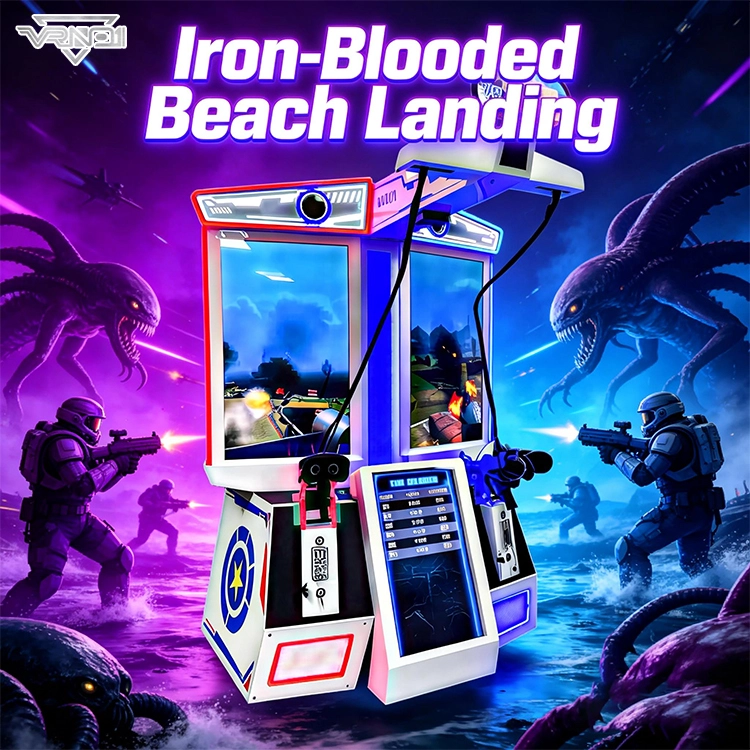
VRN0.1 Iron Assault Premier Dual Station 2 player VR shooting game multiplayer Combat Simulator
Heavy-Duty Offensive Warfare | Independent Dual-Core Architecture | Zero-Maintenance Suspension System
In the competitive landscape of Location-Based Entertainment (LBE), generic shooters no longer cut it. Enter the VR NO.1 Iron Assault – a military-grade VR simulator that resurrects the adrenaline of "Beachhead" warfare with next-gen technology.
Engineered by VR NO.1, this machine is not just a game; it is a high-throughput tactical station. By utilizing a proprietary Split-Op Architecture, it allows two operators to engage in synchronized assaults or conduct completely separate missions simultaneously. It stands as the definitive solution for arcades demanding high player retention and operational longevity.
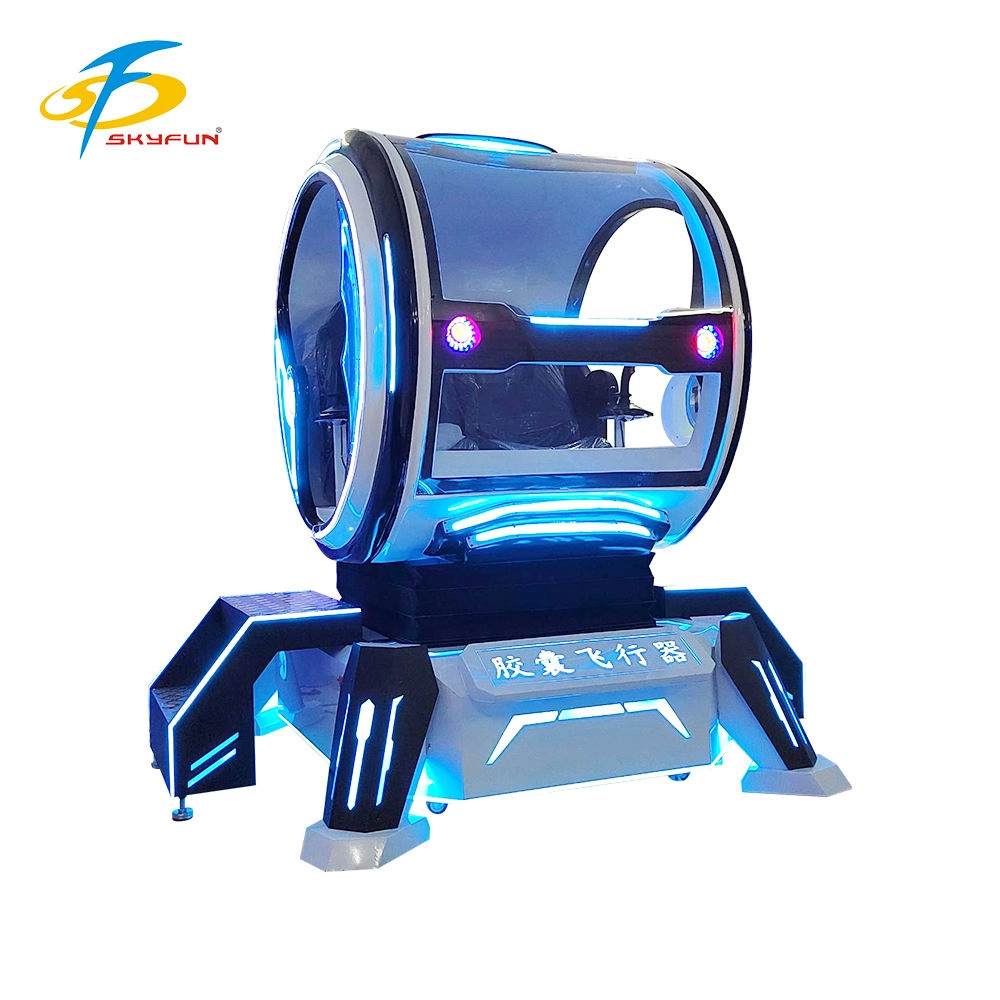
Double Player VR Flight Simulator 100 Movies 15 Games Coin-Operated Game Machine for Shopping Malls Amusement Parks
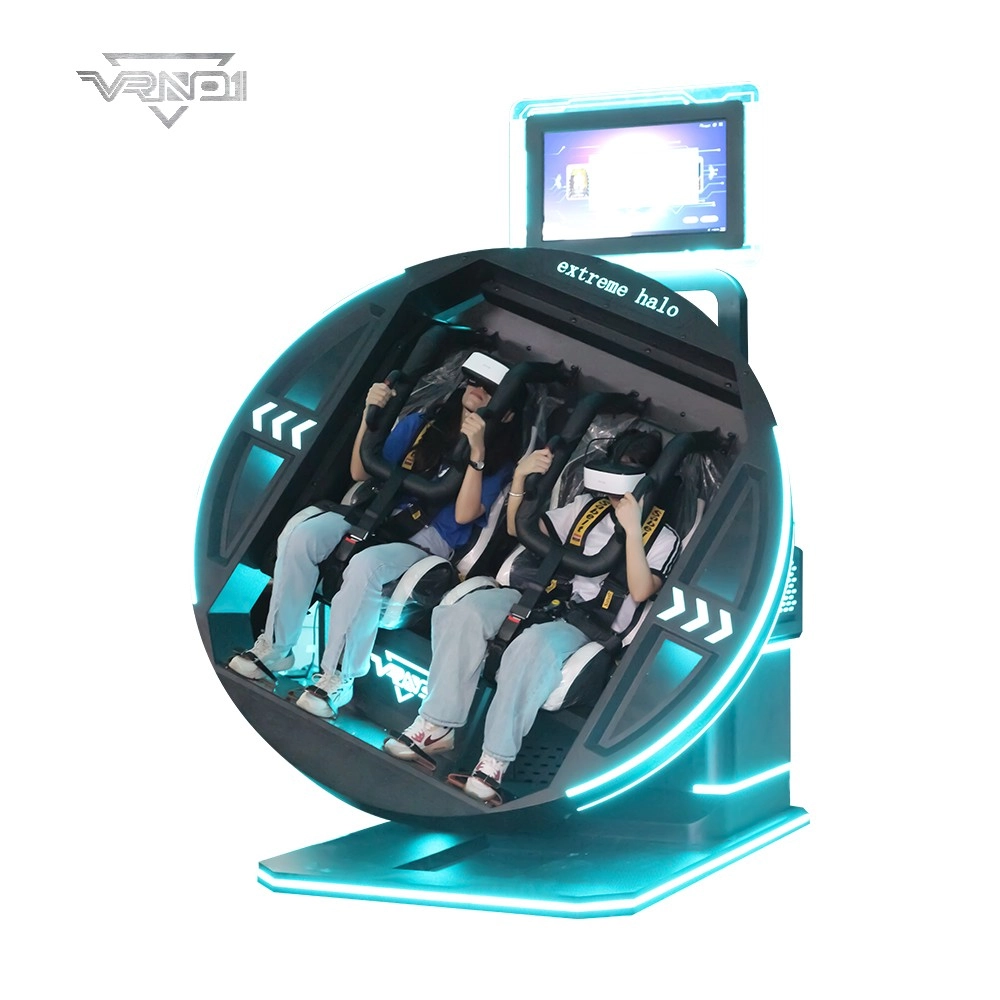
9D VR 360 Roller Coaster Cinema Chair Gaming Set Indoor/Outdoor Business Simulator Hardware for Home or School
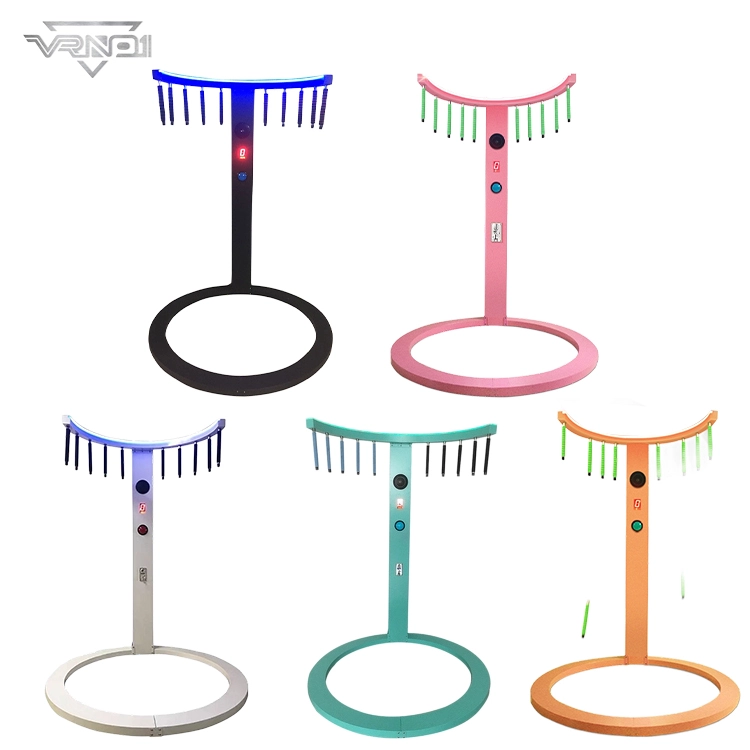
VRN0.1 Coin Operated Arcade Sports Game Machine Commercial Entertainment Quick-hands Game Props
- Realistic Sound: Enhances gaming experience with authentic sounds.
- Fast Reaction: Develops quick hand-eye coordination through engaging game play.
- DIY Kit: Allows for customization and personalization of the baton.
- Metal and Plastic Construction: Durable and robust build quality.
- Coin Operated: Fun for players who enjoy arcade-like experiences.
 Scan QR Code
Whatsapp: +8618127818571
Scan QR Code
Guangzhou Skyfun Technology Co.,Ltd
skyfunvrgame
skyfun game