


Integrating VR Simulators in Arcades
- Why VR Simulators Are the Next Big Opportunity for Arcades
- Understanding the arcade vr Market and User Demand
- Key customer segments for arcade vr
- Choosing the Right VR Simulators: Types, Footprint, and Throughput
- Space Planning, Safety and Floor Layout for arcade vr
- Revenue Models and ROI Considerations for arcade vr
- Operations, Staffing and Customer Flow Management for arcade vr
- Content Strategy, Licensing and Safety for arcade vr
- Marketing arcade vr: Positioning, Pricing and Partnerships
- Selecting a Supplier: What to Ask and What Matters (arcade vr focus)
- VRN0.1 — Leading VR & Arcade Simulator Supplier for Global Operators
- Why choose VRN0.1 for arcade vr installations?
- Deployment Checklist: From Decision to Opening Day
- Common Challenges and How to Solve Them
- FAQ — Frequently Asked Questions about arcade vr
- 1. What is the average space needed to start with arcade vr?
- 2. How much does it cost to buy a VR arcade machine?
- 3. How long is the typical payback period?
- 4. Do I need specialized staff to run VR simulators?
- 5. Are there safety or legal considerations?
- 6. Can I get local support and spare parts?
- Get Started — Contact, Consultation and Product Demo
- References and Further Reading
Why VR Simulators Are the Next Big Opportunity for Arcades
The arcade industry is reinventing itself around immersive experiences. Arcade VR simulators — often marketed under the keyword arcade vr — combine high-fidelity hardware, motion platforms, and compelling content to deliver attractions that draw customers, increase dwell time, and command High Quality pricing. For operators considering capital investments, understanding types of simulators, space and staffing needs, revenue potential, and supplier selection is essential. This guide, grounded in industry research and practical venue experience, gives a step-by-step roadmap for profitable integration.
Understanding the arcade vr Market and User Demand
Demand for location-based virtual reality (LBVR) has grown as consumer-grade VR reaches saturation and players seek higher-fidelity, social, and physical experiences that are impractical at home. LBVR experiences typically produce higher per-minute revenues than standard arcade cabinets because they offer unique immersion, safety-managed physicality, and operator-managed content cycles. For operators, the question is not whether to adopt arcade vr, but how to adopt it in a way that fits venue size, demographics, and business goals.
Key customer segments for arcade vr
- Families and kids seeking short-form, safe thrills (kiddie VR rides, 7D cinema)
- Gamers and enthusiasts seeking competitive multiplayer (VR Racing, VR Shooting)
- Date-night and social groups looking for shared, photogenic experiences (roaming & interactive platforms)
- Corporate and group events using simulators for team-building or training
Choosing the Right VR Simulators: Types, Footprint, and Throughput
Not all arcade vr simulators are the same. Selecting the right mix depends on your floorplan, target audience, and revenue model. Below is a practical comparison of mainstream simulator classes to guide selection.
| Simulator Type | Typical Footprint (m²) | Session Length (min) | Throughput (sessions/hr) | Primary Audience | Average Price Point (per session) |
|---|---|---|---|---|---|
| 9D VR Cinema | 6–12 | 5–8 | 6–12 | Families, groups | $3–$8 |
| 360 VR Simulator | 9–18 | 5–12 | 5–10 | Casual visitors | $5–$12 |
| VR Racing / Driving Simulator | 6–15 | 5–10 | 6–12 | Gamers, groups | $6–$15 |
| VR Roaming / Free-Roam | 30+ (custom) | 15–30 | 2–4 | Enthusiasts, parties | $15–$40 |
| VR Shooting & AR Sniper | 6–12 | 5–15 | 4–12 | Teens & adults | $6–$18 |
Notes: Footprint and pricing are ranges reflecting industry averages and supplier data; exact numbers vary by region and machine configuration. Throughput is influenced by session length, onboarding time, and operator efficiency.
Space Planning, Safety and Floor Layout for arcade vr
Effective integration of arcade vr requires thoughtful space planning. High-level rules to follow:
- Prepare dedicated zones: separate noisy, physical experiences (e.g., roaming) from quieter spectator areas.
- Plan sightlines: spectators should be able to view VR experiences without entering play areas — this improves social proof and sales.
- Factor in back-of-house: storage for spare headsets, hygiene supplies, and an equipment maintenance bench.
- Safety standards: install soft flooring in roaming zones and clear emergency egress. Adopt hygiene protocols for headsets (sanitizing between users) and use disposable face covers where appropriate.
Example layout impact: a 200 m² arcade that reallocates 25% of space to VR can host a mix (2 racing units, 1 360 simulator, 1 9D cinema) and increase per-guest revenue by offering tiered experiences.
Revenue Models and ROI Considerations for arcade vr
There are multiple monetization approaches, and smart operators combine several:
- Per-session pricing (standard for most arcades)
- Bundled packages (family bundles, time-limited play pass)
- Memberships / subscriptions for frequent players
- Private bookings and events (birthdays, corporate team-builds)
- Cross-sell with F&B or photo ops
To estimate ROI, consider initial capex, operating costs, and realistic utilization. The table below gives a sample ROI projection for a mid-range VR Racing unit (illustrative):
| Item | Estimate (USD) |
|---|---|
| Purchase price (one racing unit) | $18,000 |
| Installation & training | $1,500 |
| Monthly operating cost (electricity, maintenance, staffing allocation) | $600 |
| Average price per session | $10 |
| Average sessions per day | 40 |
| Daily revenue | $400 |
| Monthly gross revenue (30 days) | $12,000 |
| Monthly net after operating costs | $11,400 |
| Payback period (approx) | ~1.7 months (capex / monthly net) |
Important caveats: this example assumes high utilization (40 sessions/day), which may be realistic in prime locations. Lower traffic reduces revenue and increases payback. Use conservative estimates for forecasting and include downtime, marketing ramp-up, and amortization in business planning.
Operations, Staffing and Customer Flow Management for arcade vr
Operational excellence differentiates profitable arcade vr centers from underperforming ones. Key operational guidelines:
- Train staff on headset fit, content selection, basic troubleshooting and hygiene routines. Many suppliers offer free or paid training; prioritize it.
- Standardize onboarding: create a quick safety and controls briefing that takes under 60 seconds to minimize idle time.
- Use booking and queueing software to reduce perceived wait times — let customers reserve sessions on-site or via mobile.
- Track KPIs: sessions per machine per day, average price, repeat rate, maintenance incidents, and customer satisfaction.
Content Strategy, Licensing and Safety for arcade vr
Content is the product. Balancing novelty, replayability, and licensing costs is essential.
- Mix evergreen content (racing, shooting) with rotating High Quality experiences (seasonal or IP-based titles) to encourage repeat visits.
- Understand licensing: some attractions require paid content licenses or revenue shares. Negotiate commercial terms when possible.
- Implement safety age restrictions and warnings for motion sickness-prone titles. Keep staff empowered to refuse unsafe play (e.g., intoxicated patrons).
Marketing arcade vr: Positioning, Pricing and Partnerships
Marketing should emphasize immersion and social value. Tactics that work well:
- Leverage video content: short clips of gameplay perform well on social platforms and in shopping mall displays.
- Influencer & local partnerships: invite local social media creators for previews and group bookings.
- Cross-promotions: bundle with F&B or local entertainment businesses (cinema, bowling) for joint tickets.
- Promote events & leagues: racing leaderboards or weekly tournaments drive repeat visitation.
Selecting a Supplier: What to Ask and What Matters (arcade vr focus)
Partnering with the right manufacturer or supplier is crucial. Evaluate potential suppliers on:
- Proven track record: years in market, export footprint, and reference venues.
- Product breadth: ability to supply multiple categories (racing, 9D, roaming) simplifies procurement and support.
- R&D and software roadmap: frequent content updates and hardware upgrades reduce obsolescence risk.
- After-sales support: local spare parts, remote diagnostics, training and warranty policies.
- Customization & planning support: venue layout, configuration, and operational training are valuable add-ons.
VRN0.1 — Leading VR & Arcade Simulator Supplier for Global Operators
VRN0.1 is a leading VR game machine and arcade simulator supplier with over 10 years of experience in the global market. Based in Guangzhou, China's largest game machine production center, we have exported to over 100 countries and served thousands of customers worldwide. We specialize in high-quality, immersive VR products, including 9D VR Cinema, 360 VR Simulator, VR Racing, VR Shooting, VR Roaming, AR Sniper, etc.
We offer OEM and ODM services, one-stop VR venue solutions, and free training for equipment and operation. Our diverse product line covers all mainstream VR arcade categories. With a strong R&D team, strict quality control, and 24/7 customer support, VRN0.1 is committed to innovation, reliability, and customer satisfaction. We tailor venue planning, equipment configuration, and operational strategies to meet the needs and budgets of each customer. Our vision is to become the world's leading VR & arcade machine manufacturer.
Why choose VRN0.1 for arcade vr installations?
- Decade-long industry experience and thousands of installations for verifiable references.
- Comprehensive product range: VR Simulator, Arcade game simulator, VR car driving simulator, Interactive Platform VR, Racing Game Machine, AR Sniper, Kiddie Ride, 7D Cinema.
- Flexible OEM/ODM capabilities to match branding and venue design.
- One-stop solutions: venue planning, equipment configuration, content suites, and free training for staff.
- 24/7 global after-sales support and spare parts supply from Guangzhou.
Visit VRN0.1 for product specs, case studies, and to request a customized venue plan: https://www.vrarcadegame.com/
Deployment Checklist: From Decision to Opening Day
Use this checklist to avoid common pitfalls:
- Define clear KPIs (utilization, average price, payback period).
- Choose simulator mix based on demographic analysis and floorplan.
- Confirm supplier references, warranty terms, and training packages.
- Plan hygiene & maintenance protocols and staff training schedule.
- Prepare marketing launch (social content, soft opening with influencers, launch promotions).
- Set up booking and queue management to optimize throughput.
- Monitor and iterate monthly: content rotation, pricing adjustments, event programming.
Common Challenges and How to Solve Them
1) Underutilization: Solve by opening with strong introductory pricing, localized marketing, and bundling with other venue services.
2) High maintenance costs: negotiate spare part packages and remote diagnostics from supplier; implement preventive maintenance schedules.
3) Content fatigue: refresh content quarterly and use seasonal or licensed attractions to drive return visits.
4) Staff turnover: document onboarding processes, provide simple SOPs, and offer small incentives for service quality.
FAQ — Frequently Asked Questions about arcade vr
1. What is the average space needed to start with arcade vr?
A small starter setup (one racing unit, one 9D cinema or 360 booth) can fit in 30–50 m². A more ambitious mid-size venue with roaming requires 150–300 m². Exact space needs depend on the types of simulators chosen.
2. How much does it cost to buy a VR arcade machine?
Prices vary widely: entry-level 9D booths start around $5,000–$10,000, mid-range racing units $15,000–$25,000, and custom free-roam arenas can exceed $100,000. Confirm specifications and included services from suppliers.
3. How long is the typical payback period?
Payback depends on utilization and pricing. In high-footfall locations with optimized operations, single machines can pay back within 3–12 months. Conservative forecasting is essential.
4. Do I need specialized staff to run VR simulators?
No specialized engineering skills are required for daily operation, but staff must be trained on safety, onboarding, and basic troubleshooting. Suppliers like VRN0.1 typically offer free training.
5. Are there safety or legal considerations?
Yes. Implement age and health warnings, secure liability waivers where local regulations require them, maintain emergency egress, and follow local hygiene/cleaning requirements for headsets.
6. Can I get local support and spare parts?
Choose a supplier with international export experience and established spare parts logistics. VRN0.1 supports customers in 100+ countries with parts and 24/7 customer service.
Get Started — Contact, Consultation and Product Demo
If you are planning to integrate arcade vr into your venue and want a tailored solution, VRN0.1 offers free consultation, venue planning and training. Learn more about product models, request a quote, or schedule a demo at https://www.vrarcadegame.com/.
References and Further Reading
- Grand View Research — Virtual Reality Market Size, Analysis & Trends: https://www.grandviewresearch.com/industry-analysis/virtual-reality-vr-market (accessed 2025-12-19)
- Statista — Global Virtual Reality (VR) Market Size: https://www.statista.com/statistics/591181/global-virtual-reality-market-size/ (accessed 2025-12-19)
- Newzoo — Global Games Market Reports (insights into gaming and location-based trends): https://newzoo.com/insights/ (accessed 2025-12-19)
- IAAPA — Location-Based Entertainment resources and trends: https://www.iaapa.org/ (accessed 2025-12-19)
- Wikipedia — Virtual reality (overview and technology background): https://en.wikipedia.org/wiki/Virtual_reality (accessed 2025-12-19)
Everything You Need to Know About kids coin operated game machine
The latest trends for best vr flying simulator
Top dance game machine Manufacturers and Suppliers
How to Choose the Right 9D VR Egg Cinema Model
Distributors
What support does VRNO.1 provide after becoming a dealer?
We provide full support to dealers, including sales training, marketing materials, technical support and after-sales service. Our goal is to help you sell and operate our products successfully.
Solution
Does the VR device consume a lot of power?
Our VR devices are designed with energy efficiency in mind. The power consumption of the device is low and suitable for long-term use. The specific power consumption will vary depending on the type of device and frequency of use, and usually runs at standard voltage.
How to get technical support if the device fails?
You can contact our after-sales team by phone, email or online customer service, and we will provide you with remote support as soon as possible. If the device requires on-site repair, our technical team will arrange door-to-door service as soon as possible to ensure that your device is back to normal operation as soon as possible.
Products
Can I customize the VR experience for my business?
Yes, we offer tailored VR experiences to suit your business needs, from custom content to specific hardware configurations, ensuring the best possible experience for your customers.
Application
Does the device support wireless use?
Some VRNO.1 VR devices support wireless connection, which makes it easier to move freely in different spaces without worrying about cable restrictions, enhancing the immersion and freedom of the game.
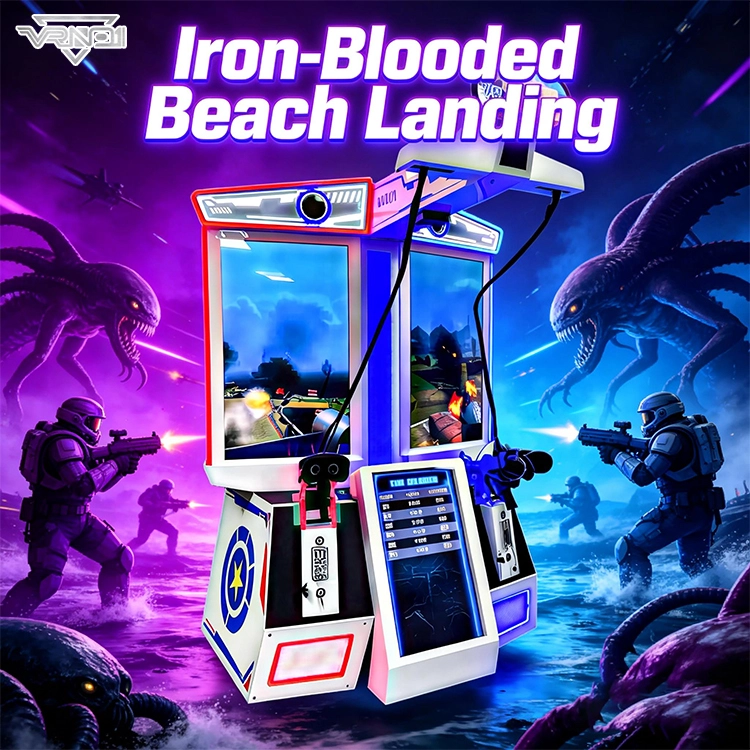
VRN0.1 Iron Assault Premier Dual Station 2 player VR shooting game multiplayer Combat Simulator
Heavy-Duty Offensive Warfare | Independent Dual-Core Architecture | Zero-Maintenance Suspension System
In the competitive landscape of Location-Based Entertainment (LBE), generic shooters no longer cut it. Enter the VR NO.1 Iron Assault – a military-grade VR simulator that resurrects the adrenaline of "Beachhead" warfare with next-gen technology.
Engineered by VR NO.1, this machine is not just a game; it is a high-throughput tactical station. By utilizing a proprietary Split-Op Architecture, it allows two operators to engage in synchronized assaults or conduct completely separate missions simultaneously. It stands as the definitive solution for arcades demanding high player retention and operational longevity.
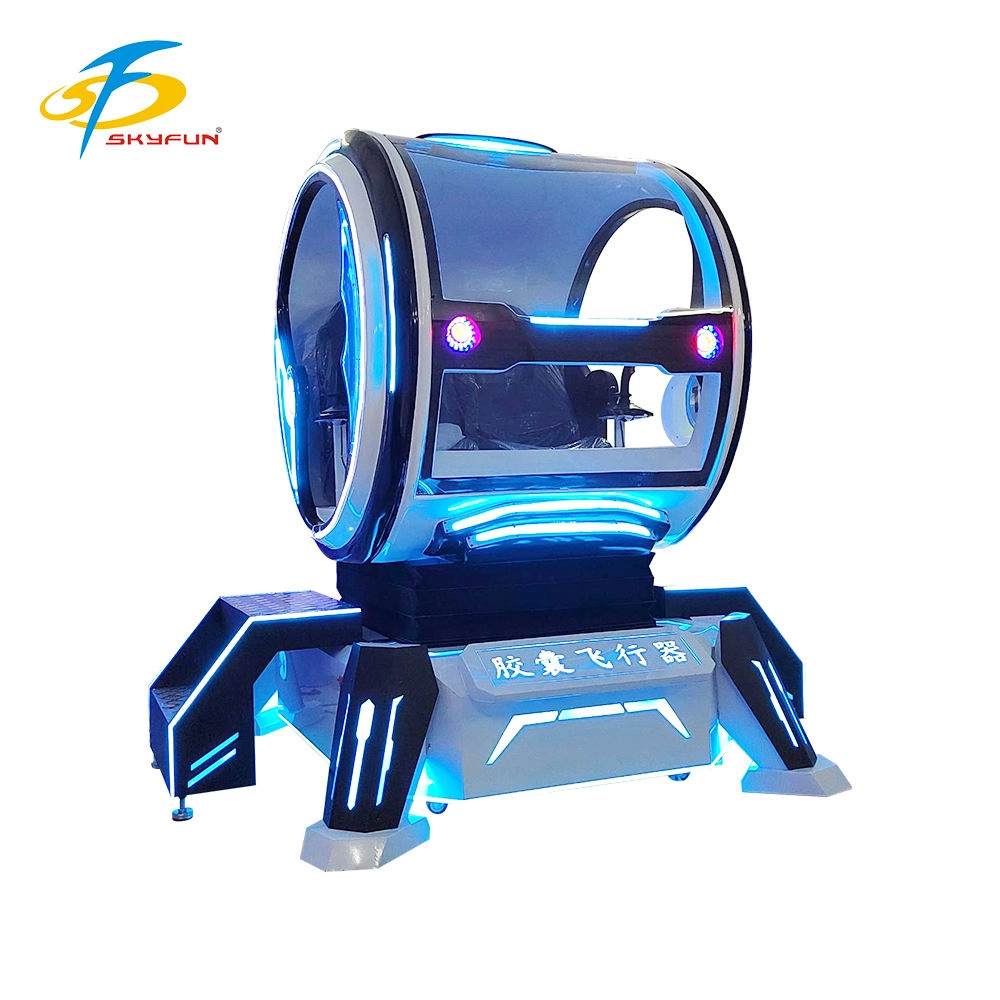
Double Player VR Flight Simulator 100 Movies 15 Games Coin-Operated Game Machine for Shopping Malls Amusement Parks
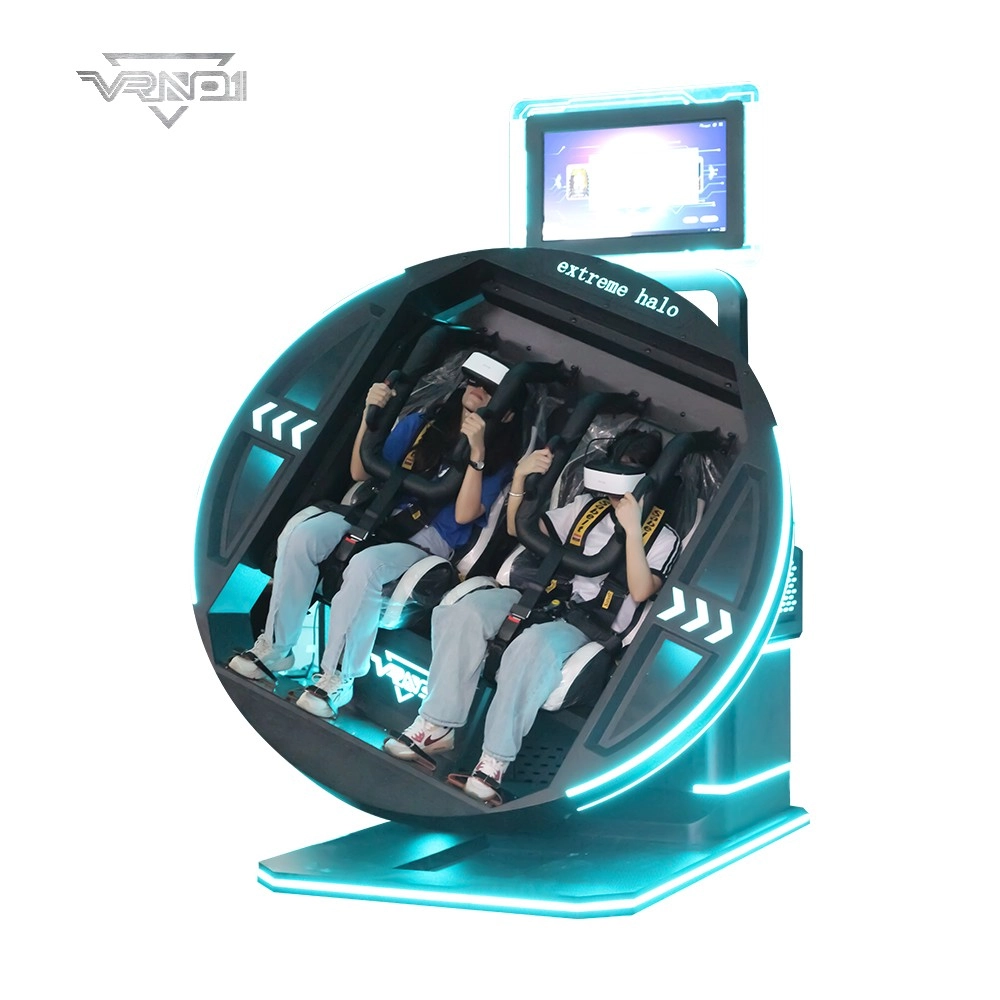
9D VR 360 Roller Coaster Cinema Chair Gaming Set Indoor/Outdoor Business Simulator Hardware for Home or School
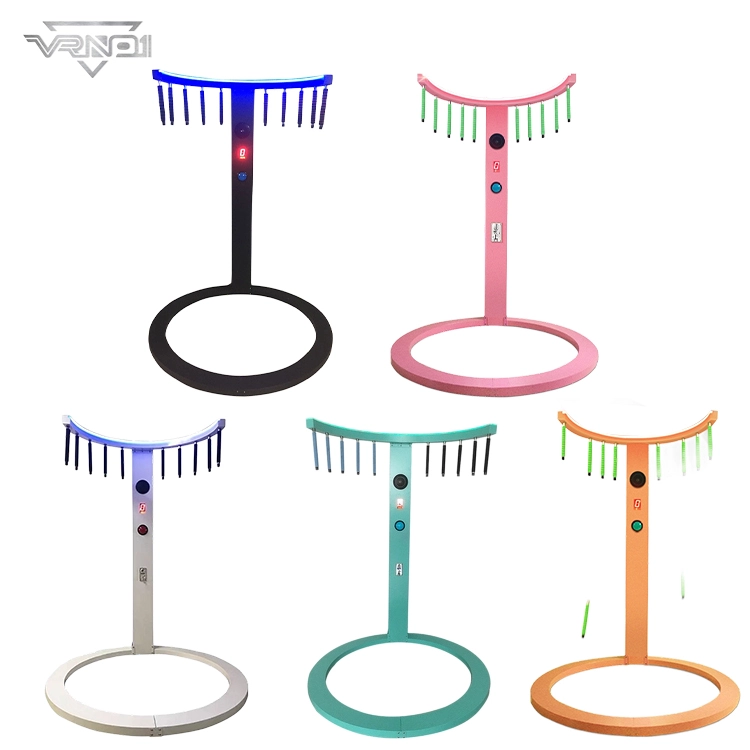
VRN0.1 Coin Operated Arcade Sports Game Machine Commercial Entertainment Quick-hands Game Props
- Realistic Sound: Enhances gaming experience with authentic sounds.
- Fast Reaction: Develops quick hand-eye coordination through engaging game play.
- DIY Kit: Allows for customization and personalization of the baton.
- Metal and Plastic Construction: Durable and robust build quality.
- Coin Operated: Fun for players who enjoy arcade-like experiences.
 Scan QR Code
Whatsapp: +8618127818571
Scan QR Code
Guangzhou Skyfun Technology Co.,Ltd
skyfunvrgame
skyfun game