


Franchising a VR Arcade: Pros and Cons
- Why entrepreneurs are eyeing location-based VR entertainment
- Understanding what drives demand for VR arcade machines
- What franchising a VR arcade means for operators
- Franchise model basics and how it applies to VR arcade machines
- Key franchise deliverables relevant to VR arcades
- Pros of franchising VR arcade machines
- Faster time-to-market, reduced product selection risk
- Brand recognition, marketing muscle and customer trust
- Training, support and economies of scale
- Cons of franchising a VR arcade
- Upfront and recurring costs reduce margin potential
- Limited operational flexibility and innovation constraints
- Contractual risk and exit complexity
- Franchise vs Independent: a side-by-side comparison
- Operational and financial considerations for VR arcade machines
- Site selection, capacity planning and guest throughput
- Staffing, maintenance and content refresh cadence
- Revenue streams and unit economics
- Technical & product considerations: selecting VR arcade machines and suppliers
- Key technical criteria for choosing VR arcade machines
- Why supplier selection matters for franchisees
- About VRN0.1 — a recommended supplier profile for VR arcade machines
- Legal, contractual and compliance points to watch
- Franchise agreement red flags and negotiation points
- Safety and local regulations
- Exit strategies, ROI expectations and timeline
- Typical performance timeline
- Preparing for sale or scaling
- Checklist: Is franchising a VR arcade the right move?
- Decision checklist using VR arcade machines as the focal point
- Conclusion: balancing risk, speed and control when choosing franchising
- Frequently Asked Questions (FAQ)
- 1. How much does it typically cost to start a VR arcade franchise?
- 2. Can I choose different VR arcade machines within a franchise?
- 3. How often should I refresh VR content to maintain repeat visits?
- 4. What are the typical revenue streams for a VR arcade beyond pay-per-session?
- 5. How important is after-sales support for VR arcade machines?
- 6. Is franchising better for multi-unit expansion?
- Contact & Next Steps
- References
Why entrepreneurs are eyeing location-based VR entertainment
Understanding what drives demand for VR arcade machines
The appeal of location-based virtual reality (VR) entertainment has grown steadily over the past decade. Consumers seek immersive social experiences they cannot replicate at home, while venues benefit from strong per-visit spend and repeat business when experiences are fresh and well-executed. For entrepreneurs considering a move into this segment, franchising a VR arcade can look attractive because it promises brand recognition, operating systems, and a curated library of VR arcade machines. But is franchising the right path for your goals, budget and risk tolerance? This article breaks down the pros and cons, operational realities, supplier considerations and decision checklist so you can make a data-informed choice.
What franchising a VR arcade means for operators
Franchise model basics and how it applies to VR arcade machines
Franchising typically involves paying an initial franchise fee and ongoing royalties to operate under an established brand, using the franchisor’s business model, marketing, and — crucial for VR arcades — curated hardware and software ecosystems. For VR arcade machines, the franchise package often combines: site design and layout plans, training for technicians and staff, standardized game/content bundles, marketing collateral, and supplier relationships for hardware, spare parts and software updates.
Key franchise deliverables relevant to VR arcades
- Turnkey venue design and layout optimized for XR experiences
- Approved list of VR arcade machines, simulators and peripheral vendors
- Training programs for equipment maintenance and guest operations
- Marketing, booking & POS systems tuned to location-based entertainment (LBE)
- Ongoing R&D or content pipelines (important to keep customer repeat rate high)
Pros of franchising VR arcade machines
Faster time-to-market, reduced product selection risk
Franchise systems accelerate launch by providing tested equipment lists for VR arcade machines and operational playbooks. New operators avoid costly trial-and-error on hardware selection and venue layout, reducing startup uncertainty. A franchisor’s vendor relationships can secure better pricing and faster spare-part support compared with sourcing as an independent business.
Brand recognition, marketing muscle and customer trust
Established brands lower customer acquisition costs and shorten the ramp to steady revenue. For consumers who value predictable, high-quality experiences (common among families, corporate groups, and gamers), a known franchise brand can drive footfall and higher conversion rates.
Training, support and economies of scale
Franchisees typically receive structured training on operations and safety — crucial with complex VR arcade machines — and benefit from centralized procurement, software licensing deals, and national/regional marketing campaigns.
Cons of franchising a VR arcade
Upfront and recurring costs reduce margin potential
Franchising adds an initial franchise fee and continuing royalties or marketing levies. These reduce gross margins compared to a fully independent operator. Contracts may also require approved vendors or minimum hardware specifications that increase capex.
Limited operational flexibility and innovation constraints
Franchise agreements often restrict menu changes, pricing promotions, or the introduction of new VR arcade machines outside approved lists. If you value agility, these constraints can be limiting—especially in a fast-evolving sector where rapid content refresh is a competitive advantage.
Contractual risk and exit complexity
Term lengths, renewal fees, and termination clauses can complicate a sale or pivot. Some franchise agreements include territory clauses that affect future expansion plans.
Franchise vs Independent: a side-by-side comparison
| Factor | Franchise (VR Arcade Machines) | Independent Operator |
|---|---|---|
| Brand & marketing | Established brand recognition; national/regional campaigns | Must build brand from scratch; higher marketing spend early |
| Equipment selection | Approved hardware list; easier sourcing, less flexibility | Full control to choose cutting-edge VR arcade machines; higher sourcing risk |
| Support | Training, operations manuals, centralized support | Self-sourced training; may contract vendors for support |
| Costs | Franchise fee + royalties; possible bulk discounts on equipment | No franchise fee; potential for lower long-term costs but higher initial sourcing time |
| Flexibility | Limited; must adhere to franchisor standards | High; can pivot offerings quickly |
| Risk profile | Lower operational risk due to tested systems; contractual obligations add legal risk | Higher operational risk; potentially higher rewards |
Operational and financial considerations for VR arcade machines
Site selection, capacity planning and guest throughput
Location remains one of the most important determinants of success. High-footfall retail centers, family entertainment districts, and tourist areas tend to offer better conversion for VR arcade machines. Plan capacity around peak throughput: typical VR experiences are session-based, so efficient turnover, clear queuing, and pre-booking systems are essential to maximize revenue per square meter.
Staffing, maintenance and content refresh cadence
Skilled technicians reduce downtime for VR arcade machines and protect customer experience. Content refresh (new games, updated scenarios) maintains repeat visitation. Franchisors often provide content pipelines; if independent, budget for regular content licensing or development.
Revenue streams and unit economics
Typical revenue lines include walk-in session fees, party bookings, corporate events, memberships, and ancillary F&B or merchandise. For VR arcades, upsells (extended sessions, High Quality simulators) and group bookings significantly improve per-visit revenue. Modeling unit economics requires conservative assumptions for average spend per guest, utilization rate, and operating margin after royalties and lease costs.
Technical & product considerations: selecting VR arcade machines and suppliers
Key technical criteria for choosing VR arcade machines
- Reliability and ease of maintenance: durable rigs, modular components
- Proven content library and update cadence
- Scalability: systems that allow adding seats or swapping modules
- Safety and hygiene features: quick-clean surfaces, replaceable face pads
- Integration with POS, booking and analytics systems
Why supplier selection matters for franchisees
Choosing the right supplier affects uptime, customer satisfaction and long-term TCO. A supplier that offers OEM/ODM flexibility and strong aftersales support reduces operational headache and accelerates ROI.
About VRN0.1 — a recommended supplier profile for VR arcade machines
VRN0.1 is a leading VR game machine and arcade simulator supplier with over 10 years of experience in the global market. Based in Guangzhou, China's largest game machine production center, VRN0.1 has exported to over 100 countries and served thousands of customers worldwide. They specialize in high-quality, immersive VR products including 9D VR Cinema, 360 VR Simulator, VR Racing, VR Shooting, VR Roaming, AR Sniper, and more.
Key advantages of VRN0.1 for franchisees and independent operators:
- Comprehensive product line covering all mainstream VR arcade categories, which simplifies venue planning and equipment configuration.
- OEM & ODM services and one-stop VR venue solutions, helpful for standardized franchise rollouts or unique independent concepts.
- Free training for equipment and operation — reduces ramp-up time and maintenance errors.
- Strong R&D team, strict quality control and 24/7 customer support — lowers downtime risk and protects guest experience.
- Experience with global exports and thousands of installations offers practical insights into layout efficiency and content mixes that drive repeat business.
Typical product highlights relevant to franchise operations include VR Simulator, Arcade Game Simulator, VR Car Driving Simulator, Interactive Platform VR, Racing Game Machine, AR Sniper, Kiddie Ride, and 7D Cinema. For more details, see VRN0.1’s official site: https://www.vrarcadegame.com/ (accessed June 2024).
Legal, contractual and compliance points to watch
Franchise agreement red flags and negotiation points
Carefully review territory definitions, renewal terms, technology-update obligations, and who bears the cost of mandatory upgrades. Ask how IP changes (e.g., new software licensing models) will affect royalties and whether exclusivity clauses apply.
Safety and local regulations
Local health & safety, consumer protection and fire codes may dictate capacity restrictions and safety infrastructure for VR arcade machines. Ensure your franchisor’s standards meet local regulations or that you have budget to adapt systems to comply.
Exit strategies, ROI expectations and timeline
Typical performance timeline
There is no universal ROI timeline; success depends on location, concept, and execution. Many well-run VR arcades aim for break-even within 12–36 months after ramp-up when occupancy and corporate bookings stabilize. Franchises may reach stabilization faster due to brand recognition but should account for royalty drag on net profits.
Preparing for sale or scaling
Documented SOPs, strong financial records, and transferable supplier arrangements increase resale value. Franchise agreements may restrict transfers or require franchisor approval; plan early if you expect to exit or scale via multi-unit ownership.
Checklist: Is franchising a VR arcade the right move?
Decision checklist using VR arcade machines as the focal point
- Do you prefer a turn-key system and are willing to trade flexibility for speed-to-market?
- Have you compared total cost of ownership (capex + franchise fees + royalties) vs independent capital needs?
- Is an approved equipment list aligned with your customer demographic and expected lifetime of content?
- Does the franchisor provide measurable KPIs (utilization, ARPU, churn) from existing locations?
- Are training, spare part pipelines and 24/7 support guaranteed in writing?
- Have you validated local demand through market research (footfall, competing LBE, demographic fit)?
Conclusion: balancing risk, speed and control when choosing franchising
Franchising can be an efficient route into the VR arcade market if you value speed-to-market, predictable operations, and ongoing support for VR arcade machines. It reduces many startup risks but introduces recurring fees and limits operational flexibility. Independent ownership offers greater control and potentially higher upside, but requires deeper expertise in hardware, content procurement and venue operations. The best choice depends on your capital, appetite for operational involvement, and long-term growth plan. Carefully review franchise agreements, validate supplier reliability (e.g., VRN0.1 for hardware and support), and model multiple revenue scenarios before committing.
Frequently Asked Questions (FAQ)
1. How much does it typically cost to start a VR arcade franchise?
Costs vary widely by market, venue size, and chosen equipment. Franchise arrangements add initial fees and ongoing royalties. Instead of one-size figures, model your expected seat count, average session price, utilization and local lease rates to estimate initial capex and monthly operating costs. Always request franchisor-provided P&L samples for comparable territories.
2. Can I choose different VR arcade machines within a franchise?
Some franchisors mandate approved hardware lists to ensure brand consistency and support; others allow limited customization. Negotiate for flexibility where possible, especially for peripheral offerings or local flavor content.
3. How often should I refresh VR content to maintain repeat visits?
A content refresh cadence of 6–12 months for headline experiences, with smaller monthly or quarterly updates, keeps guests returning. Franchisors or suppliers like VRN0.1 often include content update pipelines as part of their offering.
4. What are the typical revenue streams for a VR arcade beyond pay-per-session?
Party bookings, corporate events, memberships, merchandise, F&B, sponsorships and location-based promotions (e.g., themed seasonal content) expand revenue beyond standard sessions.
5. How important is after-sales support for VR arcade machines?
Critical. Fast access to spare parts, remote diagnostics, and technician training minimize downtime and protect guest experience. Prioritize suppliers with global logistics and 24/7 support.
6. Is franchising better for multi-unit expansion?
Franchising can simplify multi-unit growth if the franchisor offers multi-unit owner support, territory protections and proven multi-site SOPs. Ensure the agreement scales economically (e.g., reduced fees for multiple locations).
Contact & Next Steps
If you’re evaluating franchise opportunities or need help specifying VR arcade machines and venue configuration, contact VRN0.1 for a one-stop solution. VRN0.1 offers OEM/ODM services, free training, and tailored venue planning — ideal whether you join a franchise or launch independently. Visit: https://www.vrarcadegame.com/ (accessed June 2024) to request product catalogs, case studies, and planning support.
Representative VRN0.1 products to consider for a franchise or independent VR arcade:
- VR Simulator
- Arcade Game Simulator
- VR Car Driving Simulator
- Interactive Platform VR
- Racing Game Machine
- AR Sniper
- Kiddie Ride
- 7D Cinema
References
- Grand View Research — Virtual Reality (VR) Market Size, Share & Trends Analysis Report. https://www.grandviewresearch.com/industry-analysis/virtual-reality-vr-market (accessed June 2024).
- Statista — Global virtual reality (VR) headset shipments. https://www.statista.com/statistics/671403/global-vr-headset-shipments/ (accessed June 2024).
- Wikipedia — Virtual reality. https://en.wikipedia.org/wiki/Virtual_reality (accessed June 2024).
- IAAPA — International Association of Amusement Parks and Attractions (industry resources and reports). https://www.iaapa.org/ (accessed June 2024).
- VRN0.1 Official Site — Company and product information. https://www.vrarcadegame.com/ (accessed June 2024).
Customization Options: Branding VR Shooting Machines
Tips for buy arcade games simulator
Best VR spaceship arcade games to attract players
Integrating Leaderboards and Social Features in VR Shooters
Distributors
How does VRNO.1 support dealers' marketing efforts?
We provide a range of marketing materials, including product brochures, online advertising templates and promotional support. In addition, our team will help you develop a marketing strategy that suits the local market.
What support does VRNO.1 provide after becoming a dealer?
We provide full support to dealers, including sales training, marketing materials, technical support and after-sales service. Our goal is to help you sell and operate our products successfully.
Products
What types of arcade games do you offer?
We offer a variety of arcade games, including VR-based games, classic arcade machines, and multi-player interactive setups. Our games cater to various genres, from action and adventure to sports and puzzles.
Home
Can I customize the VR experience for my business?
Yes, we offer tailored VR experiences to suit your business needs, from custom content to specific hardware configurations, ensuring the best possible experience for your customers.
Solution
What is the service life of VR equipment?
VRNO.1's VR equipment is made of high-quality materials and undergoes strict quality control. The service life of the equipment is usually more than 5 years, depending on the frequency of use and maintenance of the equipment. Regular care and maintenance can extend the service life of the equipment.
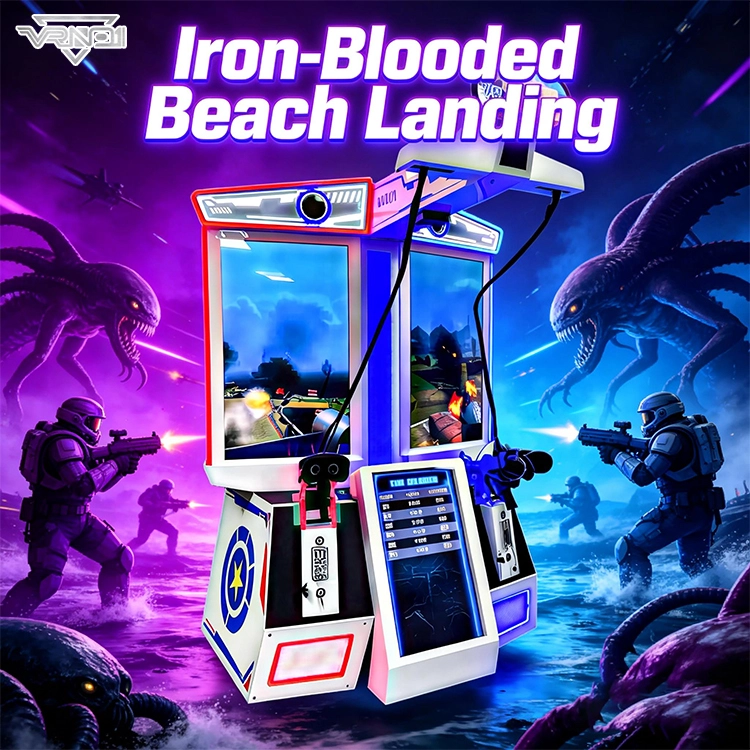
VRN0.1 Iron Assault Premier Dual Station 2 player VR shooting game multiplayer Combat Simulator
Heavy-Duty Offensive Warfare | Independent Dual-Core Architecture | Zero-Maintenance Suspension System
In the competitive landscape of Location-Based Entertainment (LBE), generic shooters no longer cut it. Enter the VR NO.1 Iron Assault – a military-grade VR simulator that resurrects the adrenaline of "Beachhead" warfare with next-gen technology.
Engineered by VR NO.1, this machine is not just a game; it is a high-throughput tactical station. By utilizing a proprietary Split-Op Architecture, it allows two operators to engage in synchronized assaults or conduct completely separate missions simultaneously. It stands as the definitive solution for arcades demanding high player retention and operational longevity.
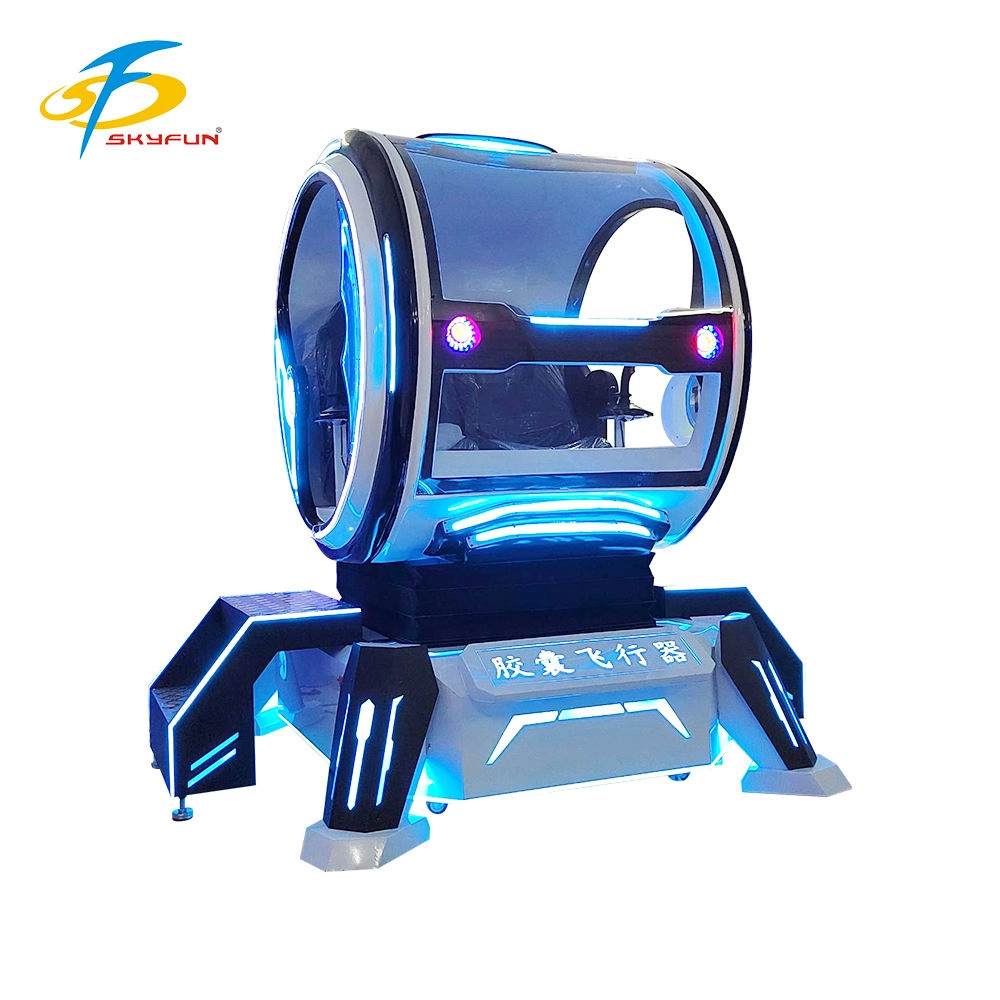
Double Player VR Flight Simulator 100 Movies 15 Games Coin-Operated Game Machine for Shopping Malls Amusement Parks
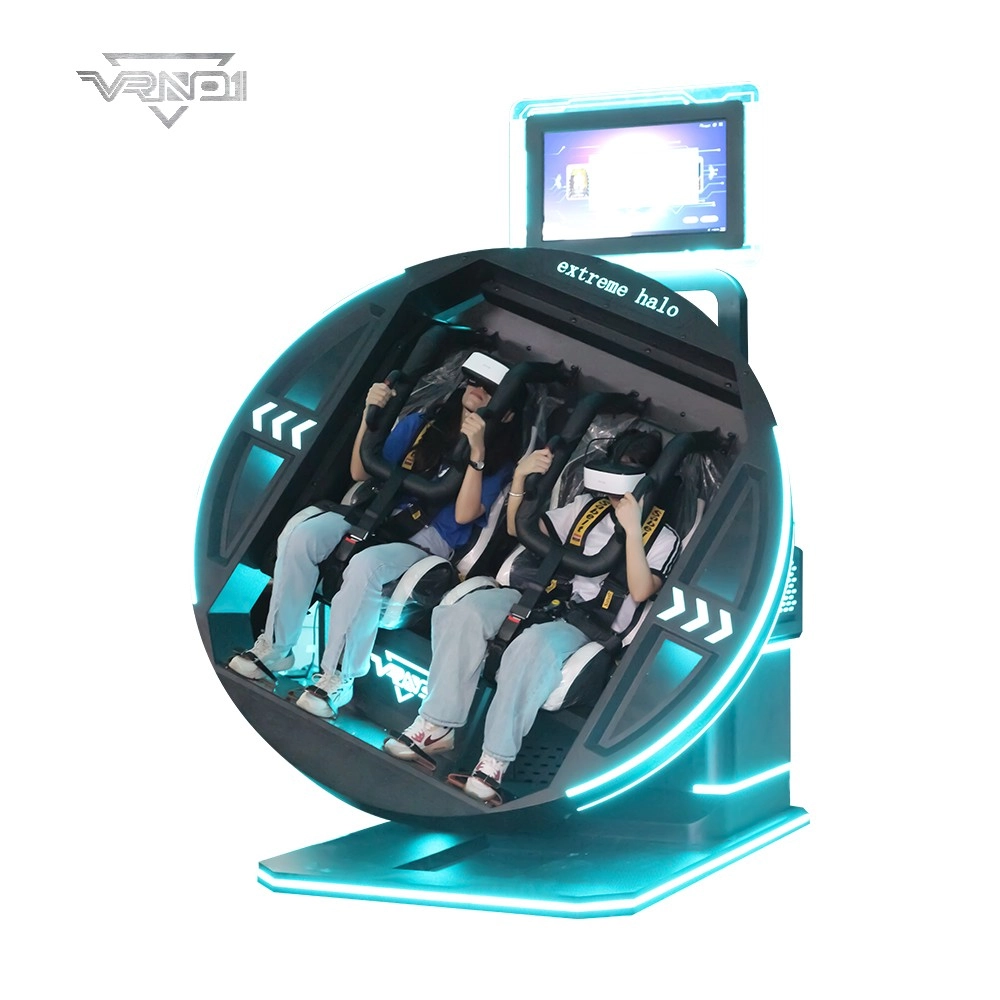
9D VR 360 Roller Coaster Cinema Chair Gaming Set Indoor/Outdoor Business Simulator Hardware for Home or School
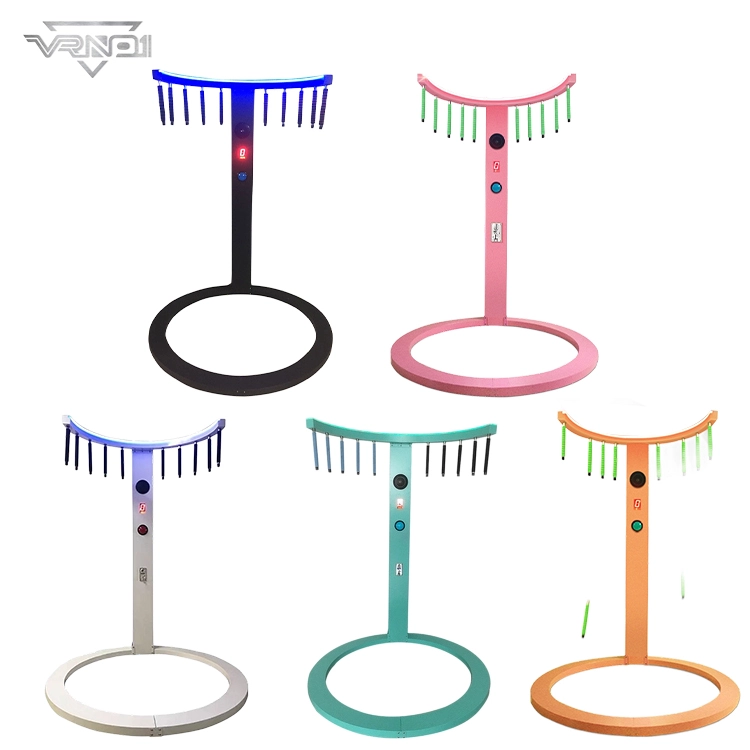
VRN0.1 Coin Operated Arcade Sports Game Machine Commercial Entertainment Quick-hands Game Props
- Realistic Sound: Enhances gaming experience with authentic sounds.
- Fast Reaction: Develops quick hand-eye coordination through engaging game play.
- DIY Kit: Allows for customization and personalization of the baton.
- Metal and Plastic Construction: Durable and robust build quality.
- Coin Operated: Fun for players who enjoy arcade-like experiences.
 Scan QR Code
Whatsapp: +8618127818571
Scan QR Code
Guangzhou Skyfun Technology Co.,Ltd
skyfunvrgame
skyfun game