


Integrating VR Arcade Machines with POS and Management Systems
- Why integration matters for modern arcades
- From isolated machines to managed experiences
- Business outcomes operators care about
- Technical architectures for integration
- Common integration models
- Design patterns, data flows and reliability
- Operational benefits and use cases
- Payments, cashless and loyalty
- Booking, capacity and staff optimization
- Analytics and revenue optimization
- Security, compliance and operational reliability
- PCI DSS and payment security
- Latency, uptime and failover
- Implementation roadmap and vendor selection
- Project phases and timelines
- Vendor selection checklist
- Cost, ROI and performance metrics
- KPIs to measure
- Sample cost & ROI comparison
- Operational checklist for a successful integration
- Pre-launch checklist
- Post-launch best practices
- FAQ
- 1. Do I need to change my VR machines to integrate with POS?
- 2. How do I ensure credit card data stays secure when integrating?
- 3. What happens if connectivity is lost during a play session?
- 4. How much revenue uplift can I expect from integration?
- 5. Which integration approach is best for a multi-site operator?
- Contact & next steps
- References
Integrating vr arcade machines with point-of-sale (POS) and back-office management systems transforms standalone attractions into connected business assets. A well-designed integration enables centralized sales, unified loyalty, real-time inventory and session management, accurate revenue reconciliation, actionable analytics, and a smoother customer journey—from booking and admission to play, food & beverage, and loyalty rewards. For operators, the integration reduces friction, closes revenue leakage, speeds up transactions, and supports data-driven decisions.
Why integration matters for modern arcades
From isolated machines to managed experiences
Traditional vr arcade machines often run in silo: coin- or card-operated cabinets with limited visibility for operators. Connecting these machines to POS and management systems turns each play session into an itemized sale, links gameplay to customer profiles, and allows centralized control of pricing, bundles, promotions, and operating hours. This shift is core to competing in a market where operators are expected to deliver omnichannel booking, contactless payment, and loyalty continuity.
Business outcomes operators care about
Key outcomes from integration include:
- Increased average transaction value via bundles and upsells
- Reduced queue times through pre-booking and fast check-in
- Lower cash-handling risk via cashless payments and card systems
- Better marketing ROI using unified customer profiles and play data
- Improved revenue reconciliation and lower shrinkage
Technical architectures for integration
Common integration models
There are three practical architecture patterns for integrating vr arcade machines with POS and management systems:
- Native POS plugin: The VR vendor provides a plugin or SDK that runs on the POS or edge device; best for single-VR-vendor environments.
- Middleware / Integration Platform: A cloud or on-prem middleware translates between machine protocols and POS/ERP APIs; ideal for multi-vendor setups and version decoupling.
- Direct API integration: Machines (or their gateways) call REST/GraphQL APIs on the POS/management platform; suitable when both sides expose robust, documented APIs.
Design patterns, data flows and reliability
Data flows typically include session start/end events, payment authorization, loyalty triggers, inventory updates (e.g., consumables, tokens), and health telemetry. Important design considerations:
- Event-driven design: Use message queues (MQTT, AMQP) or webhooks for near-real-time updates.
- Idempotency and reconciliation: Ensure every transaction has unique IDs and that a reconciliation job can resolve duplicates or missed events.
- Offline-first behavior: Machines should accept cardless credits or local vouchers when connectivity drops, then sync later.
Operational benefits and use cases
Payments, cashless and loyalty
Integrating payment flows lets operators offer contactless payments, stored-value cards, mobile wallets, and voucher redemption directly at the VR kiosk. This drives conversion and reduces cash handling. Loyalty becomes seamless—accumulate points by game, reward based on play patterns, and personalize offers using combined POS and gameplay data.
Booking, capacity and staff optimization
When VR machines are part of the booking engine and resource scheduler, operators can manage peak demand, reduce no-shows via prepayments, and allocate staff to the busiest zones. Integration enables real-time dashboards showing machine status, session lengths, and queue lengths so managers can make staffing decisions on the fly.
Analytics and revenue optimization
With integrated data you can run meaningful analyses—game popularity, time-of-day demand curves, conversion rates from promotions, and per-machine profitability. These insights support dynamic pricing, targeted promotions, and better capex decisions for new machines or experiences.
Security, compliance and operational reliability
PCI DSS and payment security
Any integration touching cardholder data must be designed to meet PCI DSS requirements. Best practices include:
- Tokenization of card numbers and use of certified payment processors
- End-to-end encryption between kiosk and payment gateway
- Segmentation of network traffic to isolate POS/financial systems
Using a certified gateway and avoiding local storage of PAN (Primary Account Number) reduces compliance scope and audit complexity. Reference: PCI Security Standards Council.
Latency, uptime and failover
Latency affects customer experience (slow checkouts, delayed session starts). Design to minimize round-trip times and provide local caching of authorization tokens. Implement multi-zone deployments for cloud middleware and provide automated failover for critical services. Regularly test offline reconciliation and manual override procedures.
Implementation roadmap and vendor selection
Project phases and timelines
Recommended phased approach:
- Discovery & requirements (2–4 weeks): map current workflows, POS capabilities, and compliance needs.
- Pilot & integration development (6–12 weeks): implement core flows—authorization, session start/end, reconciliation.
- UAT & staff training (2–4 weeks): test edge cases, train staff on exceptions and hardware operations.
- Rollout & optimization (4–12 weeks): incremental rollout, monitor KPIs, tune pricing and promotions.
Vendor selection checklist
- Proven API or SDK and documentation
- Pre-built connectors for popular POS vendors (e.g., Lightspeed, Square, Vend)
- PCI-compliant payment processing
- Support for cashless / stored-value systems and loyalty
- Reporting and analytics or the ability to stream events to BI tools
- Service-level agreements (SLA), local support and on-site troubleshooting options
Cost, ROI and performance metrics
KPIs to measure
Track these KPIs to evaluate success:
- Average transaction value (ATV)
- Transactions per hour (throughput)
- Utilization rate per machine
- Payment authorization success rate
- Revenue reconciliation discrepancies
- Customer queue time and NPS (Net Promoter Score)
Sample cost & ROI comparison
The table below gives a conservative, illustrative comparison of integration approaches and expected impact. Figures are typical ranges—operators should validate against vendor quotes.
| Approach | Estimated up-front cost | Monthly platform/license | Typical benefits (revenue / ops) |
|---|---|---|---|
| Native POS plugin | $5k–$25k | $50–$300 per location | Faster checkout; lower integration time; limited flexibility |
| Middleware / Integration Platform | $15k–$75k | $200–$1,000 per location | Multi-vendor support; easier scaling; richer reporting |
| Direct API integration | $10k–$40k | $100–$500 per location | Lower latency; requires robust API management |
Operators deploying cashless and integrated booking often report measurable improvements in conversion and operational efficiency. For example, adoption of cashless payments and prebooking typically reduces queue times and can raise per-visit spending; market research forecasts continued growth in VR and related service revenues (see references).
Operational checklist for a successful integration
Pre-launch checklist
- Detailed data mapping between VR machine events and POS transactions
- PCI scope assessment and tokenization strategy
- Offline mode test cases and reconciliation scripts
- Staff SOPs for payment exceptions and device restarts
- Monitoring, alerting, and SLA definitions
Post-launch best practices
- Weekly reconciliation for first 90 days
- Monthly KPI review and promotional experiments
- Quarterly security review and penetration testing
- Continuous feedback loop with frontline staff
FAQ
1. Do I need to change my VR machines to integrate with POS?
Not always. Many modern VR machines or gateways expose APIs or support SDK installations. When machines are proprietary without API access, you can use an edge gateway or middleware to bridge protocols. An on-site gateway can convert machine signals (GPIO, serial, or local web endpoints) into POS-friendly events.
2. How do I ensure credit card data stays secure when integrating?
Use PCI-compliant processors, tokenization, and end-to-end encryption. Where possible, avoid storing PANs locally. Scope reduction techniques—such as redirecting payments to certified payment terminals or hosted payment pages—help limit compliance burden.
3. What happens if connectivity is lost during a play session?
Design for offline resiliency: allow local authorization via prepaid credits or temporary tokens, log transactions locally with unique IDs, and automatically reconcile when connectivity returns. Ensure reconciliation logic handles duplicates and failed syncs.
4. How much revenue uplift can I expect from integration?
Uplift varies by operator. Improvements come from increased throughput, higher conversion from prebooking, and easier upsells. Case studies from multi-attraction venues often show mid-single-digit to double-digit percentage increases in revenue per guest after implementing cashless and integrated booking—validate with a pilot and baseline KPIs.
5. Which integration approach is best for a multi-site operator?
Middleware or an integration platform is frequently the best option for multi-site operators because it abstracts device heterogeneity, centralizes logic, and simplifies updates. It also helps manage analytics and reporting across locations.
Contact & next steps
If you want help evaluating integration options, running a pilot, or selecting vendors for integrating vr arcade machines with your POS and management systems, contact our consultancy team to schedule a discovery call or request a demo of our middleware and integration services. Check our product pages or request a tailored ROI assessment for your venues.
References
- Statista — Global virtual reality market size (retrieved 2026-01-12)
- Grand View Research — Virtual Reality (VR) Market Analysis (retrieved 2026-01-12)
- PCI Security Standards Council (retrieved 2026-01-12)
- IAAPA — International Association of Amusement Parks and Attractions (retrieved 2026-01-12)
- Worldpay — Global Payments Report (retrieved 2026-01-12)
- Lightspeed Developers — API documentation (example POS provider) (retrieved 2026-01-12)
The latest trends for vr standing platform
Immersive Audio and Visuals for Better VR Flight Sims
OEM/ODM racing vr simulator Manufacturers and Suppliers
Top 10 best vr racing simulator Manufacturers and Supplier Brands
Distributors
How does VRNO.1 support dealers' marketing efforts?
We provide a range of marketing materials, including product brochures, online advertising templates and promotional support. In addition, our team will help you develop a marketing strategy that suits the local market.
If I encounter problems using the product, how can I seek help?
If you or your customers encounter problems using our products, you can contact our technical support team at any time. We provide online customer service, phone support and email services to ensure that the problem is solved quickly.
Products
How durable are your VR machines?
Our VR machines are designed for durability and high traffic use, ensuring long-lasting performance. We also provide maintenance and support services to keep your equipment running smoothly.
Solution
What is the service life of VR equipment?
VRNO.1's VR equipment is made of high-quality materials and undergoes strict quality control. The service life of the equipment is usually more than 5 years, depending on the frequency of use and maintenance of the equipment. Regular care and maintenance can extend the service life of the equipment.
Does VRNO.1 provide customized development of VR game content?
Yes, VRNO.1 provides customized development services for game content. We can customize specific types of games according to your needs to enhance the user experience. Customized content can include game themes, scenes, interactive functions, etc. to meet different market needs.
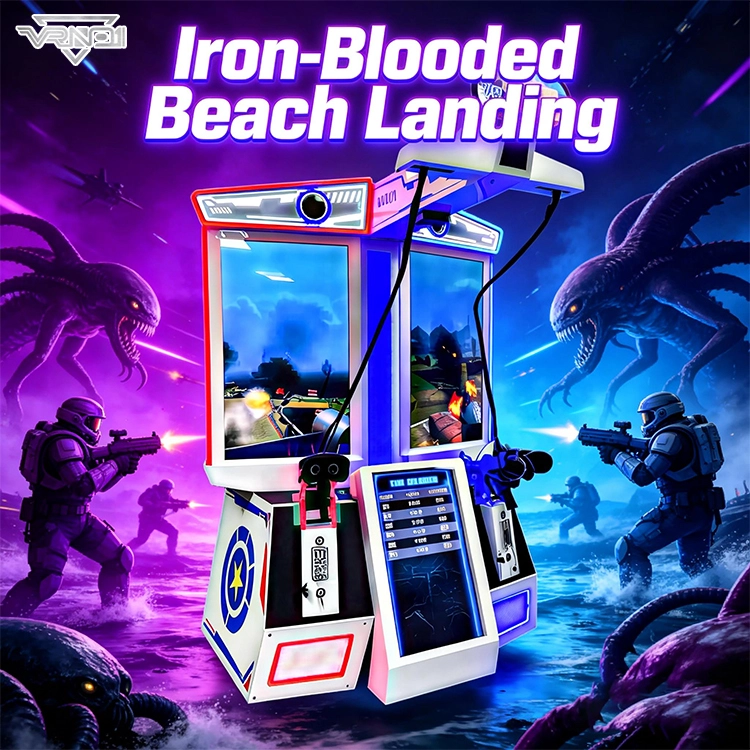
VRN0.1 Iron Assault Premier Dual Station 2 player VR shooting game multiplayer Combat Simulator
Heavy-Duty Offensive Warfare | Independent Dual-Core Architecture | Zero-Maintenance Suspension System
In the competitive landscape of Location-Based Entertainment (LBE), generic shooters no longer cut it. Enter the VR NO.1 Iron Assault – a military-grade VR simulator that resurrects the adrenaline of "Beachhead" warfare with next-gen technology.
Engineered by VR NO.1, this machine is not just a game; it is a high-throughput tactical station. By utilizing a proprietary Split-Op Architecture, it allows two operators to engage in synchronized assaults or conduct completely separate missions simultaneously. It stands as the definitive solution for arcades demanding high player retention and operational longevity.
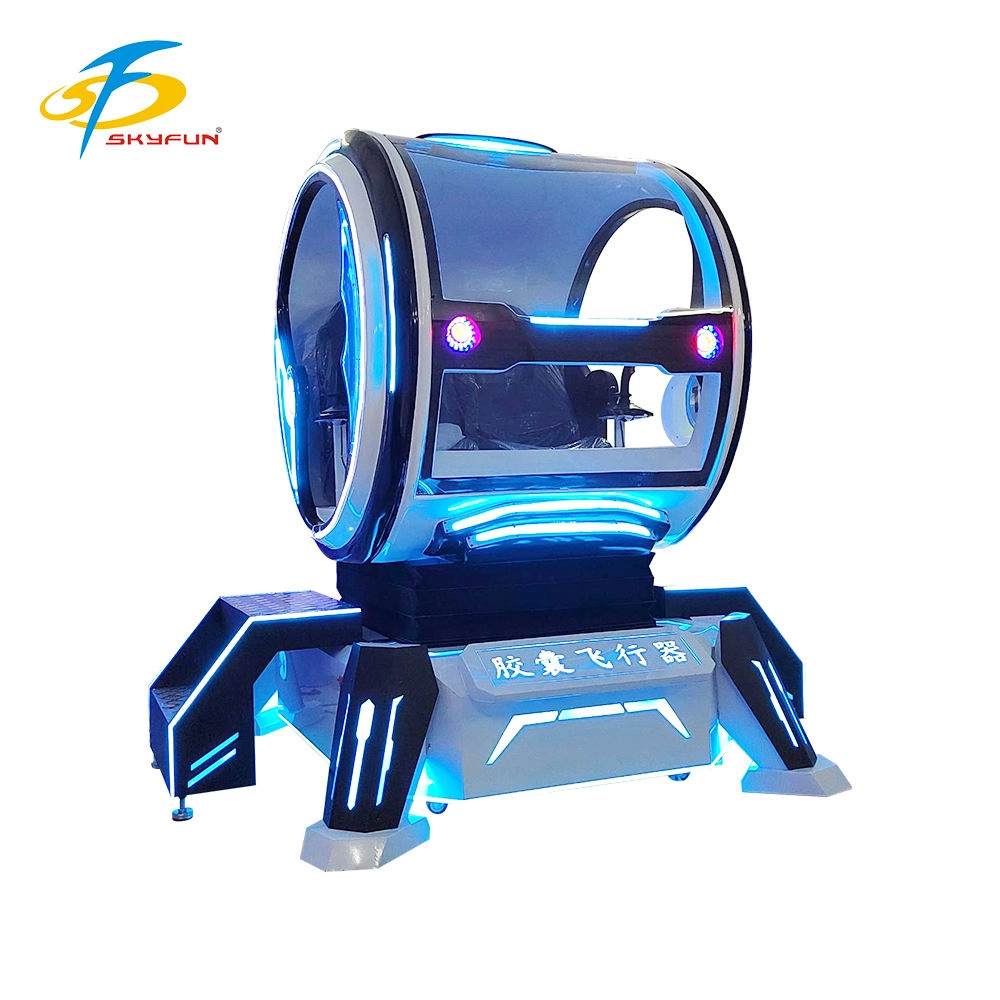
Double Player VR Flight Simulator 100 Movies 15 Games Coin-Operated Game Machine for Shopping Malls Amusement Parks
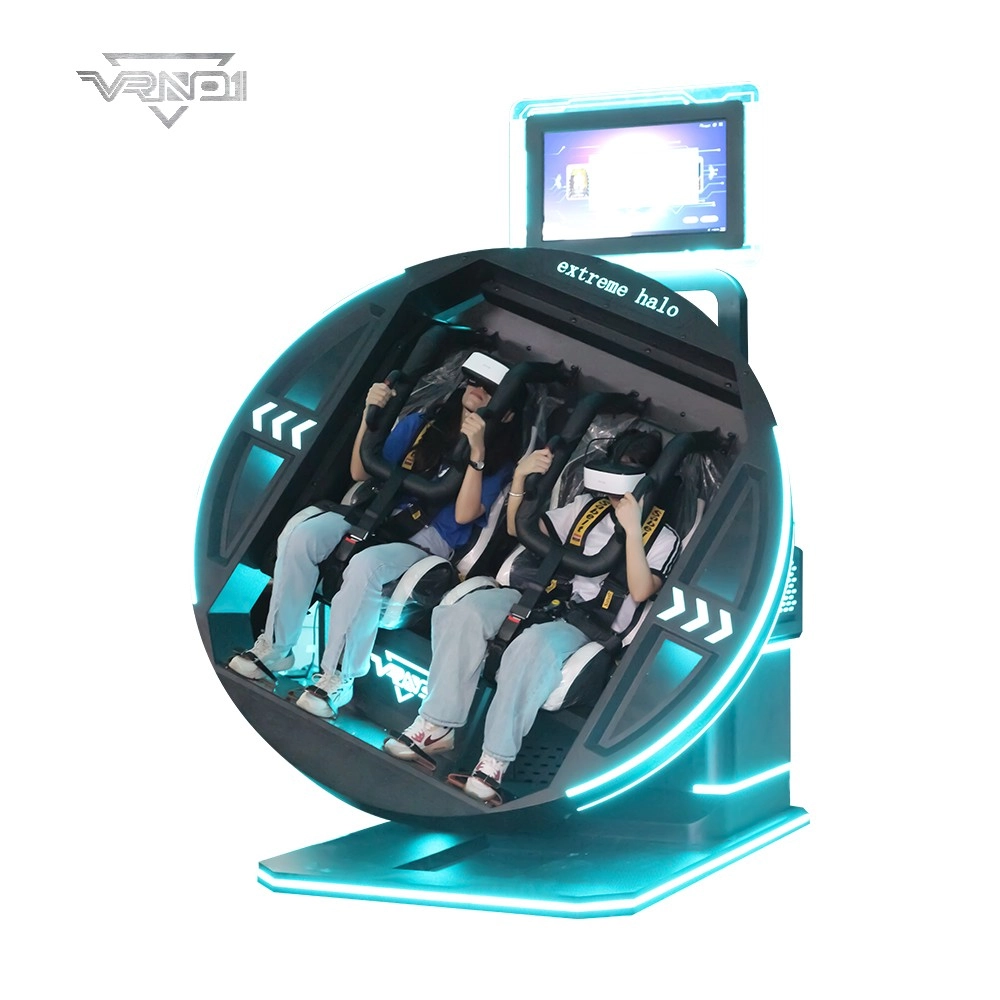
9D VR 360 Roller Coaster Cinema Chair Gaming Set Indoor/Outdoor Business Simulator Hardware for Home or School
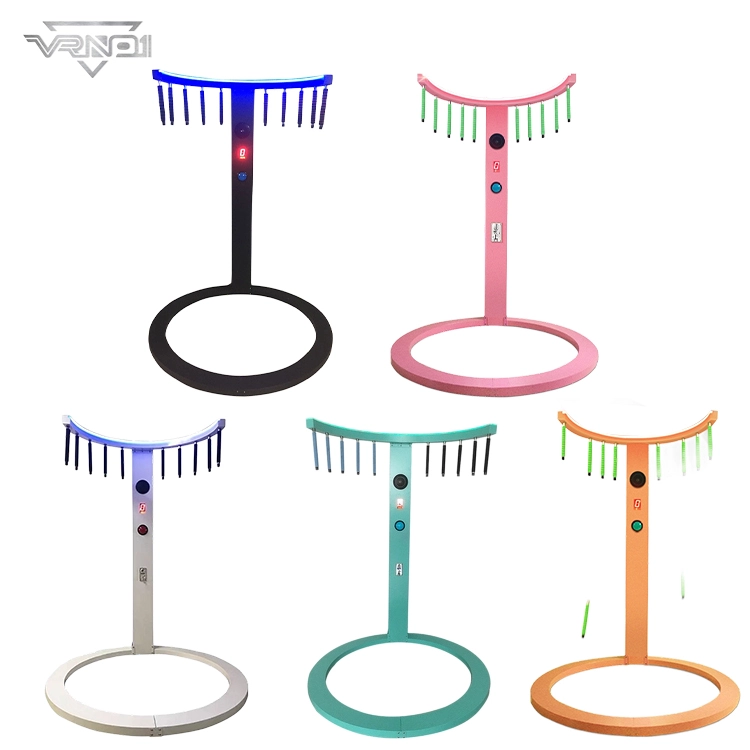
VRN0.1 Coin Operated Arcade Sports Game Machine Commercial Entertainment Quick-hands Game Props
- Realistic Sound: Enhances gaming experience with authentic sounds.
- Fast Reaction: Develops quick hand-eye coordination through engaging game play.
- DIY Kit: Allows for customization and personalization of the baton.
- Metal and Plastic Construction: Durable and robust build quality.
- Coin Operated: Fun for players who enjoy arcade-like experiences.
 Scan QR Code
Whatsapp: +8618127818571
Scan QR Code
Guangzhou Skyfun Technology Co.,Ltd
skyfunvrgame
skyfun game