


Integración de máquinas recreativas de realidad virtual con sistemas de gestión y puntos de venta
- Por qué la integración es importante para las salas de juego modernas
- De máquinas aisladas a experiencias gestionadas
- Resultados comerciales que preocupan a los operadores
- Arquitecturas técnicas para la integración
- Modelos de integración comunes
- Patrones de diseño, flujos de datos y confiabilidad
- Beneficios operativos y casos de uso
- Pagos sin efectivo y fidelización
- Optimización de reservas, capacidad y personal
- Análisis y optimización de ingresos
- Seguridad, cumplimiento y confiabilidad operativa
- PCI DSS y seguridad de pagos
- Latencia, tiempo de actividad y conmutación por error
- Hoja de ruta de implementación y selección de proveedores
- Fases y cronogramas del proyecto
- Lista de verificación para la selección de proveedores
- Métricas de costo, retorno de la inversión y rendimiento
- KPIs a medir
- Comparación de costos y ROI de muestra
- Lista de verificación operativa para una integración exitosa
- Lista de verificación previa al lanzamiento
- Mejores prácticas posteriores al lanzamiento
- Preguntas frecuentes
- 1. ¿Necesito cambiar mis máquinas VR para integrarlas con POS?
- 2. ¿Cómo puedo garantizar que los datos de la tarjeta de crédito se mantengan seguros durante la integración?
- 3. ¿Qué sucede si se pierde la conectividad durante una sesión de juego?
- 4. ¿Cuánto aumento de ingresos puedo esperar de la integración?
- 5. ¿Qué enfoque de integración es mejor para un operador con múltiples sitios?
- Contacto y próximos pasos
- Referencias
La integración de las máquinas recreativas de realidad virtual con los sistemas de gestión de puntos de venta (TPV) y back-office transforma las atracciones independientes en activos empresariales conectados. Una integración bien diseñada permite centralizar las ventas, unificar la fidelización, gestionar el inventario y las sesiones en tiempo real, una conciliación precisa de ingresos, análisis prácticos y una experiencia del cliente más fluida, desde la reserva y la entrada hasta el juego, la comida y bebida, y las recompensas de fidelización. Para los operadores, la integración reduce la fricción, elimina las fugas de ingresos, agiliza las transacciones y facilita la toma de decisiones basadas en datos.
Por qué la integración es importante para las salas de juego modernas
De máquinas aisladas a experiencias gestionadas
Las máquinas recreativas de realidad virtual tradicionales suelen funcionar de forma aislada: gabinetes que funcionan con monedas o tarjetas, con visibilidad limitada para los operadores. Conectar estas máquinas a sistemas de punto de venta y gestión convierte cada sesión de juego en una venta detallada, vincula la experiencia de juego con los perfiles de los clientes y permite un control centralizado de precios, paquetes, promociones y horarios de atención. Este cambio es fundamental para competir en un mercado donde se espera que los operadores ofrezcan reservas omnicanal, pagos sin contacto y continuidad de la fidelización.
Resultados comerciales que preocupan a los operadores
Los resultados clave de la integración incluyen:
- Aumento del valor promedio de las transacciones mediante paquetes y ventas adicionales
- Reducción de los tiempos de espera gracias a la reserva previa y el check-in rápido
- Menor riesgo en el manejo de efectivo mediante pagos sin efectivo y sistemas de tarjetas
- Mejor retorno de la inversión en marketing mediante el uso de perfiles de clientes unificados y datos de juego
- Mejor conciliación de ingresos y menor merma
Arquitecturas técnicas para la integración
Modelos de integración comunes
Hay tres patrones de arquitectura prácticos para integrar máquinas recreativas de realidad virtual con sistemas de gestión y POS:
- Complemento POS nativo:El proveedor de VR proporciona un complemento o SDK que se ejecuta en el POS o dispositivo perimetral; ideal para entornos con un solo proveedor de VR.
- Plataforma de integración/middleware:Un middleware local o en la nube traduce entre protocolos de máquinas y API de POS/ERP; ideal para configuraciones de múltiples proveedores y desacoplamiento de versiones.
- Integración directa de API:Las máquinas (o sus puertas de enlace) llaman a las API REST/GraphQL en la plataforma POS/administración; es adecuado cuando ambos lados exponen API sólidas y documentadas.
Patrones de diseño, flujos de datos y confiabilidad
Los flujos de datos suelen incluir eventos de inicio y fin de sesión, autorización de pago, activadores de fidelización, actualizaciones de inventario (p. ej., consumibles, tokens) y telemetría de estado. Consideraciones de diseño importantes:
- Diseño basado en eventos:Utilice colas de mensajes (MQTT, AMQP) o webhooks para actualizaciones casi en tiempo real.
- Idempotencia y reconciliación:Asegúrese de que cada transacción tenga identificadores únicos y que un trabajo de conciliación pueda resolver duplicados o eventos omitidos.
- Comportamiento sin conexión primero:Las máquinas deberían aceptar créditos sin tarjeta o vales locales cuando se interrumpe la conectividad y luego sincronizarse más tarde.
Beneficios operativos y casos de uso
Pagos sin efectivo y fidelización
La integración de los flujos de pago permite a los operadores ofrecer pagos sin contacto, tarjetas prepagadas, billeteras móviles y canje de cupones directamente en el quiosco de realidad virtual. Esto impulsa la conversión y reduce el manejo de efectivo. La fidelización se vuelve fluida: acumule puntos por juego, obtenga recompensas según sus patrones de juego y personalice ofertas utilizando datos combinados del punto de venta y del juego.
Optimización de reservas, capacidad y personal
Cuando las máquinas de RV forman parte del motor de reservas y del programador de recursos, los operadores pueden gestionar los picos de demanda, reducir las inasistencias mediante prepagos y asignar personal a las zonas de mayor afluencia. La integración permite crear paneles de control en tiempo real que muestran el estado de las máquinas, la duración de las sesiones y la longitud de las colas, para que los gerentes puedan tomar decisiones sobre la dotación de personal al instante.
Análisis y optimización de ingresos
Con datos integrados, puede realizar análisis significativos: popularidad de los juegos, curvas de demanda según la hora del día, tasas de conversión de las promociones y rentabilidad por máquina. Esta información facilita la creación de precios dinámicos, promociones específicas y mejores decisiones de inversión de capital para nuevas máquinas o experiencias.
Seguridad, cumplimiento y confiabilidad operativa
PCI DSS y seguridad de pagos
Cualquier integración que afecte a los datos del titular de la tarjeta debe estar diseñada para cumplir con los requisitos de PCI DSS. Las prácticas recomendadas incluyen:
- Tokenización de números de tarjetas y uso de procesadores de pago certificados
- Cifrado de extremo a extremo entre el quiosco y la pasarela de pago
- Segmentación del tráfico de red para aislar los sistemas POS/financieros
El uso de una puerta de enlace certificada y la eliminación del almacenamiento local del PAN (Número de Cuenta Principal) reducen el alcance del cumplimiento normativo y la complejidad de las auditorías. Referencia: PCI Security Standards Council.
Latencia, tiempo de actividad y conmutación por error
La latencia afecta la experiencia del cliente (pagos lentos, inicios de sesión retrasados). Diseñe para minimizar los tiempos de ida y vuelta y proporcionar almacenamiento en caché local de tokens de autorización. Implemente implementaciones multizona para middleware en la nube y proporcione conmutación por error automatizada para servicios críticos. Pruebe periódicamente los procedimientos de conciliación sin conexión y anulación manual.
Hoja de ruta de implementación y selección de proveedores
Fases y cronogramas del proyecto
Enfoque gradual recomendado:
- Descubrimiento y requisitos (2 a 4 semanas): mapear los flujos de trabajo actuales, las capacidades de POS y las necesidades de cumplimiento.
- Desarrollo piloto y de integración (6 a 12 semanas): implementar flujos centrales: autorización, inicio/fin de sesión, conciliación.
- Capacitación del personal y UAT (2 a 4 semanas): probar casos extremos, capacitar al personal sobre excepciones y operaciones de hardware.
- Implementación y optimización (4 a 12 semanas): implementación incremental, monitoreo de KPI, ajuste de precios y promociones.
Lista de verificación para la selección de proveedores
- API o SDK probados y documentación
- Conectores prediseñados para proveedores de puntos de venta populares (por ejemplo, Lightspeed, Square, Vend)
- Procesamiento de pagos compatible con PCI
- Soporte para sistemas sin efectivo/de valor almacenado y fidelización
- Informes y análisis o la capacidad de transmitir eventos a herramientas de BI
- Acuerdos de nivel de servicio (SLA), soporte local y opciones de resolución de problemas en el sitio
Métricas de costo, retorno de la inversión y rendimiento
KPIs a medir
Realice un seguimiento de estos KPI para evaluar el éxito:
- Valor promedio de transacción (ATV)
- Transacciones por hora (rendimiento)
- Tasa de utilización por máquina
- Tasa de éxito de autorización de pago
- Discrepancias en la conciliación de ingresos
- Tiempo de espera del cliente y NPS (Net Promoter Score)
Comparación de costos y ROI de muestra
La siguiente tabla ofrece una comparación conservadora e ilustrativa de los enfoques de integración y el impacto esperado. Las cifras son rangos típicos; los operadores deben validarlas con las estimaciones de los proveedores.
| Acercarse | Costo inicial estimado | Plataforma/licencia mensual | Beneficios típicos (ingresos/operaciones) |
|---|---|---|---|
| Plugin POS nativo | $5k–$25k | $50–$300 por ubicación | Pago más rápido; menor tiempo de integración; flexibilidad limitada |
| Plataforma de integración/middleware | $15k–$75k | $200–$1,000 por ubicación | Soporte de múltiples proveedores; escalabilidad más sencilla; informes más completos |
| Integración directa de API | $10,000–$40,000 | $100–$500 por ubicación | Menor latencia; requiere una gestión de API robusta |
Los operadores que implementan sistemas de reservas integradas y sin efectivo suelen reportar mejoras mensurables en la conversión y la eficiencia operativa. Por ejemplo, la adopción de pagos sin efectivo y la reserva anticipada suele reducir los tiempos de espera y puede aumentar el gasto por visita. Estudios de mercado pronostican un crecimiento continuo en los ingresos por RV y servicios relacionados (véanse las referencias).
Lista de verificación operativa para una integración exitosa
Lista de verificación previa al lanzamiento
- Mapeo detallado de datos entre eventos de máquinas VR y transacciones POS
- Evaluación del alcance de PCI y estrategia de tokenización
- Casos de prueba en modo sin conexión y scripts de conciliación
- Procedimientos operativos estándar del personal para excepciones de pago y reinicios de dispositivos
- Monitoreo, alertas y definiciones de SLA
Mejores prácticas posteriores al lanzamiento
- Conciliación semanal de los primeros 90 días
- Revisión mensual de KPI y experimentos promocionales
- Revisión trimestral de seguridad y pruebas de penetración
- Bucle de retroalimentación continua con el personal de primera línea
Preguntas frecuentes
1. ¿Necesito cambiar mis máquinas VR para integrarlas con POS?
No siempre. Muchas máquinas o puertas de enlace de RV modernas exponen API o admiten instalaciones de SDK. Cuando las máquinas son propietarias sin acceso a API, se puede usar una puerta de enlace perimetral o middleware para conectar protocolos. Una puerta de enlace local puede convertir las señales de la máquina (GPIO, serie o puntos finales web locales) en eventos compatibles con POS.
2. ¿Cómo puedo garantizar que los datos de la tarjeta de crédito se mantengan seguros durante la integración?
Utilice procesadores compatibles con PCI, tokenización y cifrado de extremo a extremo. Siempre que sea posible, evite almacenar los PAN localmente. Las técnicas de reducción de alcance, como redirigir los pagos a terminales de pago certificados o páginas de pago alojadas, ayudan a limitar la carga de cumplimiento.
3. ¿Qué sucede si se pierde la conectividad durante una sesión de juego?
Diseño para resiliencia sin conexión: permite la autorización local mediante créditos prepagados o tokens temporales, registra las transacciones localmente con identificadores únicos y realiza la conciliación automática al restablecerse la conexión. Asegúrate de que la lógica de conciliación gestione los duplicados y las sincronizaciones fallidas.
4. ¿Cuánto aumento de ingresos puedo esperar de la integración?
El aumento varía según el operador. Las mejoras se deben a un mayor rendimiento, una mayor conversión de reservas anticipadas y una mayor facilidad para realizar ventas adicionales. Los estudios de caso de establecimientos con múltiples atracciones suelen mostrar aumentos porcentuales de entre un dígito medio y dos dígitos en los ingresos por cliente tras implementar la reserva sin efectivo e integrada. Valide con un piloto y KPI de referencia.
5. ¿Qué enfoque de integración es mejor para un operador con múltiples sitios?
El middleware o una plataforma de integración suele ser la mejor opción para operadores con múltiples sedes, ya que abstrae la heterogeneidad de los dispositivos, centraliza la lógica y simplifica las actualizaciones. Además, facilita la gestión de análisis e informes en diferentes ubicaciones.
Contacto y próximos pasos
Si necesita ayuda para evaluar opciones de integración, ejecutar una prueba piloto o seleccionar proveedores para integrar máquinas recreativas de realidad virtual con sus sistemas de punto de venta y gestión, contacte con nuestro equipo de consultoría para programar una visita de presentación o solicitar una demostración de nuestro middleware y servicios de integración. Consulte nuestras páginas de productos o solicite una evaluación del ROI personalizada para sus establecimientos.
Referencias
- Statista — Tamaño del mercado mundial de realidad virtual(consultado el 12 de enero de 2026)
- Grand View Research — Análisis del mercado de la realidad virtual (RV)(consultado el 12 de enero de 2026)
- Consejo de Normas de Seguridad PCI(consultado el 12 de enero de 2026)
- IAAPA — Asociación Internacional de Parques de Diversiones y Atracciones(consultado el 12 de enero de 2026)
- Worldpay — Informe de pagos globales(consultado el 12 de enero de 2026)
- Lightspeed Developers — Documentación de la API (ejemplo de proveedor de POS)(consultado el 12 de enero de 2026)
Accesorios y periféricos para salas recreativas de realidad virtual
Oportunidades de personalización y marca en juegos de disparos de realidad virtual
Todo lo que necesitas saber sobre las máquinas de juegos de disparos en realidad virtual
Todo lo que necesitas saber sobre las simulaciones de realidad virtual personalizadas
Hogar
¿Cuál es el enfoque principal de VRNO.1?
VRNO.1 se especializa en brindar soluciones de realidad virtual (VR) y arcade de vanguardia, ofreciendo experiencias de entretenimiento inmersivas tanto para jugadores individuales como para eventos a gran escala.
Distribuidores
¿Qué tipos de productos ofrece VRNO.1 a los distribuidores para vender?
Ofrecemos una variedad de equipos de entretenimiento de realidad virtual, incluyendo nuestros productos estrella, 360 Kingkong y Crazy Motorcycle. Además, personalizamos diversas soluciones de realidad virtual para parques de atracciones, parques temáticos y centros de entretenimiento.
Solución
¿Qué tipos de lugares admite el dispositivo VR de VRNO.1?
Nuestros dispositivos de realidad virtual son adecuados para una variedad de lugares, incluidos parques de atracciones, parques temáticos, centros de juegos, centros comerciales, museos, capacitación corporativa, lugares educativos, etc. Podemos personalizar el diseño de acuerdo con las necesidades de diferentes lugares para garantizar la mejor adaptación del equipo.
Productos
¿Cómo funciona la tecnología VR de VRNO.1?
Nuestros sistemas de RV utilizan gafas avanzadas, seguimiento de movimiento y controles interactivos para crear una experiencia inmersiva de 360 grados. Los jugadores pueden interactuar con entornos digitales en tiempo real, simulando escenarios reales y fantásticos.
¿Cuál es el enfoque principal de VRNO.1?
VRNO.1 se especializa en brindar soluciones de realidad virtual (VR) y arcade de vanguardia, ofreciendo experiencias de entretenimiento inmersivas tanto para jugadores individuales como para eventos a gran escala.
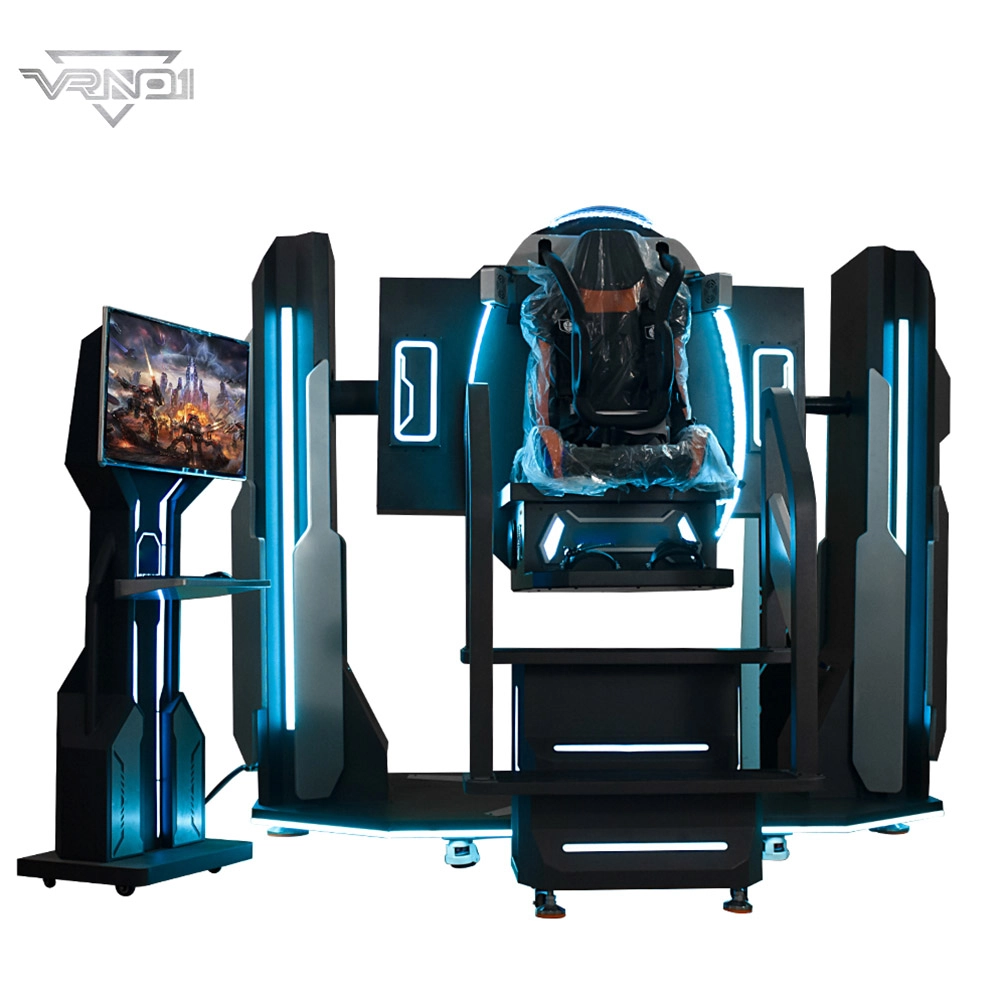
Máquinas de juego de realidad virtual 9D con rotación de 720 grados y asiento único, montaña rusa VR
¡Descubre la máquina de juegos de realidad virtual 9D VRN0.1 VR con rotación de 720 grados y asiento individual! Vive aventuras inmersivas con nuestra montaña rusa de realidad virtual de vanguardia, ideal para salas de juego, parques temáticos y centros de entretenimiento. ¡Dale un toque de diversión a tu espacio!
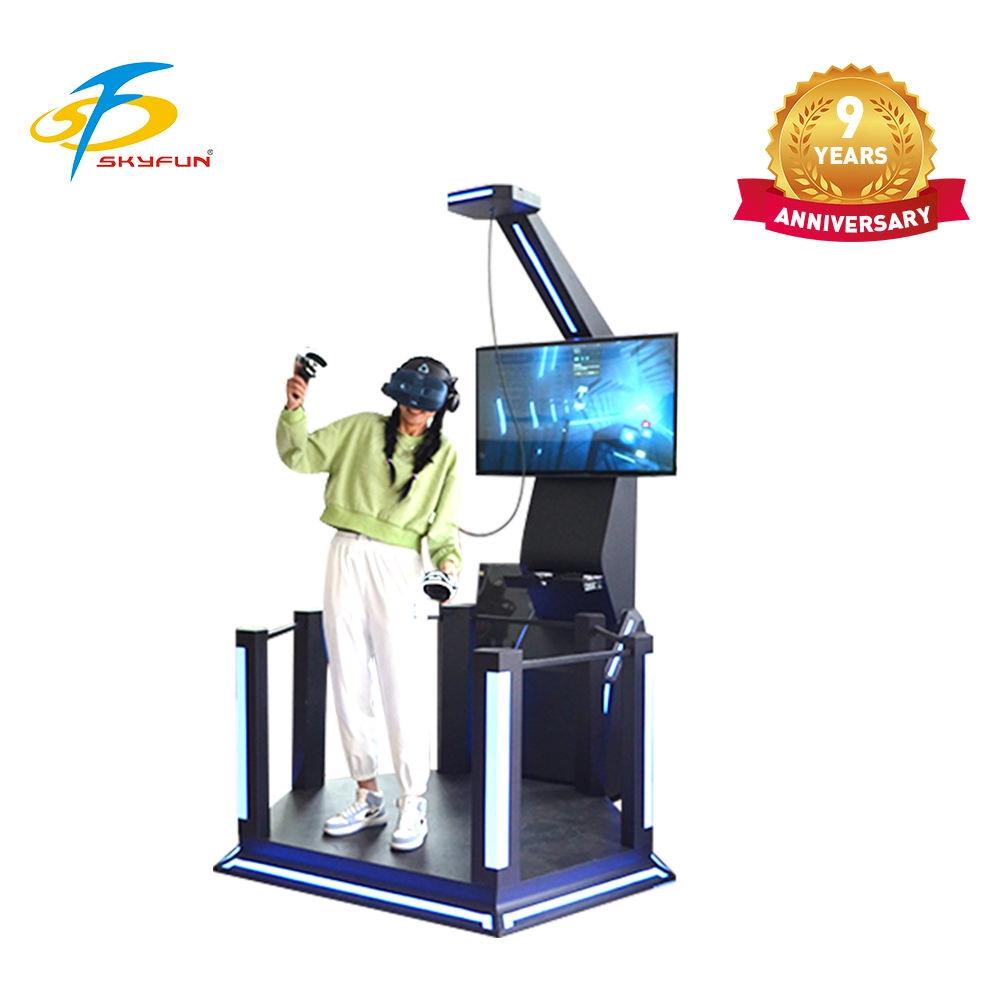
VRN0.1 VR Shooting HTC Adventure Park VR Game Simulador de juego de VR público Simulador de juego de VR de aeropuerto
Nuestro equipo de juegos de realidad virtual (VR) representa la cumbre de la tecnología de entretenimiento interactivo. Este sistema integral incluye funciones Mini HTC VR optimizadas para experiencias de juego de alta intensidad, en particular juegos de boxeo y simulaciones de acción. El equipo está diseñado para su uso comercial, priorizando la durabilidad, la seguridad del usuario y la eficiencia operativa.
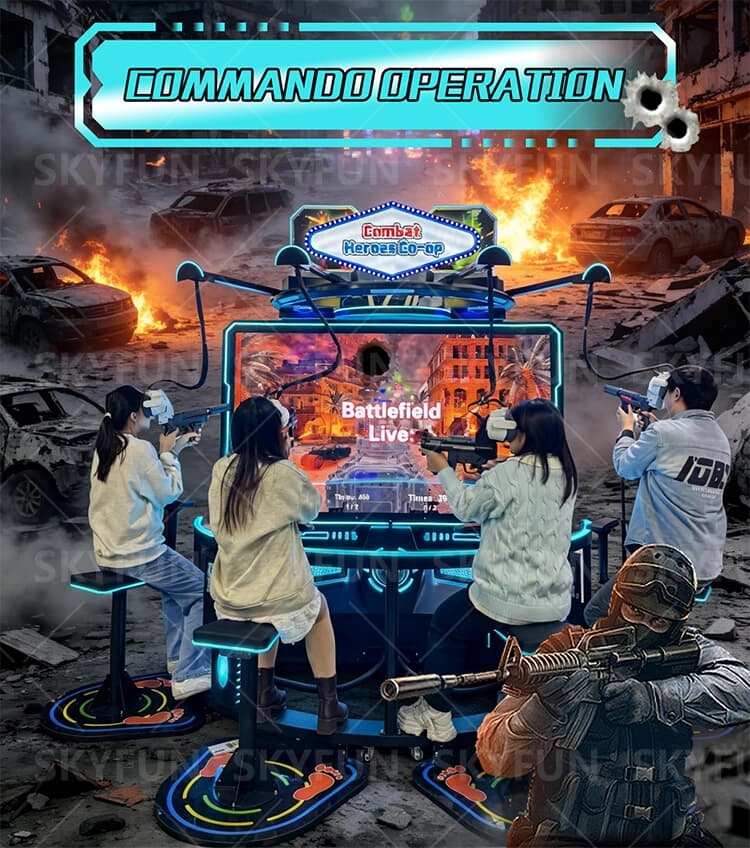
VRN0.1 Juego de disparos de realidad virtual para 4 jugadores, 360 grados, inmersivo, 4K, plataforma de movimiento, arcade, multijugador, simulador táctico
La industria de las salas de juegos de realidad virtual (RV) se ha enfrentado durante mucho tiempo a una dicotomía crucial: cómo ofrecer experiencias profundamente inmersivas sin comprometer la eficiencia operativa. Los sistemas tradicionales de RV basados en gafas, si bien tecnológicamente potentes, suelen presentar importantes inconvenientes: problemas de higiene, procedimientos de colocación y retirada lentos y el frecuente problema del mareo por movimiento. Además, los juegos de disparos de RV convencionales a menudo no ofrecen la interactividad dinámica y profundamente atractiva que realmente motiva a los jugadores a repetir la experiencia.
Skyfun, un pionero reconocido en soluciones de entretenimiento inmersivo conmás de una década de experiencia especializada,se revela con orgulloVR Strike Force: 4-Player Assault: una experiencia innovadoraJuego de disparos en realidad virtual sin gafas. Diseñado meticulosamente para maximizar los ingresos por metro cuadrado y ofrecer una satisfacción inigualable al jugador, VR Strike Force redefinirá el panorama del entretenimiento basado en la ubicación, ofreciendo una experiencia auténtica.Experiencia en "Operación de Asalto".
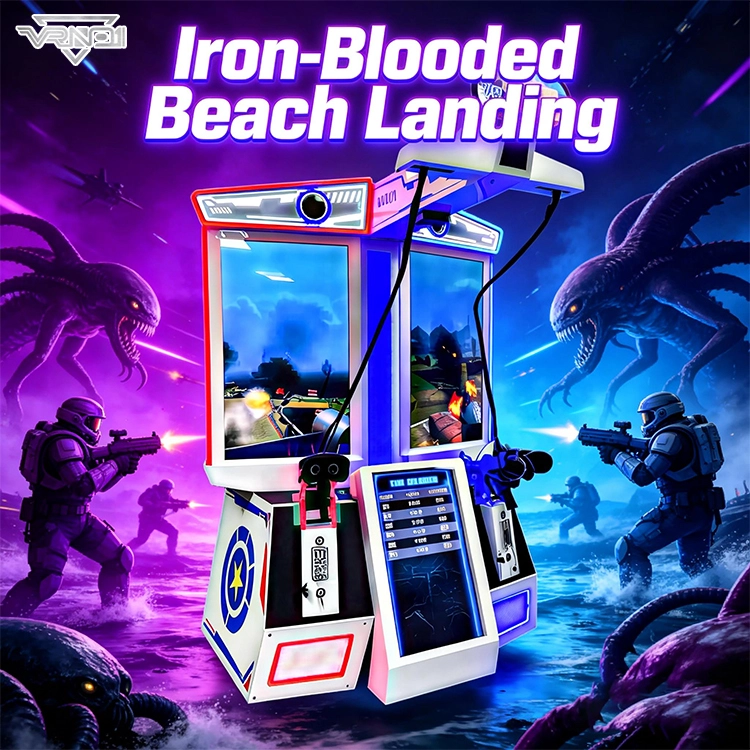
VRN0.1 Iron Assault Premier Dual Station Juego de disparos en realidad virtual para 2 jugadores, simulador de combate multijugador
Guerra ofensiva de alta resistencia | Arquitectura independiente de doble núcleo | Sistema de suspensión sin mantenimiento
En el competitivo panorama del entretenimiento basado en la ubicación (LBE), los juegos de disparos genéricos ya no son suficientes. Entran en escena los...VR NO.1 Asalto de hierro– un simulador de realidad virtual de nivel militar que resucita la adrenalina de la guerra "Beachhead" con tecnología de última generación.
Diseñado porVR N.° 1Esta máquina no es solo un juego; es una estación táctica de alto rendimiento. Al utilizar un sistema patentado...Arquitectura de operación divididaPermite que dos operadores participen en asaltos sincronizados o realicen misiones completamente independientes simultáneamente. Se erige como la solución definitiva para salas de juego que exigen una alta retención de jugadores y una larga vida útil.
 Escanear código QR
WhatsApp: +8618127818571
Escanear código QR
Guangzhou Skyfun Technology Co., Ltd.
skyfunvrgame
Juego skyfun