


VR Motion Platforms vs Static Simulators for Arcades
- Choosing the Right Simulator for Your Arcade
- Overview: Why the choice between motion and static matters for a vr flight simulator business
- Immersion and Guest Experience: motion fidelity vs visual immersion with vr flight simulator
- Throughput and Revenue: balancing session length for vr flight simulator arcades
- CapEx and OpEx: cost considerations when buying a vr flight simulator
- Maintenance, Reliability and Safety: practical differences for operators using vr flight simulator systems
- Motion Sickness & Accessibility: designing the vr flight simulator experience for broad audiences
- Content Flexibility & Updates: how platform choice affects your vr flight simulator offering
- Space, Installation & Utilities: practical site planning for vr flight simulator installations
- Comparison Table: motion platforms vs static simulators for arcades (vr flight simulator focus)
- ROI Scenarios: modeling payback for a vr flight simulator
- Operational Recommendations: how to run a successful vr flight simulator attraction
- Supplier Spotlight: VRN0.1 — global VR arcade simulator supplier for vr flight simulator and more
- Case-Based Recommendations: choosing the right configuration for common venue types
- Procurement Checklist: questions to ask vr flight simulator vendors
- Conclusion: which should you choose for your vr flight simulator attraction?
- FAQ — Common Questions About VR Motion Platforms vs Static Simulators
- Contact & Next Steps — See VRN0.1 Products and Get a Quote
- References
Choosing the Right Simulator for Your Arcade
Overview: Why the choice between motion and static matters for a vr flight simulator business
Arcade owners and location-based entertainment (LBE) operators evaluating a vr flight simulator must decide between motion platforms (6-DOF or limited DOF) and static simulators (non-motion rigs, seated or cockpit-style). That choice affects guest throughput, capex and OPEX, maintenance, operator training, and ly the guest experience and profitability. This article lays out practical, evidence-based comparisons and recommendations to help you select and operate the optimal solution for your venue.
Immersion and Guest Experience: motion fidelity vs visual immersion with vr flight simulator
Motion platforms deliver vestibular cues (tilt, surge, heave) that complement the visual and audio VR channels. For a vr flight simulator, these combined cues dramatically increase perceived realism and excitement, particularly for short-session attractions where the shock-and-awe factor drives repeat revenue. Static simulators rely solely on high-fidelity visuals, haptics (vibration, force-feedback), and sound to sell immersion. While state-of-the-art visuals and spatial audio can be compelling, many users report that the absence of physical motion reduces the perceived authenticity of flight maneuvers.
Operational implication: If your venue's core audience seeks adrenaline-driven, short-session attractions (family entertainment centers, tourist arcades), motion platforms typically generate higher impulse sales and social-media-worthy experiences. If your location targets longer-sitting simulation enthusiasts (flight schools, serious sim hobbyists) or has strict space and power constraints, static sims may be a better fit.
Throughput and Revenue: balancing session length for vr flight simulator arcades
Throughput (guests per hour) is a crucial metric for arcades. Static simulators usually enable shorter setup/reset time and higher throughput because there are fewer safety checks and less frequent calibration. Motion platforms require additional seat belts checks, motion self-tests, and sometimes pre-session acclimation if motion-sickness risk is present, which lengthens turnaround time.
Commercial recommendation: Calculate expected hourly throughput and average ticket price to model revenue. For example, if a motion vr flight simulator sells at a 20–40% High Quality but reduces throughput by 15–30%, the net revenue effect depends on peak demand patterns and available space for parallel units.
CapEx and OpEx: cost considerations when buying a vr flight simulator
Motion platforms come with higher upfront purchase costs, larger electrical and structural requirements, and greater maintenance needs (actuators, controllers, safety interlocks). Static simulators have lower procurement costs and simpler installation (often plug-and-play). However, total cost of ownership also includes lifecycle, repair lead times, and residual value.
Tip: Request life-cycle cost estimates from suppliers (parts, mean time between failures, tech training) and include downtime assumptions in your profitability model. Many vendors offer service contracts — compare SLAs and spare parts availability.
Maintenance, Reliability and Safety: practical differences for operators using vr flight simulator systems
Motion rigs introduce moving mechanical and electromechanical subsystems that require routine inspections, lubrication, and occasional actuator replacement. Static rigs rely more on electronics (PCs, HMDs, haptics) and are typically faster to repair. Safety protocols for motion platforms are stricter: emergency stop access, harness and restraint checks, and clear pre-ride briefings to reduce injury risk.
Operational best practice: establish a daily checklist (bolts, harness, emergency stop), maintain a spare parts kit for common wear items, and train 2–3 technicians on basic repairs. A structured maintenance log reduces downtime and extends equipment life.
Motion Sickness & Accessibility: designing the vr flight simulator experience for broad audiences
Motion platforms can both mitigate and exacerbate simulator sickness depending on motion cue fidelity and synchronization with VR visuals. When motion is well matched to visual cues, many users experience reduced sensory conflict. Poorly tuned motion profiles increase nausea risk. Static simulators avoid vestibular mismatch but cannot provide the same kinesthetic feedback.
Recommendation: If adding motion, work with the manufacturer to tune motion cueing for the specific vr flight simulator content. Offer 'gentle' modes, allow seated-only or reduced-motion options, and provide clear signage about who should avoid motion (pregnant guests, those with vestibular issues).
Content Flexibility & Updates: how platform choice affects your vr flight simulator offering
Static simulators are generally more flexible for frequent content changes — developers can push new experiences that rely on visuals and simple input. Motion platforms require motion profiles mapped to content, which takes longer to author and certify. That said, for curated attractions (e.g., a signature vr flight simulator experience), well-designed motion profiles are a differentiator that guests will pay extra for.
Space, Installation & Utilities: practical site planning for vr flight simulator installations
Motion platforms require additional floor space, larger clearances for moving parts, and often higher electrical capacity and stronger anchoring. Static simulators have smaller footprints and lower power draw (though high-end PCs and HMDs still require dedicated circuits). Consider ceiling height for VR roaming and safe egress paths for motion units.
Comparison Table: motion platforms vs static simulators for arcades (vr flight simulator focus)
| Criteria | Motion Platforms | Static Simulators |
|---|---|---|
| Typical CapEx | High (hardware, actuators, certified installers) | Moderate to Low (seats/cockpit, PC/HMD, peripherals) |
| Throughput | Moderate (longer setup, safety checks) | Higher (faster turnover) |
| Guest Immersion | Superior (vestibular + visual cues) | High via visuals/haptics but lacks kinesthetic feedback |
| Maintenance | Higher (mechanical wear parts) | Lower (electronics/VR parts) |
| Safety & Regulations | Stricter (restraints, e-stops, certified installation) | Less complex, standard safety signage |
| Content Flexibility | Lower (motion profiles required) | Higher (easy content swaps) |
| Space & Utilities | Larger footprint and higher power/structural needs | Smaller footprint, lower infrastructure needs |
| Best Use Cases | High Quality short-session attractions, signature vr flight simulator rides | High-volume arcades, training sims, budget-conscious venues |
ROI Scenarios: modeling payback for a vr flight simulator
Example scenario (simplified): a motion vr flight simulator unit costs 3× a comparable static unit but can charge 30% higher ticket prices. If the motion unit reduces throughput by 20% at peak hours, the operator should model: incremental revenue per ticket × expected daily sessions × average occupancy – incremental maintenance and financing costs. In many tourist-heavy locations with strong social-media pull, motion platforms can pay back faster due to higher per-ticket revenue and marketing value.
Operational Recommendations: how to run a successful vr flight simulator attraction
- Operate mixed fleets: pair 1–2 motion units with 2–4 static units to capture both High Quality and high-throughput demand.
- Offer tiered pricing: base price for static sessions, High Quality surcharge for motion-enhanced vr flight simulator experiences.
- Train staff on safety, quick-reset procedures, and basic troubleshooting to minimize downtime.
- Use booking windows and dynamic pricing during peak periods to manage queues and maximize revenue.
- Collect guest feedback and A/B test motion intensity to find the sweet spot between thrill and comfort.
Supplier Spotlight: VRN0.1 — global VR arcade simulator supplier for vr flight simulator and more
VRN0.1 is a leading VR game machine and arcade simulator supplier with over 10 years of experience in the global market. Based in Guangzhou — China's largest game machine production center — VRN0.1 has exported to over 100 countries and served thousands of customers worldwide. Their portfolio includes high-quality, immersive products well-suited for both motion and static applications:
- VR Simulator
- Arcade Game Simulator
- VR Car Driving Simulator
- Interactive Platform VR
- Racing Game Machine
- AR Sniper
- Kiddie Ride
- 7D Cinema
Competitive differentiators and strengths of VRN0.1:
- Complete OEM & ODM services and one-stop VR venue solutions with free training for equipment and operations.
- Strong R&D team and strict quality control processes, plus 24/7 customer support to minimize downtime for arcades.
- Scalable product line covering mainstream VR arcade categories, from high-throughput static units to High Quality motion platforms tailored for vr flight simulator content.
- Customized venue planning, equipment configuration, and operational strategies aligned to budgets and target demographics.
- Proven export record and global service network, which reduces spare part lead times and facilitates installation in distant markets.
For operators evaluating a vr flight simulator or full-venue fit-out, VRN0.1 can provide sample ROI models, motion-profile integration services, and turnkey delivery. See their product lineup and contact options at https://www.vrarcadegame.com/.
Case-Based Recommendations: choosing the right configuration for common venue types
Family Entertainment Center / Tourist Arcade: prioritize a mix. Install 1–2 High Quality motion vr flight simulator units to attract attention and charge a High Quality, supported by 3–6 static units to handle peak throughput.
Small Arcade / Mall Kiosk: static vr flight simulator units are usually preferable because of lower footprint, simpler staffing, and faster turns.
Flight Training / Enthusiast Venue: consider static rigs with high-fidelity controls or hybrid solutions that include limited motion cues and professional controls for realism without the full mechanical overhead.
Procurement Checklist: questions to ask vr flight simulator vendors
- What is the complete breakdown of CapEx, including installation, shipping, and customs?
- What are mean time between failures (MTBF) and typical spare parts to keep on hand?
- Do you provide on-site commissioning, staff training, and operational SOPs?
- What are the power, structural, and space requirements for each model?
- How do you handle content updates and motion profile integration for new titles?
- Are there service-level agreements (SLAs) and local partners for repairs?
Conclusion: which should you choose for your vr flight simulator attraction?
There is no one-size-fits-all answer. Motion platforms are a strong choice when your goal is to create a High Quality, attention-grabbing vr flight simulator attraction that commands higher ticket prices and marketing value. Static simulators excel where high throughput, lower capital cost, and rapid content refresh are priorities. Many successful operators combine both approaches to balance High Quality experiences with steady daily revenue.
FAQ — Common Questions About VR Motion Platforms vs Static Simulators
- Q1: Will motion platforms always earn more revenue than static simulators?
A1: Not always. Motion units can command higher prices, but factors such as reduced throughput, higher maintenance, and the local market’s price sensitivity determine net revenue. Run a location-specific ROI model.
- Q2: How big is the space requirement difference?
A2: Motion platforms require larger clearances for moving parts and stronger floor anchoring; exact dimensions vary by model. Confirm vendor specs and plan for service access around the unit.
- Q3: Do motion simulators increase the risk of motion sickness?
A3: Poorly tuned motion can increase sickness risk. Proper cueing synchronized with visuals and offering low-motion modes reduces incidence. Always include clear warnings and optional non-motion sessions.
- Q4: Can I retrofit motion to an existing static vr flight simulator?
A4: Retrofitting is sometimes possible but often costly and complex due to structural, electrical, and control-system changes. Evaluate vendor retrofit packages versus buying purpose-built units.
- Q5: What maintenance staffing do I need?
A5: For motion units, at least one trained technician per site and cross-trained operators are recommended. Static fleets can be managed with fewer dedicated tech hours but still require VR hardware know-how.
- Q6: How should I price a High Quality vr flight simulator experience?
A6: Use competitive benchmarking in your region, start with a 20–40% High Quality over your static ticket, and test elasticity. Consider bundled offers and peak pricing for weekends/holidays.
Contact & Next Steps — See VRN0.1 Products and Get a Quote
If you’re planning to install a vr flight simulator or a mixed VR arcade, contact VRN0.1 for tailored venue planning, sample ROI models, and turnkey equipment supply. VRN0.1 provides OEM/ODM services, free training, and 24/7 support to ensure quick commissioning and reliable operations. Visit https://www.vrarcadegame.com/ to view product ranges, request technical specifications, and start a consultation.
References
- Grand View Research — Virtual Reality (VR) Market Size & Share. https://www.grandviewresearch.com/industry-analysis/virtual-reality-vr-market (accessed 2024-05-01).
- Statista — Virtual Reality (VR) topic overview. https://www.statista.com/topics/2532/virtual-reality-vr/ (accessed 2024-05-01).
- IAAPA — Industry resources and trends for attractions and arcades. https://www.iaapa.org/ (accessed 2024-05-01).
- VRN0.1 official site — product portfolio, OEM/ODM services, venue solutions. https://www.vrarcadegame.com/ (accessed 2024-05-01).
Best bowling machine game manufacturers and supplier brands
Tips for buy vr car game machine
Customizable VR Flight Experiences: Add-Ons and Accessories
Top gift game machine Manufacturers and Suppliers
Application
Does the device support wireless use?
Some VRNO.1 VR devices support wireless connection, which makes it easier to move freely in different spaces without worrying about cable restrictions, enhancing the immersion and freedom of the game.
How much space does VRNO.1's VR equipment require?
Our VR equipment is designed to adapt to family entertainment centers of different sizes. For smaller spaces, we have compact solutions for interactive games for one or two people. For larger venues, we provide multi-user interactive experience solutions that can support multiple people to experience at the same time.
What should I do if there is a problem with the equipment?
If the VR device fails, you can submit the question through our customer support system or contact our after-sales service team. We will provide you with a solution as soon as possible, including equipment maintenance, replacement parts, etc., to ensure that your business operations are not interrupted.
Distributors
What does VRNO.1's after-sales service include?
We provide comprehensive after-sales services, including installation support, technical troubleshooting and regular maintenance services. We also provide dealers with dedicated training and customer support to ensure the smooth operation of the equipment.
What are the requirements to become a VRNO.1 dealer?
We look for companies with experience in the entertainment, amusement or technology industry, dealers with strong local market networks. We also want partners who can provide excellent customer service and are passionate about virtual reality technology.
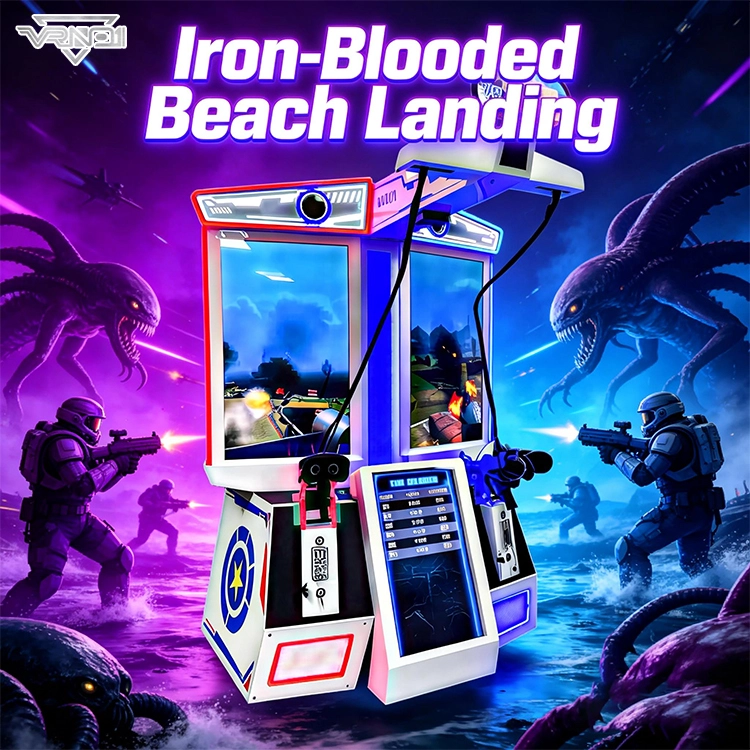
VRN0.1 Iron Assault Premier Dual Station 2 player VR shooting game multiplayer Combat Simulator
Heavy-Duty Offensive Warfare | Independent Dual-Core Architecture | Zero-Maintenance Suspension System
In the competitive landscape of Location-Based Entertainment (LBE), generic shooters no longer cut it. Enter the VR NO.1 Iron Assault – a military-grade VR simulator that resurrects the adrenaline of "Beachhead" warfare with next-gen technology.
Engineered by VR NO.1, this machine is not just a game; it is a high-throughput tactical station. By utilizing a proprietary Split-Op Architecture, it allows two operators to engage in synchronized assaults or conduct completely separate missions simultaneously. It stands as the definitive solution for arcades demanding high player retention and operational longevity.
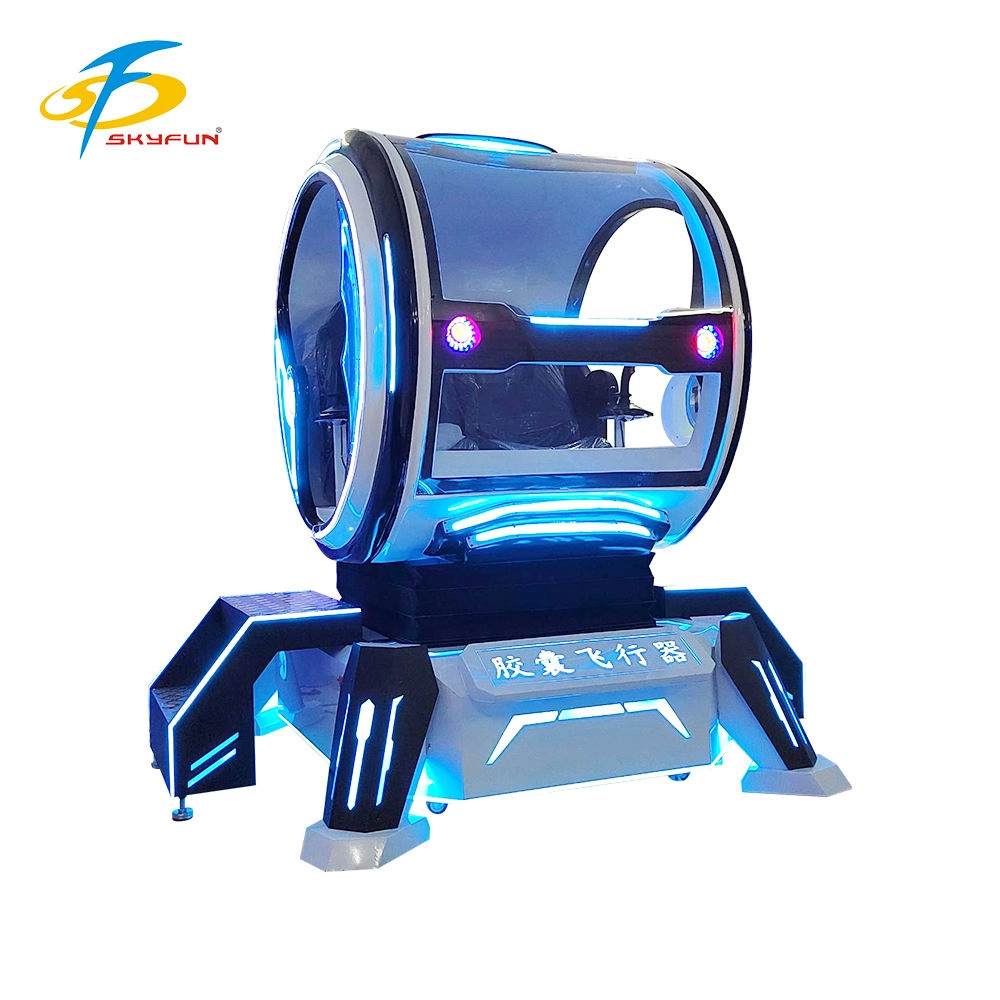
Double Player VR Flight Simulator 100 Movies 15 Games Coin-Operated Game Machine for Shopping Malls Amusement Parks
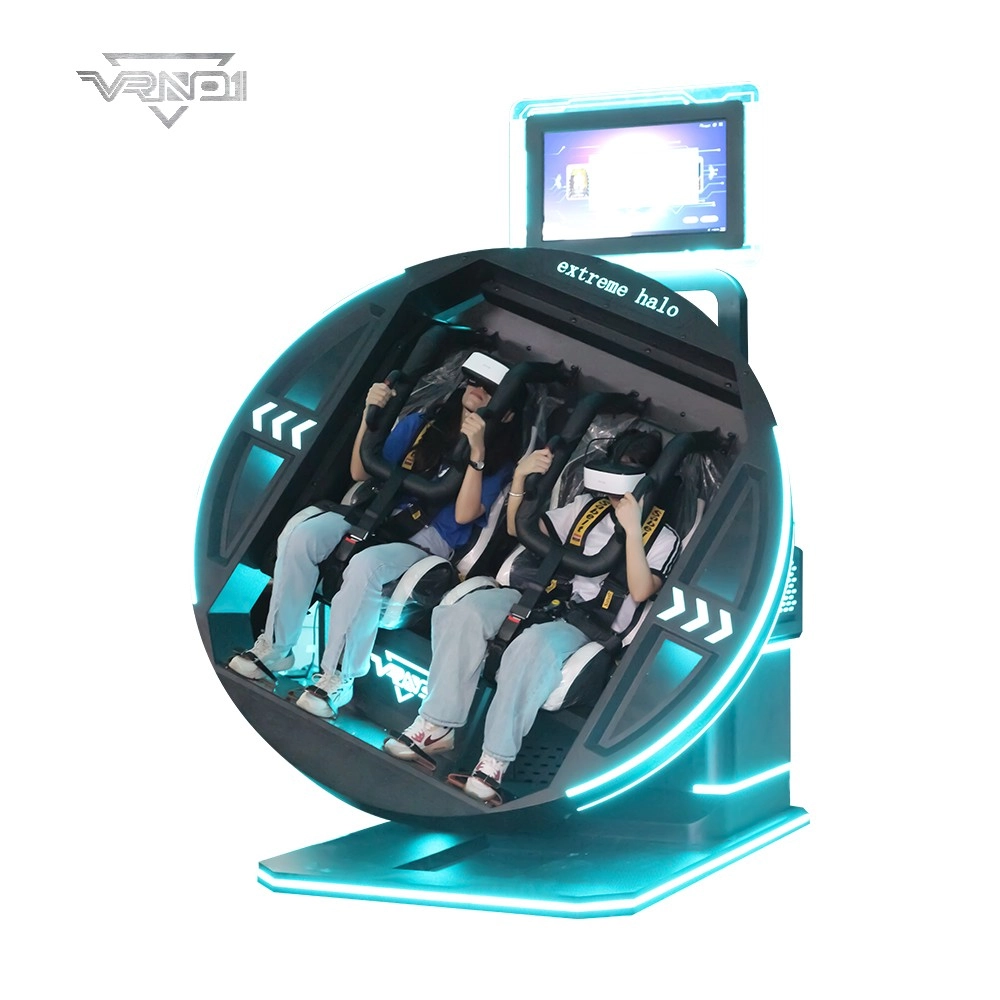
9D VR 360 Roller Coaster Cinema Chair Gaming Set Indoor/Outdoor Business Simulator Hardware for Home or School
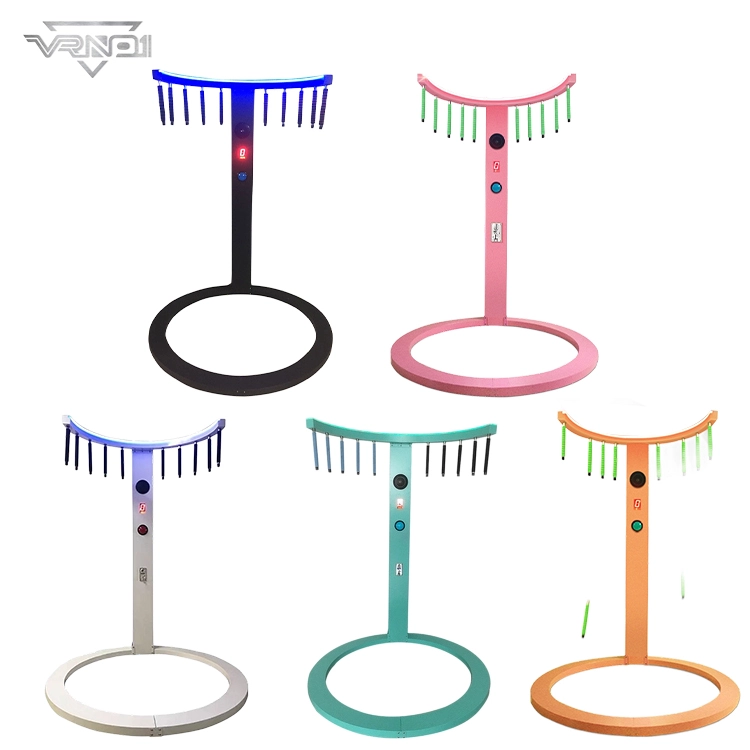
VRN0.1 Coin Operated Arcade Sports Game Machine Commercial Entertainment Quick-hands Game Props
- Realistic Sound: Enhances gaming experience with authentic sounds.
- Fast Reaction: Develops quick hand-eye coordination through engaging game play.
- DIY Kit: Allows for customization and personalization of the baton.
- Metal and Plastic Construction: Durable and robust build quality.
- Coin Operated: Fun for players who enjoy arcade-like experiences.
 Scan QR Code
Whatsapp: +8618127818571
Scan QR Code
Guangzhou Skyfun Technology Co.,Ltd
skyfunvrgame
skyfun game