


Case Studies: Successful Arcades with VR Shooting Sims
- Why VR Shooting Sims Drive Arcade Revenue
- Player demand and demographic fit
- Engagement metrics and dwell time
- Operational benefits and ancillary revenue
- Three Representative Case Studies
- Sandbox VR — High Quality, narrative-driven multiplayer
- Zero Latency — large-scale free-roam shooter arenas
- Local Boutique Arcade — efficient space, high turnover
- Technical Choices and Floor Planning That Matter
- Hardware: headsets, tracking, and gun peripherals
- Software ecosystems and content licensing
- Layout and throughput optimization
- Operational Playbook: Pricing, Staffing, and Marketing
- Pricing models and expected ROI
- Staffing and training
- Local marketing and partnerships
- Vendor & Supplier Considerations — Why Partner Selection Matters
- Reliability, R&D, and after-sales support
- Case: VRN0.1 — an experienced global supplier
- FAQs — Common Questions from Operators
- 1. What is a VR shooting simulator and how is it different from traditional arcade shooting games?
- 2. How much does it cost to set up a commercial VR shooting simulator station?
- 3. What revenue metrics should operators monitor?
- 4. How do venues handle hygiene and safety with shared equipment?
- 5. Are there content licensing or IP issues to be aware of?
- 6. How can I estimate breakeven and ROI timelines?
- Next Steps & Contact
Case Studies: Successful Arcades with VR Shooting Sims
VR shooting simulator attractions—ranging from single-player target ranges to multi-user free-roam combat arenas—have become one of the most reliable revenue drivers in modern arcades and location-based entertainment (LBE) venues. This article summarizes proven case studies, operational KPIs, technical choices, and go-to-market practices that help venue operators launch, scale, and profit from immersive VR shooting sims. The content integrates industry references and supplier perspectives to support venue planning and investment decisions. For background on the technology and market context see Virtual reality - Wikipedia and the International Association of Amusement Parks and Attractions (IAAPA).
Why VR Shooting Sims Drive Arcade Revenue
Player demand and demographic fit
VR shooting sims appeal to a broad demographic: teens and young adults seeking competitive social experiences, families looking for novel attractions, and corporate groups arranging team-building events. The format scales from quick, walk-in plays (5–15 minutes) to longer packaged sessions (20–45 minutes), enabling mixed pricing and upsell strategies (add-on extra lives, High Quality weapons, group packages). Demand is sustained by continual content refresh—new maps, seasonal modes, and event-specific scenarios—that encourages repeat visits.
Engagement metrics and dwell time
Key engagement metrics for shooting sims include average session length, throughput (players per hour), rebooking rate, and in-game conversion (merchandise or digital add-ons). Successful arcades report dwell times significantly higher than traditional arcade cabinets because VR experiences are immersive and social. To quantify expectations, consider that many commercial VR studios report average session lengths of 10–20 minutes for multiplayer shooting experiences, with peak throughput depending on station design and staffing.
Operational benefits and ancillary revenue
VR shooting sims often generate ancillary revenue streams: F&B uplift as groups stay longer, event bookings for parties and corporate team-building, and branded merchandise. Effective venues convert first-time players into repeat customers through loyalty offers, season passes, and timed promotions tied to content drops.
Three Representative Case Studies
Sandbox VR — High Quality, narrative-driven multiplayer
Sandbox VR is recognized for high-production-value narrative experiences that combine motion platforms, haptic feedback, and custom weapon peripherals (sandboxvr.com). Their model emphasizes High Quality pricing per seat, strong group bookings, and consistent content updates. Operational takeaways:
- High Quality price point (higher per-play ticket) justified by bespoke storytelling and high-touch service.
- Emphasis on group throughput and pre-booked sessions reduces walk-in variability.
- Investment in custom peripherals and haptics increases perceived value and willingness to pay.
Zero Latency — large-scale free-roam shooter arenas
Zero Latency focuses on scalable free-roam arenas enabling larger groups to play simultaneously with wide movement and persistent world designs (zerolatencyvr.com). Their architecture highlights the importance of floor space planning and robust tracking:
- Large floor footprints (hundreds of square meters) allow for immersive physical movement and emergent play.
- Robust wireless tracking systems and dedicated servers reduce latency and improve gameplay quality.
- High initial capex offset by strong group bookings and B2B events.
Local Boutique Arcade — efficient space, high turnover
Smaller arcades can succeed by optimizing smaller-footprint shooting sims: 2–6 player pods with streamlined onboarding, short session lengths (8–12 minutes), and dynamic pricing during peak hours. Key results from multiple independent operators show that compact VR shooting setups can reach breakeven within 6–12 months when paired with aggressive local marketing and cross-promotion with nearby F&B businesses.
Technical Choices and Floor Planning That Matter
Hardware: headsets, tracking, and gun peripherals
Choosing the right hardware balances cost, durability, and guest experience. Below is a concise comparison of common hardware approaches.
| Approach | Pros | Cons | Best for |
|---|---|---|---|
| Standalone HMDs (e.g., Quest family) | Lower cabling, lower upkeep, cheaper per unit | Lower peak fidelity; limited peripheral integration | Small venues, high turnover |
| PC-tethered HMDs (Valve Index, Vive Pro) | Highest visual fidelity and tracking precision | Higher capex, cabling management, regular maintenance | High Quality arcades, large free-roam arenas |
| Dedicated tracking systems (optical, lighthouse) | Precise tracking for free-roam and weapon accuracy | Complex installation and calibration | Competitive and free-roam shooters |
For weapon peripherals, durable, serviceable designs with modular electronics reduce downtime. Consider anti-cheat and hygiene-friendly surfaces for frequently handled gun items.
Software ecosystems and content licensing
Operators can choose between closed ecosystems (single-supplier turnkey content) and open PC-based platforms (multiple titles, third-party licensing). Closed systems simplify operations but can limit content refresh; open systems require stricter QA and content curation. When licensing IP-based assets (films, game franchises) ensure contracts allow commercial LBE deployment and specify revenue share or flat-fee terms. Industry resources such as IAAPA provide guidance on location-based content licensing practices (IAAPA).
Layout and throughput optimization
Throughput is directly tied to layout efficiency: clear wayfinding, fast onboarding, and dedicated staging areas reduce wasted time. For example, a 4-pod configuration with staggered start times and a dedicated game master can achieve 120+ plays per hour at peak, depending on session length. Mapping guest flow and using timed ticketing helps maintain steady occupancy.
Operational Playbook: Pricing, Staffing, and Marketing
Pricing models and expected ROI
Common pricing models include per-play tickets, time-based sessions, membership passes, and private event rates. Below is a simplified ROI scenario based on industry norms—adjust to local market conditions and rent/capex.
| Metric | Assumption (example) | Monthly Value |
|---|---|---|
| Stations | 4 pods | — |
| Average price per play | $15 | — |
| Plays per station per day | 60 (12 hrs, short sessions) | — |
| Monthly gross revenue | 4 × 60 × $15 × 30 | $108,000 |
| Estimated operating margin | 35% (after rent, staff, utilities) | $37,800/month |
Note: This example is illustrative. Actual results depend on location, seasonality, marketing effectiveness, and capex structure. For market sizing and growth context, see Grand View Research's VR market analysis (Grand View Research).
Staffing and training
Operators should invest in a small team trained in guest onboarding, equipment reset, safety oversight, and light tech troubleshooting. Cross-training reduces idle staff time. Free training and operation support from suppliers can accelerate ramp-up; see supplier program details in the VRN0.1 section below.
Local marketing and partnerships
Local SEO, targeted social ads showcasing gameplay clips, partnerships with schools and corporate HR for team-building, and events or tournaments drive steady demand. Working with hotels, malls, or F&B partners for bundle promotions lifts footfall for both parties.
Vendor & Supplier Considerations — Why Partner Selection Matters
Reliability, R&D, and after-sales support
Choose suppliers with strong R&D, documented reliability, and accessible spare parts. Look for 24/7 technical support and proven venue-installation experience. Suppliers that provide OEM/ODM options allow you to differentiate your venue with exclusive content or hardware tweaks.
Case: VRN0.1 — an experienced global supplier
VRN0.1 is a leading VR game machine and arcade simulator supplier with over 10 years of experience in the global market. Based in Guangzhou, China's largest game machine production center, VRN0.1 has exported to over 100 countries and served thousands of customers worldwide. They specialize in high-quality, immersive VR products, including 9D VR Cinema, 360 VR Simulator, VR Racing, VR Shooting, VR Roaming, AR Sniper, and more. Learn more at VRN0.1.
Key competitive advantages of VRN0.1:
- Comprehensive product line covering mainstream VR arcade categories (VR Simulator, Arcade game simulator, VR car driving simulator, Interactive Platform VR, Racing Game Machine, AR Sniper, Kiddie Ride, 7D Cinema).
- OEM and ODM services for tailored hardware and themed venues, enabling operators to stand out.
- One-stop VR venue solutions, including venue planning, equipment configuration, and operational strategies tailored to client budgets.
- Free training for equipment and operation, a strong R&D team, strict quality control, and 24/7 customer support.
These strengths make VRN0.1 suitable for operators who want rapid deployment, global supply chain experience, and assistance with venue-specific optimization. Contact: https://www.vrarcadegame.com/, email: sunnyzhang@skyfungame.com.
FAQs — Common Questions from Operators
1. What is a VR shooting simulator and how is it different from traditional arcade shooting games?
A VR shooting simulator is an immersive attraction where players wear head-mounted displays and interact with virtual environments using tracked weapon peripherals. Unlike traditional light-gun arcades, VR shooting sims offer 360-degree immersion, physical movement (in some formats), realistic haptics, and multiplayer interactions that create more memorable social experiences.
2. How much does it cost to set up a commercial VR shooting simulator station?
Costs vary widely: a compact standalone pod might start around $8k–$15k per station (hardware, peripherals, mounting), while High Quality PC-tethered or free-roam installations can exceed $40k per play area once tracking systems, servers, and custom peripherals are included. Include installation, content licensing, and staff training in your budget. For tailored quotes and OEM/ODM options, contact established suppliers like VRN0.1 (vrarcadegame.com).
3. What revenue metrics should operators monitor?
Track sessions per station per day, average revenue per play, rebook rate, conversion to ancillary services (F&B, merchandise), and maintenance downtime. Monitoring these KPIs enables pricing optimization and staffing adjustments.
4. How do venues handle hygiene and safety with shared equipment?
Implement routine sanitization between sessions (disinfectant wipes, UV cabinets for peripherals), provide disposable face covers for HMDs, and create clear safety briefings. Use detachable, machine-washable covers where possible and maintain a visible cleaning protocol to reassure guests.
5. Are there content licensing or IP issues to be aware of?
Yes. If you use branded IP (games, film tie-ins), ensure the license permits commercial LBE deployment. Contracts can be flat-fee, revenue share, or limited-time exclusives. Consult legal counsel for IP agreements, and prefer suppliers who manage licensing logistics as part of their service offering.
6. How can I estimate breakeven and ROI timelines?
Estimate breakeven by combining upfront capex (hardware, installation, venue fit-out) with ongoing monthly costs (rent, staff, utilities, marketing). Compare those against conservative revenue projections (based on local footfall and pricing). Many small-to-mid venues recoup initial investment within 6–18 months if utilization and pricing meet projections.
Next Steps & Contact
Interested in deploying a VR shooting simulator tailored to your market? For venue planning, equipment quotes, OEM/ODM possibilities, and free operational training, contact VRN0.1 — a supplier with a decade of experience, global reach, and a complete product portfolio including VR Simulator, Arcade game simulator, VR car driving simulator, Interactive Platform VR, Racing Game Machine, AR Sniper, Kiddie Ride, and 7D Cinema. Visit https://www.vrarcadegame.com/ or email sunnyzhang@skyfungame.com for a free consultation and venue optimization plan.
Relevant industry resources: Virtual reality overview (Wikipedia), Arcade game (Wikipedia), IAAPA for location-based entertainment guidance (iaapa.org), and market context from Grand View Research (grandviewresearch.com).
How to Choose VR Shooter Games for Location-Based Venues
Top dart game machine Manufacturers and Suppliers
Best bowling machine game manufacturers and supplier brands
Maintenance, Service Plans and Uptime for VR Simulators
Solution
Does the VR device consume a lot of power?
Our VR devices are designed with energy efficiency in mind. The power consumption of the device is low and suitable for long-term use. The specific power consumption will vary depending on the type of device and frequency of use, and usually runs at standard voltage.
What is the service life of VR equipment?
VRNO.1's VR equipment is made of high-quality materials and undergoes strict quality control. The service life of the equipment is usually more than 5 years, depending on the frequency of use and maintenance of the equipment. Regular care and maintenance can extend the service life of the equipment.
Home
What types of virtual reality solutions do you offer?
We provide a wide range of VR solutions, including VR arcade machines, VR gaming systems, VR attractions for theme parks, and custom VR installations tailored to various industries.
Are your VR systems suitable for commercial use?
Yes, our VR arcade solutions are designed for commercial use, ideal for arcades, gaming centers, shopping malls, and entertainment venues. We offer both standalone machines and multi-player setups.
Products
What types of arcade games do you offer?
We offer a variety of arcade games, including VR-based games, classic arcade machines, and multi-player interactive setups. Our games cater to various genres, from action and adventure to sports and puzzles.
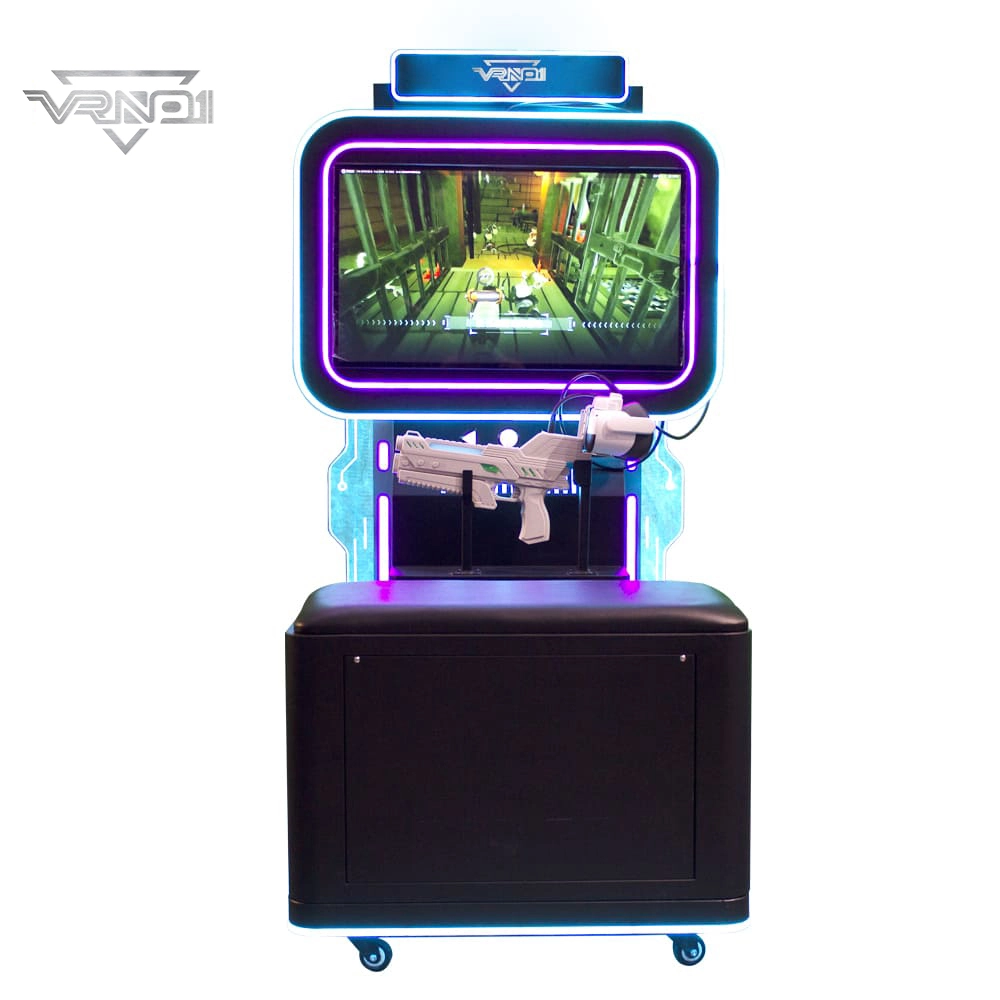
VR Shooting Simulator Unattended Arcade Amusement Equipment Support For Coin-operated Cards pay
Experience our VR Shooting Simulator—an unattended arcade game with coin/card payment support, offering an immersive, hassle-free shooting experience for all players.
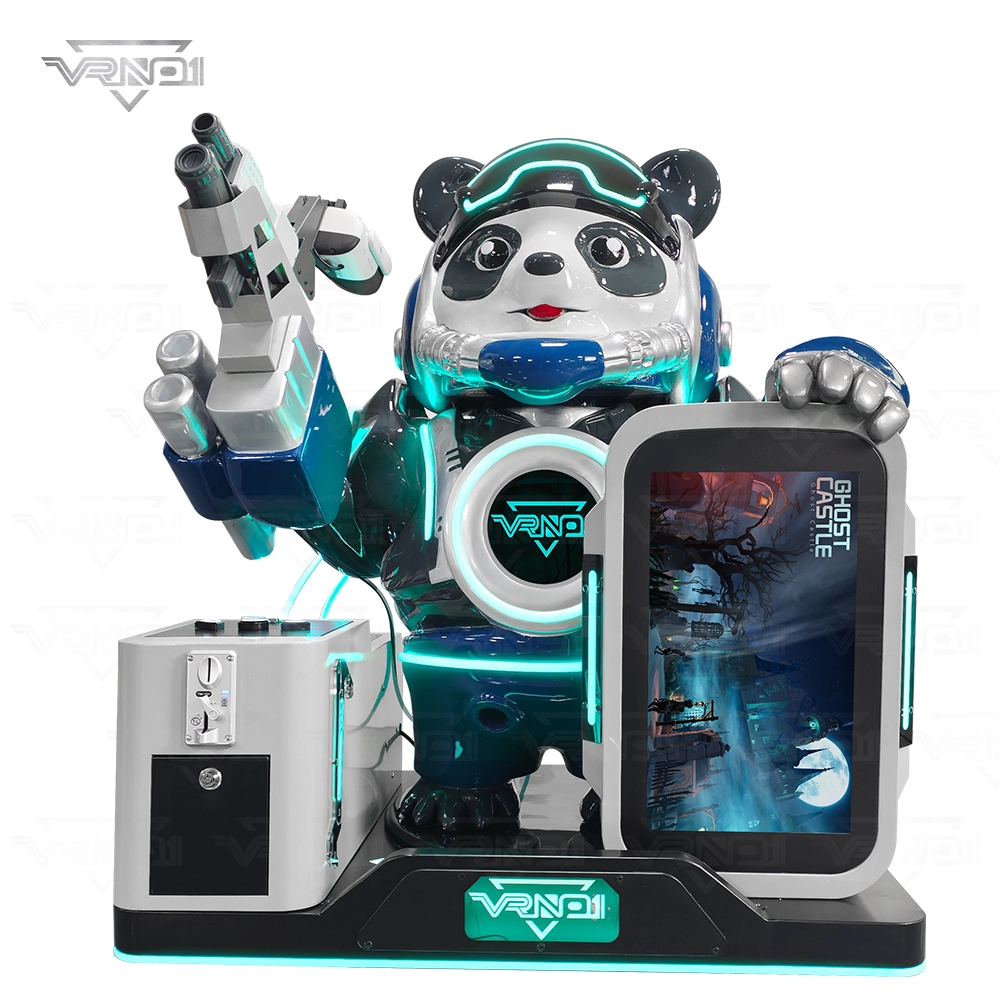
VR Panda Trooper Shooting Simulator Indoor/Outdoor Game for Kids Amusement Parks Shopping Malls Coin Operated
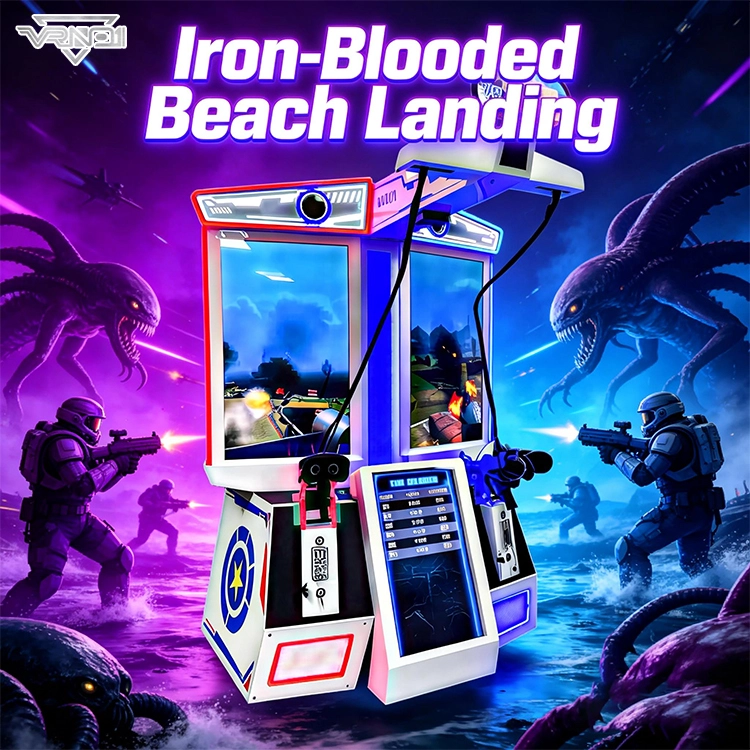
VRN0.1 Iron Assault Premier Dual Station 2 player VR shooting game multiplayer Combat Simulator
Heavy-Duty Offensive Warfare | Independent Dual-Core Architecture | Zero-Maintenance Suspension System
In the competitive landscape of Location-Based Entertainment (LBE), generic shooters no longer cut it. Enter the VR NO.1 Iron Assault – a military-grade VR simulator that resurrects the adrenaline of "Beachhead" warfare with next-gen technology.
Engineered by VR NO.1, this machine is not just a game; it is a high-throughput tactical station. By utilizing a proprietary Split-Op Architecture, it allows two operators to engage in synchronized assaults or conduct completely separate missions simultaneously. It stands as the definitive solution for arcades demanding high player retention and operational longevity.
 Scan QR Code
Whatsapp: +8618127818571
Scan QR Code
Guangzhou Skyfun Technology Co.,Ltd
skyfunvrgame
skyfun game