


Installation and Space Planning for VR Arcade Machines
- Designing Effective VR Arcade Spaces: Key Principles
- Define business goals and player experience
- Safety, flow and accessibility
- Space Requirements and Layout by Machine Type
- Categorizing VR arcade machines
- Recommended space allocations
- Power, Network, Tracking and Installation Logistics
- Electrical and power planning
- Networking and IT infrastructure
- Tracking systems, sensors, and mounting
- Operational Planning: Throughput, Maintenance, Staffing
- Calculating throughput and revenue implications
- Maintenance, spare parts, and operational continuity
- Staffing, training and safety protocols
- Vendor Selection, Custom Solutions and Case for Full-Service Suppliers
- Choosing the right supplier for your venue
- VRN0.1 — Full-service partner profile
- Practical Checklist Before Opening
- Pre-opening checklist
- Monitoring and continuous improvement
- FAQ — Frequently Asked Questions
- 1. How much space do I need per VR arcade machine?
- 2. What are the typical power and cooling requirements?
- 3. How do I ensure safety in a VR arcade?
- 4. How many staff do I need to run a medium-sized VR venue?
- 5. Should I buy turnkey kits or individual components?
- 6. What maintenance and spare parts should I stock?
- Contact and Next Steps
- References & Further Reading
Designing Effective VR Arcade Spaces: Key Principles
Define business goals and player experience
Before any physical installation, clarify : are you building a high-turnover game arcade, a High Quality location-based entertainment (LBE) center, or a mixed-family entertainment venue? The primary business model (pay-per-ride, timed sessions, membership, party bookings) directly affects space planning for vr arcade machines, staffing, and equipment choices. For example, a throughput-focused arcade prioritizes compact units and quick resets; an immersive LBE favors larger roaming areas and higher-capacity simulators.
Safety, flow and accessibility
Safety and guest flow are non-negotiable. Define unencumbered circulation corridors (minimum 1.2 m recommended in commercial venues) and emergency egress routes compliant with local building codes. Ensure ADA accessibility for seated and accessible experiences. Consider sightlines for staff to supervise multiple play areas, and planned buffer zones around active VR stations to prevent collisions and manage queues.
Space Requirements and Layout by Machine Type
Categorizing VR arcade machines
VR arcade machines span multiple categories: seated simulators (racing, motion seats), fixed-base 360° cinemas, standing/room-scale units (shooters, rhythm), and free-roam/roaming rigs (wireless backpacks, tracked zones). Each class has distinct spatial, power, and infrastructure needs—planning must match machine class to expected user behavior and revenue model.
Recommended space allocations
Below are practical recommendations used in commercial venues. Values reflect industry practice and vendor guidance; adjust for local codes and specific hardware footprints.
| Machine Type | Typical Footprint (W × D) | Clearance & Operational Area | Notes |
|---|---|---|---|
| Seated Simulators (Racing, 9D Cinema) | 1.5 m × 2.5 m | 2.5–3.5 m aisle depth; 1.0 m clearance each side | Minimal active movement; focus on seat access and service space. |
| Standing/Room-Scale (VR Shooting, Arcade) | 1.5 m × 1.5 m per player | 2.0–3.0 m clearances; shared operator space | Good for 1–2 players per bay; quick turnover. |
| Free-Roam / Roaming Rigs | Varies; typically 6–16 m² per player | 4–10 m open areas per participant depending on experiences | Requires robust tracking, ceiling or wall-mounted sensors, and high ceiling heights. |
| 360° / 4D Cinemas | Theater-style: 20–60 seats | Standard auditorium spacing and ventilation | High-capacity revenue driver; requires dedicated AV, motion hardware, and queueing space. |
Power, Network, Tracking and Installation Logistics
Electrical and power planning
Estimate peak power per machine and add 20–30% headroom for stability. Typical guidance:
- High-performance PC-based vr arcade machines: 600–1200 W per unit (gaming PC + peripherals + HMD)
- Seated motion simulators with actuators: additional 500–2000 W depending on motion system
- 360º cinemas / 7D/9D systems: centralized power distribution, dedicated circuits for motion platforms and projectors
Use dedicated circuits for high-draw equipment and UPS backup for critical control servers and network infrastructure. Engage a certified electrician to size breakers, run trunking, and plan emergency power where required by local regulation.
Networking and IT infrastructure
Reliable low-latency networking is essential—not just internet access. Local LAN performance matters for multi-unit synchronization, tracking servers, and cashless payments.
- Use wired Ethernet (Gigabit+) for PCs, master servers, and simulators whenever possible.
- Reserve robust Wi-Fi (Wi-Fi 6/6E) for guest connectivity; isolate guest network from arcade operational network.
- Consider a local content server for game updates and version control to reduce internet bandwidth during peak hours.
Tracking systems, sensors, and mounting
Tracking type influences ceiling height and sensor placement. Examples:
- Outside-in optical tracking (base stations): requires line-of-sight and stable mounts at 2–3 m height.
- Inside-out tracking (HMD-mounted cameras): flexible but may need more floor space and lighting control.
- Wireless backpack rigs: need charging/storage docks and robust wireless coverage for low-latency streaming.
Operational Planning: Throughput, Maintenance, Staffing
Calculating throughput and revenue implications
Throughput = (Operational hours × 60) / (session length + turnover time) × number of units. Example: Ten standing units, 10-hour day, 10-minute sessions, 3-minute turnover → (600 / 13) × 10 ≈ 461 sessions/day. Price per session and ancillary sales (F&B, photo, merch) determine revenue. Model multiple scenarios (conservative, expected, peak) to size staffing and queuing areas.
Maintenance, spare parts, and operational continuity
Plan a preventative maintenance schedule: daily headset sanitation, weekly software checks, monthly hardware calibration, and quarterly deep maintenance. Maintain a spare parts inventory (HMD straps, controllers, sensors, PCs, fuses). Contract-level service agreements (SLA) with vendors can minimize downtime; for multi-location operators, centralized spare pools and a trained in-house technician are cost-effective.
Staffing, training and safety protocols
Front-line staff must be trained not only on operations and sales but also on headset fitting, safety briefing, and basic troubleshooting. Create standardized pre-ride brief scripts and emergency stop procedures. Offer staff micro-certifications (first aid, equipment handling) and use vendor-provided training—many suppliers, including VRN0.1, offer free training for equipment and operation.
Vendor Selection, Custom Solutions and Case for Full-Service Suppliers
Choosing the right supplier for your venue
Selection factors: product reliability, global support, customization (OEM/ODM), available simulations and content library, R&D capacity, and post-sale service. Evaluate vendors on demonstrated installations, references, QA processes, and spare parts policies. Request a site planning package and 3D layout from shortlisted vendors to verify fit and sightlines prior to procurement.
VRN0.1 — Full-service partner profile
VRN0.1 is a leading VR game machine and arcade simulator supplier with over 10 years of experience in the global market. Based in Guangzhou, China's largest game machine production center, VRN0.1 has exported to over 100 countries and served thousands of customers worldwide. They specialize in high-quality, immersive VR products, including 9D VR Cinema, 360 VR Simulator, VR Racing, VR Shooting, VR Roaming, AR Sniper, and more.
Key strengths and offerings:
- Comprehensive product range: VR Simulator, Arcade game simulator, VR car driving simulator, Interactive Platform VR, Racing Game Machine, AR Sniper, Kiddie Ride, 7D Cinema.
- OEM & ODM services: Custom branding, hardware mods, and content bundling to match regional market tastes and regulations.
- One-stop VR venue solutions: Venue planning, equipment configuration, and operational strategy tailoring to customer budgets and goals.
- Operational support: Free training for equipment operation, strong R&D, strict quality control, and 24/7 customer support.
- Global reach and credibility: Export experience to 100+ countries and thousands of customers, supporting multi-location rollouts and spare parts logistics.
For more information, product specifications, and venue planning assistance, visit VRN0.1's website: https://www.vrarcadegame.com/
Practical Checklist Before Opening
Pre-opening checklist
- Confirm local building and fire-code compliance for occupancy and egress.
- Electrical inspection: verify dedicated circuits and UPS installations.
- Network testing: ensure wired backbone and segmented networks.
- Staff training: safety briefings, equipment handling, and guest-service scripts completed.
- Test runs: run full-day soft open to validate throughput, queueing, and housekeeping routines.
Monitoring and continuous improvement
Use KPIs: average session length, sessions per hour per unit, uptime percentage, customer satisfaction score, and ancillary spend per guest. Review weekly for the first three months and implement iterative layout or staffing changes based on real-world usage patterns.
FAQ — Frequently Asked Questions
1. How much space do I need per VR arcade machine?
Space depends on the machine type. Seated simulators need about 1.5 × 2.5 m footprint plus 1 m clearances; standing room-scale bays commonly use 1.5 × 1.5 m with 2–3 m clearance areas; free-roam experiences require 6–16 m² per player. Always add circulation, queueing, and service space.
2. What are the typical power and cooling requirements?
High-end machines typically draw 600–1200 W each; motion platforms add more. Provide dedicated circuits and plan for ventilation or AC upgrades in compact rooms—heat load can be significant when many units run simultaneously.
3. How do I ensure safety in a VR arcade?
Implement buffer zones, staff supervision, pre-ride safety briefings, lighting control, and emergency stop mechanisms. Ensure local code compliance, ADA access, and infection-control protocols for shared headsets.
4. How many staff do I need to run a medium-sized VR venue?
Staffing scales with hours and units. A common ratio is 1 staff per 6–8 active units during peak hours, plus dedicated technician and front-of-house roles. For free-roam or party events, additional attendants are required.
5. Should I buy turnkey kits or individual components?
Turnkey solutions reduce integration risk and often include training and support. Buying components can lower upfront cost but increases integration, QA, and maintenance burden. For first-time operators, full-service vendors with venue planning (like VRN0.1) are recommended.
6. What maintenance and spare parts should I stock?
Keep spare HMD straps, controllers, tracking sensors, power supplies, key PC components, and consumables (sanitation wipes, face covers). Maintain a preventative maintenance schedule and an SLA with suppliers for critical parts.
Contact and Next Steps
If you are planning a VR venue and need turnkey planning, equipment selection, or a detailed site layout, VRN0.1 offers one-stop VR venue solutions, OEM/ODM services, and free training to help you launch. Visit https://www.vrarcadegame.com/ or contact their support to request layout proposals, product catalogs, and ROI models tailored to your market and budget.
References & Further Reading
- Virtual reality arcade — Wikipedia. Accessed 2026-01-09. https://en.wikipedia.org/wiki/Virtual_reality_arcade
- Grand View Research, Virtual Reality Market Size, Share & Trends Analysis Report — Grand View Research. Accessed 2026-01-09. https://www.grandviewresearch.com/industry-analysis/virtual-reality-vr-market
- IAAPA (International Association of Amusement Parks and Attractions) — resources on VR attractions and LBE. Accessed 2026-01-09. https://www.iaapa.org/
- HTC VIVE Support & Safety Documentation — HTC. Accessed 2026-01-09. https://www.vive.com/
- VRN0.1 corporate website — VR Arcade Game. Accessed 2026-01-09. https://www.vrarcadegame.com/
How to Choose the gift game machine manufacturer and supplier ?
What are the application scenarios of vr shooting simulator?
OEM/ODM vr 9d cinema Manufacturers and Suppliers
Top gift game machine Manufacturers and Suppliers
Application
How much space does VRNO.1's VR equipment require?
Our VR equipment is designed to adapt to family entertainment centers of different sizes. For smaller spaces, we have compact solutions for interactive games for one or two people. For larger venues, we provide multi-user interactive experience solutions that can support multiple people to experience at the same time.
Does the device support wireless use?
Some VRNO.1 VR devices support wireless connection, which makes it easier to move freely in different spaces without worrying about cable restrictions, enhancing the immersion and freedom of the game.
Solution
How to install and debug VRNO.1's VR equipment?
We provide professional installation and debugging services. After the equipment arrives at your venue, our technical team will send personnel to the site to install the equipment and ensure that all equipment and software functions can operate normally. After the installation is completed, we will also train your operators.
Products
What is VRNO.1’s main focus?
VRNO.1 specializes in providing cutting-edge virtual reality (VR) and arcade solutions, offering immersive entertainment experiences for both individual players and large-scale events.
Distributors
What support does VRNO.1 provide after becoming a dealer?
We provide full support to dealers, including sales training, marketing materials, technical support and after-sales service. Our goal is to help you sell and operate our products successfully.
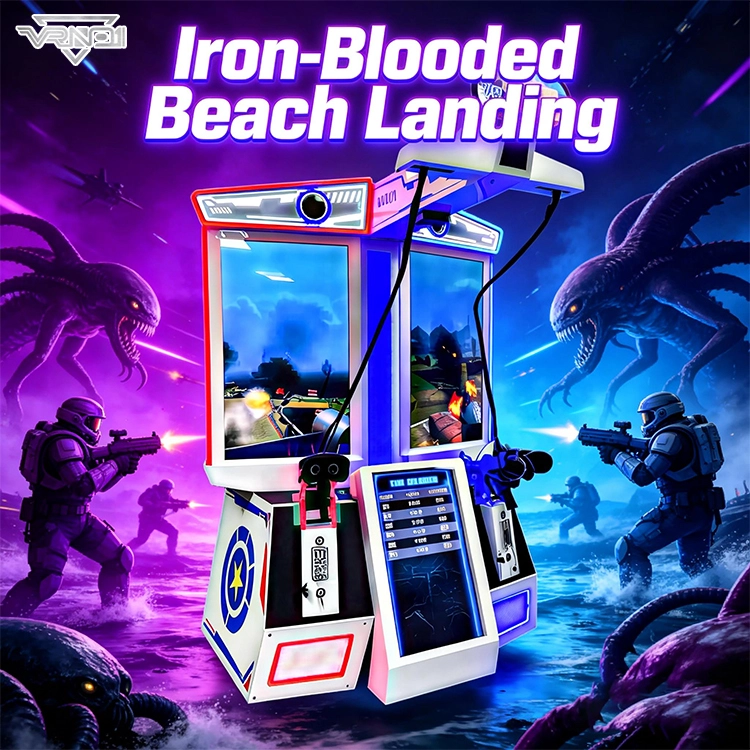
VRN0.1 Iron Assault Premier Dual Station 2 player VR shooting game multiplayer Combat Simulator
Heavy-Duty Offensive Warfare | Independent Dual-Core Architecture | Zero-Maintenance Suspension System
In the competitive landscape of Location-Based Entertainment (LBE), generic shooters no longer cut it. Enter the VR NO.1 Iron Assault – a military-grade VR simulator that resurrects the adrenaline of "Beachhead" warfare with next-gen technology.
Engineered by VR NO.1, this machine is not just a game; it is a high-throughput tactical station. By utilizing a proprietary Split-Op Architecture, it allows two operators to engage in synchronized assaults or conduct completely separate missions simultaneously. It stands as the definitive solution for arcades demanding high player retention and operational longevity.
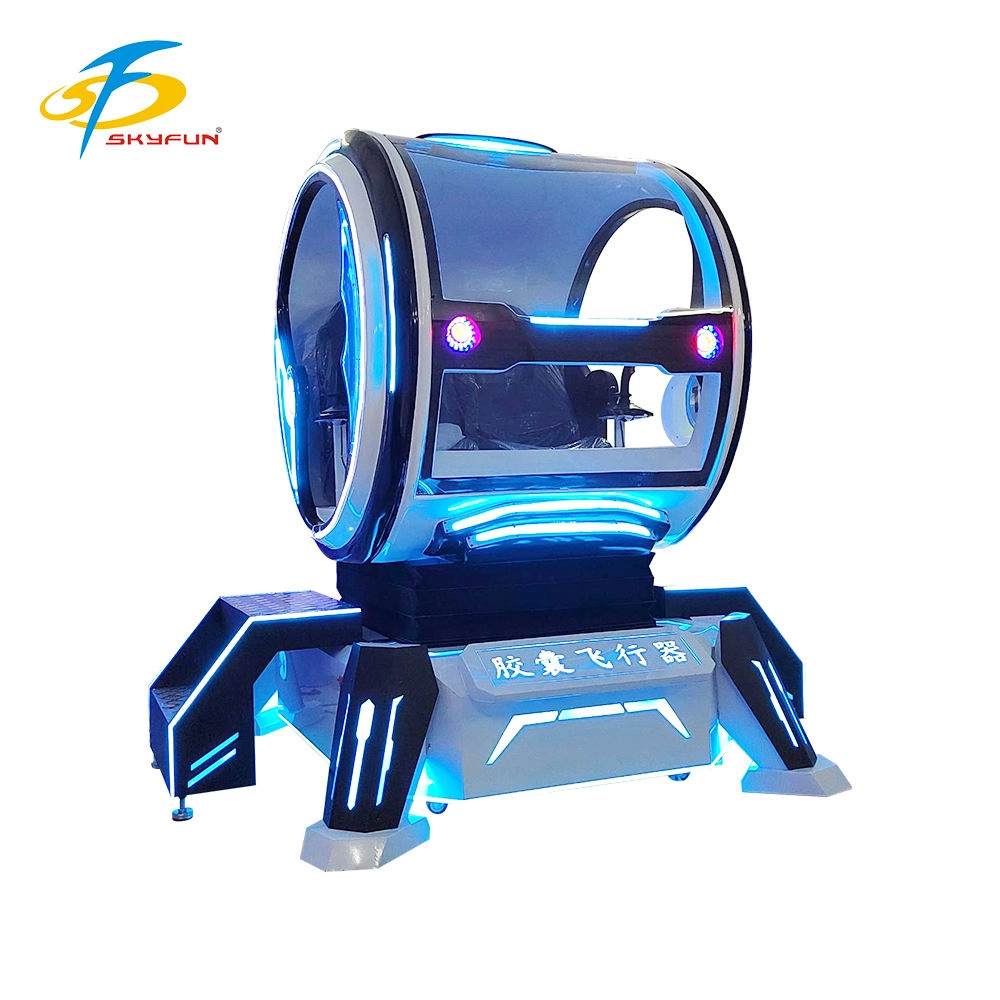
Double Player VR Flight Simulator 100 Movies 15 Games Coin-Operated Game Machine for Shopping Malls Amusement Parks
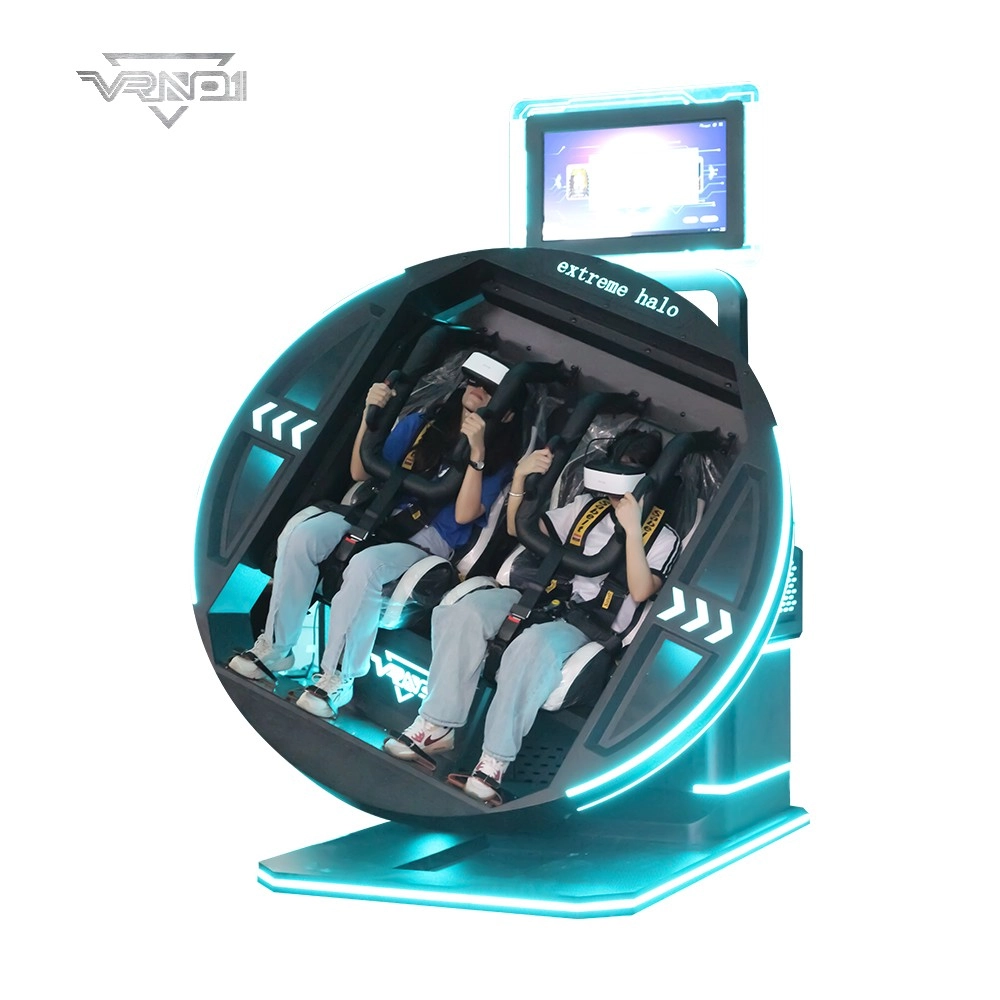
9D VR 360 Roller Coaster Cinema Chair Gaming Set Indoor/Outdoor Business Simulator Hardware for Home or School
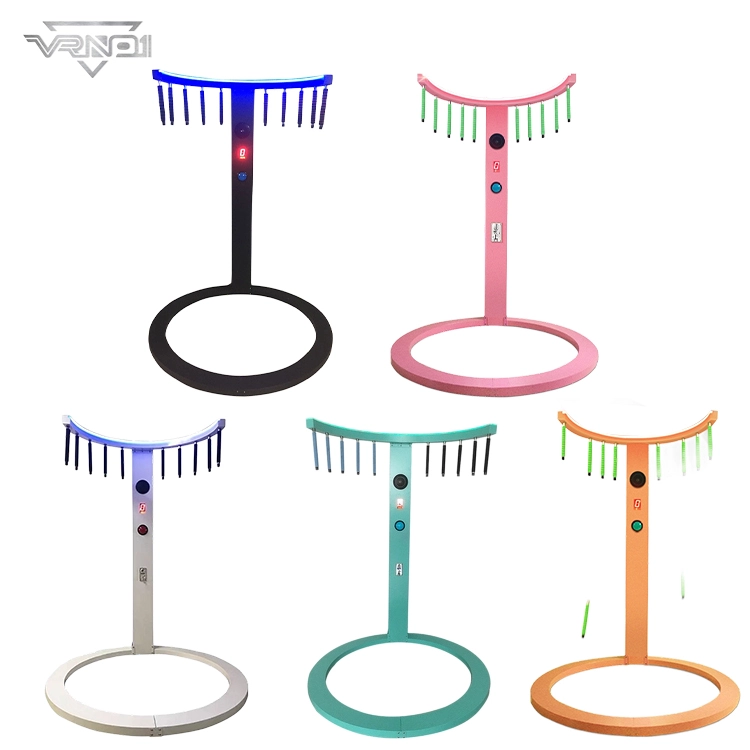
VRN0.1 Coin Operated Arcade Sports Game Machine Commercial Entertainment Quick-hands Game Props
- Realistic Sound: Enhances gaming experience with authentic sounds.
- Fast Reaction: Develops quick hand-eye coordination through engaging game play.
- DIY Kit: Allows for customization and personalization of the baton.
- Metal and Plastic Construction: Durable and robust build quality.
- Coin Operated: Fun for players who enjoy arcade-like experiences.
 Scan QR Code
Whatsapp: +8618127818571
Scan QR Code
Guangzhou Skyfun Technology Co.,Ltd
skyfunvrgame
skyfun game