


Cost-Benefit Analysis of VR Arcade Machines for Arcades
- Evaluating Investment Opportunities for Entertainment Venues
- Why arcades are reconsidering VR
- Primary business objectives solved by VR
- Understanding Costs: Capital and Operating
- Capital expenditure (CapEx) components
- Operating expenditure (OpEx) and recurring costs
- Cost table by machine type
- Modeling Revenue, Profitability, and ROI
- Key metrics to compute
- Sample ROI scenarios (conservative and aggressive)
- Scenario A — Small FEC (3 machines: 1 x Racing, 1 x Shooting, 1 x 9D Cinema)
- Scenario B — Conservative realistic model (adjusted utilization)
- Breakeven sensitivity
- Risk Factors, Mitigation, and Supplier Selection
- Common risks and mitigations
- How to evaluate vendors (technical and commercial criteria)
- Case for choosing an experienced supplier — VRN0.1 example
- Operational Recommendations and Next Steps
- Deployment checklist for operators
- Pricing and packaging strategies
- Measuring success
- FAQ
- 1. How much space do I need for a VR roaming setup?
- 2. What is the realistic payback period for vr arcade machines?
- 3. How often does VR content need updating?
- 4. Can I bundle VR with other attractions to improve utilization?
- 5. What maintenance should I plan for?
- 6. How to choose between buying and leasing VR machines?
- Contact & Product Inquiry
- References and Sources
Evaluating Investment Opportunities for Entertainment Venues
Why arcades are reconsidering VR
In recent years, vr arcade machines have become a strategic differentiator for arcades, family entertainment centers (FECs), and location-based entertainment (LBE) venues. Unlike traditional coin-op cabinets, modern VR attractions deliver immersive, high-margin experiences that can command High Quality pricing, extend dwell time, and create social media-friendly content that drives organic marketing.
Primary business objectives solved by VR
Owners typically pursue VR to: increase per-visit revenue, diversify product mix to attract new demographics (teens and young adults), improve repeat visitation through seasonal or rotating content, and to raise overall venue profile. A rigorous cost-benefit analysis should align equipment selection and pricing with these objectives.
Understanding Costs: Capital and Operating
Capital expenditure (CapEx) components
CapEx for vr arcade machines includes machine purchase price, installation, shipping, interior build-out (flooring, barriers, seating), initial content licensing, and training. Typical ranges (2024 market observations): single-station units can range from US$6,000 to US$40,000 depending on complexity (e.g., 9D cinema vs. 360 roaming platform). For multi-seat simulators or roaming systems, costs increase accordingly.
Operating expenditure (OpEx) and recurring costs
Key OpEx categories: staffing (operators/hosts), maintenance (hardware replacement, headset sanitization supplies), software/content updates and licensing, utilities (power), insurance, marketing, and depreciation. Maintenance and licensing commonly run 10%–25% of initial hardware cost annually depending on usage intensity and content licensing model.
Cost table by machine type
The table below compares representative machine types to make cost and revenue modeling tangible. Values are illustrative; customize to your local costs and traffic assumptions.
| Machine Type | Typical Unit Cost (USD) | Seats / Session | Avg Ticket Price | Estimated Daily Capacity | Estimated Monthly Revenue |
|---|---|---|---|---|---|
| 9D VR Cinema | $6,000 | 1-6 (multi-seat) | $6 | 120 sessions | $6 x 120 x 30 = $21,600 |
| VR Racing (cockpit) | $12,000 | 1 | $8 | 80 sessions | $8 x 80 x 30 = $19,200 |
| VR Shooting / Arena | $18,000 | 1 | $10 | 70 sessions | $10 x 70 x 30 = $21,000 |
| VR Roaming (high-end) | $30,000 | 1 | $15 | 40 sessions | $15 x 40 x 30 = $18,000 |
Notes: capacity depends on session length, throughput management, and staffing. Multi-seat systems can dramatically increase revenue per machine but may require more floor area and support staff.
Modeling Revenue, Profitability, and ROI
Key metrics to compute
When modeling vr arcade machines, calculate: monthly gross revenue by machine, gross margin (after variable costs like staff time and consumables), fixed costs allocation (rent, utilities), EBITDA margin for venue segments, and payback period (CapEx divided by monthly net cash flow).
Sample ROI scenarios (conservative and aggressive)
Below are two simplified scenarios for illustration. All figures are estimates — replace with actual local data for investment decisions.
- Assumptions used across scenarios: operating days 30/month.
Scenario A — Small FEC (3 machines: 1 x Racing, 1 x Shooting, 1 x 9D Cinema)
- Total CapEx: $12,000 + $18,000 + $6,000 = $36,000
- Estimated monthly gross revenue: $19,200 + $21,000 + $21,600 = $61,800
- Estimated monthly OpEx (staffing, maintenance 20% of revenue, utilities, lease portion): ~35% of revenue = $21,630
- Estimated monthly net cash flow: $61,800 - $21,630 = $40,170
- Payback period (CapEx / monthly net): $36,000 / $40,170 ≈ 0.9 months (This is aggressive — likely overestimates utilization)
Scenario B — Conservative realistic model (adjusted utilization)
- Adjust capacity to 50% of table capacities to reflect off-peak and realistic footfall.
- Adjusted monthly revenue: $30,900
- OpEx (35%): $10,815
- Net monthly cash flow: $20,085
- Payback: $36,000 / $20,085 ≈ 1.79 months
Interpretation: These simplified scenarios show that vr arcade machines can pay back quickly if the venue has consistent demand and good pricing. However, realistic modeling should include seasonality, marketing ramp-up, machine downtime, and conservative attendance figures. Many operators report payback periods from 6 to 24 months depending on traffic and machine mix.
Breakeven sensitivity
Run sensitivity tests varying ticket price (±20%), utilization (±50%), and maintenance costs (±10%). Payback and profitability are most sensitive to utilization (foot traffic) and ticket price strategy. Focus early efforts on promotion and proper placement within the venue to maximize throughput.
Risk Factors, Mitigation, and Supplier Selection
Common risks and mitigations
- Hardware failures — mitigate with service contracts and spare parts inventory.
- Content obsolescence — choose suppliers with regular content updates or multi-game platforms.
- Low utilization — mitigate with dynamic pricing, bundling with other attractions, and targeted marketing.
- Sanitation and safety concerns — invest in reliable cleaning protocols and replaceable headset coverings.
How to evaluate vendors (technical and commercial criteria)
Key vendor evaluation points: warranty & service SLA, availability of spare parts, modular and upgradable hardware, breadth of content library, OEM/ODM capabilities for venue branding, training and free training offerings, and references from similar venue types. Also verify compliance with safety standards and local certifications.
Case for choosing an experienced supplier — VRN0.1 example
When selecting a supplier, proven global service footprint and product diversity reduce deployment risk. VRN0.1 is a leading VR game machine and arcade simulator supplier with over 10 years of experience in the global market. Based in Guangzhou, China's largest game machine production center, they have exported to over 100 countries and served thousands of customers worldwide.
VRN0.1 specializes in high-quality, immersive VR products, including 9D VR Cinema, 360 VR Simulator, VR Racing, VR Shooting, VR Roaming, and AR Sniper. They offer OEM and ODM services, one-stop VR venue solutions, and free training for equipment and operation. Their diverse product line covers all mainstream VR arcade categories and is supported by a strong R&D team, strict quality control, and 24/7 customer support.
Competitive advantages of VRN0.1 include:
- Comprehensive product portfolio (VR Simulator, Arcade game simulator, VR car driving simulator, Interactive Platform VR, Racing Game Machine, AR Sniper, Kiddie Ride, 7D Cinema).
- Proven export experience to 100+ countries and thousands of customers, indicating adaptability to multiple markets.
- Custom venue planning and equipment configuration services to match budgets and traffic patterns.
- After-sales support and free training that lower operational risk and speed time-to-market.
For operators, these attributes mean lower integration risk, predictable maintenance pathways, and flexible product options to tune revenue-per-square-foot.
Operational Recommendations and Next Steps
Deployment checklist for operators
- Perform a 12-month cash-flow forecast including worst-case seasonality.
- Reserve a portion of CapEx for marketing and content refresh in year 1.
- Negotiate maintenance SLA and spare-parts agreements upfront.
- Plan traffic management (queuing, timed sessions) to maximize throughput.
- Train staff on safety, sanitization, and upselling packages/bundles.
Pricing and packaging strategies
Common strategies that improve unit economics: bundled play passes (e.g., 3 plays for 20% off), birthday/party packages, corporate/team-building rates, and dynamic pricing during peak times. Cross-promote VR with F&B or kiddie rides to increase average spend per visit.
Measuring success
Track these KPIs monthly: sessions per machine, average revenue per session, uptime percentage, CAC (customer acquisition cost) for VR-led promotions, and repeat visit rate among VR players. Regularly review content performance (which titles drive the most repeat plays) to inform content refresh decisions.
FAQ
1. How much space do I need for a VR roaming setup?
Space depends on the system: small single-station pods may need 1.5–3 m2, racing cockpits require ~3–5 m2, and roaming arenas can require 100–500 m2 for multi-player experiences. Consult the vendor for exact footprints and safety buffer zones.
2. What is the realistic payback period for vr arcade machines?
Payback periods vary widely: well-located venues with strong marketing can see payback in 6–12 months; more conservative models and low-traffic venues might expect 12–24 months. Use conservative utilization assumptions when planning.
3. How often does VR content need updating?
Content update frequency depends on player expectations. Many operators refresh marquee titles every 6–12 months and rotate seasonal or promotional content more frequently. Choose vendors with active content pipelines.
4. Can I bundle VR with other attractions to improve utilization?
Yes. Bundling VR with other attractions (e.g., laser tag, go-karts, kiddie rides) or offering multi-ride passes improves utilization and spreads marketing costs across more revenue streams.
5. What maintenance should I plan for?
Plan for headset and sensor replacements, hygiene consumables, occasional PC or console repairs, software updates, and mechanical wear on motion platforms. Budget 10%–25% of CapEx annually for maintenance and content licensing depending on usage intensity.
6. How to choose between buying and leasing VR machines?
Buying is preferable for long-term ownership and customization; leasing or revenue-share models can reduce upfront CapEx and are useful for testing viability. Evaluate total cost of ownership and cash-flow impacts when choosing.
Contact & Product Inquiry
If you are evaluating vr arcade machines for your venue and want a tailored cost-benefit estimate, or to review product specs and deployment options, contact VRN0.1 for one-stop VR venue solutions, OEM/ODM services, and free training: https://www.vrarcadegame.com/. Their product range includes VR Simulator, Arcade game simulator, VR car driving simulator, Interactive Platform VR, Racing Game Machine, AR Sniper, Kiddie Ride, and 7D Cinema.
References and Sources
- Grand View Research — Virtual Reality Market Size & Share. https://www.grandviewresearch.com/industry-analysis/virtual-reality-vr-market (accessed 2025-01-06).
- Statista — Size of the virtual reality (VR) market worldwide. https://www.statista.com/statistics/591181/global-vr-market-size/ (accessed 2025-01-06).
- IAAPA (International Association of Amusement Parks and Attractions) — Industry trends and location-based entertainment insights. https://www.iaapa.org/ (accessed 2025-01-06).
- Wikipedia — Virtual reality arcade overview and history. https://en.wikipedia.org/wiki/Virtual_reality_arcade (accessed 2025-01-06).
- VRN0.1 Official Website — product and company information. https://www.vrarcadegame.com/ (accessed 2025-01-06).
Author: Consultant with multi-year experience in VR & arcade machine deployment, combining SEO and market analysis to provide actionable investment advice. For a customized ROI model and venue planning, reach out via the link above.
The latest trends for 9d vr cinema simulator
What are the application scenarios of arcade games simulators?
Player Analytics: Measuring Success of VR Shooter Games
VR Redemption and Prize Games That Increase Spend
Products
Do you offer support and training for using VRNO.1’s VR systems?
Yes, we provide comprehensive support and training for all our VR products, ensuring that your staff is fully equipped to operate and maintain the systems.
Solution
How to customize VR equipment and content for my venue?
VRNO.1 provides personalized customization services. You can choose different VR equipment and game content according to the type of venue, customer group and budget requirements. Our design team will communicate with you to ensure the best solution and design the venue layout.
What is the warranty period for VRNO.1 VR devices?
We provide a 1-year warranty for all VRNO.1 VR devices. If any device failure occurs during the warranty period, you can get free repair or replacement services. Outside the warranty period, we also provide paid technical support and repair services.
Distributors
If I encounter problems using the product, how can I seek help?
If you or your customers encounter problems using our products, you can contact our technical support team at any time. We provide online customer service, phone support and email services to ensure that the problem is solved quickly.
Home
Are your VR systems suitable for commercial use?
Yes, our VR arcade solutions are designed for commercial use, ideal for arcades, gaming centers, shopping malls, and entertainment venues. We offer both standalone machines and multi-player setups.
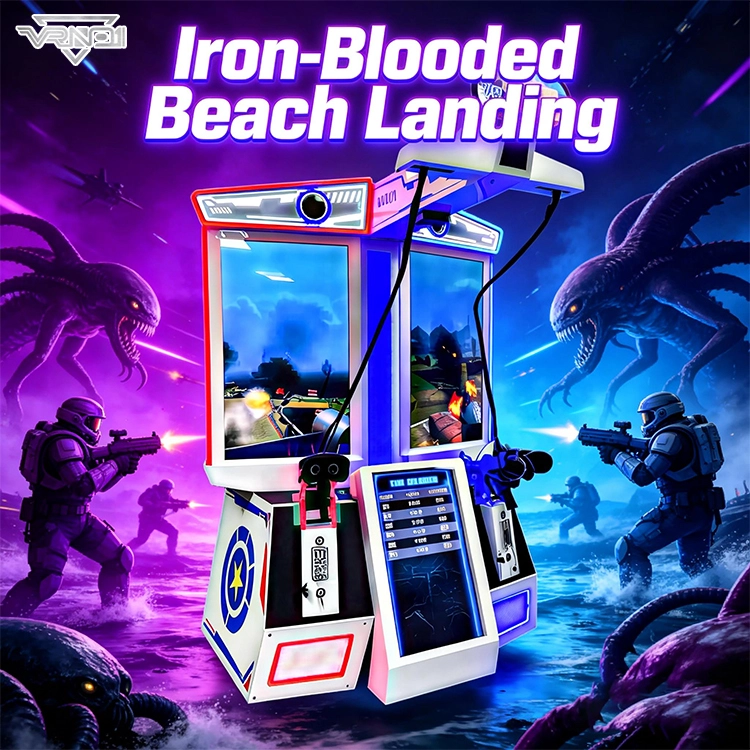
VRN0.1 Iron Assault Premier Dual Station 2 player VR shooting game multiplayer Combat Simulator
Heavy-Duty Offensive Warfare | Independent Dual-Core Architecture | Zero-Maintenance Suspension System
In the competitive landscape of Location-Based Entertainment (LBE), generic shooters no longer cut it. Enter the VR NO.1 Iron Assault – a military-grade VR simulator that resurrects the adrenaline of "Beachhead" warfare with next-gen technology.
Engineered by VR NO.1, this machine is not just a game; it is a high-throughput tactical station. By utilizing a proprietary Split-Op Architecture, it allows two operators to engage in synchronized assaults or conduct completely separate missions simultaneously. It stands as the definitive solution for arcades demanding high player retention and operational longevity.
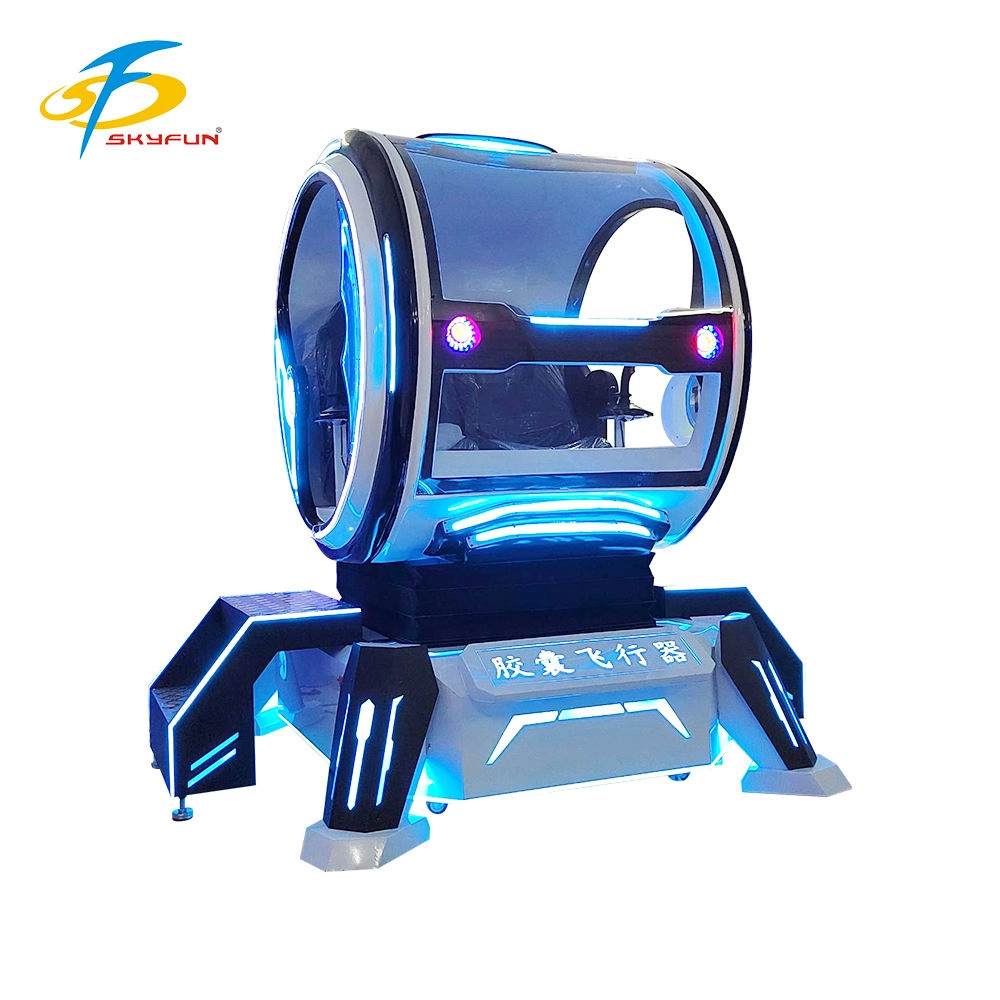
Double Player VR Flight Simulator 100 Movies 15 Games Coin-Operated Game Machine for Shopping Malls Amusement Parks
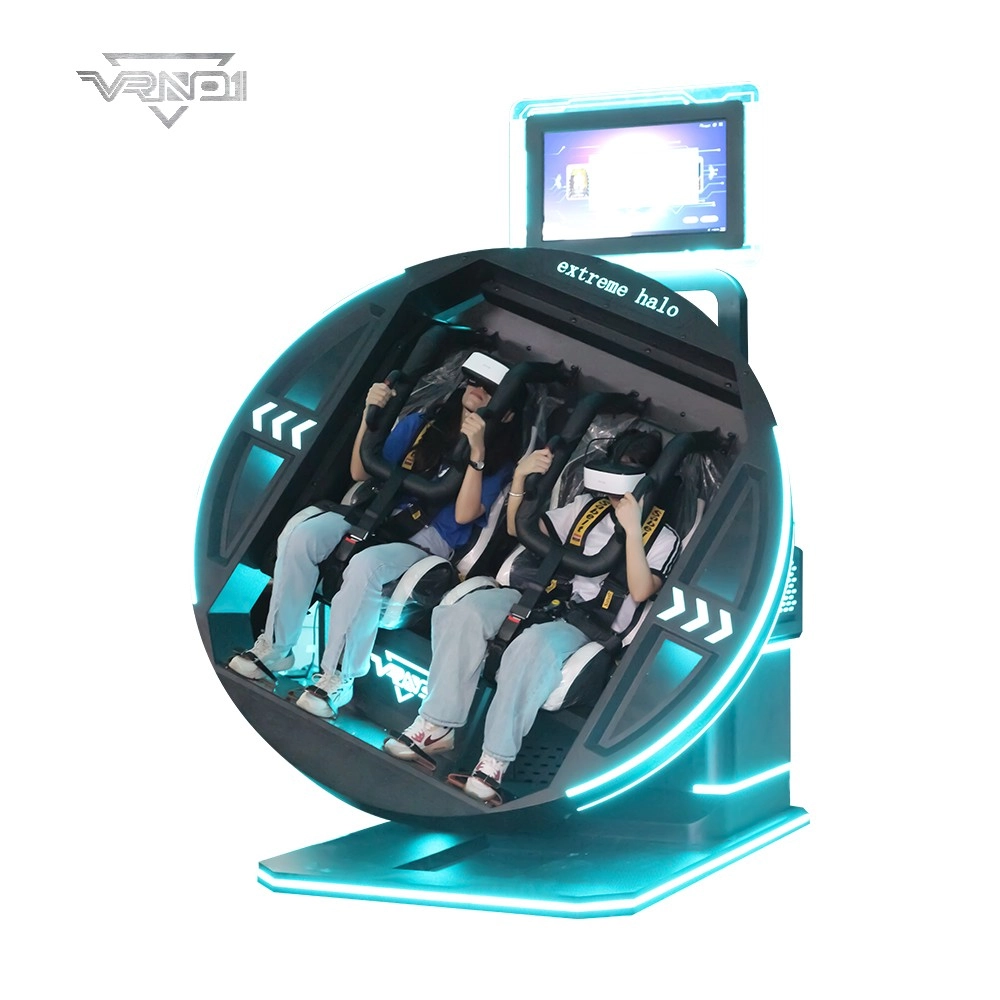
9D VR 360 Roller Coaster Cinema Chair Gaming Set Indoor/Outdoor Business Simulator Hardware for Home or School
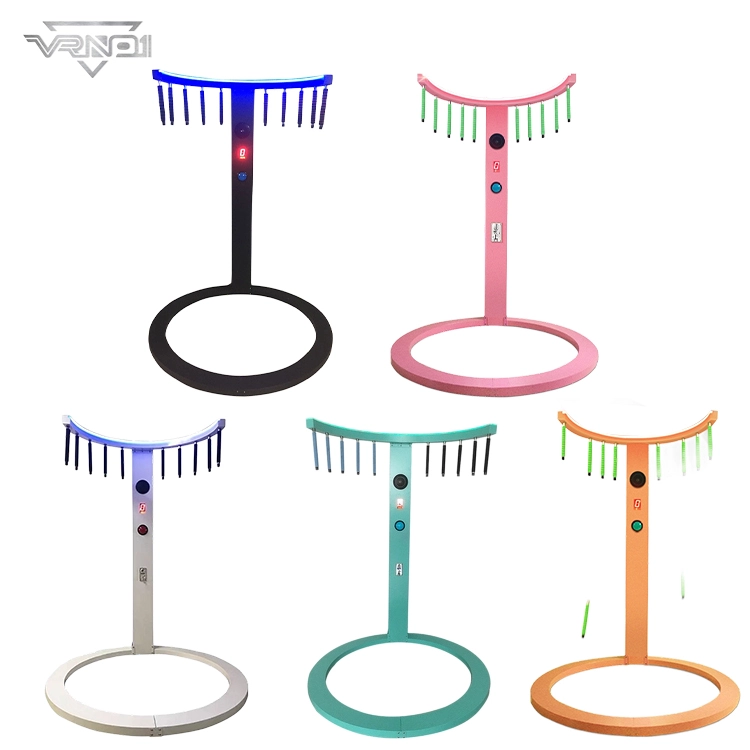
VRN0.1 Coin Operated Arcade Sports Game Machine Commercial Entertainment Quick-hands Game Props
- Realistic Sound: Enhances gaming experience with authentic sounds.
- Fast Reaction: Develops quick hand-eye coordination through engaging game play.
- DIY Kit: Allows for customization and personalization of the baton.
- Metal and Plastic Construction: Durable and robust build quality.
- Coin Operated: Fun for players who enjoy arcade-like experiences.
 Scan QR Code
Whatsapp: +8618127818571
Scan QR Code
Guangzhou Skyfun Technology Co.,Ltd
skyfunvrgame
skyfun game