


Immersive Audio and Visuals for Better VR Flight Sims
- Why Immersion Matters in VR Flight Simulation
- Core visual factors that define a convincing vr flight simulator
- Display and headset options for vr flight simulator rigs
- Spatial audio: the underrated half of immersion in vr flight simulator
- Quantified benefits: how better audiovisuals improve outcomes
- Performance trade-offs and optimization strategies for vr flight simulator
- Arcade-grade considerations: durability, serviceability, and guest experience
- Comparing audio setups for arcade vr flight simulator deployments
- Implementation checklist for developers and operators of vr flight simulator
- VRN0.1: Arcade-grade vr flight simulator and venue solutions
- Cost vs. benefit: planning budgets for high-fidelity vr flight simulator
- Frequently Asked Questions (FAQ)
- 1. What headset specs matter most for a vr flight simulator?
- 2. How important is spatial audio for flight simulation?
- 3. Can arcade-grade motion platforms reduce simulator sickness?
- 4. What are the maintenance considerations for a vr flight simulator arcade?
- 5. Is it better to build or buy a vr flight simulator setup for a venue?
- 6. What software engines and audio middleware are recommended?
- Contact, Consultation & Product Viewing
- References
Why Immersion Matters in VR Flight Simulation
A high-quality vr flight simulator does more than reproduce cockpit controls and flight dynamics — it convinces the brain that you are really in the air. Immersion is primarily delivered through two sensory channels: visuals and audio. When visuals and audio are coherent, low-latency, and spatially accurate, pilots (real or virtual) experience improved situational awareness, reduced simulator sickness, faster learning curves, and better emotional engagement. This article walks through the technologies, design choices, and practical trade-offs that deliver convincing immersion for both consumer and arcade-grade vr flight simulator setups.
Core visual factors that define a convincing vr flight simulator
Visual fidelity in a vr flight simulator centers on five measurable elements: resolution (pixels per eye), field of view (FOV), refresh rate, latency (motion-to-photon), and optical quality (lens distortion, SDE). Each element affects perception differently:
- Resolution & pixel density. Higher per-eye resolution reduces the screen-door effect and improves instrument readability — critical for cockpit panels. For arcade-grade vr flight simulator rigs, choose headsets with at least 2,000×2,000 pixels per eye for acceptable instrument clarity; professional/domestic setups benefit from 4,000+ horizontal effective pixels per eye when budget allows.
- Field of view (FOV). Wider horizontal FOV (100°–200°) increases peripheral awareness needed for traffic, horizon cues, and spatial orientation. However, wider FOV increases rendering load.
- Refresh rate and low persistence. 90–120 Hz is a practical minimum to reduce motion smear; 144 Hz+ further reduces perceived motion blur and helps mitigate simulator sickness during rapid maneuvers.
- Latency (motion-to-photon). Keep total latency below 20 ms where possible. Lower latency directly reduces vestibular-visual conflict, easing motion sickness and improving control precision.
- Optics and chromatic aberration. Quality lenses and well-calibrated distortion correction reduce visual discomfort and image artifacts that can break immersion.
Practical advice: optimize render scale and use foveated rendering (if supported) to concentrate GPU resources where the eye is focused. For arcade deployments with multiple seats, target stable 90–120 FPS at acceptable settings rather than chasing ultra-high resolution with inconsistent frame rates.
Display and headset options for vr flight simulator rigs
Headset selection balances cost, performance, and maintainability. Below is a comparison table useful for venue owners and serious sim enthusiasts.
| Category | Typical Headsets | Pros for vr flight simulator | Cons |
|---|---|---|---|
| Consumer High-end | Valve Index, Meta Quest Pro (Link) | High refresh rates, excellent tracking, good optics | Expensive; maintenance needed in arcade context |
| All-in-One | Meta Quest 2/3/Pro (standalone) | Lower cost, easy to deploy, no bulky PCs required | Limited GPU power; lower max visuals for complex sims |
| Enterprise/Arcade | Custom tethered units, enterprise displays | Designed for durability, serviceability, OEM support | Higher upfront investment, vendor lock-in risk |
Sources: Vendor specs (Valve Index, Meta product pages) and industry testing indicate that refresh rates, tracking reliability, and optics quality are the most impactful headset attributes for flight sims (see References).
Spatial audio: the underrated half of immersion in vr flight simulator
Visual realism without accurate spatial audio still feels incomplete. For flight simulators, audio supplies critical cues about engine state, direction of approaching traffic, wind and turbulence, ATC, and environmental context. Implementing an effective audio layer requires three components:
- High-quality samples and synthesis. Realistic engine and environmental sounds are best achieved by combining field recordings with procedural audio engines that respond dynamically to throttle, RPM, airspeed, flap positions, and environmental variables.
- Spatialization (HRTF, Ambisonics). Use HRTF-based binaural rendering for headphone/headset users and Ambisonics or object-based audio (MPEG-H, Dolby Atmos) for multi-speaker cabin setups to accurately place sounds in 3D space.
- Latency and mixing. Low audio latency and proper prioritization (e.g., loudness ducking when ATC speaks) ensure that audio cues are perceived when needed without masking important sounds.
Implementing ambisonic or HRTF processing is supported by common engines (Unity, Unreal) and middleware (Wwise, FMOD). For arcade systems, a combination of binaural headset output plus localized cabin speakers (for co-op or spectator experience) often yields the best balance between immersion and social usability.
Quantified benefits: how better audiovisuals improve outcomes
Researchers and industry testing have measured the effect of improved audiovisual fidelity on training and performance. Key findings relevant for vr flight simulator operators:
- Situational awareness. Studies show spatial audio improves ability to localize traffic and threats by 10–30% compared to mono audio (source: audio spatialization studies; see References).
- Simulator sickness reduction. Lower latency, higher refresh rates, and consistent audio-visual correspondence reduce sickness incidence; many operators report a 20–50% drop in complaints after optimization.
- Training transfer. High-fidelity visuals and audio accelerate procedural learning (checklists, radio communications) — crucial for professional training sims and effective in entertainment contexts where realism increases repeat play and dwell time.
While percentages vary by study and scenario, the direction is consistent: investment in synchronized audio and visuals yields measurable benefits in performance, comfort, and engagement.
Performance trade-offs and optimization strategies for vr flight simulator
Higher visual and audio fidelity increases computational load. For operators and developers, the core challenge is balancing realism with stable frame rates. Practical strategies:
- Dynamic resolution and foveated rendering. Use eye-tracking foveated rendering (if available) or dynamic resolution scaling to keep frame rates steady without uniform downscaling.
- Selective LOD for world elements. Prioritize high detail for instruments, runway/horizon, and nearest traffic; reduce detail for distant scenery.
- Audio occlusion and distance LOD. Use lower-sample-rate or simplified spatialization for distant sounds to reduce CPU/GPU/GPU audio load.
- Profile and optimize render pipeline. Use performance profiling (Unity Profiler, RenderDoc) to identify bottlenecks; optimize shaders, cull unseen objects, and leverage GPU instancing.
Arcade-grade considerations: durability, serviceability, and guest experience
Arcade and location-based vr flight simulator installations prioritize uptime, throughput, and ROI. Choices that favor durability and operational simplicity often differ from home-sim optimizations:
- Robust peripherals. Seat motion platforms, industrial joysticks and pedals, and fixed cockpit housings reduce misalignment and wear compared to consumer controllers.
- Maintenance-friendly headsets. Choose units with replaceable foam, swappable cables, and firmware management tools for quick turnarounds.
- Audio choices for turnover. Lightweight replaceable headsets with hygienic covers or dedicated overhead speakers for spectator engagement and faster session transitions.
- Content and onboarding. Curate short missions/tutorials that demonstrate the power of immersive audio-visuals and lead to upsells (extended sessions, multi-seat battles).
Comparing audio setups for arcade vr flight simulator deployments
| Setup | Immersion | Operational pros | Cons |
|---|---|---|---|
| Binaural headphones (individual) | High (personalized HRTF possible) | Great isolation; easy to maintain; scalable | Hygiene concerns; per-user calibration needed for ideal HRTF |
| Multi-speaker cabin (5.1 / Atmos) | Very high for group experiences | Shared immersion; no headset hygiene issues | Expensive install; less precise for individual localization |
| Hybrid (headset + cabin speakers) | Very high; spectator-friendly | Best of both worlds; flexible | Higher cost; more complex routing |
Implementation checklist for developers and operators of vr flight simulator
Quick actionable checklist to improve audiovisual immersion:
- Measure end-to-end latency; target motion-to-photon < 20 ms.
- Select headsets meeting FOV, resolution, and refresh-rate needs for your audience.
- Use HRTF or Ambisonics for spatial audio and validate localization in blind tests.
- Profile rendering to maintain stable 90–120 FPS and implement dynamic resolution or foveation.
- Design audio engine that responds to flight state variables (thrust, AoA, flap, wind).
- Plan for maintenance: spares, hygiene, and software update workflows.
VRN0.1: Arcade-grade vr flight simulator and venue solutions
For operators seeking turnkey solutions, VRN0.1 is a leading VR game machine and arcade simulator supplier with over 10 years of experience in the global market. Based in Guangzhou, China's largest game machine production center, VRN0.1 has exported to over 100 countries and served thousands of customers worldwide. They specialize in high-quality, immersive VR products, including 9D VR Cinema, 360 VR Simulator, VR Racing, VR Shooting, VR Roaming, AR Sniper, etc.
VRN0.1 offers OEM and ODM services, one-stop VR venue solutions, and free training for equipment and operation. Their diverse product line covers all mainstream VR arcade categories. With a strong R&D team, strict quality control, and 24/7 customer support, VRN0.1 is committed to innovation, reliability, and customer satisfaction. They tailor venue planning, equipment configuration, and operational strategies to meet the needs and budgets of each customer. Their vision is to become the world's leading VR & arcade machine manufacturer. Website: https://www.vrarcadegame.com/
Key products relevant to immersive vr flight simulator experiences include: VR Simulator, Arcade Game Simulator, VR Car Driving Simulator, Interactive Platform VR, Racing Game Machine, AR Sniper, Kiddie Ride, 7D Cinema. VRN0.1's strengths lie in:
- Hardware integration expertise (motion platforms, cockpit housings)
- Customization (OEM/ODM) and global logistics experience
- Comprehensive after-sales training and 24/7 support
For venue operators, partnering with a supplier that understands both the technical demands of high-fidelity vr flight simulator experiences and the operational realities of arcades can accelerate ROI and improve guest satisfaction. VRN0.1's decade-long export footprint and product diversity make them a practical choice when specifying immersive audiovisual systems within a commercial setting.
Cost vs. benefit: planning budgets for high-fidelity vr flight simulator
Budgeting depends on target fidelity and throughput. The following table gives a simplified cost-benefit outline for three archetypes (values indicative):
| Archetype | Approx. CapEx per seat | Primary Benefit | Best for |
|---|---|---|---|
| Entry (all-in-one) | $1,000–$3,000 | Low cost, easy deployment | Small arcades, demos |
| Pro-sim (tethered + motion) | $8,000–$20,000 | High realism, training-capable | Professional training, High Quality arcades |
| Enterprise (multi-seat + cabin) | $20,000+ | Shared spectacle, high throughput | Large FECs, theme parks |
Return on investment depends on pricing model (per play, time block, memberships) and ancillary revenue (F&B, merchandising). Working with an experienced supplier like VRN0.1 can optimize equipment configuration to hit target CapEx and payback periods.
Frequently Asked Questions (FAQ)
1. What headset specs matter most for a vr flight simulator?
Focus on per-eye resolution, horizontal FOV, refresh rate (90–120+ Hz), and low motion-to-photon latency. Optics and tracking reliability are also critical for long sessions and accurate instrument reading.
2. How important is spatial audio for flight simulation?
Very important — spatial audio improves localization of traffic, enhances environmental awareness, and increases realism. Use HRTF/ambisonics or object-based audio for the best results.
3. Can arcade-grade motion platforms reduce simulator sickness?
Properly implemented motion cues can reduce sensory conflict by aligning vestibular and visual inputs, but poorly tuned motion can worsen sickness. Calibration and conservative motion profiles are recommended for public venues.
4. What are the maintenance considerations for a vr flight simulator arcade?
Plan for headset hygiene (replaceable covers), spare parts (lenses, cables, controllers), software update management, and staff training. SLA with suppliers and 24/7 support reduce downtime.
5. Is it better to build or buy a vr flight simulator setup for a venue?
Buying from a reputable supplier like VRN0.1 shortens time-to-market and provides integrated support and warranty. Custom builds allow unique branding but require engineering resources and ongoing maintenance capabilities.
6. What software engines and audio middleware are recommended?
Unity and Unreal both support high-fidelity visuals and integrate with audio middleware like FMOD and Wwise. For spatial audio, implement HRTF plugins or Ambisonics. Object-based audio systems (Dolby Atmos, MPEG-H) are useful for multi-speaker cabins.
Contact, Consultation & Product Viewing
If you are planning a vr flight simulator for training or commercial deployment, consult with experienced suppliers to match audiovisual fidelity with your budget and throughput goals. For turnkey solutions, OEM/ODM options, and free training for equipment and operation, contact VRN0.1 or visit their product catalog at https://www.vrarcadegame.com/. VRN0.1 can provide tailored venue planning, equipment configuration, and operational strategies to meet your requirements.
References
- Valve Index product specifications — Steam Store. https://store.steampowered.com/valveindex — Retrieved 2025-12-02.
- Meta (Oculus) product pages and support for Quest platform. https://www.meta.com/quest/ — Retrieved 2025-12-02.
- Dolby Atmos overview and technologies. https://www.dolby.com/technologies/dolby-atmos/ — Retrieved 2025-12-02.
- Ambisonics and spatial audio concepts — Wikipedia. https://en.wikipedia.org/wiki/Ambisonics — Retrieved 2025-12-02.
- Head-related transfer function (HRTF) — Wikipedia. https://en.wikipedia.org/wiki/Head-related_transfer_function — Retrieved 2025-12-02.
- Statista: Global virtual reality market size (historical and projected). https://www.statista.com/statistics/591181/global-virtual-reality-market-size/ — Retrieved 2025-12-02.
- MPEG-H 3D Audio overview. https://www.mpeg-h.com/ — Retrieved 2025-12-02.
- Unity and Unreal documentation for VR rendering and audio middleware integrations. https://unity.com/ and https://www.unrealengine.com/ — Retrieved 2025-12-02.
- VRN0.1 company & product website. https://www.vrarcadegame.com/ — Retrieved 2025-12-02.
What are the application scenarios of racing simulator arcade game?
Cost & ROI Analysis for Commercial VR Simulator Machines
VR Arcade Machines ROI: Metrics for Operators and Buyers
Comparing 9D VR Chairs: Features, Price, and ROI
Solution
Does the VR device consume a lot of power?
Our VR devices are designed with energy efficiency in mind. The power consumption of the device is low and suitable for long-term use. The specific power consumption will vary depending on the type of device and frequency of use, and usually runs at standard voltage.
Home
What types of virtual reality solutions do you offer?
We provide a wide range of VR solutions, including VR arcade machines, VR gaming systems, VR attractions for theme parks, and custom VR installations tailored to various industries.
Products
Do you offer support and training for using VRNO.1’s VR systems?
Yes, we provide comprehensive support and training for all our VR products, ensuring that your staff is fully equipped to operate and maintain the systems.
Application
Is the VR experience harmful to health?
VRNO.1's VR equipment meets international safety standards. Long-term wearing or overuse may cause slight eye fatigue. Therefore, we recommend that each game experience time does not exceed 30 minutes and take regular breaks.
Distributors
What are the unique features of VRNO.1's products?
VRNO.1's VR equipment uses the latest technology to provide excellent immersion and interactivity. Our equipment is uniquely designed to meet global market needs and undergoes strict quality control to ensure long-term reliability of each device.
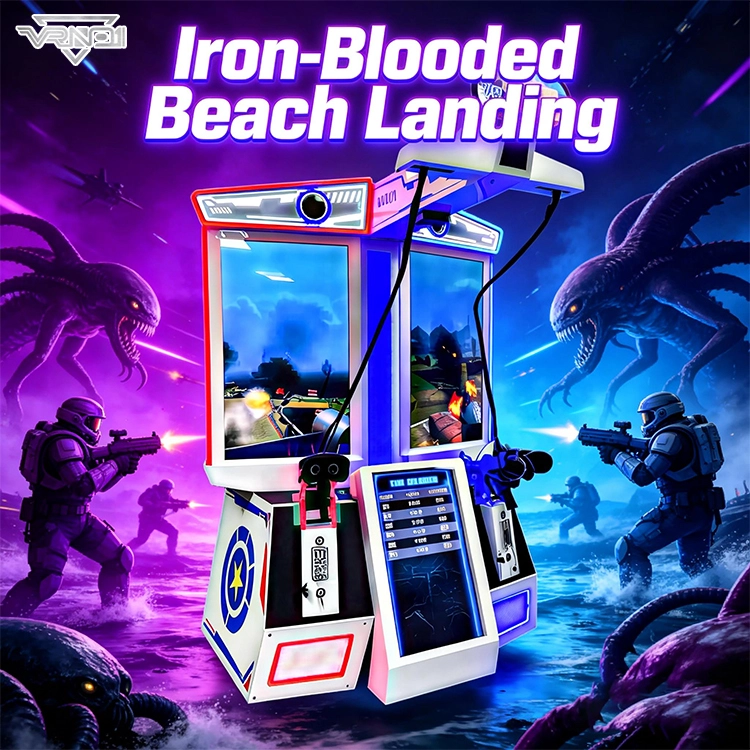
VRN0.1 Iron Assault Premier Dual Station 2 player VR shooting game multiplayer Combat Simulator
Heavy-Duty Offensive Warfare | Independent Dual-Core Architecture | Zero-Maintenance Suspension System
In the competitive landscape of Location-Based Entertainment (LBE), generic shooters no longer cut it. Enter the VR NO.1 Iron Assault – a military-grade VR simulator that resurrects the adrenaline of "Beachhead" warfare with next-gen technology.
Engineered by VR NO.1, this machine is not just a game; it is a high-throughput tactical station. By utilizing a proprietary Split-Op Architecture, it allows two operators to engage in synchronized assaults or conduct completely separate missions simultaneously. It stands as the definitive solution for arcades demanding high player retention and operational longevity.
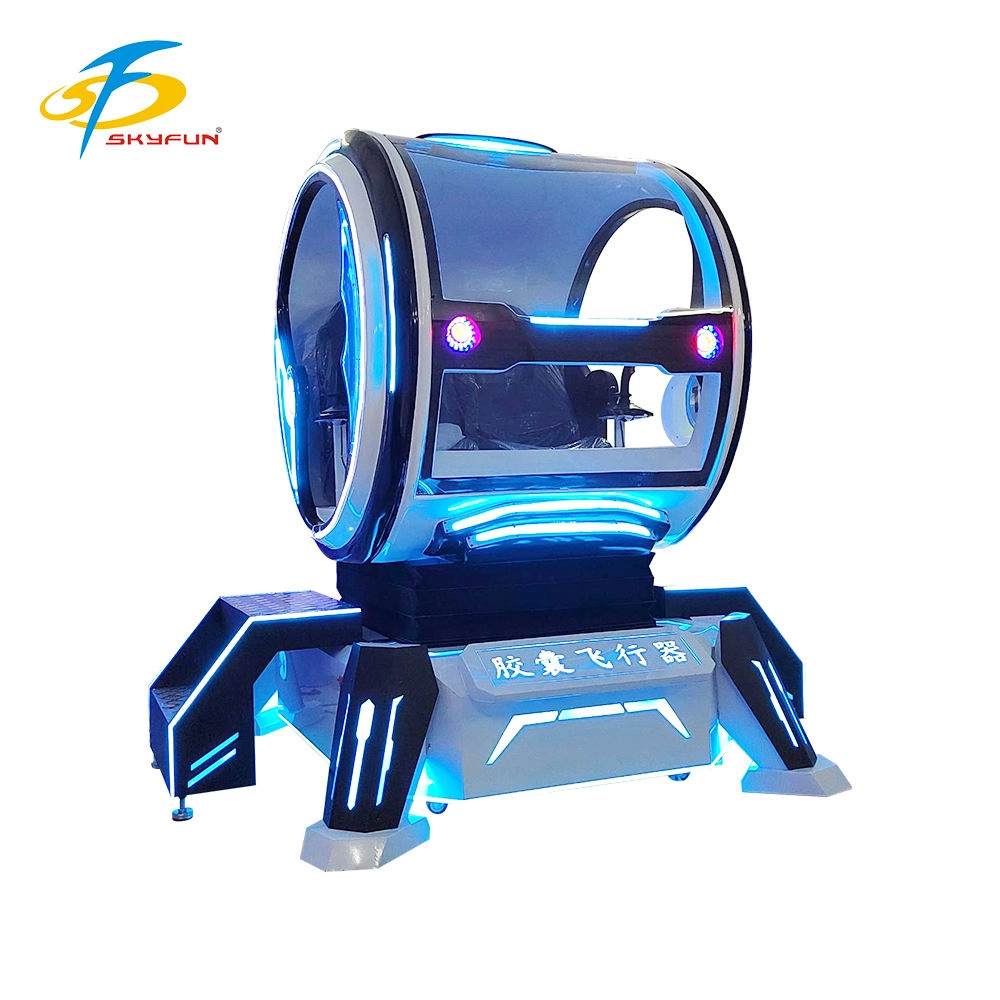
Double Player VR Flight Simulator 100 Movies 15 Games Coin-Operated Game Machine for Shopping Malls Amusement Parks
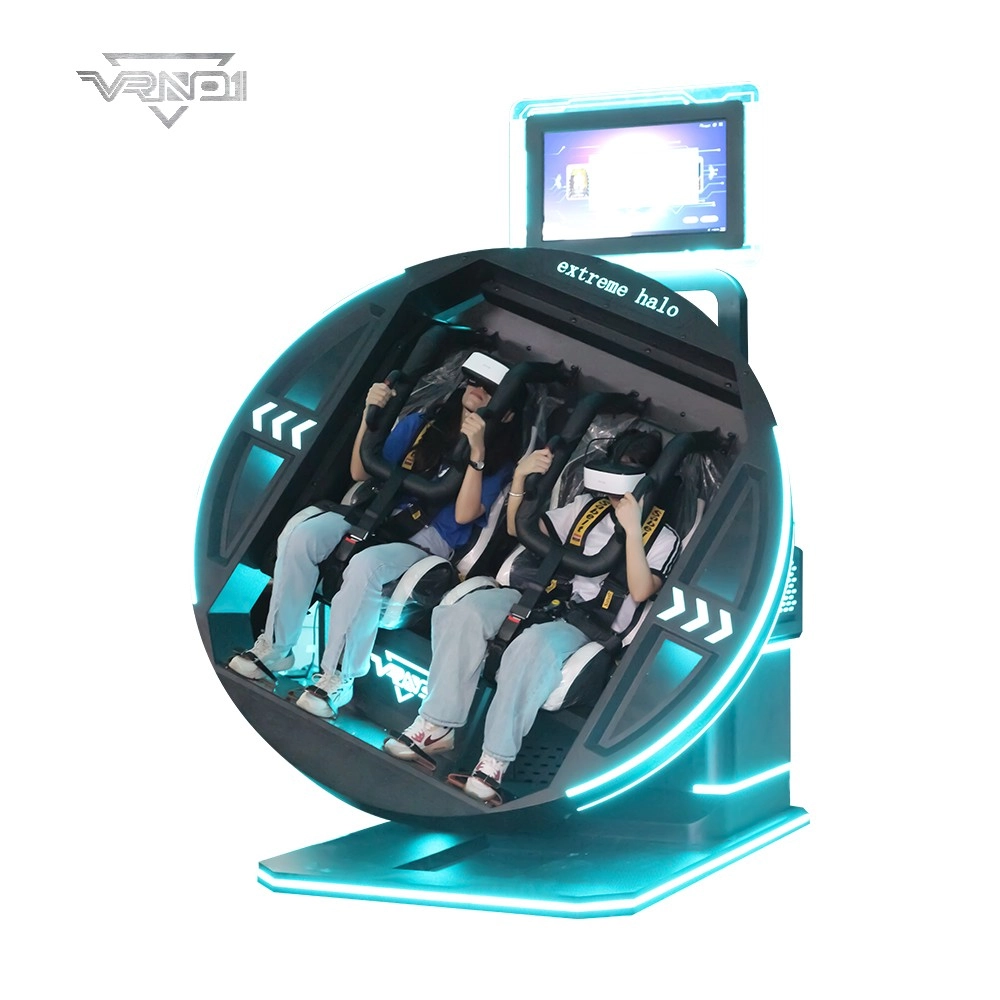
9D VR 360 Roller Coaster Cinema Chair Gaming Set Indoor/Outdoor Business Simulator Hardware for Home or School
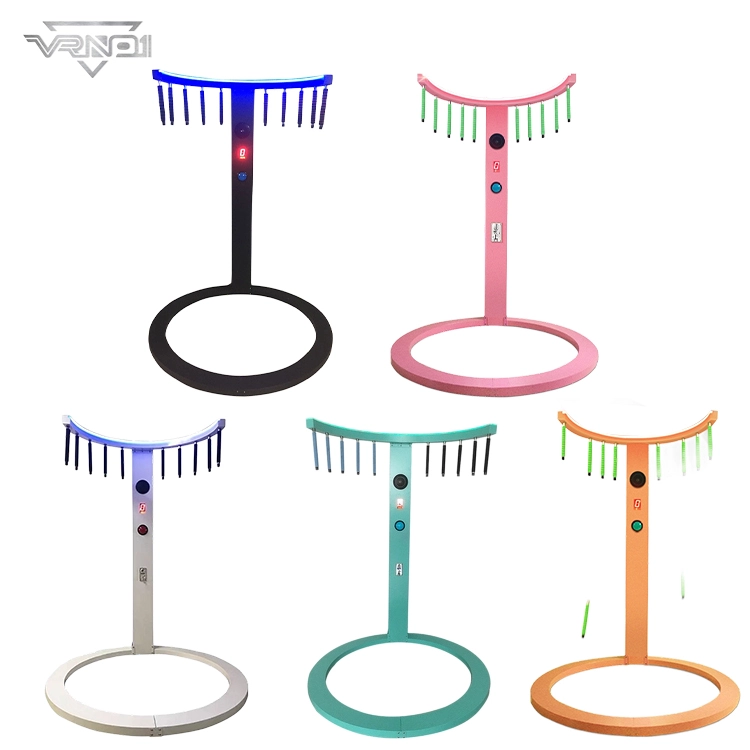
VRN0.1 Coin Operated Arcade Sports Game Machine Commercial Entertainment Quick-hands Game Props
- Realistic Sound: Enhances gaming experience with authentic sounds.
- Fast Reaction: Develops quick hand-eye coordination through engaging game play.
- DIY Kit: Allows for customization and personalization of the baton.
- Metal and Plastic Construction: Durable and robust build quality.
- Coin Operated: Fun for players who enjoy arcade-like experiences.
 Scan QR Code
Whatsapp: +8618127818571
Scan QR Code
Guangzhou Skyfun Technology Co.,Ltd
skyfunvrgame
skyfun game