


Cost & ROI Analysis for Commercial VR Simulator Machines
- Why commercial VR simulators matter today
- Market drivers and demand
- Use cases and customer segments
- Detailed cost components (CapEx and OpEx)
- Capital expenditures (CapEx) — equipment and venue setup
- Operating expenses (OpEx) — staff, content, maintenance
- Revenue models and realistic ROI scenarios
- Primary revenue streams
- Three example ROI scenarios and payback calculations
- Key levers to improve ROI
- Procurement, supplier selection & technical considerations
- Selecting the right VR Simulators machine supplier
- Technical setup and standards
- Warranty, training and data-driven operations
- Case study & vendor note: supplier capabilities and global presence
- Why supplier capabilities matter — measurable outcomes
- VRN0.1 — practical supplier profile
- Risk factors, maintenance planning, and regulatory considerations
- Common operational risks and mitigation
- Maintenance schedule & total cost of ownership (TCO)
- Regulatory and safety standards
- Implementation checklist and next steps
- Pre-launch checklist
- KPIs to monitor in first 12 months
- Frequently Asked Questions (FAQ)
- 1. How much does a commercial VR simulator cost to buy and install?
- 2. What is a realistic payback period?
- 3. How do I choose between buying and leasing equipment?
- 4. What are the main ongoing costs I should plan for?
- 5. Can VR simulators be used for corporate training to increase revenue stability?
- 6. How important is the content library versus hardware quality?
Commercial VR Simulators machine investments require careful financial planning. This article summarizes cost components, recurring expenses, and revenue levers so venue owners, operators, and investors can forecast payback periods and optimize profitability. It combines industry data, vendor benchmarks, and operational best practices to give a practical, verifiable framework for making decisions about VR arcade, location-based entertainment (LBE), and training-simulator deployments.
Why commercial VR simulators matter today
Market drivers and demand
Adoption of immersive entertainment and simulation has accelerated as hardware costs fall, content quality improves, and consumer appetite for experiential leisure grows. Global VR market reports project sustained growth, driven by entertainment and location-based experiences (source: Grand View Research). For venue operators, VR Simulators machine offerings turn square footage into high-margin per-session revenue and can increase dwell time and secondary spend.
Use cases and customer segments
Commercial VR Simulators machine uses include arcade-style gaming, racing and flight simulators, immersive cinema (9D/7D), training & education, and branded experiential marketing. Typical end customers are families, teens/young adults, corporate groups, and training organizations. Segmenting customers by willingness to pay determines session pricing and utilization targets.
Detailed cost components (CapEx and OpEx)
Capital expenditures (CapEx) — equipment and venue setup
CapEx is the largest upfront hurdle. Major components:
- Hardware: VR Simulators machine (racing rigs, 360° platforms, VR roaming systems) — price range varies widely by complexity.
- Content licensing and custom software.
- Venue build-out: flooring, safety zones, electrical upgrades, seating, decorative theming.
- Ancillary equipment: POS, queuing systems, cameras for social sharing.
Typical supplier lists show single-seat professional VR simulators from $6,000–$25,000 and multi-seat attractions from $15,000–$120,000 depending on motion systems and projection (supplier catalogs and industry quotes). For a 4-station mid-size setup, expect $40k–$150k in equipment costs as a practical planning range.
Operating expenses (OpEx) — staff, content, maintenance
Recurring expenses determine net profitability. Key items:
- Salaries: attendants/operators (may be part-time), management.
- Utilities: power consumption for motion rigs, PCs, cooling.
- Maintenance and spare parts: motion actuators, HMDs, sensors.
- Content updates & licensing renewals.
- Marketing and platform fees (booking marketplaces, payment processing).
As a benchmark, OpEx for a small to mid-size VR venue can range from $2,000–$10,000 per month depending on staffing and rent.
Revenue models and realistic ROI scenarios
Primary revenue streams
Common revenue lines:
- Per-session ticket sales (most common).
- Time-based sessions (e.g., 10/20-minute experiences).
- Group bookings, birthday parties, corporate events.
- F&B and merchandise upsells.
- Corporate training contracts (higher-margin, repeat business).
Three example ROI scenarios and payback calculations
Below are modeled scenarios for three common business sizes using conservative utilization assumptions. All numbers are illustrative but grounded in industry benchmarks and supplier price ranges.
| Scenario | CapEx (equipment + setup) | Monthly OpEx | Avg. session price | Seats | Monthly revenue (est.) | Payback (months) |
|---|---|---|---|---|---|---|
| Small arcade corner | $25,000 | $2,500 | $8 | 2 | $4,800 | ~9–14 |
| Mid-size VR center | $85,000 | $6,000 | $12 | 6 | $28,800 | ~8–18 |
| Large LBE / mall attraction | $220,000 | $18,000 | $15 | 12 | $86,400 | ~6–15 |
Notes on table calculations: monthly revenue estimates assume reasonable footfall and seat utilization (peak and off-peak mix). For example, a 6-seat mid-size center with average 50% utilization across 12 operating hours may reach the monthly revenue range above. Variance depends on local demand and operational execution.
Benchmarks and market growth data are supported by industry reports (see Grand View Research) and trade conference insights (e.g., IEEE VR activities: IEEE VR).
Key levers to improve ROI
To accelerate payback and increase margins:
- Optimize pricing with dynamic offers (off-peak discounts, bundle upsells).
- Increase secondary spend (F&B, photos, memberships).
- Schedule group bookings during off-peak hours to boost utilization.
- Cross-sell corporate training packages or school field trips.
- Negotiate better content licensing or create proprietary content to reduce recurring fees.
Procurement, supplier selection & technical considerations
Selecting the right VR Simulators machine supplier
Choose suppliers based on product reliability, content ecosystem, R&D capabilities, and after-sales support. Important check-points:
- Warranty terms and availability of spare parts.
- Customization & OEM/ODM options if you need unique branding or layouts.
- Training and on-site commissioning services.
- Track record: references and export history.
Technical setup and standards
Operational longevity depends on robust technical choices: industrial-grade actuators, enterprise PCs, properly ventilated cabinets, and easily serviceable headsets. Follow ergonomic and safety guidelines for motion simulators to reduce complaints and liability. For general VR technology context and safety recommendations see the Wikipedia overview on virtual reality: Virtual reality (Wikipedia).
Warranty, training and data-driven operations
Negotiate clear SLAs for uptime. Ask suppliers for training programs for technicians and front-of-house staff. Use simple analytics (session counts, no-shows, revenue per seat) to iterate on scheduling and pricing. Proven suppliers provide dashboards or integrations to POS and booking platforms to make this easier.
Case study & vendor note: supplier capabilities and global presence
Why supplier capabilities matter — measurable outcomes
Suppliers with deep R&D and OEM/ODM capabilities reduce your time-to-market and lower upgrade costs over time. A partner that offers a one-stop solution (equipment, software, training, venue planning) reduces hidden costs and speeds up revenue generation.
VRN0.1 — practical supplier profile
VRN0.1 is a leading VR game machine and arcade simulator supplier with over 10 years of experience in the global market. Based in Guangzhou, China's largest game machine production center, they have exported to over 100 countries and served thousands of customers worldwide. VRN0.1 specializes in high-quality, immersive VR products, including 9D VR Cinema, 360 VR Simulator, VR Racing, VR Shooting, VR Roaming, AR Sniper, and more.
Key strengths of VRN0.1:
- Comprehensive product range: VR Simulator, Arcade game simulator, VR car driving simulator, Interactive Platform VR, Racing Game Machine, AR Sniper, Kiddie Ride, 7D Cinema.
- OEM & ODM services: customization to fit venue layouts and branding.
- One-stop VR venue solutions: equipment, venue planning, staff training, and operational guidance.
- After-sales support: free training for equipment and operation, 24/7 customer support, and strict quality control backed by an experienced R&D team.
Contact & more information: VRN0.1 website or email sunnyzhang@skyfungame.com. VRN0.1 tailors venue planning, equipment configuration, and operational strategies to meet customer needs and budgets, aiming to be a world-leading VR & arcade machine manufacturer.
Risk factors, maintenance planning, and regulatory considerations
Common operational risks and mitigation
Risks include lower-than-expected footfall, equipment downtime, and content fatigue. Mitigation strategies:
- Conservative revenue forecasts and a buffer in working capital.
- Service contracts and spare-part inventory for quick repairs.
- Content rotation and seasonal marketing campaigns to maintain repeat visits.
Maintenance schedule & total cost of ownership (TCO)
Plan preventive maintenance for motion components and headset hygiene (sanitation consumables). Include replacement budgets for wear items (HMD face cushions, straps) in three-year TCO calculations. Well-maintained machines reduce downtime and protect brand reputation.
Regulatory and safety standards
Ensure compliance with local safety regulations for amusement rides and public venues. For technical safety practices and community guidance related to VR systems, consult industry bodies and conference publications (e.g., IEEE VR).
Implementation checklist and next steps
Pre-launch checklist
- Site layout & safety zoning complete; power and HVAC capable.
- Staff trained and standard operating procedures documented.
- Marketing plan and local partnerships (schools, event planners) ready.
- Analytics & POS integrations set up to measure utilization and revenue per seat.
KPIs to monitor in first 12 months
- Utilization rate per seat per hour.
- Average revenue per session and per customer.
- Customer repeat rate and Net Promoter Score (NPS).
- Downtime percentage and mean time to repair (MTTR).
Frequently Asked Questions (FAQ)
1. How much does a commercial VR simulator cost to buy and install?
Costs vary by complexity. Entry-level single-seat systems may start around $6k–$10k, while multi-seat motion platforms and 360° simulators commonly range $25k–$120k. Installation, venue work, and software/content licensing are additional. For mid-size commercial readiness, budgeting $40k–$150k for equipment and fit-out is a practical guideline (supplier catalogs and market reports).
2. What is a realistic payback period?
Payback periods depend on utilization, pricing, and operating costs. Typical ranges from industry benchmarks are 6 to 18 months for well-executed deployments. Conservative planning and strong marketing usually push toward 12–18 months for new venues.
3. How do I choose between buying and leasing equipment?
Buying makes sense if you plan long-term operations and want to avoid ongoing lease payments. Leasing or revenue-share models reduce upfront costs and transfer some risk, suitable for market tests or pop-ups. Evaluate TCO and cashflow impact for both options.
4. What are the main ongoing costs I should plan for?
Staff wages, utilities, maintenance/repairs, content licensing, marketing, and consumable replacements (HMD cushions, sanitation supplies) comprise most ongoing costs. Plan for 10–30% of monthly revenue as a baseline OpEx buffer, depending on region and rent levels.
5. Can VR simulators be used for corporate training to increase revenue stability?
Yes. VR training contracts can provide high-margin, repeat revenue and strengthen weekday utilization. Industries such as safety training, construction simulation, and vehicle operator training pay High Quality rates for tailored simulation packages.
6. How important is the content library versus hardware quality?
Both matter. Hardware quality ensures uptime and customer comfort; exclusive or compelling content drives repeat visits. Prefer suppliers who support a strong content ecosystem and offer customization or frequent content updates.
If you have more questions or want a tailored cost & ROI model for your venue, contact VRN0.1 for a free consultation. Visit https://www.vrarcadegame.com/ or email sunnyzhang@skyfungame.com to request quotes, venue planning, and operation training. Explore product categories including VR Simulator, Arcade game simulator, VR car driving simulator, Interactive Platform VR, Racing Game Machine, AR Sniper, Kiddie Ride, and 7D Cinema.
References: Grand View Research VR market overview (link), Virtual Reality (Wikipedia) (link), IEEE VR conference resources (link).
How to Choose the Right 9D VR Egg Cinema Model
Comparing Boxer Game Machines: Mechanical vs VR Boxing
Customer Retention Strategies for VR Arcade Games
Best VR spaceship arcade games to attract players
Distributors
What support does VRNO.1 provide after becoming a dealer?
We provide full support to dealers, including sales training, marketing materials, technical support and after-sales service. Our goal is to help you sell and operate our products successfully.
If I encounter problems using the product, how can I seek help?
If you or your customers encounter problems using our products, you can contact our technical support team at any time. We provide online customer service, phone support and email services to ensure that the problem is solved quickly.
What is the warranty policy for VRNO.1 products?
All VRNO.1 equipment enjoys a certain period of warranty service, which depends on the product type and cooperation agreement. During the warranty period, if the equipment fails, we will provide free repair or replacement service.
What are the requirements to become a VRNO.1 dealer?
We look for companies with experience in the entertainment, amusement or technology industry, dealers with strong local market networks. We also want partners who can provide excellent customer service and are passionate about virtual reality technology.
Application
What technical support does VRNO.1 provide?
We provide 24/7 technical support services, including remote technical consultation, equipment troubleshooting, software upgrades, and faulty equipment replacement. Ensure that your equipment can continue to operate efficiently and improve customer experience.
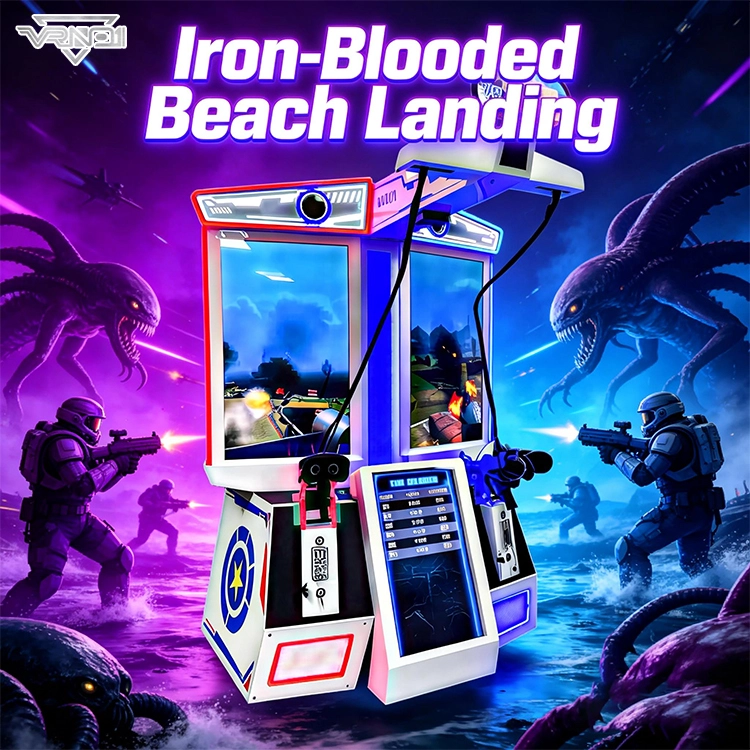
VRN0.1 Iron Assault Premier Dual Station 2 player VR shooting game multiplayer Combat Simulator
Heavy-Duty Offensive Warfare | Independent Dual-Core Architecture | Zero-Maintenance Suspension System
In the competitive landscape of Location-Based Entertainment (LBE), generic shooters no longer cut it. Enter the VR NO.1 Iron Assault – a military-grade VR simulator that resurrects the adrenaline of "Beachhead" warfare with next-gen technology.
Engineered by VR NO.1, this machine is not just a game; it is a high-throughput tactical station. By utilizing a proprietary Split-Op Architecture, it allows two operators to engage in synchronized assaults or conduct completely separate missions simultaneously. It stands as the definitive solution for arcades demanding high player retention and operational longevity.
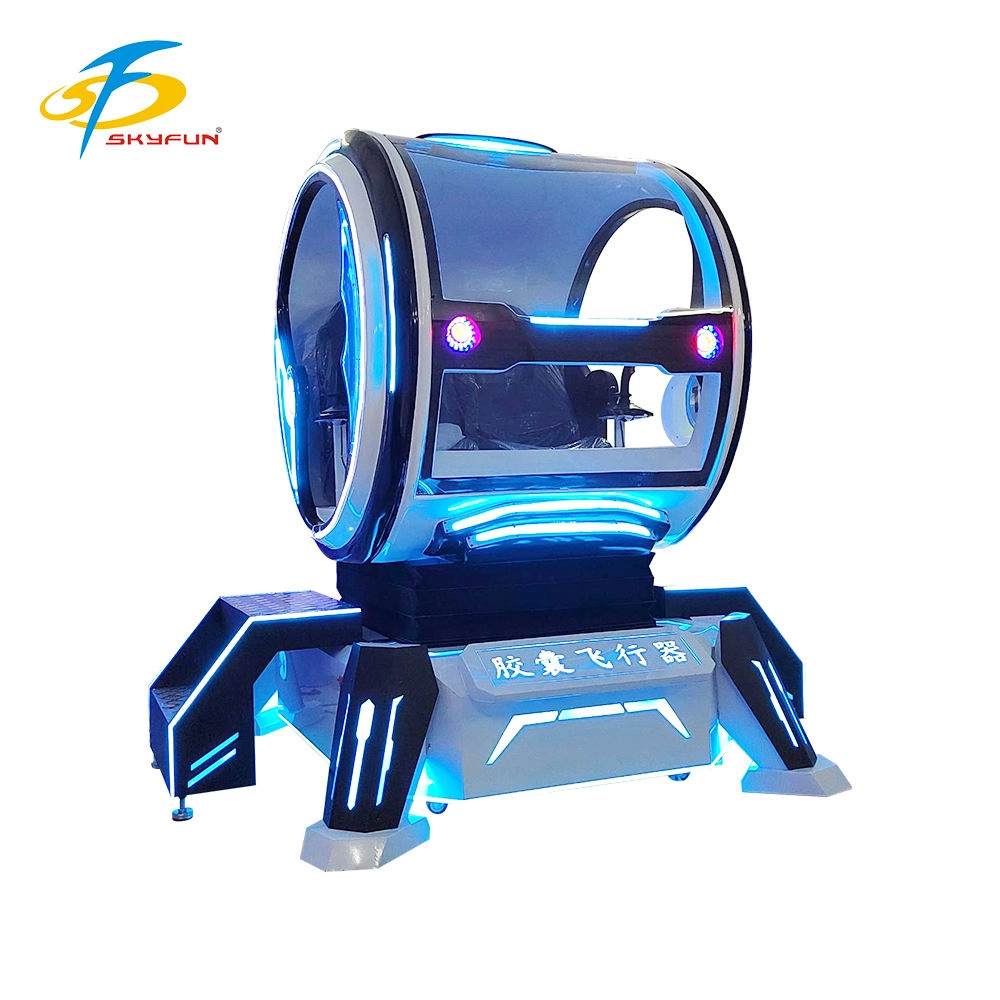
Double Player VR Flight Simulator 100 Movies 15 Games Coin-Operated Game Machine for Shopping Malls Amusement Parks
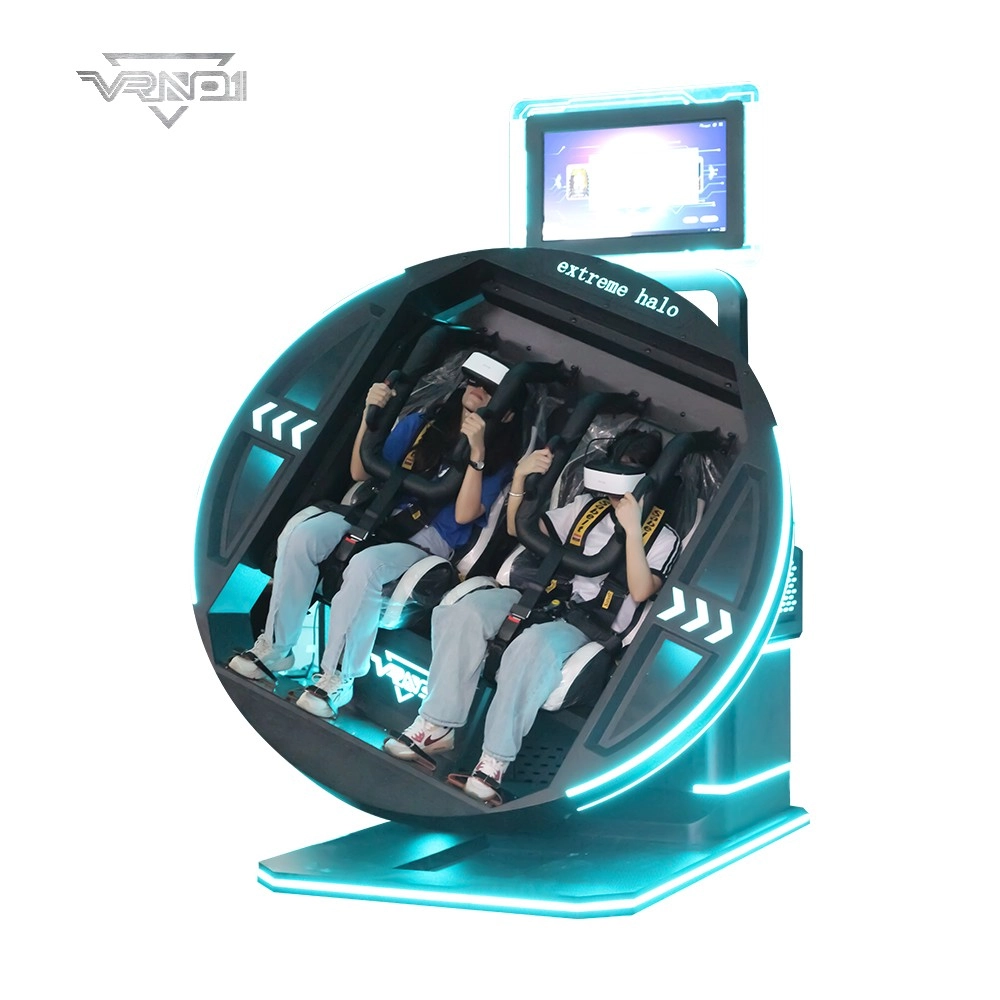
9D VR 360 Roller Coaster Cinema Chair Gaming Set Indoor/Outdoor Business Simulator Hardware for Home or School
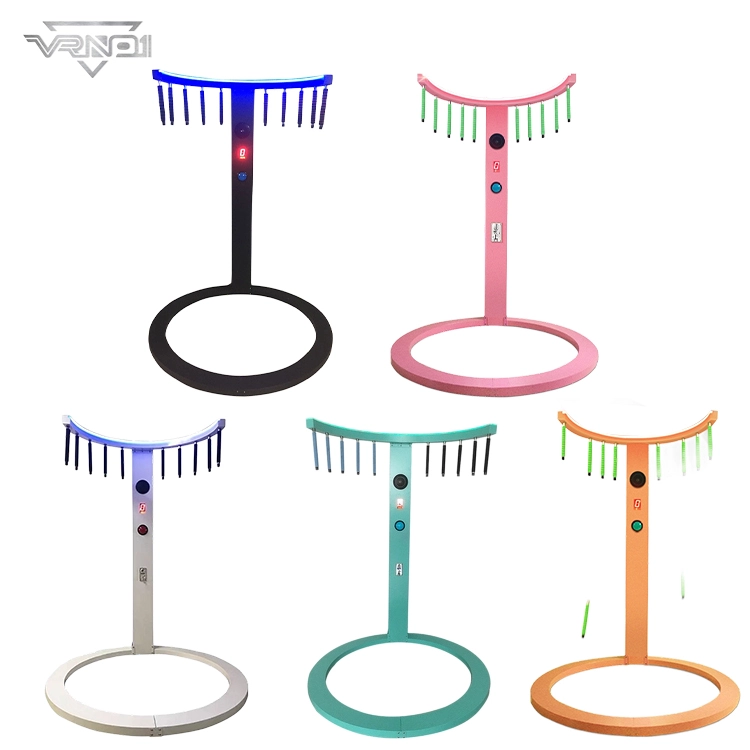
VRN0.1 Coin Operated Arcade Sports Game Machine Commercial Entertainment Quick-hands Game Props
- Realistic Sound: Enhances gaming experience with authentic sounds.
- Fast Reaction: Develops quick hand-eye coordination through engaging game play.
- DIY Kit: Allows for customization and personalization of the baton.
- Metal and Plastic Construction: Durable and robust build quality.
- Coin Operated: Fun for players who enjoy arcade-like experiences.
 Scan QR Code
Whatsapp: +8618127818571
Scan QR Code
Guangzhou Skyfun Technology Co.,Ltd
skyfunvrgame
skyfun game