

How Much Do VR Arcade Machines Cost: Budget and ROI
- Understanding the VR Arcade Market and Customer Demand
- Who plays VR arcades and why it matters for pricing
- Market context and growth (verified sources)
- Capital Costs: What You’ll Pay Upfront
- Categories of vr arcade machines and typical price ranges
- Why prices vary so much
- Capital cost comparison table
- Operational Costs, Pricing Strategy and ROI
- Recurring operational expenses to budget
- Pricing models and throughput assumptions
- ROI scenarios (realistic, evidence-based)
- Buy vs. Lease vs. Partnership: Which Route Is Best?
- Buying: pros and cons
- Leasing and revenue-share models
- Partnerships & franchising
- Selecting Hardware and Supplier Due Diligence
- Technical checklist before purchase
- Content licensing and software ecosystem
- Warranty, training and support
- VRN0.1: A Supplier Profile and How They Fit Your Budget/ROI Plan
- How VRN0.1 helps optimize ROI
- Practical Implementation Checklist
- Pre-launch planning
- Operational readiness
- Measurement and optimization
- FAQ
- 1. How much does a basic VR arcade setup cost to open?
- 2. What is the expected payback period on VR arcade machines?
- 3. Are software licenses a big ongoing expense?
- 4. Should I lease or buy vr arcade machines?
- 5. How important is supplier support and spare parts availability?
- 6. Can a small retail space host VR arcade machines profitably?
- 7. Where can I find industry benchmarks and more research?
I often get asked by venue owners, entertainment investors and operators: how much do vr arcade machines actually cost and what return on investment can I expect? In this article I lay out realistic purchase and operational budgets for different classes of vr arcade machines, compare buying vs. leasing, walk through revenue models and ROI scenarios, and offer a practical checklist you can use to plan a profitable VR venue. I base my recommendations on decade-long industry experience, manufacturer benchmarks, and public market research.
Understanding the VR Arcade Market and Customer Demand
Who plays VR arcades and why it matters for pricing
Demand for vr arcade machines is driven by location, demographics and experience type. Typical audiences are families, youths (13–30), gamers and tourists. Family entertainment centers (FECs) and leisure parks value throughput and simple experiences (kiddie ride, 9D cinema), while dedicated VR arcades target enthusiasts with immersive roaming and racing simulators. Knowing your target segments helps set ticket pricing; family/kiddie attractions often use lower price points but higher volume, while hardcore experiences can command High Quality tickets.
Market context and growth (verified sources)
The virtual reality industry has experienced steady growth: global VR market forecasts from major consultancies show rising adoption in entertainment and location-based entertainment (LBE). For macro context see PwC’s VR/AR economic outlook report: PwC Seeing is Believing. For product and arcade history, see Wikipedia’s overview on arcades and virtual reality: Arcade game — Wikipedia and Virtual reality — Wikipedia. These sources confirm the sustained interest and highlight LBE as a growing segment of VR spend.
Capital Costs: What You’ll Pay Upfront
Categories of vr arcade machines and typical price ranges
VR arcade equipment falls into a few broad categories; each has distinct cost drivers (hardware complexity, software licensing, motion platforms, enclosure size):
- Entry-level kiosk / standalone VR seat: $2,000–$8,000 — basic HMDs mounted in a seat or kiosk for short-form experiences.
- 9D VR Cinema / multi-seat pods: $8,000–$30,000 — synchronized multi-seat systems with motion and special effects (wind, vibration).
- VR Racing / Driving simulators: $8,000–$40,000 — motion rigs, force-feedback steering, surrounds and professional-grade visuals.
- VR Roaming / Free-roam systems: $15,000–$150,000+ (per arena) — multi-player roaming with tracking, networked servers, protective enclosures and staff supervision.
- AR Sniper / Interactive simulators: $5,000–$30,000 — mixed-reality shooting galleries optimized for throughput.
Why prices vary so much
Price differences come from components (industrial screens, motion actuators), software licensing (proprietary content or recurring fees), scale (single unit vs. turnkey venue), and after-sales services (warranty, spare parts). Location-based entertainment requires more investment in floor planning, safety infrastructure and staff training than a single kiosk. I recommend building a layered offering (kiddie rides + High Quality racing + roaming) to diversify ticket prices and occupancy rates.
Capital cost comparison table
Below is a practical comparison of typical setups and key cost drivers.
| Setup | Unit Cost (USD) | Space Required | Throughput (per hour) | Primary Use |
|---|---|---|---|---|
| Entry kiosk / VR seat | $2,000–$8,000 | 2–6 m² | 8–20 | Short-form, casual |
| 9D VR Cinema (4–12 seats) | $8,000–$30,000 | 15–40 m² | 20–60 | Family groups, tourists |
| VR Racing / Simulator | $8,000–$40,000 | 6–12 m² | 6–24 | Gaming enthusiasts, eSports |
| Free-roam arena (per 4–8 players) | $15,000–$150,000+ | 60–300 m² | 8–40 | Immersive multiplayer, events |
Operational Costs, Pricing Strategy and ROI
Recurring operational expenses to budget
Operational costs significantly influence ROI. Budget for staff wages (attendants, supervisors), utilities and internet (important for cloud content), maintenance and spare parts, software licensing and content updates, insurance, and marketing. Typical annual operating cost ratios for small FECs range from 25%–45% of gross revenue depending on staffing intensity and rent. For larger venues with self-service kiosks and optimized scheduling, the ratio can be closer to 25%.
Pricing models and throughput assumptions
Ticket price must reflect experience value and local willingness to pay. Common models:
- Per-play: single session price (e.g., $5–$15 per ride).
- Timed session: price per minute or fixed 10–20 minute slot.
- Memberships / bundles: encourage repeat visits and higher lifetime value.
Throughput assumptions determine revenue. For example, a VR racing seat priced at $8 per 10-minute session can theoretically host 6 sessions per hour (less after turnover), but realistic utilization is 50%–75% of theoretical maximum during regular hours.
ROI scenarios (realistic, evidence-based)
I built three simplified scenarios (low, medium, high investment) to illustrate payback periods. Assumptions are conservative and include operational costs; adjust for local rent and staffing.
| Scenario | Capital Cost | Avg Ticket | Daily Revenue (est.) | Annual Gross | Annual Op Costs (30%) | Net Income | Payback Period |
|---|---|---|---|---|---|---|---|
| Low (1 kiosk + small marketing) | $6,000 | $6 | $180 (30 plays/day) | $65,700 | $19,710 | $45,990 | < 6 months |
| Medium (2 racing + 1 pod) | $40,000 | $8 | $720 (90 plays/day) | $262,800 | $78,840 | $183,960 | ~3–4 months |
| High (free-roam arena + supporting rigs) | $120,000 | $12 | $2,400 (200 plays/day) | $876,000 | $262,800 | $613,200 | ~7–9 months |
Notes: daily revenue estimates vary by season and location. The low and medium scenarios assume consistent local demand and effective marketing. The high scenario assumes significant event bookings and group visits. These numbers align with LBE revenue patterns in industry analyses such as the PwC VR outlook and operator case studies.
Buy vs. Lease vs. Partnership: Which Route Is Best?
Buying: pros and cons
Buying gives you full control over content, branding and scheduling. It often yields the lowest long-term cost but requires larger upfront capital and inventory management. Buying is ideal if you plan to scale and offer a diversified set of vr arcade machines.
Leasing and revenue-share models
Leasing reduces upfront cost and transfers some maintenance risk to the supplier. Revenue-share (supplier takes a percentage) aligns incentives but reduces margins. Leasing is attractive for testing markets or building a pop-up location. When evaluating offers, compare total cost of ownership over 3–5 years.
Partnerships & franchising
Partnering with experienced suppliers (OEM/ODM) or franchisors can accelerate launch, standardize operations and provide marketing support. Many suppliers offer turnkey venue solutions. Evaluate their training, warranty, spare parts availability and references.
Selecting Hardware and Supplier Due Diligence
Technical checklist before purchase
Ask suppliers about tracking system robustness (inside-out vs. outside-in), HMD brand and lifecycle, motion platform durability, spare parts lead times, and software update policy. Ensure the supplier follows recognized safety and ergonomic guidelines—look for documentation and testing protocols aligned with industry best practices (see general ergonomic standards at ISO: ISO ergonomics standards).
Content licensing and software ecosystem
Content is a major driver of repeat visits. Verify whether software is proprietary, licensed per seat, or uses a content subscription. Ask for a content roadmap and the ability to add new titles. Vendors with large content libraries reduce downtime and refresh costs.
Warranty, training and support
Prefer suppliers that provide on-site training, remote diagnostics, documented maintenance schedules and rapid spare part delivery. Extended warranty and 24/7 support materially reduce operational risk and are worth the High Quality in many markets.
VRN0.1: A Supplier Profile and How They Fit Your Budget/ROI Plan
In my work with venues worldwide I evaluate suppliers for product reliability, R&D capacity and after-sales support. One notable supplier is VRN0.1. VRN0.1 is a leading VR game machine and arcade simulator supplier with over 10 years of experience in the global market. Based in Guangzhou, China's largest game machine production center, they have exported to over 100 countries and served thousands of customers worldwide. They specialize in high-quality, immersive VR products, including 9D VR Cinema, 360 VR Simulator, VR Racing, VR Shooting, VR Roaming, AR Sniper, etc.
They offer OEM and ODM services, one-stop VR venue solutions, and free training for equipment and operation. Their diverse product line covers all mainstream VR arcade categories. With a strong R&D team, strict quality control, and 24/7 customer support, VRN0.1 is committed to innovation, reliability, and customer satisfaction. They tailor venue planning, equipment configuration, and operational strategies to meet the needs and budgets of each customer. Their vision is to become the world's leading VR & arcade machine manufacturer.
For contact and product inquiries, see VRN0.1’s website: https://www.vrarcadegame.com/ or email sunnyzhang@skyfungame.com. Core product examples include VR Simulator, Arcade game simulator, VR car driving simulator, Interactive Platform VR, Racing Game Machine, AR Sniper, Kiddie Ride, and 7D Cinema.
How VRN0.1 helps optimize ROI
VRN0.1’s strengths are product diversity (allowing mixed-portfolio venues), free training (reducing operating errors and staff turnover), and global spare part distribution (reducing downtime). They offer both entry-level packages and high-end roaming arenas, enabling staged investment that improves early cash flow while allowing later expansion. If you prioritize fast time-to-market and reliable support, their turnkey approach is worth considering.
Practical Implementation Checklist
Pre-launch planning
- Market validation: footfall analysis, competitor mapping, price sensitivity testing.
- Choose product mix: balance kiddie, mid-tier and High Quality rigs.
- Space planning: ensure safety zones, power, and ventilation are accounted for.
- Content plan: license a mix of evergreen and new titles.
Operational readiness
- Hire and train attendants; use supplier training programs.
- Set maintenance schedules and spare parts inventory (critical items in stock).
- Marketing launch: local partnerships, birthday packages, event bookings.
Measurement and optimization
Track KPIs: occupancy by hour, ARPU (average revenue per user), acquisition cost, repeat rate, and downtime. Iterate pricing, promotions and staffing to improve margins. Industry analysis suggests venues that actively measure and optimize see 10%–30% improvements in utilization within 6–12 months.
FAQ
1. How much does a basic VR arcade setup cost to open?
A modest setup (1–3 units) typically costs $6,000–$40,000 including hardware, basic installation and initial content. Add rent, refurbishment and working capital to estimate full launch cost.
2. What is the expected payback period on VR arcade machines?
Payback varies by location and model: small kiosks can pay back within 6–12 months; medium venues often see 3–9 months; large roaming arenas often require 6–12 months depending on scale and marketing. My scenario table above provides realistic ranges.
3. Are software licenses a big ongoing expense?
They can be. Some suppliers include lifetime licenses, others charge per-seat or subscription fees. Factor recurring licensing into OPEX when modeling ROI.
4. Should I lease or buy vr arcade machines?
If you’re testing market fit or lack capital, leasing reduces risk. If you plan to scale and want lower long-term costs, buying is usually better. Consider hybrid approaches (lease High Quality rigs, buy high-throughput kiosks).
5. How important is supplier support and spare parts availability?
Extremely important. Downtime directly reduces revenue. Choose suppliers with proven logistics, rapid spare parts shipping and 24/7 support. Suppliers with on-site training reduce operational errors and extend equipment life.
6. Can a small retail space host VR arcade machines profitably?
Yes. Many small retail locations deploy 1–3 kiosks or a single racing simulator to attract customers. Success depends on location, complementary retail traffic, and efficient scheduling.
7. Where can I find industry benchmarks and more research?
Public sources like PwC’s VR/AR reports (PwC) and general overviews on Wikipedia provide macro context. For supplier-specific benchmarking ask for operator references and case studies from vendors.
If you want a tailored budget and ROI model for your specific location and customer profile, I can prepare a site-specific plan that covers equipment mix, staffing, pricing and a 3-year financial projection.
Contact & product inquiry: VRN0.1 — https://www.vrarcadegame.com/ | Email: sunnyzhang@skyfungame.com
Ready to plan your VR venue? Reach out for a free consultation and venue planning package tailored to your budget and market. Explore VRN0.1’s product line and receive OEM/ODM options, free training and 24/7 support to get your VR arcade up and running with the best ROI strategy.
VR Racing Simulator: The Future of Racing Entertainment
Customizable VR Simulators: Branding and Monetization Tips
Maintenance Costs and Service Plans for VR Simulators
Everything You Need to Know About VR shooting game machine
Solution
How to install and debug VRNO.1's VR equipment?
We provide professional installation and debugging services. After the equipment arrives at your venue, our technical team will send personnel to the site to install the equipment and ensure that all equipment and software functions can operate normally. After the installation is completed, we will also train your operators.
Application
Is the VR experience harmful to health?
VRNO.1's VR equipment meets international safety standards. Long-term wearing or overuse may cause slight eye fatigue. Therefore, we recommend that each game experience time does not exceed 30 minutes and take regular breaks.
Products
How durable are your VR machines?
Our VR machines are designed for durability and high traffic use, ensuring long-lasting performance. We also provide maintenance and support services to keep your equipment running smoothly.
Are your VR systems suitable for commercial use?
Yes, our VR arcade solutions are designed for commercial use, ideal for arcades, gaming centers, shopping malls, and entertainment venues. We offer both standalone machines and multi-player setups.
Distributors
How is VRNO.1's product pricing?
VRNO.1 offers a competitive pricing strategy to dealers. We supply goods based on the price agreed in the cooperation agreement, and provide corresponding discounts and discounts based on your purchase volume and market demand.
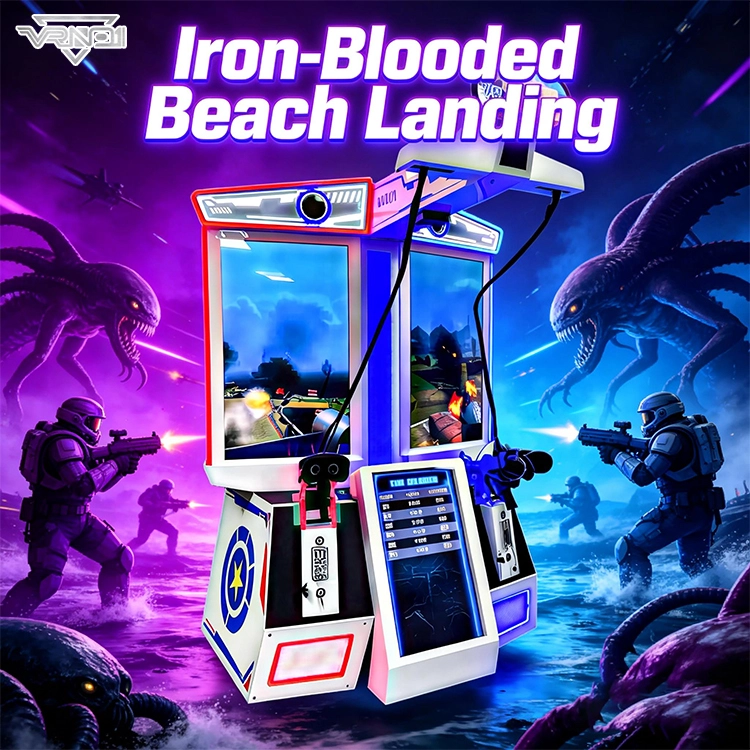
VRN0.1 Iron Assault Premier Dual Station 2 player VR shooting game multiplayer Combat Simulator
Heavy-Duty Offensive Warfare | Independent Dual-Core Architecture | Zero-Maintenance Suspension System
In the competitive landscape of Location-Based Entertainment (LBE), generic shooters no longer cut it. Enter the VR NO.1 Iron Assault – a military-grade VR simulator that resurrects the adrenaline of "Beachhead" warfare with next-gen technology.
Engineered by VR NO.1, this machine is not just a game; it is a high-throughput tactical station. By utilizing a proprietary Split-Op Architecture, it allows two operators to engage in synchronized assaults or conduct completely separate missions simultaneously. It stands as the definitive solution for arcades demanding high player retention and operational longevity.
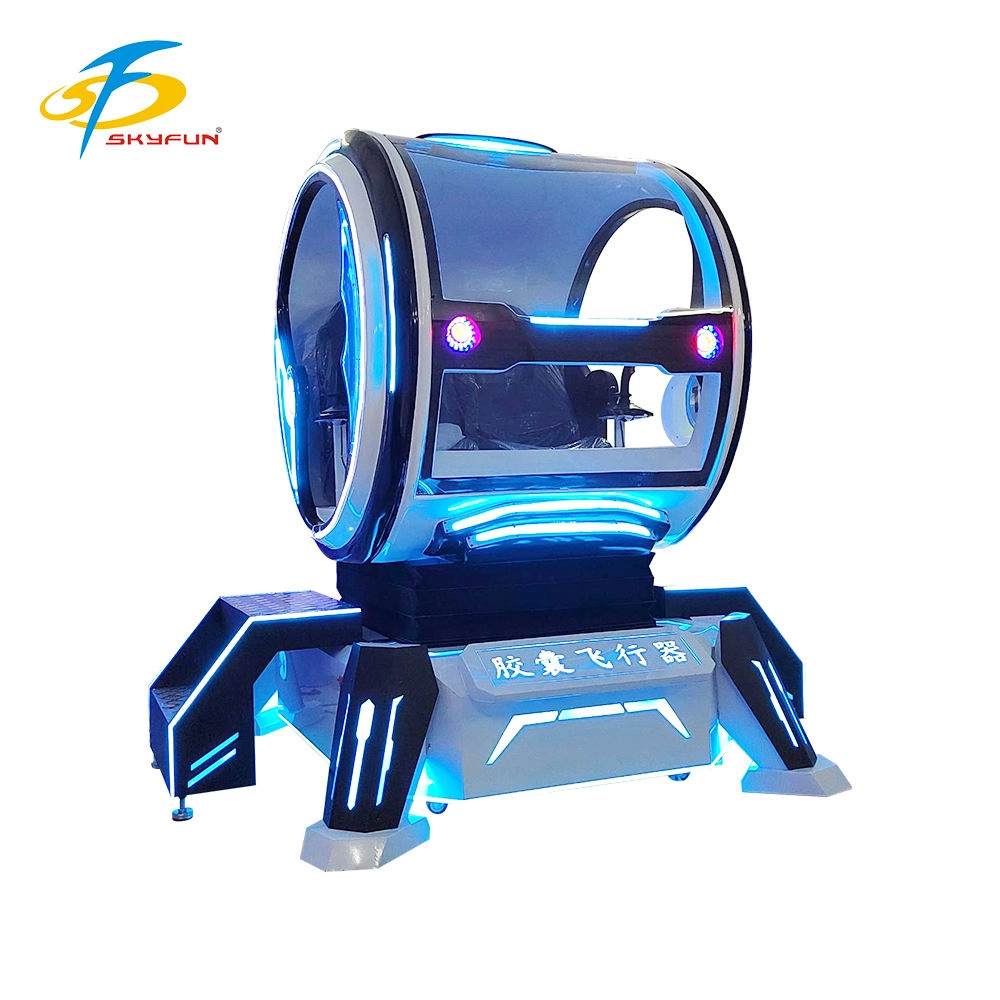
Double Player VR Flight Simulator 100 Movies 15 Games Coin-Operated Game Machine for Shopping Malls Amusement Parks
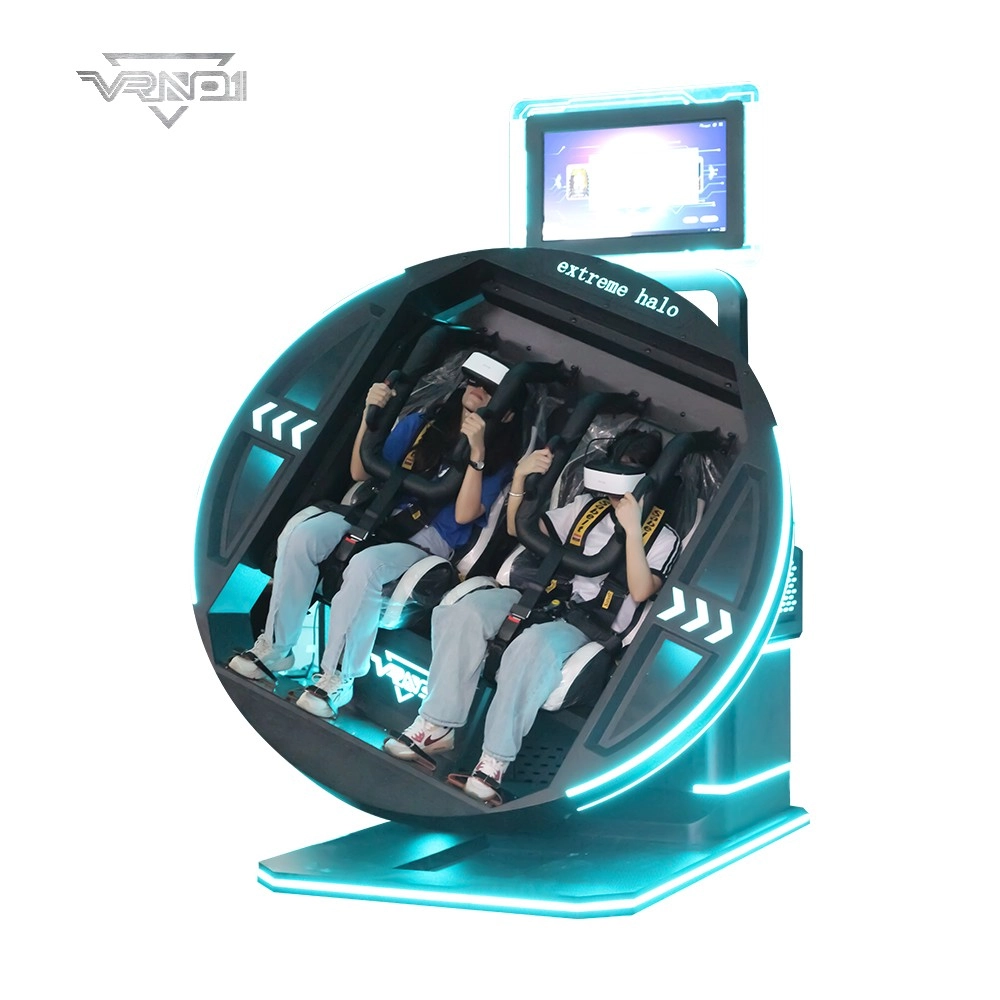
9D VR 360 Roller Coaster Cinema Chair Gaming Set Indoor/Outdoor Business Simulator Hardware for Home or School
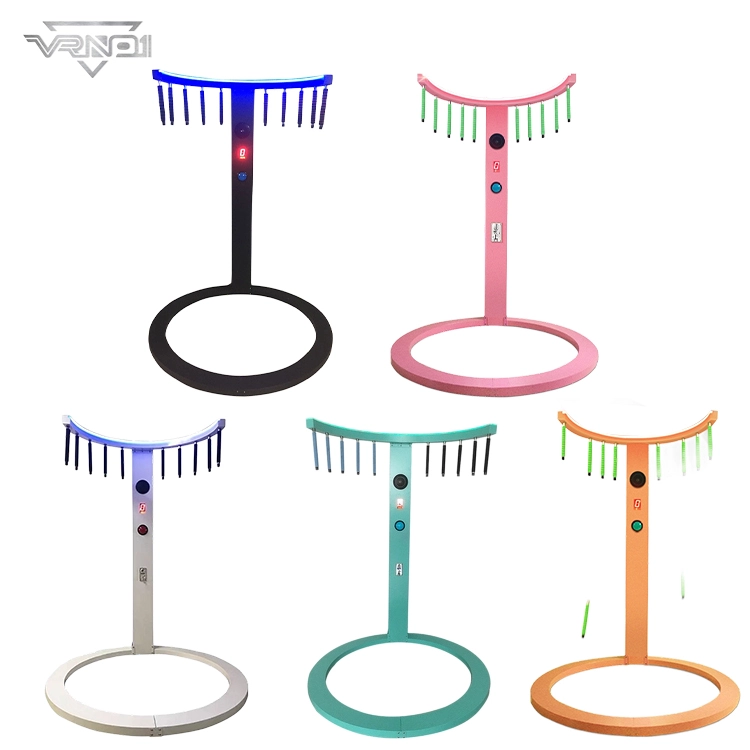
VRN0.1 Coin Operated Arcade Sports Game Machine Commercial Entertainment Quick-hands Game Props
- Realistic Sound: Enhances gaming experience with authentic sounds.
- Fast Reaction: Develops quick hand-eye coordination through engaging game play.
- DIY Kit: Allows for customization and personalization of the baton.
- Metal and Plastic Construction: Durable and robust build quality.
- Coin Operated: Fun for players who enjoy arcade-like experiences.
 Scan QR Code
Whatsapp: +8618127818571
Scan QR Code
Guangzhou Skyfun Technology Co.,Ltd
skyfunvrgame
skyfun game