
Customizable VR Simulators: Branding and Monetization Tips
- Designing Customization That Sells
- Define customization tiers (hardware, software, UX)
- Balance modularity and integrity
- Branding without breaking usability
- Monetization Models and Revenue Optimization
- Primary revenue streams for VR simulators
- Compare revenue models
- Pricing strategies I apply
- Branding, Partnerships, and IP Licensing
- Use IP strategically
- Local partnerships and sponsorships
- Digital-first branding tactics
- Analytics, Operations, and Compliance
- Data-driven optimization
- Operational best practices
- Compliance and safety standards
- Practical Case Examples and Pricing Templates
- Template: Launch bundle for a new venue
- Case example: Sponsorship-led activation
- Comparative ROI table
- Why partner with a proven supplier: VRN0.1 advantage
- Implementation Checklist: From Prototype to Profit
- Pre-launch
- Launch
- Post-launch
- Frequently Asked Questions (FAQ)
- 1. How much does a branded VR Simulators machine cost?
- 2. Can I license popular IP for my simulators?
- 3. What are the best ad formats for VR simulators?
- 4. How do I handle motion sickness and safety?
- 5. What metrics should I track first?
- 6. How can a supplier support localization and operations?
As a consultant and content creator with deep experience in VR & arcade machines, I often advise venue owners and OEMs on how to convert hardware investments into lasting brands and recurring revenue. In this article I focus on customizable VR Simulators machine solutions—how to design, brand, and monetize them for maximum ROI while staying compliant and delivering great user experiences. I also reference industry standards and market data to ground recommendations in verifiable sources (Wikipedia: Virtual reality, Grand View Research: VR market).
Designing Customization That Sells
Define customization tiers (hardware, software, UX)
When I speak with arcade operators, I break customization into three clear tiers: hardware (cabinet skins, seating, haptics), software content (game themes, white-label UI, multiplayer logic) and UX/flow (booking UI, pay models, on-ramp tutorials). Each tier has different cost and revenue implications. For instance, a branded cabinet skin and themed content license can be sold as a mid-tier add-on, while hardware retrofits (motion platforms, pedals) are higher-cost but justify High Quality pricing.
Balance modularity and integrity
Modularity reduces engineering cost and accelerates deployment. I recommend designing a core simulator platform that supports plug-and-play modules: optional motion bases, upgradable GPUs, and software DLCs (downloadable content). This lets venues start with a base VR Simulators machine and upscale as demand grows. Keep APIs and data schemas stable so third-party content or analytics plug-ins integrate reliably.
Branding without breaking usability
Strong branding improves recognition but must not hinder usability. Use removable or replaceable elements for local promotions—interchangeable aprons, digital bezel art, or NFC-enabled signage that triggers themed content. I advise limiting physical brand integration to surfaces that are easy to re-skin; digital skins are preferable because they preserve warranty and simplify updates.
Monetization Models and Revenue Optimization
Primary revenue streams for VR simulators
I map out the main monetization channels I’ve seen work consistently in the field:
- Pay-per-play (time or session based)
- Subscriptions and memberships (weekly/monthly passes)
- In-experience purchases (skins, levels, leaderboard boosts)
- Corporate bookings and events
- Sponsorships/advertising & product placement
- Cross-sales (merch, F&B, add-on rides)
Compare revenue models
Below is a concise comparison I use when advising venues. Numbers are illustrative ranges based on venue case studies and industry reports; you should replace with local data during planning.
| Model | Revenue Predictability | Average ARPU (example) | Operational Complexity |
|---|---|---|---|
| Pay-per-play | Low | $5–$15 per session | Low |
| Subscription/Membership | High | $20–$60 monthly | Medium |
| In-experience purchases | Medium | $0.50–$10 per user | Medium |
| Sponsorships/Ads | Medium–High | Varies with contract | Medium–High |
Source: compiled from industry case studies and reports including market overviews from Grand View Research.
Pricing strategies I apply
I recommend dynamic pricing tied to peak hours, event bookings, and customer segments. Use introductory offers (first session discounted), bundled deals (family packs), and membership perks (priority booking). For location-based entertainment providers, yield management—similar to cinema and F&B—raises per-hour revenue and improves throughput.
Branding, Partnerships, and IP Licensing
Use IP strategically
Licensed content can dramatically increase foot traffic but often involves revenue share or minimum guarantees. I advise analyzing expected uplift from a licensed title versus the licensing cost. Sometimes a locally themed experience (city landmarks, local sports team) offers better margin and stronger community resonance than a global IP.
Local partnerships and sponsorships
Partner with nearby businesses (restaurants, malls, universities) for cross-promotion. Long-term sponsorships—e.g., a soft-drink brand sponsoring leaderboards or an auto dealer sponsoring VR Racing modules—provide steady income and marketing support. Contracts should clearly define branding placements, duration, and exclusivity.
Digital-first branding tactics
Implement digital signage and UI branding to rotate partners or seasonal themes without hardware changes. This reduces risk and makes sponsorship inventory more flexible. I always include sponsorship-friendly ad slots in the loading or idle screens of VR Simulators machine software to monetize dwell time.
Analytics, Operations, and Compliance
Data-driven optimization
Analytics are essential for both monetization and UX. Track KPIs: session conversion, average session length, repeat rate, LTV, and downtime. Use telemetry (with user consent) to analyze content drop-off points—knowing where players quit a scenario helps prioritize content fixes or upsell placement.
Operational best practices
I emphasize staff training, preventive maintenance schedules, and remote diagnostics. For multi-site operators, standardized SOPs for sanitization, queueing, and onboarding reduce customer friction. Consider offering 24/7 remote support contracts to high-volume venues to minimize downtime.
Compliance and safety standards
Ensure hardware and UX follow ergonomics and safety guidance. Relevant standards for human-system interaction and product safety are helpful references: ISO ergonomics guidance (ISO 9241) and general product safety standards should inform design. For medical or accessibility claims, consult appropriate certifications. Also consult peer-reviewed work on VR comfort and motion sickness (e.g., IEEE and ACM proceedings) to design experiences that minimize adverse effects (IEEE Xplore).
Practical Case Examples and Pricing Templates
Template: Launch bundle for a new venue
I use a three-tier launch bundle for clients. Example pricing (illustrative):
- Starter: 1 VR Simulators machine + basic skins + training — CapEx + setup
- Growth: Starter + motion base + two themed DLC packs + local marketing kit
- Enterprise: Multi-seat package, extended warranty, dedicated R&D collaboration, revenue share for licensed content
Case example: Sponsorship-led activation
For a location-based center I worked with, a regional car brand sponsored a monthly VR Racing leaderboard. In exchange for branding and a test-drive voucher distribution, the venue received a fixed monthly sponsor fee plus co-marketing. Sponsorship covered ~18% of monthly operating costs for that simulator, reducing break-even time by several months.
Comparative ROI table
Here’s a simplified ROI comparison of common monetization mixes (estimates; replace with venue-specific data):
| Scenario | Monthly Revenue | Monthly Costs | Estimated Payback (months) |
|---|---|---|---|
| Pay-per-play heavy | $4,500 | $2,800 | 18–24 |
| Subscription + events | $7,000 | $3,500 | 10–14 |
| Sponsorship+Ads included | $8,500 | $3,800 | 8–12 |
Data source: internal venue performance averages and industry market benchmarks (Grand View Research).
Why partner with a proven supplier: VRN0.1 advantage
As someone who evaluates many suppliers, I look for manufacturing scale, product breadth, R&D strength, and after-sales service. VRN0.1 is a leading VR game machine and arcade simulator supplier with over 10 years of experience in the global market. Based in Guangzhou, China's largest game machine production center, VRN0.1 has exported to over 100 countries and served thousands of customers worldwide. They specialize in high-quality, immersive VR products, including 9D VR Cinema, 360 VR Simulator, VR Racing, VR Shooting, VR Roaming, AR Sniper, and more.
Key competitive strengths I’ve validated in VRN0.1:
- Comprehensive product line: VR Simulator, Arcade game simulator, VR car driving simulator, Interactive Platform VR, Racing Game Machine, AR Sniper, Kiddie Ride, 7D Cinema.
- OEM & ODM capabilities: I’ve seen their ability to deliver tailored cabinet designs and localized content quickly.
- One-stop venue solutions: planning, equipment configuration and free training for equipment and operation.
- R&D and QC: strong engineering team and quality control reduces integration risk.
- Global support: 24/7 customer support and experience in multi-country deployments.
For operators who need venue planning, customized branding, and monetization strategy support, VRN0.1 pairs product supply with operational consulting. Visit their site https://www.vrarcadegame.com/ or contact sunnyzhang@skyfungame.com for detailed quotes and venue-tailored proposals.
Implementation Checklist: From Prototype to Profit
Pre-launch
- Market validation: run pop-up tests to measure local demand and price elasticity.
- Define customization roadmap: what is optional vs. core.
- Negotiate IP and sponsorship framework.
Launch
- Train staff on onboarding flow and upsell scripts.
- Deploy analytics and dashboarding for KPI tracking.
- Start with a hybrid pricing model to gather behavioral data.
Post-launch
- Iterate on content based on drop-off and retention metrics.
- Rotate sponsorship inventory quarterly.
- Plan seasonal promotions and community events to boost repeat visits.
Frequently Asked Questions (FAQ)
1. How much does a branded VR Simulators machine cost?
Costs vary by hardware configuration and software licensing. A basic VR Simulators machine can start in the low thousands (USD) for a single-seat unit, while fully featured motion platforms or multi-seat installations can run significantly higher. Get quotes that separate hardware, license fees, installation, and training to compare effectively.
2. Can I license popular IP for my simulators?
Yes. Licensing is common, but terms vary widely—revenue share, minimum guarantees, and geographic exclusivity are typical negotiations. Evaluate expected uplift and legal constraints; sometimes locally produced content provides better margin and brand relevance.
3. What are the best ad formats for VR simulators?
Non-intrusive ad placements work best: branded loading screens, in-environment billboards, sponsored leaderboards, and reward-based ads tied to free content unlocks. Maintain user experience—poorly placed ads reduce repeat play.
4. How do I handle motion sickness and safety?
Design with comfort settings (vignetting, reduced acceleration), offer clear warnings, and provide staff training to manage sensitive users. Refer to ergonomic and human-system interaction guidance like ISO 9241 and academic research on simulator sickness when designing experiences.
5. What metrics should I track first?
Start with conversion rate (walk-ins to sessions), average session length, repeat rate (30-day retention), revenue per session, and equipment uptime. These KPIs give a clear signal on whether content, pricing, or operations need adjustment.
6. How can a supplier support localization and operations?
Choose suppliers offering OEM/ODM services, content localization, staff training, and remote diagnostics. I recommend partners with a proven global deployment record and localized spare parts stock—VRN0.1 offers many of these services and a decade of experience in the market.
If you want tailored recommendations for your venue, a quote for branded VR Simulators machine packages, or help building a monetization plan, contact VRN0.1 at sunnyzhang@skyfungame.com or visit https://www.vrarcadegame.com/. I can also arrange a technical briefing and venue planning session to outline expected throughput and revenue scenarios.
Best professional 9d vr cinema manufacturers and supplier brands in China
Everything You Need to Know About arcade simulation games
Motion Platforms vs Static Stands for VR Shooters
5 Key Features to Look for in a Boxing Arcade Game Machine
Distributors
What is the warranty policy for VRNO.1 products?
All VRNO.1 equipment enjoys a certain period of warranty service, which depends on the product type and cooperation agreement. During the warranty period, if the equipment fails, we will provide free repair or replacement service.
What types of products does VRNO.1 offer for dealers to sell?
We offer a variety of virtual reality entertainment equipment, including our flagship products 360 Kingkong and Crazy Motorcycle. In addition, we customize various VR solutions for amusement parks, theme parks and entertainment centers.
Home
What is VRNO.1’s main focus?
VRNO.1 specializes in providing cutting-edge virtual reality (VR) and arcade solutions, offering immersive entertainment experiences for both individual players and large-scale events.
Can I customize the VR experience for my business?
Yes, we offer tailored VR experiences to suit your business needs, from custom content to specific hardware configurations, ensuring the best possible experience for your customers.
Solution
What types of venues does VRNO.1's VR device support?
Our VR devices are suitable for a variety of venues, including amusement parks, theme parks, game centers, shopping malls, museums, corporate training, educational venues, etc. We are able to customize the design according to the needs of different venues to ensure the best adaptation of the equipment.
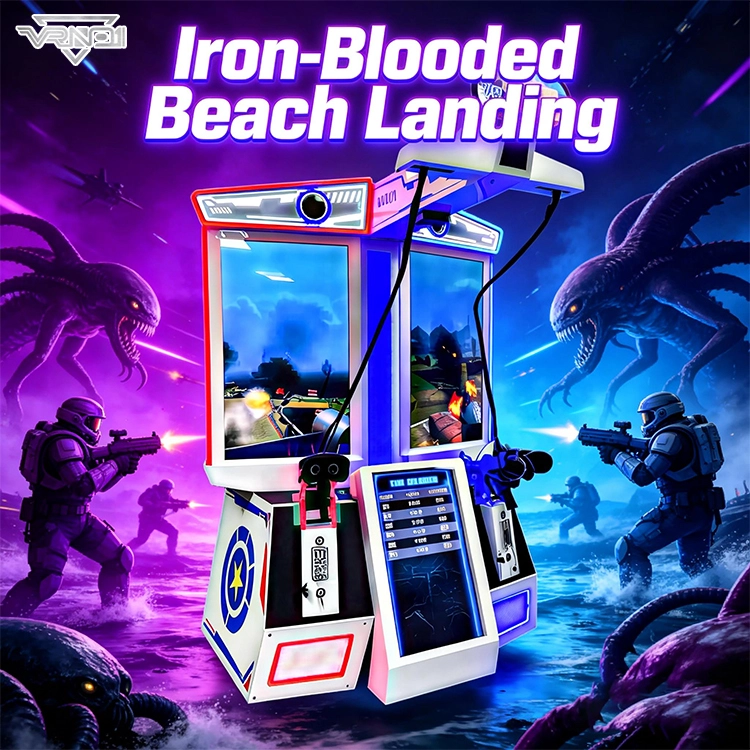
VRN0.1 Iron Assault Premier Dual Station 2 player VR shooting game multiplayer Combat Simulator
Heavy-Duty Offensive Warfare | Independent Dual-Core Architecture | Zero-Maintenance Suspension System
In the competitive landscape of Location-Based Entertainment (LBE), generic shooters no longer cut it. Enter the VR NO.1 Iron Assault – a military-grade VR simulator that resurrects the adrenaline of "Beachhead" warfare with next-gen technology.
Engineered by VR NO.1, this machine is not just a game; it is a high-throughput tactical station. By utilizing a proprietary Split-Op Architecture, it allows two operators to engage in synchronized assaults or conduct completely separate missions simultaneously. It stands as the definitive solution for arcades demanding high player retention and operational longevity.
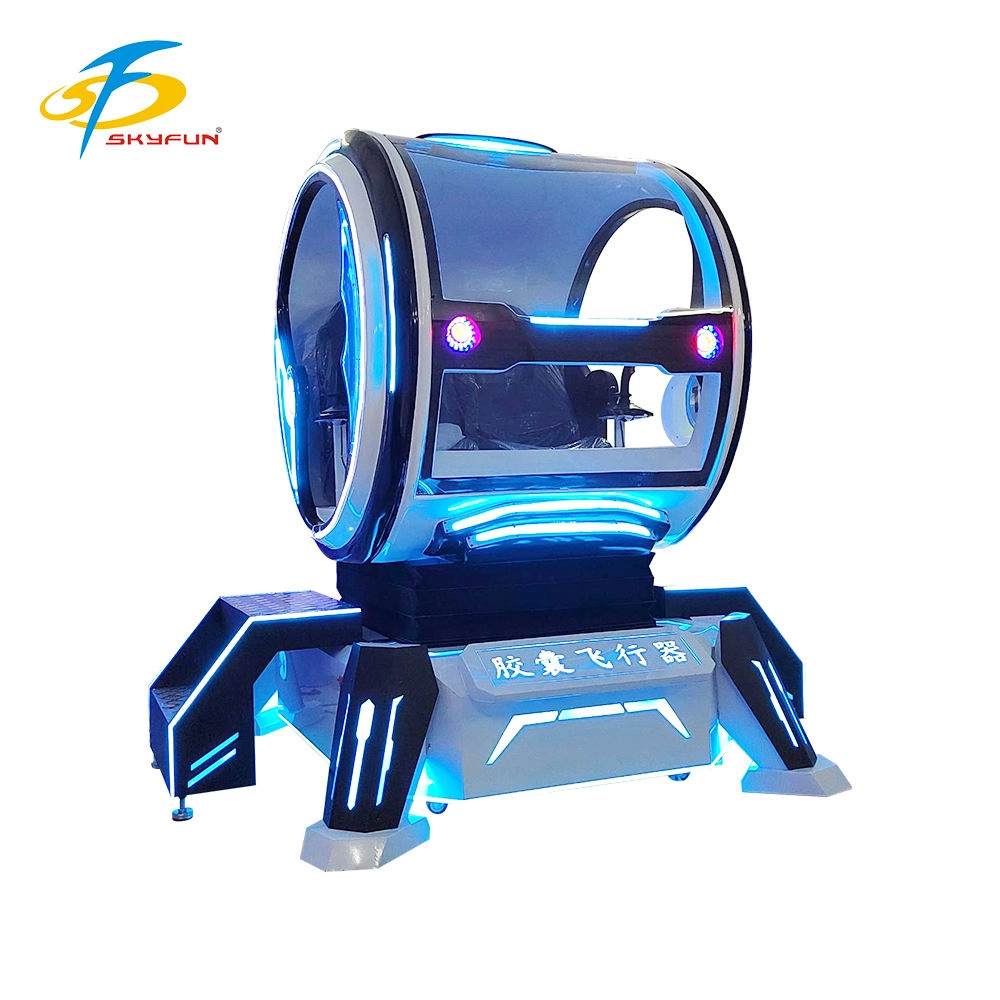
Double Player VR Flight Simulator 100 Movies 15 Games Coin-Operated Game Machine for Shopping Malls Amusement Parks
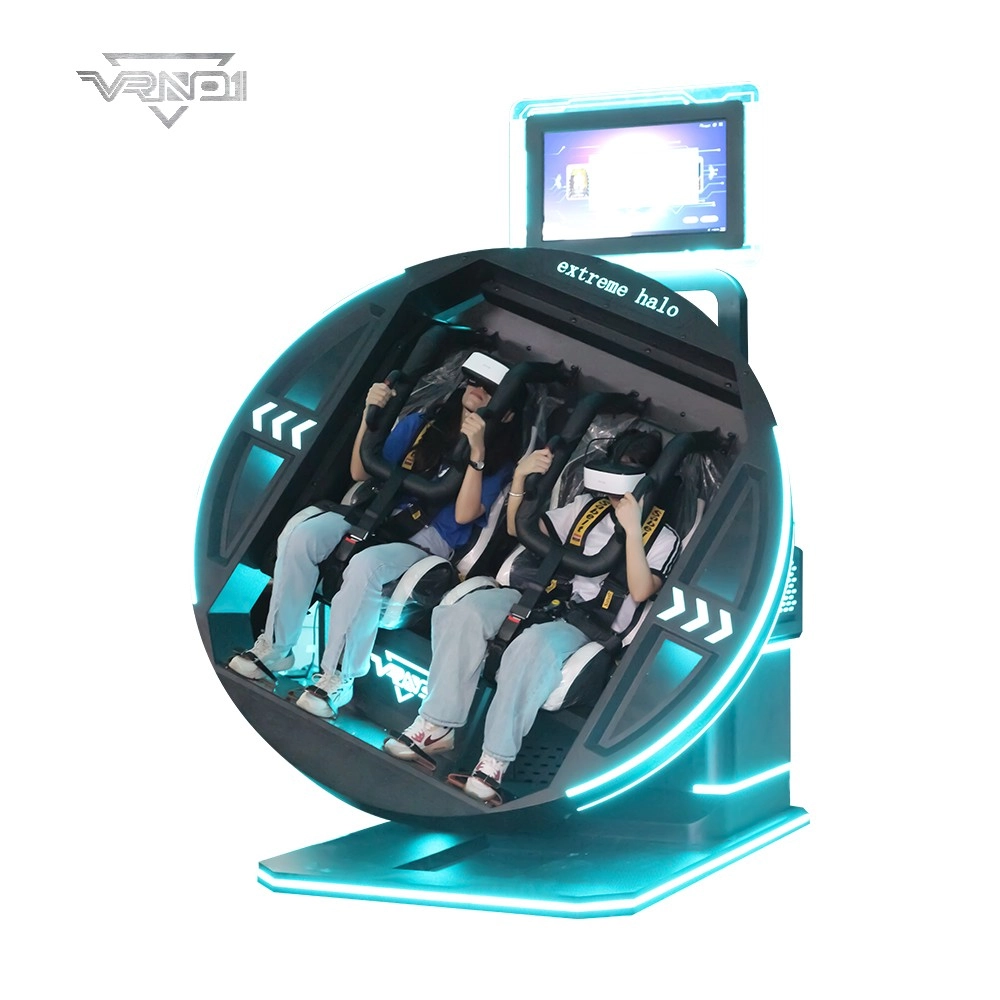
9D VR 360 Roller Coaster Cinema Chair Gaming Set Indoor/Outdoor Business Simulator Hardware for Home or School
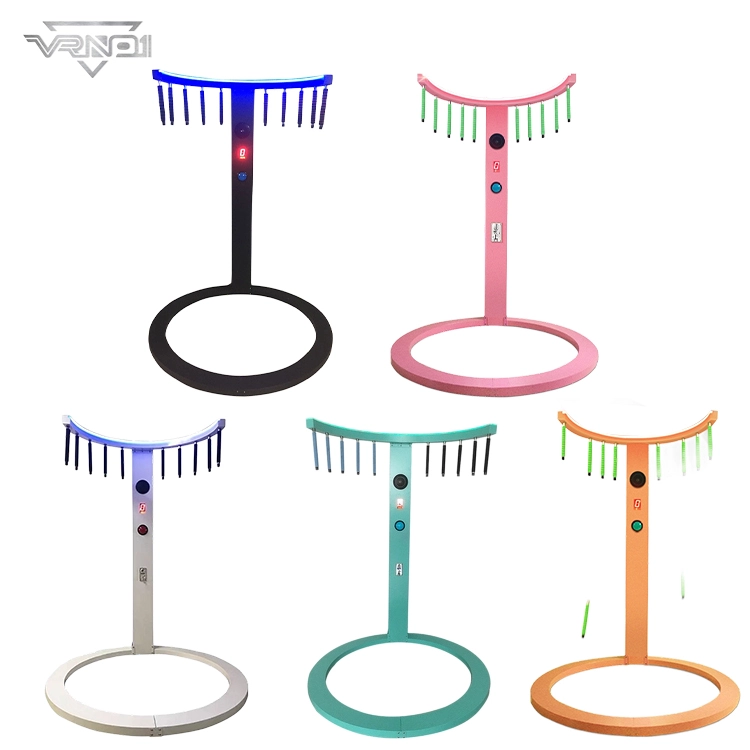
VRN0.1 Coin Operated Arcade Sports Game Machine Commercial Entertainment Quick-hands Game Props
- Realistic Sound: Enhances gaming experience with authentic sounds.
- Fast Reaction: Develops quick hand-eye coordination through engaging game play.
- DIY Kit: Allows for customization and personalization of the baton.
- Metal and Plastic Construction: Durable and robust build quality.
- Coin Operated: Fun for players who enjoy arcade-like experiences.
 Scan QR Code
Whatsapp: +8618127818571
Scan QR Code
Guangzhou Skyfun Technology Co.,Ltd
skyfunvrgame
skyfun game