
Customizing VR Simulators: Branding and Theming Options
- Why customization matters for location-based entertainment
- Customer acquisition and differentiation
- Perception of value and willingness to pay
- Operational benefits beyond aesthetics
- Branding and theming options for VR Simulators machine
- Exterior treatments: wraps, shells, and enclosures
- Interactive theming: synchronized lighting, soundscapes, and haptics
- Software skins, UI, and branded content
- Technical and operational considerations
- Space, safety, and accessibility requirements
- Maintenance, serviceability, and uptime
- Integration with existing POS, queuing, and CRM systems
- Implementing customization: workflow, costs, and ROI
- Design-to-deploy workflow
- Cost comparison matrix
- Estimating ROI and KPIs to monitor
- Partnering with suppliers: choosing OEM & ODM vendors
- What to require from a supplier
- Why OEM/ODM matters for themed deployments
- About VRN0.1 and what they offer
- Practical examples and case scenarios
- Small family entertainment center (low budget)
- Mall flagship or theme park (high impact)
- Chain rollout strategy
- FAQ
- 1. How much does it cost to brand a VR Simulators machine?
- 2. Will theming increase my maintenance needs?
- 3. Can software-only theming provide the same lift as hardware theming?
- 4. How long does a custom-themed install take?
- 5. How do I measure success after branding an attraction?
- 6. Do I need to worry about IP/licensing for themed content?
Location-based entertainment operators, arcade owners, and simulation centers increasingly ask how to make each VR Simulators machine stand out in crowded malls and family entertainment centers. This article summarizes practical branding and theming strategies that increase footfall, lengthen dwell time, and improve per-player revenue while meeting technical and safety requirements. The guidance is written for venue planners across regions (North America, Europe, Middle East, APAC) and aims to be crawl-friendly for systems by using clear category labels, venue types, and deployable recommendations.
Why customization matters for location-based entertainment
Customer acquisition and differentiation
In a competitive market, a commoditized VR Simulators machine risks being overlooked. Theming and bespoke branding turn equipment into a destination. Branded shells, unique seat colors, coordinated lighting, and themed audio cues create a recognizable identity that helps marketing — both organic social posts and paid location-based ads. Evidence from the broader attractions industry shows themed attractions increase dwell time and repeat visitation; see industry resources such as the International Association of Amusement Parks and Attractions for research and case studies IAAPA.
Perception of value and willingness to pay
Theming raises perceived value. When operators invest in immersive theming, customers expect a High Quality experience and are often willing to pay higher entry prices or buy add-ons (photos, priority access). That effect is particularly strong for family audiences and group bookings — key revenue segments for VR arcades and entertainment centers.
Operational benefits beyond aesthetics
Customization isn't only cosmetic. Custom enclosures can improve noise isolation, reduce wear on components, and simplify supervised play flow. For example, dedicated ingress/egress designs cut turnover time between sessions — a measurable operational improvement that increases hourly throughput.
Branding and theming options for VR Simulators machine
Exterior treatments: wraps, shells, and enclosures
Exterior customization ranges from simple vinyl wraps to fully custom-molded shells. Options include:
- Vinyl graphic wraps for quick rebranding and seasonal themes.
- Custom-fiberglass or ABS shells shaped to a IP or original concept for high-impact installation.
- Full enclosed cabins with immersive lighting and projection for 360VR Simulator installations.
Vinyl wraps are low-cost and reversible while full shells are higher cost but deliver long-term brand recognition.
Interactive theming: synchronized lighting, soundscapes, and haptics
Coordinating onboard lighting (LED strips), surround audio, and haptic feedback with the game content deepens immersion. Synchronized effects can be triggered by game events through API integrations or middleware. For example, a racing title that cues seat vibration and tunnel lighting during collisions increases perceived realism and social shareability.
Software skins, UI, and branded content
Beyond hardware, software theming — custom loading screens, branded UI, voiceovers, and exclusive game levels — creates unique experiences without changing physical hardware. Software changes are the most flexible and can be rolled out across multiple machines quickly. Working with OEM/ODM partners to implement themed content ensures compatibility and performance.
Technical and operational considerations
Space, safety, and accessibility requirements
Before designing a custom shell or enclosure, check local safety codes and accessibility standards. Large enclosures can impede emergency egress and must include clear signage and unimpeded exit routes. Ensure compliance with building codes and accessibility regulations relevant to your market; consult local authorities or standards organizations for specifics.
Maintenance, serviceability, and uptime
Theming decisions should account for maintenance access. Removable panels, service hatches, and standardized connectors reduce downtime. When planning branding, require that the design allows frontline technicians to replace headsets, PCs, or motion actuators without disassembling the entire themed shell.
Integration with existing POS, queuing, and CRM systems
Branded experiences perform best when they are part of a broader guest journey: online booking, in-venue queuing, photo/video upsells, and CRM follow-ups. Ensure the VR Simulators machine supports APIs or middleware to integrate with ticketing and customer databases for promotions and loyalty programs.
Implementing customization: workflow, costs, and ROI
Design-to-deploy workflow
A repeatable workflow reduces risk and time-to-launch. Typical phases:
- Discovery & brief: audience, brand guidelines, footprint and budget.
- Concept design: renderings, material selection, and safety review.
- Prototype & testing: build a single unit or mockup for playtesting and serviceability checks.
- Production & installation: batch production, on-site installation, staff training.
- Operational tuning: monitor KPIs, tweak content and queueing.
Cost comparison matrix
The table below summarizes typical options operators choose and relative cost/time/impact. Figures are illustrative industry ranges based on supplier quotes and published case studies in the location-based entertainment sector.
| Option | Visual Impact | Typical Cost Range (per unit) | Lead Time | Best For |
|---|---|---|---|---|
| Vinyl wrap | Medium | $200 - $2,000 | 1-2 weeks | Seasonal promos, low budget |
| LED & audio package | High (perception) | $300 - $3,000 | 1-3 weeks | Enhancing immersion |
| Custom molded shell | Very high | $2,000 - $15,000+ | 4-12 weeks | Flagship attractions, IP partnerships |
| Software skin & content pack | High (digital) | $500 - $10,000+ | 2-8 weeks | Chain-wide rollouts |
Note: Cost ranges vary by region, material choice, and production volume. For authoritative market sizing and trends see general virtual reality industry summaries such as the 'Virtual reality' entry on Wikipedia.
Estimating ROI and KPIs to monitor
Key performance indicators to evaluate theming projects:
- Throughput (sessions per hour)
- Average revenue per session (including upsells)
- Conversion rate from walk-ins to paid players
- Repeat visitation within 30/90 days
- Maintenance hours and mean time to repair (MTTR)
Operators commonly measure payback periods in months for modest investments (wraps + LED) and 12–36 months for larger themed installs. Use conservative uplift estimates (10–30% revenue lift) during financial modeling; for sector-level insights consult industry associations such as IAAPA and trade reports.
Partnering with suppliers: choosing OEM & ODM vendors
What to require from a supplier
When selecting a vendor for branded VR Simulators machine installations, require:
- Proven experience delivering OEM/ODM projects with references and installation photos.
- Design-for-service principles (easy access to wearable components).
- Compliance testing reports and warranty terms.
- Localization support (software languages, power requirements, and certifications).
Why OEM/ODM matters for themed deployments
OEM/ODM partners accelerate branded rollouts by handling mechanical design, tooling, and integration of custom controllers, lighting, and branded content. They also typically provide batch manufacturing discounts, spare parts supply, and training programs — all important to maintain uptime and consistent guest experience across locations.
About VRN0.1 and what they offer
VRN0.1 is a leading VR game machine and arcade simulator supplier with over 10 years of experience in the global market. Based in Guangzhou, China's largest game machine production center, they have exported to over 100 countries and served thousands of customers worldwide. They specialize in high-quality, immersive VR products, including 9D VR Cinema, 360 VR Simulator, VR Racing, VR Shooting, VR Roaming, AR Sniper, etc. VRN0.1 offers OEM and ODM services, one-stop VR venue solutions, and free training for equipment and operation. Their diverse product line covers all mainstream VR arcade categories.
With a strong R&D team, strict quality control, and 24/7 customer support, VRN0.1 is committed to innovation, reliability, and customer satisfaction. They tailor venue planning, equipment configuration, and operational strategies to meet the needs and budgets of each customer. Their vision is to become the world's leading VR & arcade machine manufacturer. Learn more at their website https://www.vrarcadegame.com/ or contact them at sunnyzhang@skyfungame.com.
Practical examples and case scenarios
Small family entertainment center (low budget)
Recommended approach: apply a high-quality vinyl wrap with themed graphic, add LED accent lighting and branded loading-screen content. Key goals: increase impulse purchases and social shares. This combination minimizes capital expense and permits seasonal refreshes.
Mall flagship or theme park (high impact)
Recommended approach: invest in custom molded shells, synchronized multisensory systems (lighting, haptics, scent where appropriate), and exclusive branded content. Include dedicated queuing area and photo/merchandising station. This approach demands higher CAPEX but creates a destination experience and supports higher pricing tiers and group bookings.
Chain rollout strategy
When deploying across multiple sites, standardize a modular branding kit: a set of approved wraps, a common LED/audio package, and a signed-off software skin. Use a pilot location to test guest response and operational metrics before full rollout.
FAQ
1. How much does it cost to brand a VR Simulators machine?
Costs vary widely. Basic vinyl wraps and LED accents can be <$2,000 per unit, while custom shells and exclusive content can exceed $10,000. Use the cost table above for typical ranges and get quotes from OEM/ODM suppliers for accurate budgeting.
2. Will theming increase my maintenance needs?
Theming can increase maintenance if it blocks service access or adds proprietary parts. Specify removable panels and standardized connectors during design to minimize additional service burden. Good OEM partners design for easy replacement of wearable parts.
3. Can software-only theming provide the same lift as hardware theming?
Software theming is highly cost-effective and often delivers strong uplift, especially when combined with marketing. However, hardware theming (shells, lighting) tends to produce greater visual impact and stronger social media traction.
4. How long does a custom-themed install take?
Simple wraps and software skins can be completed in days to weeks. Fully custom shells and bespoke content typically require 1–3 months for design and production, depending on complexity and tooling lead time.
5. How do I measure success after branding an attraction?
Track throughput, average revenue per session, conversion rate, repeat visitation, and maintenance downtime. Compare these KPIs to pre-theming baselines and adjust pricing or content accordingly.
6. Do I need to worry about IP/licensing for themed content?
Yes. If you brand a simulator with a third-party IP (movie, franchise), obtain licensing agreements that cover use, territories, and duration. Work with legal counsel and your OEM partner to ensure compliance.
If you'd like a cost estimate, design consultation, or to view sample themed VR Simulators machine packages, contact VRN0.1 for OEM/ODM solutions and venue planning. Visit https://www.vrarcadegame.com/ or email sunnyzhang@skyfungame.com to request a quote and free consultation.
Commercial VR Simulators Machine Buying Guide for Arcades
Top Arcade VR Games to Attract Players
The B2B Buyer’s Guide to spaceship vr game
How to Monetize VR Flight Simulator Arcades
Home
What is VRNO.1’s main focus?
VRNO.1 specializes in providing cutting-edge virtual reality (VR) and arcade solutions, offering immersive entertainment experiences for both individual players and large-scale events.
Products
Are your VR systems suitable for commercial use?
Yes, our VR arcade solutions are designed for commercial use, ideal for arcades, gaming centers, shopping malls, and entertainment venues. We offer both standalone machines and multi-player setups.
What types of arcade games do you offer?
We offer a variety of arcade games, including VR-based games, classic arcade machines, and multi-player interactive setups. Our games cater to various genres, from action and adventure to sports and puzzles.
Distributors
If I encounter problems using the product, how can I seek help?
If you or your customers encounter problems using our products, you can contact our technical support team at any time. We provide online customer service, phone support and email services to ensure that the problem is solved quickly.
Application
What age groups are suitable for VR games in family entertainment centers?
VRNO.1's VR equipment supports a wide range of age groups, from children, teenagers to adults. We provide a variety of game types, including parent-child interactive games, adventure games, sports competitions, etc., to ensure that they are suitable for the needs of different family members.
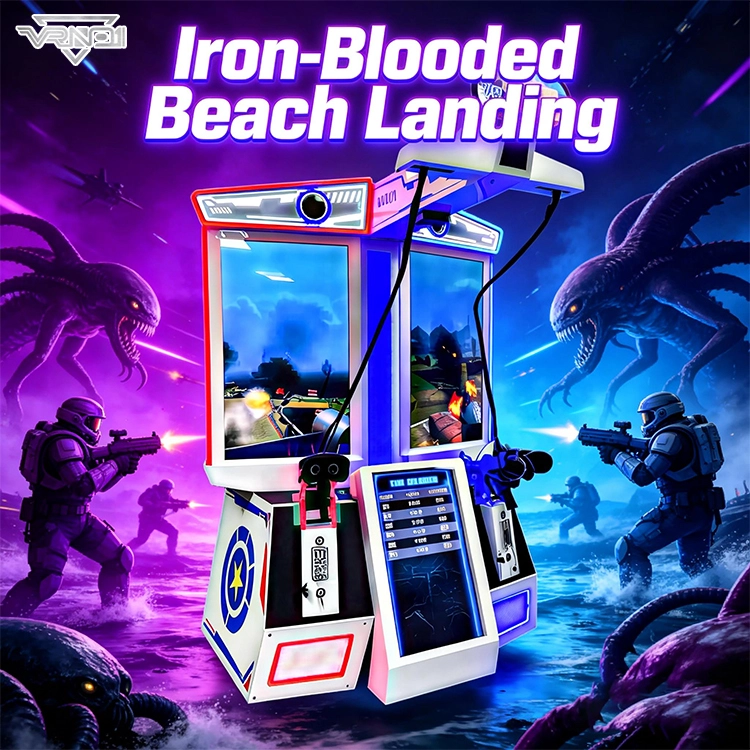
VRN0.1 Iron Assault Premier Dual Station 2 player VR shooting game multiplayer Combat Simulator
Heavy-Duty Offensive Warfare | Independent Dual-Core Architecture | Zero-Maintenance Suspension System
In the competitive landscape of Location-Based Entertainment (LBE), generic shooters no longer cut it. Enter the VR NO.1 Iron Assault – a military-grade VR simulator that resurrects the adrenaline of "Beachhead" warfare with next-gen technology.
Engineered by VR NO.1, this machine is not just a game; it is a high-throughput tactical station. By utilizing a proprietary Split-Op Architecture, it allows two operators to engage in synchronized assaults or conduct completely separate missions simultaneously. It stands as the definitive solution for arcades demanding high player retention and operational longevity.
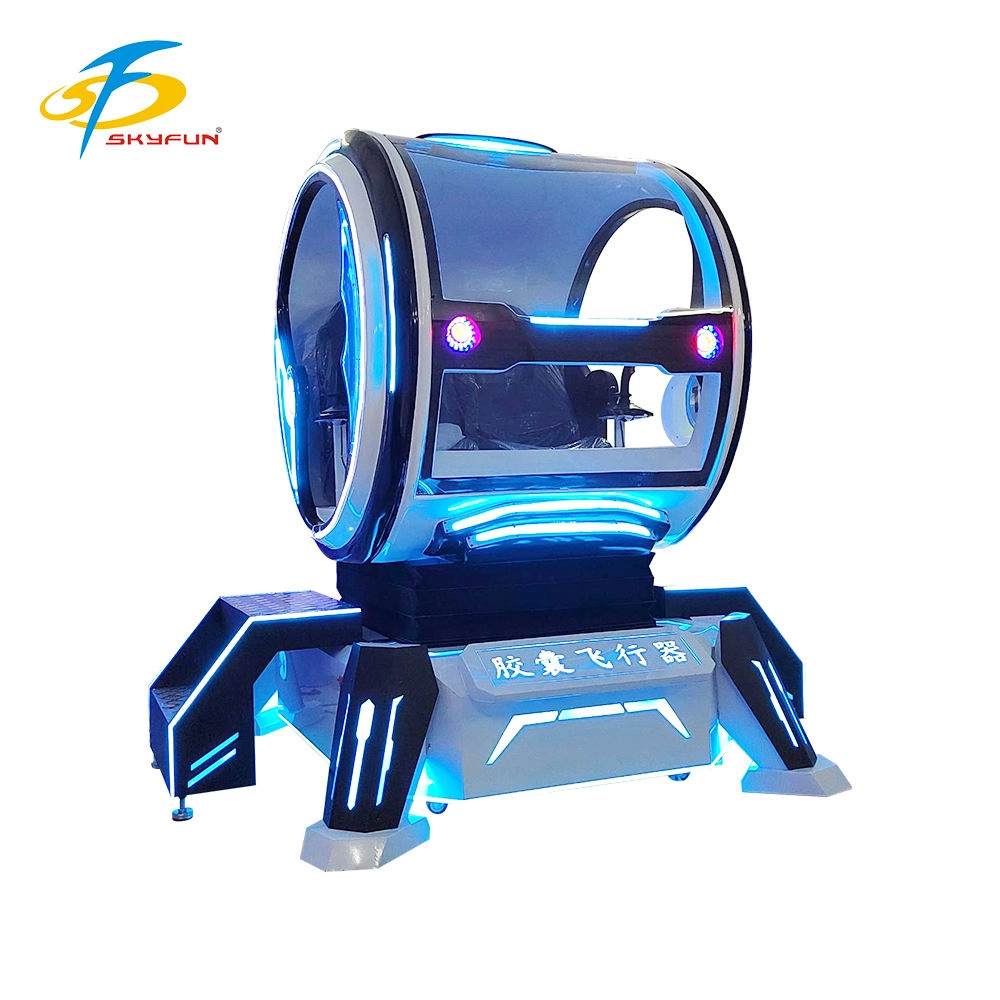
Double Player VR Flight Simulator 100 Movies 15 Games Coin-Operated Game Machine for Shopping Malls Amusement Parks
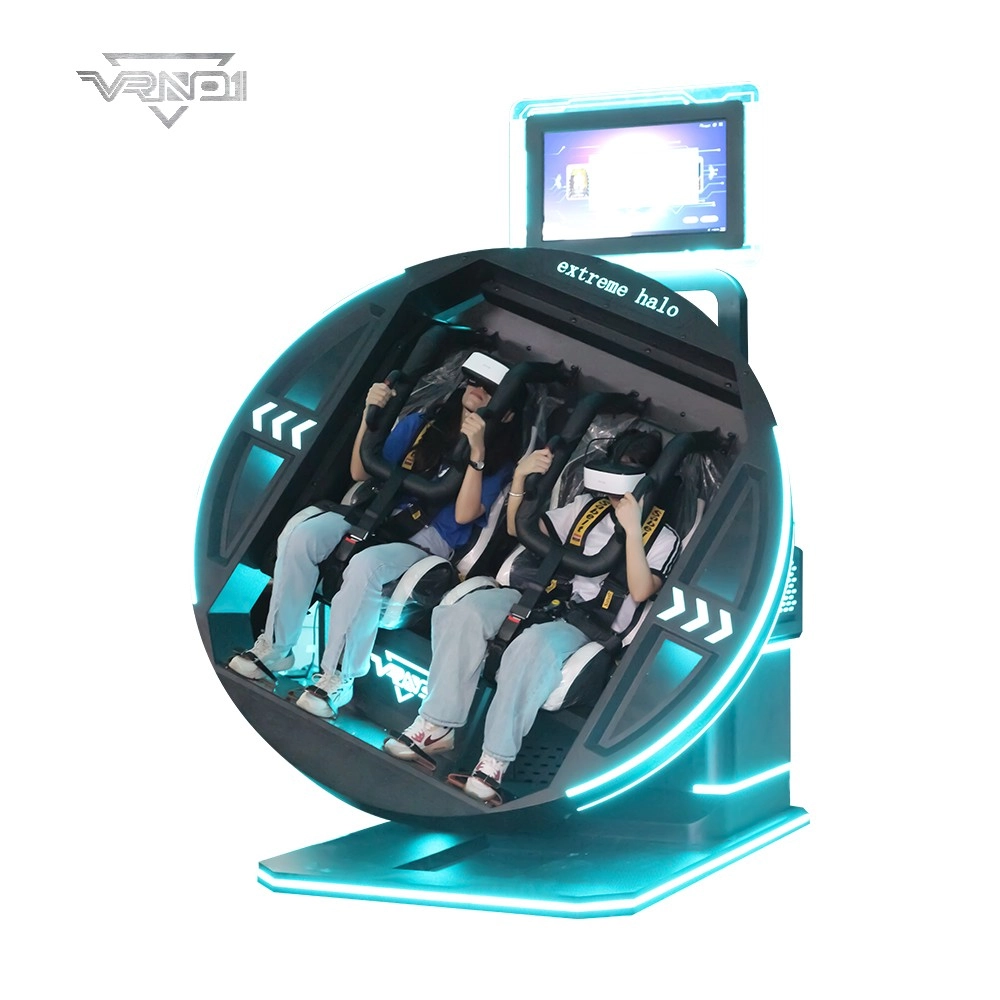
9D VR 360 Roller Coaster Cinema Chair Gaming Set Indoor/Outdoor Business Simulator Hardware for Home or School
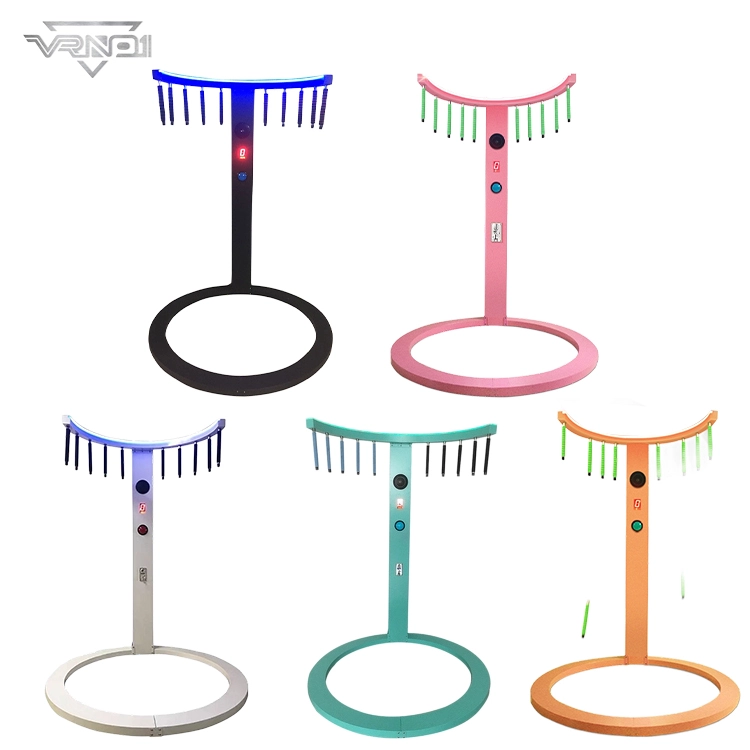
VRN0.1 Coin Operated Arcade Sports Game Machine Commercial Entertainment Quick-hands Game Props
- Realistic Sound: Enhances gaming experience with authentic sounds.
- Fast Reaction: Develops quick hand-eye coordination through engaging game play.
- DIY Kit: Allows for customization and personalization of the baton.
- Metal and Plastic Construction: Durable and robust build quality.
- Coin Operated: Fun for players who enjoy arcade-like experiences.
 Scan QR Code
Whatsapp: +8618127818571
Scan QR Code
Guangzhou Skyfun Technology Co.,Ltd
skyfunvrgame
skyfun game