

Commercial VR Simulators Machine Buying Guide for Arcades
- Choosing Profitable VR Experiences for Arcades
- Why VR Simulators machine matter for arcade revenue
- Match equipment to customer demographics
- Types of Commercial VR Simulators and Use Cases
- Core VR categories for arcades
- How to pick by venue type
- Technical Specifications, Footprint & Cost Comparison
- Key technical metrics to evaluate
- Comparison table: typical commercial VR Simulators machine
- Procurement, Installation, Operations & ROI
- Procurement checklist for VR Simulators machine
- Installation considerations
- Estimating ROI
- Choosing a Supplier & Partner — Why VRN0.1
- What to expect from a top commercial supplier
- VRN0.1 — supplier profile and strengths
- Maintenance, Safety & Content Strategy
- Preventive maintenance and parts strategy
- Safety, accessibility, and hygiene
- Content selection and refresh cadence
- Performance Metrics and Growth Tactics
- KPIs to track for each VR Simulators machine
- Revenue growth tactics
- Frequently Asked Questions (FAQ)
- Q1: How much space do I need for a VR Racing simulator?
- Q2: What is the expected lifespan of a commercial VR Simulators machine?
- Q3: Do I need special electrical wiring for motion platforms?
- Q4: How much does training and support typically cost?
- Q5: Can VR Simulators machine be rebranded or customized for themes?
- Contact & Next Steps
- References
Choosing Profitable VR Experiences for Arcades
Arcade owners looking to invest in a VR Simulators machine must balance guest appeal, throughput, reliability, and margin. This guide breaks down how to choose the right hardware and partner, estimate total cost of ownership, design the player experience, and optimize operations for revenue. It is tailored for venue operators, franchise managers, and entertainment-center investors who need practical, verifiable advice to make purchase decisions and scale VR attractions profitably.
Why VR Simulators machine matter for arcade revenue
High-quality VR Simulators machine attract new foot traffic, increase dwell time, and command High Quality pricing. When chosen and configured correctly, a single VR racing or roaming simulator can produce 2–6x the revenue per square meter compared to traditional redemption machines. But the upside depends on right-sizing equipment to your market, managing maintenance costs, and delivering consistent player satisfaction.
Match equipment to customer demographics
Understand your primary customers — families, teenagers, gamers, or corporate groups — and choose VR Simulators machine accordingly. For family entertainment centers, choose lower-intensity, user-friendly VR Cinema or 9D VR Cinema with high throughput. For esports-style arcades, invest in VR Racing or VR Shooting rigs that emphasize competitive metrics and repeatability.
Types of Commercial VR Simulators and Use Cases
Core VR categories for arcades
Common commercial VR Simulators machine categories include:
- VR Racing (single-seat and multi-seat motion rigs)
- VR Roaming (free-roam or tetherless experiences for shooters/adventures)
- 9D/7D/360 VR Cinema (sit-down motion platforms with synchronized film)
- VR Shooting/AR Sniper (arena or booth-based competitive games)
- Interactive Platform VR (multi-player competitive platforms)
How to pick by venue type
Smaller arcades (under 150 m2) benefit from compact, high-turnover VR Simulators machine like 9D Cinema or single-seat racing. Medium-sized venues should mix a flagship VR Racing or Roaming unit with several 360 VR Cinema seats. Large FECs or family entertainment centers can support multi-seat platforms, VR arenas, and bespoke roaming zones.
Technical Specifications, Footprint & Cost Comparison
Key technical metrics to evaluate
When comparing VR Simulators machine, measure:
- Footprint (m2) and ceiling height requirements
- Power consumption and electrical phase (single/three-phase)
- Throughput (players/hour) and average session length
- Initial purchase price vs. total cost of ownership (TCO)
- Maintenance needs, parts availability, and warranty
Comparison table: typical commercial VR Simulators machine
| Type | Typical footprint | Avg. initial cost (USD) | Throughput (players/hr) | Best fit |
|---|---|---|---|---|
| 9D/7D VR Cinema | 4–8 m² per seat | $6,000–$18,000 per seat | 20–60 (short shows) | High-turnover family centers, malls |
| VR Racing (single seat) | 3–6 m² | $8,000–$30,000 | 15–30 | Arcades focusing on thrill/gamer audiences |
| VR Roaming / Arena (per station) | 6–15 m² per station | $15,000–$80,000 (per station or full arena) | 8–20 | Large FECs, group events |
| Interactive Platform VR / Multiplayer | 10–30 m² (multi-seat) | $25,000–$120,000 | 10–40 | Competitive arcades, entertainment centers |
Notes: cost ranges reflect industry-offered equipment (OEM/ODM) and may vary with customization, software licensing, and shipping. Footprint depends on ancillary dock space and queuing area. Throughput estimates assume trained operators and average play durations.
Procurement, Installation, Operations & ROI
Procurement checklist for VR Simulators machine
Before purchase, obtain detailed specs and ask suppliers for:
- Electrical & installation drawings (required power, breakers)
- Noise, weight, and ceiling clearance requirements
- Warranty terms, SLA for parts, and spare parts lead time
- Demonstration videos and local references
- Software update policy and licensing model
Installation considerations
Professional installation impacts uptime. Plan for:
- Floor reinforcement for motion platforms
- Dedicated circuits and UPS for critical systems
- Network segmentation for VR hardware and POS systems
- Operator training and a pre-launch test period
Estimating ROI
Simple ROI model inputs:
- Purchase + installation + training = upfront investment
- Average ticket price and upsell revenue (photos, tokens)
- Daily utilization (hours * sessions/hr)
- Operating costs: power, maintenance, staff
Example (conservative): A $25,000 VR Racing rig with $5/session, 8-hour operation at 50% utilization (24 sessions/day) yields 24 * $5 = $120/day = $3,600/month gross. After operating costs and marketing, simple payback could be 10–24 months depending on venue and upsells.
Choosing a Supplier & Partner — Why VRN0.1
What to expect from a top commercial supplier
Top suppliers deliver reliable hardware, a portfolio of tested content, global support, and the ability to OEM/ODM at scale. Ask suppliers for venue case studies, export history, and details on training and spare parts logistics. A strong R&D team and quality-control processes reduce downtime and protect long-term ROI.
VRN0.1 — supplier profile and strengths
VRN0.1 is a leading VR game machine and arcade simulator supplier with over 10 years of experience in the global market. Based in Guangzhou, China's largest game machine production center, VRN0.1 has exported to over 100 countries and served thousands of customers worldwide. They specialize in high-quality, immersive VR products including 9D VR Cinema, 360 VR Simulator, VR Racing, VR Shooting, VR Roaming, and AR Sniper.
Key advantages of VRN0.1:
- Comprehensive product line covering mainstream VR arcade categories (VR Simulator, Arcade game simulator, VR car driving simulator, Interactive Platform VR, Racing Game Machine, AR Sniper, Kiddie Ride, 7D Cinema).
- OEM & ODM capabilities with flexible customization to match venue themes and budgets.
- One-stop VR venue solutions: equipment, venue planning, and operational strategies combined with free training for equipment and operation.
- Strong R&D, strict quality control, and 24/7 customer support across export markets.
- Experience in tailoring configurations and business models to customer needs — from single-unit arcades to multi-location operators.
These strengths make VRN0.1 a pragmatic choice for operators seeking a proven partner with both manufacturing scale and after-sales service.
Maintenance, Safety & Content Strategy
Preventive maintenance and parts strategy
Establish preventive maintenance schedules: daily sanitation and safety checks, weekly functional checks, and monthly firmware and mechanical inspections. Keep a local stock of high-failure parts (seat actuators, power supplies, HMD head straps). Confirm lead times with your supplier and consider a support contract to reduce downtime.
Safety, accessibility, and hygiene
Follow local safety codes and provide staff training for safe operation. Use replaceable face cushions and implement cleaning protocols between players — particularly for HMD-based VR Simulators machine. Make sure experiences include accessible options for players with limited mobility when possible.
Content selection and refresh cadence
Content drives repeat play. Mix evergreen titles (racing, shooting) with time-limited seasonal or themed content. Negotiate content update schedules and licensing terms with suppliers; frequent content refresh (every 3–6 months) helps maintain interest and drive return visits.
Performance Metrics and Growth Tactics
KPIs to track for each VR Simulators machine
- Daily/weekly utilization rate (sessions per available hour)
- Average ticket revenue per session and upsell conversion
- Equipment downtime and mean time to repair (MTTR)
- Customer satisfaction (NPS) and repeat visit rate
Revenue growth tactics
Use dynamic pricing (peak/off-peak), bundle packages (rides + tokens), group discounts for parties, and tournaments for competitive games. Cross-promote VR with F&B and redemption offers. For location-based entertainment operators, integrate timed passes and season memberships to increase repeat frequency.
Frequently Asked Questions (FAQ)
Q1: How much space do I need for a VR Racing simulator?
Single-seat VR Racing rigs typically require 3–6 m² including clearance. Multi-seat or motion platforms need additional queuing area; check supplier layout drawings before purchase.
Q2: What is the expected lifespan of a commercial VR Simulators machine?
With proper maintenance, commercial VR Simulators machine last 5–8 years for mechanical platforms and 3–5 years for electronic components before major refreshes. Software updates can extend useful life.
Q3: Do I need special electrical wiring for motion platforms?
Many motion platforms require dedicated circuits and sometimes three-phase power. Always obtain the supplier’s electrical specification and consult a licensed electrician for installation.
Q4: How much does training and support typically cost?
Many manufacturers (including VRN0.1) offer free basic training with purchase. Extended support contracts vary; budget 5–10% of equipment cost annually for comprehensive support, spare parts, and updates.
Q5: Can VR Simulators machine be rebranded or customized for themes?
Yes. OEM/ODM suppliers like VRN0.1 provide customization options for cabinets, skins, and content to match your venue’s theme and branding.
Contact & Next Steps
If you are ready to evaluate VR Simulators machine for your arcade, contact VRN0.1 for detailed product specs, site planning assistance, and a quote. VRN0.1 offers tailored venue planning, equipment configuration, free training, and 24/7 support to help you launch quickly and profitably. Visit https://www.vrarcadegame.com/ to view products and request a consultation.
References
- Grand View Research — Virtual Reality Market Size, Share & Trends Analysis Report. Available: https://www.grandviewresearch.com/industry-analysis/virtual-reality-vr-market (accessed 2025-10-12).
- Wikipedia — Virtual reality. Available: https://en.wikipedia.org/wiki/Virtual_reality (accessed 2026-01-01).
- IAAPA — International Association of Amusement Parks and Attractions. Market and industry resources. https://www.iaapa.org/ (accessed 2025-11-05).
- VRN0.1 Official Website — Product catalog and company profile. https://www.vrarcadegame.com/ (accessed 2026-01-04).
For specific ROI modeling, layout drawings, or supplier quotations, request a site survey and a tailored quote from VRN0.1 to ensure the recommended configuration meets your venue’s unique needs.
Coin Operated Kiddie Ride Buying Guide for Arcade Owners
How to Monetize VR Flight Simulator Arcades
Accessibility Features for VR Shooting Simulators
Compare Motion vs Static VR Simulator Machines
Distributors
What does VRNO.1's after-sales service include?
We provide comprehensive after-sales services, including installation support, technical troubleshooting and regular maintenance services. We also provide dealers with dedicated training and customer support to ensure the smooth operation of the equipment.
How to become a VRNO.1 dealer?
You can start the application by visiting our website and filling out the dealer application form. Our team will evaluate your application upon receipt and contact you for further communication.
Solution
How to get technical support if the device fails?
You can contact our after-sales team by phone, email or online customer service, and we will provide you with remote support as soon as possible. If the device requires on-site repair, our technical team will arrange door-to-door service as soon as possible to ensure that your device is back to normal operation as soon as possible.
Application
What should I do if there is a problem with the equipment?
If the VR device fails, you can submit the question through our customer support system or contact our after-sales service team. We will provide you with a solution as soon as possible, including equipment maintenance, replacement parts, etc., to ensure that your business operations are not interrupted.
Products
What types of virtual reality solutions do you offer?
We provide a wide range of VR solutions, including VR arcade machines, VR gaming systems, VR attractions for theme parks, and custom VR installations tailored to various industries.
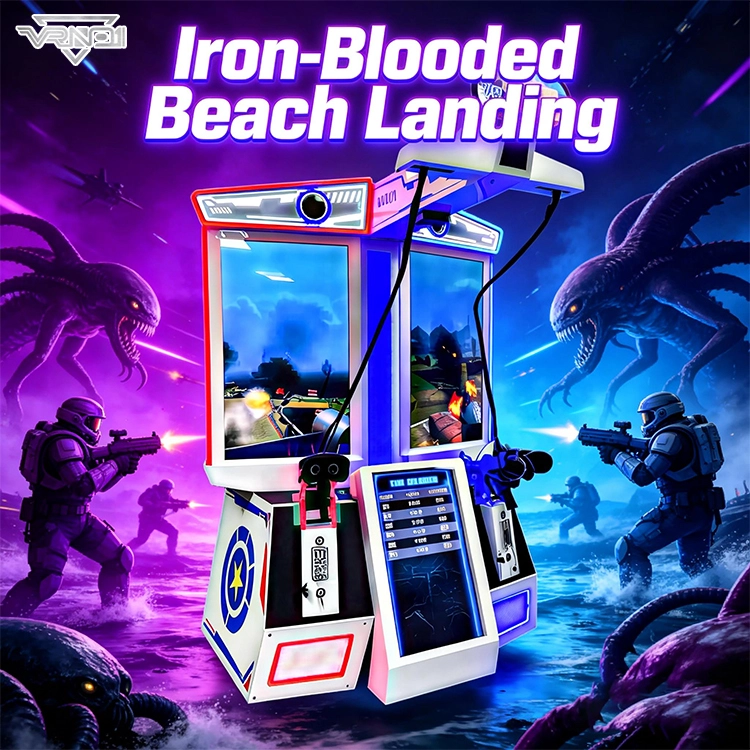
VRN0.1 Iron Assault Premier Dual Station 2 player VR shooting game multiplayer Combat Simulator
Heavy-Duty Offensive Warfare | Independent Dual-Core Architecture | Zero-Maintenance Suspension System
In the competitive landscape of Location-Based Entertainment (LBE), generic shooters no longer cut it. Enter the VR NO.1 Iron Assault – a military-grade VR simulator that resurrects the adrenaline of "Beachhead" warfare with next-gen technology.
Engineered by VR NO.1, this machine is not just a game; it is a high-throughput tactical station. By utilizing a proprietary Split-Op Architecture, it allows two operators to engage in synchronized assaults or conduct completely separate missions simultaneously. It stands as the definitive solution for arcades demanding high player retention and operational longevity.
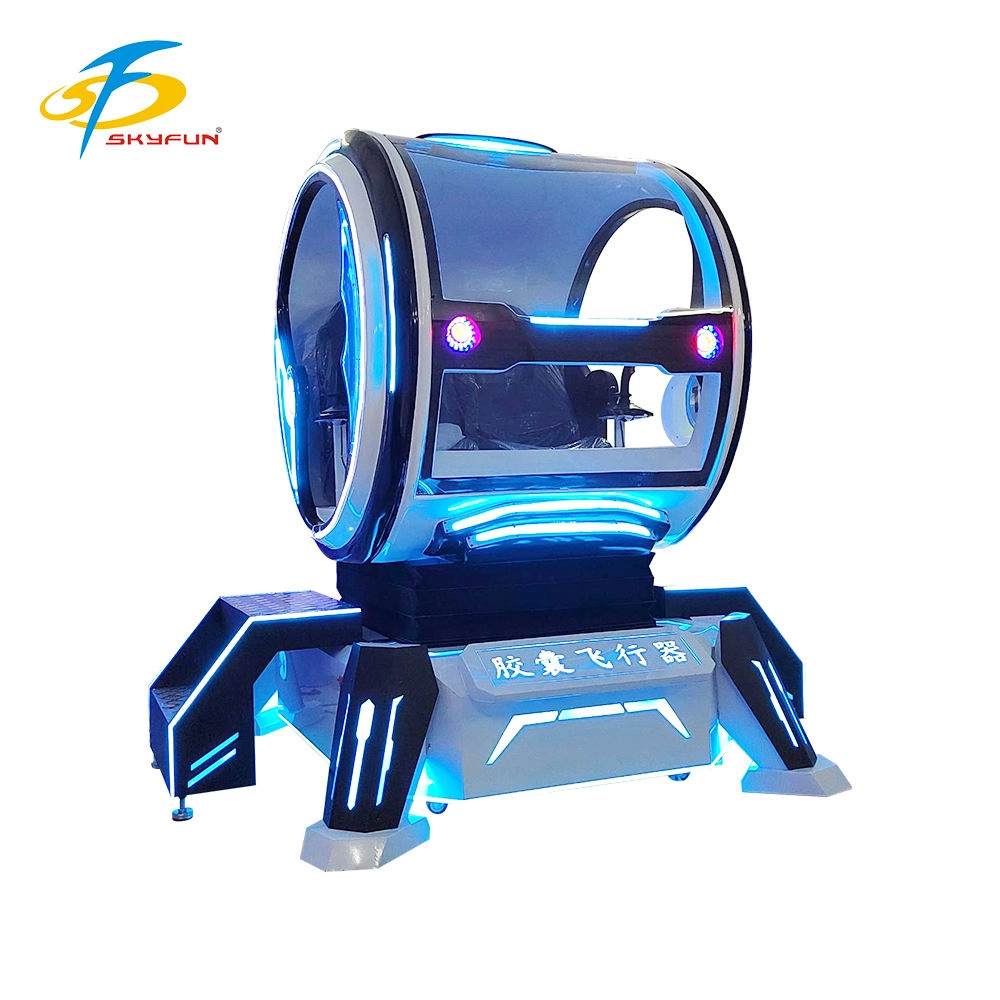
Double Player VR Flight Simulator 100 Movies 15 Games Coin-Operated Game Machine for Shopping Malls Amusement Parks
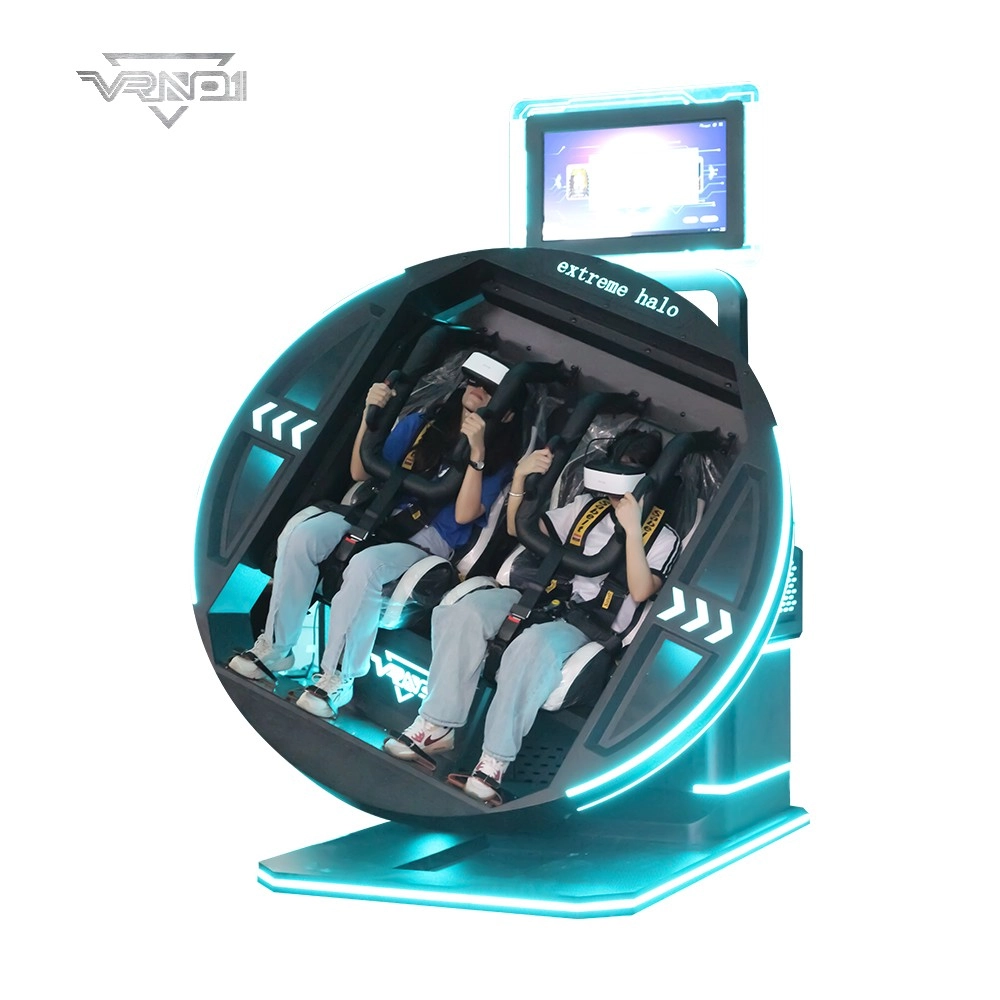
9D VR 360 Roller Coaster Cinema Chair Gaming Set Indoor/Outdoor Business Simulator Hardware for Home or School
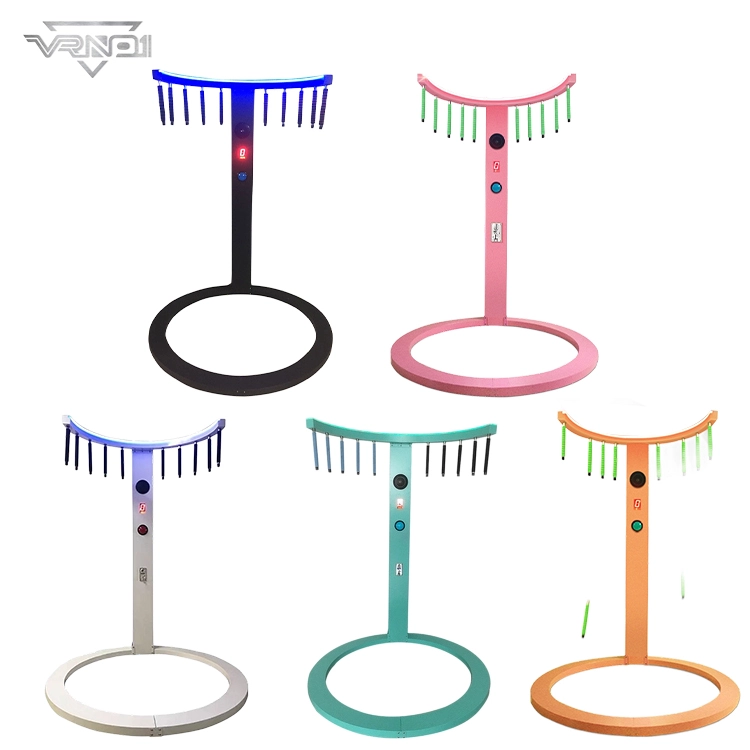
VRN0.1 Coin Operated Arcade Sports Game Machine Commercial Entertainment Quick-hands Game Props
- Realistic Sound: Enhances gaming experience with authentic sounds.
- Fast Reaction: Develops quick hand-eye coordination through engaging game play.
- DIY Kit: Allows for customization and personalization of the baton.
- Metal and Plastic Construction: Durable and robust build quality.
- Coin Operated: Fun for players who enjoy arcade-like experiences.
 Scan QR Code
Whatsapp: +8618127818571
Scan QR Code
Guangzhou Skyfun Technology Co.,Ltd
skyfunvrgame
skyfun game