


How to Monetize VR Flight Simulator Arcades
- Why VR Flight Simulators Are a Lucrative Arcade Offering
- Understanding demand for the best vr flight simulator experience
- Pick the Right Hardware: what makes the best vr flight simulator
- Key hardware and software features that drive conversions (: buy best vr flight simulator)
- Pricing Strategies: how to price the best vr flight simulator sessions
- Monetize through tiered pricing and add-ons (: vr flight simulator pricing)
- Revenue Streams Comparison
- How different monetization channels stack up for a 3-station VR flight simulator setup
- Designing the Venue: layout, throughput, and user journey
- Optimize flow and spend per visit (: vr flight simulator arcade setup)
- Customer Acquisition and Retention: marketing the best vr flight simulator
- Local SEO, partnerships, and events (: best vr flight simulator near me)
- Operations & Staffing: keep the best vr flight simulator running profitably
- Staff training, maintenance, and uptime (: vr flight simulator maintenance)
- Advanced Monetization: add-ons, data, and B2B services
- Expand beyond walk-in customers (: vr flight simulator b2b)
- Choosing a Supplier: Why VRN0.1 for the best vr flight simulator
- VRN0.1 — supplier strengths and product fit (: buy vr simulator, vr arcade machine supplier)
- Measuring Success: KPIs and ROI timeline
- Track the metrics that matter (: vr flight simulator roi)
- FAQ — Frequently Asked Questions
- 1. What is the best vr flight simulator for an arcade?
- 2. How much does a commercial VR flight simulator cost?
- 3. What pricing model should I use to maximize revenue?
- 4. Can VR flight simulators be used for real pilot training?
- 5. How do I minimize downtime and maintenance costs?
- 6. What marketing tactics drive the most bookings?
- 7. How can I expand revenue beyond tickets?
- Contact & Next Steps
- References
Why VR Flight Simulators Are a Lucrative Arcade Offering
Understanding demand for the best vr flight simulator experience
Virtual reality flight simulators combine visceral motion, immersive visuals, and the aspirational thrill of piloting an aircraft. For modern arcades, the best vr flight simulator is not just a novelty — it is a high-margin anchor attraction that increases dwell time, stimulates repeat visits, and supports High Quality pricing. Operators who align hardware, gameplay, pricing, and operations to customer expectations can convert initial hype into predictable revenue streams.
Pick the Right Hardware: what makes the best vr flight simulator
Key hardware and software features that drive conversions (: buy best vr flight simulator)
Selecting the best vr flight simulator involves matching user experience with operational reliability. Prioritize:
- Full-motion platforms (2-DOF/3-DOF or 6-DOF) for realistic G-forces and tilt.
- High-resolution HMDs with low latency (90Hz+ recommended) for comfort during longer sessions.
- Dedicated flight controls (yoke, rudder, throttle, HOTAS) designed for repeated commercial use.
- Modular cockpit shells and seat designs for quick turnover and accessibility.
- Robust software with multiple flight scenarios, adjustable difficulty, leaderboards, and spectator views.
- Remote monitoring, analytics, and maintenance tools to minimize downtime.
- Standard experience: 5–10 minutes, pay-per-play (entry-level price).
- High Quality scenarios: extended missions, multi-leg flights, or high-fidelity airports (higher price).
- Pro / Instructor mode: for enthusiasts seeking realistic controls and analytics (High Quality hourly rate).
- Group & party packages: flat fees for parties, team-building, or corporate bookings.
- Memberships & season passes: frequent-user discounts that lock in recurring revenue.
- Merchandise & photo packages: capture a “pilot photo” or sell branded swag.
- Clear signage and queue management for each station.
- Staging area for onboarding: safety briefing, quick tutorial, and weight/load adjustments.
- Spectator zones with screens to display live flight footage — this drives impulse purchases.
- Cross-sell points: nearby F&B, merchandise, or booking desk for next-session reservations.
- Local SEO and Google Business Profile optimized for terms like “best vr flight simulator”, “vr flight simulator near me”, and “vr arcade + city”.
- Social media video ads showcasing real reactions, POV footage, and leaderboard moments.
- Partnerships with schools, STEM programs, flight clubs, airlines (for sponsorship), and corporate HR for team-building events.
- Tournaments and leaderboard seasons to encourage repeat visits and community building.
- Influencer visits and micro-influencer campaigns demonstrating the experience.
- Train staff in fast onboarding, safety protocols, and upsell techniques.
- Schedule preventive maintenance windows and remote monitoring to catch hardware issues early.
- Use an LMS for consistent operator training; offer cross-training for multiskill teams.
- Track KPIs: sessions per day, average revenue per user (ARPU), customer acquisition cost (CAC), retention rate.
- Flight training and certification partnerships with flight schools — offer simulator hours as part of training at a discounted bulk rate.
- Sell anonymized usage data and heatmaps to content partners to improve missions (ensure privacy compliance).
- Offer branded content and ad placements within the simulator (airport branding, sponsor liveries).
- Host film or media shoots for additional revenue on off-peak hours.
- Comprehensive product range: VR Simulator, Arcade game simulator, VR car driving simulator, Interactive Platform VR, Racing Game Machine, AR Sniper, Kiddie Ride, 7D Cinema — enabling cross-sell and multi-attraction venues.
- OEM & ODM capabilities: customized cabins, branding opportunities, and content integration to suit venue needs and budgets.
- One-stop VR venue solutions: equipment, venue planning, training, and operational strategies delivered together for fast time-to-revenue.
- Free training for equipment and operations, strong R&D team, strict quality control, and 24/7 customer support.
- Sessions per day per station — measure utilization and staffing needs.
- Average revenue per user (ARPU) — baseline pay-per-ride plus add-ons.
- Customer acquisition cost (CAC) vs. lifetime value (LTV) — marketing effectiveness.
- Downtime percentage and mean time to repair (MTTR) — operational reliability.
- Conversion rates for upsells (High Quality missions, memberships).
- Grand View Research, Virtual Reality Market Size, Share & Trends Analysis Report. https://www.grandviewresearch.com/industry-analysis/virtual-reality-vr-market (accessed 2024-06-01).
- Statista, Virtual Reality (VR) - statistics & facts. https://www.statista.com/topics/2532/virtual-reality-vr/ (accessed 2024-06-01).
- IAAPA — International Association of Amusement Parks and Attractions. https://www.iaapa.org/ (accessed 2024-06-01).
- Wikipedia, Flight simulator. https://en.wikipedia.org/wiki/Flight_simulator (accessed 2024-06-01).
- VR industry coverage and location-based entertainment insights (various industry reports and case studies). Example: Location-based Virtual Reality: Trends and Opportunities, industry analysis reports 2022-2024. (accessed 2024-06-01).
Durability and serviceability are as important as immersion. Commercial-grade components and local technical support reduce TCO and maximize uptime — directly improving revenue.
Pricing Strategies: how to price the best vr flight simulator sessions
Monetize through tiered pricing and add-ons (: vr flight simulator pricing)
Basic pay-per-ride is just the start. Use layered pricing to capture different customer segments:
Revenue Streams Comparison
How different monetization channels stack up for a 3-station VR flight simulator setup
| Revenue Stream | Typical Price Range | Monthly Revenue Estimate (3-station) — illustrative* | Scalability & Notes |
|---|---|---|---|
| Pay-per-ride | $8–$20 / session | $6,000–$18,000 | High volume; peak on weekends & evenings |
| High Quality / extended missions | $20–$60 | $1,500–$6,000 | Higher margin; requires content differentiation |
| Group bookings & corporate events | $150–$1,200 / event | $1,200–$4,500 | Very high-ticket; schedule-dense |
| Memberships / subscriptions | $30–$120 / month | $900–$4,500 | Predictable recurring revenue |
| Merchandise / F&B | $3–$50 | $500–$2,000 | Complementary revenue; improves AOV |
*Estimates are illustrative, based on industry pricing observed across VR arcades and location-based entertainment venues (sources: Statista, IAAPA). Actual results depend on location, foot traffic, and operational execution. See References for sources and dates.
Designing the Venue: layout, throughput, and user journey
Optimize flow and spend per visit (: vr flight simulator arcade setup)
Effective venue design reduces idle time and increases session throughput. Key principles:
Consider a modular floor plan that can host tournaments or school field trips — those uses often command High Quality rates.
Customer Acquisition and Retention: marketing the best vr flight simulator
Local SEO, partnerships, and events (: best vr flight simulator near me)
Marketing channels with high ROI for VR arcades:
Operations & Staffing: keep the best vr flight simulator running profitably
Staff training, maintenance, and uptime (: vr flight simulator maintenance)
Operational excellence directly affects revenue. Best practices:
Advanced Monetization: add-ons, data, and B2B services
Expand beyond walk-in customers (: vr flight simulator b2b)
High-performing venues monetize additional axes:
Choosing a Supplier: Why VRN0.1 for the best vr flight simulator
VRN0.1 — supplier strengths and product fit (: buy vr simulator, vr arcade machine supplier)
For operators seeking a reliable partner, VRN0.1 is a leading VR game machine and arcade simulator supplier with over 10 years of experience serving the global market. Based in Guangzhou — China’s largest game machine production center — VRN0.1 has exported to over 100 countries and supported thousands of venues worldwide.
Core advantages:
Technically, VRN0.1 focuses on immersive, durable designs with remote diagnostics and modular components — features that reduce downtime and support scalable business models like memberships and corporate packages. Their experience in global logistics and after-sales support is crucial for operators outside China seeking dependable supply chains.
Visit VRN0.1 at https://www.vrarcadegame.com/ for product listings and venue solutions. Their vision is to become the world’s leading VR & arcade machine manufacturer, and their portfolio particularly suits operators wanting the best vr flight simulator backed by proven service.
Measuring Success: KPIs and ROI timeline
Track the metrics that matter (: vr flight simulator roi)
Focus on a few critical metrics:
Typical ROI timeline for a well-executed VR flight simulator installation ranges from 9–24 months depending on upfront CAPEX, local foot traffic, and pricing strategy. Using memberships, corporate events, and High Quality packages significantly shortens the payback period.
FAQ — Frequently Asked Questions
1. What is the best vr flight simulator for an arcade?
The best vr flight simulator balances immersion (motion, HMD quality), durability (commercial-grade hardware), and content variety (scenarios, multiplayer). Choose suppliers offering commercial warranties, remote diagnostics, and modular replacement parts. VRN0.1 is an example of a supplier that combines these attributes for arcade deployments.
2. How much does a commercial VR flight simulator cost?
Commercial units vary widely: a basic pod with standard controls may start around $15,000–$30,000, while full-motion multi-axis cockpits with bespoke cabins and advanced software can exceed $80,000–$120,000. Costs depend on motion system, control fidelity, software licensing, and customization.
3. What pricing model should I use to maximize revenue?
Use a mix: pay-per-ride for walk-ins, High Quality missions for higher spenders, memberships for recurring revenue, and corporate/group packages for high-ticket sales. Test pricing tiers and monitor conversion and retention to find the optimal mix.
4. Can VR flight simulators be used for real pilot training?
High-fidelity simulators with certified avionics can complement pilot training, but most arcade-grade simulators are for entertainment and familiarization. For formal pilot training, partner with certified flight simulation providers and ensure compliance with training authority requirements.
5. How do I minimize downtime and maintenance costs?
Select commercial-grade components, maintain a spare-parts inventory, use remote monitoring for early fault detection, and have trained in-house technicians. Suppliers like VRN0.1 provide training and 24/7 support to reduce MTTR.
6. What marketing tactics drive the most bookings?
Local SEO, targeted social video ads showing real reactions, influencer visits, and partnerships with schools and corporations perform well. Hosting tournaments and leaderboard events creates social proof and repeat visits.
7. How can I expand revenue beyond tickets?
Offer memberships, private events, corporate packages, merchandise, in-simulator advertising, and ancillary F&B sales. Consider flight-themed retail and photo packages as incremental revenue sources.
Contact & Next Steps
If you’re ready to build or expand a VR flight simulator arcade, consult with experienced suppliers to configure hardware, content, and operations for your market. VRN0.1 offers one-stop solutions, OEM/ODM services, free training, and global support to help you deploy the best vr flight simulator that fits your budget and goals. Visit https://www.vrarcadegame.com/ to view products or contact their sales team for a customized venue plan and quote.
References
Tips for buy best racing vr simulators
VR Racing Simulator Buying Guide for Arcades & VR Centers
Commercial VR Simulators Machine Buying Guide for Arcades
Integrating VR Shooter Games With Arcade Management Systems
Application
Does the device support wireless use?
Some VRNO.1 VR devices support wireless connection, which makes it easier to move freely in different spaces without worrying about cable restrictions, enhancing the immersion and freedom of the game.
Distributors
What are the unique features of VRNO.1's products?
VRNO.1's VR equipment uses the latest technology to provide excellent immersion and interactivity. Our equipment is uniquely designed to meet global market needs and undergoes strict quality control to ensure long-term reliability of each device.
What does VRNO.1's after-sales service include?
We provide comprehensive after-sales services, including installation support, technical troubleshooting and regular maintenance services. We also provide dealers with dedicated training and customer support to ensure the smooth operation of the equipment.
What are the requirements to become a VRNO.1 dealer?
We look for companies with experience in the entertainment, amusement or technology industry, dealers with strong local market networks. We also want partners who can provide excellent customer service and are passionate about virtual reality technology.
Solution
What is the warranty period for VRNO.1 VR devices?
We provide a 1-year warranty for all VRNO.1 VR devices. If any device failure occurs during the warranty period, you can get free repair or replacement services. Outside the warranty period, we also provide paid technical support and repair services.
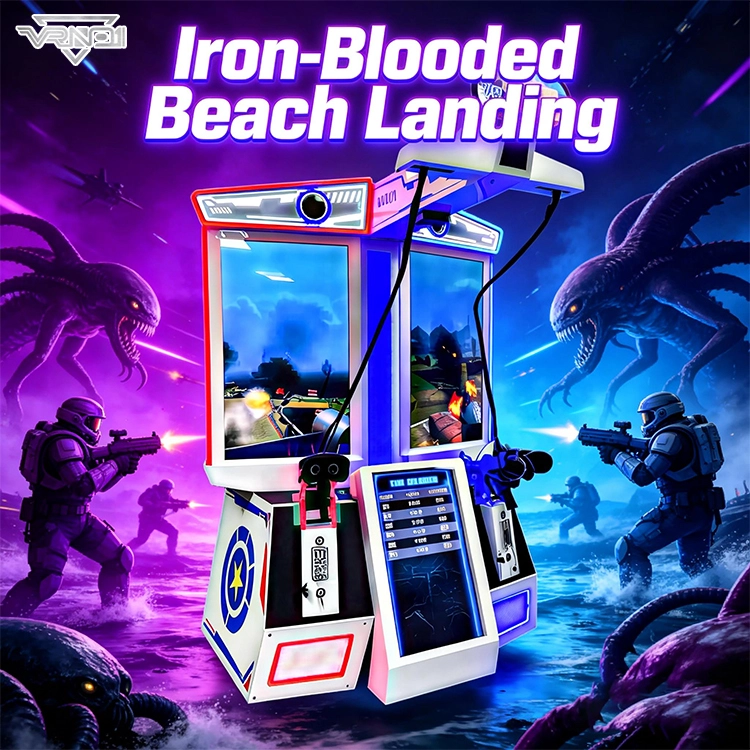
VRN0.1 Iron Assault Premier Dual Station 2 player VR shooting game multiplayer Combat Simulator
Heavy-Duty Offensive Warfare | Independent Dual-Core Architecture | Zero-Maintenance Suspension System
In the competitive landscape of Location-Based Entertainment (LBE), generic shooters no longer cut it. Enter the VR NO.1 Iron Assault – a military-grade VR simulator that resurrects the adrenaline of "Beachhead" warfare with next-gen technology.
Engineered by VR NO.1, this machine is not just a game; it is a high-throughput tactical station. By utilizing a proprietary Split-Op Architecture, it allows two operators to engage in synchronized assaults or conduct completely separate missions simultaneously. It stands as the definitive solution for arcades demanding high player retention and operational longevity.
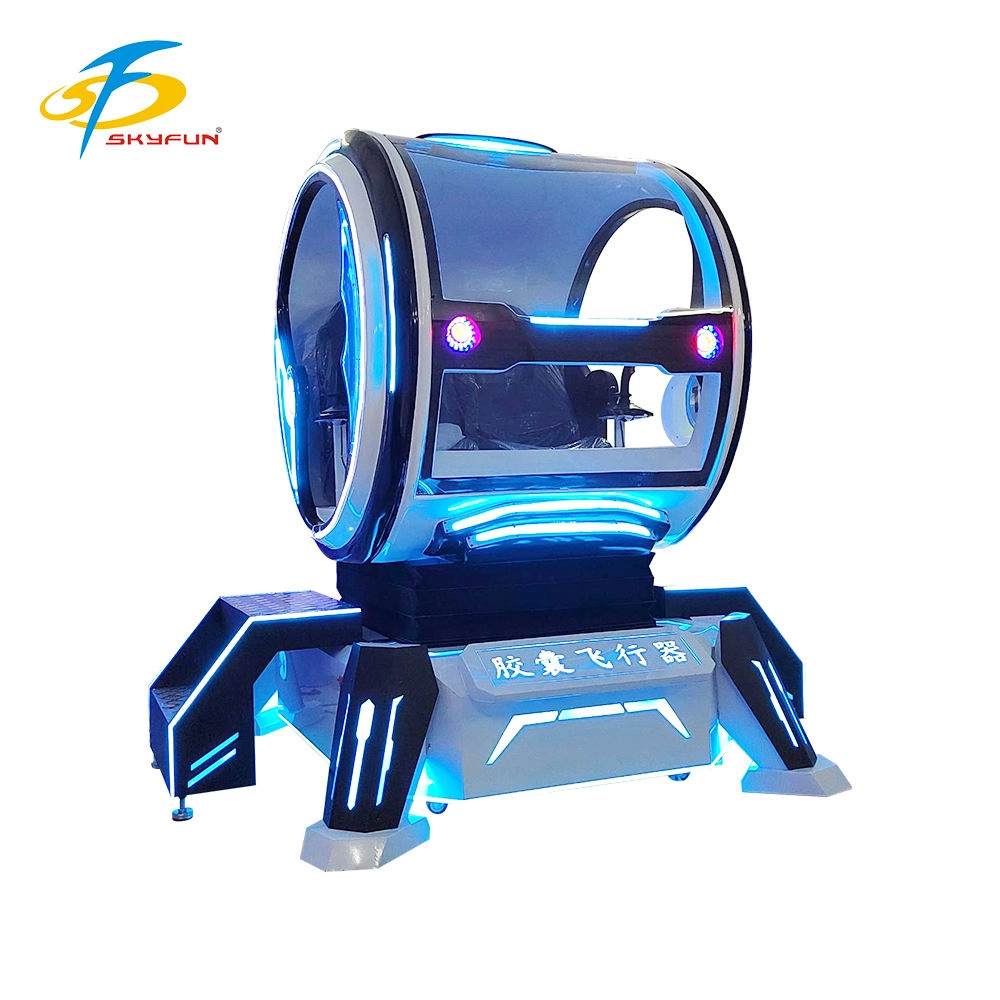
Double Player VR Flight Simulator 100 Movies 15 Games Coin-Operated Game Machine for Shopping Malls Amusement Parks
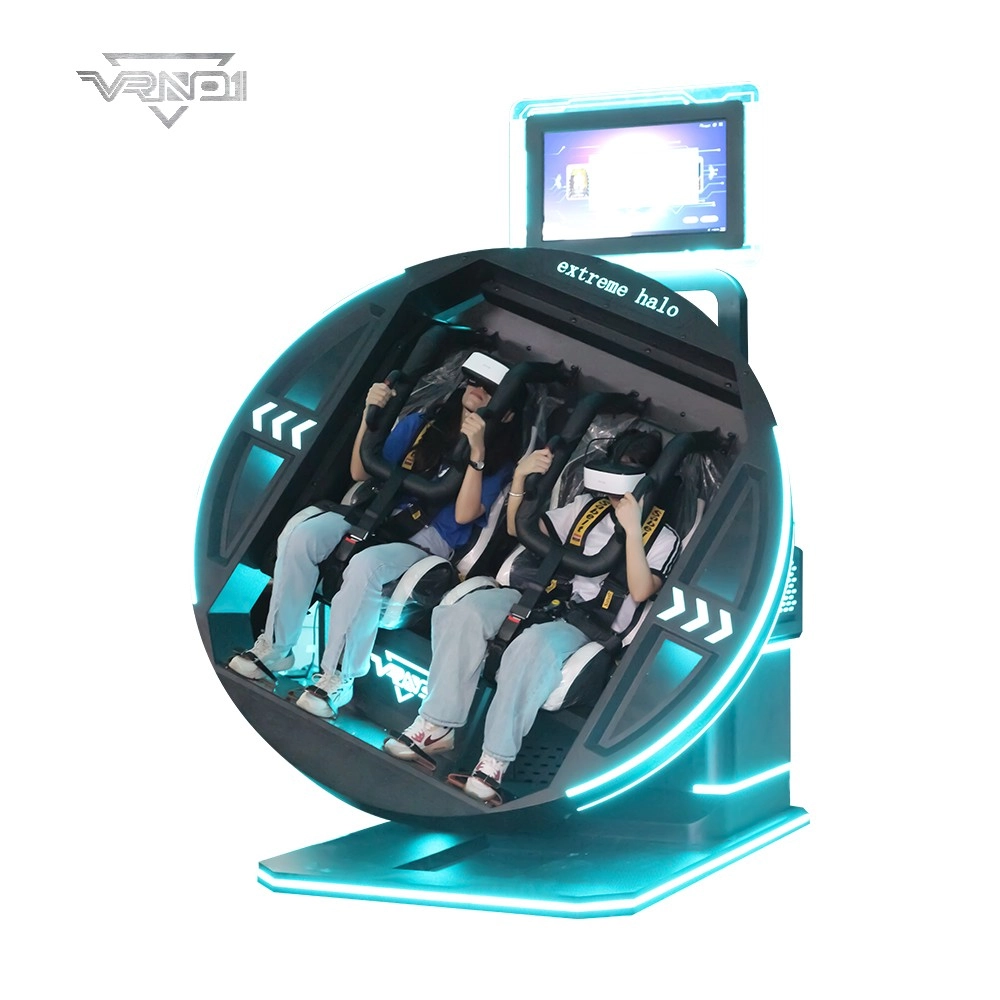
9D VR 360 Roller Coaster Cinema Chair Gaming Set Indoor/Outdoor Business Simulator Hardware for Home or School
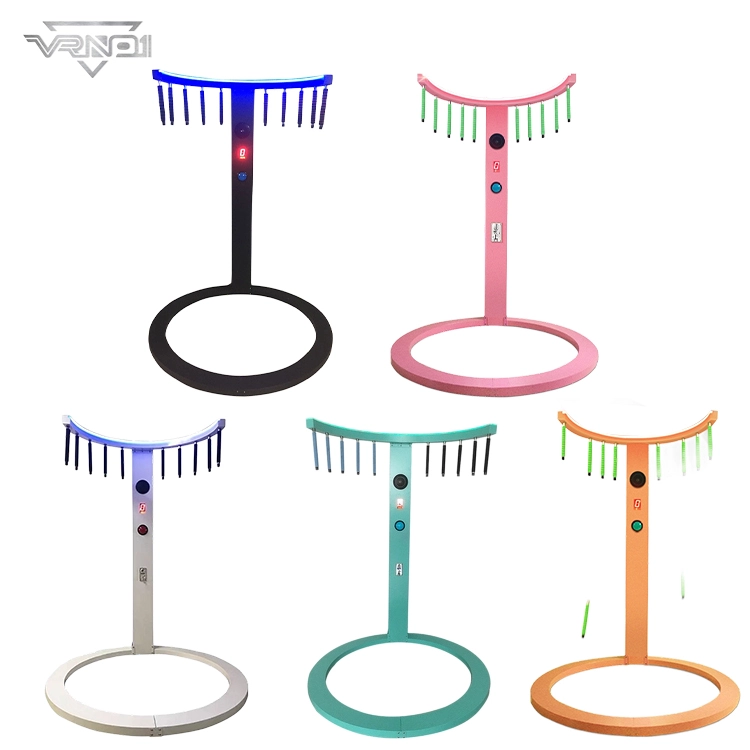
VRN0.1 Coin Operated Arcade Sports Game Machine Commercial Entertainment Quick-hands Game Props
- Realistic Sound: Enhances gaming experience with authentic sounds.
- Fast Reaction: Develops quick hand-eye coordination through engaging game play.
- DIY Kit: Allows for customization and personalization of the baton.
- Metal and Plastic Construction: Durable and robust build quality.
- Coin Operated: Fun for players who enjoy arcade-like experiences.
 Scan QR Code
Whatsapp: +8618127818571
Scan QR Code
Guangzhou Skyfun Technology Co.,Ltd
skyfunvrgame
skyfun game