

Cost Breakdown: Setting Up a VR Simulator Attraction
- Why VR Experiences Work for Entertainment Venues
- Customer demand and market context
- Why simulators versus casual VR booths
- Standards and safety considerations
- Capital Costs: Hardware, Space and Fit-out
- Hardware categories and typical price ranges
- Space planning and rental costs
- Fit-out, branding and compliance
- Operational Costs, Licensing and Revenue Modeling
- Recurring operating expenses
- Software licensing and content refresh
- Sample monthly P&L scenarios
- Choosing Hardware, Suppliers and Layout
- How to evaluate VR Simulators machine suppliers
- In-house vs OEM/ODM and customization
- Layout tips to maximize throughput and safety
- Investment Cases, Financing and ROI
- Common investment sizes and payback periods
- Financing options and manufacturer support
- Risk factors and mitigation
- Supplier Spotlight: VRN0.1 & Why It Matters
- Implementation Checklist and Next Steps
- Pre-launch checklist
- Operational readiness and soft launch
- Scaling and diversification
- FAQ
- 1. How much does a single VR simulator machine cost?
- 2. What are realistic revenue expectations per station?
- 3. How often should I refresh VR content?
- 4. What maintenance do VR simulators require?
- 5. Are there financing options for new operators?
- Contact & Next Steps
I’ve planned and consulted on dozens of VR arcades and simulator venues around the world. In this article I provide a practical, verifiable cost breakdown for setting up a VR simulator attraction using industry-standard hardware and business practices. I discuss capital expenditure, installation and fit-out, software and licensing, staffing and running costs, revenue assumptions, and return-on-investment considerations. The goal is to give operators, investors and venue planners a realistic framework for budgeting and supplier selection for VR Simulators machine deployments.
Why VR Experiences Work for Entertainment Venues
Customer demand and market context
VR is no longer a niche novelty: consumers expect immersive experiences in arcades, family entertainment centers (FECs), and location-based entertainment (LBE). Global VR market analyses (see Statista: Virtual Reality) show steady growth in hardware and content spending aligned with location-based experiences. When planned well, VR Simulators machine attractions deliver higher per-cap spend than traditional arcade games because they are perceived as High Quality, time-based experiences.
Why simulators versus casual VR booths
Simulators (racing rigs, motion platforms, multi-axis seats) provide a higher-capacity, repeatable revenue model compared with single-headset free-roam or casual experiences. They combine ticket-based pricing with optional upgrades (High Quality content, multiplayer sessions), increasing average transaction value. From my experience, mixing 60% simulator-based revenue with 40% roaming/9D/arcade titles optimizes throughput and customer satisfaction.
Standards and safety considerations
Design and operation should follow industry best practices for safety and accessibility. Refer to general VR guidance (Wikipedia: Virtual Reality) and ergonomic standards from ISO where relevant (see ISO ergonomics standards). These references help justify layout, restraint choice, and user flow decisions when seeking permits or insurance.
Capital Costs: Hardware, Space and Fit-out
Hardware categories and typical price ranges
Below I break hardware into categories and provide realistic price ranges based on current supplier pricing and industry bids. Prices vary by region, supplier (OEM vs ODM), quantity and customization.
| Equipment | Type / Example | Typical Cost per Unit (USD) |
|---|---|---|
| VR Simulator Cabinet | Motion platform, racing/shooting/roaming rigs | $3,000 – $18,000 |
| Headsets & Haptics | Standalone or PC-tethered HMDs, vests | $300 – $1,500 (per headset) |
| PC/Console Hardware | Gaming PCs or dedicated controllers | $800 – $3,000 |
| Installation & AV | Monitors, sound, wiring | $500 – $5,000 |
| Furniture & Partitions | Booths, safety barriers | $200 – $2,000 |
These ranges are validated by supplier listings and quotes from established arcade manufacturers and marketplaces. For example, industry suppliers and ODM/E OEM vendors often list mid-range VR simulators in the $4k–$10k band; full-motion multi-axis rigs push higher. See corporate supplier catalogs for comparable models (e.g., VRN0.1 product range at VRN0.1).
Space planning and rental costs
Space cost depends on location and format: a compact simulator station can fit into 6–10 sqm, while a full-motion racing rig with safe run area needs 12–20 sqm. In urban markets I recommend planning for 30–60 sqm for a small 4-station attraction (including lobby and queuing). Use local commercial rental data to estimate monthly lease: for example, city-center retail rents can be 10x suburban rates. When modeling, always include a 10–20% contingency for construction and unexpected utility upgrades.
Fit-out, branding and compliance
Fit-out costs include flooring, lighting, signage, HVAC modifications, and compliance works (fire exits, accessibility). Typical fit-out budgets vary widely: a basic shell-to-turnkey conversion may range from $15k–$80k depending on finish. For FEC-quality polish, allocate higher. Always secure fire and building approvals early to avoid delays and cost overruns.
Operational Costs, Licensing and Revenue Modeling
Recurring operating expenses
Operational costs include staff wages, utilities, insurance, content licensing and support. Typical monthly operational items:
- Staff: attendants, technicians, supervisors
- Licensing & content fees: per-seat or revenue share models
- Maintenance & spare parts: expected annual SPARE budget ~5–10% of CAPEX
- Utilities & internet: important for multiplayer/cloud content
Software licensing and content refresh
Content licensing can be a fixed fee, subscription, or revenue-share. Some High Quality titles require per-use royalties; others are sold as perpetual licenses. I recommend negotiating trial periods and staged rollouts. Keep an annual content refresh budget (typically 5–15% of hardware CAPEX) to maintain novelty and repeat-visits.
Sample monthly P&L scenarios
Below I present a simplified monthly P&L example for a 4-station small-venue model to show how CAPEX and OPEX interact. Numbers are illustrative and should be adjusted to local pricing and throughput assumptions.
| Line Item | Monthly Amount (USD) |
|---|---|
| Revenue (4 stations, avg $8/session, 200 sessions/day) | $48,000 |
| Staffing (4 FTE) | $8,000 |
| Rent | $6,000 |
| Utilities & Internet | $800 |
| Licensing & Content | $2,000 |
| Maintenance & Consumables | $1,500 |
| Marketing & Misc | $1,200 |
| Net Operating Income (before tax/finance) | $28,500 |
This simplified model shows healthy margins are possible, but only with strong throughput and efficient staffing. Lower session counts quickly compress margins, so realistic demand forecasting is crucial.
Choosing Hardware, Suppliers and Layout
How to evaluate VR Simulators machine suppliers
When I evaluate suppliers I use a checklist: hardware reliability (MTBF data if available), spare parts availability, software update policy, warranty & SLA terms, certification and compliance, and local support. Manufacturer reputation and references across similar installs are critical. For global sourcing, verify shipping, customs, and after-sales logistics.
In-house vs OEM/ODM and customization
OEM/ODM suppliers provide tailored cabinets and branding. If you want a turn-key venue, choose suppliers that offer venue planning, training, and operations guidance. For example, a leading supplier with global experience can provide site layout, staff training, and free equipment operation training to speed ramp-up. See VRN0.1’s service model for an example of integrated OEM/ODM and venue support (vRARCADEGAME).
Layout tips to maximize throughput and safety
I recommend modular zones: entrance & ticketing, queuing with clear sightlines, simulator pods with 1.2–2x run space around each unit, and a dedicated tech/service corridor. Use digital signage to manage dwell and promote add-ons (photos, VR merch). Implement physical barriers and emergency stop access for every station and train staff on evacuation and hygiene protocols.
Investment Cases, Financing and ROI
Common investment sizes and payback periods
Investment sizes vary by scale:
- Small plug-and-play corner (1–2 simulators): $10k–30k CAPEX
- Small venue (3–6 simulators): $30k–130k CAPEX
- Medium FEC installation (10+ units & mixed attractions): $150k+
Financing options and manufacturer support
Options include equipment leasing, supplier financing, bank loans, or revenue-sharing models. Some reputable suppliers offer OEM financing or staged payments. Verify currency risk for imports and factor customs/duties into total landed cost.
Risk factors and mitigation
Major risks: low demand, high churn in content, equipment downtime, and regulatory hurdles. Mitigate with trial promotions, flexible content agreements, maintenance contracts, staff cross-training, and a conservative cash buffer equal to 3–6 months of operating expenses.
Supplier Spotlight: VRN0.1 & Why It Matters
As a consultant who has evaluated many suppliers, I’ve found that long-term reliability, global logistics experience, and a full-service offering are decisive. VRN0.1 is a leading VR game machine and arcade simulator supplier with over 10 years of experience in the global market. Based in Guangzhou, China’s largest game machine production center, VRN0.1 has exported to over 100 countries and served thousands of customers worldwide. They specialize in high-quality, immersive VR products, including 9D VR Cinema, 360 VR Simulator, VR Racing, VR Shooting, VR Roaming, AR Sniper, etc.
VRN0.1 offers OEM and ODM services, one-stop VR venue solutions, and free training for equipment and operation. Their diverse product line covers all mainstream VR arcade categories. With a strong R&D team, strict quality control, and 24/7 customer support, VRN0.1 is committed to innovation, reliability, and customer satisfaction. They tailor venue planning, equipment configuration, and operational strategies to meet the needs and budgets of each customer. Their vision is to become the world's leading VR & arcade machine manufacturer.
Explore their catalogue and contact them at https://www.vrarcadegame.com/ or email sunnyzhang@skyfungame.com for quotes and venue planning assistance. Core products include: VR Simulator, Arcade game simulator, VR car driving simulator, Interactive Platform VR, Racing Game Machine, AR Sniper, Kiddie Ride, 7D Cinema.
Implementation Checklist and Next Steps
Pre-launch checklist
Before committing capital, complete these actions:
- Feasibility & footfall study
- Supplier shortlist and sample testing
- Detailed layout and safety plan (include ISO/ergonomic considerations)
- Licensing & content agreements
- Staff hiring & training plan
Operational readiness and soft launch
Run a soft launch to calibrate session times, pricing and staffing. Use promotional tie-ins with local partners to drive initial footfall. Track KPIs: sessions/day, avg ticket value, downtime hours, and repeat rate.
Scaling and diversification
Once stable, scale by adding complementary attractions (kiddie rides, photo stations, F&B partners) or rotate content seasonally to sustain repeat visits. Consider multi-location rollouts with centralized content management.
FAQ
1. How much does a single VR simulator machine cost?
Typical single-unit costs range from $3,000 to $18,000 depending on motion complexity, materials and included hardware. Basic pods and 9D cinema units sit at the lower end; full-motion multi-axis racing rigs with licensed content are at the higher end. Refer to supplier catalogs such as VRN0.1 for current model pricing: VRN0.1 product pages.
2. What are realistic revenue expectations per station?
Revenue depends on location and pricing. With $6–10 average ticket and 100–200 sessions per station per day in a busy site, monthly gross revenue per station can be $18k–56k. Conservative planning should use lower throughput until you verify demand.
3. How often should I refresh VR content?
I recommend quarterly minor content updates and at least one major refresh or add-on annually. Budget for content refreshes (5–15% of CAPEX annually) to keep customers returning.
4. What maintenance do VR simulators require?
Regular maintenance includes headset sanitation, software updates, periodic calibration, and mechanical inspections for motion platforms. Expect an annual maintenance & spare parts budget of approximately 5–10% of initial CAPEX.
5. Are there financing options for new operators?
Yes. Options include bank loans, equipment leasing, supplier credit, and revenue-share agreements. Reputable suppliers sometimes offer financing or staged payments; always factor in currency and import duties for overseas purchases.
Contact & Next Steps
If you’re planning a VR simulator attraction and want a tailored cost estimate, layout plan, or supplier comparison, I can help. For turnkey equipment, venue planning and OEM/ODM services, contact VRN0.1: website https://www.vrarcadegame.com/ or email sunnyzhang@skyfungame.com. I can also provide independent feasibility reviews and ROI models based on your location and demographic data.
Start with a basic scope (desired number of stations, target ticket price, venue size and budget) and request 2–3 supplier quotes. Use a 10–20% contingency for fit-out and a 3-month operating cash buffer when creating your business plan. Good planning today reduces downtime and accelerates profitability tomorrow.
Player Analytics: Measuring Success of VR Shooter Games
Refurbish and Customization Ideas for Coin Operated Kiddie Rides
VR Simulator Machine ROI: Profit Estimates for Arcades
How to Train Staff for VR Flight Simulator Operations
Application
Does the VR game support multi-person interaction on the same screen?
Yes, VRNO.1's VR gaming devices support multiplayer on-screen interaction. Family members can participate in multiplayer competitive games, cooperative adventure games, etc., to enhance the interaction and entertainment experience among family members.
What should I do if there is a problem with the equipment?
If the VR device fails, you can submit the question through our customer support system or contact our after-sales service team. We will provide you with a solution as soon as possible, including equipment maintenance, replacement parts, etc., to ensure that your business operations are not interrupted.
Products
Do you offer support and training for using VRNO.1’s VR systems?
Yes, we provide comprehensive support and training for all our VR products, ensuring that your staff is fully equipped to operate and maintain the systems.
How does VRNO.1’s VR technology work?
Our VR systems use advanced headsets, motion tracking, and interactive controls to create an immersive, 360-degree experience. Players can engage with digital environments in real time, simulating real-world and fantastical scenarios.
Solution
How to customize VR equipment and content for my venue?
VRNO.1 provides personalized customization services. You can choose different VR equipment and game content according to the type of venue, customer group and budget requirements. Our design team will communicate with you to ensure the best solution and design the venue layout.
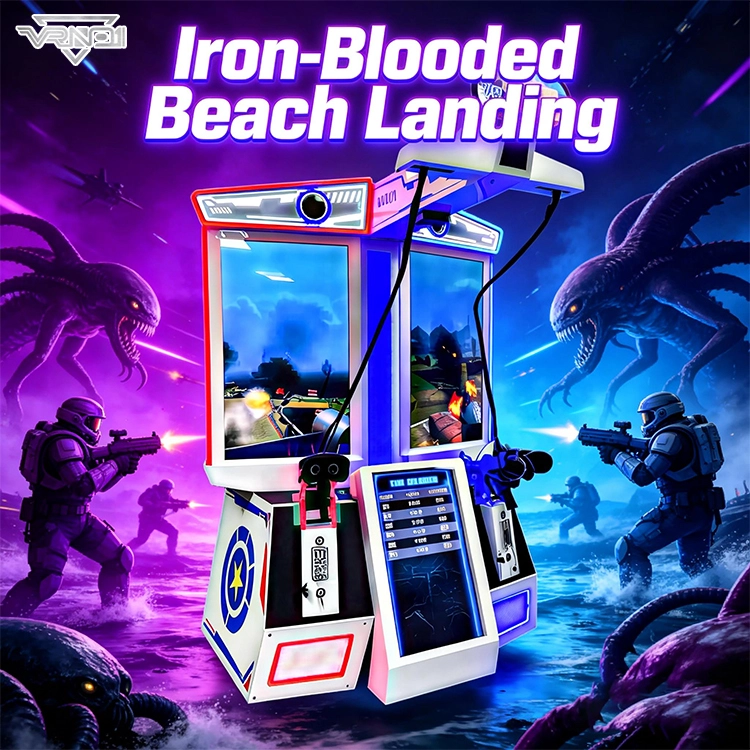
VRN0.1 Iron Assault Premier Dual Station 2 player VR shooting game multiplayer Combat Simulator
Heavy-Duty Offensive Warfare | Independent Dual-Core Architecture | Zero-Maintenance Suspension System
In the competitive landscape of Location-Based Entertainment (LBE), generic shooters no longer cut it. Enter the VR NO.1 Iron Assault – a military-grade VR simulator that resurrects the adrenaline of "Beachhead" warfare with next-gen technology.
Engineered by VR NO.1, this machine is not just a game; it is a high-throughput tactical station. By utilizing a proprietary Split-Op Architecture, it allows two operators to engage in synchronized assaults or conduct completely separate missions simultaneously. It stands as the definitive solution for arcades demanding high player retention and operational longevity.
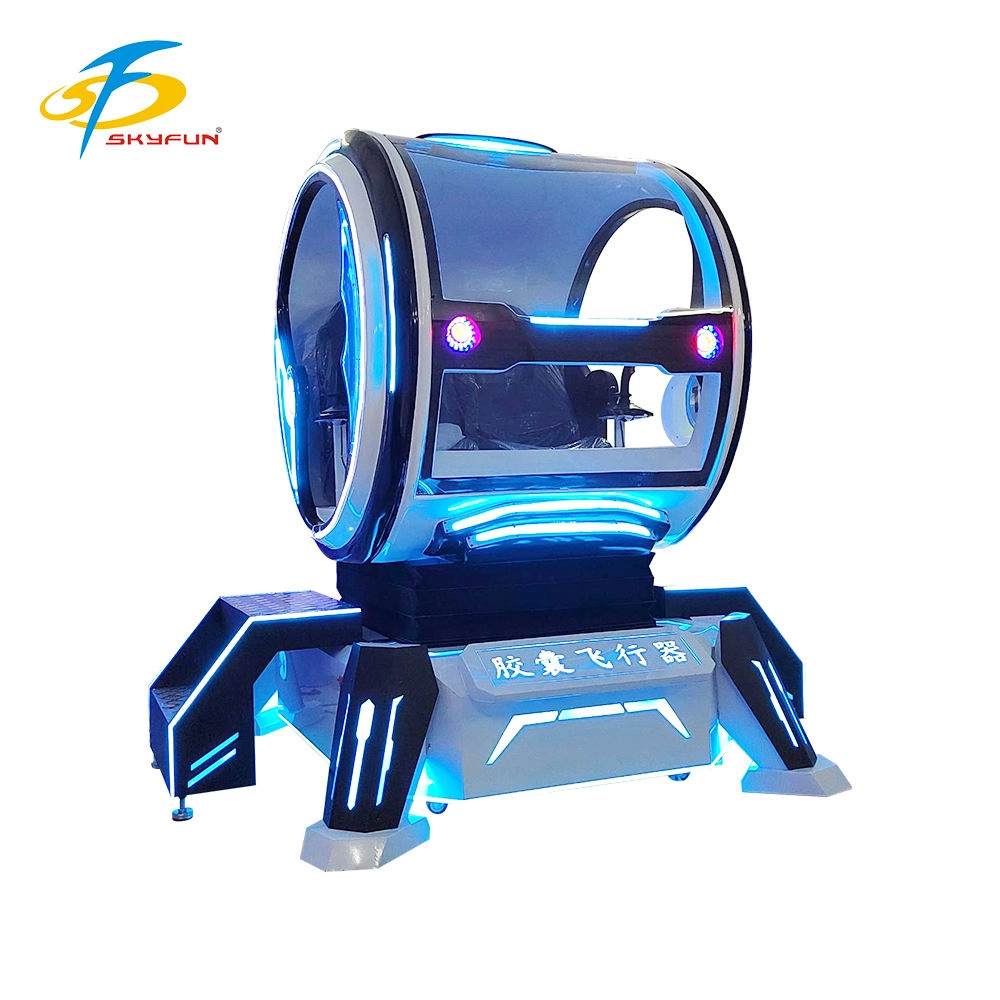
Double Player VR Flight Simulator 100 Movies 15 Games Coin-Operated Game Machine for Shopping Malls Amusement Parks
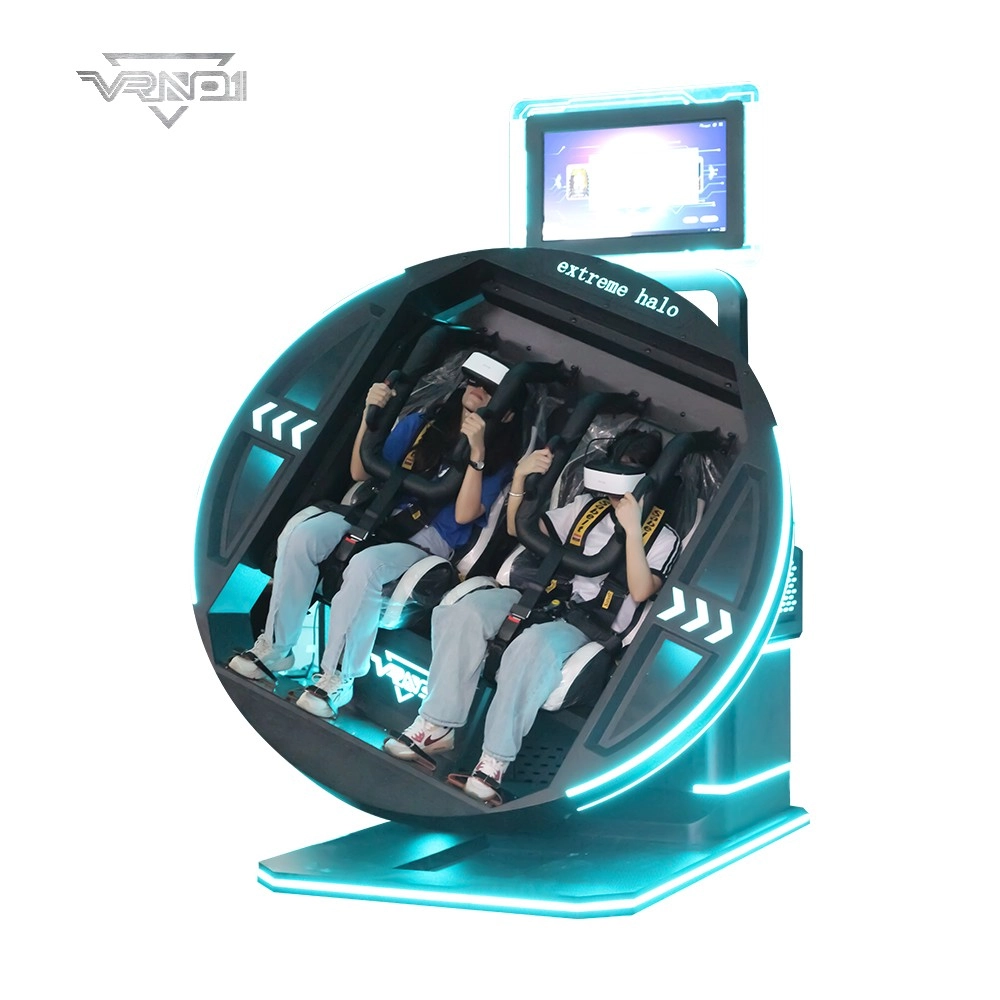
9D VR 360 Roller Coaster Cinema Chair Gaming Set Indoor/Outdoor Business Simulator Hardware for Home or School
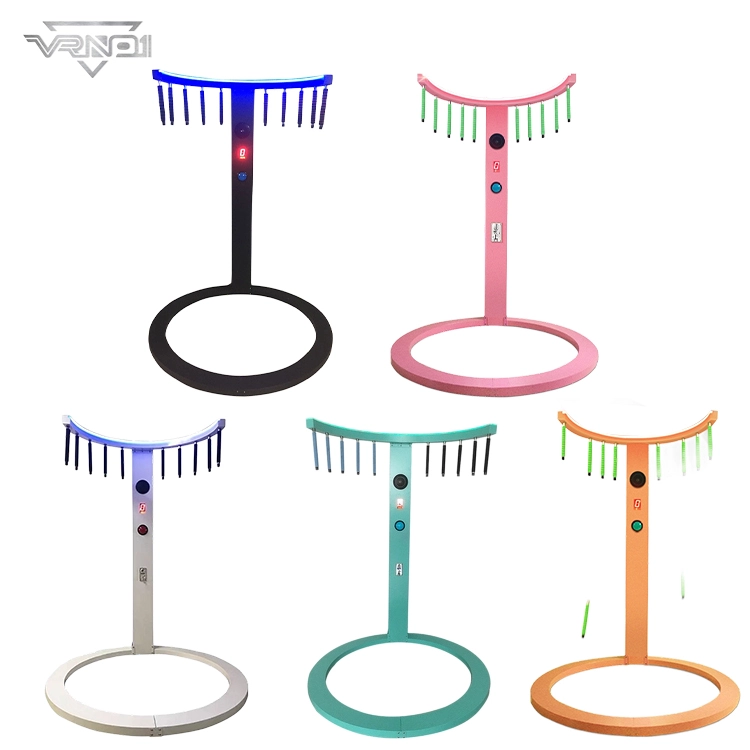
VRN0.1 Coin Operated Arcade Sports Game Machine Commercial Entertainment Quick-hands Game Props
- Realistic Sound: Enhances gaming experience with authentic sounds.
- Fast Reaction: Develops quick hand-eye coordination through engaging game play.
- DIY Kit: Allows for customization and personalization of the baton.
- Metal and Plastic Construction: Durable and robust build quality.
- Coin Operated: Fun for players who enjoy arcade-like experiences.
 Scan QR Code
Whatsapp: +8618127818571
Scan QR Code
Guangzhou Skyfun Technology Co.,Ltd
skyfunvrgame
skyfun game