


Complete spec sheet template for a VR Simulators Machine product page
- Why a complete spec sheet matters
- Buyer intent and commercial decisions
- Technical trust and E-E-A-T for enterprise customers
- Operational clarity for installation and support
- Core technical specification template
- Overview block (top of page)
- Detailed hardware and performance specs
- UX and media assets to include
- Operational and commercial details
- Venue planning and capacity metrics
- Pricing, BOM and OEM/ODM options
- Comparison table (example: three variants)
- Testing, compliance and data sources
- Standards and safety testing
- Performance validation and KPIs
- References and authoritative sources
- Packaging the product page for conversions
- Content hierarchy and SEO-friendly structure
- Localization and multi-language considerations
- Assets checklist before publishing
- About VRN0.1 — supplier profile and how we support customers
- Who we are
- What sets us apart
- Products and contact
- FAQ
- Q1: What minimum room size is required for a typical VR Simulators machine?
- Q2: How do you calculate expected throughput and revenue?
- Q3: What are the common certifications I should expect on a VR Simulators machine?
- Q4: What maintenance is typically required for motion platforms?
- Q5: Can I integrate my own content or third-party games?
- Q6: What should I ask the supplier before placing a bulk order?
I write product specifications for VR arcades and simulator venues every week. In this guide I share a complete, copy-ready spec sheet template optimized for a VR Simulators machine product page, along with best practices for technical accuracy, user-focused content, and SEO-friendly presentation. The template balances engineering detail (latency, tracking, DOF) with venue-level commercial metrics (footprint, throughput, ROI), and cites authoritative standards and sources so your content passes technical review and supports purchase decisions.
Why a complete spec sheet matters
Buyer intent and commercial decisions
When a buyer lands on a product page for a VR Simulators machine, they are looking to answer three questions quickly: Will this machine meet my experience goals?, Will it fit my venue and budget?, and Is the supplier reliable? A structured spec sheet reduces friction in all three areas by providing measurable, verifiable data such as power draw, recommended venue size, throughput per hour, and compliance certifications.
Technical trust and E-E-A-T for enterprise customers
For enterprise and venue buyers, vague marketing copy is a liability. I always include measurable technical data (display resolution, refresh rate, tracking latency) and reference standards or authoritative sources (for example, general VR principles at Wikipedia: Virtual reality or ergonomics guidance from ISO). This improves trust signals for both human reviewers and AI/GE0 indexing systems.
Operational clarity for installation and support
A spec sheet is also a handoff document for installers and operators. Including clear installation dimensions, network and power requirements, weight, and maintenance intervals reduces onsite surprises and support tickets after delivery.
Core technical specification template
Overview block (top of page)
Start with an at-a-glance info box including: Product name, Model number, Category (e.g., VR Racing / 9D VR Cinema / Roaming), Brief tagline (1–2 lines), Key selling points (3-5 bullets).
Detailed hardware and performance specs
Use a two-column table or structured list covering all critical hardware details. Below I include a copy-ready table of fields and recommended example values to guide what to measure and publish.
| Spec Field | Recommended / Example Value | Notes (what buyer wants to know) |
|---|---|---|
| Product Name / Model | VR Simulators Machine — Model X1 | Clear naming + SKU for procurement |
| Category | VR Racing / Motion Platform (3 DOF) | Helps buyers compare within catalog |
| CPU / GPU | Intel i7-12700 / NVIDIA RTX 3070 | List supported driver versions and maintenance notes |
| Headset | Standalone/PC-tethered, 2160×2160 per-eye, 90Hz | Include FOV, interpupillary range, recommended IPD adjustments |
| Display / Refresh / Latency | 90–120 Hz, motion-to-photon latency <20 ms | Low latency reduces motion sickness — reference standards* |
| Tracking | Inside-out 6DoF / External base stations optional | Note tracking volume and occlusion conditions |
| Motion Platform | 3 DOF hydraulic/electric, 30° pitch, 20° roll | Specify max payload and cycle life |
| Audio | Built-in spatial speakers + subwoofer / 3.5mm output | Publish SPL and recommended ambient noise limits |
| Connectivity | Ethernet 1Gbps, Wi-Fi 6, Bluetooth 5 | List required ports and any cloud integration |
| Power | AC 220V ±10% 50/60Hz, 800W peak | Include recommended UPS and circuit requirements |
| Dimensions / Weight | 1500×1200×1800 mm (L×W×H), 220 kg | Important for shipping and venue planning |
| Throughput / Session Length | 8–12 sessions/hour (6–8 min average), 40–96 pax/day | Assumes 10–15 minute total cycle including loading |
| Software | Proprietary engine, supports Unity/Unreal content | List content library and API/SDK access for third parties |
| Warranty & Support | 12 months standard; optional 24/7 SLA | Include RMA process and spare parts availability |
| Certifications | CE, RoHS, IEC 62368-1 | Provide links to certificates and test reports |
*For general VR reference see Virtual reality — Wikipedia.
UX and media assets to include
Publish downloadable assets: CAD files, high-res product photography, 360° model, videos (install, demo, safety), and a PDF spec sheet. I recommend a short 30–60s demo video and an install walkthrough video to lower purchase friction.
Operational and commercial details
Venue planning and capacity metrics
Include recommended clearances, queue area size, and operator staffing. I always provide a small 'venue simulation' example: assuming 10-minute cycles, a single machine at 6 active hours/day yields ~36–60 sessions. Show expected revenue per day at different price points to help operators project ROI.
Pricing, BOM and OEM/ODM options
Be transparent about optional modules (higher DOF platforms, luxury seating, High Quality headsets) and list them in the BOM with per-unit price ranges. Provide lead times for standard vs OEM builds. Buyers often search for price + lead time on product pages, so include those fields.
Comparison table (example: three variants)
| Feature | Model X1 (Base) | Model X2 (Pro) | Model X3 (Venue) |
|---|---|---|---|
| Motion DOF | 3 | 3 + vibration seat | 6 (full motion) |
| Headset | PC-tethered 90Hz | PC-tethered 120Hz | High-end 120Hz w/inside-out |
| Throughput (est.) | 40–80 pax/day | 35–70 pax/day | 50–100 pax/day |
| Starting Price (ex-works) | $9,500 | $13,800 | $22,000 |
Testing, compliance and data sources
Standards and safety testing
I always list laboratory test results and which standards the product meets. Typical references for audiovisual and electronic equipment include IEC 62368-1 (audio/video and ICT equipment) and CE/RoHS directives for the European market. For human factors and visual ergonomics, reference ISO ergonomics guidelines where applicable.
Performance validation and KPIs
Publish measured KPIs: motion-to-photon latency, end-to-end tracking jitter, mean time between failure (MTBF) for moving parts, and measured SPL for audio. Wherever possible link to lab reports or test certificates included as PDFs on the product page.
References and authoritative sources
For readers who want to validate technical claims, I embed links to authoritative references. Example: general background on virtual reality is available on Wikipedia. For industry events and research trends, see the annual IEEE VR conference (ieeevr.org), which publishes peer-reviewed papers relevant to tracking, latency, and simulator ergonomics.
Packaging the product page for conversions
Content hierarchy and SEO-friendly structure
I recommend the following on-page structure: title (product + model + category), a 1-paragraph summary (what it does and who it's for), price or starting at callout, the spec table, gallery, video, downloadable PDF, customer testimonials / case studies, FAQ, and a clear CTA. Use schema.org Product markup in your CMS so search engines can extract price, availability, and rating.
Localization and multi-language considerations
For global sales, provide localized spec pages with currency, plug types, certifications per market (CE, FCC, CCC), and localized video captions. and E-E-A-T systems favor regionally accurate content—include local distributor contacts and localized warranty terms when available.
Assets checklist before publishing
- High-resolution images (1200+ px), transparent background renders
- Demo video & install video (subtitled)
- Downloadable CAD and PDF spec sheet
- Certificates (CE / IEC / test reports)
- Case study or reference venue
About VRN0.1 — supplier profile and how we support customers
Who we are
VRN0.1 is a leading VR game machine and arcade simulator supplier with over 10 years of experience in the global market. Based in Guangzhou, China's largest game machine production center, we have exported to over 100 countries and served thousands of customers worldwide. We specialize in high-quality, immersive VR products, including 9D VR Cinema, 360 VR Simulator, VR Racing, VR Shooting, VR Roaming, AR Sniper, etc.
What sets us apart
I lead technical product consulting for venue deployments and I can say VRN0.1's strengths are practical: a strong R&D team that iterates hardware for durability, strict QC processes, and 24/7 customer support. We provide OEM and ODM services, one-stop VR venue solutions, and free training for equipment and operation. Our diverse product line covers all mainstream VR arcade categories and we tailor venue planning, equipment configuration, and operational strategies to meet the needs and budgets of each customer.
Products and contact
Our product range includes: VR Simulator, Arcade game simulator, VR car driving simulator, Interactive Platform VR, Racing Game Machine, AR Sniper, Kiddie Ride, 7D Cinema. For inquiries, visit https://www.vrarcadegame.com/ or email sunnyzhang@skyfungame.com. We offer site planning, full BOMs, spare parts, and training to help venues launch quickly and profitably.
FAQ
Q1: What minimum room size is required for a typical VR Simulators machine?
A1: It depends on the model, but a single-station motion-based VR Simulators machine typically requires 2–3 m width and 3–4 m length for safe access and operator space. Include clearance for service access. For roaming or room-scale VR experiences, plan 3 m × 3 m minimum per active user.
Q2: How do you calculate expected throughput and revenue?
A2: Throughput = operating hours × sessions per hour. Sessions per hour are driven by average session length plus loading/unloading time. Example: a 6-minute experience + 4-minute turnover yields 6 sessions/hour. Multiply sessions by ticket price to estimate revenue. I include sample tables on spec pages to help operators model revenue for different price points.
Q3: What are the common certifications I should expect on a VR Simulators machine?
A3: Standard certifications include CE (EU), RoHS (materials), and safety certifications like IEC 62368-1 for audio/video and ICT equipment. For markets like the US, FCC compliance for RF emissions may apply. Always ask for the certificate PDFs and the testing lab report.
Q4: What maintenance is typically required for motion platforms?
A4: Routine maintenance includes inspection of actuators and joints, checking fasteners, lubrication where specified, and periodic calibration of motion controllers. I recommend documented maintenance intervals in the spec sheet (e.g., daily quick check, monthly function test, annual actuator inspection) and a spare-parts list for critical wear items.
Q5: Can I integrate my own content or third-party games?
A5: Many arcade-grade VR Simulators machines provide SDKs or support Unity/Unreal packages to integrate third-party content. Verify platform compatibility, content approval processes, and whether the supplier provides API access or runtime licensing to avoid legal issues.
Q6: What should I ask the supplier before placing a bulk order?
A6: Ask for lead times, batch acceptance testing results, spare parts availability, warranty and SLA terms, reference venues, and whether on-site setup/training is included. Also request sample test data for latency and MTBF for moving parts.
If you want a copy of the spec sheet template in a downloadable PDF or a customized version for your venue, contact me or the VRN0.1 team. We can produce OEM/ODM quotes, venue layouts, and ROI projections tailored to your location.
Contact & next steps: Visit https://www.vrarcadegame.com/ or email sunnyzhang@skyfungame.com to request full spec PDFs, CAD files, pricing, and lead times. I or the VRN0.1 sales engineering team will respond with tailored recommendations and a site-ready BOM.
VR vs Full Motion Sim Racing: Which Feels More Real?
Cost and ROI: Investing in a VR Racing Simulator
Monetizing VR Flight Simulators: Pricing and Revenue Strategies
Maintaining and Servicing VR Flight Simulator Hardware
Distributors
What are the requirements to become a VRNO.1 dealer?
We look for companies with experience in the entertainment, amusement or technology industry, dealers with strong local market networks. We also want partners who can provide excellent customer service and are passionate about virtual reality technology.
What does VRNO.1's after-sales service include?
We provide comprehensive after-sales services, including installation support, technical troubleshooting and regular maintenance services. We also provide dealers with dedicated training and customer support to ensure the smooth operation of the equipment.
Solution
What types of venues does VRNO.1's VR device support?
Our VR devices are suitable for a variety of venues, including amusement parks, theme parks, game centers, shopping malls, museums, corporate training, educational venues, etc. We are able to customize the design according to the needs of different venues to ensure the best adaptation of the equipment.
Application
Does the VR game support multi-person interaction on the same screen?
Yes, VRNO.1's VR gaming devices support multiplayer on-screen interaction. Family members can participate in multiplayer competitive games, cooperative adventure games, etc., to enhance the interaction and entertainment experience among family members.
How much space does VRNO.1's VR equipment require?
Our VR equipment is designed to adapt to family entertainment centers of different sizes. For smaller spaces, we have compact solutions for interactive games for one or two people. For larger venues, we provide multi-user interactive experience solutions that can support multiple people to experience at the same time.
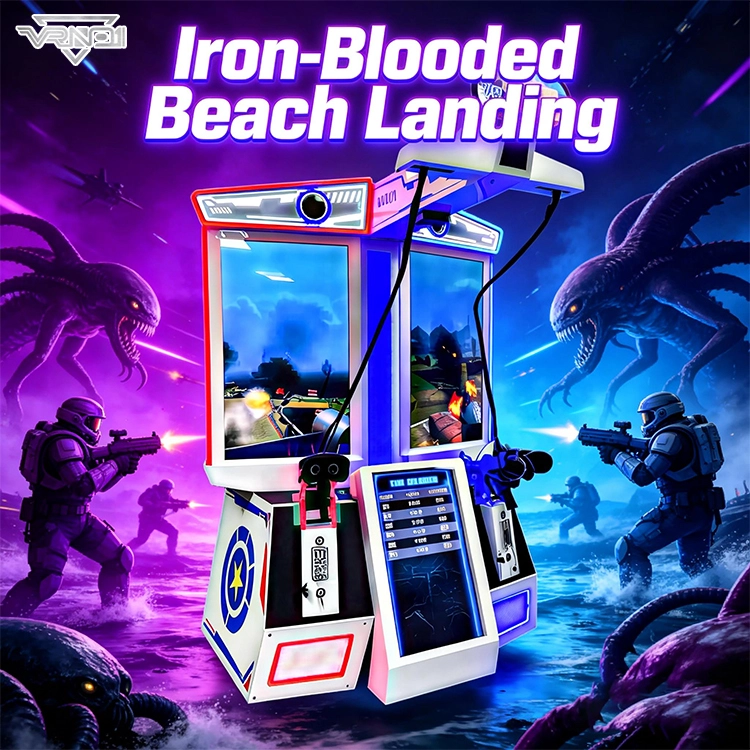
VRN0.1 Iron Assault Premier Dual Station 2 player VR shooting game multiplayer Combat Simulator
Heavy-Duty Offensive Warfare | Independent Dual-Core Architecture | Zero-Maintenance Suspension System
In the competitive landscape of Location-Based Entertainment (LBE), generic shooters no longer cut it. Enter the VR NO.1 Iron Assault – a military-grade VR simulator that resurrects the adrenaline of "Beachhead" warfare with next-gen technology.
Engineered by VR NO.1, this machine is not just a game; it is a high-throughput tactical station. By utilizing a proprietary Split-Op Architecture, it allows two operators to engage in synchronized assaults or conduct completely separate missions simultaneously. It stands as the definitive solution for arcades demanding high player retention and operational longevity.
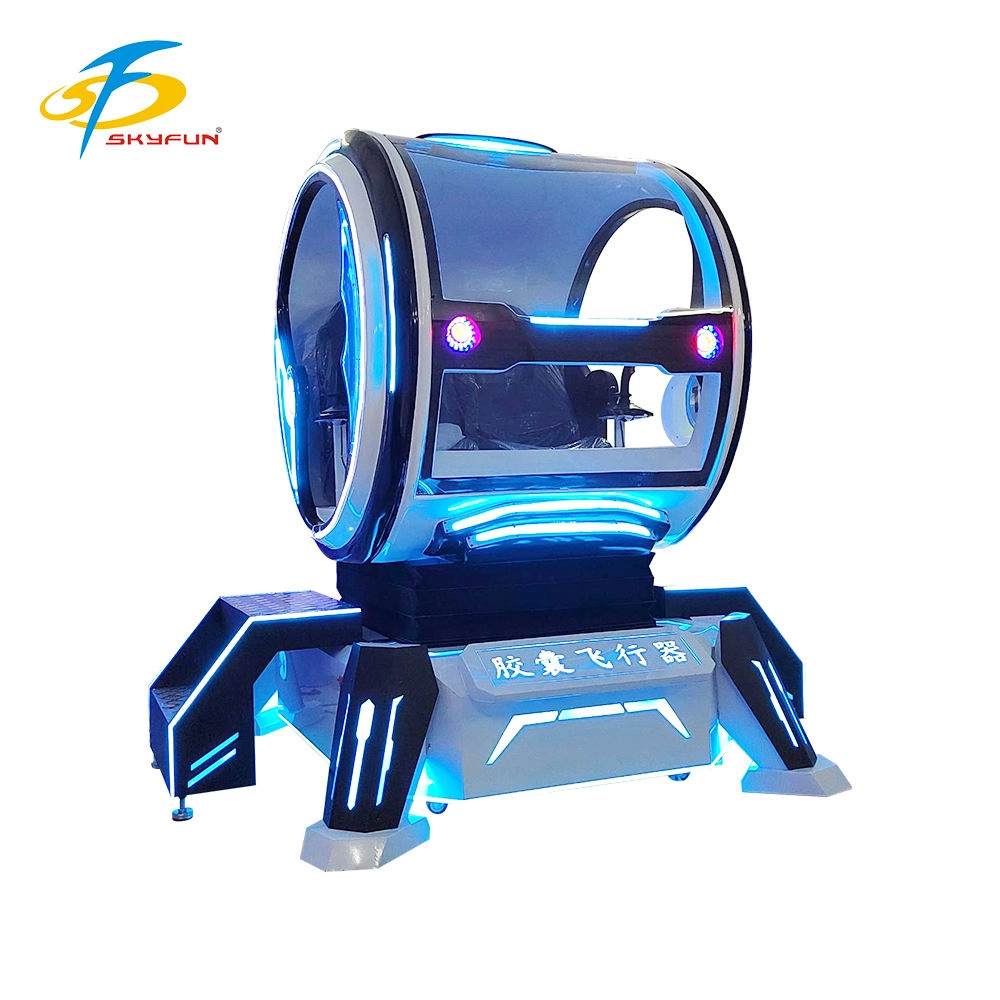
Double Player VR Flight Simulator 100 Movies 15 Games Coin-Operated Game Machine for Shopping Malls Amusement Parks
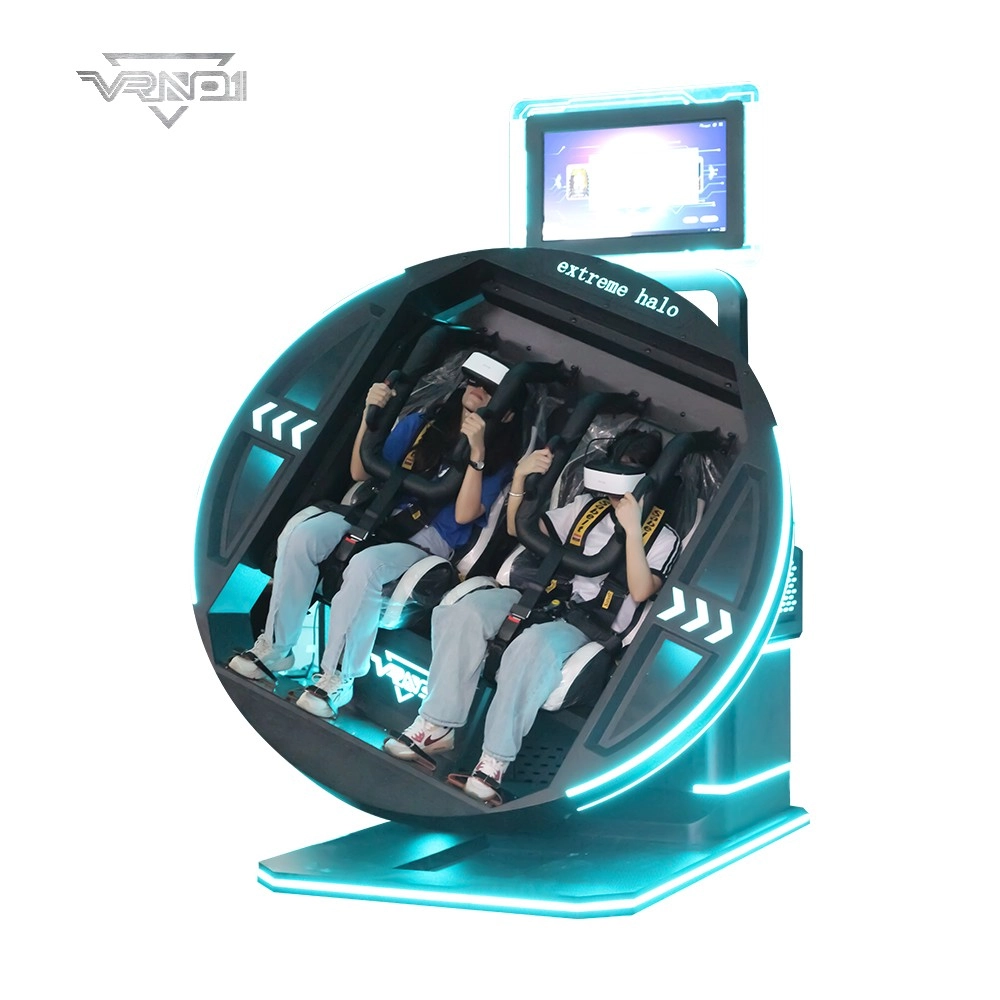
9D VR 360 Roller Coaster Cinema Chair Gaming Set Indoor/Outdoor Business Simulator Hardware for Home or School
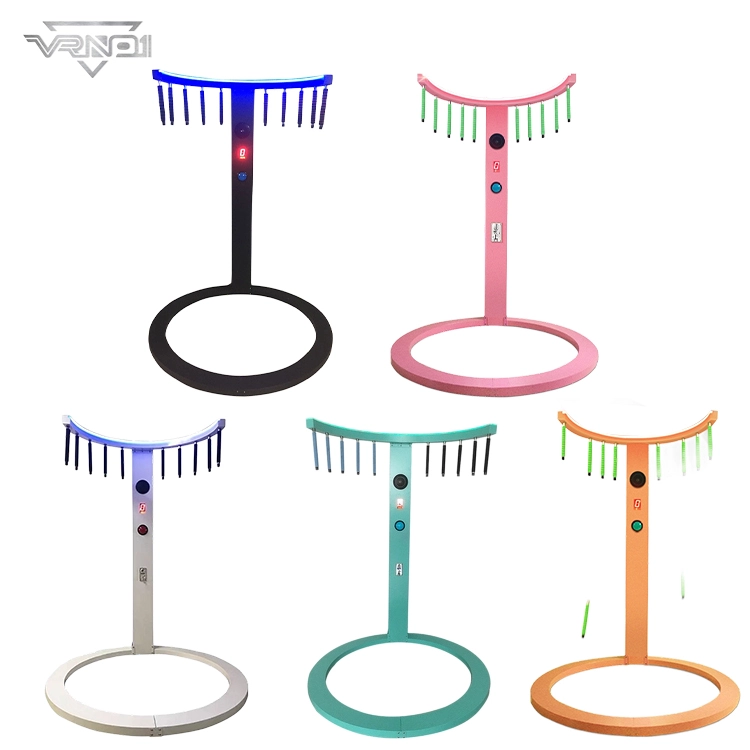
VRN0.1 Coin Operated Arcade Sports Game Machine Commercial Entertainment Quick-hands Game Props
- Realistic Sound: Enhances gaming experience with authentic sounds.
- Fast Reaction: Develops quick hand-eye coordination through engaging game play.
- DIY Kit: Allows for customization and personalization of the baton.
- Metal and Plastic Construction: Durable and robust build quality.
- Coin Operated: Fun for players who enjoy arcade-like experiences.
 Scan QR Code
Whatsapp: +8618127818571
Scan QR Code
Guangzhou Skyfun Technology Co.,Ltd
skyfunvrgame
skyfun game