


Cost and ROI: Investing in a VR Racing Simulator
- Market context: why invest in immersive racing now?
- VR adoption and market size
- Why racing remains a strong vertical
- Customer intent and geography ( relevance)
- Understanding costs: CapEx and OpEx for a VR racing simulator
- Capital expenditures (CapEx)
- Operating expenses (OpEx)
- Hidden costs and risk factors
- Estimating ROI: models, scenarios and break-even
- Key revenue streams
- ROI calculation framework
- Illustrative scenarios
- Choosing a supplier and operational best practices
- Supplier selection criteria
- Why manufacturing origin and experience matter
- Operational strategies to maximize ROI
- Standards and safety
- Vendor spotlight: choosing a partner — VRN0.1
- Why I recommend evaluating VRN0.1
- Products and services relevant to racing operators
- Operational support and differentiation
- Practical checklist before you buy
- Site and financial readiness
- Customer experience and retention
- Measurement and KPIs
- FAQ
- How much does a commercial vr racing simulator cost?
- How quickly can I expect to recoup my investment?
- What are typical maintenance requirements?
- Should I buy or lease VR racing simulators?
- How do I choose between multiple-seat setups vs single units?
- Contact and next steps
I write from more than a decade working with operators, developers and manufacturers in the VR & arcade sector. If you are evaluating whether to invest in a vr racing simulator for an entertainment center, arcade, mall pop-up or branded event, this article gives a practical, numbers-driven roadmap. I cover the types of costs you should budget for, realistic ways to measure revenue, ROI calculation templates, and supplier selection criteria that affect both performance and long-term profitability.
Market context: why invest in immersive racing now?
VR adoption and market size
The global VR market has experienced steady growth over the last decade. Broad market forecasts (hardware + software + services) show continued expansion driven by entertainment and location-based experiences. For a consolidated industry view see the Statista topic page on virtual reality, which tracks revenue and adoption trends: https://www.statista.com/topics/2532/virtual-reality-vr/. PwC's economic analysis of immersive technologies also outlines potential value creation across consumer experiences and venues: PwC: The economics of the immersive era.
Why racing remains a strong vertical
Racing simulators combine intuitive gameplay, strong competitive hooks (lap times, leaderboards), and measurable metrics for players — making them especially attractive for repeat visits. The genre integrates easily with tournaments, corporate events, and cross-selling (food, merchandise), increasing per-visitor revenue compared with passive experiences.
Customer intent and geography ( relevance)
Location matters: high footfall malls and tourist hubs yield higher hourly throughput; smaller towns may still profit if you combine the simulator with unique experiences or High Quality pricing. I recommend mapping expected catchment population and competing leisure options before committing capital.
Understanding costs: CapEx and OpEx for a VR racing simulator
Capital expenditures (CapEx)
CapEx covers the initial purchase and setup. Typical line items include:
- Hardware (rig, motion platform, steering, pedals, seat, displays)
- Software licenses and content bundles
- Installation, fitting and venue modifications (power, flooring, barriers)
- Shipping, taxes, and customs
- Initial training and warranty upgrades
Commercial-grade vr racing simulator costs vary widely. To put ranges into context, I group them into three tiers in the table below (figures are ranges based on industry experience and supplier pricing patterns; use them as a planning baseline):
| Tier | Typical CapEx per unit (USD) | Key characteristics |
|---|---|---|
| Consumer/Pro-sim (small venues) | $2,000 – $10,000 | Single-seat, limited motion, PC-based; lower throughput |
| Mid-range commercial | $10,000 – $25,000 | Robust commercial hardware, enclosed cabin options, refundable warranty |
| High-end commercial / Motion platform | $25,000 – $70,000+ | 6DOF motion platforms, dual-seat, advanced visuals, turnkey support |
For additional context on virtual reality technology and platform types, see the Virtual reality Wikipedia overview: https://en.wikipedia.org/wiki/Virtual_reality.
Operating expenses (OpEx)
OpEx is ongoing and typically determines long-term profitability. Key operating items include:
- Staff (operators, attendants)
- Maintenance and spare parts (motion actuators, belts, PC components)
- Software subscription and licensing (content updates)
- Insurance, utilities, facility rent
- Marketing and promotions
Rule of thumb: budget 8–15% of CapEx annually for maintenance on mechanical systems, plus software subscriptions where applicable.
Hidden costs and risk factors
Commonly overlooked items I advise clients to budget for:
- Downtime during warranty waiting periods or lengthy repairs
- Content refresh costs to keep repeat customers engaged
- Upgrades for safety or local regulatory compliance
- Payment and queueing systems integration
Estimating ROI: models, scenarios and break-even
Key revenue streams
Revenue for a vr racing simulator rarely comes from a single source. Consider:
- Per-play fees (most common)
- Time-based bookings (15/20/30-minute sessions)
- Tournaments & events with entry fees
- Partnerships, brand activations, private hires
- Ancillary sales (F&B, merchandise, photos/videos)
ROI calculation framework
I use a standard ROI formula and a simple payback period approach. For precision, use actual hourly throughput and local pricing:
- ROI (%) = (Net Profit over a period / Total Investment) * 100
- Payback Period = Total Investment / Annual Net Cash Flow
Net Profit = Total Revenues − Operating Expenses (including allocated depreciation if needed).
Illustrative scenarios
Below I present three conservative-to-optimistic scenarios for a single mid-range commercial unit. These are illustrative; replace assumptions with your data for planning.
| Assumption | Conservative | Realistic | Optimistic |
|---|---|---|---|
| CapEx (unit cost) | $15,000 | $18,000 | $25,000 |
| Price per play | $8 (10 min) | $12 (10 min) | $16 (10 min) |
| Average plays per day | 30 | 50 | 80 |
| Daily gross revenue | $240 | $600 | $1,280 |
| Annual gross revenue (300 days) | $72,000 | $180,000 | $384,000 |
| Annual OpEx (incl. staff & maintenance) | $35,000 | $50,000 | $90,000 |
| Annual net cash flow | $37,000 | $130,000 | $294,000 |
| Payback period | 0.4 years | 0.14 years | 0.09 years |
Important note: these simplified examples assume only one unit and moderate fixed costs. In many real-world venues you must allocate rent and utilities across multiple machines; that will affect net margins. Use these tables as a sensitivity model — change price, plays/day, or OpEx to see how payback shifts.
For more on the financial concept ROI, see Investopedia: https://www.investopedia.com/terms/r/returnoninvestment.asp.
Choosing a supplier and operational best practices
Supplier selection criteria
When I advise clients on suppliers for vr racing simulator projects I prioritize:
- Proven reliability and service footprint (warranty, spare parts availability)
- Content quality and refresh cadence (new tracks, cars, competitive features)
- Integration: ticketing, leaderboards, CRM compatibility
- Customisation and OEM/ODM capabilities for branding
- Training and documentation for operations staff
Why manufacturing origin and experience matter
Manufacturers based in major production hubs often offer competitive pricing, supply chain maturity, and experienced engineering teams. For example, companies with long-term export experience can simplify customs, logistics and local support planning. When you evaluate vendors, request references in markets similar to yours and test a unit on-site when possible.
Operational strategies to maximize ROI
Some tactics that consistently improve throughput and per-customer spend:
- Time-based sessions with staggered start times to minimize idle minutes
- Leaderboards and loyalty credits to promote repeat plays
- Bundled packages (family packages, party bookings) that increase average transaction value
- Cross-promotion with food, retail or photo packages
- Regular maintenance schedule plus a small stock of common spare parts to reduce downtime
Standards and safety
Follow local safety and accessibility regulations. For technical standards and broader industry practices, see the virtual reality overview and arcade game history pages which highlight design and user experience considerations: Virtual reality and Arcade game.
Vendor spotlight: choosing a partner — VRN0.1
Why I recommend evaluating VRN0.1
As a consultant I have seen many suppliers; VRN0.1 is a strong option for operators seeking credible global support and a broad product catalog. VRN0.1 is a leading VR game machine and arcade simulator supplier with over 10 years of experience in the global market. Based in Guangzhou — one of China's largest game machine production centers — they have exported to over 100 countries and served thousands of customers worldwide.
Products and services relevant to racing operators
VRN0.1 specializes in high-quality, immersive VR products that directly apply to a racing offering: VR Simulator, VR car driving simulator, Racing Game Machine and Interactive Platform VR. Their product line also covers complementary attractions including 9D VR Cinema, 360 VR Simulator, VR Shooting, VR Roaming, AR Sniper and Kiddie Ride — enabling venue operators to design mixed-experience layouts that increase dwell time and spend.
Operational support and differentiation
What sets VRN0.1 apart in my view is the combination of:
- OEM/ODM flexibility for branding and custom layout needs
- One-stop VR venue solutions including layout, equipment configuration and operational guidance
- Free training for equipment and operational staff and 24/7 customer support
- Strong R&D and strict quality control processes
For more about their offerings, see their website: https://www.vrarcadegame.com/. To contact them directly: sunnyzhang@skyfungame.com.
Practical checklist before you buy
Site and financial readiness
- Confirm available footprint and power specs; many motion platforms require dedicated circuits.
- Build a 12–24 month cash flow model including conservative daily throughput and promotional discounts.
- Secure service level agreements (SLA) for spare parts and remote support.
Customer experience and retention
- Design queuing and spectator areas to increase impulse sales and promote social sharing.
- Plan a content refresh cadence (quarterly or biannual) to keep repeat customers engaged.
- Use data (lap times, leaderboards) to run tournaments and loyalty promotions.
Measurement and KPIs
- Primary KPIs: Plays/day, Rev per play, Uptime %, Cost per play (including OpEx allocation), Customer acquisition cost (CAC).
- Secondary KPIs: Repeat rate, Average basket (ancillary spend), Event bookings/month.
FAQ
How much does a commercial vr racing simulator cost?
Commercial vr racing simulator prices vary from roughly $10,000 for a robust mid-range unit to $50,000+ for high-end motion platforms. Consumer-level setups can be substantially cheaper but are not optimized for heavy daily use. Use the CapEx table above for planning ranges.
How quickly can I expect to recoup my investment?
Payback depends on price-per-play, throughput and OpEx. In illustrative scenarios above, payback ranged from months to under a year. Realistically, plan for 6–18 months in high-traffic locations; smaller venues may need 18–36 months without additional revenue streams.
What are typical maintenance requirements?
Budget for routine checks on motion actuators, belts, steering components and PCs. Allocate 8–15% of CapEx annually for mechanical maintenance, plus software subscription costs where applicable. Keep a small inventory of critical spares.
Should I buy or lease VR racing simulators?
Leasing reduces upfront capital but increases lifetime cost. Leasing can be attractive for temporary events or pop-ups; purchase is generally better when you plan multi-year venue operations and want full control over content and revenue.
How do I choose between multiple-seat setups vs single units?
Multiple-seat rows increase throughput but raise CapEx and space. Single High Quality motion booths can command higher price-per-play. Choose based on venue footprint, expected peak demand, and target demographics.
Contact and next steps
If you want help building a custom financial model or selecting equipment, I recommend engaging a supplier with strong global support and venue planning services. VRN0.1 offers one-stop VR venue solutions, OEM/ODM services, free training, and a product line that covers VR Simulator, Arcade game simulator, VR car driving simulator, Interactive Platform VR, Racing Game Machine, AR Sniper, Kiddie Ride and 7D Cinema. They have over 10 years of export experience to 100+ countries and can tailor venue planning and operational strategies to your budget and goals. Visit https://www.vrarcadegame.com/ or contact sunnyzhang@skyfungame.com to request quotes, technical specifications, and reference installations.
When you’re ready, I can review your site plan and produce a site-specific ROI model using local pricing and footfall data — just reach out.
Multiplayer Boxer Game Machines: Concepts to Increase Footfall & Sourcing Tips
The latest trends for best vr flight simulator
How to Train Staff for VR Flight Simulator Operations
Top Reasons to Invest in a Boxing Arcade Game Machine for Your Business
Solution
How to customize VR equipment and content for my venue?
VRNO.1 provides personalized customization services. You can choose different VR equipment and game content according to the type of venue, customer group and budget requirements. Our design team will communicate with you to ensure the best solution and design the venue layout.
Products
What types of arcade games do you offer?
We offer a variety of arcade games, including VR-based games, classic arcade machines, and multi-player interactive setups. Our games cater to various genres, from action and adventure to sports and puzzles.
Home
What is VRNO.1’s main focus?
VRNO.1 specializes in providing cutting-edge virtual reality (VR) and arcade solutions, offering immersive entertainment experiences for both individual players and large-scale events.
Distributors
What does VRNO.1's after-sales service include?
We provide comprehensive after-sales services, including installation support, technical troubleshooting and regular maintenance services. We also provide dealers with dedicated training and customer support to ensure the smooth operation of the equipment.
Application
Does the VR game support multi-person interaction on the same screen?
Yes, VRNO.1's VR gaming devices support multiplayer on-screen interaction. Family members can participate in multiplayer competitive games, cooperative adventure games, etc., to enhance the interaction and entertainment experience among family members.
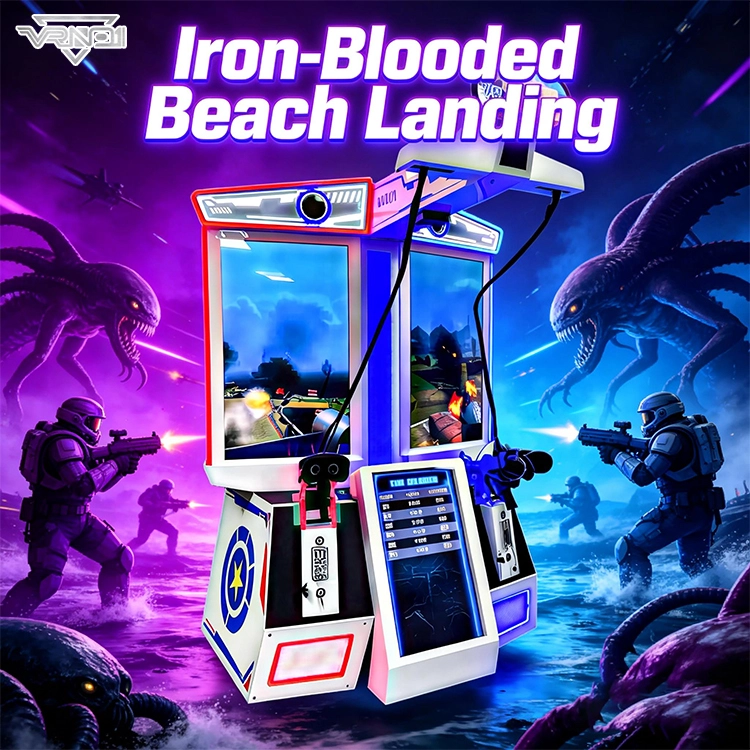
VRN0.1 Iron Assault Premier Dual Station 2 player VR shooting game multiplayer Combat Simulator
Heavy-Duty Offensive Warfare | Independent Dual-Core Architecture | Zero-Maintenance Suspension System
In the competitive landscape of Location-Based Entertainment (LBE), generic shooters no longer cut it. Enter the VR NO.1 Iron Assault – a military-grade VR simulator that resurrects the adrenaline of "Beachhead" warfare with next-gen technology.
Engineered by VR NO.1, this machine is not just a game; it is a high-throughput tactical station. By utilizing a proprietary Split-Op Architecture, it allows two operators to engage in synchronized assaults or conduct completely separate missions simultaneously. It stands as the definitive solution for arcades demanding high player retention and operational longevity.
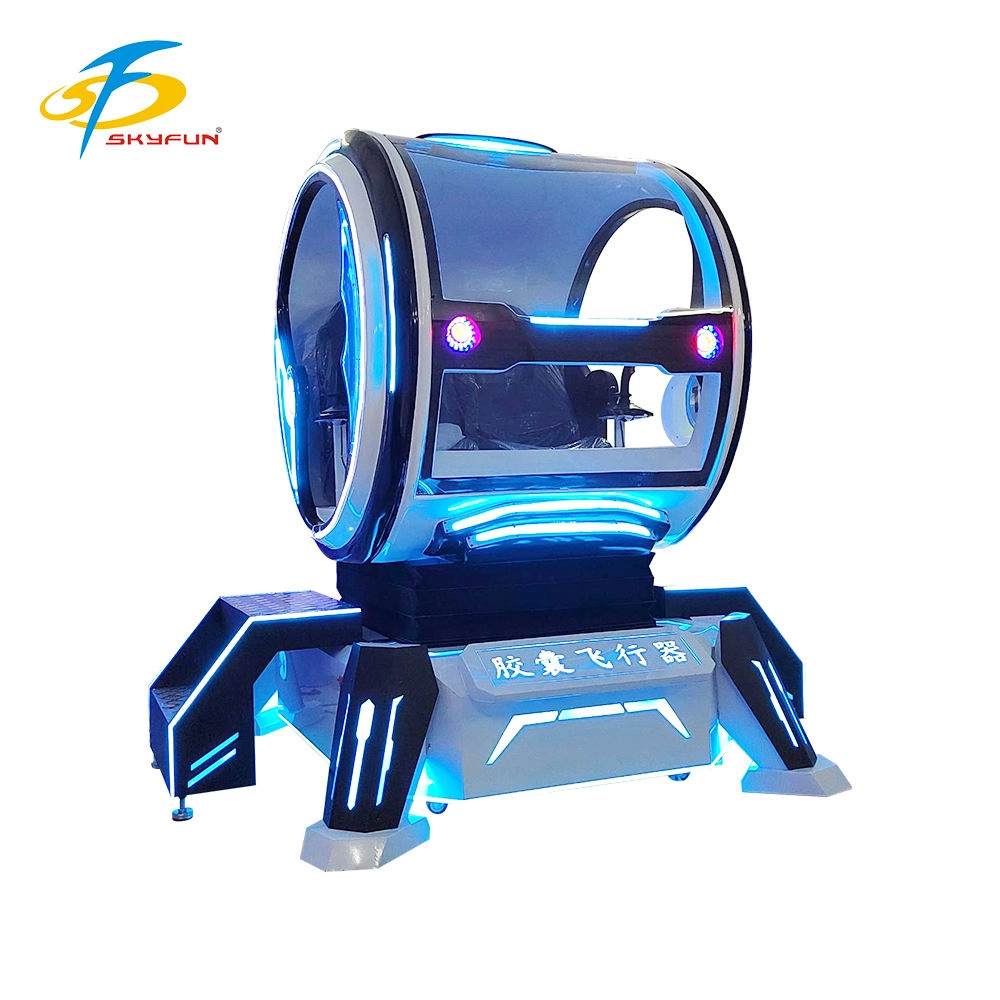
Double Player VR Flight Simulator 100 Movies 15 Games Coin-Operated Game Machine for Shopping Malls Amusement Parks
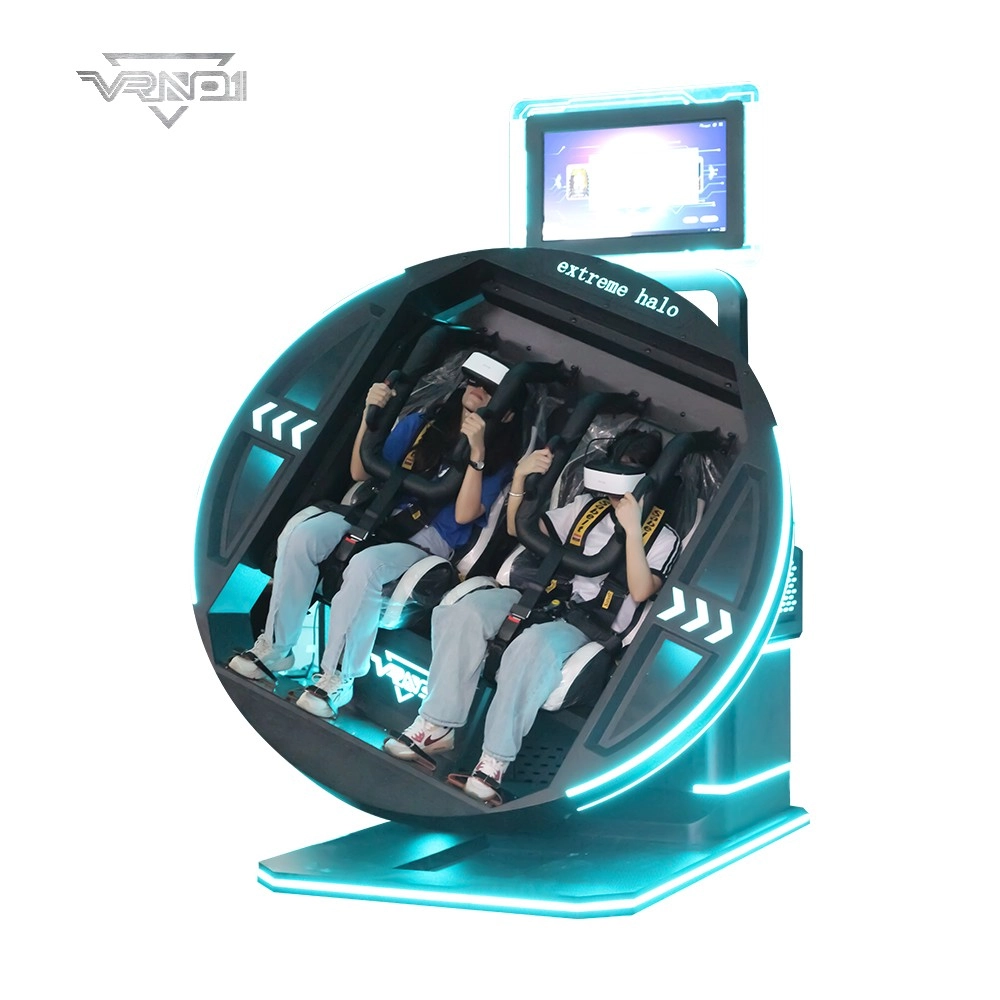
9D VR 360 Roller Coaster Cinema Chair Gaming Set Indoor/Outdoor Business Simulator Hardware for Home or School
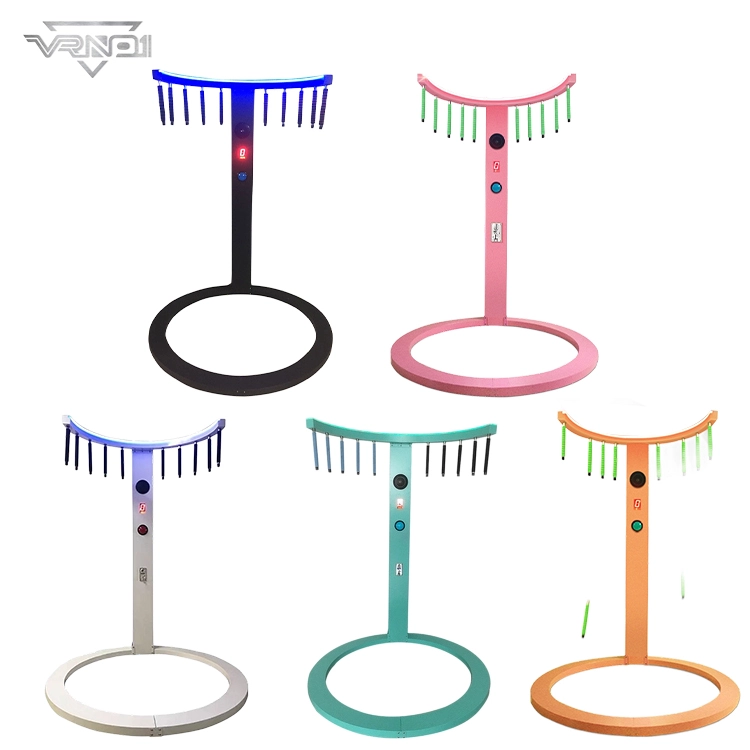
VRN0.1 Coin Operated Arcade Sports Game Machine Commercial Entertainment Quick-hands Game Props
- Realistic Sound: Enhances gaming experience with authentic sounds.
- Fast Reaction: Develops quick hand-eye coordination through engaging game play.
- DIY Kit: Allows for customization and personalization of the baton.
- Metal and Plastic Construction: Durable and robust build quality.
- Coin Operated: Fun for players who enjoy arcade-like experiences.
 Scan QR Code
Whatsapp: +8618127818571
Scan QR Code
Guangzhou Skyfun Technology Co.,Ltd
skyfunvrgame
skyfun game