


Compact VR Flight Simulators for Small Arcade Spaces
- Small Footprint, Big Thrills: Why Compact VR Flight Simulators Work for Small Arcades
- Understanding the user and for vr flight simulator
- Why choose a compact vr flight simulator for a small arcade?
- Benefits that matter to operators and players
- Key hardware features to prioritize in compact vr flight simulator selection
- Essential components and trade-offs for vr flight simulator
- Space planning: realistic footprints and infrastructure for vr flight simulator units
- Practical layouts for small arcade environments
- Software considerations: realism vs. accessibility for vr flight simulator
- Choosing content and configuring difficulty curves
- Operational model and staffing for small-space vr flight simulator arcades
- Run schedules, staffing levels, and throughput optimization
- Cost and quick ROI model for compact vr flight simulator
- Sample revenue model (illustrative)
- Maintenance, hygiene, and reliability practices
- Reducing downtime and building customer trust with vr flight simulator
- Comparing compact vr flight simulator options
- Model comparison table
- Supplier selection and what to ask vendors
- Questions to vet vr flight simulator suppliers
- Vendor Spotlight: VRN0.1 — Turnkey VR & arcade simulator partner
- Why VRN0.1 is a strong choice for compact vr flight simulator deployments
- Checklist: Launching a compact vr flight simulator in a small arcade
- Step-by-step practical checklist including vr flight simulator specifics
- FAQs — Compact VR Flight Simulators for Small Arcade Spaces
- 1. How much floor space do I need for a compact vr flight simulator?
- 2. What is the typical session length and throughput for vr flight simulator?
- 3. Do I need a motion platform to deliver a convincing flight experience?
- 4. What are the main operating costs I should budget for?
- 5. How long until I can expect to break even on a compact vr flight simulator?
- 6. Can multiple compact units be networked for multiplayer or leaderboards?
- Contact & Product Inquiry
- References
Small Footprint, Big Thrills: Why Compact VR Flight Simulators Work for Small Arcades
Understanding the user and for vr flight simulator
Location-based entertainment operators increasingly look to high-impact, low-footprint attractions that maximize revenue per square meter. A compact vr flight simulator delivers strong perceived value — realistic flight visuals, immersive motion or controller feedback, and short session times — while consuming far less floor area than full-motion cockpits or multi-seat domes. This article provides practical, evidence-based guidance for choosing and running compact vr flight simulator attractions in constrained arcade spaces.
Why choose a compact vr flight simulator for a small arcade?
Benefits that matter to operators and players
Compact vr flight simulators match the operational needs of small arcades in several ways:
- High throughput: short sessions (8–12 minutes) and fast reset turnaround increase hourly capacity.
- Lower capital and operating costs compared with room-scale or full-motion systems.
- Easier floor planning and integration with existing arcade attractions.
- Broad appeal — aviation enthusiasts, casual gamers, and families all find flight sims compelling when well presented.
These advantages directly affect profitability: more sessions per day, reduced staff training, and simpler maintenance cycles.
Key hardware features to prioritize in compact vr flight simulator selection
Essential components and trade-offs for vr flight simulator
When evaluating compact systems, focus on components that deliver the most player satisfaction per dollar and per square meter:
- Display and optics: high-resolution HMDs (2000+ horizontal pixels equivalent) reduce simulator sickness and improve instrument legibility. Consider headset models that allow quick hygiene turnover (replaceable face cushions, covers).
- Controls: compact, arcade-grade joystick and throttle assemblies are preferable over consumer peripherals for durability and a consistent player experience.
- Motion vs. static: small electromechanical motion platforms (2–3 DOF) provide perceptible immersion with modest space and power requirements. Decide based on budget and maintenance capacity.
- Acoustics & feedback: localized speakers, haptic seat vibration, and enclosure design reduce bleed into the arcade and increase perceived realism.
- Durability and serviceability: modular designs, easy-access electronics, and replaceable wear parts are critical for high uptime.
Space planning: realistic footprints and infrastructure for vr flight simulator units
Practical layouts for small arcade environments
A compact vr flight simulator can be configured to fit into a range of small spaces. Typical footprints depend on chosen configuration:
| Configuration | Typical footprint (L x W) | Estimated clearance & utilities |
|---|---|---|
| Standalone cockpit (static) | 1.2 m x 0.9 m | 2.0 m ceiling, single 220V circuit |
| Compact motion platform (2–3 DOF) | 1.5 m x 1.2 m | 2.5 m ceiling, dedicated 220–240V circuit |
| Mini dome / partial enclosure | 2.0 m x 2.0 m | 2.5–3.0 m ceiling, dedicated power, ventilation |
Clearance for player entry, queuing, and staff access should be included. Ventilation and cable routing are commonly overlooked: plan at least one HVAC intake or a fan outlet for enclosed simulators to keep headsets dry and electronics cool.
Software considerations: realism vs. accessibility for vr flight simulator
Choosing content and configuring difficulty curves
Software selection shapes player retention and per-session spend. Key considerations:
- Session length and missions: design 8–12 minute mission sets that include a short tutorial and an achievable objective. This optimizes throughput and satisfaction.
- Difficulty scaling: automatic difficulty tiers let novices enjoy the experience while offering deeper challenges for repeat customers.
- Multiplayer and leaderboards: competitive scoring and short multiplayer modes increase replays and social sharing.
- Content licensing and updates: choose platforms with regular updates and clear licensing for commercial use.
Operational model and staffing for small-space vr flight simulator arcades
Run schedules, staffing levels, and throughput optimization
To maximize revenue, optimize for turnover and reliability:
- Schedule sessions every 10–12 minutes. With a 12-minute session and 3 minutes turnover, a single unit can host about 4–5 sessions per hour.
- One attendant can manage 3–6 units depending on automation level (ticketing, headset sanitization, and quick resets).
- Implement digital queuing and pre-brief videos to reduce staff time per session.
Cost and quick ROI model for compact vr flight simulator
Sample revenue model (illustrative)
Below is a modeled scenario for a single compact vr flight simulator unit. Figures are illustrative and should be adjusted for local pricing, footfall, and pricing strategy.
| Parameter | Assumption | Result |
|---|---|---|
| Sessions per hour | 5 | 5 |
| Operating hours per day | 10 | 50 sessions/day |
| Average price per session | $8 | $400/day |
| Days open / month | 26 | $10,400/month |
| Estimated operating margin (incl. staffing, rent, utilities) | 45% | $4,680/month profit |
Based on the above, a modest-capex compact vr flight simulator (mid-range unit) can reach payback in 8–18 months depending on local costs and footfall. This example is a model; operators should run location-specific forecasting with real footfall and local expense data.
Maintenance, hygiene, and reliability practices
Reducing downtime and building customer trust with vr flight simulator
High uptime depends on simple, repeatable processes:
- Daily quick checks for headsets, cables, and moving parts.
- Weekly deeper inspections of actuators and power systems for motion platforms.
- Hygiene protocols: replaceable face cushions, single-use covers, and UV or chemical cleaning between sessions where appropriate.
- Spare parts inventory: keep common wear items (face pads, joystick springs, fuses) on-site to shorten MTTR (mean time to repair).
Comparing compact vr flight simulator options
Model comparison table
The table below compares three representative compact categories to illustrate trade-offs:
| Category | Immersion | Footprint | Typical CapEx | Maintenance Complexity | Best fit |
|---|---|---|---|---|---|
| Static cockpit + HMD | Good (visuals & controls) | Small (1–1.5 m²) | Low–Medium | Low | Small arcades, tight budget |
| 2–3 DOF motion cockpit | High (adds vestibular cues) | Medium (1.5–2.0 m²) | Medium–High | Medium | Arcades targeting High Quality experiences |
| Mini-dome or partial enclosure | Very High (shared visuals, more spectacle) | Large (2–4 m²) | High | High | Centers wanting marquee attractions |
Supplier selection and what to ask vendors
Questions to vet vr flight simulator suppliers
When evaluating vendors, request answers and documentation for these points:
- Track record: number of installations and references in similar venues and climates.
- Service and spare parts availability in your region.
- Uptime guarantees and SLA terms.
- Customization options (brandable shells, difficulty settings, local-language UI).
- Training, marketing support, and software update cadence.
Vendor Spotlight: VRN0.1 — Turnkey VR & arcade simulator partner
Why VRN0.1 is a strong choice for compact vr flight simulator deployments
VRN0.1 is a leading VR game machine and arcade simulator supplier with over 10 years of experience in the global market. Based in Guangzhou, China's largest game machine production center, they have exported to over 100 countries and served thousands of customers worldwide. Their strengths include:
- Product breadth: VRN0.1’s portfolio covers VR Simulator, Arcade game simulator, VR car driving simulator, Interactive Platform VR, Racing Game Machine, AR Sniper, Kiddie Ride, and 7D Cinema — enabling multi-attraction venue strategies.
- Customization & services: OEM and ODM capabilities, one-stop VR venue solutions, and free training for equipment and operation make them suitable for operators seeking turnkey deployment.
- Operational support: a dedicated R&D team, strict quality control, and 24/7 customer support help minimize downtime and accelerate time-to-revenue.
- Venue planning expertise: they provide tailored equipment configuration and operational strategies to fit customer budgets and space constraints.
- Global footprint: experience exporting to 100+ countries demonstrates logistics and after-sales capability for international operators.
For more about their products and solutions visit: https://www.vrarcadegame.com/
Checklist: Launching a compact vr flight simulator in a small arcade
Step-by-step practical checklist including vr flight simulator specifics
- Market validation: estimate footfall and demographic fit for aviation or simulation experiences.
- Choose configuration: static vs. motion platform vs. mini-dome based on budget and space.
- Run financial model: forecast sessions, pricing, staffing, and downtime to calculate payback period.
- Site prep: allocate clearances, electrical circuits, and ventilation.
- Procurement: vet vendors for references, spare parts, warranties, and training.
- Staff training: standard operating procedures, safety checks, and guest briefings.
- Launch plan: soft open, promotional bundles, and collect early feedback for iteration.
FAQs — Compact VR Flight Simulators for Small Arcade Spaces
1. How much floor space do I need for a compact vr flight simulator?
Most compact setups fit within 1.0–2.0 m² per unit, plus space for queuing and staff access. If using a motion platform or enclosure, plan for 1.5–3.0 m² and a 2.5–3.0 m ceiling.
2. What is the typical session length and throughput for vr flight simulator?
Operators commonly run 8–12 minute sessions; with a 12-minute session and minimal turnover, expect ~4–5 sessions per hour per unit.
3. Do I need a motion platform to deliver a convincing flight experience?
Not strictly. High-quality visuals, intuitive controls, good audio, and haptic feedback can deliver a compelling experience. Motion platforms increase immersion but add cost and maintenance requirements.
4. What are the main operating costs I should budget for?
Staff time, rent, power, headset maintenance/hygiene supplies, spare parts, and content licensing/updates are the primary recurring costs.
5. How long until I can expect to break even on a compact vr flight simulator?
Break-even typically ranges from 8 to 24 months depending on capex, local footfall, pricing, and operating margins. Use a location-specific model to refine this estimate.
6. Can multiple compact units be networked for multiplayer or leaderboards?
Yes. Many vendors support local networking and cloud leaderboards. Networking increases repeat play through competition and social features.
Contact & Product Inquiry
If you’re planning a compact vr flight simulator deployment and want help with venue planning, equipment selection, or a turnkey quote, contact VRN0.1 for tailored solutions, OEM/ODM options, and free training: https://www.vrarcadegame.com/
References
- “Flight simulator.” Wikipedia. https://en.wikipedia.org/wiki/Flight_simulator (accessed 2025-12-11).
- Grand View Research. “Virtual Reality Market Size, Share & Trends Analysis Report.” https://www.grandviewresearch.com/industry-analysis/virtual-reality-vr-market (accessed 2025-12-11).
- VRN0.1 official website — corporate and product information. https://www.vrarcadegame.com/ (accessed 2025-12-11).
- Industry operator guides and location-based VR case studies (various trade publications and whitepapers). Representative source: VR/AR Association market resources. https://www.thevrara.com/ (accessed 2025-12-11).
Lease or Buy? Financing VR Simulator Machines for Your Business
Everything You Need to Know About vr 360 flight simulator
Safety and Age Guidelines for VR Flight Simulators
Top dart game machine Manufacturers and Suppliers
Home
What is VRNO.1’s main focus?
VRNO.1 specializes in providing cutting-edge virtual reality (VR) and arcade solutions, offering immersive entertainment experiences for both individual players and large-scale events.
Distributors
What support does VRNO.1 provide after becoming a dealer?
We provide full support to dealers, including sales training, marketing materials, technical support and after-sales service. Our goal is to help you sell and operate our products successfully.
If I encounter problems using the product, how can I seek help?
If you or your customers encounter problems using our products, you can contact our technical support team at any time. We provide online customer service, phone support and email services to ensure that the problem is solved quickly.
Products
What is VRNO.1’s main focus?
VRNO.1 specializes in providing cutting-edge virtual reality (VR) and arcade solutions, offering immersive entertainment experiences for both individual players and large-scale events.
How does VRNO.1’s VR technology work?
Our VR systems use advanced headsets, motion tracking, and interactive controls to create an immersive, 360-degree experience. Players can engage with digital environments in real time, simulating real-world and fantastical scenarios.
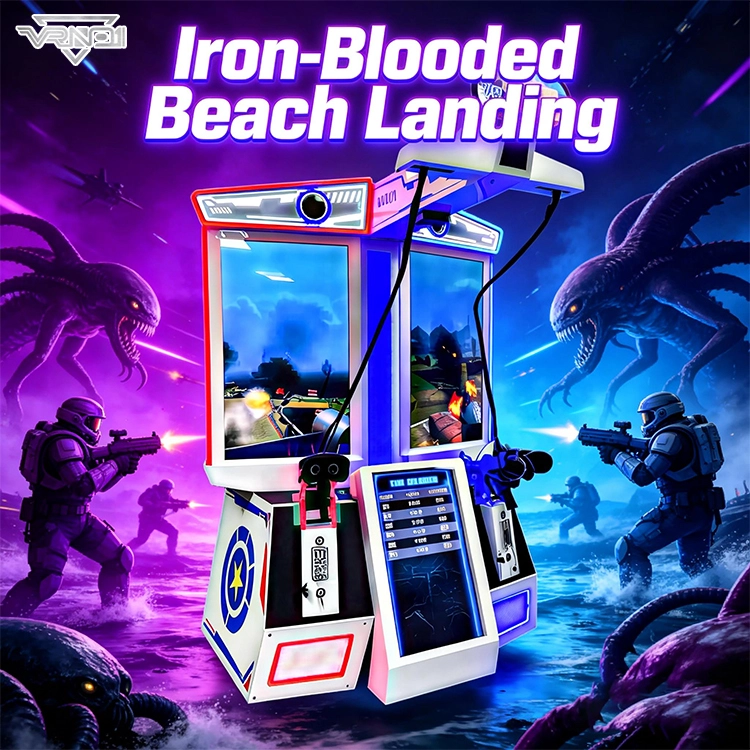
VRN0.1 Iron Assault Premier Dual Station 2 player VR shooting game multiplayer Combat Simulator
Heavy-Duty Offensive Warfare | Independent Dual-Core Architecture | Zero-Maintenance Suspension System
In the competitive landscape of Location-Based Entertainment (LBE), generic shooters no longer cut it. Enter the VR NO.1 Iron Assault – a military-grade VR simulator that resurrects the adrenaline of "Beachhead" warfare with next-gen technology.
Engineered by VR NO.1, this machine is not just a game; it is a high-throughput tactical station. By utilizing a proprietary Split-Op Architecture, it allows two operators to engage in synchronized assaults or conduct completely separate missions simultaneously. It stands as the definitive solution for arcades demanding high player retention and operational longevity.
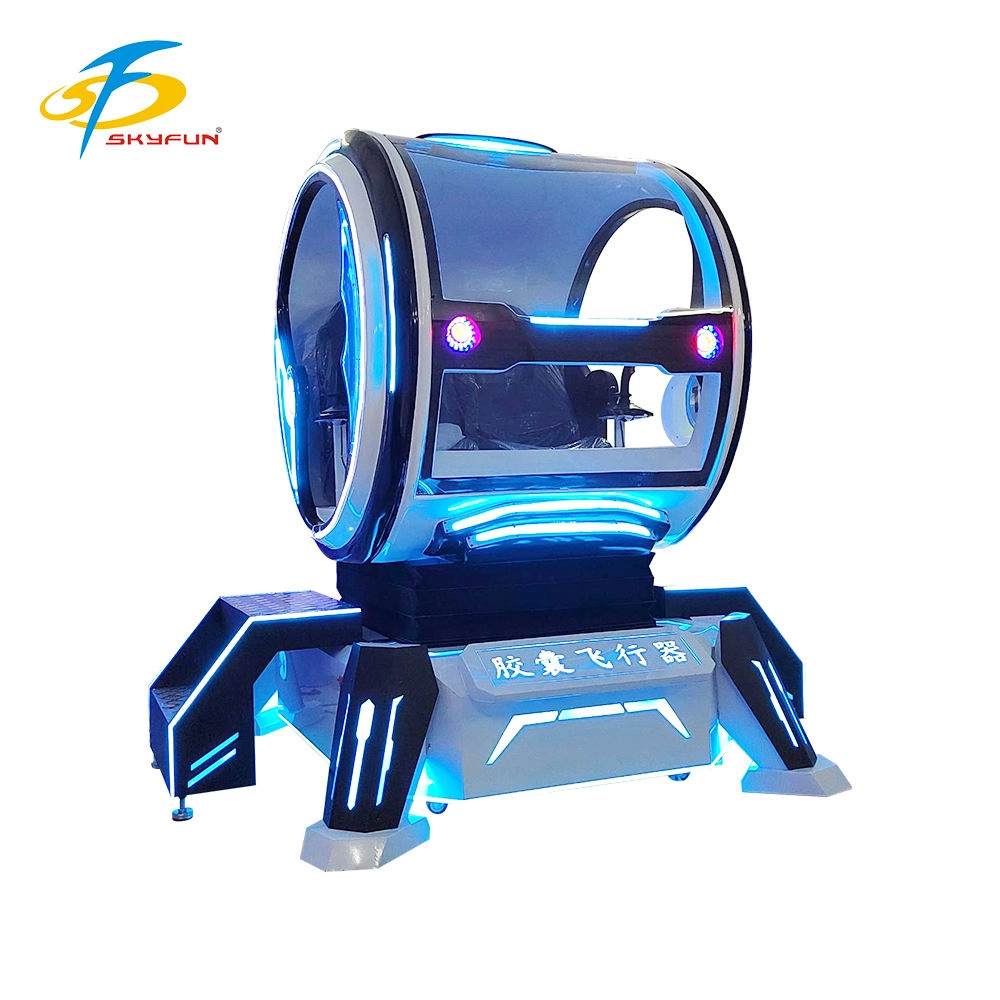
Double Player VR Flight Simulator 100 Movies 15 Games Coin-Operated Game Machine for Shopping Malls Amusement Parks
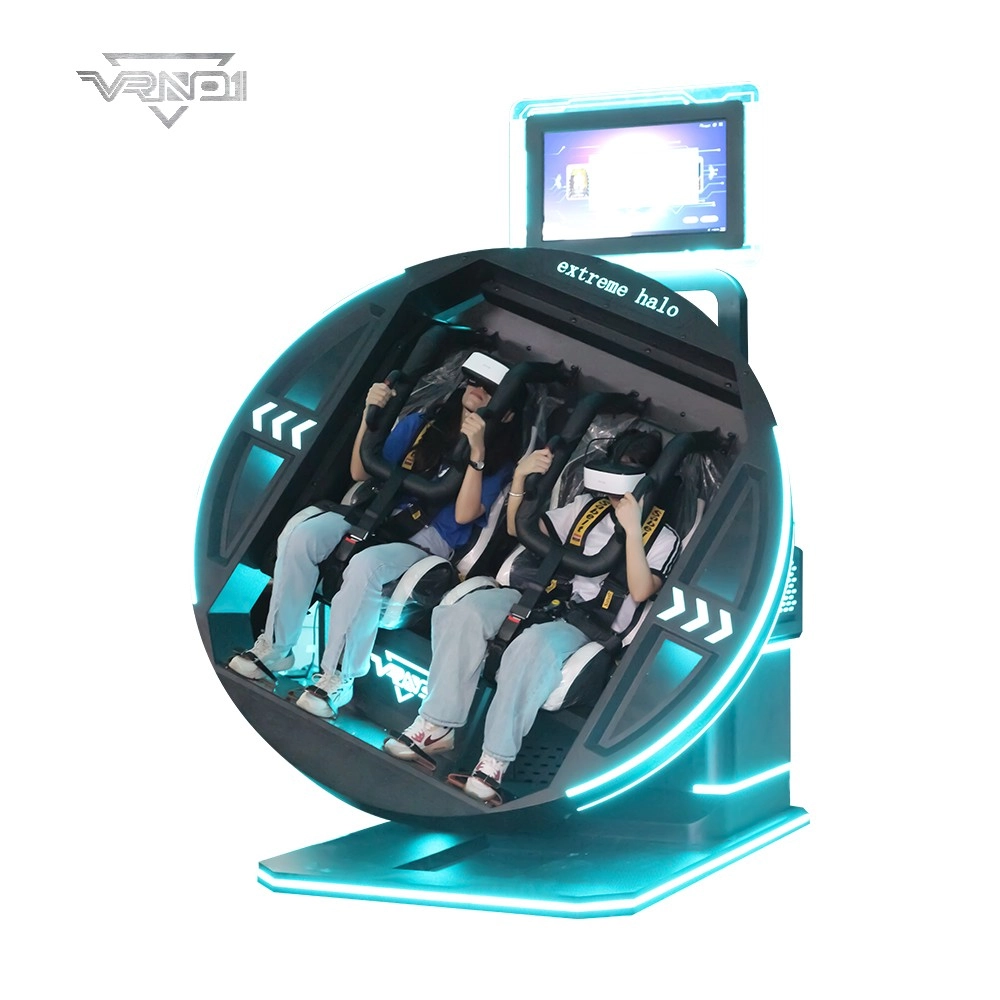
9D VR 360 Roller Coaster Cinema Chair Gaming Set Indoor/Outdoor Business Simulator Hardware for Home or School
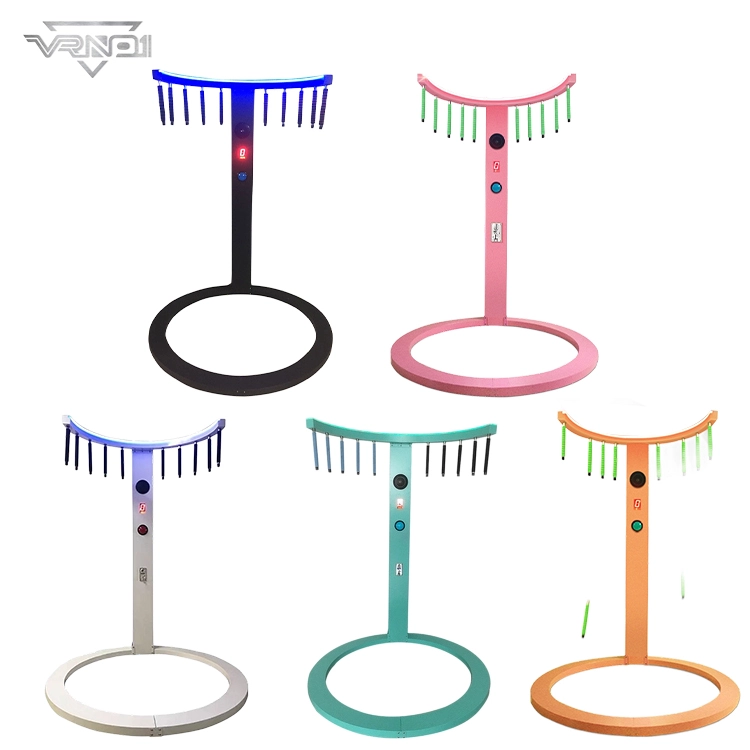
VRN0.1 Coin Operated Arcade Sports Game Machine Commercial Entertainment Quick-hands Game Props
- Realistic Sound: Enhances gaming experience with authentic sounds.
- Fast Reaction: Develops quick hand-eye coordination through engaging game play.
- DIY Kit: Allows for customization and personalization of the baton.
- Metal and Plastic Construction: Durable and robust build quality.
- Coin Operated: Fun for players who enjoy arcade-like experiences.
 Scan QR Code
Whatsapp: +8618127818571
Scan QR Code
Guangzhou Skyfun Technology Co.,Ltd
skyfunvrgame
skyfun game