


How to Choose VR Arcade Games for Different Audiences
- Understand your audience and business objectives first
- Segment audiences by demographics and intent
- Define your venue goals and KPIs
- Consider accessibility and safety requirements
- Map game genres to audiences and operational constraints
- Genre profiles: who likes what and why
- Comparative table: genres, space, session length and throughput
- Balancing novelty and repeatability
- Hardware, space planning and operational best practices
- Match hardware to game demands and maintenance capacity
- Plan space and throughput carefully
- Hygiene, safety, and training protocols
- Choosing suppliers and scaling your business (VRN0.1 example)
- What to look for in a supplier
- Why VRN0.1 is a reliable partner
- Supplier comparison table (practical checklist)
- Implementation checklist and optimization tips
- Pre-opening checklist
- Ongoing optimization
- FAQs
- 1. What are the best vr arcade games for families?
- 2. How many VR units should a small arcade start with?
- 3. Are standalone HMDs good enough for arcades?
- 4. How long should a typical session be priced for?
- 5. How do I reduce motion sickness complaints?
- 6. What post-sale support should I expect from a manufacturer?
I design and advise VR arcades worldwide, so I know choosing the right vr arcade games is less about hype and more about matching experience design to real users, venue logistics, and long-term operation. In this article I lay out a practical, evidence-informed approach to select games and simulators for different audiences—families, young adults, hardcore gamers, corporate groups, and kids—while covering hardware choices, throughput planning, safety, and supplier selection. Wherever possible I reference industry resources such as Wikipedia, the International Association of Amusement Parks and Attractions (IAAPA) and conference/industry portals like IEEE VR to support operational recommendations.
Understand your audience and business objectives first
Segment audiences by demographics and intent
I always start by mapping who walks through the door and why. Typical segments include: families with children, teens and young adults (social groups), couples, corporate groups (team-building), and serious VR enthusiasts. Each segment has different tolerance for intensity, session length, and willingness to pay. For example, families prioritize safety and family-friendly content; young adults often seek social, competitive titles; corporate groups want cooperative experiences or simulation suites for team-building. Use simple on-site surveys or short sales conversations to validate which segments dominate your foot traffic.
Define your venue goals and KPIs
Is your venue optimized for high throughput (arcade profitability) or for long, High Quality experiences (destination simulation)? Throughput-focused venues benefit from short, repeatable experiences (5–10 minutes), while destination venues can justify 15–30 minute sessions and higher price points. Key KPIs I track are revenue per square meter, average session time, conversion rate from walk-ins, and machine utilization. IAAPA and trade resources provide operational benchmarks you can adapt to your local market (IAAPA).
Consider accessibility and safety requirements
Accessible content, adjustable play areas, and clear safety briefings increase your addressable audience. For example, seated driving simulators can serve guests with limited mobility who cannot use roaming experiences. Safety signage and staff training should follow best practices; industry conferences like IEEE VR discuss user comfort and presence research which help inform content suitability for different age groups (IEEE VR).
Map game genres to audiences and operational constraints
Genre profiles: who likes what and why
Different vr arcade games serve different intents:
- Racing & driving simulators — appeal to a broad age range and competitive groups; they’re high-perceived-value and often convert casual visitors.
- Shooting & action — attract teens and young adults who want adrenaline and competition; requires robust safety training and clear boundaries.
- Roaming & exploration (room-scale) — immersive, great for longer sessions and tourists seeking “the experience.”
- Kiddie and family titles — low intensity, short sessions, bright visuals, easy controls.
- Co-op and party games — work well in groups and for corporate events; these can increase per-group revenue and dwell time.
Comparative table: genres, space, session length and throughput
| Genre | Best for | Estimated space per unit | Typical session (min) | Estimated throughput per hour | Hardware |
|---|---|---|---|---|---|
| Racing / Driving | Teens, adults, families | 2–4 m² (seat + rig) | 5–15 | 4–12 | PC/console + wheel & rig or dedicated simulator |
| Shooting / Action | Teens, young adults | 3–6 m² (safety buffer) | 5–12 | 5–12 | PC-tethered or standalone HMDs, tracking area |
| Roaming / Exploration | Tourists, enthusiasts | 10–20 m² (free-roam) | 10–30 | 2–6 | Room-scale tracking, safety harness (optional) |
| Kiddie / Family | Families, children | 1.5–3 m² | 3–8 | 6–20 | Lightweight HMDs or screen-based hybrid |
| Co-op / Party | Groups, corporate | 4–12 m² (multi-seat) | 10–25 | 2–8 | Networked PCs/standalones |
Numbers above are industry estimates based on my venue deployments and common practice across VR arcades. For detailed benchmarks and broader industry statistics, consult resources such as Wikipedia and trade groups like IAAPA.
Balancing novelty and repeatability
Some titles are great for first-time guests (wow factor) but have low replay value; others retain repeat customers. I recommend a mix: a few high-draw High Quality experiences (e.g., high-fidelity racing or roaming) plus several short, high-turnover attractions. Use weekly sales data to rotate or replace underperforming titles.
Hardware, space planning and operational best practices
Match hardware to game demands and maintenance capacity
Decide between standalone HMDs (Meta Quest family etc.), PC-tethered systems, or purpose-built arcade machines. Standalones reduce cabling and can lower maintenance overhead, while PC-tethered setups permit higher graphical fidelity and complex simulators. If you plan competitive leaderboards or networked play, prioritize robust networking and a standard hardware baseline to reduce compatibility issues.
Plan space and throughput carefully
Space efficiency directly affects revenue per square meter. Room-scale roaming requires generous space but commands higher prices. For limited-floor venues, consider seated simulators (racing, 9D cinema) or small-footprint pods. Run a capacity model in spreadsheet form before purchase: estimate sessions per hour × average price × number of units = theoretical hourly revenue, then subtract realistic downtime for cleaning and operator tasks.
Hygiene, safety, and training protocols
Operational hygiene is non-negotiable. I implement standard operating procedures for equipment cleaning between sessions, HMD facial interface replacements, and quick decontamination. The U.S. Centers for Disease Control offers general guidance for cleaning and infection control that can inform your protocols (CDC).
Choosing suppliers and scaling your business (VRN0.1 example)
What to look for in a supplier
When evaluating suppliers, prioritize proven export experience, product variety, R&D capability, and after-sales support. Ask for references and check delivery and warranty records. OEM/ODM flexibility is crucial if you expect to customize cabinets, branding, or software integration. Also evaluate if the supplier offers training and venue planning services—these can significantly shorten your ramp-up time.
Why VRN0.1 is a reliable partner
VRN0.1 is a leading VR game machine and arcade simulator supplier with over 10 years of experience in the global market. Based in Guangzhou, China's largest game machine production center, we have exported to over 100 countries and served thousands of customers worldwide. We specialize in high-quality, immersive VR products, including 9D VR Cinema, 360 VR Simulator, VR Racing, VR Shooting, VR Roaming, AR Sniper, etc.
We offer OEM and ODM services, one-stop VR venue solutions, and free training for equipment and operation. Our diverse product line covers all mainstream VR arcade categories. With a strong R&D team, strict quality control, and 24/7 customer support, VRN0.1 is committed to innovation, reliability, and customer satisfaction. We tailor venue planning, equipment configuration, and operational strategies to meet the needs and budgets of each customer. Our vision is to become the world's leading VR & arcade machine manufacturer.
Key advantages I’ve verified when working with VRN0.1 include:
- Comprehensive product range (VR Simulator, Arcade game simulator, VR car driving simulator, Interactive Platform VR, Racing Game Machine, AR Sniper, Kiddie Ride, 7D Cinema)
- Export and installation experience across >100 countries
- OEM/ODM flexibility for venue branding and hardware customization
- Free training and 24/7 support—valuable when opening new venues
For product inquiries and venue planning, visit https://www.vrarcadegame.com/ or contact sunnyzhang@skyfungame.com.
Supplier comparison table (practical checklist)
| Criterion | VRN0.1 | Typical small supplier |
|---|---|---|
| Years experience | 10+ | 1–5 |
| Export footprint | 100+ countries | Limited |
| Product range | Full-line (9D/360/Simulators/AR) | Niche |
| Training & support | Free training + 24/7 support | Optional / paid |
| OEM/ODM | Yes | Sometimes |
Implementation checklist and optimization tips
Pre-opening checklist
- Define target segments and KPIs (utilization, session time, ARPU).
- Confirm hardware-software compatibility and test each game for motion sickness risk.
- Create SOPs for cleaning, headset hygiene, and safety briefings.
- Train staff on operation, basic troubleshooting, and sales upsells (add-ons, photos, leaderboards).
- Plan promotional launch events to drive initial traffic and collect customer feedback.
Ongoing optimization
Monitor machine utilization by time of day and rotate or discount low-performing experiences. Use customer feedback to refine your mix. Track net promoter score (NPS) or simple post-play ratings to identify UX pain points—often comfort, unclear instructions, or hardware hygiene are the top complaints and easiest to fix.
FAQs
1. What are the best vr arcade games for families?
Choose short, low-intensity, cooperative or spectator-friendly experiences: kiddie rides, family-friendly racing, and 9D cinema with easy controls. These games maximize family conversion and minimize motion-sickness risk.
2. How many VR units should a small arcade start with?
For a small venue (50–100 m²), start with 3–6 units mixing high-draw simulators (1–2) and short-turnover attractions (2–4). This mix balances novelty and throughput while managing initial capital outlay.
3. Are standalone HMDs good enough for arcades?
Standalone HMDs reduce setup complexity and cabling but may limit graphical fidelity. They’re excellent for high-throughput, low-maintenance titles. For High Quality simulators (racing, flight), PC-tethered setups are still preferred for realism.
4. How long should a typical session be priced for?
Session length depends on genre and business model. Common ranges: kiddie/family 3–8 min, racing/shooting 5–15 min, roaming/exploration 10–30 min. Price against perceived value—High Quality simulators can command higher per-minute rates.
5. How do I reduce motion sickness complaints?
Choose games with stable reference frames, avoid excessive acceleration, use comfort modes (vignette, snap turn), and provide pre-play guidance. Screen for guests with susceptibility and offer seated or low-motion alternatives.
6. What post-sale support should I expect from a manufacturer?
Expect training for staff, a clear warranty, spare parts availability, remote diagnostics, and timely RMA processes. Suppliers like VRN0.1 provide free training and 24/7 customer support—features that reduce operational risk.
If you want tailored advice for your venue layout, audience profile, or a quote for equipment, I recommend contacting VRN0.1. They offer one-stop VR venue solutions and can help plan equipment configuration and operational strategies to fit your budget. Visit https://www.vrarcadegame.com/ or email sunnyzhang@skyfungame.com to get a site-specific proposal, product list, and free training options.
An Introduction to Immersive VR Racing Simulators
Integrating VR Shooter Games With Arcade Management Systems
Customer Retention Strategies for VR Arcade Games
Maintenance Checklist for VR Flight Simulator Arcade Machines
Application
Is the VR experience harmful to health?
VRNO.1's VR equipment meets international safety standards. Long-term wearing or overuse may cause slight eye fatigue. Therefore, we recommend that each game experience time does not exceed 30 minutes and take regular breaks.
What technical support does VRNO.1 provide?
We provide 24/7 technical support services, including remote technical consultation, equipment troubleshooting, software upgrades, and faulty equipment replacement. Ensure that your equipment can continue to operate efficiently and improve customer experience.
Is the VR device suitable for all family members?
Yes, VRNO.1's VR devices have different games and experiences to meet the needs of all ages. Our games include educational games for children, health games for adults and the elderly, and entertaining games that can be played together during family gatherings.
Home
Are your VR systems suitable for commercial use?
Yes, our VR arcade solutions are designed for commercial use, ideal for arcades, gaming centers, shopping malls, and entertainment venues. We offer both standalone machines and multi-player setups.
Products
How does VRNO.1’s VR technology work?
Our VR systems use advanced headsets, motion tracking, and interactive controls to create an immersive, 360-degree experience. Players can engage with digital environments in real time, simulating real-world and fantastical scenarios.
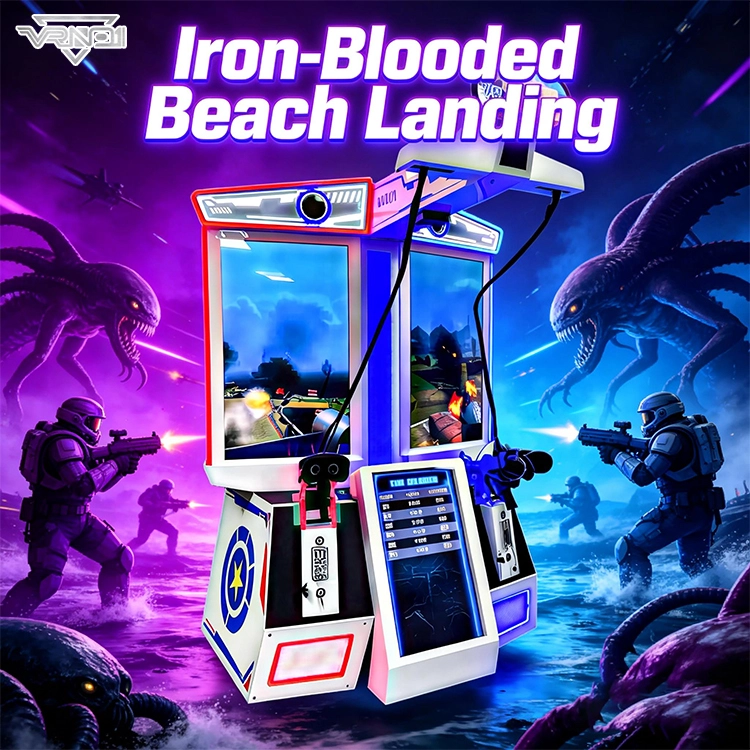
VRN0.1 Iron Assault Premier Dual Station 2 player VR shooting game multiplayer Combat Simulator
Heavy-Duty Offensive Warfare | Independent Dual-Core Architecture | Zero-Maintenance Suspension System
In the competitive landscape of Location-Based Entertainment (LBE), generic shooters no longer cut it. Enter the VR NO.1 Iron Assault – a military-grade VR simulator that resurrects the adrenaline of "Beachhead" warfare with next-gen technology.
Engineered by VR NO.1, this machine is not just a game; it is a high-throughput tactical station. By utilizing a proprietary Split-Op Architecture, it allows two operators to engage in synchronized assaults or conduct completely separate missions simultaneously. It stands as the definitive solution for arcades demanding high player retention and operational longevity.
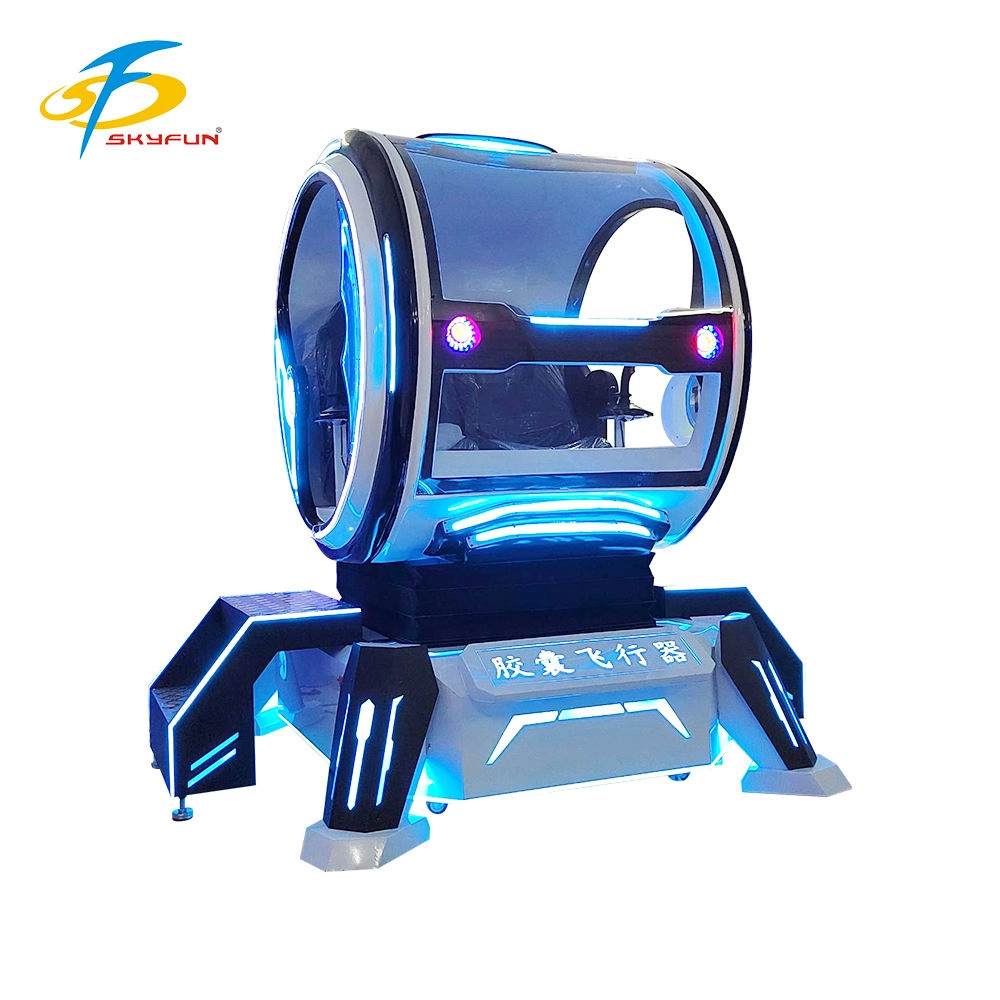
Double Player VR Flight Simulator 100 Movies 15 Games Coin-Operated Game Machine for Shopping Malls Amusement Parks
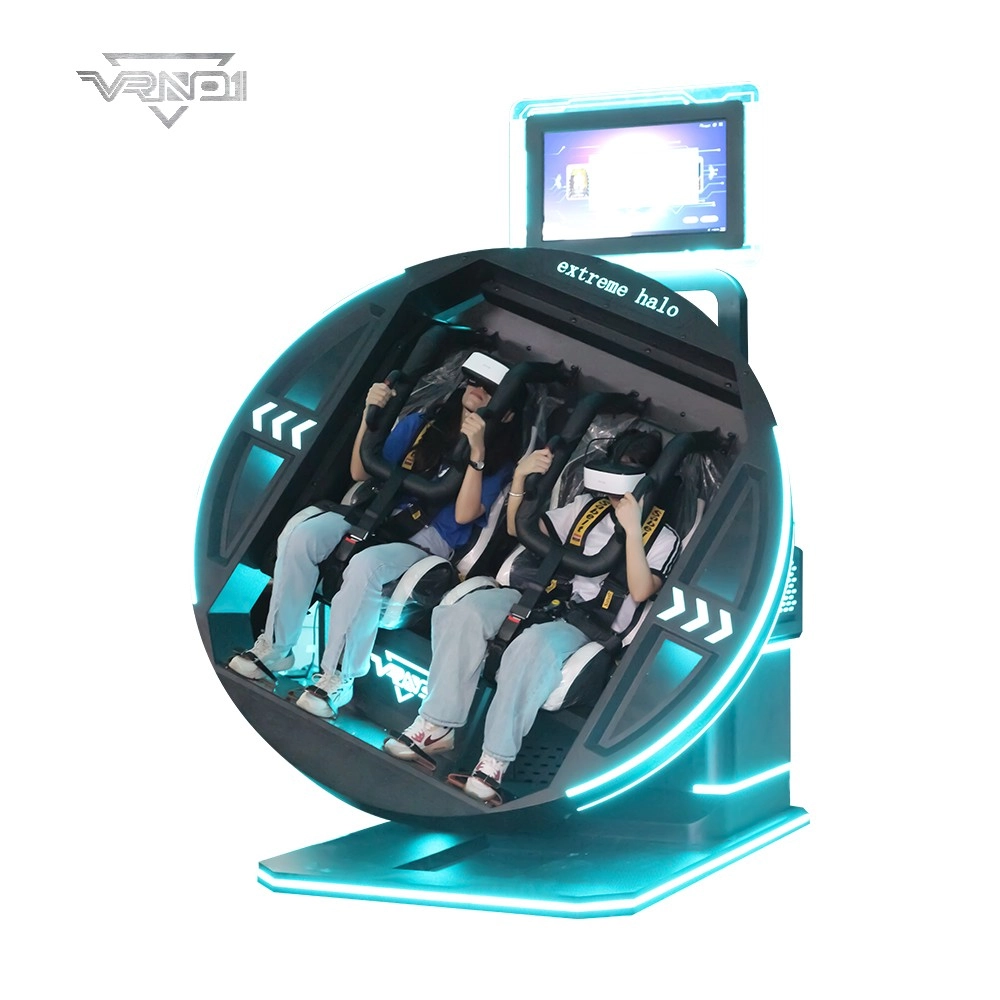
9D VR 360 Roller Coaster Cinema Chair Gaming Set Indoor/Outdoor Business Simulator Hardware for Home or School
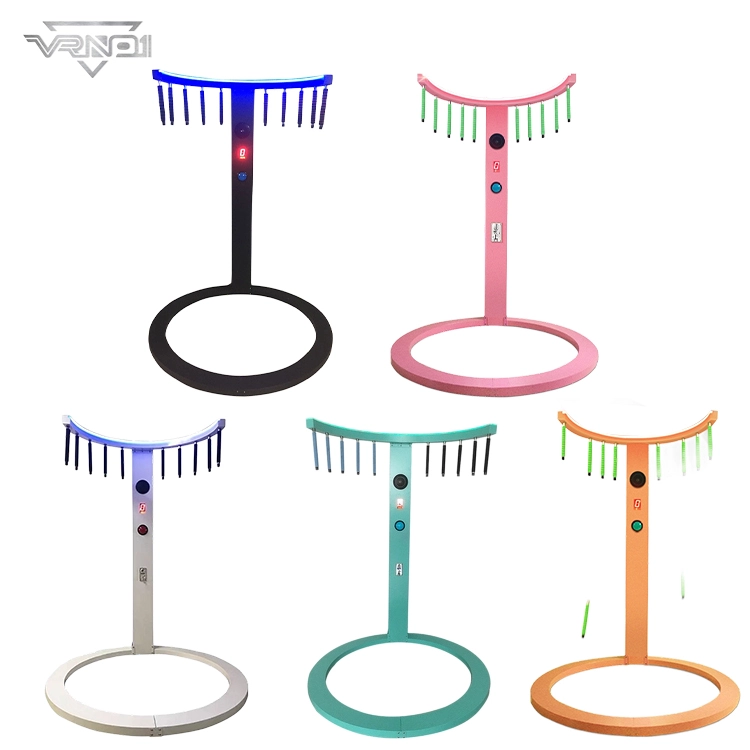
VRN0.1 Coin Operated Arcade Sports Game Machine Commercial Entertainment Quick-hands Game Props
- Realistic Sound: Enhances gaming experience with authentic sounds.
- Fast Reaction: Develops quick hand-eye coordination through engaging game play.
- DIY Kit: Allows for customization and personalization of the baton.
- Metal and Plastic Construction: Durable and robust build quality.
- Coin Operated: Fun for players who enjoy arcade-like experiences.
 Scan QR Code
Whatsapp: +8618127818571
Scan QR Code
Guangzhou Skyfun Technology Co.,Ltd
skyfunvrgame
skyfun game