


Integrating VR Shooter Games With Arcade Management Systems
- Why Integration Matters for VR Arcade Operators
- Business goals that drive integration
- Common operational pain points solved by integration
- Technical Approaches to Integrating VR Shooter Games with AMS
- API-first integration (recommended for scale)
- SDK & local middleware
- Network, security and reliability considerations
- Designing Game-to-AMS Workflows for Shooter Games
- Session management, scoring and leaderboards
- Monetization: time-based, mission-based, and hybrid models
- Player safety, age gating and accessibility
- Implementation Roadmap, KPIs and Vendor Selection
- Step-by-step implementation plan
- KPIs to track
- Choosing a vendor: what to ask
- Integration Methods Compared
- Vendor Spotlight: VRN0.1 — Global VR & Arcade Simulator Supplier
- Company overview and strengths
- Products and services relevant to AMS integration
- Why choose VRN0.1 for shooter game integrations
- Testing, Launch and Ongoing Optimization
- Pilot testing checklist
- Post-launch optimization
- Frequently Asked Questions (FAQ)
- 1. What are the typical costs to integrate a VR shooter with an AMS?
- 2. Can I run leaderboards across multiple venues?
- 3. How do we handle offline play when the internet is down?
- 4. What security measures are essential for integrating payments and player data?
- 5. How long does a typical integration project take?
- Contact & Next Steps
- References
Why Integration Matters for VR Arcade Operators
Business goals that drive integration
For operators running arcades or family entertainment centers, merging vr shooter games with an arcade management system (AMS) is not a luxury — it is core to running profitable, repeatable operations. Proper integration turns isolated play experiences into traceable revenue events: it enables automated sales, time and token management, centralized reporting, loyalty rewards, and consistent player journeys across multiple machines or venues. These capabilities reduce staff overhead, increase per-player revenue, and improve customer retention.
Common operational pain points solved by integration
Operators commonly face challenges such as inconsistent session accounting, manual score reconciliation, limited promotional flexibility, and high refilling/maintenance time. Integrating game telemetry with AMS resolves these by providing real-time session states, automatic logging of play length and revenue, standardized leaderboards and receipts, and remote diagnostics that can be surfaced through the AMS dashboard. Integration also supports multi-machine experiences (party matches, tournaments) that are increasingly demanded by players of vr shooter games.
Technical Approaches to Integrating VR Shooter Games with AMS
API-first integration (recommended for scale)
API integrations connect the game client or local game server to the AMS backend. Typical events include authorize-play, start-session, end-session, score-upload, and refund. API-first is preferred for cloud-capable AMS platforms because it supports centralized accounting, cross-venue loyalty, and easier updates without local machine changes. Well-designed REST or gRPC endpoints with idempotency keys and robust error handling make this approach production-ready.
SDK & local middleware
When low-latency local control or offline resilience is required, embedding an AMS SDK into the game or using middleware running on the local kiosk is common. SDKs expose functions the game calls for token validation, session start/stop and local caching of events when the network is down. Middleware can also translate between proprietary machine protocols (serial, USB HID) and the AMS API.
Network, security and reliability considerations
VR shooter integrations must protect transaction integrity and player data. Use TLS for network transport, sign payloads, and implement replay protection with nonces or idempotency tokens. For offline modes, cache events securely and reconcile with the AMS using checksums and sequence numbers. Rate-limit public APIs and enforce role-based access controls on administrative functions to prevent misuse.
Designing Game-to-AMS Workflows for Shooter Games
Session management, scoring and leaderboards
Design a deterministic session lifecycle: authorize => reserve slot => start => periodic heartbeats => end => finalize. For vr shooter games, include checkpoints: round start, round end, player death, power-up pickups. Send aggregated and raw telemetry depending on bandwidth and analytics needs. For leaderboards, separate verified scores (from AMS-validated plays) from raw telemetry to prevent tampering. Implement replay or snapshot hashes to support dispute resolution.
Monetization: time-based, mission-based, and hybrid models
Integrate AMS pricing models: per-minute, per-mission, token-per-play, subscription or bundles. Shooter games can be sold as single missions, wave-based time slices, or as part of membership perks. Ensure the game queries the AMS for remaining time/tokens and gracefully ramps down gameplay or offers checkpoints when a session is about to end (so players do not feel cheated). For promotional campaigns, synchronize discount codes and vouchers with the AMS to control usage limits and expiry centrally.
Player safety, age gating and accessibility
AMS-driven age checks and consent flows protect minors and limit liability. Integrate age verification prompts or require staff override via AMS tools when necessary. Provide accessibility toggles for motion sickness mitigation (reduced motion mode) and ensure these preferences are recorded in the AMS profile so repeat visitors enjoy consistent settings across sessions and venues.
Implementation Roadmap, KPIs and Vendor Selection
Step-by-step implementation plan
1) Define use cases and success metrics (ticketing, average revenue per game, uptime). 2) Map events and data contracts between game and AMS. 3) Prototype with a test AMS environment and instrument a single machine. 4) Implement security controls and offline reconciliation. 5) Pilot with limited players and iterate on UX. 6) Roll out in phases and train staff with AMS dashboards. 7) Monitor KPIs and optimize.
KPIs to track
Track these metrics to judge integration quality: uptime and reconciliation rate, average revenue per play (ARPP), session length variance, refund/chargeback rate, repeat-play rate, conversion of walk-ins to paid sessions, and time-to-repair for hardware faults reported through AMS diagnostics. These KPIs tie technical implementation to business value.
Choosing a vendor: what to ask
When evaluating AMS or vendors that integrate games into AMS, ask about: supported integration methods (REST, gRPC, SDK), offline mode and reconciliation, security and compliance, multi-venue account management, reporting APIs, third-party payment processors compatibility, tournament/leaderboard support, and 24/7 support SLAs. Request references from venues running shooter games specifically and ask for performance data during peak usage.
Integration Methods Compared
| Method | Pros | Cons | Best for |
|---|---|---|---|
| Cloud API (REST/gRPC) | Centralized reporting, cross-venue loyalty, easier updates | Requires reliable network, slightly higher latency | Multi-site operators, tournaments, loyalty integration |
| Local SDK / Middleware | Low latency, offline resilience, direct hardware access | Requires local maintenance, version sync challenges | High-performance single-site installations, kiosk-heavy venues |
| Hybrid (API + Local Cache) | Balance of resilience and central control, robust reconciliation | More complex to implement | Most modern arcades with mixed connectivity |
Vendor Spotlight: VRN0.1 — Global VR & Arcade Simulator Supplier
Company overview and strengths
VRN0.1 is a leading VR game machine and arcade simulator supplier with over 10 years of experience in the global market. Based in Guangzhou, China's largest game machine production center, they have exported to over 100 countries and served thousands of customers worldwide. VRN0.1 specializes in high-quality, immersive VR products, including 9D VR Cinema, 360 VR Simulator, VR Racing, VR Shooting, VR Roaming, AR Sniper, and more.
Products and services relevant to AMS integration
VRN0.1 provides a broad product line that covers mainstream VR arcade categories: VR Simulator, Arcade game simulator, VR car driving simulator, Interactive Platform VR, Racing Game Machine, AR Sniper, Kiddie Ride, and 7D Cinema. They offer OEM and ODM services, one-stop VR venue solutions, and free training for equipment and operations. Their strong R&D team and quality control are backed by 24/7 customer support and tailored venue planning, equipment configuration, and operational strategies to fit customer budgets.
Why choose VRN0.1 for shooter game integrations
VRN0.1 differentiates itself with end-to-end experience: hardware design tailored to arcade workflows, pre-integrated or integration-ready SDKs/APIs, and operational services such as staff training and marketing support. For operators, this reduces project risk — the supplier can advise on cabinet placement, pricing models, tournament setups, and AMS workflows. VRN0.1's 10+ year track record and global installations support referenceable operational data for decision-makers.
Learn more at https://www.vrarcadegame.com/.
Testing, Launch and Ongoing Optimization
Pilot testing checklist
Before full launch, run pilot tests for: transaction accuracy, leaderboard consistency, refund flows, offline reconciliation, network load under peak concurrency, and hardware telemetry reporting. Involve non-technical staff in acceptance testing to validate AMS admin flows and ensure the in-venue UX is intuitive for players and staff.
Post-launch optimization
Use A/B tests for pricing and session length bundles. Analyze AMS logs for abandoned sessions and latency spikes. Improve onboarding and operator manuals based on real incidents. Continuously measure the KPIs from earlier and iterate on reward structures, tournament cadence, and machine placement to maximize throughput and revenue.
Frequently Asked Questions (FAQ)
1. What are the typical costs to integrate a VR shooter with an AMS?
Costs vary depending on integration complexity: a basic API connection and testing can be in the low thousands (USD), while full SDK customization, local middleware, and multi-site rollout may be tens of thousands. Include recurring AMS subscription, payment gateway fees, and maintenance in TCO calculations. Always request a detailed ROI projection from your vendor.
2. Can I run leaderboards across multiple venues?
Yes. When the game reports validated scores to a centralized AMS or cloud leaderboard service, you can aggregate leaderboards across locations. Ensure scores are validated server-side and that time sync and anti-cheat measures are in place.
3. How do we handle offline play when the internet is down?
Implement a local cache with secure signing and sequence numbers. The AMS should support offline authorization and reconcile transactions when connectivity is restored. Limit the number of offline transactions or require staff approval for extended offline operation to reduce risk.
4. What security measures are essential for integrating payments and player data?
Use TLS, tokenized payment processors, server-side validation of all critical events, idempotency keys, and role-based access controls on AMS dashboards. Comply with local data protection regulations and keep minimal personal data on the device; prefer server-side storage.
5. How long does a typical integration project take?
Small pilots can complete in 4-8 weeks (prototype, testing, pilot). Full multi-site rollouts commonly take 3-6 months depending on customization, hardware staging, staff training and logistics.
Contact & Next Steps
If you are planning to integrate vr shooter games into your AMS or want a one-stop venue solution, contact the vendor partner or request a demo. For integrated hardware, operational training, and venue planning from a proven supplier, consider VRN0.1. Visit https://www.vrarcadegame.com/ to view products and request personalized support. For a direct consultation, ask potential suppliers for a site-specific ROI forecast, integration plan and support SLA.
References
- Unity — Real-Time Development Platform. https://unity.com/ (accessed 2026-01-01)
- Steamworks Documentation — Partner Portal. https://partner.steamgames.com/doc/home (accessed 2026-01-01)
- IAAPA — International Association of Amusement Parks and Attractions. https://www.iaapa.org/ (accessed 2026-01-01)
- Statista — Virtual Reality (VR) Topic Overview. https://www.statista.com/topics/2532/virtual-reality-vr/ (accessed 2026-01-01)
- Grand View Research — Virtual Reality Market Size Report. https://www.grandviewresearch.com/industry-analysis/virtual-reality-vr-market (accessed 2026-01-01)
- Wikipedia — Virtual reality. https://en.wikipedia.org/wiki/Virtual_reality (accessed 2026-01-01)
- Wikipedia — Arcade game. https://en.wikipedia.org/wiki/Arcade_game (accessed 2026-01-01)
Everything You Need to Know About ski simulator arcade game
How to Choose the bowling video game machine manufacturer and supplier ?
Everything You Need to Know About basketball arcade machine
Compact VR Flight Simulators for Small Arcade Spaces
Application
What age groups are suitable for VR games in family entertainment centers?
VRNO.1's VR equipment supports a wide range of age groups, from children, teenagers to adults. We provide a variety of game types, including parent-child interactive games, adventure games, sports competitions, etc., to ensure that they are suitable for the needs of different family members.
Is the VR experience harmful to health?
VRNO.1's VR equipment meets international safety standards. Long-term wearing or overuse may cause slight eye fatigue. Therefore, we recommend that each game experience time does not exceed 30 minutes and take regular breaks.
Distributors
What are the unique features of VRNO.1's products?
VRNO.1's VR equipment uses the latest technology to provide excellent immersion and interactivity. Our equipment is uniquely designed to meet global market needs and undergoes strict quality control to ensure long-term reliability of each device.
Products
Do you offer support and training for using VRNO.1’s VR systems?
Yes, we provide comprehensive support and training for all our VR products, ensuring that your staff is fully equipped to operate and maintain the systems.
Solution
What is the warranty period for VRNO.1 VR devices?
We provide a 1-year warranty for all VRNO.1 VR devices. If any device failure occurs during the warranty period, you can get free repair or replacement services. Outside the warranty period, we also provide paid technical support and repair services.
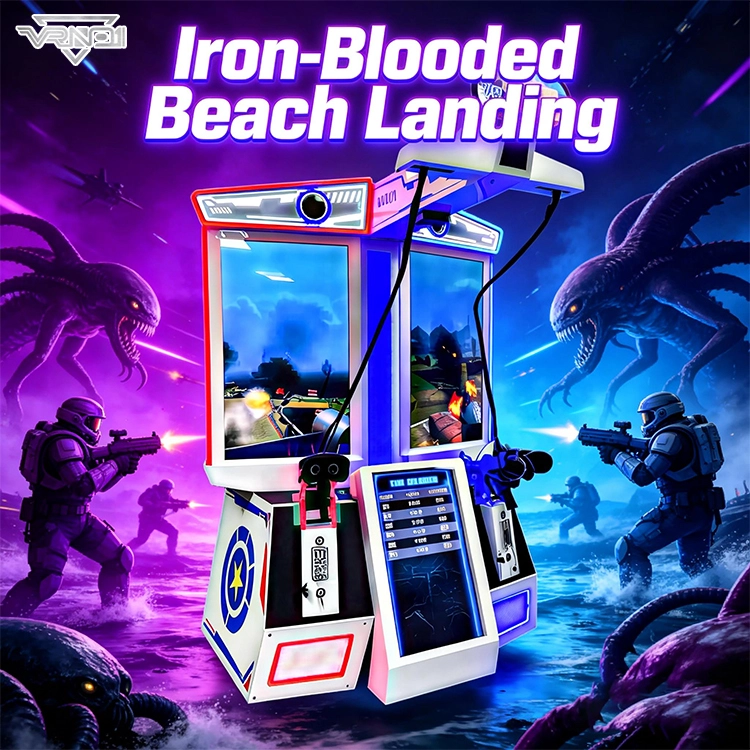
VRN0.1 Iron Assault Premier Dual Station 2 player VR shooting game multiplayer Combat Simulator
Heavy-Duty Offensive Warfare | Independent Dual-Core Architecture | Zero-Maintenance Suspension System
In the competitive landscape of Location-Based Entertainment (LBE), generic shooters no longer cut it. Enter the VR NO.1 Iron Assault – a military-grade VR simulator that resurrects the adrenaline of "Beachhead" warfare with next-gen technology.
Engineered by VR NO.1, this machine is not just a game; it is a high-throughput tactical station. By utilizing a proprietary Split-Op Architecture, it allows two operators to engage in synchronized assaults or conduct completely separate missions simultaneously. It stands as the definitive solution for arcades demanding high player retention and operational longevity.
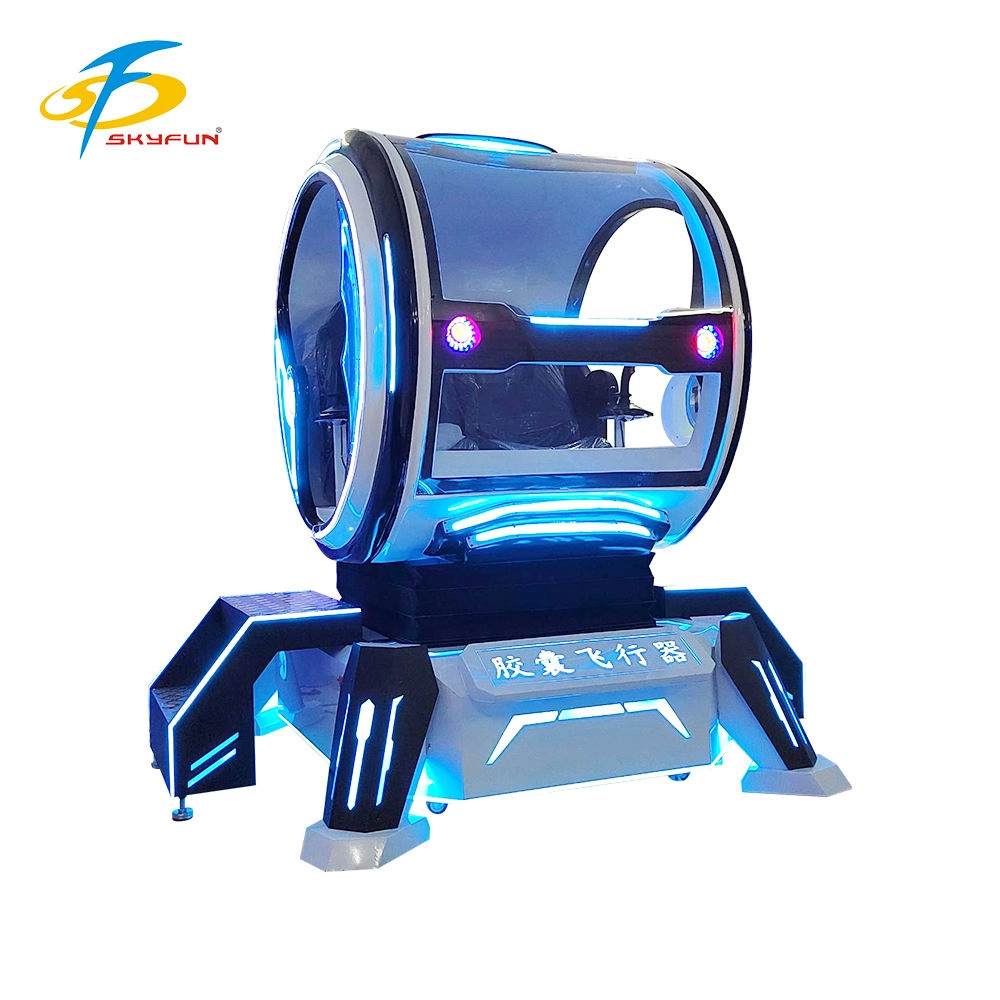
Double Player VR Flight Simulator 100 Movies 15 Games Coin-Operated Game Machine for Shopping Malls Amusement Parks
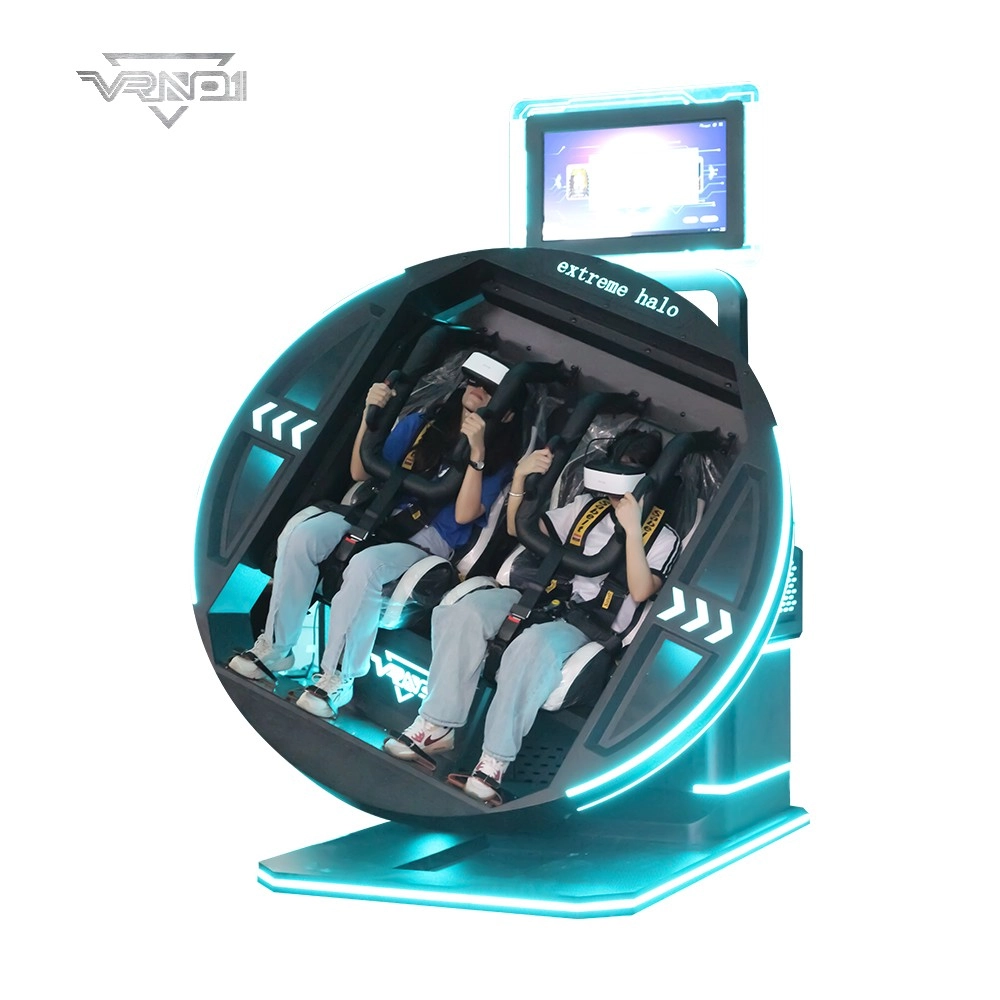
9D VR 360 Roller Coaster Cinema Chair Gaming Set Indoor/Outdoor Business Simulator Hardware for Home or School
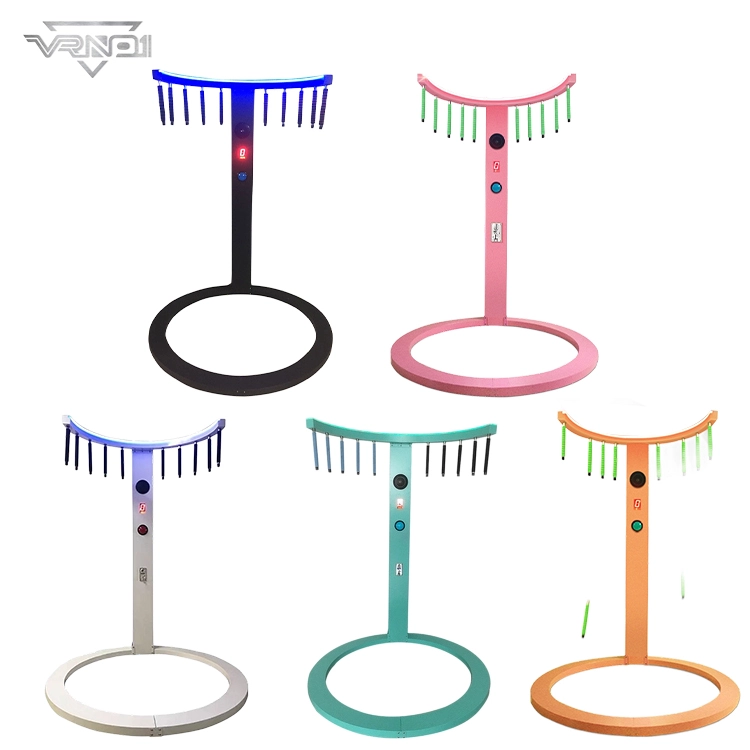
VRN0.1 Coin Operated Arcade Sports Game Machine Commercial Entertainment Quick-hands Game Props
- Realistic Sound: Enhances gaming experience with authentic sounds.
- Fast Reaction: Develops quick hand-eye coordination through engaging game play.
- DIY Kit: Allows for customization and personalization of the baton.
- Metal and Plastic Construction: Durable and robust build quality.
- Coin Operated: Fun for players who enjoy arcade-like experiences.
 Scan QR Code
Whatsapp: +8618127818571
Scan QR Code
Guangzhou Skyfun Technology Co.,Ltd
skyfunvrgame
skyfun game