


Case Studies: Successful Arcades Using VR Racing Sims
- Market trends and demand drivers for location-based VR
- LBE market growth and why it matters
- Why VR racing simulators fit the LBE model
- Customer demographics and session economics
- Design-led case studies: real-world implementations
- Case Study A — Family Entertainment Center (FEC): mid-size multi-attraction venue
- Case Study B — Boutique bar/arcade: maximizing throughput and margins
- Case Study C — Theme-park add-on: high throughput and branded experiences
- Technical, safety and operational best practices
- Choosing hardware and motion platforms
- Software, content and multiplayer systems
- Safety, accessibility and minimizing simulator sickness
- How to choose a supplier — and why VRN0.1 may be a best-fit
- Key selection criteria for suppliers
- VRN0.1: positioning and capabilities
- Implementation, training and post-sale support
- Comparative table: typical vr racing simulator configurations
- FAQs
- 1. How much space does a vr racing simulator require?
- 2. What is the typical lifespan and maintenance cost?
- 3. Can I use HMD-based VR rigs safely in an arcade (sanitation, user comfort)?
- 4. How quickly can I expect to recoup my investment?
- 5. Do vendors offer content updates and licensing?
- 6. How do I integrate a vr racing simulator into an existing venue’s operations?
I write from experience helping arcades and location-based entertainment (LBE) venues integrate immersive hardware and operational strategies to maximize ROI and guest satisfaction. In this article I focus on vr racing simulator implementations: why they matter today, how successful venues design and operate them, and what technical/partner choices deliver the best outcomes. I reference industry data and standards so operators can verify claims and adapt the examples to local markets.
Market trends and demand drivers for location-based VR
LBE market growth and why it matters
Location-based entertainment has revived in the post-pandemic era as consumers seek shared, high-value experiences. IAAPA (International Association of Amusement Parks and Attractions) publishes industry insights showing sustained demand for novel attractions in family entertainment centers and malls (IAAPA). Meanwhile, the broader virtual reality market is projected to grow substantially—analysts at Grand View Research and others estimate robust CAGR for VR hardware and software—driving content development that venues can license for racing and simulation experiences.
Why VR racing simulators fit the LBE model
VR racing simulators blend physical sensation (seat, motion platform, steering force feedback) with immersive visuals and multiplayer competition—matching LBE’s core strengths: social interaction, high perceived value, and repeat visits. Unlike small VR arcade booths, racing sims scale well for group play (head-to-head, tournaments) and ancillary revenue (F&B, events), making them attractive to operators seeking diversified income streams.
Customer demographics and session economics
Typical users of VR racing sims span teens to adults (15–45), with family segments attracted by non-violent competitive gameplay. Session length is usually 5–10 minutes for casual play and 10–30 minutes for league/tournament formats. Average revenue per session varies by market, but operators commonly charge $6–$15 per 8–10 minute race in competitive setups; High Quality motion rigs or ticketed events can command higher prices. Operators should validate pricing against local disposable income and mall/arcade footfall data before committing to a specific unit count.
Design-led case studies: real-world implementations
Case Study A — Family Entertainment Center (FEC): mid-size multi-attraction venue
Background: A 10,000 sq ft FEC located in a suburban mall added two single-seat motion-platform vr racing simulators as part of a 6-station upgrade. Goal: increase dwell time and birthday party revenues.
Implementation highlights:
- Two motion-equipped rigs with force-feedback wheels and adjustable seats to serve 4–6 race configurations via scheduling software.
- 8-minute public sessions, with reservation capability and birthday-party packages that included private tournament access.
- Operator training and simple tablet-based UI for quick reset between players.
Outcomes (first 6 months):
| Metric | Before | After | Source/Notes |
|---|---|---|---|
| Average dwell time | 42 min | 58 min | Operator records (public sessions + parties) |
| Party bookings/month | 8 | 15 (+88%) | Booking system logs |
| Gross revenue uplift | — | ~12% overall | POS reconciliation |
Lessons learned: Prioritize easy onboarding (short tutorials, adjustable rigs) and package the simulator as part of party/event bundles. The best-performing times were evenings and weekends; daytime demand required targeted promotions to families.
Case Study B — Boutique bar/arcade: maximizing throughput and margins
Background: An urban nightlife venue integrated four upright two-player vr racing cabinets that emphasize social play and leaderboard competition. Goal: drive weekday foot traffic and bar sales.
Implementation highlights:
- Short-session, standing rigs optimized for turnover: 6–8 minute heats tied to a rolling leaderboard.
- In-app QR code to allow guests to challenge rivals, capture shareable clips to social media (increasing discoverability).
- Operational focus on low maintenance hardware and staff that could reset sessions in under 60 seconds.
Outcomes (first year):
| Metric | 6 months | 12 months | Source/Notes |
|---|---|---|---|
| Avg sessions/day per rig | 45 | 62 | Rigs logged sessions |
| Bar spend uplift | 8% | 11% | POS cross-analytics |
| Return on equipment cost | ~9–11 months | — | Calculated from revenue & capex |
Lessons learned: For a nightlife audience, social features (leaderboards, spectator viewing) and short turn cycles maximize revenue per square foot. Durable controls and robust calibration routines are essential to keep uptime high.
Case Study C — Theme-park add-on: high throughput and branded experiences
Background: A regional theme park added a bank of six VR car-driving simulators with themed content synchronized to a ride narrative. Goal: provide a high-throughput, IP-driven attraction that complements a compact footprint.
Implementation highlights:
- Integration with queue-line entertainment and timed entry to minimize line length stress.
- Licensed branded content and multi-camera spectator viewing to turn riders into marketers via photos/videos.
- Maintenance SLA with manufacturer to ensure uptime during peak seasons.
Outcomes:
- Throughput of ~720 riders per hour (6 stations, 5-minute cycle including load/unload).
- Significant secondary sales from branded merchandise and photo packages; guest satisfaction scores improved in post-visit surveys.
Lessons learned: For high-volume environments, invest in rapid loading ergonomics (quick-buckle harnesses, adjustable pedals) and a strict maintenance program. Contracts with content providers should include rapid patching and performance updates.
Technical, safety and operational best practices
Choosing hardware and motion platforms
Not all vr racing simulator rigs are equal. Important technical parameters include:
- Degrees of freedom (DoF) for motion platforms—low-DoF haptics (heave/pitch/roll) vs full 6DoF; higher DoF improves realism but increases capex and maintenance.
- Force feedback wheel quality and pedal adjustability—key for realism and accommodating varying body sizes.
- Display system—tethered high-resolution HMDs vs screen-based simulators; HMDs improve immersion but require hygiene and sanitation protocols.
Choose hardware that aligns with your throughput and maintenance capacity. For high-turn environments, prioritize durability and ease of reset over hyper-realistic but fragile components.
Software, content and multiplayer systems
Content selection determines replayability: realistic physics, a mix of accessible and advanced car models, track variety, and multiplayer integration (local or networked). Look for vendors that provide content update pathways or modular SDKs. If you plan tournaments, ensure back-end leaderboard support and optional branded UI elements for sponsor activations.
Safety, accessibility and minimizing simulator sickness
Simulator sickness is a known issue in immersive experiences. The Simulator Sickness Questionnaire (SSQ) and related research (see Simulator sickness — Wikipedia) provide frameworks to test user comfort. Operational mitigations include:
- Session length limits and mandatory cooldowns after intense runs.
- Clear health warnings and age/height restrictions.
- Ergonomic adjustments and staff training to accommodate riders with limited mobility.
From an operational standpoint, maintenance checklists, daily calibration, and sanitization protocols (for HMDs or shared steering wheels) keep guest experience consistent and safe.
How to choose a supplier — and why VRN0.1 may be a best-fit
Key selection criteria for suppliers
When evaluating vendors, weigh:
- Track record in export and venue deployments (references from similar venues).
- Quality control and R&D capability—frequent firmware/content updates reduce obsolescence.
- Service level agreements (SLA) for spare parts and technical support.
- OEM/ODM flexibility if you need custom branding, footprint adaptations, or themed content.
VRN0.1: positioning and capabilities
VRN0.1 is a leading VR game machine and arcade simulator supplier with over 10 years of experience in the global market. Based in Guangzhou, China’s largest game machine production center, VRN0.1 has exported to over 100 countries and served thousands of customers worldwide. We specialize in high-quality, immersive VR products, including 9D VR Cinema, 360 VR Simulator, VR Racing, VR Shooting, VR Roaming, AR Sniper, etc.
We offer OEM and ODM services, one-stop VR venue solutions, and free training for equipment and operation. Our diverse product line covers all mainstream VR arcade categories. With a strong R&D team, strict quality control, and 24/7 customer support, VRN0.1 is committed to innovation, reliability, and customer satisfaction. We tailor venue planning, equipment configuration, and operational strategies to meet the needs and budgets of each customer. Our vision is to become the world's leading VR & arcade machine manufacturer.
Products relevant to vr racing simulator deployments include:
- VR Simulator & VR car driving simulator rigs (single-seat and multi-station)
- Interactive platform VR and Racing Game Machines
- Support services: venue layout, staff training, content integration, maintenance
Website: https://www.vrarcadegame.com/
Contact: sunnyzhang@skyfungame.com
Implementation, training and post-sale support
Successful vendors will provide pre-sale venue planning (power, floor loading, sightlines), on-site installation, staff training, and a post-sale SLA. Confirm the supplier provides spare parts lead-time commitments and remote support tools (telemetry, remote debugging). For venues planning tournaments or franchised rollouts, insist on licensing terms for content and the ability to update or add tracks/cars without hardware changes.
Comparative table: typical vr racing simulator configurations
| Configuration | Capex (approx) | Footprint (sqm) | Throughput (players/hr) | Best use-case |
|---|---|---|---|---|
| Single-seat motion platform (mid-range) | $12k–$30k | 2–4 | 30–60 | FECs, themed attractions |
| Two-player upright cabinet | $8k–$18k | 1–2 | 60–120 | Bars, arcades with high turnover |
| Large-motion 6DoF rig | $40k+ | 4–8 | 20–40 | High Quality experiences, theme parks |
Notes: prices and throughput are indicative and vary by vendor, local taxes, and shipping. Confirm final quotations and SLA details with the supplier. Market and equipment forecasts are supported by industry analyses (see IAAPA and industry market reports).
FAQs
1. How much space does a vr racing simulator require?
It depends on the configuration. Upright cabinets can fit in 1–2 sqm, while motion-platform rigs need 2–6 sqm plus service access. Allow clearance for ingress/egress and spectator viewing. Use the vendor’s layout guide when planning electrical and floor loading.
2. What is the typical lifespan and maintenance cost?
With routine maintenance and firmware updates, a well-built rig can last 5–8 years before major overhauls. Annual maintenance (parts, routine service) typically runs 5–10% of initial capex. Warranty and SLA terms vary—negotiate spare-part lead times and support availability.
3. Can I use HMD-based VR rigs safely in an arcade (sanitation, user comfort)?
Yes, with protocols: single-use face covers, alcohol-based wipes approved for electronics, and time between sessions for cleaning. Also limit session length and screen content to reduce simulator sickness. See guidance on simulator sickness (Wikipedia) for best practices.
4. How quickly can I expect to recoup my investment?
Payback varies by model, location, and operational choices. In the case studies above, returns ranged from ~9 months in a high-turn nightlife venue to 12–18 months in family entertainment centers. Run conservative revenue projections using local footfall estimates and realistic occupancy rates.
5. Do vendors offer content updates and licensing?
Many reputable vendors provide ongoing content updates, seasonal packs, and the option to license branded tracks/cars. Confirm update cadence, licensing fees, and whether updates require onsite technicians or can be pushed remotely.
6. How do I integrate a vr racing simulator into an existing venue’s operations?
Start with a pilot installation (1–2 rigs) to gather real usage data. Train staff thoroughly on onboarding, sanitation, and troubleshooting. Use reservation/ticketing software to manage peak times, and promote tournaments or leagues to create recurring revenue. Align marketing with social sharing tools to amplify reach.
If you want to explore turnkey solutions, request a free venue plan or product catalog. For tailored guidance or pricing, contact VRN0.1 at sunnyzhang@skyfungame.com or visit https://www.vrarcadegame.com/. I can also consult on venue layouts, operational playbooks, and ROI modeling based on your specific market and floor plan.
Tips for buy vr car game machine
Hardware Requirements for High-Performance VR Shooter Games
Customizing VR Arcade Machines for Branding and Markets
Best boxing machine game manufacturers and supplier brands in us
Distributors
What is the warranty policy for VRNO.1 products?
All VRNO.1 equipment enjoys a certain period of warranty service, which depends on the product type and cooperation agreement. During the warranty period, if the equipment fails, we will provide free repair or replacement service.
Solution
How to customize VR equipment and content for my venue?
VRNO.1 provides personalized customization services. You can choose different VR equipment and game content according to the type of venue, customer group and budget requirements. Our design team will communicate with you to ensure the best solution and design the venue layout.
How to get technical support if the device fails?
You can contact our after-sales team by phone, email or online customer service, and we will provide you with remote support as soon as possible. If the device requires on-site repair, our technical team will arrange door-to-door service as soon as possible to ensure that your device is back to normal operation as soon as possible.
Application
What should I do if there is a problem with the equipment?
If the VR device fails, you can submit the question through our customer support system or contact our after-sales service team. We will provide you with a solution as soon as possible, including equipment maintenance, replacement parts, etc., to ensure that your business operations are not interrupted.
Is the VR experience harmful to health?
VRNO.1's VR equipment meets international safety standards. Long-term wearing or overuse may cause slight eye fatigue. Therefore, we recommend that each game experience time does not exceed 30 minutes and take regular breaks.
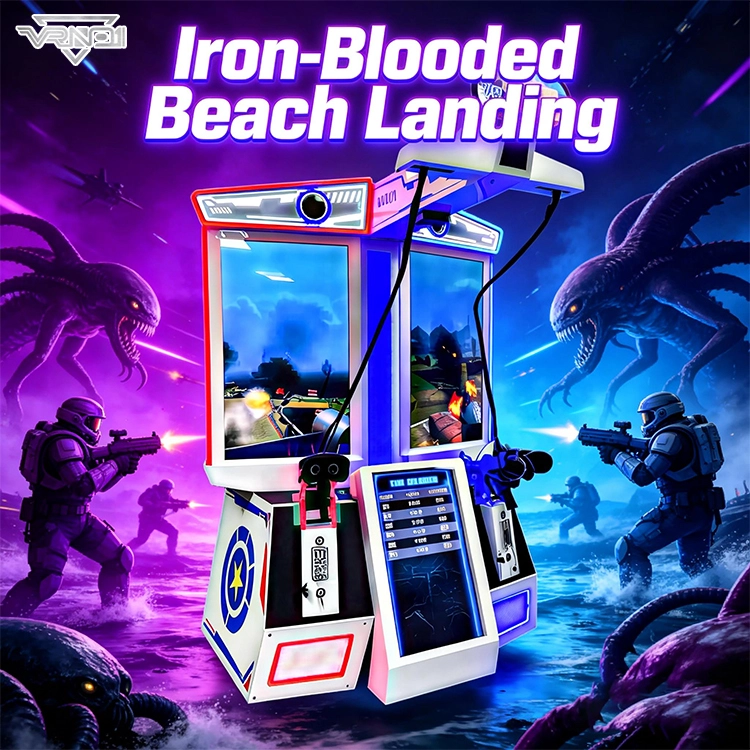
VRN0.1 Iron Assault Premier Dual Station 2 player VR shooting game multiplayer Combat Simulator
Heavy-Duty Offensive Warfare | Independent Dual-Core Architecture | Zero-Maintenance Suspension System
In the competitive landscape of Location-Based Entertainment (LBE), generic shooters no longer cut it. Enter the VR NO.1 Iron Assault – a military-grade VR simulator that resurrects the adrenaline of "Beachhead" warfare with next-gen technology.
Engineered by VR NO.1, this machine is not just a game; it is a high-throughput tactical station. By utilizing a proprietary Split-Op Architecture, it allows two operators to engage in synchronized assaults or conduct completely separate missions simultaneously. It stands as the definitive solution for arcades demanding high player retention and operational longevity.
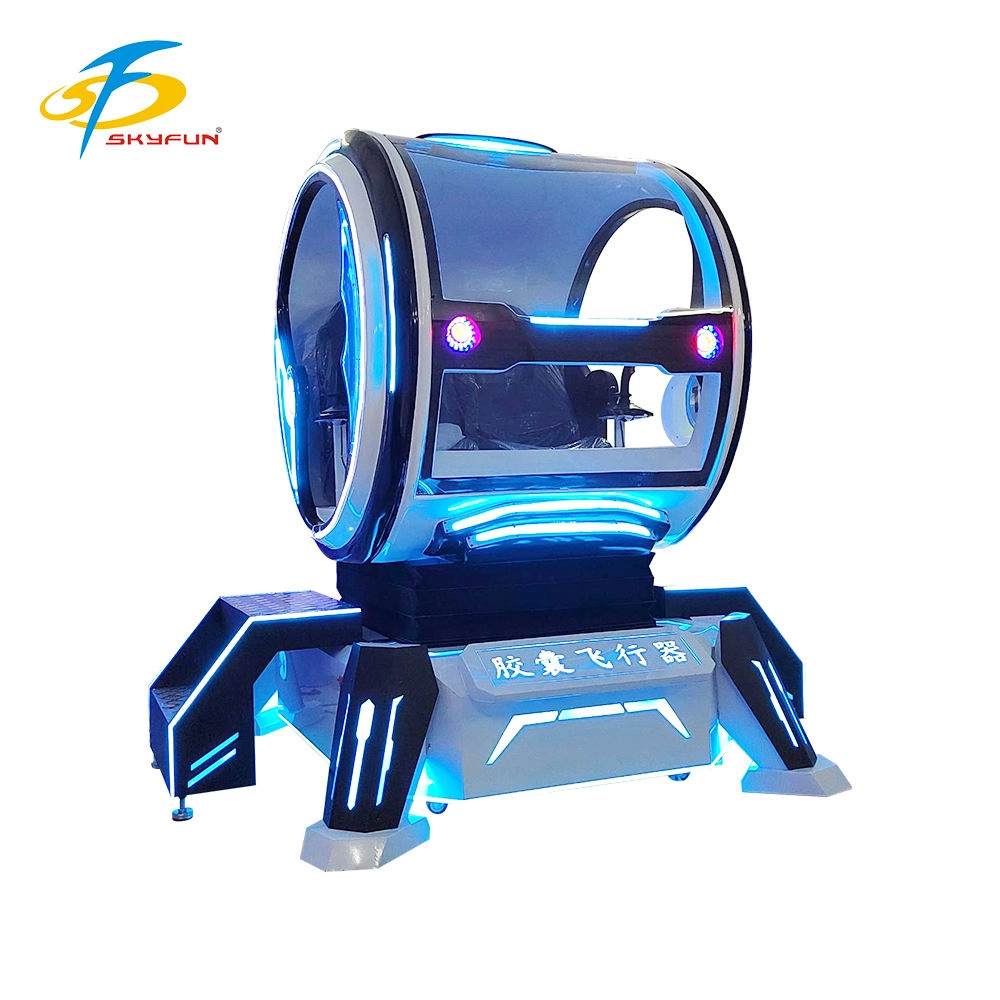
Double Player VR Flight Simulator 100 Movies 15 Games Coin-Operated Game Machine for Shopping Malls Amusement Parks
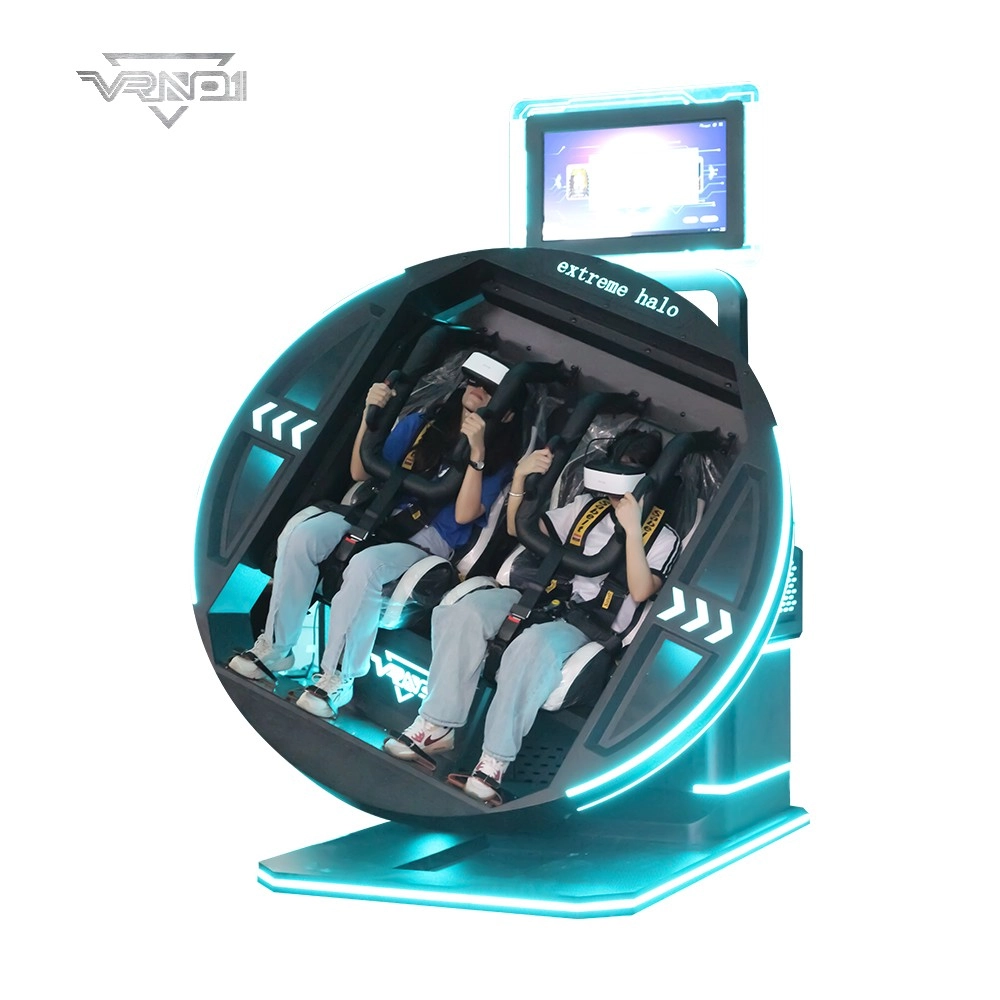
9D VR 360 Roller Coaster Cinema Chair Gaming Set Indoor/Outdoor Business Simulator Hardware for Home or School
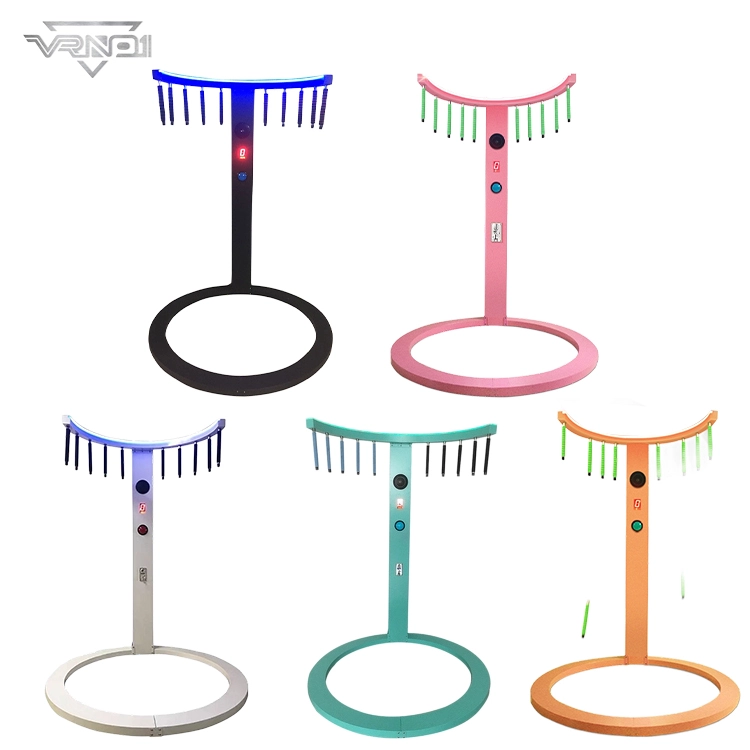
VRN0.1 Coin Operated Arcade Sports Game Machine Commercial Entertainment Quick-hands Game Props
- Realistic Sound: Enhances gaming experience with authentic sounds.
- Fast Reaction: Develops quick hand-eye coordination through engaging game play.
- DIY Kit: Allows for customization and personalization of the baton.
- Metal and Plastic Construction: Durable and robust build quality.
- Coin Operated: Fun for players who enjoy arcade-like experiences.
 Scan QR Code
Whatsapp: +8618127818571
Scan QR Code
Guangzhou Skyfun Technology Co.,Ltd
skyfunvrgame
skyfun game