


Hardware Requirements for High-Performance VR Shooter Games
- Optimizing Hardware for Competitive VR Shooters
- Why VR Shooter Games Need Different Hardware
- CPU Requirements for VR Shooter Games
- GPU: The Most Critical Component for VR Shooter Games
- RAM and Storage for Responsive VR Play
- Headset, Tracking and Input Devices for Accurate Shooting
- Latency Targets and Performance Tolerances
- Networking and Multiplayer Considerations for VR Shooter Games
- Recommended Hardware Tiers for VR Shooter Games
- Cooling, Power and Reliability in Arcade Environments
- Optimization Strategies for Stable VR Shooter Performance
- Testing and QA for VR Shooter Games
- Commercial VR Deployments: What Operators Need to Know
- VRN0.1 — Turnkey VR Arcade and Simulator Solutions
- Cost of Ownership and Maintenance
- Checklist: Building a Reliable VR Shooter Station
- FAQ — Frequently Asked Questions
- 1. What GPU is best for VR shooter games right now?
- 2. Is 16GB RAM enough for VR shooter games?
- 3. Should I choose inside-out or outside-in tracking for arcade VR shooters?
- 4. How do I reduce motion sickness for players in VR shooters?
- 5. What are the power and cooling requirements for a VR arcade station?
- 6. How should I optimize software to keep frame rates stable?
- 7. Can VRN0.1 help set up a multi-station VR shooter arcade?
- Contact & CTA
- References
Optimizing Hardware for Competitive VR Shooters
VR shooter games demand a unique combination of low latency, high frame rates, precise tracking, and ruggedized hardware for commercial environments. Whether you're building a PC for home play, outfitting a LAN arena, or running a VR arcade with multiple stations, understanding the technical and operational requirements is essential to deliver consistent, immersive, and competitive experiences. This article breaks down the hardware you need, how to balance cost vs performance, and practical recommendations for VR arcade operators.
Why VR Shooter Games Need Different Hardware
VR shooter games are more sensitive to latency, frame drops, and tracking errors than standard 2D titles. Players rely on head and hand movements to aim and react; micro-stutters or tracking jitter directly affect accuracy and comfort. For both consumer and commercial vr shooter games setups, the goal is to maintain a motion-to-photon latency below ~20 ms and stable framerates at or above the headset's refresh rate (commonly 90–144 Hz). Achieving this requires careful selection across CPU, GPU, memory, storage, and peripherals, plus robust cooling and power delivery in arcade deployments.
CPU Requirements for VR Shooter Games
CPUs affect physics, AI, network handling, and game logic. For single-player VR shooters and local arcade experiences, prioritized CPU traits are single-thread performance and consistent multi-core throughput. For multiplayer servers or high-concurrency arcade management, core count matters more.
- Minimum (playable): 6-core modern CPU (e.g., Intel i5 12th gen or AMD Ryzen 5 5600X).
- Recommended: 8–12 cores with strong single-threaded performance (e.g., Intel i5/i7 13th gen, AMD Ryzen 7 5800X/7700X).
- High-end / arcade multi-station hosting: 12–16 cores or server-class CPUs for local matchmaking and reliability.
Choose CPUs with stable boost behavior under load and pair with a quality motherboard for VR arcade reliability.
GPU: The Most Critical Component for VR Shooter Games
GPU capability directly maps to visual fidelity, supersampling (image clarity), and the ability to maintain high frame rates. For most competitive VR shooter games targeting 90–144 FPS at native headset resolution with moderate supersampling:
- Minimum: NVIDIA GTX 1660 Super or AMD RX 6600 (limited headroom, may need reduced settings).
- Recommended: NVIDIA RTX 3060 Ti / 3070 or AMD RX 6700 XT for smooth 90+ FPS at 1x–1.2x SS.
- High-end: NVIDIA RTX 4070 / 4080 / 4090 or AMD RX 7900 XT for 120–144 FPS, high supersampling, multi-pass effects, and future-proofing.
Key GPU considerations: VRAM (8–12GB minimum for modern titles), tensor/RT cores for FSR/NVIDIA DLSS-esque upscaling, and driver stability. For arcade fleets, choose GPUs with low failure rates and ensure cooling/airflow in the cabinet.
RAM and Storage for Responsive VR Play
RAM: 16GB is the practical minimum for modern VR shooter games, but 32GB is recommended for smooth multitasking (streaming, admin software, background processes) in arcade setups. Fast RAM with low latency improves CPU-GPU coordination slightly but is less impactful than GPU selection.
Storage: A fast NVMe SSD (PCIe 3.0 or 4.0) is strongly recommended. Load times, streaming of textures, and level transitions benefit considerably. Typical recommendations:
- Minimum: 512GB NVMe SSD
- Recommended: 1TB NVMe SSD (PCIe 3.0/4.0)
- Arcade: 1–2TB or more, with backup/RAID strategy and image cloning capability for multi-station management
Headset, Tracking and Input Devices for Accurate Shooting
The headset and tracking system define the player's perceived accuracy. Choose systems that offer high refresh rates, low persistence displays, and robust tracking.
- Headset options: Valve Index (high refresh, accurate tracking), Meta Quest Pro (inside-out tracking, standalone but can be tethered via Air Link), Pimax (wide FOV options for competitive shooters). For arcade tethered setups, Valve Index or tethered versions of Meta provide predictable performance.
- Tracking: outside-in (base stations) tends to offer the most precise and stable tracking for competitive shooters; inside-out is more convenient but can suffer occlusion during fast weapon movements.
- Gun controllers and peripherals: Dedicated gun stocks, tracker-mounted replica firearms, haptic vests, and force-feedback peripherals improve immersion and can be calibrated for accurate hit registration. Ensure peripherals use robust, low-latency wireless or hardwired connections suitable for continuous commercial use.
Latency Targets and Performance Tolerances
Motion-to-photon latency, framerate stability, and tracking jitter are the main metrics. Industry targets:
- Motion-to-photon: <20 ms (lower is better)
- Frame rate: equal to or multiple of headset refresh rate (90/120/144 Hz)
- Frame time variance: keep frame time jitter low (<2–3 ms deviation) to avoid perceived stutter
Use techniques like fixed foveated rendering, asynchronous reprojection, and upscaling (NVIDIA DLSS, AMD FSR) to maintain high perceived fidelity while keeping frame rates consistent.
Networking and Multiplayer Considerations for VR Shooter Games
Multiplayer VR shooters introduce network latency and packet loss as additional factors. For local centers, a dedicated LAN server per venue reduces Internet dependency. For online play:
- Prefer UDP-based game networking for low-latency updates.
- Target ping <50 ms for acceptable competitive play; <30 ms is ideal.
- Bandwidth per client is modest (100–300 kbps typical), but reserve capacity for downloads, streaming, and administrative tools. A 1 Gbps backbone for an arcade with many stations is recommended.
Recommended Hardware Tiers for VR Shooter Games
Below is a comparison table to help choose a hardware tier based on budget and performance goals.
| Tier | CPU | GPU | RAM | Storage | Headset | PSU | Estimate Cost (USD) |
|---|---|---|---|---|---|---|---|
| Entry | 6-core modern CPU (e.g., i5 / Ryzen 5) | GTX 1660 Super / RTX 3050 | 16GB | 512GB NVMe SSD | Meta Quest 2 (link cable) / basic tethered | 550W | $800–$1,200 |
| Recommended | 8–12 cores (i5/i7 or Ryzen 7) | RTX 3060 Ti / RTX 3070 / RX 6700 XT | 32GB | 1TB NVMe SSD | Valve Index / Meta Pro | 650–750W | $1,500–$2,500 |
| High-End / Pro | 12–16 cores (i7/i9 or Ryzen 9) | RTX 4070 / 4080 / 4090 / RX 7900 XT | 32–64GB | 1–2TB NVMe PCIe 4.0 | Valve Index / Pimax / enterprise tethered | 850–1200W | $2,500–$6,000+ |
Cooling, Power and Reliability in Arcade Environments
Commercial VR stations run for long hours and require:
- Industrial-grade PSUs with high efficiency (80 Plus Gold/Platinum), headroom for GPU peaks, and clean rails.
- Effective cooling: positive airflow cabinets, GPU vertical mounts with direct exhaust, and dust filtration to reduce maintenance.
- UPS backup for graceful shutdowns and surge protection to protect expensive components.
- Monitoring tools for temps, PSU voltages, and fan speeds integrated into venue management dashboards.
Optimization Strategies for Stable VR Shooter Performance
Hardware alone is not enough. Software and system-level optimizations are essential:
- Use engine-level optimizations (LOD, baked lighting where possible, occlusion culling) and enable GPU upscaling technologies.
- Profile per title with tools like NVIDIA Nsight, GPUView, and SteamVR performance graphs to identify CPU/GPU bottlenecks.
- Cap background processes, disable unnecessary overlays, and use a streamlined OS image for arcade stations.
- Implement automatic quality profiles per headset and GPU pair to keep frame rates stable across sessions.
Testing and QA for VR Shooter Games
Test under realistic loads: continuous play sessions, extreme movement patterns, and multiplayer stress tests. Monitor frame timing, dropped frames, and tracking loss events. Keep a checklist for calibration procedures at session start and detailed logs for recurring issues.
Commercial VR Deployments: What Operators Need to Know
For operators running vr shooter games in arcades or entertainment centers, additional concerns apply:
- Durability: Choose controllers and headsets with replaceable straps, reinforced cables, and commercial warranties.
- Serviceability: Modular PCs, hot-swappable SSDs, and centralized image management for quick station restoration.
- Regulatory compliance: Local safety standards for electrical installation, fire safety, and customer flow planning.
- Operational training: Staff should be trained in calibration, hygiene (sanitizing headsets), and troubleshooting common issues.
VRN0.1 — Turnkey VR Arcade and Simulator Solutions
VRN0.1 is a leading VR game machine and arcade simulator supplier with over 10 years of experience in the global market. Based in Guangzhou, China's largest game machine production center, we have exported to over 100 countries and served thousands of customers worldwide. We specialize in high-quality, immersive VR products, including 9D VR Cinema, 360 VR Simulator, VR Racing, VR Shooting, VR Roaming, AR Sniper, and more.
Key strengths of VRN0.1 for operators looking to run vr shooter games:
- Comprehensive product line: VR Simulator, Arcade game simulator, VR car driving simulator, Interactive Platform VR, Racing Game Machine, AR Sniper, Kiddie Ride, 7D Cinema.
- OEM & ODM services and one-stop VR venue solutions: From hardware configuration and venue planning to content suggestions and operational strategy.
- Free training for equipment operation and maintenance, plus 24/7 customer support and strict quality control.
- Strong R&D team: Custom hardware integration (gun controllers, haptics), robust cabinet design, and software optimization for stable frame rates and low latency.
- Commercial focus: Ruggedized components, cooling and PSU planning for continuous operation, and logistics experience for global deployment.
Visit VRN0.1 to explore product options and get tailored advice for your venue: https://www.vrarcadegame.com/
Cost of Ownership and Maintenance
Total cost of ownership (TCO) includes initial hardware cost, maintenance, replacement parts (controllers, headset foam), electricity, and staff training. For arcade operators, plan for annual hardware refresh of consumables and a mid-cycle GPU/SSD refresh every 3–4 years depending on usage intensity. Maintain spare parts inventory onsite to avoid downtime.
Checklist: Building a Reliable VR Shooter Station
- Choose GPU with headroom for future titles and high refresh rates.
- Use NVMe SSDs for rapid load and texture streaming.
- Prefer outside-in tracking for competitive shooters where possible.
- Implement proper cooling and UPS for continuous operation.
- Create a standardized OS image for all stations; include monitoring software.
- Train staff in routine calibration, hygiene, and first-level troubleshooting.
FAQ — Frequently Asked Questions
1. What GPU is best for VR shooter games right now?
For consistent 90–144 FPS VR shooter performance, NVIDIA RTX 3070/4070 class or AMD RX 6700 XT / RX 7900 XT class GPUs are recommended. Choose higher-end GPUs if you plan to run at high supersampling or 120+ Hz refresh rates.
2. Is 16GB RAM enough for VR shooter games?
16GB is the minimum for many modern VR titles, but 32GB is recommended for better multitasking, streaming, and headroom in commercial arcade environments.
3. Should I choose inside-out or outside-in tracking for arcade VR shooters?
Outside-in tracking (base stations) typically provides tighter, more consistent tracking with less occlusion, making it preferable for competitive VR shooters in an arcade. Inside-out tracking is more convenient but can be susceptible to occlusion during fast weapon movements.
4. How do I reduce motion sickness for players in VR shooters?
Maintain stable frame rates, minimize latency, use appropriate locomotion schemes, provide snap-turn options, and use comfort settings. Hardware that supports high refresh rates and low-latency tracking greatly reduces motion sickness risk.
5. What are the power and cooling requirements for a VR arcade station?
Typical PSUs range from 650W for recommended single-station builds up to 1200W for high-end multi-GPU setups. Ensure positive airflow, dust filters, and regular cleaning. Use UPS systems to protect against power spikes and enable controlled shutdowns.
6. How should I optimize software to keep frame rates stable?
Use LODs, occlusion culling, baked lighting where practical, and leverage GPU upscaling (DLSS/FSR). Profile the game to identify CPU vs GPU bottlenecks and tune quality presets per hardware tier.
7. Can VRN0.1 help set up a multi-station VR shooter arcade?
Yes. VRN0.1 provides one-stop venue solutions, OEM/ODM services, equipment configuration, and free training. They can tailor hardware choices (VR Simulator, VR Shooting, AR Sniper, Racing machines, etc.) to your budget and customer flow.
Contact & CTA
If you are planning a VR shooter setup—home, competitive, or commercial—contact VRN0.1 for tailored hardware recommendations, venue planning, and turnkey arcade solutions. Explore product lines and request a quote at https://www.vrarcadegame.com/.
References
- Oculus (Meta) Developer Documentation — Best Practices for VR Performance. https://developer.oculus.com/documentation/ (accessed 2025-12-29)
- Valve Index Hardware Specifications. https://store.steampowered.com/valveindex (accessed 2025-12-29)
- NVIDIA Developer — VRWorks and GPU Performance Guidelines. https://developer.nvidia.com/vr (accessed 2025-12-29)
- Unity Manual — VR Performance Optimization. https://docs.unity3d.com/Manual/VR. (accessed 2025-12-29)
- Epic Games (Unreal Engine) — VR Best Practices. https://docs.unrealengine.com/en-US/Platforms/VR (accessed 2025-12-29)
- Wikipedia — Virtual Reality (overview and technical considerations). https://en.wikipedia.org/wiki/Virtual_reality (accessed 2025-12-29)
- Steam Hardware & Software Survey — VR trends and usage (periodic). https://store.steampowered.com/hwsurvey (accessed 2025-12-29)
For additional technical consultations or custom arcade quotes, reach out to VRN0.1 via their website: https://www.vrarcadegame.com/.
Case Study: Successful VR Shooting Arcade Business Models
Best professional best vr flying simulator manufacturers and supplier brands in China
What are the application scenarios of airplane simulator arcade game?
The latest trends for best vr plane simulator
Application
What technical support does VRNO.1 provide?
We provide 24/7 technical support services, including remote technical consultation, equipment troubleshooting, software upgrades, and faulty equipment replacement. Ensure that your equipment can continue to operate efficiently and improve customer experience.
Distributors
What is the warranty policy for VRNO.1 products?
All VRNO.1 equipment enjoys a certain period of warranty service, which depends on the product type and cooperation agreement. During the warranty period, if the equipment fails, we will provide free repair or replacement service.
What support does VRNO.1 provide after becoming a dealer?
We provide full support to dealers, including sales training, marketing materials, technical support and after-sales service. Our goal is to help you sell and operate our products successfully.
Products
What is VRNO.1’s main focus?
VRNO.1 specializes in providing cutting-edge virtual reality (VR) and arcade solutions, offering immersive entertainment experiences for both individual players and large-scale events.
Solution
How to get technical support if the device fails?
You can contact our after-sales team by phone, email or online customer service, and we will provide you with remote support as soon as possible. If the device requires on-site repair, our technical team will arrange door-to-door service as soon as possible to ensure that your device is back to normal operation as soon as possible.
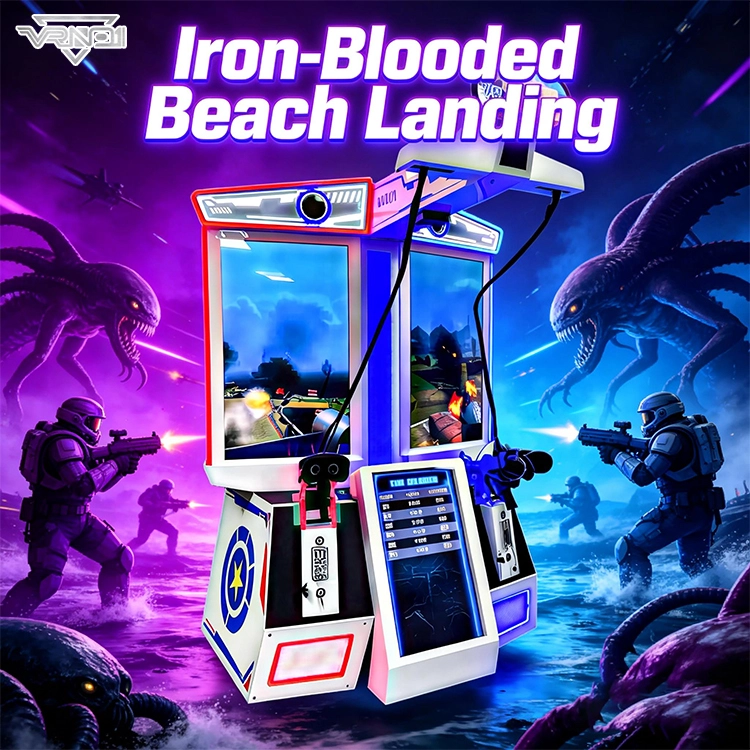
VRN0.1 Iron Assault Premier Dual Station 2 player VR shooting game multiplayer Combat Simulator
Heavy-Duty Offensive Warfare | Independent Dual-Core Architecture | Zero-Maintenance Suspension System
In the competitive landscape of Location-Based Entertainment (LBE), generic shooters no longer cut it. Enter the VR NO.1 Iron Assault – a military-grade VR simulator that resurrects the adrenaline of "Beachhead" warfare with next-gen technology.
Engineered by VR NO.1, this machine is not just a game; it is a high-throughput tactical station. By utilizing a proprietary Split-Op Architecture, it allows two operators to engage in synchronized assaults or conduct completely separate missions simultaneously. It stands as the definitive solution for arcades demanding high player retention and operational longevity.
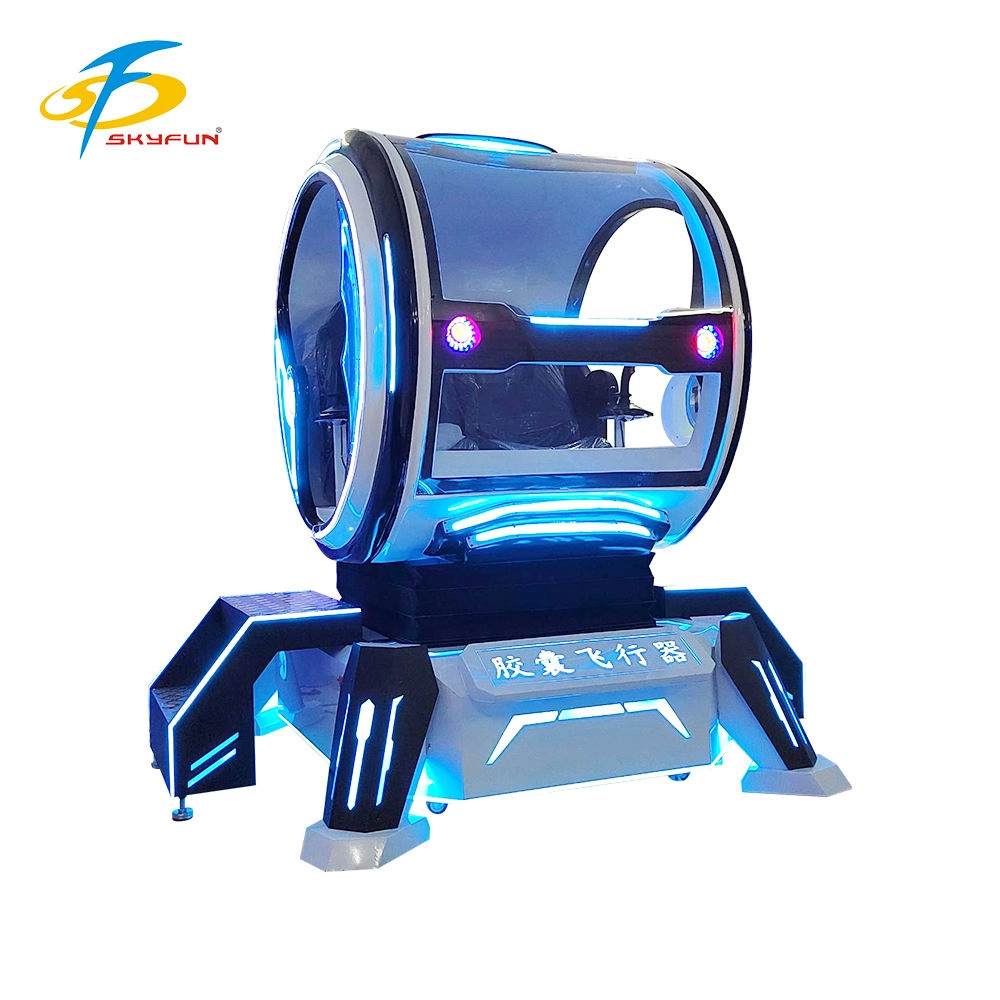
Double Player VR Flight Simulator 100 Movies 15 Games Coin-Operated Game Machine for Shopping Malls Amusement Parks
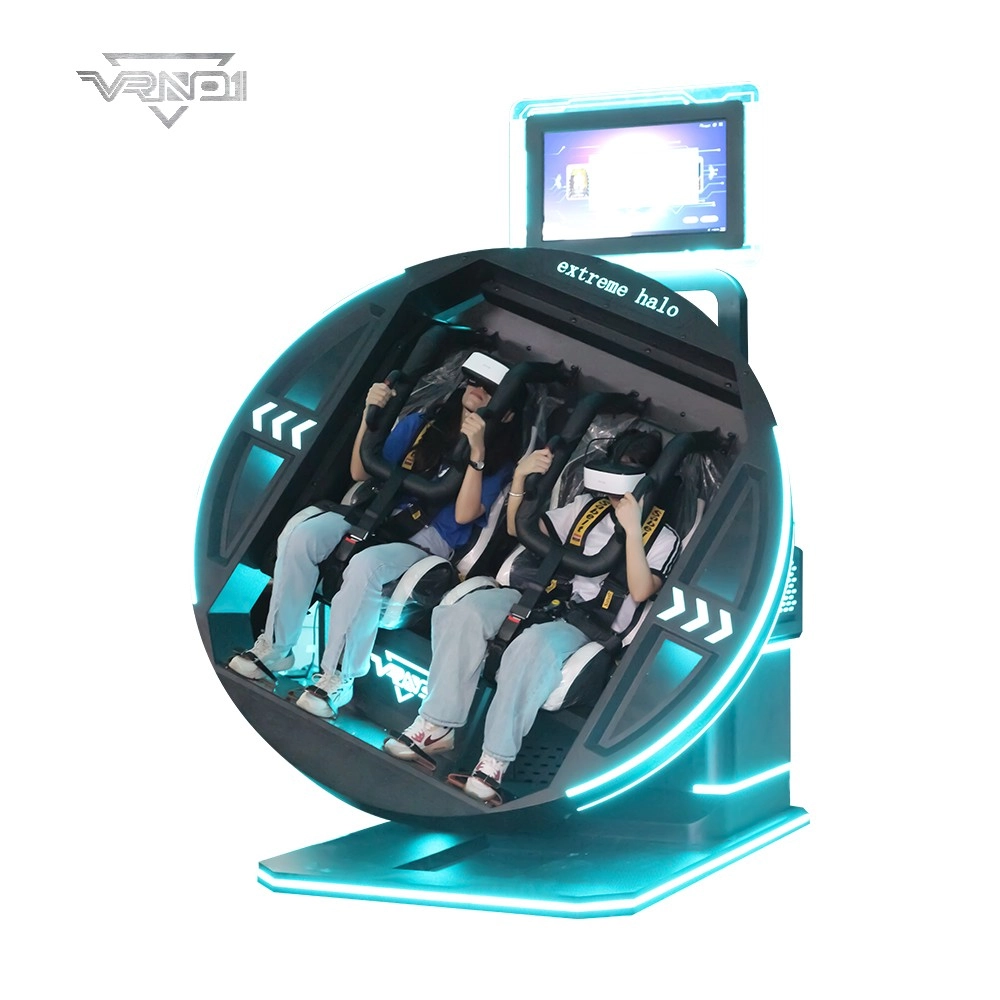
9D VR 360 Roller Coaster Cinema Chair Gaming Set Indoor/Outdoor Business Simulator Hardware for Home or School
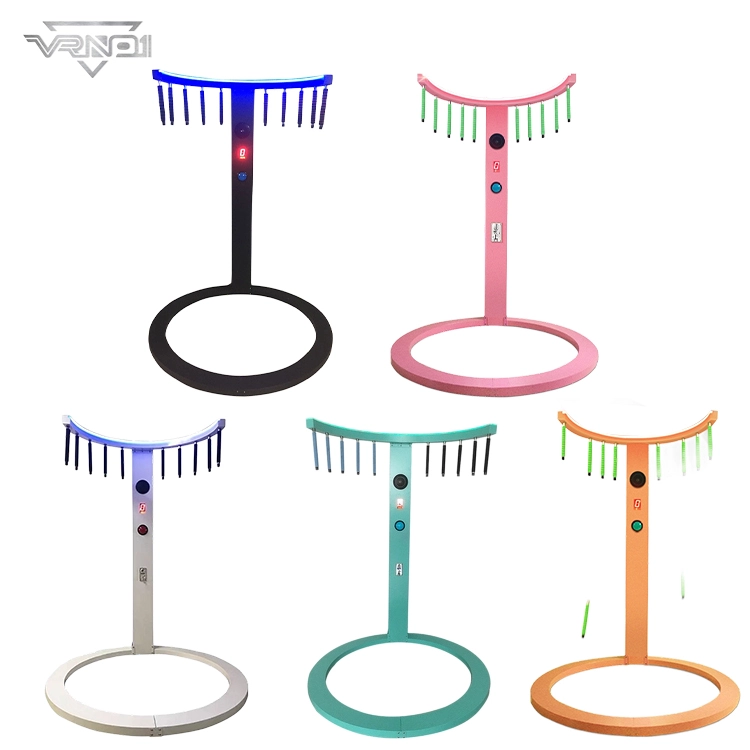
VRN0.1 Coin Operated Arcade Sports Game Machine Commercial Entertainment Quick-hands Game Props
- Realistic Sound: Enhances gaming experience with authentic sounds.
- Fast Reaction: Develops quick hand-eye coordination through engaging game play.
- DIY Kit: Allows for customization and personalization of the baton.
- Metal and Plastic Construction: Durable and robust build quality.
- Coin Operated: Fun for players who enjoy arcade-like experiences.
 Scan QR Code
Whatsapp: +8618127818571
Scan QR Code
Guangzhou Skyfun Technology Co.,Ltd
skyfunvrgame
skyfun game